Best Plumber Training Programs & Trade Schools - Top Plumbing Schools in North Dakota for 2026

Co-Founder and Chief Data Scientist
Choosing the right plumber trade school in North Dakota can set the foundation for a rewarding career. Whether you're starting fresh or seeking to boost your skills, finding a program that fits your goals is essential.
This article features a plumber trade school programs ranking created by the Research.com team of data scientists. It’s designed to help you make an informed choice about which schools are worth considering.
Discover programs that offer hands-on training and certification opportunities, opening doors to steady work and personal growth. Your future in plumbing starts here.
Key benefits of finishing plumber trade school in North Dakota
- Graduates of plumber trade schools in North Dakota can expect starting salaries around $38,370 per year, with experienced plumbers earning up to $78,470 annually, offering a strong return on investment.
- Career paths include becoming a licensed plumber, advancing to master plumber roles, or specializing in areas like pipefitting or HVAC, providing diverse opportunities for growth and stability.
- Completing a plumber trade school online offers flexibility and faster completion times, helping students balance work and study while entering the workforce sooner compared to traditional degrees.
- Best Plumber Training Programs & Trade Schools - Top Plumbing Schools in North Dakota for 2026
- What can I expect from plumber trade schools in North Dakota?
- Where can I work after finishing plumber trade schools in North Dakota?
What can I expect from plumber trade schools in North Dakota?
Enrolling in a plumber trade school program in North Dakota means diving into a dynamic blend of classroom theory and hands-on experience designed to prepare you for real-world success. Graduates from North Dakota State College of Science and Turtle Mountain Community College often share how quickly they gained confidence working with copper, plastic, and PEX piping during labs and on campus-built homes. The coursework covers everything from pipe sizing and fixture placement to mastering the Uniform Plumbing Code, ensuring you understand the rules that guide every project statewide.
Expect to explore advanced topics like blueprint reading, residential and commercial plumbing systems, and even construction management software like Procore, giving you a competitive edge. Many students appreciate the focus on sustainable "green" plumbing practices, which reflect modern industry demands. Plus, competing in Skills USA contests and passing a national competency exam highlight how this education benchmarks your skills nationally.
Completing your program means earning valuable credit toward your state apprenticeship, speeding up your journey to becoming a licensed journeyman plumber in North Dakota's thriving job market.
Where can I work after finishing plumber trade schools in North Dakota?
After finishing a plumber trade school program in North Dakota, graduates find themselves stepping into a world full of promising job opportunities. Many begin as apprentice plumbers, working side-by-side with seasoned professionals in cities like Bismarck and Fargo, gaining hands-on experience while earning a steady wage. These early roles allow them to assist with installing and repairing plumbing systems in homes and businesses, building the confidence needed for their career ahead.
As graduates gain skills and licensing, they often move into journeyperson plumber positions, tackling more complex projects with greater independence. Imagine working on a new commercial building in Grand Forks, troubleshooting plumbing challenges and designing efficient systems - it's the kind of rewarding work that comes with this career path.
Beyond traditional plumbing, many graduates explore specialized trades such as pipefitting or HVAC technician roles, thanks to strong connections employers have with trade schools across North Dakota. Facilities maintenance jobs in schools and hospitals also offer stable, fulfilling employment, ensuring that graduates have a variety of exciting options to build their future.
After finishing a plumber trade school program in North Dakota, graduates often feel a strong sense of pride stepping into a career with solid earning potential. Many start with an average annual salary of about $38,370, which quickly grows as they gain experience. For example, graduates from well-known trade schools in Fargo and Bismarck share stories of moving from entry-level wages to earning up to $78,470 annually within a few years.
Hourly wages also reflect this upward journey. New plumbers typically earn between $31 and $37 per hour, with the average around $36.61. Those who advance to journeyman status can see their hourly rate rise to an inspiring $35.47 or even as high as $53.67 in some cases.
This growth means that a career in plumbing in North Dakota not only offers financial stability but also the satisfaction of mastering a skilled trade that's in demand. Graduates often mention how their education opened doors to steady work and a rewarding lifestyle.
- Admission typically requires a high school diploma or GED and may include transcripts, residency proof, placement tests, drug screening, and background checks.
- Programs combine classroom learning and hands-on training, with up to 2,040 schooling hours credited toward apprenticeships by the North Dakota State Plumbing Board.
- After training, apprentices must register within 30 days of employment and complete a four-year apprenticeship before applying for a journeyman plumber license.
- The journeyman license application includes passing an exam and paying fees of $100 for application and $75 for licensing, with four credit hours of continuing education required every two years.
- Tuition for certificate plumbing programs ranges from about $4,000 to $8,000, excluding books, tools, and supplies; financial aid may be available.
- Entry-level plumbers earn $40,000 to $50,000 annually, while experienced plumbers can make $60,000 to $70,000 depending on experience and location.
Completing a plumber trade school program in North Dakota typically takes about 6 to 12 months, depending on the school and course intensity. Many graduates from popular trade schools in the state find this timeline perfectly balanced-it's quick enough to jumpstart a career but thorough enough to build solid skills. Imagine starting your mornings learning pipe fitting and welding, then afternoons working hands-on in real-world labs designed to simulate North Dakota's unique plumbing challenges.
One graduate shared how the immersive schedule helped them gain confidence fast, turning complex blueprints into clear action steps within weeks. Another appreciated how the program's flexible pacing allowed them to work part-time while mastering essential plumbing codes and safety protocols. Trade schools in North Dakota focus on practical training, so students leave ready to tackle both residential and commercial projects with pride.
This focused timeline means you can move swiftly from classroom to career, stepping into a rewarding profession that offers stability and growth in communities across North Dakota.
The difference between online and on-campus plumber trade school programs in North Dakota is all about how you learn and the hands-on experience you gain. Online programs, like those offered by RocketCert or Penn Foster, give you the freedom to study plumbing theory and prepare for exams at your own pace, fitting easily around work or family life. Many graduates appreciate how these courses use video tutorials and interactive tools to make learning engaging and flexible, especially when balancing busy schedules.
But becoming a skilled plumber means more than just knowing the theory. On-campus programs, such as the one at Northland Community & Technical College, immerse you in real-world practice-handling tools, reading blueprints, and working with materials in a workshop setting. Graduates often share how this hands-on training boosted their confidence and readiness for actual job sites, making them highly attractive to North Dakota employers.
Choosing between these paths depends on your lifestyle and goals, but for many, the blend of flexible online learning and in-person skill-building opens exciting doors in plumbing careers.
Understanding the average tuition fees for plumbing programs in North Dakota is a key step for students eager to launch a rewarding career. For example, graduates from North Dakota State College of Science (NDSCS) in Wahpeton experience tuition that ranges between $90 and $154 per credit hour. Since the plumbing program consists of 17 credits, this equates to a total cost of roughly $1,530 to $2,618 for tuition alone. Many students describe this investment as a smart decision that opens doors to hands-on learning, industry connections, and real-world skills that build confidence.
However, beyond tuition, the total cost of plumbing trade school education in North Dakota includes necessary expenses like books, supplies averaging $500 per semester, and a one-time investment of around $1,000 for essential tools and equipment. These costs, while significant, reflect the tangible resources students gain-resources that transform their training into trusted expertise on job sites across the state. Graduates often emphasize how these dedicated expenses fueled their motivation, knowing they were preparing for stable and well-paying careers.
Many who pursue this path find support through financial aid such as federal loans, grants, and scholarships tailored to technical education. Armed with this assistance, and inspired by success stories, prospective plumbers recognize the long-term value, especially when paired with the average trade school graduate salary that awaits skilled professionals after completing their programs.
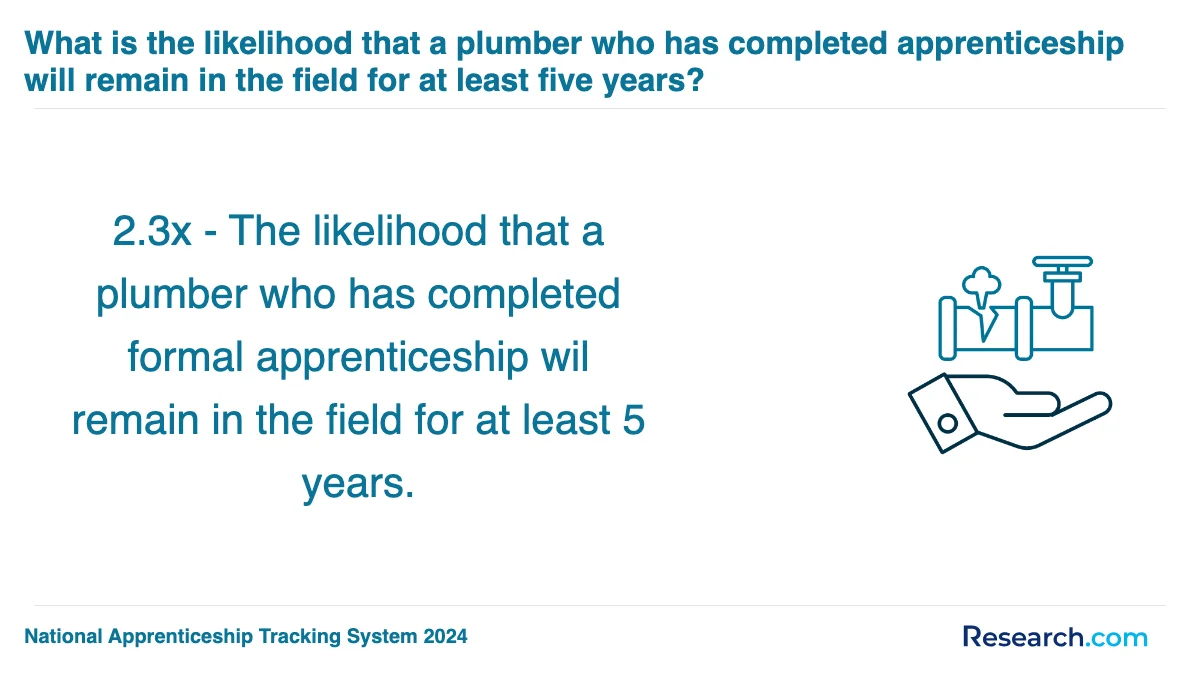
Students pursuing plumbing careers at North Dakota trade schools like North Dakota State College of Science often find hope through robust financial aid options. Many graduates recall how completing the FAFSA unlocked access to federal Pell Grants, easing the burden by providing funds that never need to be repaid. These grants, combined with low-interest federal loans, create a supportive foundation that makes attending school more achievable.
State-specific scholarships and grants add another layer of encouragement. Imagine qualifying for awards up to $17,000 simply by committing to full-time study and contributing to your community after graduation. This kind of aid not only reduces costs but also motivates students to excel academically and professionally within North Dakota.
Institutional scholarships available at schools like NDSCS help students celebrate their dedication with financial rewards, while work-study programs offer hands-on experience paired with income to support daily expenses. Graduates often express pride in balancing study and work, knowing these opportunities made their plumbing education both affordable and rewarding.
Enrolling in a plumber trade school program in North Dakota is an exciting step toward a rewarding career, and the prerequisites are designed to set you up for success. Most trade schools here expect you to have a high school diploma or a GED, ensuring you have the foundational skills needed for technical learning.
Beyond education, schools appreciate students who show a genuine eagerness to learn and a strong work ethic. Graduates often share how their determination helped them thrive, especially when tackling hands-on training and real-world problem solving.
Typical prerequisites include:
- Proof of residency or legal eligibility to study in North Dakota
- Basic math and reading proficiency, often demonstrated through placement tests or previous coursework
- Physical ability to handle manual labor, as plumbing requires strength and stamina
- A strong willingness to engage in both classroom and practical learning environments
Many students recall the supportive environment at popular North Dakota trade schools, where instructors motivate you to push your limits and celebrate every milestone. Whether working on piping systems or mastering safety protocols, these prerequisites ensure you're ready to embrace every challenge with confidence and pride.

Plumber trade school programs in North Dakota equip students with a powerful blend of hands-on skills and essential knowledge, ensuring graduates feel confident and ready to excel. Popular trade schools emphasize foundational courses like Plumbing Technology, where students get their first taste of working with real tools and materials, sparking excitement as they build their skillset.
These programs include core courses such as:
- Occupational Safety and Health Administration (OSHA) certification and first aid training, ensuring safety is second nature on every job site
- Basic technical mathematics, empowering students to master precise measurements for pipe sizing and system design
- Plumbing codes and standards, focusing on the Uniform Plumbing Code (UPC) to prepare for state licensure and ensure compliance
- Blueprint reading and isometric analysis, key skills for interpreting construction plans and troubleshooting
- Pipe installation and fabrication with copper, plastic, and PEX, practiced in real-world settings including campus construction projects
Graduates often share how mastering these courses at North Dakota's trade schools transforms their confidence, turning complex plans into manageable tasks and challenging projects into career-launching achievements. The hands-on experience with welding, soldering, and environmental sustainability topics makes learning dynamic and relevant, inspiring students to build greener, more efficient plumbing systems. This comprehensive curriculum truly prepares students to thrive in North Dakota's plumbing industry and beyond.
Plumber trade school programs in North Dakota offer exciting specializations that prepare students to excel in diverse plumbing roles. Graduates from popular schools experience hands-on training in areas like plumbing technology programs in North Dakota, which focus on installing and maintaining complex piping systems for residential, commercial, and industrial settings. Imagine confidently assembling piping systems for heating or natural gas, applying blueprint reading skills during real-world projects, or mastering welding and soldering techniques under expert guidance.
Specialized courses often include:
- Plumbing Theory and Code compliance
- Blueprint reading and drafting
- Electricity basics related to plumbing systems
- Workplace safety protocols
Many students describe the feeling of empowerment as they progress through plumbing certification courses in North Dakota, gaining knowledge that opens doors to rewarding careers. The North Dakota State College of Science, for example, provides a comprehensive program combining classroom learning with practical experience to build confidence and skill. These programs are designed for those ready to dive into a trade that offers both challenge and fulfillment. For those aiming at high-paying opportunities, exploring high paying trade school jobs after graduation is an inspiring next step.
Choosing from the best plumbing schools in North Dakota means focusing on programs that blend solid accreditation with hands-on training. Graduates from North Dakota State College of Science often praise how their curriculum, combining theory and practical lab sessions, gave them real confidence in reading blueprints and handling residential or commercial plumbing challenges.
Consider also the structure and length of the program; some prefer the intensive, practice-oriented diploma at Western Dakota Technical College, which prepares students thoroughly for entry-level roles. Apprenticeship opportunities, like those through Plumbers & Pipefitters Local 300, offer invaluable on-the-job experience, making the transition into the workforce smoother and more rewarding.
Look for programs with strong job placement rates and industry connections-graduates frequently highlight how these ties open doors for internships and employment. To support your journey, explore options with financial aid or included materials, easing the cost burden. If you want to explore more options, check out the best construction trade program online for additional inspiration.
Ultimately, the top plumber trade programs in North Dakota combine quality instruction, local resources, and career support to set you up for long-term success and satisfaction in the plumbing field.
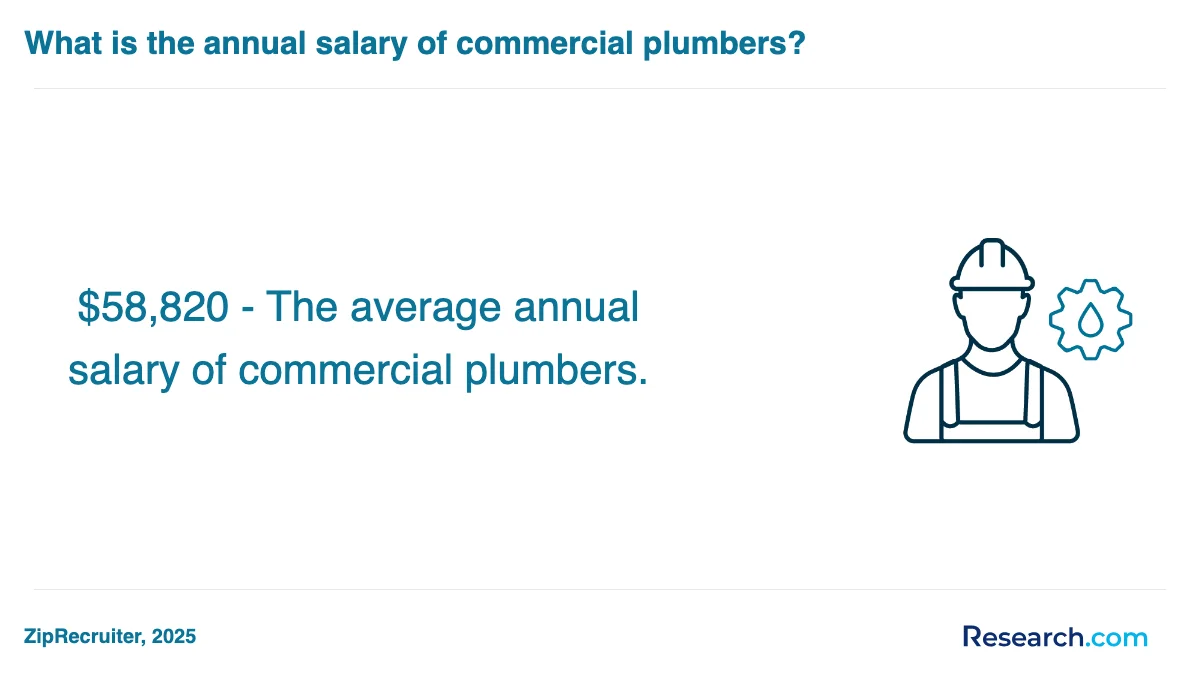
Graduates of plumber trade school programs in North Dakota quickly find a variety of fulfilling career paths that suit different ambitions and lifestyles. Many start as Apprentice Plumbers, gaining invaluable hands-on experience under skilled mentors in well-known local trade schools. This stage is exciting, as apprentices get to build real skills on-site, setting the foundation for a rewarding career. Advancing to a Journeyman Plumber opens doors to working independently on diverse projects-from cozy home repairs to large commercial installations-and even stepping into supervisory roles, which brings added pride and responsibility.
For those aiming higher, becoming a Master Plumber offers the chance to lead major projects, train apprentices, or manage entire teams. Many graduates feel empowered pursuing self-employment, launching thriving plumbing businesses that serve North Dakota's thriving communities.
Specializations like pipefitting, steamfitting, or HVAC expand opportunities further, providing plumbers with versatile skills in high demand. The abundant plumber job opportunities in North Dakota reflect these broad possibilities.
Popular trade schools in the state bring their graduates into a community of professionals experiencing steady career growth and job stability. Graduates often mention how their training prepared them for success, fueling confidence to pursue diverse roles across the region.
Exploring these plumbing career paths in North Dakota also means keeping up with licensing and continuing education to stay ahead. Learning why the advantages of vocational training matter can truly inspire students to embrace plumbing as a lifelong, rewarding career.
The plumber job outlook in North Dakota is bright, with a stable market and ongoing demand for skilled professionals. Graduates from trade schools in North Dakota often share that hands-on learning combined with registered apprenticeships gives them a solid foundation to succeed in both residential and commercial sectors. Local employers highly value these graduates, offering competitive pay and career growth opportunities.
Trade schools popular in North Dakota emphasize state licensing preparation, a key to unlocking the many job opportunities available. These graduates frequently find themselves welcomed into positions such as apprentice plumbers, journeypersons, and foremen, thanks to North Dakota's licensing requirements which ensure trust and quality across the industry.
Students often report excitement when entering a workforce that:
- Has over 90 plumbing-related job openings statewide
- Supports steady work through construction and maintenance projects
- Values on-the-job training and advancement possibilities
For those exploring education paths, options can be found among the best vocational trade schools in the region, where programs integrate practical skills with steps toward licensure. Learn more about vocational trade schools that can guide your plumbing career forward, ensuring you meet market needs and position yourself for success in North Dakota's plumbing industry demand North Dakota.
Best Plumber Training Programs & Trade Schools - Top Plumbing Schools in North Dakota for 2026
# 1 position
Turtle Mountain Community College - Plumbing Technology/Plumber.
certificate or diplomaTurtle Mountain Community College offers a hybrid Plumbing Technology/Plumber program that trains students to become licensed plumbers. The curriculum covers installation and maintenance of piping systems for various utilities, including steam, natural gas, and water. Instruction includes technical mathematics, blueprint reading, welding, plumbing inspection, and relevant codes. The program’s annual in-state tuition is $2,626. It is accredited by the Higher Learning Commission.
# 2 position
North Dakota State College of Science - Plumbing Technology/Plumber.
certificate or diplomaNorth Dakota State College of Science offers a Plumbing Technology/Plumber program designed to prepare students for licensed plumbing careers. The hybrid format includes distance education options. Tuition for in-state students is $5,928 annually. The program covers skills such as pipe installation, welding, blueprint reading, plumbing inspection, and understanding codes. Instruction also includes technical mathematics, physics, and system maintenance for various residential and industrial piping systems. The program is accredited by the Higher Learning Commission.
Frequently Asked Questions about plumber
After completing a plumber trade school in North Dakota, preparing for the job market involves several key steps. First, obtaining state licensure is essential; North Dakota requires plumbers to pass the state journeyman exam administered by the North Dakota State Plumbing Board. This certification verifies your skills and legal eligibility to work.
Networking with local contractors and joining professional associations, such as the Plumbing-Heating-Cooling Contractors Association of North Dakota, can provide valuable job leads and mentorship opportunities. Additionally, gaining hands-on experience through apprenticeships or entry-level positions is crucial for skill development and employability.
According to the U.S. Bureau of Labor Statistics, plumber employment in North Dakota is projected to grow moderately, making timely preparation important.
Employers in North Dakota seeking plumber trade school graduates prioritize a strong foundation in technical skills such as pipe fitting, system installation, and blueprint reading. According to the U.S. Bureau of Labor Statistics, practical knowledge of water supply systems and local plumbing codes is essential for success in the field. In addition, problem-solving skills and the ability to work independently are highly valued due to the rural and often remote job locations in the state.
Communication skills also rank highly, as plumbers frequently interact with clients and contractors. Safety awareness and adherence to OSHA standards remain critical, reflecting the physical and regulated nature of plumbing work. Overall, graduates who combine hands-on expertise with professionalism are in greatest demand.
Finding internships relevant to plumber trade school programs in North Dakota involves several practical steps. Start by contacting local trade schools directly, as many maintain partnerships with plumbing contractors and companies offering internship placements. The North Dakota Department of Labor and Human Rights provides resources that connect students with registered apprenticeship programs in plumbing, which often include paid internships.
The U.S. Bureau of Labor Statistics reports that apprenticeship opportunities in skilled trades are growing nationally, and North Dakota's construction sector continues to expand, increasing demand for plumbing interns. Additionally, joining local trade unions such as the United Association of Plumbers and Pipefitters can offer direct access to internships and apprenticeships.
Online job boards like the North Dakota Job Service also list plumbing internship openings. Networking at industry events and career fairs hosted by community colleges can further improve chances of securing relevant internships.
Obtaining a plumber trade school diploma in North Dakota significantly enhances career mobility and advancement opportunities. The state requires plumbers to be licensed, which typically involves completing an accredited program and passing a licensing exam. Graduates with a diploma are better positioned to meet these requirements, facilitating entry into the workforce.
According to the North Dakota Department of Labor, skilled trades jobs, including plumbing, are projected to grow by 5% through 2030, reflecting steady demand. A diploma demonstrates practical skills and knowledge, making candidates more competitive for apprenticeships and journeyman roles.
Moreover, diploma holders often earn higher starting wages compared to those without formal training. This credential can also open doors to supervisory or specialized plumbing positions over time.
Students enrolled in plumber trade schools in North Dakota have several part-time job opportunities that can enhance their education and practical skills. Entry-level positions such as plumbing assistants or helpers are common, allowing students to work alongside experienced plumbers on installations and repairs. According to the U.S. Bureau of Labor Statistics, North Dakota's plumbing sector is expected to grow about 8% through 2031, reflecting steady demand for skilled workers.
Other complementary roles include maintenance technician jobs in residential or commercial buildings, which provide hands-on experience with plumbing systems. Additionally, some students find part-time work in hardware stores, gaining product knowledge relevant to plumbing. These jobs not only build technical skills but also improve customer service abilities, beneficial for future self-employed plumbers or contractors.
To find the best Plumber degree program near me in North Dakota, start by researching local community colleges and trade schools that offer plumbing certifications or associate degrees. Programs near North Dakota may be available at numerous technical institutes, so it's beneficial to search for curriculum details and graduate reviews using resources like Research.com. Additionally, visiting campuses and speaking with advisors can provide insights into the program quality and the success of its graduates.
- Best Plumber Training Programs & Trade Schools - Top Plumbing Schools in South Dakota for 2026
- Best Plumber Training Programs & Trade Schools - Top Plumbing Schools in Nebraska for 2026
- Best Plumber Training Programs & Trade Schools - Top Plumbing Schools in Iowa for 2026
- Best Plumber Training Programs & Trade Schools - Top Plumbing Schools in Wisconsin for 2026
- Best Plumber Training Programs & Trade Schools - Top Plumbing Schools in Illinois for 2026
- Best Plumber Training Programs & Trade Schools - Top Plumbing Schools in Missouri for 2026
- Best Plumber Training Programs & Trade Schools - Top Plumbing Schools in Michigan for 2026
- Best Plumber Training Programs & Trade Schools - Top Plumbing Schools in Oklahoma for 2026
- Best Plumber Training Programs & Trade Schools - Top Plumbing Schools in Kentucky for 2026
- Best Plumber Training Programs & Trade Schools - Top Plumbing Schools in Ohio for 2026
- Top Plumbing Programs in North Dakota | Learn How to Become https://toptradeschools.com/near-you/plumber/north-dakota/
- Plumbing Schools in North Dakota https://wetrainplumbers.com/nd/
- Online Foundations of Plumbing from North Dakota State University https://careertraining.ndsu.edu/training-programs/plumbing-foundations/
- Best Plumbing Schools In North Dakota - Plumber Prep http://www.plumberprep.com/best-plumbing-schools-in-north-dakota/
- Plumbing Technology | M State https://www.minnesota.edu/programs-and-degrees/plumbing-technology
- How to Become a Plumber in North Dakota | Dreambound https://dreambound.com/blog/how-to-become-a-plumber-in-north-dakota
- Trade School vs. College: Pros and Cons | SharkBite https://www.sharkbite.com/us/en/resources/blog/industry-insights/plumber-spotlights/trade-school-vs-college-heres-what-you-need-to-consider
- Plumber Apprentice: Unlock Career Success | Eastwick College https://eastwick.edu/articles/unlocking-career-success-the-path-of-a-plumber-apprentice/
- Benefits of Becoming a Plumber - Consider a Future in Plumbing | Justice Plumbing https://www.justiceplumbing.com/blog/2021/july/benefits-of-becoming-a-plumber/
- Choosing a Career in the Plumbing Trade | HoldRite https://www.holdrite.com/us/en/construction-careers