
Best Plumber Training Programs & Trade Schools - Top Plumbing Schools in Illinois for 2026

Co-Founder and Chief Data Scientist
Choosing the right plumber trade school is an important step toward a rewarding and stable career in Illinois. This article introduces the best plumber trade school programs for 2026, ranked by the Research.com team of data scientists to help you make an informed decision.
Whether you’re starting fresh or seeking certification, earning a diploma from a top program opens doors to skilled work and career growth. Reading this guide will give you clarity and confidence on which schools offer quality training and real opportunities.
Explore your options and take the first step toward a fulfilling future in plumbing.
Key benefits of finishing plumber trade school in Illinois
- Graduates of plumber trade schools in Illinois can expect competitive salaries, with average annual earnings around $66,300 and experienced plumbers making up to $75,305 or more.
- Career paths include roles as journeyman plumbers, service technicians, or union members, offering opportunities for growth and higher pay, like those seen with Plumbers Local 130 UA in Chicago.
- Completing a plumber trade school online offers flexible learning schedules and quicker entry into the workforce, ideal for those balancing work or family commitments while gaining valuable skills.
- Best Plumber Training Programs & Trade Schools - Top Plumbing Schools in Illinois for 2026
- What can I expect from plumber trade schools in Illinois?
- Where can I work after finishing plumber trade schools in Illinois?
What can I expect from plumber trade schools in Illinois?
When you enroll in a plumber trade school program in Illinois, expect a balanced mix of classroom learning and hands-on training that prepares you for real-world challenges. Graduates from popular Illinois trade schools often share how courses cover essential topics like the Illinois Plumbing Code, blueprint reading, and safety protocols, making complex rules feel manageable and relevant. You'll practice skills such as soldering and pipe joining, which build confidence as you progress.
Many students appreciate the schedule flexibility-classes often happen one day a week or in the evenings, allowing you to work alongside experienced plumbers for four days weekly. This on-the-job experience, paired with guidance from licensed instructors, helps students see the immediate impact of what they learn, turning theory into practical know-how.
Expect a supportive environment where communication skills and customer service are emphasized, preparing you not just to fix pipes but to connect with clients. The journey is demanding but rewarding, setting you up for success in Illinois' competitive plumbing industry.
Where can I work after finishing plumber trade schools in Illinois?
After finishing a plumber trade school program in Illinois, such as those offered at well-known institutions like the Plumbing Institute of Illinois or Chicago Trade School, graduates often step directly into diverse job roles. Many start as apprentice plumbers, working hands-on alongside licensed professionals in settings ranging from residential homes to large commercial projects. This early experience helps build confidence while earning $16-18 per hour, a rewarding start for those eager to learn.
As apprentices gain skills, they move toward full licensure, unlocking opportunities with construction companies, property management firms, or maintenance contractors. Graduates frequently share how exciting it is to troubleshoot real plumbing issues-installing water heaters or fixing drainage systems-knowing they're solving problems that keep families and businesses running smoothly.
Others choose to join public sectors, like universities or hospitals, where they maintain essential infrastructure in dynamic environments. The career path can even lead to independent contracting, offering freedom and the chance to grow a personal client base. These tangible, hands-on roles make the plumber trade a fulfilling and stable career choice in Illinois.
After finishing a plumber trade school program in Illinois, many graduates start as apprentice plumbers earning between $18 to $27 per hour. This means you can expect an annual starting salary around $43,900, which is a solid foundation for launching your career. Graduates from popular Illinois trade schools often share how this starting wage helped them cover living expenses while gaining hands-on experience on real job sites.
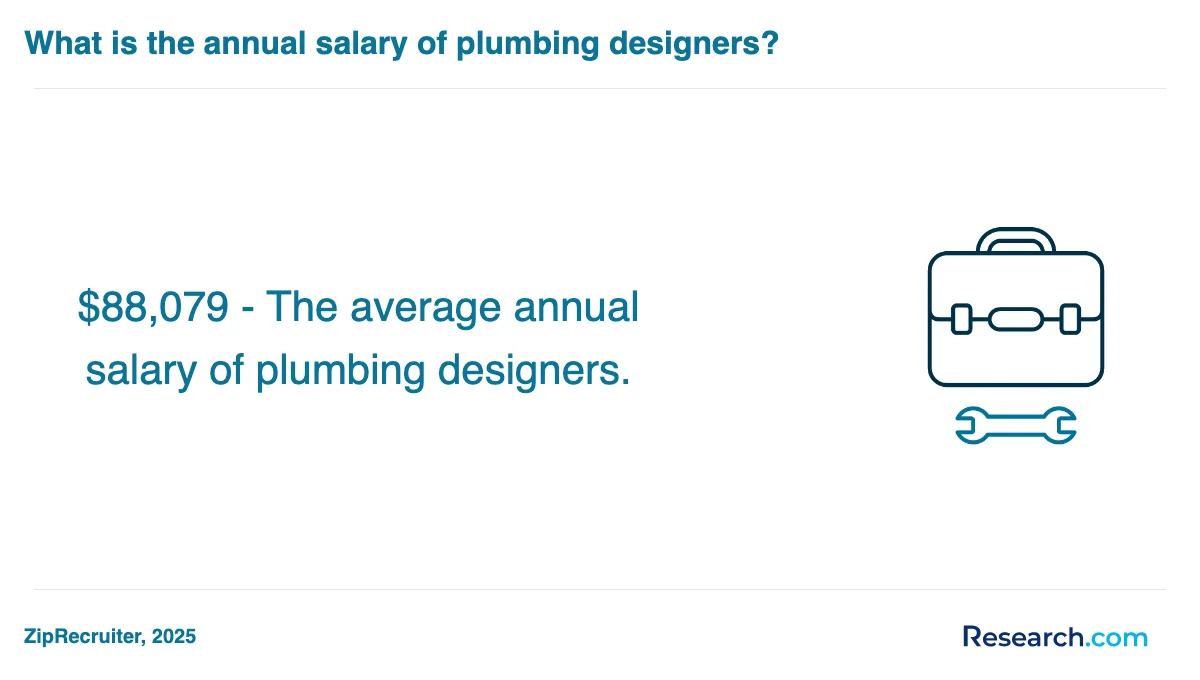
As you complete your apprenticeship and earn your Plumber's License, your earning potential rises dramatically. Licensed plumbers in Illinois average about $88,420 per year, with some sources reporting even higher salaries depending on your location and specialization. For example, union members in Chicago often report incomes exceeding $100,000 annually, reflecting the city's strong demand for skilled tradespeople.
It's encouraging to hear from recent graduates who felt proud moving from entry-level wages to high-paying roles within just a few years. Training at well-known Illinois programs equips you with the skills and connections needed to thrive in this rewarding trade.
- Most plumbing programs in Illinois require a high school diploma or GED, applicants must be at least 18 years old and pass a drug screening and background check.
- Apprenticeships last at least four years, with a minimum of 1,400 hours per year, totaling 5,600 hours under a licensed plumber's supervision.
- Tuition for plumbing apprenticeship programs ranges from $850 to $925 per semester, totaling about $6,800 to $7,400 for the full program.
- After completing the apprenticeship, candidates must pass the Illinois Plumber's License Exam to work independently.
- Starting salaries for licensed plumbers in Illinois range from $45,000 to $55,000 annually, with experienced plumbers earning $70,000 or more.
- The job outlook for plumbers in Illinois is strong due to steady demand for construction, renovation, and maintenance work.
Completing a plumber trade school program in Illinois typically takes about 12 to 18 months. Many graduates from well-known Illinois trade schools share that this timeframe fits well with their busy schedules and allows them to gain hands-on experience quickly. For example, students often describe balancing classroom lessons with practical labs, installing pipes and fixtures just as they would on an actual job site, which makes learning both engaging and rewarding.
Some programs offer accelerated options, enabling motivated students to finish sooner by attending more intensive sessions. Others appreciate the standard pace, which allows for part-time study alongside work or family responsibilities. Graduates often mention feeling confident stepping into apprenticeships after completing these programs because the curriculum focuses on real-world skills used daily in Illinois plumbing jobs.
Whether you're attending a school in Chicago, Springfield, or elsewhere in the state, the consistent feedback is that the program length fits well with launching a successful plumbing career without unnecessary delays.
Online plumber trade school programs in Illinois offer great flexibility, especially for those juggling work or family. Graduates often praise programs like the University of Illinois at Springfield's self-paced "Foundations of Plumbing" course for allowing them to learn plumbing codes, safety, and blueprint reading from anywhere, on their own schedule. This setup works well for building theoretical knowledge without interrupting daily life.
However, many graduates quickly realize that without hands-on experience, it's tough to master the physical skills essential to plumbing. That's where on-campus programs shine. Schools such as the Building and Fire Code Academy in Elgin require students to attend in person, blending classroom lessons with real-world practice like pipe assembly and fixture installation. Students appreciate the immediate feedback from instructors and the chance to collaborate face-to-face, which builds confidence and prepares them directly for Illinois licensing exams.
In short, online programs fit those needing flexibility and theory, while on-campus programs connect you with the practical training and state-required hours critical for a successful plumbing career in Illinois.
The average tuition fees for plumbing programs in Illinois can vary widely depending on the type of trade school or college you choose. For example, Illinois Plumbing Consultants in Crystal Lake charges $700 per semester or $1,300 annually for their license preparation program, which many graduates find provides excellent foundational knowledge and hands-on skills. Meanwhile, certificate programs typically range from $1,250 to $3,000, offering focused training that's attractive for those looking to quickly enter the workforce.
Associate degree programs, like those at Southwestern Illinois College, can significantly increase the total expenses for plumbing trade schools in Illinois. In-state tuition there is about $6,080, while out-of-state students might pay up to $23,744. Graduates often highlight how this more comprehensive education helped them gain confidence and opened doors to better opportunities.
Apprenticeship programs offer a different path, often costing between $0 and $1,000 over several years while providing valuable on-the-job training combined with classroom learning. Students appreciate this model because it allows them to earn while they learn, reducing upfront costs.
Additional expenses such as textbooks, tools, and safety equipment typically add several hundred dollars to the overall budget, which reflects the reality of preparing for a skilled trade. Many students find that leveraging financial aid or scholarships eases this burden.
Understanding these costs is vital, as investing wisely in your education lays the groundwork for a rewarding career with great earning potential. In fact, those who successfully complete their plumbing education often enjoy competitive wages, which makes knowing the average cost worth considering before committing to a program. To explore career potential alongside cost, you might find it helpful to review the average trade school salary to support your decision-making process.
If you're planning to study plumbing in Illinois, financial aid can make a huge difference. Many graduates from well-known schools like the Midwest Technical Institute found scholarships crucial in covering their tuition. For instance, the Midwest Technical Institute's High School Scholarship Program awarded nearly $300,000 in 2024 alone, giving students a real boost toward their goals.
Need-based aid is another lifeline. Local scholarships from organizations such as the Western Illinois Regional Council (WIRC) offer awards up to $5,000, which can help with tuition, textbooks, and even living expenses if you're staying on campus. Graduates often mention how these funds eased their financial stress and let them focus on learning their craft.
Federal aid, including Pell Grants and student loans, is also an option for many plumber trade programs-but it depends on the school's accreditation. Some programs, like certain courses at the University of Illinois at Springfield, may not qualify, so always check with the financial aid office early. Networking with counselors and industry groups can open doors to additional scholarships, giving you a better chance to succeed without overwhelming debt.
Enrolling in a plumber trade school program in Illinois typically requires a few basic prerequisites designed to set you up for success. Most schools expect applicants to have a high school diploma or GED, which ensures you have foundational skills in math and reading-essential for understanding plumbing codes and technical manuals.
Many graduates recall how helpful it was to have some hands-on experience or exposure, even if informal, like helping with home repairs. This practical background can make the transition into trade school smoother and more enjoyable.
Other common prerequisites include:
- Being at least 18 years old, which aligns with legal working age requirements in Illinois.
- Passing a basic aptitude test or entrance exam at some schools to assess math and mechanical reasoning skills.
- Providing proof of residency or legal status in Illinois, especially for state-sponsored programs.
Trade schools such as those in Chicago and Springfield often offer orientation sessions where instructors share real-life scenarios, like diagnosing leaks in complex residential systems, helping students feel confident from day one. Graduates emphasize that meeting these prerequisites is less about barriers and more about preparing you to thrive in a hands-on, rewarding career.
In Illinois plumber trade school programs, you'll dive into courses designed to build both your knowledge and confidence on the job. Graduates often share how mastering the Illinois Plumbing Code and State License Law helped them navigate real-world inspections smoothly, a must for passing the state licensing exam.
Hands-on learning is key. For example, courses in Blueprint Reading and Construction Documents teach you to interpret plans just like you'll do on-site, avoiding costly mistakes. Many students recall how this skill made their first job easier when they could quickly understand project layouts.
Other crucial courses include:
- Plumbing Mathematics and Geometry: Essential for correctly sizing pipes and estimating materials, which saves time and money.
- Practical Assembly Techniques and Shop Instruction: Building real plumbing systems in workshops builds confidence before stepping onto a jobsite.
- Safety Procedures and First Aid: Knowing OSHA standards and first aid keeps you and your team safe, a priority emphasized in every Illinois trade school.
Additionally, courses covering Hydrodynamic Theory and Water Systems and Fixtures, Valves, and Fittings ensure you understand how water moves through a building and how to maintain key components efficiently. Graduates from popular Illinois trade schools often highlight how these lessons made troubleshooting much simpler during apprenticeships.
Finally, staying current with Industry Updates prepares you for evolving technologies and materials, keeping you ahead in this dynamic trade. This blend of technical know-how and practical experience is what makes Illinois plumber programs stand out.
Plumber trade school programs in Illinois offer a variety of specializations designed to meet real-world demands in the plumbing industry. Graduates from schools like the Building and Fire Code Academy gain in-depth knowledge of code compliance and inspection, mastering Illinois plumbing codes and blueprint reading-a crucial edge for those seeking inspector roles or supervisory positions.
Other popular focus areas include hands-on training in residential versus commercial plumbing systems, with institutions such as Triton College providing experience fitting, maintaining, and repairing plumbing in both homes and large commercial buildings. This helps students find their niche whether they prefer the dynamics of a household environment or the complexity of commercial projects.
Trade schools also emphasize pipefitting and steamfitting, including welding and soldering skills, perfect for those targeting industrial or heating systems careers. Additionally, advancements in the field mean many programs cover new technologies and the integration of electrical systems into plumbing setups, preparing students for future-forward roles.
Here's what Illinois plumber training program focus areas often cover:
- Code compliance and inspection expertise
- Residential and commercial plumbing systems
- Pipefitting and steamfitting techniques
- Advanced plumbing technologies and materials
Licensed plumbers in Illinois are encouraged to pursue continuing education in topics like green plumbing and safety upgrades, maintaining a competitive edge throughout their careers. Many graduates express enthusiasm for how these diverse plumbing specializations offered by Illinois trade schools empower them to align their training with their personal and professional goals.
For those exploring trades with high demand, specializing during your Illinois plumbing education offers a clear path to in-demand career opportunities and job security.
Choosing the best plumbing schools in Illinois means prioritizing accreditation and hands-on training. Graduates from programs like the Building and Fire Code Academy in Elgin often share how combining classroom lessons with real-world practice gave them confidence on the job. When you explore top-rated plumber trade programs in Illinois, look for those that prepare you thoroughly for the state's licensing exam, including state codes and safety procedures. Apprenticeship options, such as UA Local 130 in Chicago, offer a long-term immersive experience that graduates say deeply shaped their skills and employability.
Location matters-students attending Kennedy-King College appreciate its accessibility and affordable tuition, making it easier to focus on learning without financial stress. Additionally, exploring the best construction trade school online resources can reveal alternative paths with flexible schedules and strong reputations. Emphasize schools with proven job placement rates, as graduates often reflect on the value of industry connections made through those programs.
Graduates of plumber trade school programs in Illinois often find themselves well-prepared to explore diverse plumbing career opportunities in Illinois. Many start as plumbing apprentices, working onsite alongside seasoned plumbers while developing hands-on skills. These apprentices typically earn around $47,000 annually, learning the ropes in real-world settings, such as residential repairs or commercial installations from popular trade schools in the state.
As they progress from plumber apprentice to master plumber Illinois, graduates see their roles transform. After completing a 4- to 6-year apprenticeship and passing the licensing exam, they often move into journeyman roles earning about $57,000 yearly. Master plumber status opens even more doors-supervisory jobs, managing projects, or owning a plumbing business, sometimes generating earnings of $76,000 or more, depending on expertise.
Career paths include:
- Specializations like pipefitting, steamfitting, or plumbing inspection
- Leadership roles as contractors or business owners
- Positions in municipal water systems or industrial maintenance
Graduates from top Illinois trade schools share how these paths offer both stability and growth, especially in a market expecting 3% yearly expansion. If you're curious about programs, check out the top online trade schools for many flexible learning opportunities.
The plumber job outlook in Illinois remains robust, especially for trade school graduates stepping into a growing market. Graduates from popular Illinois schools often share how quickly they find work in urban hotspots like Cook and DuPage Counties, where construction and renovations flourish. Demand is fueled by ongoing residential projects and infrastructure upgrades, creating steady opportunities.
Entry-level plumbers enjoy competitive wages, which supports a positive career start. Some graduates report hourly pay ranging from $23 to $34, with possibilities to earn more as experience grows. The plumber salary and employment trends Illinois reveal a median annual wage reaching nearly $88,000, the highest nationwide, making this a financially rewarding craft.
In addition to traditional plumbing roles, many graduates discover niche areas such as sustainable plumbing systems, opening doors to specialized career paths. These trends align with what experienced tradespeople describe as a dynamic, evolving field with job security and advancement potential. For those exploring career options, resources on trade school highest paying jobs offer valuable insights.
Best Plumber Training Programs & Trade Schools - Top Plumbing Schools in Illinois for 2026
# 1 position
Triton College - Plumbing Technology/Plumber.
certificate or diplomaTriton College offers a hybrid Plumbing Technology/Plumber program preparing students for licensure by teaching technical skills to install and maintain piping systems for steam, gas, oil, water, heating, cooling, and industrial processing. The curriculum covers water distribution, pressure adjustment, mathematics, blueprint reading, welding, plumbing inspection, and codes. Annual in-state tuition is $4,920. The program is accredited by the Higher Learning Commission.
# 2 position
City Colleges of Chicago-Kennedy-King College - Plumbing Technology/Plumber.
certificate or diplomaCity Colleges of Chicago-Kennedy-King College offers a hybrid Plumbing Technology/Plumber program that prepares students to become licensed plumbers. The curriculum covers technical skills such as pipe installation, welding, blueprint reading, and applicable codes. Graduates earn a median salary of $82,055 one year after completion. The program includes instruction in water systems, pressure adjustment, and industrial processes, with an annual in-state tuition of $4,380. It is accredited by the Higher Learning Commission.
Frequently Asked Questions about plumber
After completing a plumber trade school in Illinois, preparing for the job market involves several key steps. First, obtaining the necessary state licenses is crucial. Illinois requires plumbers to earn a plumbing license through the Illinois Department of Public Health or local municipalities, depending on the area. Graduates should also consider apprenticeships or on-the-job training to gain practical experience, which many employers highly value.
Networking is important; joining local unions such as the Plumbers Local 130 or professional organizations can open up job opportunities. According to the U.S. Bureau of Labor Statistics, the demand for plumbers in Illinois is expected to grow 5% by 2031, highlighting steady job prospects.
Finally, continuing education and certifications in specialized plumbing areas can improve employability and earning potential.
Employers in Illinois seeking plumber trade school graduates prioritize both technical and soft skills. Proficiency in reading blueprints and local plumbing codes is essential, as Illinois enforces strict state and municipal regulations. According to the Illinois Department of Employment Security, practical skills such as pipefitting, system installation, and troubleshooting are among the top requirements. Additionally, familiarity with safety standards, including OSHA regulations, is critical to ensure workplace safety.
Strong problem-solving abilities and attention to detail help plumbers diagnose issues efficiently. Communication skills are also valued, enabling clear interaction with clients and team members. These combined skills increase job readiness and employability in Illinois's competitive plumbing sector.
Finding internships relevant to plumber trade school programs in Illinois involves several practical steps. Start by contacting your trade school's career services or apprenticeship office, as many Illinois schools partner with local plumbing contractors to offer hands-on internship opportunities.
Illinois Department of Commerce and Economic Opportunity (DCEO) supports registered apprenticeship programs, which often include paid internships. Visiting their website can provide a list of approved plumbing apprenticeships available statewide.
Networking with local plumbers' unions, such as the Plumbers Local 130 UA in Chicago, is another effective way to discover internships. These unions typically offer structured training and internship placements.
Additionally, online job boards like IllinoisJobLink.gov feature plumbing internship listings specifically for Illinois residents. Checking these regularly increases your chances of securing a position.
In Illinois, earning a plumber trade school diploma significantly enhances career mobility and advancement opportunities. The state requires plumbers to obtain licenses, often necessitating formal training and completion of accredited programs. A diploma from a recognized trade school fulfills educational prerequisites for apprenticeships and licensing exams, speeding entry into the workforce.
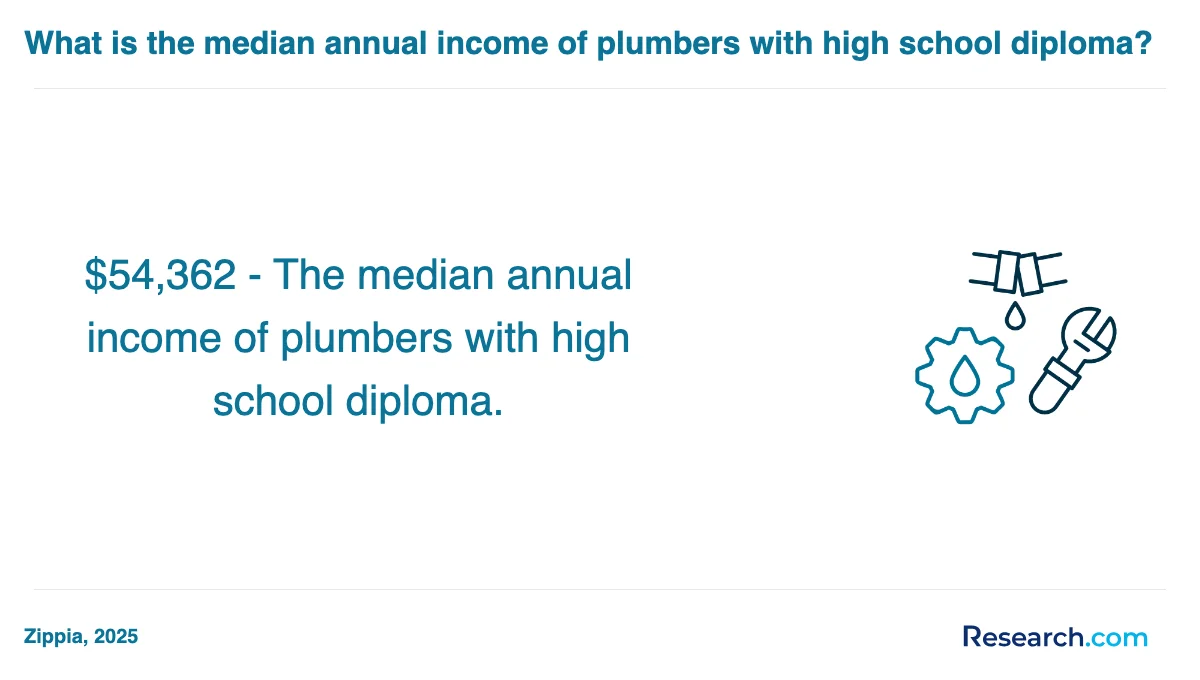
According to the Illinois Department of Employment Security, licensed plumbers in Illinois earn a median wage of about $58,000 annually, higher than many non-certified workers. Trade school graduates typically access better job placements and have a clearer path to supervisory roles or specialized plumbing fields.
The Illinois Community College Board reports growing enrollment in plumbing programs, reflecting increased demand and career stability. Overall, a diploma supports upward mobility by validating skills and meeting state licensing requirements critical to advancing in Illinois's plumbing industry.
Students enrolled in plumber trade schools in Illinois can benefit from part-time jobs that offer practical experience and income. Common opportunities include apprenticeships with licensed plumbing contractors, which combine paid work with hands-on training. According to the Illinois Department of Employment Security, plumbing apprenticeships typically pay between $15 and $25 per hour, providing valuable industry exposure.
Retail positions at hardware stores or home improvement centers also complement plumber education by enhancing product knowledge and customer service skills. Additionally, some students find part-time roles assisting plumbing inspectors or maintenance technicians in commercial buildings, gaining insight into code compliance and system troubleshooting.
These jobs support skill development while accommodating school schedules, making them suitable for trade students in Illinois.
To find the best Plumber degree program near you in Illinois, start by exploring educational institutions that offer vocational training in plumbing, including community colleges and technical schools. Research.com can be a helpful resource to identify and compare programs in order to determine their quality and relevance to your career goals. Additionally, consider visiting local campuses and reaching out to industry professionals near Illinois to gain insights and recommendations on programs available near me.
- Best Plumber Training Programs & Trade Schools - Top Plumbing Schools in Wisconsin for 2026
- Best Plumber Training Programs & Trade Schools - Top Plumbing Schools in Iowa for 2026
- Best Plumber Training Programs & Trade Schools - Top Plumbing Schools in Missouri for 2026
- Best Plumber Training Programs & Trade Schools - Top Plumbing Schools in Kentucky for 2026
- Best Plumber Training Programs & Trade Schools - Top Plumbing Schools in Michigan for 2026
- Best Plumber Training Programs & Trade Schools - Top Plumbing Schools in Ohio for 2026
- Best Plumber Training Programs & Trade Schools - Top Plumbing Schools in Tennessee for 2026
- Best Plumber Training Programs & Trade Schools - Top Plumbing Schools in Nebraska for 2026
- Best Plumber Training Programs & Trade Schools - Top Plumbing Schools in South Dakota for 2026
- Best Plumber Training Programs & Trade Schools - Top Plumbing Schools in North Dakota for 2026
- Online Foundations of Plumbing from University of Illinois at Springfield https://careertraining.uis.edu/training-programs/plumbing-foundations/
- Online Foundations of Plumbing from Sauk Valley Community College https://careertraining.svcc.edu/training-programs/plumbing-foundations/
- PLUMBER - UA Local 101 https://ualocal101.org/plumber/
- Plumbing Apprenticeship Education - BFCA - Building and Fire Code Academy https://bfcacademy.com/plumbing-pae/
- Illinois Plumber Programs https://www.trade-school.com/programs/Plumber/IL
- Industrial Training - Highland Community College https://highland.edu/academics/industrial-training/
- How To Become A Plumber | Explore The Trades https://explorethetrades.org/what-we-do/education/plumbing/how-to-become-a-plumber/
- 5 Things To Expect From a Plumbing Program at Trade School | Miller-Motte College https://www.miller-motte.edu/what-to-expect-from-plumbing-program/
- Choosing the Right Plumber Trade School: A Caring Step-by-Step Guide - Field Complete https://fieldcomplete.com/blog/industry-trends-and-innovations/choosing-the-right-plumber-trade-school-a-caring-step-by-step-guide
- Plumbing Trade School and Training Guide | NEIT https://www.neit.edu/blog/plumbing-trade-school


