Best Plumber Training Programs & Trade Schools - Top Plumbing Schools in California for 2026

Co-Founder and Chief Data Scientist
Choosing the right plumber trade school in California can shape your future career and open doors to rewarding opportunities. This article introduces a carefully crafted ranking of plumber trade school programs, developed by the Research.com team of data scientists to guide you toward the best options available.
Whether you’re starting fresh or seeking certification, understanding which programs offer quality education is essential. Reading this article will help you make an informed decision and take confident steps toward a skilled and stable profession in plumbing.
Key benefits of finishing plumber trade school in California
- Graduates of plumber trade schools in California can expect an average starting salary around $46,000 per year, with experienced plumbers earning up to $100,000+, making it a financially rewarding career choice.
- Trade school graduates often pursue diverse paths, including becoming journeyman plumbers, union workers, or self-employed professionals, allowing for flexible and fulfilling career growth.
- Completing plumber trade school online offers convenience and affordability, enabling students to balance work and study while gaining practical skills quickly, as many online graduates report faster entry into the workforce compared to traditional degrees.
- Best Plumber Training Programs & Trade Schools - Top Plumbing Schools in California for 2026
- What can I expect from plumber trade schools in California?
- Where can I work after finishing plumber trade schools in California?
What can I expect from plumber trade schools in California?
When you enroll in a plumber trade school program in California, expect a hands-on experience combined with classroom learning that really prepares you for real-world plumbing jobs. Many graduates from popular trade schools share how they quickly gained confidence working with piping systems, water supply lines, and drainage repairs during their coursework. You'll often use the same tools professionals rely on and dive into California-specific building codes and safety rules, which makes the training feel practical and relevant from day one.
Programs usually vary in length-from a few months for certificates to two years for associate degrees-but most students appreciate the balance of theory and practice. Some even start splitting their time between classes and job sites early on, which helps build professional skills and connections. Plus, completing a trade program can count as credit toward the state's licensing experience, speeding up the path to becoming a licensed plumber.
Many students find the curriculum covers everything from blueprint reading and math to customer service, which really prepares you for the full scope of the job. It's common to feel excited and ready to take on apprenticeships or entry-level positions by the time you finish, knowing you have both the knowledge and hands-on skills California employers want.
Where can I work after finishing plumber trade schools in California?
After finishing a plumber trade school program in California, many graduates jump right into roles like plumbing apprenticeships. This hands-on experience is often found with plumbing contractors or construction companies working on everything from new homes to hospitals. For example, graduates from popular trade schools in California often land jobs as Apprentice Plumbers or Plumbing Helpers in places like Los Angeles or San Diego, where construction is booming.
Working as an apprentice means learning the ropes on real job sites-maybe helping install pipes in an apartment complex or troubleshooting irrigation systems in a commercial building. It's a great way to build confidence while earning a paycheck. Many find this stage exciting because they get to apply classroom skills in practical ways every day.
After a few years, these apprentices typically move up to journeyman plumber roles, opening doors to supervising projects or even starting their own plumbing business. The steady demand for plumbers across California means graduates can find rewarding and stable work close to home, often within the counties served by local unions like Local Union 78.
After finishing a plumber trade school program in California, many graduates find themselves stepping into apprentice roles earning around $46,800 a year, or about $22.50 an hour. For example, graduates from well-known trade schools often share how starting pay can vary depending on where they land their first job-some begin closer to $37,000 annually in smaller towns, while others in cities like San Diego report hourly wages between $15 and $23.25 during their apprenticeship.
As apprentices gain experience and work alongside licensed plumbers, their earnings typically rise. Once they pass their licensing exams and become journeymen, salaries jump to a median of about $56,330 yearly. Graduates from California's top trade schools often express excitement about reaching this milestone, especially when working in urban areas like San Francisco, where annual pay can surge past $90,000.
Those who go further to earn master plumber certifications or specialize in certain skills often report salaries above $80,000, with some hitting six figures in busy metro areas. The general feeling among graduates is that investing time in a California plumber trade school sets them up for solid, steadily increasing pay in a high-demand field.
- Applicants must be at least 18 years old, have a high school diploma or GED, and hold a valid California driver's license.
- Admission often requires passing an entrance exam with a 75% or higher score and may include an oral interview.
- Programs typically last four to five years, combining about 800 hours of classroom instruction with 7,200 hours of paid on-the-job training.
- Starting wages during apprenticeship range from $23.80 to $28 per hour, with journeyperson plumbers earning between $59.50 and $70 per hour.
- Tuition varies widely, from little or no cost in union-sponsored programs to $1,000-$15,000 for private trade schools.
- Starting annual salaries for new plumbers range from $50,000 to $60,000, with experienced plumbers earning $80,000 or more.
Completing a plumber trade school program in California typically takes about six months to a year, depending on the school and whether you're attending full-time or part-time. Many graduates from popular trade schools in California mention how this timeline felt just right-long enough to really get hands-on experience but short enough to jump into the workforce quickly.
For example, some students at well-known California trade schools share stories about balancing their class hours with real-life plumbing projects, which helped them feel confident by the time they finished. One graduate recalled how the program's practical training made the time fly because they were always engaged in actual pipe installations and repairs.
Because plumbing programs in California emphasize both classroom learning and apprenticeships, the completion time can vary based on how much on-the-job training you complete. But overall, students appreciate how these programs prepare them efficiently for a solid career without dragging on for years.
The main difference between online and on-campus plumber trade school programs in California boils down to how you learn and get hands-on experience. Online programs are great if you need flexibility-say you're juggling work or family. You can study at your own pace, like the self-paced "Foundations of Plumbing" course in San Bernardino, which many graduates appreciate for fitting into busy lives. These programs use videos and virtual labs to teach plumbing basics, making it easier to start or upgrade your skills without commuting.
On the flip side, on-campus programs, such as Summit College's Plumbing Technician program in El Cajon, offer a more traditional classroom setting with real workshops. Graduates often say the in-person labs and direct instructor feedback made them confident handling real plumbing jobs. The hands-on practice is crucial because plumbing is a skill best learned by doing, especially for residential or commercial work.
So, if you want structure and face-to-face learning, on-campus might be your pick. But if flexibility and managing your own schedule are key, online could be the way to go.
The average cost of plumbing trade schools in California can vary, but many students find programs ranging from $6,000 to $9,000 for specialized trade school certificates. For example, graduates from well-known programs like those at Orange Coast College highlight the affordability of tuition rates, such as $46 per unit for in-state students, making it a practical option for many locals. These tuition fees reflect just a part of the overall financial commitment when pursuing a plumbing career.
Community colleges often offer more extensive plumber programs, usually lasting about two years, with tuition fees averaging around $3,440 annually for in-state students. Graduates from places like the City College of San Francisco mention that the total investment includes not only tuition but also expenses for books, tools, and uniforms, which can add up to several thousand dollars depending on the program. Such additional costs can sometimes reach as high as $10,000, so budgeting carefully is key.
Many California plumber students also point out the benefit of financial aid options, including scholarships from national organizations, which help reduce tuition fees. For those wondering about alternatives, apprenticeships offer a longer, pay-while-you-learn route with minimal tuition costs, usually up to $1,500. If you want to explore what is the best trade school that fits your budget and needs, check out what is the best trade school for more guidance.

Plumber trade school students in California often find financial aid that makes pursuing their career goals a lot less stressful. Many graduates from popular schools like those in Los Angeles or San Diego share how federal aid, especially the FAFSA process, helped them access Pell Grants worth up to $7,395 a year. This grant was a game-changer for those juggling work and classes.
State support also plays a big role. The California College Promise Grant, for example, waived tuition fees for many students at community colleges and public trade schools, letting them focus more on hands-on learning than on bills.
Scholarships tailored to plumbing students add another layer of help. Graduates often mention the Fluidmaster PHCC Scholarship, which offers $3,500, or the $2,000 Home Depot Foundation's Path to Pro Scholarship. These awards feel like a nod of encouragement, rewarding dedication to the trade.
Apprenticeship programs run by industry groups sometimes cover books and materials too, easing costs even further. It's clear that with a bit of research and timely applications, California plumbing students can find a variety of financial options to make their training affordable and rewarding.
If you're thinking about enrolling in a plumber trade school program in California, you'll want to know what the prerequisites typically look like. Most schools keep it straightforward, focusing on making sure you're ready to jump into hands-on learning without getting bogged down by complicated requirements.
Here's what you usually need before starting:
- A high school diploma or GED is almost always required - this is your basic ticket in.
- Some schools ask for proof of basic math and reading skills, since these are key to understanding plumbing codes and measurements.
- Being at least 18 years old is common, especially because of the physical nature of plumbing work and safety regulations.
- Physical fitness helps a lot. Graduates from popular California trade schools often mention how stamina and comfort with manual labor made their training go smoothly.
- Some programs might want you to pass a simple entrance test or interview to gauge your commitment and enthusiasm.
One graduate shared how having a solid foundation in math made tackling piping diagrams and calculations way less intimidating. Another talked about how their hands-on training in a well-known California trade school felt like real-world experience from day one, which boosted their confidence.

In California plumber trade schools, you'll dive right into courses that build both your hands-on skills and technical know-how. Graduates often mention how starting with plumbing history and California's plumbing codes really sets a solid foundation. Early on, you'll get familiar with safety practices-think first aid and job site safety-which is crucial when working around heavy tools and pipes.
Typical courses include:
- Using plumbing tools safely and effectively, from wrenches to power tools
- Plumbing math and applied theory, like measuring and calculating pipe sizes
- Working with different materials such as copper, plastic, and steel, including soldering and welding
- Installing water supply, drainage, and vent systems seen in real homes and businesses
- Reading blueprints and building plans to make sure your work meets code
Many grads from well-known California trade schools share how advanced classes on medical gas installation, backflow prevention, and customer service prepared them for the real world. Hands-on training with up-to-date tech keeps students confident and ready for any job site challenge.
If you're exploring plumber trade school programs in California, you'll find several plumbing specialization programs in California that fit different career goals. Graduates from popular trade schools often share how focusing on Residential Plumbing gave them the confidence to handle projects in homes, from installing water lines to working with fixtures compliant with local codes.
Others find California plumber trade school specializations like Commercial Plumbing exciting, where they deal with complex piping systems in large buildings, gaining valuable hands-on experience. Some programs even offer training in niche areas like Pipefitting and Steamfitting-imagine working on high-pressure gas pipes or sophisticated heating systems!
Many students appreciate the chance to study Green Plumbing too, learning eco-friendly solutions like water-saving fixtures. Plus, specializations such as HVACR service technician and Medical Gas Installation prepare you for dynamic roles beyond traditional plumbing. Advanced trade math and blueprint reading courses also boost your skills to interpret those tricky plans.
For anyone wondering if a trade path lives up, recent graduates say the focused nature of these programs at California schools proves why trade school is better than college for hands-on, career-ready training.
When figuring out how to choose plumbing program California students often start by checking if the school is accredited and recognized by the industry. Graduates from places like City College of San Francisco often share how accreditation helped them feel confident their training met state licensing standards and made job hunting easier. Hands-on learning is key too-schools that mix classroom time with real plumbing work, like Los Angeles Trade Technical College, give students practical skills that stick.
Flexibility matters a lot, especially if you're juggling work or family. Many California programs offer part-time or evening classes, and some like Penn Foster even have online options. Graduates love how these schedules helped them keep moving forward without losing income.
Cost is another big factor. Community colleges such as Foothill College and College of San Mateo not only keep tuition affordable but often provide financial aid and scholarships. Many students appreciate this support, making the dream of becoming a plumber more accessible.
Finally, don't overlook school reputation and resources. Students from top schools in cities like Oakland and San Mateo often talk about great job placement rates and strong career services that helped them land their first plumbing jobs. For a broader view on trade schools, check out best online trade school programs.
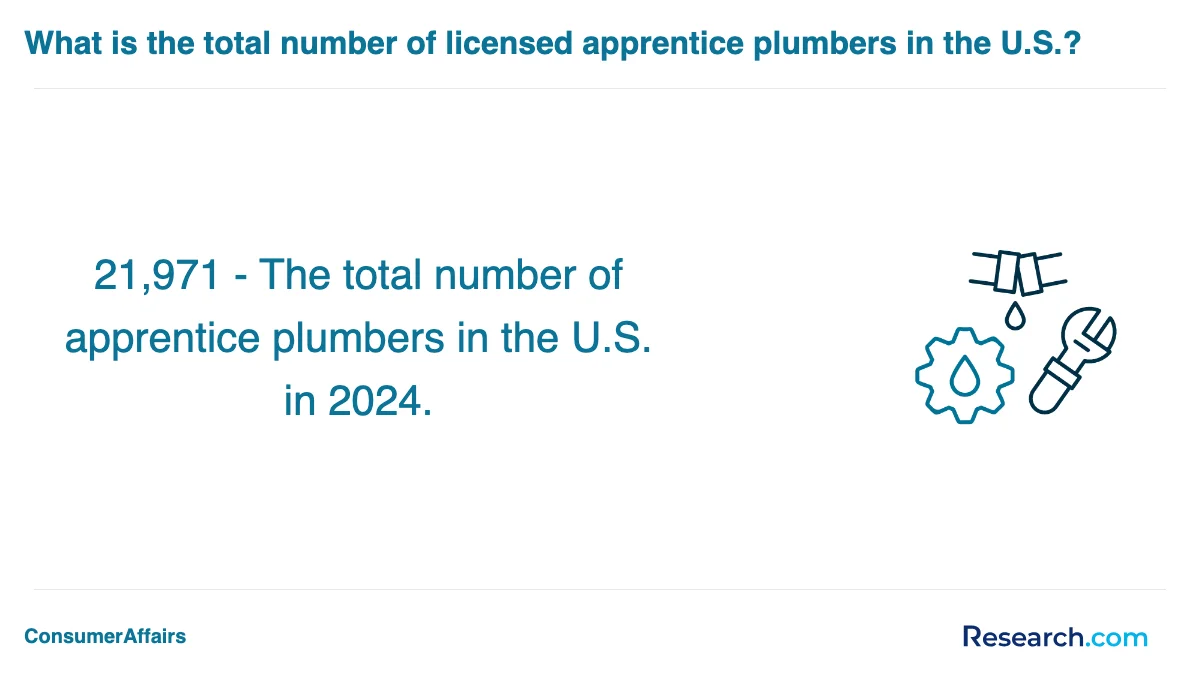
Graduates from plumber trade school programs in California often start their careers as apprentice plumbers, gaining hands-on experience while earning a wage and building the hours needed for state licensure. Many from popular trade schools in the state share how this phase gave them confidence working alongside seasoned pros. As they progress, journeyman plumber roles open up, with opportunities to work independently on various projects and enjoy average earnings around $72,000 annually-some of the highest in the U.S.
Beyond that, licensed plumbing contractors can launch their own businesses, managing teams and bigger projects. Some choose to specialize in exciting areas like solar heating or medical gas systems, skills taught in advanced programs. For those exploring plumbing career opportunities in California, there's a wide array of paths, including:
- Apprentice plumber gaining essential hands-on skills
- Journeyman plumber working independently
- Licensed plumbing contractor running projects and businesses
- Specialist roles in advanced plumbing systems and compliance
Trade school grads describe the plumbing job roles for trade school graduates in California as rewarding and stable, with growth projected nationwide. For more on promising trades, check out what trades will be in demand in the future.
The plumber job outlook in California is incredibly strong right now, especially for graduates of local trade school programs. Many graduates from popular trade schools in California find themselves quickly snapped up by employers thanks to the high demand for plumbers in California. With over 45,000 plumbers working statewide and the industry growing steadily, there are plenty of job opportunities waiting.
Graduates often share how they land positions in both new construction projects and ongoing infrastructure upgrades, with many working in bustling metropolitan areas like Los Angeles and San Francisco. These cities are hotspots where experienced plumbers can earn upwards of $120,000 annually by working overtime or taking emergency calls. Plus, union work or running your own business can boost earnings even more.
Here's what makes the job market so welcoming for new graduates:
- Steady wage growth with salaries between $65,000 and $90,000 for most full-time licensed plumbers
- Rapid industry expansion leading to increasing job openings
- Strong job security as plumbing remains a recession-proof trade in California
Many recent plumbers from California trade schools speak about quickly moving up because many plumbing businesses are small and eager to hire skilled workers. If you're looking for trade school careers salary info specific to this field, you'll find that California offers one of the most competitive markets.
For a deeper dive into similar career paths and their earning potential, check out trade school careers salary.
Best Plumber Training Programs & Trade Schools - Top Plumbing Schools in California for 2026
# 1 position
College of San Mateo - Plumbing Technology/Plumber.
certificate or diplomaThe Plumbing Technology/Plumber program at College of San Mateo offers a hybrid format with some distance-education options. It prepares students to become licensed plumbers by teaching skills to install and maintain piping systems for various uses, including steam, natural gas, and water. The curriculum covers technical math, blueprint reading, welding, plumbing inspection, and relevant codes. Annual in-state tuition is $1,332. The program is accredited by the Western Association of Schools and Colleges Accrediting Commission for Community and Junior Colleges.
# 2 position
Diablo Valley College - Plumbing Technology/Plumber.
associateDiablo Valley College offers a hybrid Plumbing Technology/Plumber program that prepares students to become licensed plumbers. The curriculum covers installation and maintenance of piping systems for various applications, including steam, natural gas, and hot water. Instruction includes technical mathematics, blueprint reading, welding, and plumbing codes. The annual in-state tuition is $1,312. The program is accredited by the Western Association of Schools and Colleges Accrediting Commission for Community and Junior Colleges.
# 3 position
Diablo Valley College - Plumbing Technology/Plumber.
certificate or diplomaDiablo Valley College offers a hybrid Plumbing Technology/Plumber program that trains students to install and maintain piping systems for various applications, including steam, natural gas, and water distribution. The curriculum covers blueprint reading, technical mathematics, welding, plumbing inspection, and relevant codes. The program is accredited by the Western Association of Schools and Colleges Accrediting Commission for Community and Junior Colleges. Annual in-state tuition is $1,312.
# 4 position
Summit College - Plumbing Technology/Plumber.
certificate or diplomaA program that prepares individuals to practice as licensed plumbers by applying technical knowledge and skills to lay out, assemble, install, and maintain piping fixtures and systems for steam, natural gas, oil, hot water, heating, cooling, drainage, lubricating, sprinkling, and industrial processing systems in home and business environments. It includes instruction in source determination, water distribution, waste removal, pressure adjustment, basic physics, technical mathematics, blueprint reading, pipe installation, pumps, welding and soldering, plumbing inspection, and applicable codes and standards. Accredited by the Accrediting Council for Continuing Education & Training.
# 5 position
American River College - Plumbing Technology/Plumber.
associateAmerican River College offers a Plumbing Technology/Plumber program that trains students to become licensed plumbers by teaching technical skills for installing and maintaining piping systems in residential and commercial settings. The curriculum covers water distribution, waste removal, pressure adjustment, blueprint reading, welding, and plumbing codes. The program is accredited by the Western Association of Schools and Colleges Accrediting Commission for Community and Junior Colleges. Annual in-state tuition is $1,288.
# 6 position
San Diego City College - Plumbing Technology/Plumber.
associateSan Diego City College offers a hybrid Plumbing Technology/Plumber program that trains students to become licensed plumbers. The curriculum covers technical skills like pipe installation, welding, plumbing inspection, and blueprint reading. Students learn to work with various piping systems, including steam, natural gas, and hot water. The program is accredited by the Western Association of Schools and Colleges Accrediting Commission for Community and Junior Colleges. Annual in-state tuition is $1,150.
# 7 position
Foothill College - Plumbing Technology/Plumber.
associateFoothill College offers a hybrid Plumbing Technology/Plumber program that trains students to become licensed plumbers. The curriculum covers installation and maintenance of piping systems for various applications, including steam, natural gas, and water distribution. Instruction includes technical mathematics, blueprint reading, welding, and plumbing codes. The program is accredited by the Western Association of Schools and Colleges Accrediting Commission for Community and Junior Colleges. Annual in-state tuition is $1,565.
# 8 position
Los Angeles Trade Technical College - Plumbing Technology/Plumber.
associateLos Angeles Trade Technical College offers a Hybrid Plumbing Technology/Plumber program designed to prepare students to become licensed plumbers. The curriculum covers installation and maintenance of piping systems for various utilities, including steam, natural gas, and hot water. Instruction includes technical mathematics, blueprint reading, welding, soldering, and applicable codes. The program is accredited by the Western Association of Schools and Colleges Accrediting Commission for Community and Junior Colleges. Annual in-state tuition is $1,238.
# 9 position
College of the Canyons - Plumbing Technology/Plumber.
certificate or diplomaThe Plumbing Technology/Plumber program at College of the Canyons prepares students to become licensed plumbers by teaching skills in laying out, assembling, installing, and maintaining piping systems for various applications. The curriculum includes instruction in water distribution, waste removal, pressure adjustment, technical mathematics, blueprint reading, welding, soldering, and plumbing codes. Annual in-state tuition is $1,176. The program is accredited by the Western Association of Schools and Colleges Accrediting Commission for Community and Junior Colleges.
# 10 position
American River College - Plumbing Technology/Plumber.
certificate or diplomaAmerican River College offers a Plumbing Technology/Plumber program that trains students to become licensed plumbers by developing skills in installing and maintaining piping systems for various uses, including steam, natural gas, and hot water. The curriculum covers water distribution, pressure adjustment, blueprint reading, welding, and relevant codes. The program’s annual in-state tuition is $1,288 and is accredited by the Western Association of Schools and Colleges Accrediting Commission for Community and Junior Colleges.
Frequently Asked Questions about plumber
After completing plumber trade school in California, preparing for the job market involves several key steps. Graduates should obtain the necessary licenses by passing the California plumbing certification exams, which are required to work legally. According to the California Contractors State License Board, licensing significantly improves employment prospects.
Building practical experience through apprenticeships or entry-level positions is essential. The U.S. Bureau of Labor Statistics reports that plumbers in California earn a median annual wage of about $70,000, with demand expected to grow 5% through 2031.
Networking with local contractors and joining professional organizations like the United Association can provide valuable job leads. Additionally, maintaining up-to-date knowledge of California plumbing codes and green technology enhances employability.
Employers in California seeking plumber trade school graduates prioritize a mix of technical and soft skills. Proficiency in installing, repairing, and maintaining piping systems is essential, as reported by the California Employment Development Department. Knowledge of local plumbing codes and safety regulations is equally important to ensure compliance and reduce workplace hazards.
Strong problem-solving abilities enable plumbers to diagnose issues quickly and efficiently. Communication skills are also valued, as plumbers often explain technical details to clients and collaborate with other construction professionals. Finally, physical stamina and manual dexterity are crucial due to the demanding nature of plumbing work in diverse environments.
Finding internships relevant to plumber trade school programs in California involves several key steps. Start by contacting your trade school's career services office, as many schools have established partnerships with local plumbing contractors and unions. These connections often lead to internship opportunities tailored for students.
The California Apprenticeship Coordinators Association (CACA) is another valuable resource. It provides listings of apprenticeship and internship programs approved by the state, which can be essential for hands-on plumber training.
Additionally, exploring the California Department of Industrial Relations website can help you identify registered apprenticeship programs. According to recent data, over 15,000 plumbing apprenticeships are active statewide, indicating strong industry demand.
Networking with local plumbing companies and attending industry job fairs also increases your chances of securing an internship aligned with your trade school studies.
Obtaining a plumber trade school diploma in California significantly enhances career mobility and advancement opportunities. The California Department of Industrial Relations notes that licensed plumbers earn a median wage of around $35 per hour, with higher wages accessible through advanced certifications. Trade school graduates gain essential skills and certifications required for state licensure, which is mandatory for many plumbing jobs.
Completion of an accredited program also opens doors to apprenticeships and union memberships, key pathways to higher-paying roles. According to the U.S. Bureau of Labor Statistics, plumbers in California can see projected job growth of 10% through 2032, emphasizing strong demand.
Graduates often advance faster into supervisory or specialized roles, improving long-term job security and earning potential.
California offers several part-time job opportunities that complement plumber trade school education. Many students find work as plumbing assistants or helpers, gaining hands-on experience while attending classes. These roles allow students to apply technical skills learned in school, such as pipe fitting and tool handling.
The California Employment Development Department reports that the plumbing trade is expected to grow by 13% through 2030, highlighting steady demand. Part-time roles in construction or maintenance companies also provide valuable exposure to building codes and safety regulations.
Additionally, some students work in hardware stores specializing in plumbing supplies, which helps deepen product knowledge and customer service skills relevant to the trade.
To choose the best plumber degree program near me in California, research various community colleges and trade schools as they often offer certifications and associate degrees in plumbing. Evaluate programs by reviewing course offerings, faculty credentials, and alumni success rates, and consider utilizing resources like Research.com to compare options. Additionally, explore specific institutions near California that are known for their hands-on training and industry partnerships to ensure comprehensive education and job placement opportunities.
- Best Plumber Training Programs & Trade Schools - Top Plumbing Schools in Nevada for 2026
- Best Plumber Training Programs & Trade Schools - Top Plumbing Schools in Arizona for 2026
- Best Plumber Training Programs & Trade Schools - Top Plumbing Schools in Idaho for 2026
- Best Plumber Training Programs & Trade Schools - Top Plumbing Schools in Utah for 2026
- Best Plumber Training Programs & Trade Schools - Top Plumbing Schools in New Mexico for 2026
- Best Plumber Training Programs & Trade Schools - Top Plumbing Schools in Texas for 2026
- Best Plumber Training Programs & Trade Schools - Top Plumbing Schools in Oklahoma for 2026
- Best Plumber Training Programs & Trade Schools - Top Plumbing Schools in Nebraska for 2026
- Best Plumber Training Programs & Trade Schools - Top Plumbing Schools in South Dakota for 2026
- Best Plumber Training Programs & Trade Schools - Top Plumbing Schools in North Dakota for 2026
- How to Become a Plumber in California - Plumbing Trade Schools https://www.best-trade-schools.net/locations/california/becoming-a-plumber/
- Plumbing Trade School - ABC Southern California https://abcsocal.org/education-training/plumbing-trade-school/
- Plumbing Trade School | Summit College https://summitcollege.edu/programs/trade-technical/plumbing/
- Foundations of Plumbing Online Career Training Program - Tools Included | Chico State Professional & Continuing Education https://rce.csuchico.edu/foundations-of-plumbing
- Plumbing | Diablo Valley College https://www.dvc.edu/academics/explore-our-programs/plumbing
- Programs | PHCC San Diego | California https://www.phccsd.org/academy-programs
- Online Foundations of Plumbing (Tools Included) from California State University - San Bernardino https://careertraining.csusb.edu/training-programs/plumbing-foundations-tools-included/
- Best Plumbing Schools in California | Learn How to Become https://toptradeschools.com/near-you/plumber/california/
- Trade School vs. College: Pros and Cons | SharkBite https://www.sharkbite.com/us/en/resources/blog/industry-insights/plumber-spotlights/trade-school-vs-college-heres-what-you-need-to-consider
- Plumbing Trade School and Apprenticeship Guide | Interplay https://www.interplaylearning.com/blog/plumbing-trade-school-a-built-in-apprenticeship/