Best Plumber Training Programs & Trade Schools - Top Plumbing Schools in Texas for 2026

Co-Founder and Chief Data Scientist
Choosing the right plumber trade school in Texas can feel overwhelming, but this article is here to help. We feature a plumber trade school programs ranking created by the Research.com team of data scientists to guide you toward the best options available.
Whether you’re just starting your career or looking to upgrade your skills, earning a diploma or certification opens doors to steady work and growth. Reading this will give you clear insights to make an informed decision that fits your goals and lifestyle.
Take the first step toward a rewarding future in plumbing with confidence.
Key benefits of finishing plumber trade school in Texas
- Graduates of plumber trade schools in Texas can expect competitive salaries, with averages around $58,250 to $63,449 per year, offering a strong financial start in the trade.
- Career paths for graduates include becoming journeyman plumbers, service technicians, or advancing to supervisory roles, as seen with alumni from top Texas trade schools who quickly find rewarding opportunities.
- Completing plumber trade school online offers flexibility and convenience, allowing students like those from popular online programs in Texas to balance work and study while gaining valuable skills without a traditional degree's time commitment.
- Best Plumber Training Programs & Trade Schools - Top Plumbing Schools in Texas for 2026
- What can I expect from plumber trade schools in Texas?
- Where can I work after finishing plumber trade schools in Texas?
What can I expect from plumber trade schools in Texas?
In a plumber trade school program in Texas, expect a balanced mix of classroom learning and hands-on training that prepares you for real-world plumbing jobs. Graduates from schools like Texas Southmost College often share how their 14-week workforce training gave them confidence using tools and fixing pipes in both homes and businesses. You'll learn critical skills such as reading blueprints, cutting and joining pipes, and understanding local plumbing codes, which are essential for daily work.
Many programs, including those at North Central Texas College, focus heavily on safety, teaching OSHA standards and helping students earn OSHA 30 cards-credentials that employers highly value. Students also gain practical experience by working on actual plumbing systems and participating in internships or job placement programs, which ease the transition into employment. Additionally, expect training in customer service and project management to prepare you for advancing in your plumbing career.
Where can I work after finishing plumber trade schools in Texas?
After finishing a plumber trade school program in Texas, graduates find a variety of job opportunities across the state. Many start as apprentices or helpers at private plumbing companies, construction firms, or maintenance departments for homes and businesses. For example, students from Texas State Technical College (TSTC) often secure apprenticeships quickly, gaining hands-on experience under licensed plumbers. This real-world training builds confidence and practical skills.
As experience grows, graduates advance to roles like Tradesman or Journeyman Plumber, handling more complex tasks in residential and commercial settings. Journeymen might work on large commercial buildings or public facilities, which offers rewarding challenges and steady income. Some graduates also find stable, long-term jobs with municipal utilities, school districts, or industrial employers who need ongoing plumbing maintenance.
TSTC's internship programs connect students directly with employers, helping many land jobs soon after graduation. In fact, TSTC guarantees job offers within six months for qualifying students, showing strong demand and encouraging a positive outlook for new plumbers in Texas.
After finishing a plumber trade school program in Texas, many graduates start their careers as apprentices, earning around $39,000 per year or approximately $18.75 per hour. This stage lets you gain hands-on experience while working alongside seasoned plumbers, which is common for graduates from popular Texas trade schools. It's a rewarding step that builds confidence and skill in real-world settings.
Once apprentices complete their training and pass the state exam, they often become licensed journeyman plumbers. At this level, salaries typically rise to between $50,780 and $55,859 annually. Graduates from well-known Texas programs often share how this boost in pay makes the effort worthwhile and allows them to support their families comfortably.
With more experience and certifications, plumbers can move into specialized or senior roles, earning $66,000 to $82,000 per year. Master plumbers with advanced licenses often make around $72,300 annually. Many Texas trade school grads feel proud reaching these milestones, enjoying both financial stability and career growth.
Hourly wages vary from about $15.72 to $46.72 depending on experience. Starting plumbers appreciate seeing their pay increase as they advance, turning their trade school investment into a promising career path.
- Applicants usually need a high school diploma or GED and must be at least 18 years old to enroll in plumber trade school programs in Texas.
- Registering as a Plumber's Apprentice with the Texas State Board requires applicants to be at least 16 years old, pay a $15 fee, and pass a background check.
- Tuition for a plumbing technician certificate can be around $1,198, excluding books and materials, with financial aid options available.
- Average starting salaries for plumbers in Texas range from $40,000 to $45,000 per year, with experienced plumbers earning $60,000 to $70,000 or more.
- Programs emphasize hands-on training in installation, maintenance, and repair, along with job site safety and customer service skills.
- Most trade schools offer job placement assistance to help graduates find work quickly after completing the program.
Completing a plumber trade school program in Texas typically takes between six months and one year, depending on the school and whether you attend full-time or part-time. Many popular trade schools in Texas offer hands-on training combined with classroom instruction, allowing students to quickly build practical skills.
Graduates often share how immersive the experience is, with real-world projects that simulate actual plumbing jobs. For example, students at well-known Texas trade schools describe feeling confident by the time they finish, ready to handle pipe installations or repairs on their own.
The shorter completion time is a major advantage for those eager to start their plumbing careers without prolonged waiting. Some schools also provide flexible scheduling, which helps students balance work or family while training.
Because the program combines theory and practice efficiently, students often find themselves excited and motivated throughout the process, knowing they are gaining valuable skills that employers in Texas highly demand.
The key difference between online and on-campus plumber trade school programs in Texas lies in how students learn practical skills and interact with instructors. Graduates from online programs, such as those affiliated with Laredo College or College of the Mainland, often appreciate the flexibility to study around work or family commitments. They can complete coursework remotely at their own pace, accessing lectures and assignments digitally. This convenience makes online programs a popular choice for those needing adaptable schedules.
However, graduates from on-campus programs like Dallas College or Texas State Technical College highlight the value of hands-on training. Working directly with plumbing tools and systems in labs or workshops under expert supervision builds confidence and practical know-how that's essential for Texas licensing and real-world jobs. These students often mention how apprenticeships and face-to-face mentorship helped them master skills like pipe installation and reading blueprints effectively.
Choosing between formats depends on whether you prioritize flexibility or immersive, in-person experience to prepare for a plumbing career in Texas.
The average cost of a plumber trade school program in Texas is around $10,940 for tuition and fees, covering approximately 721 contact hours over nearly two years. Graduates from popular trade schools in Texas often describe managing these costs as a practical investment in their future careers. Many share how budgeting for books and supplies, which can total about $1,690, felt daunting initially but became manageable through planning and using secondhand materials.
Beyond tuition and books, students must account for other necessary expenses. Tools and equipment typically cost around $750, and safety gear such as boots and gloves may range between $200 and $500. Licensing exam fees vary from $35 to $450 depending on the exam required. Many students find that these essential items are not just costs but key steps toward gaining confidence and professionalism in their field.
For those considering a plumbing trade school program in Texas, it's essential to understand the average costs associated with obtaining a diploma. These expenses typically encompass tuition, fees, books and supplies, and living costs. Many graduates emphasize that planning for off-campus living expenses-averaging about $16,889 per year-is crucial, especially since balancing studies with work can be challenging but rewarding.
Students pursuing a career in plumbing benefit from exploring financial aid opportunities at schools or scholarship programs. Considering these factors holistically helps those seeking a stable and satisfying career in trades to prepare realistically for the financial commitments involved.

Students enrolled in plumber trade school programs in Texas often benefit from multiple financial aid options that ease the burden of tuition and related costs. Many take advantage of the Federal Pell Grant, which awards up to $7,395 for those meeting income and enrollment criteria without the stress of repayment. Graduates from schools like the Lamar Institute of Technology recall how this grant made their hands-on training feasible while working part-time.
State-specific aid such as the FORWARD Loan Program provides low-interest loans, which some plumbing students find helpful when federal grants aren't enough. Although primarily designed for other high-demand fields, some plumbing programs qualify, making this a viable option for Texas students.
Private scholarships also play a key role. For example, the Fluidmaster PHCC Scholarship offers $3,500, and the Home Depot Foundation's Path to Pro Scholarship awards $2,000, both of which have helped students at Texas trade schools reduce financial stress and focus on mastering their craft.
Institutional aid, including need-based grants and work-study programs, is another common resource. Graduates often share how these supports, available at schools like Lamar, provided vital financial relief while gaining valuable experience in their trade.
Early application and researching all available aid options remain essential for maximizing funding opportunities in Texas plumber trade programs.
To enroll in a plumber trade school program in Texas, students typically need a high school diploma or GED. This basic educational foundation ensures you're prepared for the technical coursework ahead. Many successful graduates recall how their high school math and science classes gave them a helpful head start.
Some trade schools in Texas also require a minimum age of 18, which aligns with state apprenticeship eligibility rules. This practical rule helps students balance hands-on training with classroom learning effectively.
Applicants might need to pass an entrance exam or placement test to demonstrate readiness, especially in math and reading comprehension. This step helps schools tailor support so you feel confident from day one.
Important prerequisites often include:
- High school diploma or GED
- Minimum age of 18 years
- Passing basic math and reading tests
- Physical ability to handle manual labor
- Valid driver's license for site travel
Graduates from well-known Texas trade schools emphasize how meeting these requirements set a positive tone, boosting their motivation and ensuring they could focus on mastering plumbing skills without unexpected hurdles.
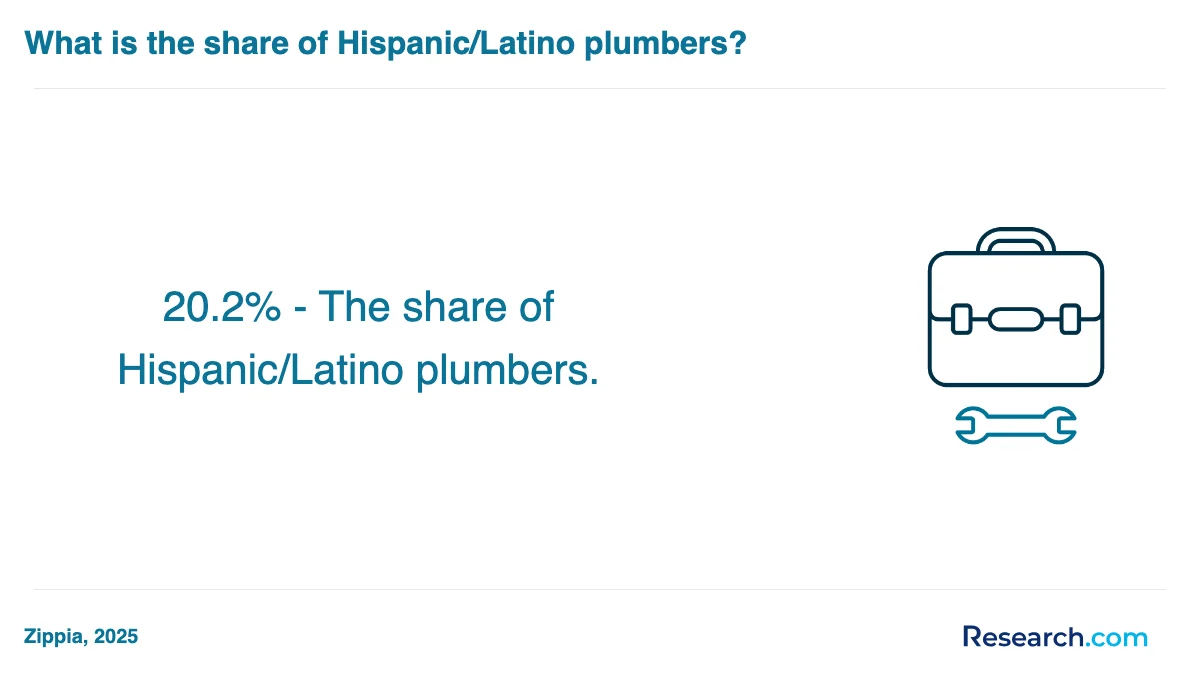
Plumber trade school programs in Texas typically include a mix of technical, safety, and hands-on courses designed to prepare students for real-world plumbing jobs. Graduates often describe their experience starting with foundational classes covering plumbing math, tool use, and OSHA safety training-many earn an OSHA-10 card, which employers highly value. For example, Skillpoint Alliance's program emphasizes this early safety credential, giving students confidence on job sites.
Core coursework usually covers:
- Residential and commercial plumbing systems, including installation and maintenance of water, gas, and wastewater lines
- Rough-in techniques for drain, waste, and vent pipes
- Pipefitting skills with various materials like steel, copper, and plastic
- Use of pipefitting hand and power tools, ladder and scaffold safety
- Understanding and applying state and local plumbing codes
- Maintenance and repair of plumbing systems, including leak detection and fixture replacement
Popular Texas schools such as Texas Southmost College offer intensive formats, like 14-week courses, allowing students to quickly gain practical skills and start apprenticeships. Graduates appreciate the balance of classroom learning with hands-on practice, which makes the training feel relevant and directly applicable to daily plumbing work.
Plumber trade school programs in Texas offer a variety of specializations tailored to equip students with targeted skills for diverse career paths. Many graduates from popular trade schools, like Texas State Technical College, highlight comprehensive courses covering Plumbing Technology, including blueprint reading and pipefitting, which combine classroom theory with practical workshops. These courses prepare students to expertly handle residential and commercial plumbing projects.
Some programs, such as those at Brazosport College, specialize in pipefitting, focusing on industrial piping systems found in refineries and chemical plants. Others, like the Johnny Kurten Plumbing Education center, train students in niche areas such as medical gas systems installation and fire sprinkler systems, both critical for safety in hospitals and commercial buildings.
Students also appreciate that schools like Alvin Community College incorporate pipe welding techniques, essential for oil and gas industry work. Additionally, HVAC integration training reflects the interconnected nature of plumbing and HVAC trades, seen at the Killeen Independent School District Career Center.
For hands-on experience, apprenticeship programs are offered by institutions collaborating with local unions, such as the UA Local 100 Plumbers and Pipefitters Apprentice Training Center in Mesquite. These practical opportunities help students transition confidently into the workforce.
Those wondering which community college is the best can find programs that prepare graduates for state licensing exams and real-world plumbing careers.
When choosing the best plumbing trade schools in Texas, start by verifying the program's accreditation and its compliance with state licensing requirements. Graduates from schools like San Jacinto Community College and Texas State Technical College often praise the hands-on training and real-world experience they gained, which prepared them well for the workforce. Look for programs with flexible schedules that fit your lifestyle, as some students completed their training in under a year, enabling quick entry into the trade.
Top-rated plumber training programs in Texas usually emphasize practical skills, like pipe installation and plumbing codes, while offering apprenticeships for real jobsite exposure. Facilities at schools such as Lee College and St. Philip's College create an encouraging environment where students feel confident and supported. Many graduates highlight the benefits of schools that assist with job placement, easing the transition from education to employment.
To maximize your success, consider exploring options that specialize in areas that interest you, and check financial aid offerings. For insights into lucrative career paths, explore high paying trade school jobs to align your training with future opportunities.
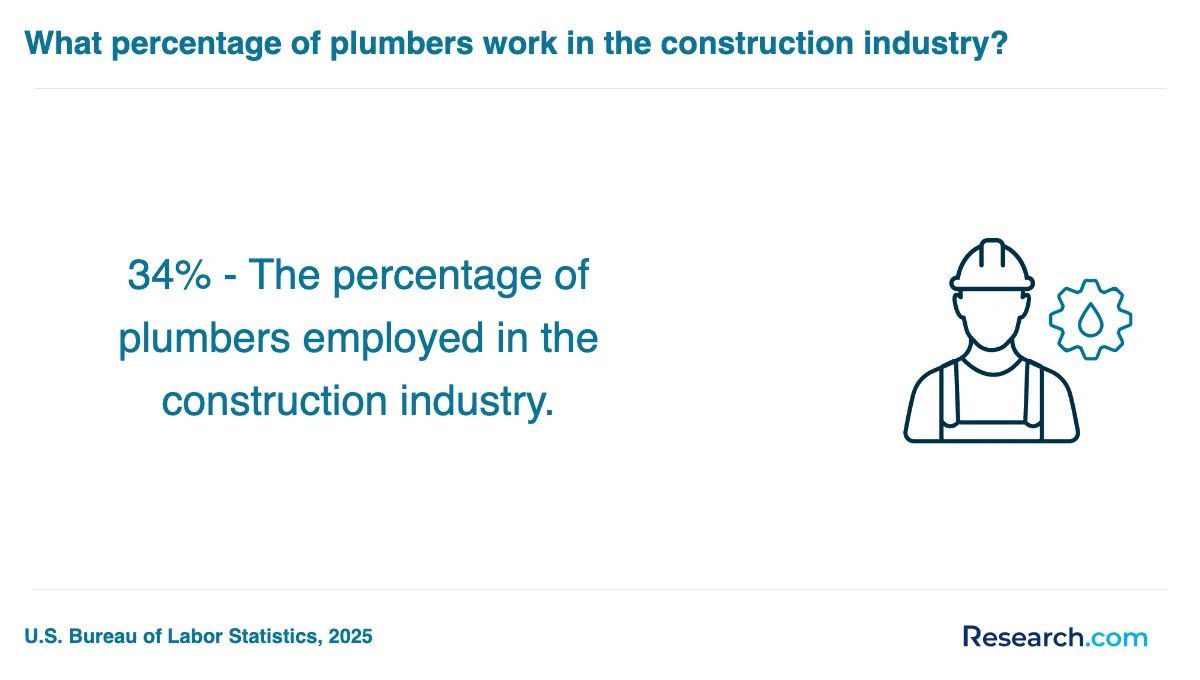
Graduates of plumber trade school programs in Texas find diverse plumber career opportunities in Texas, starting as apprentice plumbers with paid, hands-on training under licensed experts. After gaining experience, many move up to tradesman plumber-limited license jobs in Texas, which allow independent work on smaller projects. This clear progression-from apprentice to journeyman plumber and eventually master plumber-opens doors to supervising teams or running a plumbing business.
Many graduates from well-known Texas trade schools share stories of quickly gaining confidence through apprenticeships that combine classroom knowledge with real-world skills on booming construction sites. Popular schools often connect students with local contractors, accelerating job placement and skill development.
Besides traditional roles, plumbers can specialize as service technicians, sales plumbers, foremen, or VDC/BIM detailers, blending technical expertise with leadership in high-demand markets. For those seeking varied chances to grow and earn, Texas' vibrant industry and nearly 1,300 job openings at any given time ensure a rewarding career path.
For students exploring prospects, consulting lists like the top vocational trade schools highlights quality programs tailored to these career paths.
The plumber job market in Texas 2026 is exceptionally strong, driven by rapid population growth and ongoing infrastructure needs. Graduates from well-known Texas trade schools find themselves stepping into a labor market where demand consistently outpaces supply. Many report quickly securing positions thanks to the state's booming construction industry and the necessity to replace aging underground water lines.
Popular plumber trade school programs not only teach technical skills but also prepare students for the practical challenges they will face on the job. Graduates often highlight experiences such as:
- Hands-on training with real plumbing systems, boosting confidence before entering the workforce
- Internships connecting them directly with local plumbing businesses actively hiring new talent
- Learning about new state licensing regulations, including accelerated paths to master plumber status under House Bill 3214
Texas plumber employment outlook remains positive, with average hourly wages starting near $28 and rising significantly with experience. For those weighing options, it's useful to review vocational vs trade school benefits to choose the path best suited to their career goals.
Best Plumber Training Programs & Trade Schools - Top Plumbing Schools in Texas for 2026
# 1 position
Collin County Community College District - Plumbing Technology/Plumber.
associateThe Plumbing Technology/Plumber program at Collin County Community College District offers a hybrid format with some distance education options. It prepares students to become licensed plumbers by teaching technical skills in installing and maintaining piping systems for various fluids and gases in residential and commercial settings. The curriculum includes instruction in water distribution, pressure adjustment, pipe installation, welding, plumbing codes, and blueprint reading. Annual in-state tuition is $1,864. The program is accredited by the Southern Association of Colleges and Schools Commission on Colleges.
# 2 position
Texas State Technical College - Plumbing Technology/Plumber.
associateTexas State Technical College offers a Plumbing Technology/Plumber program in a hybrid format that includes some distance education. The program prepares students to become licensed plumbers by teaching skills such as installing and maintaining piping systems for various uses, including steam, natural gas, and water. Instruction covers technical mathematics, blueprint reading, welding, plumbing codes, and system maintenance. The annual in-state tuition is $7,192, and the program is accredited by the Southern Association of Colleges and Schools Commission on Colleges.
# 3 position
Lamar Institute of Technology - Plumbing Technology/Plumber.
certificate or diplomaThe Plumbing Technology/Plumber program at Lamar Institute of Technology prepares students to become licensed plumbers by teaching technical skills for installing and maintaining piping systems in residential and commercial settings. The curriculum covers water distribution, waste removal, pressure adjustment, blueprint reading, pipe installation, welding, plumbing inspection, and applicable codes. Annual in-state tuition is $2,844. The program is accredited by the Southern Association of Colleges and Schools Commission on Colleges.
# 4 position
Collin County Community College District - Plumbing Technology/Plumber.
certificate or diplomaCollin County Community College District offers a hybrid Plumbing Technology/Plumber program designed to prepare students for licensed plumbing careers. The curriculum covers technical skills for installing and maintaining piping systems in homes and businesses, including instruction in water distribution, blueprint reading, welding, and applicable codes. The program’s annual in-state tuition is $1,864. It is accredited by the Southern Association of Colleges and Schools Commission on Colleges.
# 5 position
Texas State Technical College - Plumbing Technology/Plumber.
certificate or diplomaTexas State Technical College offers a hybrid Plumbing Technology/Plumber program designed to prepare students for licensed plumbing careers. The curriculum covers technical knowledge and skills to install and maintain piping systems for various applications, including steam, natural gas, and water distribution. Instruction includes blueprint reading, welding, plumbing inspection, and applicable codes. Annual in-state tuition is $7,192. The program is accredited by the Southern Association of Colleges and Schools Commission on Colleges.
Frequently Asked Questions about plumber
After completing plumber trade school in Texas, it is essential to focus on obtaining a Texas plumbing license, which requires passing the state exam and fulfilling required work experience hours. According to the Texas Department of Licensing and Regulation, candidates must complete at least 8,000 hours of on-the-job training under a licensed plumber before applying for a license.
Building a professional network is also vital. Joining organizations such as the Texas Plumbing Association can provide valuable job leads and industry connections. Additionally, apprenticeships or internships during trade school improve practical skills and employability.
Staying updated with local plumbing codes and continuing education courses helps maintain licensure and enhances career growth opportunities in Texas's competitive job market.
Employers in Texas seek plumber trade school graduates with strong technical skills and practical experience. Key abilities include pipefitting, reading blueprints, and understanding plumbing codes specific to Texas. According to the U.S. Bureau of Labor Statistics, proficiency in using plumbing tools and equipment is essential for job readiness. Communication skills are also important, as plumbers often work with clients and team members. Additionally, knowledge of safety regulations and problem-solving skills improves employability. The Texas Workforce Commission highlights that graduates familiar with water supply systems and installation techniques have better job prospects in the state's growing construction industry.
Finding internships relevant to plumber trade school programs in Texas involves several practical steps. Start by contacting the career services office at your trade school, as many maintain relationships with local plumbing companies and union apprenticeship programs. The Texas State Board of Plumbing Examiners offers resources and licensing information that can help identify reputable employers.
Additionally, organizations like the Plumbing-Heating-Cooling Contractors Association of Texas (PHCC Texas) often post internship opportunities. Online job platforms such as Indeed and the Texas Workforce Commission's WorkInTexas.com also list plumbing internships.
Networking through local trade unions and attending industry job fairs can significantly increase your chances. According to the U.S. Bureau of Labor Statistics, practical experience through internships improves employment prospects by up to 20% in skilled trades like plumbing.
Obtaining a plumber trade school diploma in Texas significantly enhances career mobility and advancement opportunities. According to the Texas Workforce Commission, skilled trades like plumbing are in high demand, with an expected 12% job growth through 2030. A diploma demonstrates foundational knowledge and practical skills, qualifying graduates for apprenticeships and journeyman licensing, which are essential steps toward higher earning potential.
Employers in Texas often prefer candidates with formal training, as it reduces on-the-job training time and increases reliability. Graduates typically start with median wages around $25 per hour, rising substantially with experience and certification. Thus, a trade school diploma is a critical credential for upward mobility in the plumbing field.
Part-time job opportunities in Texas can significantly enhance the education of students enrolled in plumber trade schools. Many students find work as plumbing apprentices, where they gain hands-on experience under licensed plumbers while attending classes. According to the Texas Workforce Commission, plumbing apprenticeships are a key pathway to licensure and provide valuable practical skills.
Additionally, positions such as maintenance technicians or helpers in construction companies offer relevant exposure to plumbing systems. These roles help students understand real-world applications and improve their technical abilities. The U.S. Bureau of Labor Statistics notes that Texas has one of the highest demands for plumbing professionals, making these part-time jobs widely available.
While there aren't specific "Best Plumber" degree programs, there are vocational schools and community colleges near Texas that offer plumbing certification programs. These programs often provide hands-on training and apprenticeships, which can lead to certifications recognized in the industry. Research.com is a helpful resource to find relevant institutions and programs near me focused on plumbing skills and education.
- Best Plumber Training Programs & Trade Schools - Top Plumbing Schools in Oklahoma for 2026
- Best Plumber Training Programs & Trade Schools - Top Plumbing Schools in New Mexico for 2026
- Best Plumber Training Programs & Trade Schools - Top Plumbing Schools in Missouri for 2026
- Best Plumber Training Programs & Trade Schools - Top Plumbing Schools in Mississippi for 2026
- Best Plumber Training Programs & Trade Schools - Top Plumbing Schools in Tennessee for 2026
- Best Plumber Training Programs & Trade Schools - Top Plumbing Schools in Arizona for 2026
- Best Plumber Training Programs & Trade Schools - Top Plumbing Schools in Alabama for 2026
- Best Plumber Training Programs & Trade Schools - Top Plumbing Schools in Nebraska for 2026
- Best Plumber Training Programs & Trade Schools - Top Plumbing Schools in Georgia for 2026
- Best Plumber Training Programs & Trade Schools - Top Plumbing Schools in Kentucky for 2026
- How to Become a Plumber in Texas https://www.best-trade-schools.net/locations/texas/how-to-become-a-plumber/
- Houston Plumbing Training Program - National Technical Institute https://www.ntitraining.com/houston-plumbing-training-program/
- SPC : Plumbing Trades | Alamo Colleges https://www.alamo.edu/spc/academics/programs/allied-construction-trades-act/plumbing-trades/
- PHCC Texas Academy - Online Education in Plumbing and HVACR https://phcc-tx.org/page/Academy
- Plumbing Technology – Dallas College https://www.dallascollege.edu/cd/credit/plumbing/pages/default.aspx
- Construction Management/Plumbing | North Central Texas College https://www.nctc.edu/plumbing
- Plumbing Technician, OSA | Houston Community College (HCC) | We are Houston's Community College http://www.hccs.edu/continuing-education/ce-programs/plumbing-technician-osa/
- How To Become a Plumber in Texas | Top Trade Schools https://toptradeschools.com/near-you/plumber/texas/
- Plumbing Trade School & Pipefitting Program | Apex https://apexschool.com/programs/plumbing-and-pipefitting/
- Plumbing School | Plumbing Trade School & Classes at PLCC https://plcc.edu/adult-education/full-time/plumbing-technologies/