
Best Plumber Training Programs & Trade Schools - Top Plumbing Schools in South for 2026

Co-Founder and Chief Data Scientist
Choosing the right plumber trade school is a big step toward a rewarding career in the South. This article introduces a carefully crafted plumber trade school programs ranking created by the Research.com team of data scientists to guide you in making an informed decision.
By exploring these top programs, you’ll discover options that fit your goals and lifestyle. Earning a diploma or certification can open doors to steady work and personal growth. Dive in to find the school that’s the best match for your future success.
Key benefits of finishing plumber trade school in South
- Graduates of plumber trade schools in South Carolina can expect competitive salaries, with averages around $61,181 annually and hourly wages near $28.20, which increase significantly with licensure.
- Career paths include becoming licensed plumbers, supervisors, or starting their own businesses, as shown by successful graduates from well-known South trade schools who quickly advance in the industry.
- Completing a plumber trade school online offers flexibility and faster completion times, allowing students to balance work and study, as experienced by many online program graduates in the region.
- Best Plumber Training Programs & Trade Schools - Top Plumbing Schools in South for 2026
- What can I expect from plumber trade schools in South?
- Where can I work after finishing plumber trade schools in South?
What can I expect from plumber trade schools in South?
Students enrolling in plumber trade school programs in the South can expect a balanced mix of hands-on training and classroom instruction, preparing them well for real plumbing work. Graduates from schools like Technical College of the Lowcountry often share how quickly they gained confidence by practicing installations and repairs with actual tools during lab sessions. Programs typically last from a few months up to about a year, with some like Manatee Technical College offering flexible schedules that fit around work or family commitments.
Coursework covers vital topics such as water distribution, sewer systems, plumbing codes, and blueprint reading, combined with practical skills like soldering and pipe threading. Many students find learning about green plumbing and rainwater harvesting especially relevant and motivating. Beyond technical skills, schools emphasize communication and customer service, which recent graduates say boosted their ability to interact effectively with clients and employers.
Licensing support and industry connections through guest lectures also help students transition smoothly to plumbing careers, making these programs a solid, hands-on pathway to success in the Southern job market.
Where can I work after finishing plumber trade schools in South?
After finishing a plumber trade school program in the South, graduates often find entry-level roles as apprentice plumbers, plumbing service technicians, or plumbing installers. These positions at established plumbing companies or construction firms provide hands-on experience, essential for advancing to journeyman or master plumber licenses. For example, many graduates from popular Southern trade schools secure apprenticeships where they work alongside licensed plumbers, gaining practical skills and confidence.
Employment opportunities are abundant in states like South Carolina and South Dakota, where hundreds of plumbing jobs are regularly available. Graduates often join plumbing and pipefitting contractors, or construction and renovation companies that need skilled plumbers for new installations and remodeling projects. Some also work in municipal maintenance, public utilities, or facility management for schools and hospitals.
Trade school alumni frequently highlight the satisfaction of stable jobs and competitive pay offered by employers such as Mathis Plumbing & Heating in South Carolina. The ongoing training and benefits make plumbing a rewarding and secure career path in the South.
After finishing a plumber trade school program in the South, graduates typically see promising earnings that match the region's demand for skilled trades. For example, many graduates report starting salaries in South Carolina around $61,000 annually, with some earning as much as $77,000 as they gain experience. These figures come from real graduates of popular Southern trade schools who began as apprentices and quickly moved up to journeyman roles.
Entry-level apprentices often start closer to $36,500 per year nationally, but in states like Alabama and Arkansas, the average plumber salary rises to about $52,800. Hourly wages typically range from $25 to $33, which fits well for those balancing school, work, and life. Graduates consistently share how these wages help them achieve financial independence and stability shortly after completing their programs.
Choosing a well-regarded trade school in the South not only equips you with hands-on skills but also connects you to local employers eager to hire skilled plumbers, making these salary ranges a realistic and motivating goal.
- Applicants need a high school diploma or GED, a valid driver's license, and photo ID to enter plumber trade school programs in the South.
- Most programs last about one year and prepare students for paid apprenticeships that last four to five years with around 1,900 hours of supervised work per year.
- After completing approximately 7,600 apprenticeship hours, graduates can apply for a journeyman license, requiring passing a state exam and yearly license renewal.
- Tuition costs range from $3,000 to $8,000, with scholarships like Build Dakota available to cover full tuition for eligible students.
- The job market is strong with a 100% job placement rate reported by some schools, and starting salaries average around $45,000 per year, while experienced plumbers can earn $60,000 to $75,000 annually.
Completing a plumber trade school program in the South typically takes between six months and one year. This timeframe fits well with the hands-on, practical nature of plumbing training that many Southern trade schools emphasize. Graduates often share how this duration allowed them to balance learning essential skills like pipe fitting and system troubleshooting without overwhelming their personal schedules.
For example, at popular Southern trade schools, students mention feeling confident by the end of their programs, having gained both classroom knowledge and real-world experience through internships or lab work. One graduate recalled how the program's structure helped them quickly transition into entry-level jobs, making the completion time feel efficient and rewarding.
Many students appreciate that these programs are designed for quick entry into the workforce, often finishing in under a year compared to longer traditional routes. This makes the timeline especially appealing for those eager to start earning while building a skilled trade career in their local communities.
The key difference between online and on-campus plumber trade school programs in the South is how the training is delivered and the flexibility offered. Online programs let students study at their own pace, fitting coursework around jobs or family life, which is a big plus for those living in rural areas far from schools. Graduates from well-known Southern programs often mention the convenience of accessing video demos and interactive lessons anytime, though they emphasize the importance of pairing this with local hands-on experience to build real skills.
On-campus programs, popular in Southern trade schools, offer direct access to tools and immediate feedback from instructors. Graduates appreciate the structured environment and camaraderie with classmates, which helps them stay motivated and confident. These programs usually include hands-on hours integrated into the course, a must for state licensing.
For Southern students, choosing between these options means balancing flexibility with the value of in-person training and mentorship.
The average cost of plumbing trade schools in the South generally falls between $3,500 and $7,000, depending on the program length, school type, and included materials. For example, graduates from a well-regarded Florida program at Orange Technical College completed 1,080 hours of training over roughly 11 months, paying around $5,100 in tuition. They appreciate that the program is divided into clear stages, such as Residential Plumber and Commercial Plumber tracks, which helps focus their learning and career goals.
In Georgia, students at Savannah Technical College found the tuition fees for plumber programs in Southern states to be relatively affordable at $3,500. The hands-on training combined with coursework provided a solid foundation, leaving graduates ready to enter the workforce confidently with practical skills and safety knowledge.
Louisiana offers a slightly higher price point, with South Louisiana Community College charging about $7,000 for a five-month, 500-hour course, which also includes tools and books. Graduates often express satisfaction with this all-inclusive pricing as it removes the uncertainty of extra expenses, making budgeting straightforward and less stressful.
Additional costs for items such as books, tools, uniforms, and living expenses can range from $500 to $10,000, which students should factor into their financial planning. Many find relief by seeking financial aid, scholarships, and grants through federal, state, or institutional programs, ensuring the path to certification is accessible. When comparing options, it's useful to understand the trade school vs college dynamics to determine the best fit for both educational and financial goals.
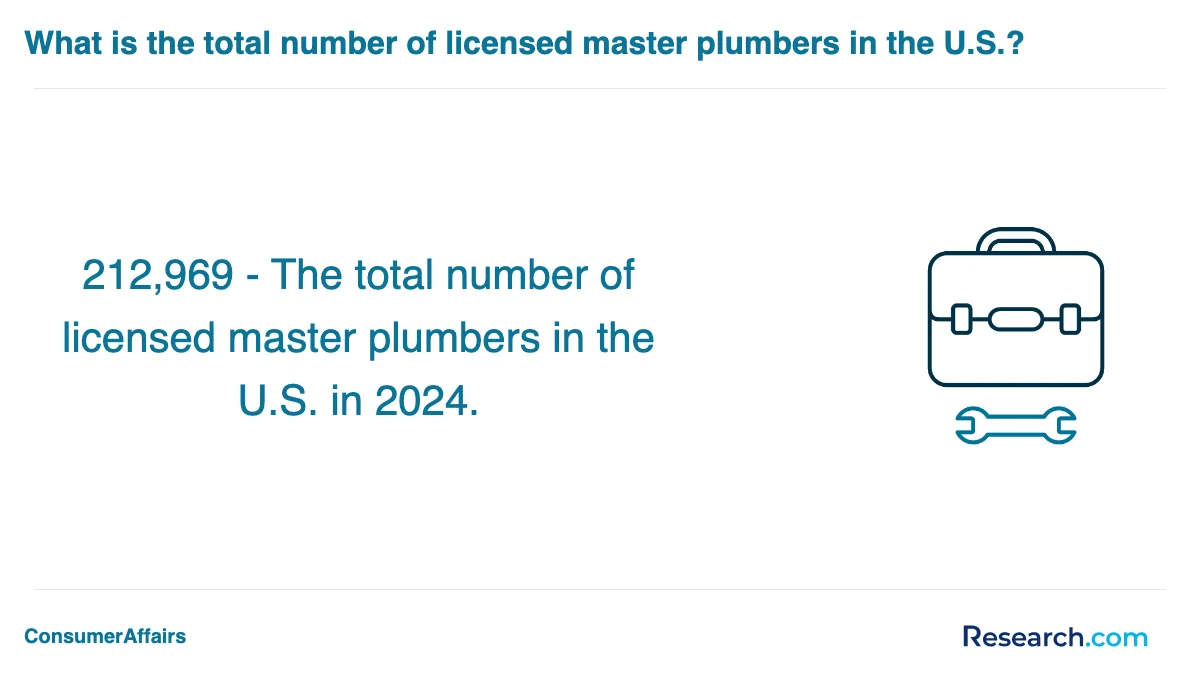
Students enrolling in plumber trade schools in the South often find relief through various financial aid options that make training more affordable. Federal aid is a primary resource, with many graduates reporting how Pell Grants and federal student loans helped cover tuition at schools like South Louisiana Community College. Completing the FAFSA form is the essential first step to access these benefits.
State grants and workforce development funds are also common, especially in Southern states promoting skilled trades. For instance, some students received partial tuition coverage through these programs, easing their financial burden while attending local trade schools.
Scholarships specifically for plumbing students, such as those from the PHCC Educational Foundation, provide thousands of dollars annually. Graduates often share how winning these scholarships boosted their confidence and reduced out-of-pocket costs.
Additionally, programs like the College of the Mainland's Plumbing Pre-Apprenticeship offer free hands-on training thanks to private endowments, a chance many students seize to gain skills without financial stress.
Veterans benefit from GI Bill funds, which many report using successfully to finance their training at approved Southern institutions.
To enroll in a plumber trade school program in the South, you typically need a high school diploma or a GED. This basic educational requirement ensures you have the foundational skills needed for the technical training ahead. Many graduates recall that having a solid grasp of math, especially algebra, made the hands-on training smoother and more enjoyable.
Other common prerequisites include:
- Proof of age-usually 18 or older, which aligns with safety and labor regulations.
- Physical fitness, as plumbing involves manual labor, lifting, and working in confined spaces.
- A valid driver's license can be helpful, especially for schools that require travel to job sites or internships.
Trade schools in the South often recommend basic reading and comprehension skills to follow complex instructions and blueprints. Graduates from popular Southern trade schools frequently mention how early preparation in these areas gave them confidence during practical exams and apprenticeships, turning initial nervousness into pride as they mastered real-world plumbing tasks.
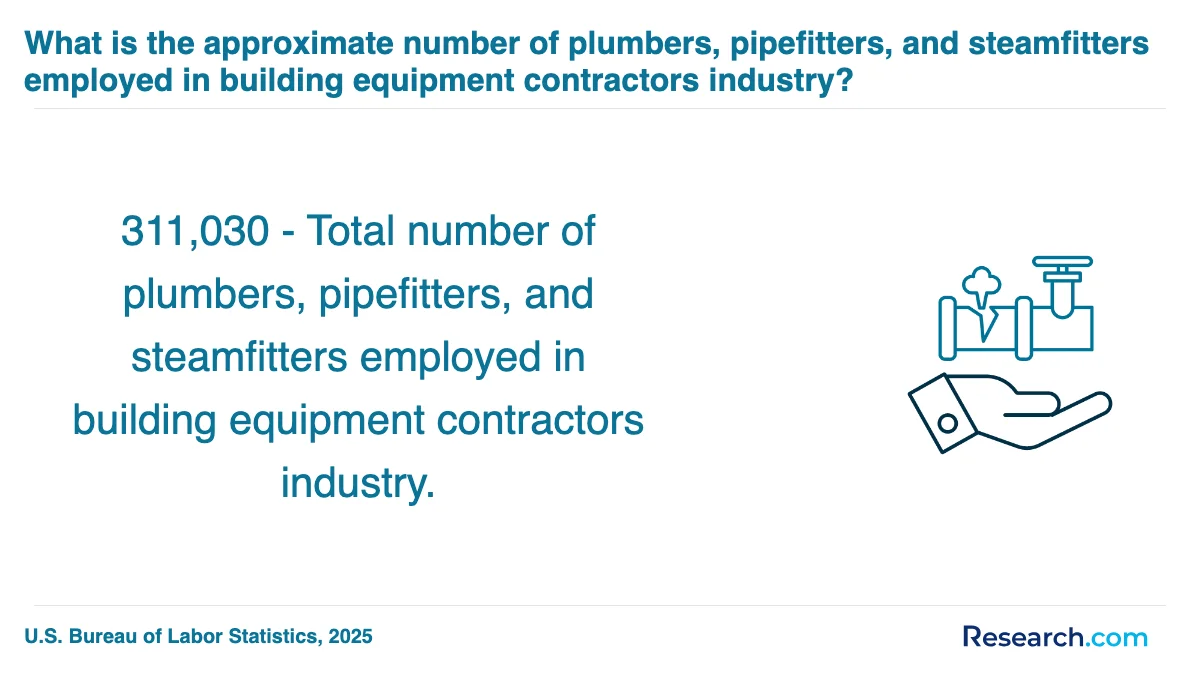
Plumber trade school programs in the South typically include a set of practical and essential courses designed to prepare you well for the workforce. Graduates from popular schools often recall how the curriculum balances hands-on training with crucial theory.
Core courses generally cover:
- Introduction to the plumbing profession, including its history and career expectations, which helps you understand your future role.
- Safety practices and tool usage, ensuring you start with confidence and avoid common hazards on the job.
- Plumbing mathematics, teaching you to calculate pipe lengths and flow rates-skills you'll use daily in real installations.
- Blueprint reading and plumbing drawings, vital for interpreting construction plans accurately in both homes and commercial buildings.
- Pipe and fitting courses, introducing materials like copper, steel, and plastic pipes, so you know how to handle each properly.
- Drain, waste, and vent (DWV) systems alongside water distribution, which prepare you for essential plumbing system functions and code compliance.
- Installation of plumbing fixtures and appliances, including sinks, toilets, tubs, water heaters, and gas lines, making your training immediately applicable.
At South Louisiana Community College, for example, graduates appreciate the inclusion of basic electricity and fire stopping modules, reflecting the real-world demands plumbers face today. Many students find that aligning with NCCER standards gives them an edge when seeking regional certifications and jobs.
Plumber trade school programs in the South typically offer a variety of specializations focused on residential and commercial plumbing programs in the South. Graduates from schools like Southeast Technical College gain hands-on experience with essential skills such as installation, maintenance, and repair of water, steam, air, or gas systems in homes and commercial buildings. These programs often include training in specialized materials like copper, steel, and plastic piping, along with tools like welding torches and pressure testers.
Students benefit from courses designed to prepare them for roles such as service plumbers, pipefitters, or plumbing estimators. For example, Emerald Coast Technical College prepares students for diverse pipe occupations, including system layout for commercial buildings. Many find value in short-term certification courses, such as those at South Louisiana Community College, which emphasize NCCER Core and Plumbing Levels 1 and 2 certifications, acting as gateways to apprenticeships and advanced careers.
Here are common plumbing specializations in Southern trade schools:
- Basic pipe-fitting and blueprint reading
- Backflow prevention and green plumbing technologies
- Medical gas systems and hydronic heating
These specialized skills align with local job market demands, helping graduates secure positions with higher responsibility and pay. If you want to explore more options for hands-on training, check out the best vocational trade schools for comprehensive programs tailored to your career goals.
Another key consideration is program length and cost. Some choose faster certificate options, while others prefer comprehensive associate degrees, depending on their timelines. Apprenticeships combine paid work and learning, often crucial for licensing requirements, which vary by state-Louisiana's licensed plumbers, for example, benefit from local programs with tied-up licensing pathways. Graduates often mention how job placement support and accessible location minimized their commute and boosted their morale.
To explore more pathways, check out a reliable construction trades school that fits your career goals and life balance when deciding how to choose best plumber trade school program in South.
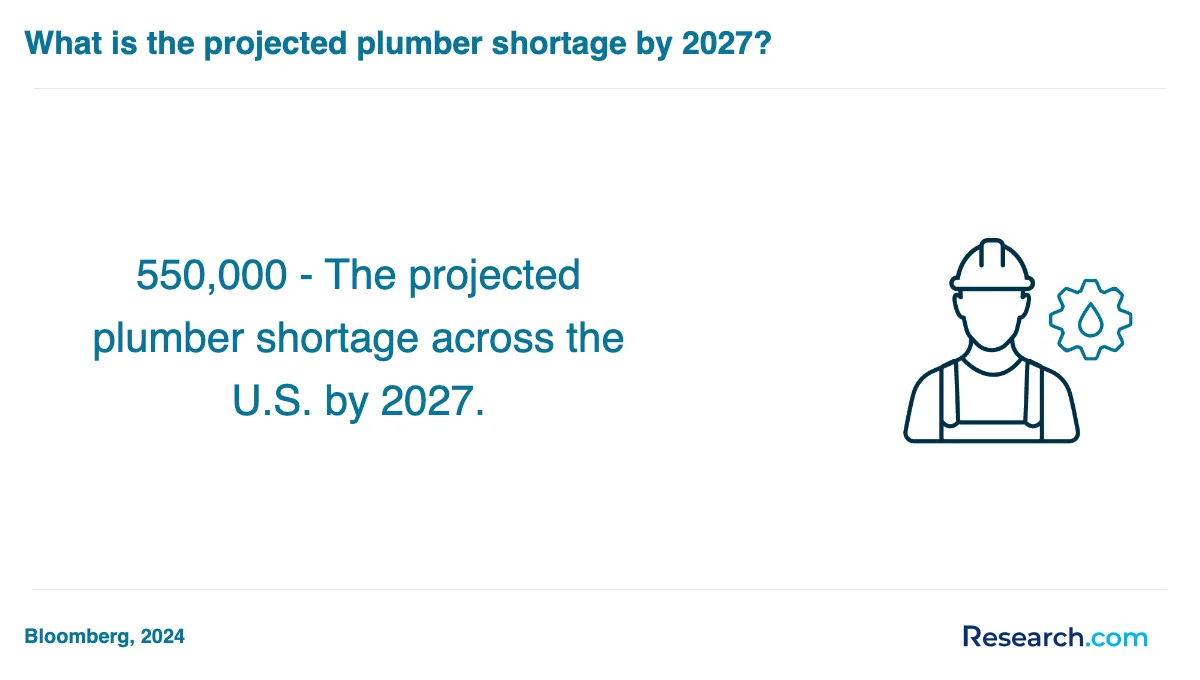
Graduates of plumber trade school programs in the South have access to diverse plumber career opportunities in the South, spanning residential, commercial, and industrial sectors. Many start as plumbing technicians, handling installation and repairs in homes and hospitals, gaining hands-on experience. Others choose to specialize as service technicians focused on troubleshooting or as installation specialists, ensuring new plumbing systems work perfectly on construction sites. Pipe fitters, a more advanced role, work with complex, hazardous piping mainly in industrial environments, offering higher pay and job security after extra certification.
Popular trade schools in the South often report job placement rates near 100%, which reflects the strong demand for plumbing jobs after trade school in South. Graduates describe the experience as practical and rewarding, often moving quickly toward journeyman plumber licenses after completing about 7,600 work hours. Later, many pursue master plumber status to lead teams or run their own businesses.
Some even branch out into plumbing inspection, code enforcement, or technical sales. Choosing a trade school wisely can make a big difference, especially when comparing trade vs vocational school options that fit your career goals and lifestyle.
The plumber job market in the South remains strong and promising for trade school graduates. Many graduates from popular plumbing trade schools in Texas and Florida report quickly finding work due to high regional demand and labor shortages. For example, one graduate shared how a local small-scale business, which typically employs fewer than four people, hired them shortly after completing training to help with increased repair jobs after severe storms.
Key factors driving the demand for plumbers in southern states include:
- Population growth leading to rising construction and retrofit projects
- Infrastructure upgrades and water conservation initiatives
- Retiring workforce creating job openings
- Need for sustainable plumbing solutions and disaster-proof installations
Graduates often find competitive salaries, sometimes above the national average of $55,337, especially in urban centers like Houston or Miami where infrastructure demands are highest. For those interested in a career path, exploring quick-to-learn trade jobs that lead to well-paying careers is a practical step toward stable employment in this expanding field.
Best Plumber Training Programs & Trade Schools - Top Plumbing Schools in South for 2026
# 1 position
Fort Myers Technical College - Plumbing Technology/Plumber.
certificate or diplomaFort Myers Technical College offers a hybrid Plumbing Technology/Plumber program designed to prepare students for licensed plumbing careers. The curriculum covers installation and maintenance of piping systems for various utilities, including steam, natural gas, and water. Instruction includes technical math, blueprint reading, welding, plumbing inspection, and relevant codes. The program is accredited by the Council on Occupational Education, blending hands-on skills with theoretical knowledge for practical application.
# 2 position
Pinellas Technical College-St. Petersburg - Plumbing Technology/Plumber.
certificate or diplomaPinellas Technical College-St. Petersburg offers a Plumbing Technology/Plumber program designed to prepare students for licensed plumber careers. The hybrid program includes instruction on installing and maintaining piping systems for various applications, along with technical mathematics, blueprint reading, welding, and plumbing codes. The curriculum covers critical skills such as water distribution, pressure adjustment, and plumbing inspection. The program is accredited by the Council on Occupational Education.
# 3 position
Southern Crescent Technical College - Plumbing Technology/Plumber.
certificate or diplomaSouthern Crescent Technical College offers a hybrid Plumbing Technology/Plumber program designed to prepare individuals for licensure by teaching skills to install and maintain piping systems for various uses, including steam, natural gas, and hot water. The curriculum covers technical mathematics, blueprint reading, welding, plumbing inspection, and applicable codes. The program’s annual in-state tuition is $3,126 and it is accredited by the Southern Association of Colleges and Schools Commission on Colleges.
# 4 position
Cape Fear Community College - Plumbing Technology/Plumber.
certificate or diplomaCape Fear Community College offers a Hybrid Plumbing Technology/Plumber program designed to prepare students for licensure by developing skills in installing and maintaining piping systems for various applications. The curriculum covers water distribution, waste removal, pressure adjustment, technical mathematics, blueprint reading, welding, and plumbing codes. Annual in-state tuition is $2,748. The program is accredited by the Southern Association of Colleges and Schools Commission on Colleges.
# 5 position
Suncoast Technical College - Plumbing Technology/Plumber.
certificate or diplomaSuncoast Technical College offers a hybrid Plumbing Technology/Plumber program that prepares students to become licensed plumbers. The curriculum covers technical knowledge and skills for installing and maintaining piping systems used in various environments. Instruction includes water distribution, pressure adjustment, blueprint reading, welding, plumbing inspection, and applicable codes. The program is accredited by the Council on Occupational Education and combines both hands-on and distance-education components.
# 6 position
Atlanta Technical College - Plumbing Technology/Plumber.
certificate or diplomaAtlanta Technical College offers a hybrid Plumbing Technology/Plumber program that prepares students to become licensed plumbers. The curriculum covers installation and maintenance of piping systems for various fluids, including steam and natural gas, in residential and commercial settings. Instruction includes technical mathematics, blueprint reading, welding, plumbing codes, and system inspection. The program’s annual in-state tuition is $3,164. It is accredited by the Southern Association of Colleges and Schools Commission on Colleges.
# 7 position
Pima Community College - Plumbing Technology/Plumber.
certificate or diplomaPima Community College offers a hybrid Plumbing Technology/Plumber program designed to prepare students for licensure by teaching skills to install and maintain piping systems for various uses including steam, natural gas, and hot water. The curriculum covers technical math, blueprint reading, welding, plumbing inspection, and relevant codes. The program is accredited by the Higher Learning Commission. Annual in-state tuition is $2,370.
# 8 position
Arizona Western College - Plumbing Technology/Plumber.
associateArizona Western College offers a Hybrid Plumbing Technology/Plumber program preparing students to become licensed plumbers. The curriculum covers installation and maintenance of piping systems for various applications, including steam and natural gas. Instruction includes water distribution, pressure adjustment, blueprint reading, welding, plumbing inspection, and relevant codes. The program is accredited by the Higher Learning Commission. Annual in-state tuition is $3,020.
# 9 position
Arizona Western College - Plumbing Technology/Plumber.
certificate or diplomaArizona Western College offers a hybrid Plumbing Technology/Plumber program that prepares students to become licensed plumbers. The curriculum covers installation and maintenance of piping systems for steam, natural gas, oil, water, heating, cooling, and industrial processes. Instruction includes technical math, blueprint reading, welding, plumbing codes, and inspection. The program is accredited by the Higher Learning Commission. Annual in-state tuition is $3,020.
# 10 position
South Mountain Community College - Plumbing Technology/Plumber.
certificate or diplomaSouth Mountain Community College offers a hybrid Plumbing Technology/Plumber program designed to prepare students for licensed plumbing careers. The curriculum covers installation, maintenance, and system assembly for various piping fixtures including steam, natural gas, and water systems. Instruction includes technical mathematics, blueprint reading, welding, and plumbing codes. Annual in-state tuition is $2,358. The program is accredited by the Higher Learning Commission and includes some distance-education options.
Frequently Asked Questions about plumber
After completing a plumber trade school in South, preparing for the job market involves several key steps. First, graduates should obtain necessary state licenses, which often require passing the South plumbing licensing exam. This certification is crucial to demonstrate professional competence.
Next, it is important to build practical experience through apprenticeships or entry-level positions. According to the U.S. Bureau of Labor Statistics, plumbers in the South earn a median annual wage of about $50,000, with demand expected to grow by 5% through 2031.
Networking with local contractors and joining trade associations like the United Association can also improve job prospects.
Employers in the South region prioritize a mix of technical and soft skills when hiring plumber trade school graduates. Key technical skills include proficiency in pipefitting, blueprint reading, and knowledge of local plumbing codes. According to the U.S. Bureau of Labor Statistics, understanding safety procedures and the ability to work with various plumbing systems are essential for job performance.
Soft skills such as problem-solving, communication, and teamwork are also highly valued. The South's construction industry often requires plumbers to collaborate closely with other trades, making interpersonal skills important.
Hands-on experience through apprenticeships or internships significantly boosts employability in this region.
Finding internships relevant to plumber trade school programs in South involves strategic research and networking. Begin by contacting local trade schools, as many have partnerships with plumbing companies offering internships. The U.S. Department of Labor's Apprenticeship.gov website lists registered plumbing apprenticeship programs, often including paid internships.
Additionally, reaching out to local unions such as the United Association (UA) can provide access to apprenticeship opportunities combining classroom and on-the-job training. According to the Bureau of Labor Statistics, South states like Texas and Florida have growing demand for plumbers, increasing internship availability.
Job boards like Indeed and state workforce agencies often post plumbing internships. Attending regional trade shows and joining professional plumbing associations can also expand contacts. Early application and demonstrating technical skills improve chances of securing an internship that complements plumber trade school education.
Obtaining a plumber trade school diploma in South significantly enhances career mobility and advancement opportunities. According to the U.S. Bureau of Labor Statistics, skilled trades like plumbing are in high demand, with South experiencing steady growth due to infrastructure development. A diploma certifies practical skills and knowledge, making graduates more competitive for apprenticeships and entry-level jobs.
Trade school graduates often report faster job placement than those without formal training. Employers in South value credentials that demonstrate readiness and safety compliance, which can lead to higher wages over time.
Moreover, diploma holders have clearer pathways to licensing exams, essential for career advancement and independent contracting. This credential can be a stepping stone toward supervisory roles or specialized plumbing fields.
Part-time job opportunities in South that align well with plumber trade school education include working as a plumbing assistant or helper. These roles provide practical experience in pipe installation, repair, and maintenance, which complements classroom learning. According to the U.S. Bureau of Labor Statistics, South states show steady demand for plumbers, making hands-on experience valuable for future employment.
Other suitable jobs include positions in construction labor or maintenance roles, allowing students to develop skills in tools, safety, and job site protocols. Retail positions at hardware stores specializing in plumbing supplies also expose students to product knowledge and customer service.
While traditional plumbing training programs are typically offered through trade schools and community colleges, there are programs near South that focus on plumbing and related fields, offering certificates or associate degrees. For those searching for "Best Plumber degree program near me," utilizing resources like Research.com can help locate reputable institutions in your vicinity. These programs often combine classroom instruction with hands-on training, preparing students for state licensing exams and employment in the plumbing industry.
- Plumbers, Pipefitters, and Steamfitters : Occupational Outlook Handbook: : U.S. Bureau of Labor Statistics https://www.bls.gov/ooh/construction-and-extraction/plumbers-pipefitters-and-steamfitters.htm
- Plumbing Salary - CareerExplorer https://www.careerexplorer.com/degrees/plumbing-degree/salary/
- Average Plumber Salary (Annually & Hourly) | Faraday https://faradaycareers.com/careers/plumber-salary
- Plumber | Explore Careers | National Careers Service https://nationalcareers.service.gov.uk/job-profiles/plumber
- How To Become A Plumber | Explore The Trades https://explorethetrades.org/what-we-do/education/plumbing/how-to-become-a-plumber/
- 5 Things To Expect From a Plumbing Program at Trade School | Miller-Motte College https://www.miller-motte.edu/what-to-expect-from-plumbing-program/
- Plumbing Trade School and Training Guide | NEIT https://www.neit.edu/blog/plumbing-trade-school
- How Long Does It Take to Become a Plumber? - FieldEdge https://fieldedge.com/blog/how-long-does-it-take-to-become-a-plumber/
- Plumber | SkilledTradesBC https://skilledtradesbc.ca/plumber
- A Guide to Skilled Trades Apprenticeships and Internships | BestColleges https://www.bestcolleges.com/trades/guide-to-skilled-trades-apprenticeships-internships/


