Most Affordable Plumber Schools & Training - Budget-Friendly Plumbing Trade Programs in New Jersey for 2026

Co-Founder and Chief Data Scientist
Choosing the right plumber trade school in New Jersey can be a game-changer for your career. This article introduces the most affordable plumber trade school programs for 2026, helping you find the best fit without breaking the bank.
The ranking featured here was carefully crafted by the Research.com team of data scientists to guide you toward programs that truly stand out. Whether you're starting fresh or advancing your skills, a diploma or certification opens doors to steady work and growth.
Explore your options confidently and take the first step toward a rewarding future in plumbing.
Key benefits of finishing plumber trade school in New Jersey
- Graduates from plumber trade schools in New Jersey can expect starting salaries around $52,738 per year, with opportunities to grow to over $71,000 annually as they gain experience and licensing.
- Career paths often include working as licensed plumbers, master plumbers, or even starting their own business, as seen with many successful graduates from popular trade schools in the state.
- Completing plumber trade school online offers flexibility and convenience, allowing students to balance work and study, just like graduates from well-known New Jersey online programs who quickly entered the workforce.
- Most Affordable Plumber Schools & Training - Budget-Friendly Plumbing Trade Programs in New Jersey for 2026
- What can I expect from plumber trade schools in New Jersey?
- Where can I work after finishing plumber trade schools in New Jersey?
What can I expect from plumber trade schools in New Jersey?
In a plumber trade school program in New Jersey, you can expect a well-rounded mix of classroom instruction and hands-on training designed to prepare you for a skilled career. Most students spend about four years completing at least 144 hours of classes annually, covering essential topics like plumbing theory, safety, local codes, blueprint reading, and practical skills.
Many programs, including those at Ocean County Vocational Technical School, offer flexible schedules with evening classes that fit around full-time work, making it easier for working adults to attend.
Graduates often describe the experience as challenging but rewarding, especially the on-the-job training where they work alongside licensed master plumbers or union members. This real-world experience is invaluable, helping students build confidence and competence.
After completing the program and apprenticeship, students qualify for journeyman status and can pursue licensing exams to become master plumbers, opening doors to independent work and career growth in New Jersey's plumbing industry.
Where can I work after finishing plumber trade schools in New Jersey?
After finishing a plumber trade school program in New Jersey, graduates find a wide range of job opportunities across the state. Many start as apprentices or plumbing technicians with well-known companies like Len The Plumber or Mr Rooter Plumbing. These roles involve hands-on work installing and repairing plumbing systems in homes, offices, and commercial buildings-real-world experiences that graduates from local trade schools like the New Jersey Institute of Technology appreciate as a solid foundation.
Others find rewarding careers in public sector jobs, working for school districts or municipal facilities such as the Newark Board of Education. These positions often include maintenance and specialized repair tasks, offering a stable and community-focused work environment. Graduates from schools like Bergen Community College often mention how this path provides consistent hours and the chance to see the impact of their work daily.
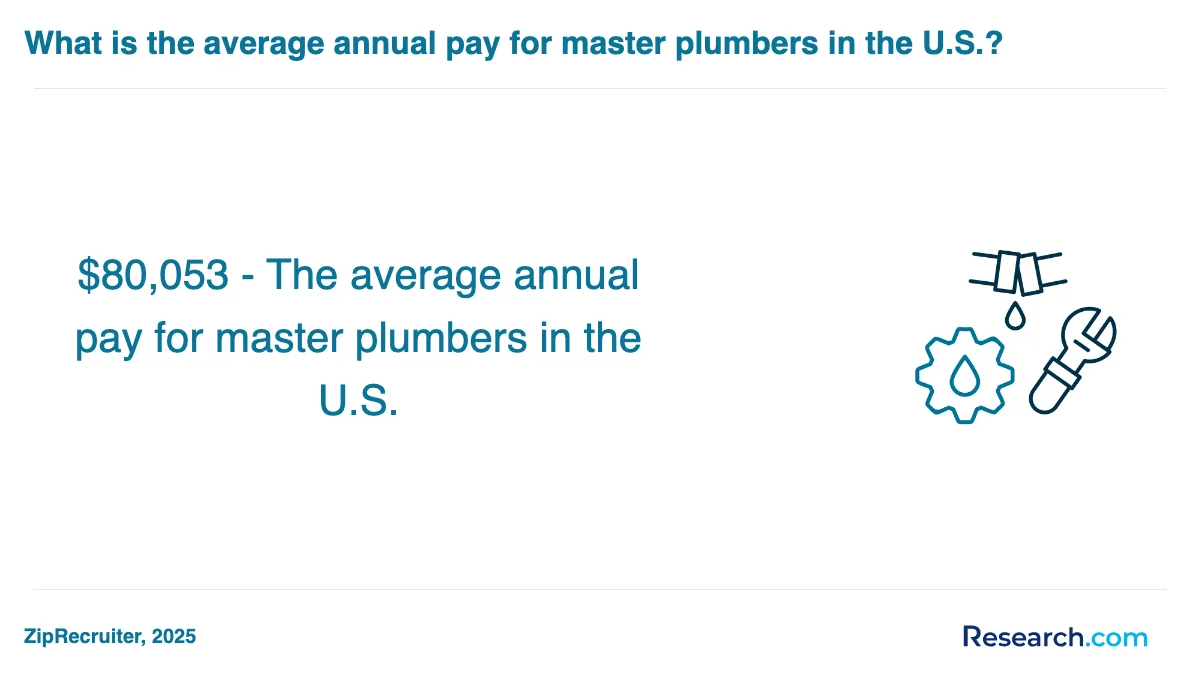
With more experience, some move into supervisory roles or specialize in areas like pipefitting or fire protection systems. Becoming a master plumber, a common goal among trade school alumni, opens doors to higher salaries-between $80,000 and $120,000 annually-and leadership positions within New Jersey's thriving construction and engineering sectors.
After finishing a plumber trade school program in New Jersey, graduates typically start with salaries around $58,000 annually, which is notably higher than many other states. Many recent grads from popular trade schools in Newark or Jersey City share how this starting pay allowed them to quickly cover living expenses while gaining valuable hands-on experience.
Hourly wages average about $31.55, with some employers offering between $28 and $45 per hour depending on experience. One graduate described landing a job that included overtime pay, boosting their yearly income by an additional $6,750, making early financial independence feel achievable.
With time, certifications, and moving toward master plumber status, salaries can rise to over $89,000. Graduates often find opportunities in metropolitan areas like Hoboken, where demand and wages are higher, reinforcing that completing a trade school program in New Jersey opens doors to steady, rewarding careers with strong earning potential.
- Applicants need a high school diploma or GED and must provide official transcripts and proof of New Jersey residency for in-state tuition.
- Apprenticeship programs require 144 classroom hours per year for four years and must be recognized by both federal and state labor departments.
- Tuition ranges from $5,000 to $24,000 annually depending on the school and program type.
- Entry-level plumbers earn $45,000 to $55,000 yearly, while experienced and master plumbers can make $60,000 to $90,000 or more.
- Plumbers must have an active state license and licensed master plumbers must complete five hours of continuing education every two years before license renewal.
Completing a plumber trade school program in New Jersey typically takes between 6 months and 1 year, depending on the school and course intensity. Many graduates share that this timeframe is ideal for balancing hands-on training with classroom instruction, allowing them to quickly enter the workforce.
For example, students at popular New Jersey trade schools often describe how their programs efficiently combine plumbing theory with real-world skills, such as pipefitting and system troubleshooting, in well-equipped labs. This practical approach helps them feel confident and job-ready by the end of their studies.
Some graduates mention starting as novices and within a year, securing apprenticeships or entry-level plumbing jobs, grateful for the program's focused timeline that fit their busy lives. This swift completion time is especially beneficial for those eager to start earning while continuing to learn on the job.
Overall, the completion time at New Jersey's plumber trade schools is designed to be accessible and motivating, supporting students' ambitions without unnecessary delays.
The main difference between online and on-campus plumber trade school programs in New Jersey lies in how instruction is delivered and the type of hands-on training students receive. Online programs, like those from Penn Foster and the New Jersey PHCC Academy, offer flexible web-based coursework allowing students to complete the required 144 hours of Related Technical Instruction at their own pace. Graduates often appreciate being able to balance work or family commitments while progressing through self-paced lessons, which can sometimes be finished in as little as three to six months.
On the other hand, on-campus programs at schools such as Ocean County Vocational Technical School provide direct, in-person teaching with access to fully equipped labs. Students benefit from face-to-face interaction and guided hands-on practice, which many find essential to mastering plumbing skills. These structured programs usually follow a set schedule and can last two to four years, offering certificates or associate degrees.
Both pathways meet New Jersey's licensing requirements, but the choice depends on whether you prefer flexible learning or immersive, practical experience.
The average tuition for plumbing programs in New Jersey trade schools typically ranges from $2,000 to $10,000, making them an affordable option for many aspiring plumbers. Graduates from programs like Atlantic County Vocational School District have found success completing a two-semester course for $550 plus a small administrative fee, which allows for hands-on training without overwhelming debt. This practical approach lets students focus on building skills rather than worrying about excessive tuition costs.
Many students appreciate the blend of classroom learning and real-world experience, especially in a state where the cost of plumbing trade schools in New Jersey varies depending on the institution and program length. The balance between price and quality is vital, and students often mention how accessible these programs feel due to reasonable fees paired with solid training. This affordability gives them confidence in pursuing a stable career.
In addition to tuition, future plumbers consider other expenses like tools and licensing fees, but the core investment in a plumbing trade school remains manageable. Those looking for a clearer path often explore the trade school careers list and salaries, helping them weigh their options based on both cost and potential earnings.
Plumber trade school students in New Jersey often rely on the New Jersey Youth Registered Skilled Trades Grant, which offers up to $2,000 annually for tuition. Graduates from local schools with household incomes under $60,000 have found this grant invaluable in making programs at popular schools like the New Jersey Trade Institute more affordable. One graduate shared how this grant eased their financial worries, letting them focus fully on mastering plumbing skills.
Federal aid like the Federal Pell Grant also supports many students pursuing plumbing, especially when combined with the state's Tuition Aid Grant (TAG). Both require filing FAFSA, which most plumbing students at institutions such as the Morris County Vocational School utilize to unlock crucial funding.
Some schools and apprenticeships provide scholarships or tuition assistance through partnerships with local unions and employers, helping cover costs that can otherwise add up. For example, apprenticeships often include on-the-job training and may subsidize fees ranging from $500 to $1,500 for books and courses, easing the financial load for many trainees.
The New Jersey Foster Care Scholars Program is another vital resource, offering tuition, fees, and book stipends for students with foster care backgrounds, ensuring they have a fair shot at trade careers like plumbing.
Students who actively communicate with school financial aid offices and program coordinators often discover tailored aid options, turning what seemed like a steep cost into a manageable investment in their future.
To enroll in a plumber trade school program in New Jersey, students typically need to meet certain prerequisites that ensure readiness and commitment. Most schools require a high school diploma or GED, as this foundational education helps students grasp essential math and reading skills necessary for plumbing coursework.
Applicants often must be at least 18 years old, reflecting the maturity needed for hands-on training and safety compliance. For example, graduates from popular New Jersey trade schools recall that having basic mechanical aptitude and a willingness to learn on the job made a significant difference in their success.
Some trade schools also request:
- Proof of residency or legal authorization to study in New Jersey
- Background checks, especially if the program involves apprenticeship placements
- Physical fitness to handle manual labor and lifting
These requirements, while straightforward, create a supportive learning environment where students feel prepared and confident. Many graduates emphasize how meeting these prerequisites helped them quickly adapt to real-world plumbing challenges during their hands-on training.
Plumber trade school programs in New Jersey cover a range of essential courses designed to prepare students for real-world plumbing jobs. Graduates from popular trade schools often highlight how foundational classes like plumbing history, safety protocols, and building trades basics gave them confidence entering the workforce. Safety training, especially OSHA standards, is emphasized to ensure compliance on job sites.
As students progress, they learn practical skills such as:
- Advanced piping techniques using copper, steel, and cast iron
- Plumbing code interpretation to meet state and national regulations
- Plumbing math for pipe sizing and system design
Hands-on modules are a highlight, with graduates sharing how kitchen and bathroom rough-in projects or installing hot water and steam heating systems made theory tangible. Many find working on drainage and vent systems particularly rewarding, as it mirrors actual job tasks.
Several New Jersey schools integrate over 190 hours of internships, providing invaluable field experience. This blend of classroom learning and real work prepares students well for apprenticeships and certifications like OSHA 10, making the programs both practical and empowering.
Plumber trade school programs in New Jersey offer a variety of specializations to prepare students for different career paths in the plumbing industry. Graduates from well-known programs like Bergen County Technical Schools often gain hands-on experience in residential and commercial plumbing, focusing on skills such as kitchen and bathroom rough-in, fixture installation, and hot water and steam heating systems. Others find success in more technical fields like pipefitting, where training includes joining PVC piping, soldering copper, and setting up industrial water distribution systems, as taught by programs like Monmouth County Vocational School District's Plumbing & Pipefitting program.
Energy-efficient plumbing is a growing field, with training available in solar thermal energy systems, reflecting the push towards sustainable construction. Many students appreciate how these plumbing and pipefitting programs New Jersey offers provide real-world readiness through apprenticeships, preparing them for roles as journeyman plumbers or licensed master plumbers.
Those weighing their options often consider the differences between a college or trade school to find the best fit for their goals and learning style.
Choosing the best plumbing trade schools in New Jersey starts with verifying accreditation and ensuring the curriculum blends hands-on training with solid theoretical knowledge. Graduates from schools like Eastwick Education praise the flexible schedules, allowing them to balance work and study while gaining real-world skills through extensive apprenticeships. These programs often connect students directly with local apprenticeship opportunities, which are crucial for building experience and confidence on the job.
Look for affordable plumber training programs in New Jersey that offer comprehensive courses aligned with state licensing requirements. For instance, Camden County College's approach lets students earn credits toward an associate degree, easing financial burdens and speeding up entry into the trade. Many students feel empowered by finishing programs that match their busy lifestyles without sacrificing quality training.
To explore more about trade schools and compare options, check out this list of the best vocational trade online schools, which can also serve as a guide beyond traditional classroom settings.
Graduates of plumber trade school programs in New Jersey often start their careers through plumber apprenticeship programs New Jersey offers, combining hands-on experience and classroom learning. Many gain practical skills by working with licensed master plumbers, preparing them for entry-level roles like plumbing technicians.
With dedication, these apprentices advance to journeyman plumbers, trusted to install and maintain plumbing systems across residential and commercial buildings. Popular trade schools in New Jersey report that graduates appreciate the clear path from education to a stable, well-paying job, with journeymen earning median salaries above $75,000 annually.
Career advancement options include becoming master plumbers who supervise projects or specialize as pipefitters and pipelayers. Some graduates move into project management, leveraging their field experience to lead teams effectively.
Others embrace entrepreneurship, using their trade school foundation to start plumbing businesses serving diverse communities statewide. This range of plumbing career opportunities in New Jersey ensures graduates can find rewarding paths that suit their skills and ambitions.
For those exploring trade options beyond plumbing, careers in the trades offer similarly promising futures.
The plumber job outlook in New Jersey is very promising for trade school graduates due to a strong demand fueled by retiring professionals and a skilled labor shortage. Graduates from popular trade schools across New Jersey often find multiple opportunities shortly after completing their programs, benefiting from competitive salaries averaging around $69,360 with potential increases as experience grows.
Many graduating plumbers see themselves quickly filling open roles such as plumbing technicians and journeyperson plumbers, supported by employers who offer benefits like performance bonuses and health insurance. Here are key factors that highlight plumbing employment opportunities New Jersey:
- Over 200 job openings are actively listed, including specialized positions like plumbing inspectors.
- Industry growth projected at 16% through 2026, outpacing many other trades.
- Trade schools regularly assist with job placement by connecting students to local contractors and unions.
Trade school graduates often share stories of gaining hands-on skills that employers value, helping them stand out in the competitive marketplace. For those considering where to study, exploring the top online community college options can provide flexible pathways to enter this thriving field.
Most Affordable Plumber Schools & Training - Budget-Friendly Plumbing Trade Programs in New Jersey for 2026
# 1 position
Adult and Continuing Education-BCTS - Plumbing Technology/Plumber.
certificate or diplomaThis hybrid Plumbing Technology/Plumber program trains students to become licensed plumbers by teaching skills in installing and maintaining piping systems for various fluids and gases. The curriculum covers water distribution, waste removal, pressure adjustment, physics, mathematics, blueprint reading, pumps, welding, soldering, inspection, and relevant codes. Graduates have a median earning of $30,184 one year after completion. The program is accredited by the Council on Occupational Education.
# 2 position
Hohokus School of Trade and Technical Sciences - Plumbing Technology/Plumber.
certificate or diplomaThe Plumbing Technology/Plumber program at Hohokus School of Trade and Technical Sciences offers a hybrid format with some distance-education options. It prepares students to become licensed plumbers by teaching skills in installing and maintaining piping systems for various applications. Instruction covers technical knowledge such as blueprint reading, welding, plumbing inspection, and applicable codes. The program is accredited by the Accrediting Commission of Career Schools and Colleges. Median earnings one year after completion are $24,973.
# 3 position
Ocean County Vocational-Technical School - Plumbing Technology/Plumber.
certificate or diplomaOcean County Vocational-Technical School offers a Plumbing Technology/Plumber program that trains students to become licensed plumbers. The curriculum covers installing and maintaining piping systems for various uses, including steam, natural gas, and water. Instruction includes water distribution, pressure adjustment, blueprint reading, welding, and plumbing codes. The program is accredited by the Middle States Commission on Secondary Education and prepares individuals with practical skills for residential and commercial environments.
Frequently Asked Questions about plumber
After completing a plumber trade school in New Jersey, preparing for the job market involves several key steps. First, obtaining the necessary state licenses is crucial. The New Jersey State Board of Examiners requires plumbers to pass the licensing exam after completing an apprenticeship or trade program. This certification validates your skills and is mandatory for most employers.
Networking is another important strategy. Joining local unions or trade associations, such as the New Jersey Plumbing Contractors Association, can provide job leads and professional support. Additionally, gaining hands-on experience through apprenticeships or entry-level positions improves employability.
Finally, staying informed about industry trends and continuing education helps maintain competitiveness in New Jersey's growing construction market. According to the U.S. Bureau of Labor Statistics, plumber employment in New Jersey is projected to grow 7% through 2030, reflecting steady demand.
Employers in New Jersey value plumber trade school graduates who demonstrate strong technical skills combined with practical experience. Key abilities include proficiency in installing, repairing, and maintaining piping systems, as well as reading blueprints accurately. According to the U.S. Bureau of Labor Statistics and New Jersey Department of Labor reports, employers also prioritize knowledge of local plumbing codes and safety regulations.
Problem-solving skills and physical stamina are essential, since plumbers often diagnose complex issues and work in physically demanding environments. Communication skills are equally important, as plumbers must explain problems and solutions clearly to clients and team members.
Hands-on training through apprenticeships or internships significantly boosts employability in New Jersey's competitive market.
Finding internships in New Jersey relevant to plumber trade school programs often starts with contacting local vocational schools and community colleges. These institutions frequently have partnerships with plumbing contractors and unions that offer hands-on apprenticeship opportunities. The New Jersey Department of Labor and Workforce Development reports that registered apprenticeship programs in plumbing grow steadily, with over 300 active apprenticeships statewide as of 2023.
Students should also explore listings on the New Jersey Apprenticeship Network website, which connects apprentices with employers. Additionally, joining trade unions such as the United Association Local 322 can provide access to structured internship and training programs, often combining classroom education with paid field experience.
Networking at local trade shows and industry events can further help students secure internships. Many employers prefer candidates who demonstrate both formal training and practical experience, making internships crucial for skill development and job placement in the plumbing sector.
Obtaining a plumber trade school diploma in New Jersey significantly enhances career mobility and advancement opportunities. According to the New Jersey Department of Labor, the plumbing industry is expected to grow by 7% from 2022 to 2032, reflecting steady demand for skilled workers. A diploma verifies essential technical skills and knowledge, making graduates more competitive for apprenticeships and journeyman licensing.
Trade school graduates often experience faster entry into the workforce and higher starting wages compared to those without formal training. The Bureau of Labor Statistics reports that licensed plumbers in New Jersey earn a median annual wage of around $65,000, with experienced professionals advancing into supervisory or contracting roles.
Additionally, a diploma supports eligibility for state licensing exams, a critical step for career progression. Employers value the practical training and safety education provided by accredited programs, which can lead to better job stability and promotion potential.
Students enrolled in plumber trade schools in New Jersey can benefit from various part-time job opportunities that complement their education. Positions such as plumbing apprenticeships, helper roles, or entry-level maintenance technician jobs provide hands-on experience, reinforcing classroom learning. According to the U.S. Bureau of Labor Statistics (BLS, May 2023), New Jersey employed over 10,000 plumbers and pipefitters, highlighting strong local demand.
Apprenticeships, often paid and sometimes offered through unions or contractors, allow trainees to earn while developing skills. Additionally, roles in hardware stores or supply companies can improve product knowledge. These part-time jobs support students financially and enhance practical understanding, preparing them for full-time careers in plumbing.
To choose the most affordable plumbing degree program near you in New Jersey, start by researching local trade schools and community colleges offering plumbing certifications or degrees. Many institutions have flexible and cost-effective programs tailored to different financial needs, making them a viable option for those seeking affordability. Research.com can be a useful resource for comparing such programs near New Jersey to ensure you find one that fits your budget and career goals.
- Most Affordable Plumber Schools & Training - Budget-Friendly Plumbing Trade Programs in New York for 2026
- Most Affordable Plumber Schools & Training - Budget-Friendly Plumbing Trade Programs in Connecticut for 2026
- Most Affordable Plumber Schools & Training - Budget-Friendly Plumbing Trade Programs in Ohio for 2026
- Most Affordable Plumber Schools & Training - Budget-Friendly Plumbing Trade Programs in Kentucky for 2026
- Most Affordable Plumber Schools & Training - Budget-Friendly Plumbing Trade Programs in North Carolina for 2026
- Most Affordable Plumber Schools & Training - Budget-Friendly Plumbing Trade Programs in Maine for 2026
- Most Affordable Plumber Schools & Training - Budget-Friendly Plumbing Trade Programs in Georgia for 2026
- Most Affordable Plumber Schools & Training - Budget-Friendly Plumbing Trade Programs in Michigan for 2026
- Most Affordable Plumber Schools & Training - Budget-Friendly Plumbing Trade Programs in Florida for 2026
- Most Affordable Plumber Schools & Training - Budget-Friendly Plumbing Trade Programs in Illinois for 2026
- How To Become A Plumber | Explore The Trades https://explorethetrades.org/what-we-do/education/plumbing/how-to-become-a-plumber/
- 5 Things To Expect From a Plumbing Program at Trade School | Miller-Motte College https://www.miller-motte.edu/what-to-expect-from-plumbing-program/
- Choosing the Right Plumber Trade School: A Caring Step-by-Step Guide - Field Complete https://fieldcomplete.com/blog/industry-trends-and-innovations/choosing-the-right-plumber-trade-school-a-caring-step-by-step-guide
- Plumbing Trade School and Training Guide | NEIT https://www.neit.edu/blog/plumbing-trade-school
- Trade School vs. College: Pros and Cons | SharkBite https://www.sharkbite.com/ca/en/resources/blog/industry-insights/plumber-spotlights/trade-school-vs-college-heres-what-you-need-to-consider
- Plumber | SkilledTradesBC https://skilledtradesbc.ca/plumber
- Plumbing School Requirements: What You Need to Get Started https://www.trade-schools.net/trades/plumbing-school-requirements
- Plumber https://www.sait.ca/apprenticeships-and-trades/programs/plumber
- Types of Plumbers: 6 Plumbing Career Paths | Skilled Trades College https://www.skilledtradescollege.ca/blog/types-of-plumbers-plumbing-career-paths
- Plumber | Explore Careers | National Careers Service https://nationalcareers.service.gov.uk/job-profiles/plumber