Best Plumber Training Programs & Trade Schools - Top Plumbing Schools in Midwest for 2026

Co-Founder and Chief Data Scientist
Choosing the right plumber trade school in the Midwest can shape your future career and open doors to rewarding opportunities. This article presents a plumber trade school programs ranking developed by the Research.com team of data scientists to help you make an informed decision.
With clear insights into top programs, you can confidently select a school that fits your goals and lifestyle. Earning a diploma or certification in plumbing offers practical skills and job stability, making it a smart step toward a fulfilling career.
Explore your options and take the first step toward success today.
Key benefits of finishing plumber trade school in Midwest
- Graduates from plumber trade schools in the Midwest can expect starting salaries around $52,000 per year, with experienced plumbers earning well above the national average, especially if they join unions or obtain advanced certifications.
- Career paths include becoming licensed plumbers, journeymen, or master plumbers, offering opportunities for steady growth and higher pay, as seen with many successful trade school alumni in the region.
- Finishing plumber trade school online provides flexibility and convenience, allowing students to balance work and study, just like many online program graduates who quickly advance their careers while saving time and money.
- Best Plumber Training Programs & Trade Schools - Top Plumbing Schools in Midwest for 2026
- What can I expect from plumber trade schools in Midwest?
- Where can I work after finishing plumber trade schools in Midwest?
What can I expect from plumber trade schools in Midwest?
Step into a plumber trade school program in the Midwest, and you'll quickly find yourself balancing classroom lessons with hands-on training that feels like real work from day one. Imagine spending mornings at Kirkwood Community College in Iowa, learning to read plumbing blueprints and mastering safety tools, then afternoons practicing installations under expert guidance. Graduates often recall how early semesters build confidence with code book layouts and safety protocols, making challenging concepts like state plumbing codes suddenly click.
Most programs, like the four-year journey at Illinois' Building and Fire Code Academy, mix intense classroom hours with thousands of on-the-job training hours-think 8,000 hours getting your hands dirty alongside seasoned plumbers. You'll experience the thrill of transforming theory into practical skills, preparing you for the state licensing exam and real-world plumbing challenges.
Many students find joy joining competitions like SkillsUSA, sharpening their craft and building camaraderie. Whether you're dreaming of becoming a journeyman or a service technician, expect a mix of hard work, mentorship, and rewarding progress every step of the way.
Where can I work after finishing plumber trade schools in Midwest?
After completing a plumber trade school program in the Midwest, graduates often find themselves stepping into a world bursting with opportunity and hands-on challenges. Imagine starting as an apprentice plumber, learning the ropes on a bustling residential job site, or diving into commercial plumbing projects in vibrant office buildings or hospitals. Many graduates from popular Midwest trade schools share stories of landing roles with local plumbing contractors or large construction firms, where they quickly put their skills to the test.
Jobs in Illinois and Indiana alone frequently exceed 350 openings, offering positions from plumbing technician to journeyperson plumber. Some graduates thrive in specialized fields like backflow prevention or green technology installation, while others enjoy the steady rhythm of new construction projects. The excitement of working in institutional settings, such as university campuses in Normal, Illinois, adds variety and pride to daily tasks.
With competitive pay-sometimes up to $54.50 per hour for licensed plumbers-and benefits like health insurance, it's no wonder Midwest trade school alumni feel confident advancing their careers toward roles like plumbing manager or master plumber.
After finishing a plumber trade school program in the Midwest, many graduates are excited to see their paychecks reflect their hard work. Entry-level plumbers often start earning between $25 and $26 per hour, which adds up to about $52,000 to $54,000 annually. Imagine stepping onto a job site fresh from a popular Midwest trade school, confidently tackling your first tasks knowing that your skills are already valued in the market.
With a few years of experience and licensing under their belts, journeyman plumbers can earn over $53 per hour, or roughly $106,600 per year. Union members sometimes enjoy even higher wages, reaching more than $77 per hour, thanks to benefits and overtime. This means some seasoned plumbers are bringing home well over $155,000 annually, a thrilling reality for those who stick with the craft.
Master plumbers who advance further often see salaries ranging from $70,000 to $80,000, with six-figure incomes possible in high-demand Midwest areas or specialized roles. Graduates from top regional schools share stories of steady pay growth and pride in mastering a trade that supports families and communities alike.
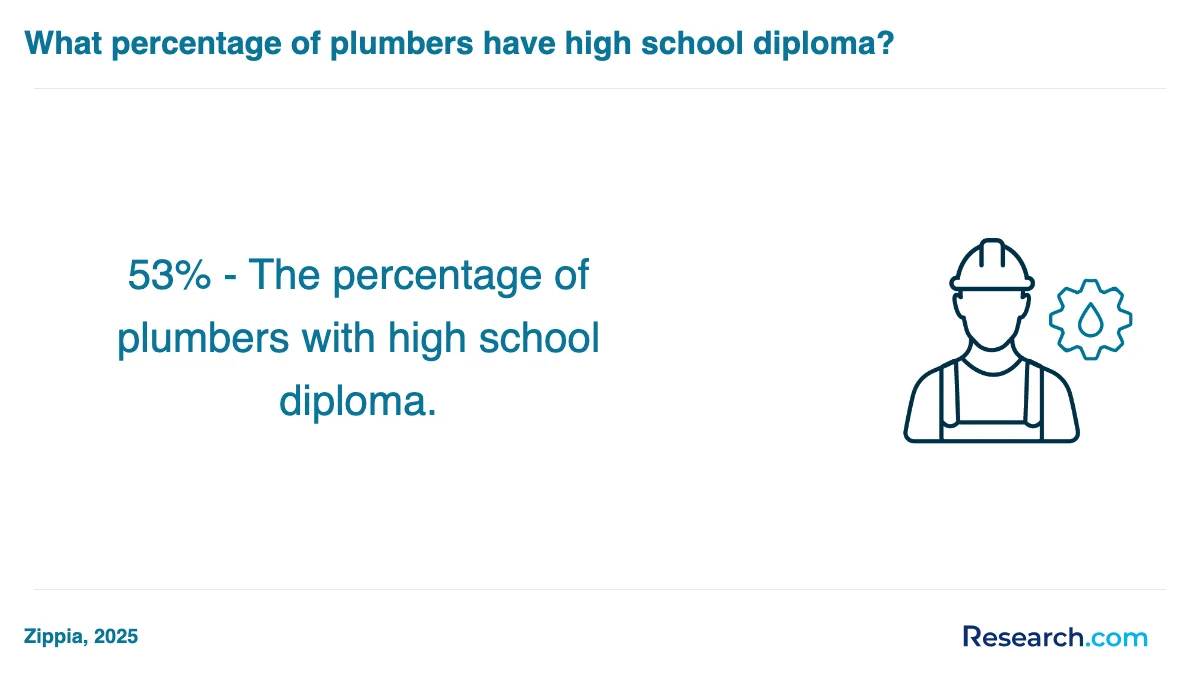
- Applicants must be at least 18 years old with a high school diploma or GED, and strong math and reading skills improve admission chances.
- Program lengths vary from one-year certificates to two-year diplomas and four-year apprenticeships, combining classroom and hands-on training.
- Costs range from about $2,022 per semester for certificates to $3,595 per semester for diplomas, with some apprenticeships costing around $925 per semester.
- Entry-level plumber salaries in the Midwest typically range from $40,000 to $50,000 annually, while experienced plumbers can earn $60,000 to $80,000 or more.
- Graduates must pass state licensing exams after completing schooling and apprenticeships to work independently as plumbers.
Completing a plumber trade school program in the Midwest typically takes between 6 months to 2 years, depending on the depth and intensity of the curriculum. Many graduates from well-known Midwest trade schools share that immersive programs lasting about a year provide a perfect balance of classroom learning and hands-on training, fueling their excitement as they quickly master essential plumbing skills.
Imagine starting with basic pipe fitting on day one, then progressing to troubleshooting complex systems by the end of the program-this rapid pace keeps students energized and confident. Some take advantage of accelerated courses offered at popular Midwest trade schools, finishing in under a year, which suits those eager to jump into the workforce swiftly.
Others opt for extended apprenticeships combined with their schooling, stretching their learning to two years but gaining invaluable real-world experience. These graduates often recall the satisfaction of tackling real plumbing challenges early on, making the time invested feel truly rewarding.
Overall, the timeframe is flexible enough to fit different lifestyles yet focused enough to keep students motivated throughout their plumber training journey in the Midwest.
Choosing between online and on-campus plumber trade school programs in the Midwest feels like picking your own adventure. Online programs, like the apprenticeship at Hawkeye Community College, offer incredible flexibility-imagine studying plumbing safety or blueprint reading from your favorite chair, then logging thousands of hours on the job under a licensed plumber's watchful eye. Graduates often share how balancing work, family, and school became manageable thanks to self-paced online lessons that fit their hectic lives.
On the flip side, on-campus programs bring you right into the heart of the action. Picture yourself in a bustling workshop, learning hands-on skills with real tools and gear, surrounded by peers and instructors ready to give instant feedback. Many who thrive on face-to-face interaction find this environment energizing and essential for mastering tricky technical skills.
Both paths lead to the same certifications, but the choice depends on whether you crave the freedom of online learning or the tactile buzz of in-person training in Midwest's trade schools.
When considering the average cost plumber trade school Midwest offers, prospective students often find the expenses vary widely depending on the type of program. For example, graduates from Western Iowa Tech Community College typically share how tuition fees plumbing programs Midwest hover around $4,946 per year, while classmates from Chippewa Valley Technical College experience slightly higher costs near $6,793 annually. These figures reflect the investment needed for a basic certificate in plumbing, a stepping stone to an exciting hands-on career.
Many students appreciate community colleges like Northwest Technical College in Minnesota, where tuition sits closer to $4,000 per year. The programs usually last one to two years, allowing students to balance learning with life's demands. Apprenticeships, such as those available in Kansas, can be more affordable, with tuition between $800 and $3,000, blending classroom work and real-world training - a practical route praised by those who thrive on doing and learning simultaneously.
Additional costs for tools, uniforms, and books, which can range from $500 to $10,000, often surprise new plumbers passionate about hitting the ground running. Online flexible programs like those from U.S. Career Institute offer another appealing option with a self-paced curriculum costing $1,239. This variety empowers aspiring plumbers in the Midwest to choose a path that fits their budget and lifestyle.
For those curious about options beyond local offerings, exploring what are the best trade schools online can uncover new opportunities to save money while gaining quality education.
Imagine stepping into a bustling Midwest trade school, eager to master plumbing but worried about tuition. Many students quickly discover federal financial aid is their first ally. By completing the FAFSA, they unlock access to Pell Grants and Stafford Loans-both subsidized and unsubsidized-that ease the upfront costs. Graduates from popular schools like the Midwest Technical Institute often share how these funds transformed their educational journey from daunting to doable.
Scholarships add another exciting layer of support. For example, the PHCC Educational Foundation showers talented plumbing students with awards up to $10,000, while the World Plumbing Council's scholarships offer up to $15,000 for those already advancing in the trade. Midwest Technical Institute students have benefited from high school scholarships worth thousands, making dreams feel within reach.
And for those juggling work and study, employer tuition assistance programs act like a safety net, reimbursing costs as apprentices sharpen their skills. This trio of aid options turns the challenge of funding plumbing training into an achievable adventure.
To jump into a plumber trade school program in the Midwest, you'll want to meet a few straightforward prerequisites that open the door to an exciting hands-on career. Most popular trade schools require a high school diploma or GED, which is the foundational step for graduates who eagerly recall balancing schoolwork with weekend apprenticeships.
Some schools also ask for a basic math proficiency - nothing too complex, just enough to handle measurements and calculations on the job. Graduates often share how mastering these skills early made plumbing challenges feel like puzzles waiting to be solved.
Additionally, many programs prefer applicants to be at least 18 years old, ensuring you're ready for the physical demands and responsibilities of the trade. A positive attitude and eagerness to learn go a long way, as these traits are frequently highlighted by those who thrived in Midwest trade schools.
Here's a quick list of common prerequisites:
- High school diploma or GED
- Basic math skills
- Minimum age of 18
- Physical fitness and manual dexterity
- Strong willingness to learn and adapt
Graduates from well-known Midwest trade schools often mention that meeting these prerequisites felt less like hurdles and more like stepping stones to a rewarding career filled with daily problem-solving and tangible results.
In Midwest plumber trade schools, students dive headfirst into a hands-on learning adventure packed with essential courses that build both skill and confidence. Graduates often describe mastering plumbing codes, fixture installation, and system design as the foundation that made them feel ready to tackle real-world projects.
Typical courses include:
- Plumbing codes and regulations, ensuring you know the legal ropes before stepping onto a job site
- Installation of fixtures and appliances, turning theory into practical expertise
- System design for residential and commercial plumbing, covering water supply, drainage, and gas systems
- Blueprint reading and isometric drawing, skills that let you translate complex plans into flawless execution
- Trade math and basic science, sharpening your problem-solving and measurement accuracy
- Safety training, including OSHA standards and CPR certification, making sure every job is done securely
For example, students at Madison College in Wisconsin quickly gain confidence by combining classroom lessons with hands-on repairs and blueprint interpretation. Many graduates cherish how this blend of technical knowledge and real-world practice helped them pass licensing exams and thrive in apprenticeships.
Plumber trade school specializations Midwest open doors to a world where hands-on mastery meets specialized expertise. Graduates from popular trade schools often highlight how diving into residential, commercial, or industrial plumbing gives them tailored skills that shine in real-world jobs. Imagine mastering the art of residential plumbing by installing water systems in family homes one day, then switching gears to tackle large commercial building pipelines the next-this variety keeps the work exciting and fulfilling.
Many programs go further, offering dynamic tracks like pipefitting and steamfitting, which involve working with high-pressure systems essential in manufacturing and energy sectors. Students embracing these paths often share stories of gaining confidence through intensive training that prepares them for tough Midwest climates and industrial demands.
Other students thrive in areas like water and waste systems, learning to install and maintain sewage lines and water treatment setups. Thanks to in-depth instruction in plumbing code compliance and blueprint reading, graduates feel well-equipped to pass rigorous state certifications, especially in Illinois.
- Residential, commercial, and industrial plumbing
- Pipefitting and steamfitting for high-pressure systems
- Water and waste management with environmental regulations
- Blueprint reading and plumbing code mastery
- HVAC integration and sewer system installation
For those exploring plumbing apprenticeship programs in Midwest, these specializations provide a clear roadmap toward thriving careers. Many students starting out find resources like the best online community colleges invaluable for blending flexible learning with practical skill-building.
Choosing among the best plumbing trade schools in Midwest means diving into programs with strong accreditation and hands-on training. Graduates from Northwest Technical College often share how real-world projects and intensive lab work gave them confidence climbing pipes and mastering tools, making classes feel like stepping stones to a rewarding career. Imagine learning vital skills-not just theory-from instructors who know the Midwest job market inside out.
Another key factor is the program's ability to launch careers through solid job placement assistance. Graduates from top-rated plumber programs in Midwest value schools that offer resume workshops and local job fairs, connecting students to employers hungry for skilled plumbers. Proximity also matters-a school close to home like Ivy Tech Community College means saving on living expenses while staying engaged with local tradespeople.
For anyone weighing whether to opt for a trade school or college, it helps to explore insights on trade vs college to see which fits your style and goals best.
Graduates of plumber trade school programs in the Midwest find themselves stepping into a world bursting with exciting plumbing career opportunities in the Midwest. Many begin as apprentices or entry-level plumbers, gaining hands-on experience under seasoned professionals. Trade schools popular in the region emphasize real-world skills, allowing graduates to confidently tackle everything from installing drain systems to configuring complex hydronics setups.
As they gain experience, graduates often progress along plumber apprenticeship career paths Midwest that lead to:
- Journeyman plumber roles enabling independent work and certification
- Master plumber status after years of specialized training
- Specialist positions such as pipefitter, steamfitter, or fire protection technician
- Leadership jobs like foreman, estimator, or project manager in larger companies
- Technical instructors sharing expertise with new students at trade schools
Imagine starting out learning the ropes at a Midwestern Mechanical, Inc. program, then advancing to owning your own plumbing contracting business-this adventure is well within reach. Many graduates feel pride and excitement moving into these diverse roles, empowered by strong local demand and promising salary prospects. If you're curious about what is the difference between a trade school and a vocational program, this path offers clear, hands-on growth matched with tangible rewards.
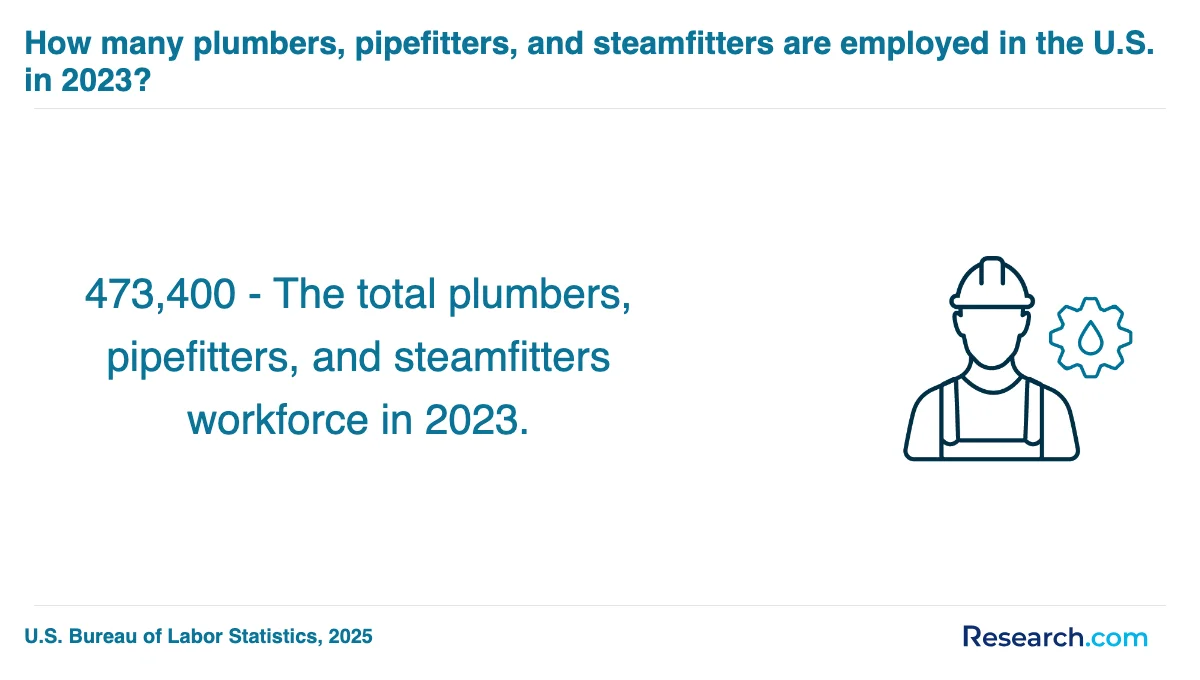
The plumber job demand in Midwest 2026 is strong and steady, making this a prime time to start a plumbing career in the region. Graduates from popular trade schools report landing jobs quickly, driven by ongoing construction and urgent infrastructure repairs across both bustling cities and quieter towns. Many recall hands-on training in state-of-the-art labs that prepare them for real-world challenges, from installing smart home systems to fixing aging pipes.
Reality on the ground often looks like this:
- Entry-level plumbers commonly begin with salaries near $53,900, gaining valuable experience and higher wages over time
- Illinois stands out with an impressive $87,980 average wage, showing the upside possible for Midwest plumbers
- Job openings stretch beyond urban centers, as rural communities rely heavily on skilled plumbing professionals
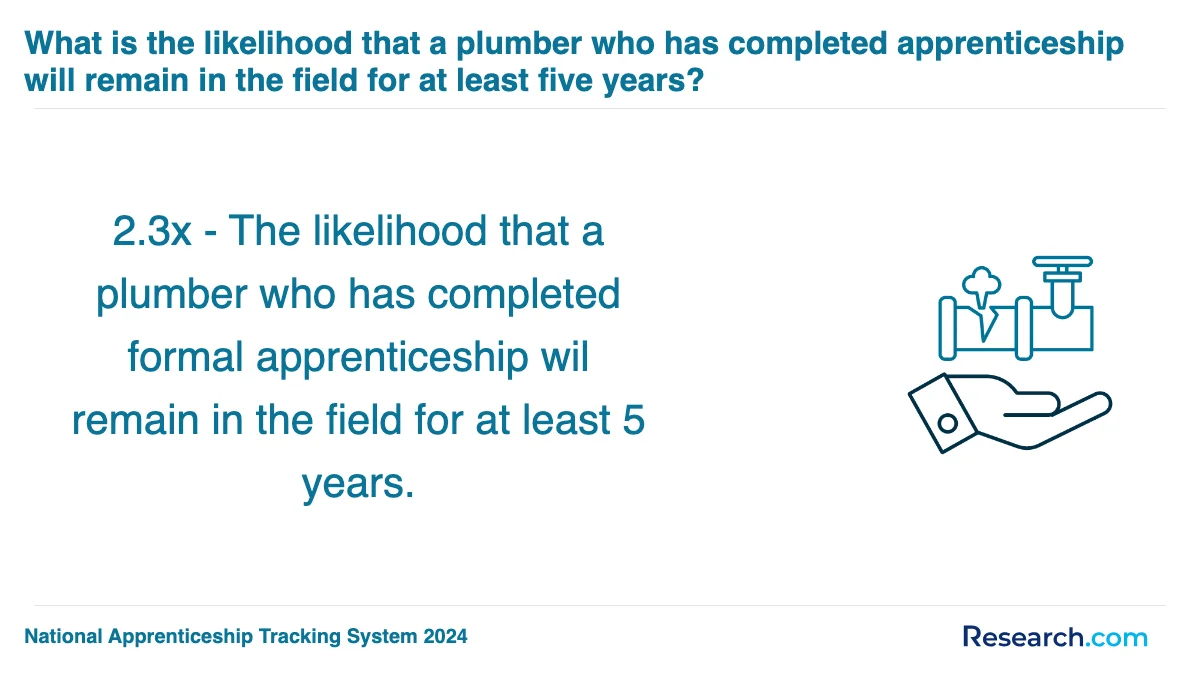
This Midwest plumbing career outlook also shines a light on the need to persist-only about a third of newcomers stay in the trade after two years-but the reward feels worth it. The workforce is growing more diverse, opening doors for historically underrepresented groups. Curious about other easiest trade jobs to study that pay well? Plumbing ranks high for hands-on learners ready to dive into an adventurous and stable profession.
Best Plumber Training Programs & Trade Schools - Top Plumbing Schools in Midwest for 2026
# 1 position
Fox Valley Technical College - Plumbing Technology/Plumber.
certificate or diplomaFox Valley Technical College offers a hybrid Plumbing Technology/Plumber program that equips students to become licensed plumbers. The curriculum covers installation and maintenance of piping systems for various utilities, including steam, natural gas, and hot water. Instruction includes technical mathematics, blueprint reading, welding, plumbing codes, and inspection. The program is accredited by the Higher Learning Commission, with annual in-state tuition of $4,916 and median earnings of $79,589 one year after completion.
# 2 position
Ashland County-West Holmes Career Center - Plumbing Technology/Plumber.
certificate or diplomaThe Plumbing Technology/Plumber program at Ashland County-West Holmes Career Center is a hybrid course designed to prepare students for licensed plumbing careers. It covers essential skills for installing and maintaining piping systems for various applications including steam, natural gas, and hot water. Instruction includes technical mathematics, blueprint reading, welding, plumbing inspection, and applicable codes. The program is accredited by the Council on Occupational Education.
# 3 position
City Colleges of Chicago-Kennedy-King College - Plumbing Technology/Plumber.
certificate or diplomaCity Colleges of Chicago-Kennedy-King College offers a hybrid Plumbing Technology/Plumber program that prepares students to become licensed plumbers. The curriculum covers technical skills such as pipe installation, welding, blueprint reading, and applicable codes. Graduates earn a median salary of $82,055 one year after completion. The program includes instruction in water systems, pressure adjustment, and industrial processes, with an annual in-state tuition of $4,380. It is accredited by the Higher Learning Commission.
# 4 position
Washburn Institute of Technology - Plumbing Technology/Plumber.
certificate or diplomaWashburn Institute of Technology offers a Plumbing Technology/Plumber program that trains students to install and maintain piping systems for various uses, including steam, natural gas, and hot water. The curriculum covers technical skills such as blueprint reading, pipe installation, welding, and plumbing codes. The program's annual in-state tuition is $9,120. It is accredited by the Higher Learning Commission and prepares students for work in residential and commercial environments.
# 5 position
Saint Paul College - Plumbing Technology/Plumber.
certificate or diplomaSaint Paul College offers a hybrid Plumbing Technology/Plumber program that equips students with skills to install and maintain piping systems for various applications. The program covers technical mathematics, blueprint reading, welding, plumbing inspection, and relevant codes. Annual in-state tuition is $6,318. Graduates earn a median salary of $77,834.50 one year after completion. The program is accredited by the Higher Learning Commission.
# 6 position
Ridgewater College - Plumbing Technology/Plumber.
certificate or diplomaRidgewater College offers a Plumbing Technology/Plumber program designed to prepare students for licensed plumber roles. The curriculum covers technical skills in piping systems installation and maintenance for various applications, including steam, natural gas, and water distribution. Instruction includes blueprint reading, welding, plumbing codes, and pressure adjustment. The program's annual in-state tuition is $6,109, and it is accredited by the Higher Learning Commission.
# 7 position
Barton County Community College - Plumbing Technology/Plumber.
certificate or diplomaBarton County Community College offers a hybrid Plumbing Technology/Plumber program that prepares students to become licensed plumbers. The curriculum covers installation and maintenance of piping systems for various applications, including steam, natural gas, and water distribution. Instruction includes technical mathematics, blueprint reading, welding, and plumbing codes. The program is accredited by the Higher Learning Commission, with an annual in-state tuition of $3,616.
# 8 position
Portage Lakes Career Center - Plumbing Technology/Plumber.
certificate or diplomaA program that prepares individuals to practice as licensed plumbers by applying technical knowledge and skills to lay out, assemble, install, and maintain piping fixtures and systems for steam, natural gas, oil, hot water, heating, cooling, drainage, lubricating, sprinkling, and industrial processing systems in home and business environments. Includes instruction in source determination, water distribution, waste removal, pressure adjustment, basic physics, technical mathematics, blueprint reading, pipe installation, pumps, welding and soldering, plumbing inspection, and applicable codes and standards. Accredited by the Council on Occupational Education.
# 9 position
St Cloud Technical and Community College - Plumbing Technology/Plumber.
associateSt Cloud Technical and Community College offers a Plumbing Technology/Plumber program with a hybrid format, combining in-person and distance education. The program trains students to install and maintain various piping systems, including steam, natural gas, and hot water, with instruction in technical skills like welding, blueprint reading, and applicable codes. Annual in-state tuition is $4,957. Graduates report median earnings of $44,240 one year after completion. The program is accredited by the Higher Learning Commission.
# 10 position
St Cloud Technical and Community College - Plumbing Technology/Plumber.
certificate or diplomaSt Cloud Technical and Community College offers a hybrid Plumbing Technology/Plumber program that prepares students to become licensed plumbers. The curriculum covers installing and maintaining piping systems for various uses, including steam, natural gas, and water. Instruction includes technical mathematics, blueprint reading, welding, and plumbing codes. The annual in-state tuition is $4,957, and graduates earn a median salary of $44,240 one year after completion. The program is accredited by the Higher Learning Commission.
Frequently Asked Questions about plumber
After completing a plumber trade school in the Midwest, graduates should focus on building practical experience and professional credentials to enter the job market successfully. Many employers in states like Illinois, Ohio, and Michigan prefer candidates with a plumbing apprenticeship, which typically lasts 4 to 5 years and combines paid on-the-job training with classroom instruction.
Obtaining state licensure or certification is essential; requirements vary but often involve passing an exam after completing education and apprenticeship hours. According to the U.S. Bureau of Labor Statistics, Midwest states are projected to see a steady growth in plumbing jobs, making licensure a key factor for employment.
Networking through trade unions, local contractors, and industry associations can provide valuable job leads and mentorship opportunities. Additionally, continuing education on new plumbing technologies and codes helps graduates stay competitive in this evolving field.
Employers in the Midwest value plumber trade school graduates who demonstrate strong technical skills, including pipefitting, welding, and reading blueprints. According to the U.S. Bureau of Labor Statistics, practical knowledge of local plumbing codes and safety standards is essential for compliance and efficiency. Communication skills also rank highly, as plumbers often collaborate with contractors and customers. Problem-solving abilities are critical, especially when diagnosing issues in older Midwestern infrastructure. Additionally, proficiency with modern tools and technology, such as video inspection equipment, is increasingly important. Trade schools that emphasize hands-on training and up-to-date industry practices tend to produce graduates favored by regional employers.
Finding internships relevant to plumber trade school programs in the Midwest involves utilizing multiple local resources. Many trade schools partner with regional plumbing contractors and unions, which often provide apprenticeship opportunities for students. According to the U.S. Bureau of Labor Statistics, about 70% of plumber apprenticeships in the Midwest are coordinated through unions such as the United Association (UA).
Students should also explore state workforce development agencies, which maintain job listings specifically for skilled trades internships. Websites like the Illinois Department of Employment Security and OhioMeansJobs can be valuable tools.
Networking through school career services and attending trade fairs can further increase internship prospects.
Obtaining a plumber trade school diploma in the Midwest significantly enhances career mobility and advancement opportunities. According to the U.S. Bureau of Labor Statistics, plumbers in this region earn a median annual wage of approximately $57,000, with diploma holders often qualifying for higher starting salaries compared to those without formal training.
Trade school graduates typically gain essential hands-on skills and certifications that meet local licensing requirements, which are crucial for career progression. Many employers in Midwest states prefer candidates with formal diplomas, as these credentials demonstrate verified technical competence and reliability.
Additionally, a diploma facilitates entry into apprenticeship programs and union memberships, which are common career pathways in the Midwest plumbing industry. These pathways often lead to supervisory roles and specialized positions, increasing earning potential and job security.
Research from the National Center for Construction Education and Research (NCCER) highlights that certified plumbers experience a 15-20% faster promotion rate than non-certified peers, underscoring the diploma's impact on upward mobility.
Students enrolled in plumber trade schools in the Midwest can benefit from various part-time job opportunities that enhance their practical skills. Entry-level positions such as plumbing apprenticeships or helper roles with local contractors provide hands-on experience while attending school. According to the U.S. Bureau of Labor Statistics, the demand for plumbers in the Midwest is expected to grow by 5% from 2022 to 2032, reflecting steady job availability.
Other complementary roles include working in hardware stores specializing in plumbing supplies or assisting maintenance teams in residential or commercial buildings. These jobs help students understand materials and customer service, crucial for their future careers. Many trade schools partner with local unions or businesses to facilitate such work-study arrangements, which also aid in networking within the industry.
To find the best Plumber degree program near me, consider researching local community colleges and trade schools that offer plumbing certifications and apprenticeships, which are essential for practical training. Since you're based near Midwest, you may contact regional vocational schools or use resources like Research.com to examine rankings and reviews for programs in that region. Many universities and skilled trade organizations also offer guidance on accredited programs and can assist in identifying suitable options close to your location.
- Plumber Apprenticeship | Mid-State Technical College https://www.mstc.edu/academic-programs/apprenticeships/plumber
- Plumbing School - Ranken Technical College https://ranken.edu/programs/plumbing-technology/
- Preparatory Plumbing | MATC https://www.matc.edu/course-catalog/manufacturing-construction-transportation/preparatory-plumbing.html
- Apprenticeship Program | https://www.midwesternmechanical.com/about-us/apprentice-program/
- Plumbing Technology | Northwest Technical College https://www.ntcmn.edu/career-paths/building-systems/plumbing-technology/
- Plumbing | St. Cloud Technical & Community College https://sctcc.edu/degrees-programs/plumbing
- Plumbing Apprentice | Gateway Technical College https://www.gtc.edu/business-community/business-workforce-training/apprenticeships/plumbing-apprentice
- Plumber - Apprenticeship | Chippewa Valley Technical College https://www.cvtc.edu/academics/apprenticeships/plumber
- Plumbing Trade School & Pipefitting Program | Apex https://apexschool.com/programs/plumbing-and-pipefitting/
- Plumber School - Online Program | Penn Foster https://www.pennfoster.edu/programs/trades/plumber-career-diploma