
Most Affordable Plumber Schools & Training - Budget-Friendly Plumbing Trade Programs in Minnesota for 2026

Co-Founder and Chief Data Scientist
Choosing the right plumber trade school in Minnesota can feel overwhelming, but it doesn’t have to be. This article introduces a carefully crafted plumber trade school programs ranking developed by the Research.com team of data scientists to help you find the best options for 2026.
By exploring these affordable programs, you’ll gain valuable insights to make an informed decision about your education and future career. Earning a diploma or certification in plumbing opens doors to stable, rewarding work and personal growth. Let this guide be your first step toward a successful trade career.
Key benefits of finishing plumber trade school in Minnesota
- Graduates from plumber trade schools in Minnesota can expect starting salaries around $29.77 per hour, with potential to earn up to $78,742 annually as they gain experience and certifications.
- A typical career path includes entry-level plumbing jobs, advancing to master plumber status, which offers higher pay and job stability, as seen in graduates from popular Minnesota trade schools.
- Completing an online plumber trade program offers flexibility and faster completion times, helping graduates start their careers sooner while balancing personal commitments.
- Most Affordable Plumber Schools & Training - Budget-Friendly Plumbing Trade Programs in Minnesota for 2026
- What can I expect from plumber trade schools in Minnesota?
- Where can I work after finishing plumber trade schools in Minnesota?
What can I expect from plumber trade schools in Minnesota?
In a plumber trade school program in Minnesota, you can expect a solid combination of hands-on training and classroom learning designed to prepare you for real-world plumbing jobs. Graduates from schools like Minnesota West and M State often describe getting practical experience installing fixtures, threading pipes, and working with materials such as copper and PEX, which builds confidence before entering the workforce.
Expect to learn how to read blueprints and understand plumbing math, essential skills that many students find rewarding as they see how technical drawings translate into actual plumbing systems. Safety training is also emphasized, helping students feel secure and prepared when working on job sites.
Many programs include lab work simulating real plumbing environments, and some offer internships that let you earn apprenticeship hours while gaining valuable field experience. Graduates often appreciate the guidance from instructors who are industry professionals, ensuring the training stays relevant and practical.
Overall, students feel ready to take the Minnesota State Plumbing Examination and step confidently into apprenticeships, knowing their training covers everything from residential to commercial plumbing challenges.
Where can I work after finishing plumber trade schools in Minnesota?
Graduates of plumber trade schools in Minnesota often start their careers as apprentice plumbers or entry-level technicians, gaining hands-on experience while working with residential, commercial, or industrial plumbing companies. Many students from well-known Minnesota trade schools share how their employers support them through state licensing requirements, combining real work projects with classroom knowledge. This on-the-job training is crucial for building confidence and practical skills.
After completing apprenticeship hours and passing licensing exams, graduates typically advance to roles like Journeyman or Licensed Plumber. These positions involve installing and repairing plumbing systems in homes, businesses, and public buildings such as schools or hospitals. Graduates appreciate the variety of daily tasks and the satisfaction of solving plumbing challenges that directly improve people's lives.
Some licensed plumbers find rewarding careers working for construction contractors, maintenance departments, or specialized fields like plumbing inspection and mechanical design. Others choose self-employment, managing their own clients and projects, which provides flexible schedules and greater control over their work. Many Minnesota graduates report a strong sense of accomplishment and financial stability in these roles.
After finishing a plumber trade school program in Minnesota, graduates typically start earning around $29.77 per hour, which reflects entry-level wages reported across the state. For example, many recent graduates from popular trade schools in Minnesota find themselves quickly employed, earning between $23.32 and $34.13 per hour as they gain hands-on experience and licensing. This steady growth in pay helps build confidence and financial stability early in their careers.
As skills and certifications improve, plumbers in Minnesota often see their hourly wages rise to an average of $32, with many earning between $24 and $40 depending on their location and expertise. Graduates working in larger cities like Minneapolis experience even higher earnings, with average hourly wages around $38.84 and some licensed plumbers making between $80,000 and $150,000 annually.
These figures highlight the rewarding financial path for those completing plumber trade school in Minnesota, offering a practical career with solid income potential and room for advancement.
- Applicants must be at least 18 years old and have a high school diploma or GED, with some programs requiring minimum reading and math scores.
- Programs are available at community colleges and technical schools, offering certificates for about 9 credits costing around $2,000 or diplomas/associate degrees needing 32-60 credits costing between $3,600 and $7,000.
- Training includes classroom instruction on blueprint reading, plumbing codes, and safety, plus hands-on experience with fixture installation and pipe threading.
- Apprenticeships last about five years, combining thousands of on-the-job hours with at least 144 classroom hours annually, and are necessary for full licensure.
- Entry-level plumbers earn between $45,000 and $55,000 per year, while experienced plumbers can make $70,000 or more depending on specialization and location.
Completing a plumber trade school program in Minnesota typically takes between 12 to 24 months, depending on the school and the depth of training chosen. Many graduates from well-known Minnesota trade schools share that the program's length feels just right for balancing hands-on learning with classroom instruction. For instance, students often describe their experience as intensive yet manageable, allowing them to quickly develop practical skills they can apply on real job sites.
Popular programs in Minnesota focus on real-world scenarios like installing residential water systems or troubleshooting commercial plumbing issues, which helps students feel confident stepping into the workforce. Graduates often mention how this focused timeframe helped them avoid feeling overwhelmed while maintaining steady progress toward certification.
Because Minnesota's climate demands strong plumbing systems, schools emphasize winterizing pipes and managing cold-weather challenges, making the coursework especially relevant. This practical approach ensures students not only finish on time but also graduate ready for the unique demands of plumbing work in the region.
Online plumber trade school programs in Minnesota, such as the self-paced "Foundations of Plumbing" course at Minnesota State College Southeast, offer flexibility ideal for students juggling work or family. Graduates often appreciate being able to study on their own schedule, accessing video lectures and online assessments anytime within a 12-month period. This format suits those who want to learn theoretical concepts and foundational knowledge without commuting or fixed class times. Tuition for online courses tends to be lower, making it an affordable choice for many.
On the other hand, on-campus programs at schools like Minnesota West Community & Technical College provide hands-on training that online classes can't fully replicate. Students gain real-world experience working with pipes, tools, and fixtures in labs, which builds confidence in practical skills required by Minnesota employers. Graduates often highlight how direct instructor guidance and physical practice helped them master plumbing codes and installations faster. These programs follow a structured semester schedule, usually taking one to two semesters to complete diplomas or certificates.
The average tuition fees for plumbing programs in Minnesota typically range from $800 to $3,000 for community colleges and technical schools, making trade school an affordable option for many. Graduates from popular programs often highlight how facilities like Northwest Technical College offer focused training, such as their Residential Plumbing/HVAC diploma program, which spans 60 credits and costs about $4,000 per year. This clarity in costs helps students map out their financial commitments clearly as they prepare for their careers.
Beyond tuition, students should expect to budget around $694 annually for books and supplies, which are essential for hands-on training. Additional expenses like tools, safety gear, and licensing exam fees can vary broadly from $500 up to $10,000, depending on the program's scope and individual needs. Many plumbing students recount how careful planning for these costs allowed them to avoid surprises and stay confident throughout their education.
When assessing the overall cost of plumbing trade school education in Minnesota, it's also crucial to consider living expenses. On-campus room and board can add about $5,690 annually, while off-campus housing may reach $19,257 per year. Many students find value in researching financial aid options, including Pell Grants and scholarships offered by trade organizations. This practical approach aligns well with insights from trade school vs college statistics, helping students balance cost and educational outcomes effectively.

Plumber trade school students in Minnesota often begin by completing the Free Application for Federal Student Aid (FAFSA), unlocking access to federal grants, loans, and work-study programs. For example, graduates from Anoka Technical College recall how Pell Grants helped cover essential expenses without the stress of repayment. These federal aids provide a solid financial foundation for many entering the trade.
Minnesota's North Star Promise Scholarship is a game-changer for students attending public or tribal colleges. Graduates with family incomes below $80,000 share how this "last-dollar" scholarship wiped out tuition and fees, making the path to becoming a plumber much more affordable. It's automatic with FAFSA, so no extra paperwork is needed-a relief for busy students managing classes and apprenticeships.
Trade schools like Anoka Technical College also offer institutional scholarships, ranging from $500 to $2,000 annually. Many students find these awards crucial for covering tools and supplies. Industry-specific aid, such as scholarships from the Minnesota Pipe Trades Association, support dependents of union members, providing another layer of financial relief.
These combined options create a supportive environment where many plumbing students feel confident pursuing their careers without overwhelming debt.
To enroll in a plumber trade school program in Minnesota, you generally need to meet a few straightforward prerequisites that set you up for success. Most programs require a high school diploma or GED, ensuring you have basic math and reading skills essential for plumbing work. For example, graduates from popular Minnesota trade schools often mention how their solid foundation in algebra helped them master pipe measurements and system layouts quickly.
Other common prerequisites include:
- Being at least 18 years old to meet state labor regulations.
- Passing a basic aptitude test or placement exam, which some schools use to tailor instruction based on your current skills.
- Having a valid driver's license, since many plumbing jobs involve travel to different worksites.
- Providing proof of immunizations or health clearance if the program includes hands-on training in busy environments.
Many students appreciate how meeting these requirements early helped them confidently dive into hands-on practice. Trade schools like those in Minneapolis and St. Paul emphasize these practical steps, making the enrollment process smooth and encouraging for those switching careers or starting fresh.
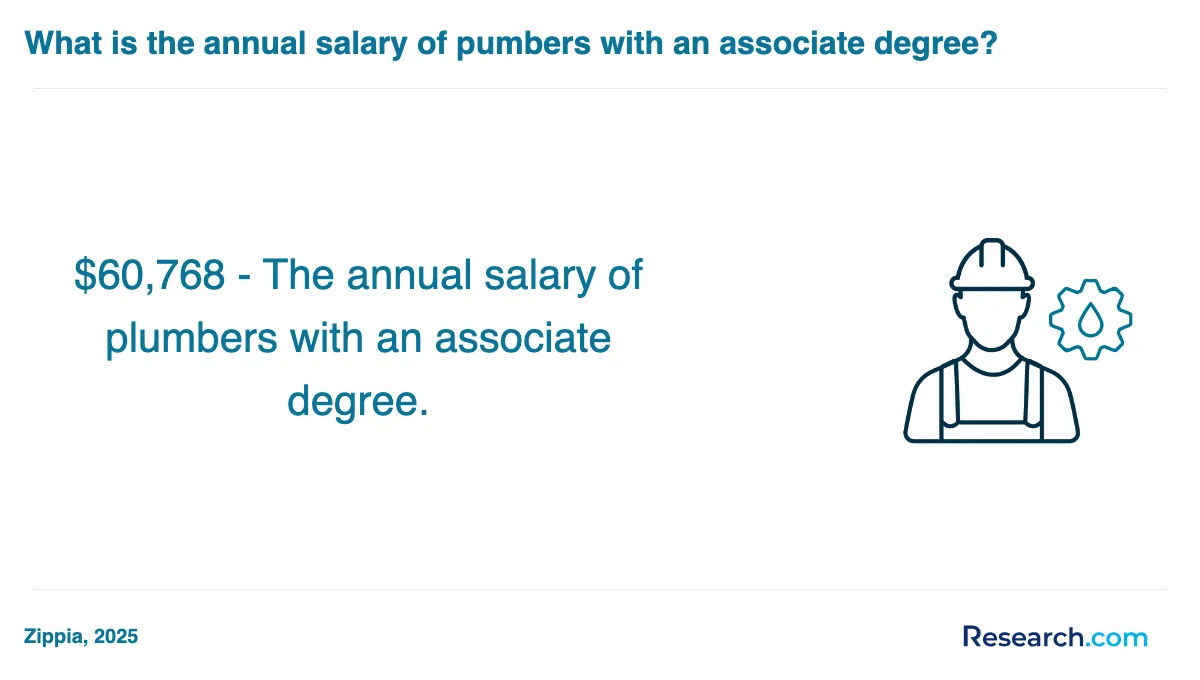
Plumber trade school programs in Minnesota typically include a well-rounded mix of classroom learning and hands-on training. Graduates from schools like Minnesota West Community & Technical College and Saint Paul College often highlight courses that focus on practical skills and code compliance.
Key courses cover:
- Installation, maintenance, and repair of plumbing systems in residential and commercial buildings, preparing students for everyday plumbing challenges.
- Minnesota Plumbing Code instruction to ensure work meets state regulations, helping students confidently pass licensing requirements.
- Blueprint reading and interpretation, teaching students to visualize and correctly place pipes and fixtures according to construction plans.
- Hands-on training with fixtures like sinks, toilets, and water heaters, plus pipe assembly using copper, PVC, and PEX materials.
- Water distribution and drainage systems, providing a clear understanding of supply and waste management in real-world settings.
- Math and geometry courses applied to calculate precise pipe lengths and angles, essential for efficient system layouts.
Many students value internship or apprenticeship opportunities included in these programs, where they gain real-world experience under licensed plumbers-crucial for building confidence and skills before entering the workforce.
Plumbing trade school programs in Minnesota typically offer a wide range of specializations designed to prepare students for various career paths in the industry. Graduates from well-known schools like St. Cloud Technical & Community College and Hennepin Technical College often highlight their training in residential, commercial, and industrial plumbing, each providing hands-on experience with real-world systems.
Core plumbing specialization programs in Minnesota include these areas:
- Residential Plumbing - focused on home plumbing systems like water lines and fixtures
- Commercial Plumbing - advanced piping networks in larger buildings adhering to strict codes
- Industrial Plumbing - specialized setups in factories requiring technical knowledge
- Service Plumbing - repair, maintenance, and troubleshooting of existing systems
- Pipefitting - handling complex gas and liquid pipelines in industrial settings
- Medical Gas Systems - installing medical-grade gases in healthcare environments
- Backflow Prevention - ensuring clean potable water through contamination safeguards
- Hydronic Heating Systems - heating solutions using water or steam, common in MN climates
- Blueprint Reading and Estimation - interpreting plans and calculating project costs
- Plumbing Code and Regulations - essential legal and safety knowledge for Minnesota plumbers
Many students express confidence after completing these Minnesota plumbing trade school specializations, appreciating how courses balance theory with practical skills. Apprenticeship options through unions complement training, offering real job experience that boosts employability.
For those unsure about the structure of these programs, understanding what is the difference between a trade school program and a vocational program can clarify which path fits best for your goals.
To find the best plumber trade schools in Minnesota, prioritize programs that are state-accredited and aligned with Minnesota's licensing requirements. Graduates from schools like Hennepin Technical College often praise the balance of classroom instruction and hands-on training, which prepares them well for the required apprenticeship and licensing exams. Schools with strong connections to local unions such as Plumbers Local 15 make the transition into apprenticeships smoother, a crucial step for early career success.
When comparing how to compare plumbing programs Minnesota, consider factors like faculty expertise, up-to-date training facilities, and job placement support. Many students report feeling confident entering the workforce after attending community colleges like Saint Paul College, where practical skills meet solid industry partnerships. Affordability also matters; technical colleges often offer lower tuition and financial aid options that ease the financial burden.
For additional guidance on trades careers, explore resources like trades careers that provide insights into the best paths in this field.
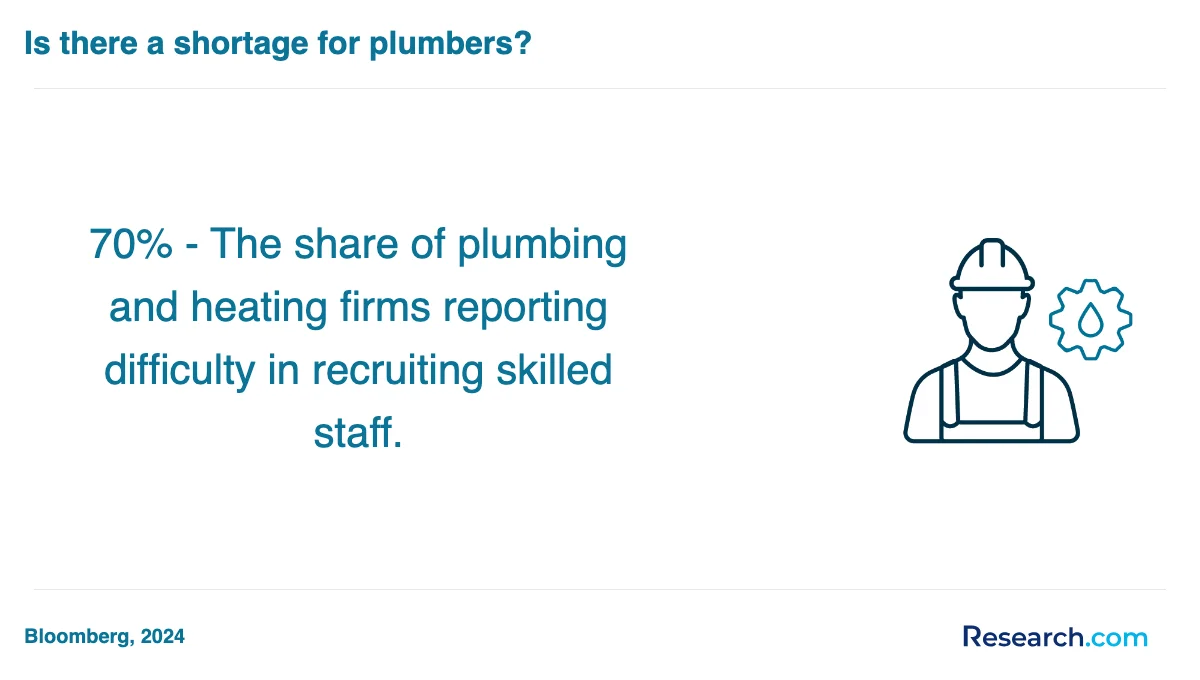
Graduates of plumber trade school programs in Minnesota often start their careers as plumbing apprentices, gaining hands-on experience under licensed professionals while meeting state requirements. This foundational step is crucial for progressing through the various plumbing license types in Minnesota. After completing 7,000 hours of practical training and passing the state exam, many move on to become journeyworker plumbers, independently handling installation and repairs in homes and businesses.
Many graduates find rewarding opportunities by advancing to master plumbers, which requires an additional year and 1,750 hours of experience. Master plumbers often lead projects and supervise others, bringing higher responsibility and income. Some even become plumbing contractors, starting their own businesses with the right licenses and insurance.
Other career paths include maintenance technicians who handle ongoing facility plumbing needs or specialized roles in drainage and pipefitting. Graduates from popular Minnesota trade schools often share experiences of steady work and career satisfaction, buoyed by the state's robust construction sector.
For those exploring options, online trade school programs are a flexible way to begin and advance in this field.online trade school programs emphasize skills relevant to plumber career opportunities in Minnesota.
The plumber job outlook in Minnesota is highly favorable for trade school graduates, driven by consistent growth in the state's construction industry. Graduates from popular Minnesota trade schools frequently find themselves in strong demand, with plumbing companies actively recruiting both entry-level and experienced workers. Many report starting wages ranging from $35 to $66 per hour, sometimes supplemented with bonuses or incentives, making the career financially rewarding from the start.
Several key factors make this market ideal:
- Over 150 plumber job openings are currently available statewide, reflecting vibrant demand.
- The construction industry has expanded by 33.3% in the last decade, creating more openings.
- Apprenticeship programs combine paid training with classroom learning, easing the path to journeyman and master plumber roles.
Graduates from Minnesota's leading trade schools often share success stories about quickly securing jobs that offer comprehensive benefits such as health insurance and retirement plans. This practical training paired with the robust plumber job outlook in Minnesota ensures steady employment opportunities.
For students exploring plumbing careers, understanding plumbing industry employment projections Minnesota highlights an expected surge of 10,000 new jobs over the next decade, plus thousands of openings due to retirements. This vibrant environment is a strong motivator for pursuing credentials from well-regarded programs.
If you're wondering what is the best community college in the united states for trade skills, Minnesota's schools offer proven pathways that balance classroom knowledge with hands-on experience, preparing graduates to thrive in this expanding job market.
Most Affordable Plumber Schools & Training - Budget-Friendly Plumbing Trade Programs in Minnesota for 2026
# 1 position
St Cloud Technical and Community College - Plumbing Technology/Plumber.
associateSt Cloud Technical and Community College offers a Plumbing Technology/Plumber program with a hybrid format, combining in-person and distance education. The program trains students to install and maintain various piping systems, including steam, natural gas, and hot water, with instruction in technical skills like welding, blueprint reading, and applicable codes. Annual in-state tuition is $4,957. Graduates report median earnings of $44,240 one year after completion. The program is accredited by the Higher Learning Commission.
# 2 position
St Cloud Technical and Community College - Plumbing Technology/Plumber.
certificate or diplomaSt Cloud Technical and Community College offers a hybrid Plumbing Technology/Plumber program that prepares students to become licensed plumbers. The curriculum covers installing and maintaining piping systems for various uses, including steam, natural gas, and water. Instruction includes technical mathematics, blueprint reading, welding, and plumbing codes. The annual in-state tuition is $4,957, and graduates earn a median salary of $44,240 one year after completion. The program is accredited by the Higher Learning Commission.
# 3 position
Hennepin Technical College - Plumbing Technology/Plumber.
certificate or diplomaHennepin Technical College offers a Hybrid Plumbing Technology/Plumber program designed to prepare students for licensing. It covers installing and maintaining piping systems for various utilities in homes and businesses. The curriculum includes physics, technical math, blueprint reading, welding, and plumbing codes. The annual in-state tuition is $5,881. Graduates earn a median salary of $40,030 one year after completing the program. The program is accredited by the Higher Learning Commission.
# 4 position
Saint Paul College - Plumbing Technology/Plumber.
certificate or diplomaSaint Paul College offers a hybrid Plumbing Technology/Plumber program that equips students with skills to install and maintain piping systems for various applications. The program covers technical mathematics, blueprint reading, welding, plumbing inspection, and relevant codes. Annual in-state tuition is $6,318. Graduates earn a median salary of $77,834.50 one year after completion. The program is accredited by the Higher Learning Commission.
# 5 position
Minnesota State Community and Technical College - Plumbing Technology/Plumber.
certificate or diplomaMinnesota State Community and Technical College offers a hybrid Plumbing Technology/Plumber program designed to prepare students for licensure by teaching the installation and maintenance of piping systems for various utilities. The curriculum covers water distribution, waste removal, pressure adjustment, technical mathematics, blueprint reading, welding, and applicable codes. The program is accredited by the Higher Learning Commission, with an annual in-state tuition of $5,900.
# 6 position
Ridgewater College - Plumbing Technology/Plumber.
certificate or diplomaRidgewater College offers a Plumbing Technology/Plumber program designed to prepare students for licensed plumber roles. The curriculum covers technical skills in piping systems installation and maintenance for various applications, including steam, natural gas, and water distribution. Instruction includes blueprint reading, welding, plumbing codes, and pressure adjustment. The program's annual in-state tuition is $6,109, and it is accredited by the Higher Learning Commission.
# 7 position
Northwest Technical College - Plumbing Technology/Plumber.
certificate or diplomaNorthwest Technical College offers a hybrid Plumbing Technology/Plumber program preparing students to become licensed plumbers. The curriculum covers installing and maintaining piping systems for various utilities, including steam, natural gas, and water. Instruction includes technical mathematics, blueprint reading, welding, plumbing inspection, and applicable codes. The program’s annual in-state tuition is $6,246, and it is accredited by the Higher Learning Commission.
# 8 position
Northland Community and Technical College - Plumbing Technology/Plumber.
certificate or diplomaNorthland Community and Technical College offers a hybrid Plumbing Technology/Plumber program designed to prepare students for licensure by teaching technical skills in installing and maintaining piping systems for various utilities. The curriculum covers water distribution, waste removal, pressure adjustment, technical math, blueprint reading, pipe installation, welding, and plumbing codes. The program is accredited by the Higher Learning Commission and has an annual in-state tuition of $6,262.
# 9 position
Minnesota West Community and Technical College - Plumbing Technology/Plumber.
certificate or diplomaMinnesota West Community and Technical College offers a hybrid Plumbing Technology/Plumber program designed to prepare students for licensure. The curriculum covers technical skills such as pipe installation, welding, soldering, and plumbing inspection, along with instruction in blueprint reading, technical math, and applicable codes. The program includes training for systems handling steam, natural gas, oil, and water. Annual in-state tuition is $6,484. It is accredited by the Higher Learning Commission.
Frequently Asked Questions about plumber
After completing plumber trade school in Minnesota, preparing for the job market involves several key steps. First, obtaining a state plumbing license is essential. Minnesota requires aspiring plumbers to pass the journeyman plumber exam, which tests knowledge gained during training and ensures compliance with state codes.
Next, gaining practical experience through apprenticeships is highly recommended. The Minnesota Department of Labor and Industry reports that apprenticeships can last four to five years, combining on-the-job training with classroom instruction.
Networking with local contractors and joining professional organizations like the Minnesota Plumbing-Heating-Cooling Contractors Association can help graduates find job opportunities. Additionally, staying updated on new plumbing technologies and codes increases employability.
Employers in Minnesota seek plumber trade school graduates with a strong foundation in practical skills and technical knowledge. Key abilities include proficiency in installing, repairing, and maintaining plumbing systems, as well as reading blueprints and local plumbing codes. According to the Minnesota Department of Employment and Economic Development, graduates who demonstrate problem-solving skills and the ability to work safely in diverse environments have higher job placement rates.
Communication skills are also important, as plumbers often collaborate with contractors and clients. Familiarity with new technologies, such as green plumbing solutions, is increasingly valued. Apprenticeship experience alongside formal training significantly enhances employability.
Finding internships relevant to plumber trade school programs in Minnesota involves leveraging multiple local resources. Start by contacting your trade school's career services, as many schools maintain partnerships with local plumbing companies and unions. The Minnesota Department of Employment and Economic Development (DEED) also offers job and internship listings specific to skilled trades including plumbing.
Additionally, joining the United Association Local 34 or Local 49 can provide apprenticeship opportunities, which are essential for hands-on experience. According to DEED, over 1,200 plumbing apprenticeships exist statewide, offering paid training and work experience. Networking through industry events and local trade shows can further connect students with employers seeking interns.
Obtaining a plumber trade school diploma in Minnesota significantly enhances career mobility and advancement opportunities. According to the Minnesota Department of Employment and Economic Development, the plumbing trade is projected to grow by 8% through 2030, reflecting strong demand for skilled workers.
A diploma provides foundational skills and knowledge required for entry-level positions and apprenticeships, which are essential steps toward becoming a licensed plumber. Licensing in Minnesota requires completion of approved training, making a trade school diploma a critical credential.
Graduates often experience higher starting wages compared to those without formal training. Data from the Bureau of Labor Statistics shows Minnesota plumbers earn a median annual wage of around $57,000, with opportunities to increase earnings through specialization and experience.
In addition, trade school diplomas can open doors to supervisory roles or self-employment, enhancing long-term career growth and financial stability in the state's construction and maintenance sectors.
Students enrolled in plumber trade schools in Minnesota can benefit from part-time jobs that provide practical experience alongside their education. Common opportunities include working as plumbing apprentices, which is a valuable path to gain hands-on skills and meet licensing requirements. According to the Minnesota Department of Labor and Industry, apprenticeships often pay a percentage of a journeyman plumber's wage, offering income while learning.
Other complementary roles include positions as maintenance technicians or helpers in construction firms. These jobs help students understand plumbing systems in real-world settings. Local unions and trade organizations frequently post openings suited for trade school students, supporting their career development.
Yes, there are affordable plumber degree programs available near Minnesota, providing education in plumbing technology and related trades. Many community colleges and technical schools near me offer these programs, often designed to be cost-effective and accessible to students. Resources like Research.com can be helpful for locating specific programs and institutions that fit your criteria in this region.
- Most Affordable Plumber Schools & Training - Budget-Friendly Plumbing Trade Programs in Iowa for 2026
- Most Affordable Plumber Schools & Training - Budget-Friendly Plumbing Trade Programs in North Dakota for 2026
- Most Affordable Plumber Schools & Training - Budget-Friendly Plumbing Trade Programs in Nebraska for 2026
- Most Affordable Plumber Schools & Training - Budget-Friendly Plumbing Trade Programs in Illinois for 2026
- Most Affordable Plumber Schools & Training - Budget-Friendly Plumbing Trade Programs in Missouri for 2026
- Most Affordable Plumber Schools & Training - Budget-Friendly Plumbing Trade Programs in Michigan for 2026
- Most Affordable Plumber Schools & Training - Budget-Friendly Plumbing Trade Programs in Kansas for 2026
- Most Affordable Plumber Schools & Training - Budget-Friendly Plumbing Trade Programs in Ohio for 2026
- Most Affordable Plumber Schools & Training - Budget-Friendly Plumbing Trade Programs in Kentucky for 2026
- Most Affordable Plumber Schools & Training - Budget-Friendly Plumbing Trade Programs in Mississippi for 2026
- Where Is the Plumbing Industry Heading? https://www.tradesmance.com/career-central/where-is-the-plumbing-industry-heading
- Career Opportunities | . https://www.governmentjobs.com/careers/mac/jobs/2639474/plumber
- Plumbing Trade School & Pipefitting Program | Apex https://apexschool.com/programs/plumbing-and-pipefitting/
- Plumbing Training & Certification | Construction Program | LCTI https://www.lcti.org/adult-education-course/plumbing/
- 15 Best Plumbing Schools | Become With Lantern Rankings https://www.learnhowtobecome.org/best-plumbing-programs/
- Plumbing School | Plumbing Trade School & Classes at PLCC https://plcc.edu/adult-education/full-time/plumbing-technologies/
- Plumber School - Online Program | Penn Foster https://www.pennfoster.edu/programs/trades/plumber-career-diploma
- Plumber https://www.sait.ca/apprenticeships-and-trades/programs/plumber
- Plumbing Trade School | Summit College https://summitcollege.edu/programs/trade-technical/plumbing/
- 3 Possible Careers after Plumbing School/Training - PCI https://porterchester.edu/3-possible-careers-after-plumbing-school-training/


