Most Affordable Plumber Schools & Training - Budget-Friendly Plumbing Trade Programs in Kansas for 2026

Co-Founder and Chief Data Scientist
Choosing the right plumber trade school in Kansas is an important step toward a rewarding career. This article introduces the most affordable plumber trade schools in the state for 2026, helping you find programs that fit your budget and goals.
Our ranking, created by the Research.com team of data scientists, offers reliable insights to guide your decision. Earning a plumber trade school diploma or certification can open doors to steady work and skill development.
Explore your options with confidence and take the first step toward a fulfilling future in plumbing.
Key benefits of finishing plumber trade school in Kansas
- Graduates of plumber trade schools in Kansas can expect an average salary around $48,710 to $61,699 per year, making it a rewarding career with steady income growth as skills improve.
- A typical graduate from a popular Kansas trade school can pursue careers as residential plumbers, commercial plumbers, or maintenance technicians, offering diverse job opportunities in growing markets.
- Completing a plumber trade school online provides flexibility and faster entry into the workforce, as experienced graduates highlight saving time and balancing work while earning certifications.
- Most Affordable Plumber Schools & Training - Budget-Friendly Plumbing Trade Programs in Kansas for 2026
- What can I expect from plumber trade schools in Kansas?
- Where can I work after finishing plumber trade schools in Kansas?
What can I expect from plumber trade schools in Kansas?
Enrolling in a plumber trade school program in Kansas means balancing classroom learning with hands-on training. Graduates from places like Johnson County Community College or Washburn Tech recall diving into plumbing theory-covering everything from plumbing codes to blueprint reading-while also getting practical experience working directly with pipes and fixtures in simulated jobsite settings.
Many students appreciate the clear focus on safety, with programs often including OSHA certifications that help them feel confident on real worksites. At the Plumbers Local 8 Training Center, for example, students spend thousands of hours combining classes and on-the-job training, which former attendees say builds strong skills and workplace readiness.
Expect to sharpen your math and physics skills too, since calculations for pipe sizing and water flow are essential. You'll also develop troubleshooting abilities and customer service skills, preparing you well for residential or commercial plumbing roles.
Admission criteria typically require a high school diploma and a driver's license, making these programs accessible. Financial aid options and flexible scheduling, including online choices, make pursuing this career path manageable and rewarding for many Kansans.
Where can I work after finishing plumber trade schools in Kansas?
Graduates of plumber trade school programs in Kansas often find a wide range of job opportunities right after completing their training. Many start as Apprentice Plumbers, working alongside licensed professionals to gain hands-on experience in residential and commercial settings. For example, graduates from well-known Kansas trade schools quickly land roles in cities like Kansas City or Topeka, assisting with repairs and installations in homes, schools, and hospitals.
As they gain experience, these apprentices move up to become Journeyman Plumbers, taking on more responsibility by independently installing and repairing plumbing systems according to local codes. Some graduates share how they enjoy the variety, from diagnosing problems in manufacturing plants to working with HVAC companies that combine plumbing and air conditioning services.
With further certifications and experience, many advance to supervisory roles such as Master Plumber, overseeing projects and mentoring new apprentices. Others choose to work in maintenance teams or start their own plumbing businesses, benefiting from Kansas's supportive licensing pathways and strong job market with over 360 openings statewide.
After finishing a plumber trade school program in Kansas, graduates can expect to start with an annual salary around $36,526 as apprentices, gaining hands-on experience under supervision. Many recent graduates from popular Kansas trade schools find this starting pay encouraging, especially since the cost of living in Kansas is slightly below the national average, meaning their earnings go further.
As you build your skills and move up to journeyman level, salaries typically rise to about $56,000 per year. Graduates often share how this jump in pay reflects their increased confidence and ability to handle more complex plumbing tasks independently.
For those who continue to advance, becoming master plumbers or earning additional certifications can push annual earnings beyond $70,000. Many find this progression rewarding, both financially and professionally, especially knowing their expertise is in demand across Kansas.
Overtime, union benefits, and local demand also add to total compensation, making a plumbing career after trade school a solid and practical financial choice.
- Entry requirements vary by city but usually include a high school diploma or GED and a minimum age of 16 or 18 depending on the program.
- Training combines classroom instruction and hands-on experience, with programs lasting from one semester up to two semesters and including internships or apprenticeships.
- Kansas does not have a statewide plumber license; each city or county sets its own licensing rules and experience requirements.
- Tuition typically ranges from $3,000 to $6,000 for a full program, excluding materials and exam fees.
- The median annual wage for plumbers in Kansas is about $55,000, with entry-level jobs starting near $40,000 and experienced plumbers earning $70,000 or more.
Completing a plumber trade school program in Kansas typically takes between 12 and 24 months, depending on the specific school and whether you attend full-time or part-time. Many graduates from well-known Kansas trade schools share how this timeframe fits well with balancing work, family, and other responsibilities. For example, attending full-time at a popular Kansas trade school often means finishing in about a year, which can feel motivating as you see your skills grow quickly through hands-on practice.
Others who choose part-time schedules appreciate the flexibility, even though it extends the program closer to two years. They often mention how spreading out classes allowed them to maintain steady income while gaining expertise. The mix of classroom instruction and real-world plumbing scenarios at these schools makes the learning process engaging and practical, helping students feel confident stepping into the workforce.
Trade schools in Kansas emphasize preparing students to pass licensing exams promptly, so many graduates find job placements shortly after completing their programs, turning their efforts into rewarding careers faster than expected.
The key difference between online and on-campus plumber trade school programs in Kansas is how the training is delivered and experienced. Online programs, like those at Barton Community College, offer great flexibility-students can complete coursework from home on schedules that fit around jobs or family life. Graduates often appreciate this convenience, especially when balancing other responsibilities, but they note that hands-on skills require additional practice beyond the screen.
On-campus programs, in contrast, immerse students in real-world settings with direct instructor guidance and practical labs. Graduates frequently highlight how working with actual tools and plumbing materials under expert supervision helped them build confidence and technical know-how essential for licensing exams and apprenticeships in Kansas.
While online students rely on videos and interactive content, many find face-to-face interaction and immediate feedback in on-campus classes invaluable for mastering plumbing codes and troubleshooting. The personal connections made on campus also open doors to local industry opportunities, making the trade come alive beyond theory.
The average tuition fees for plumbing programs in Kansas typically range depending on the school and program type. For example, graduates from Washburn Tech in Topeka recall that the total program cost of about $5,222 covered a full year of hands-on training and essential coursework like plumbing fixtures and blueprint reading. This total cost gives students a clear idea of the financial commitment involved when enrolling in a dedicated trade school.
At Johnson County Community College, where the Plumbing Technology Certificate spans 30 credit hours, students benefit from comprehensive instruction in residential plumbing and local codes. Although specific tuition fees weren't disclosed, many students find relief in scholarships such as the Kansas Promise Scholarship, helping offset expenses and making training more affordable. Considering such assistance is crucial when calculating the total expenses for plumbing trade schools in Kansas.
Apprenticeship programs like those offered by Plumbers & Pipefitters Apprenticeship Training of Kansas add a practical dimension, combining paid on-the-job work with classroom learning. Graduates describe a reasonable in-state cost of about $2,240 covering tuition and fees, a price many find approachable compared to more traditional trade schools. However, additional costs such as books and tools should be expected as part of the overall investment. Many aspiring plumbers seeking trades that pay well rely on these diverse programs, crafting careers grounded in both skill and solid financial planning.
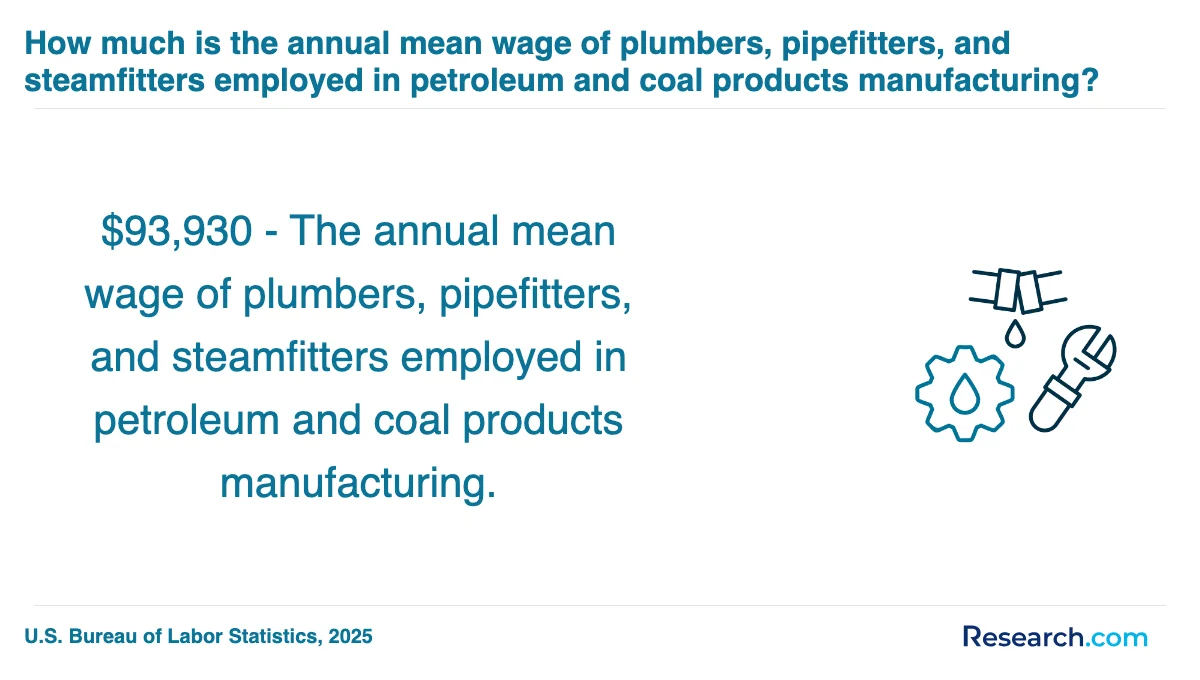
Kansas plumber trade school students can access several financial aid options that make training more affordable and manageable. Many graduates from WSU Tech and Washburn Institute of Technology share how the Kansas Promise Scholarship fully covered their remaining tuition, fees, and materials after other grants, allowing them to focus on learning without financial stress. This scholarship supports up to 68 credit hours or $20,000, provided students commit to living and working in Kansas for two years post-graduation.
The Kansas Career Technical Workforce Grant is another key aid source, offering up to $1,000 annually for full-time plumbing students, with prorated amounts for part-time enrollment. Students often describe this grant as a practical boost that helps with semester expenses, especially when combined with institutional scholarships available at local trade schools.
Completing the FAFSA unlocks federal Pell Grants and student loans, which many students use to bridge gaps in funding. Together, these layered aids create a realistic pathway for Kansans pursuing plumbing careers without overwhelming debt.
To enroll in a plumber trade school program in Kansas, you generally need to meet a few straightforward prerequisites that set you up for success. Most schools require a high school diploma or GED, which ensures you're prepared for the technical coursework ahead. For example, many graduates from well-known Kansas trade schools recall how their basic math and reading skills were essential from day one, making that diploma a key stepping stone.
Aside from academic requirements, these programs often expect you to be physically capable since plumbing involves hands-on work like lifting pipes and working in tight spaces. Graduates frequently mention how this practical aspect gave them confidence in their ability to handle real job sites.
Key prerequisites often include:
- High school diploma or GED
- Basic math proficiency
- Physical fitness for manual labor
- Valid driver's license for commuting and job sites
Trade schools in Kansas also value a strong work ethic and a willingness to learn, traits that former students say helped them thrive in both classroom and apprenticeship settings. Being prepared with these basics makes the transition smoother and boosts your chances of completing the program successfully.
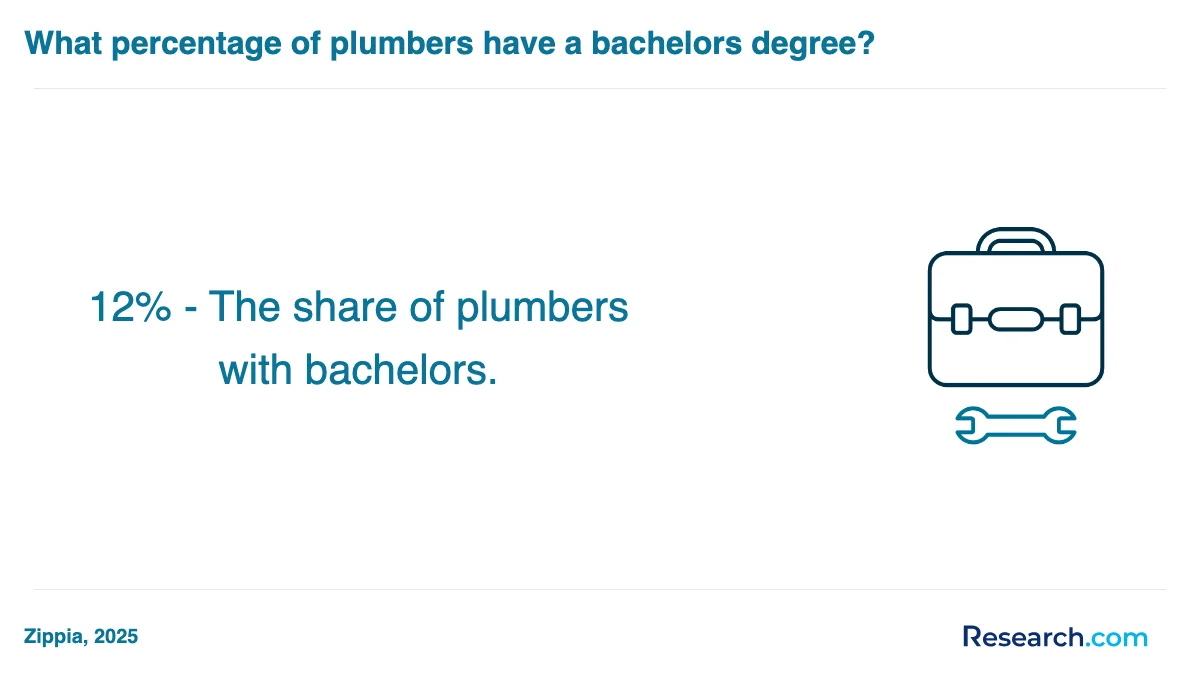
Plumber trade school programs in Kansas typically include a mix of essential courses designed to prepare students for real-world plumbing challenges. Graduates from schools like Barton Community College and Washburn Tech often highlight how starting with Introduction to Plumbing Technology gave them a solid grasp of plumbing systems, materials, and tools before moving on to more complex topics.
Key courses generally cover:
- Plumbing Codes and Blueprint Reading to ensure students can confidently interpret building plans and adhere to state plumbing codes such as the UPC and IPC.
- Water Supply and Distribution Systems, focusing on installing and maintaining potable water systems.
- Drain, Waste, and Venting Systems, teaching proper wastewater removal and ventilation critical to health and safety.
- Pipefitting and Installation, where students learn hands-on skills like soldering and threading pipes.
- Plumbing Fixtures and Appliance Installation, covering toilets, sinks, and water heaters.
Many students appreciate the inclusion of OSHA 10 or OSHA 30 Certification courses, which emphasize workplace safety-a vital skill on any job site. Schools often add Troubleshooting and Repair to build confidence in diagnosing common plumbing problems.
Advanced classes in pipe fabrication, welding, and gas system installation give graduates an edge in the competitive job market. Real-world practice through internships or apprenticeships, like the extensive training at Plumbers Local 8 Training Center, helps students apply their knowledge confidently, making the transition from classroom to career smoother and more rewarding.
Plumber trade school programs in Kansas typically offer specializations that blend classroom instruction with hands-on training, ensuring graduates are job-ready. One popular path is the Plumbing Technology Certificate, focusing on residential plumbing systems. Graduates from Johnson County Community College often highlight how practical exercises in installing and repairing fixtures prepared them for real-world challenges while understanding local plumbing codes.
Another in-demand specialization is Plumbing, Heating, and Air Conditioning (PHAC). North Central Kansas Technical College equips students with skills in HVAC systems and refrigeration cycles, expanding career options beyond just plumbing. This comprehensive training suits those who want a broader scope in their trade careers.
Apprenticeship programs, like those from the Plumbers & Pipefitters Apprenticeship Training of Kansas, offer an immersive five-year experience combining in-class learning with on-the-job training. Apprentices acquire valuable skills such as welding and working with medical gas systems, making them highly competitive in the industry.
Certifications such as OSHA-30 and NCCER Plumbing Level I, included in programs like Washburn Institute of Technology's Plumbing Technology, boost employability and demonstrate adherence to industry standards. These varied specializations allow Kansas students to pursue tailored plumbing trade careers aligned with their goals and strengths.
Start by verifying the program's accreditation and approval by the Kansas Board of Regents to ensure it meets industry standards. Graduates from well-regarded community colleges in Kansas often praise the balance of classroom learning with hands-on training, which includes working on real piping systems and interpreting plumbing blueprints. This practical experience is crucial for job readiness.
Cost is another factor to weigh carefully. Many students appreciate programs that participate in the Kansas Promise Scholarship Act or Excel in Career Technical Education initiatives, which help reduce tuition expenses. Those who compare plumbing programs Kansas-wide often find public technical colleges provide the best value without sacrificing quality.
Flexibility matters too, especially for students juggling work or family. Evening and part-time classes are common, allowing adult learners to progress at their own pace. Positive student reviews highlight how these options helped them stay committed and succeed.
For detailed comparisons of options, exploring resources like the best online community colleges can provide valuable insights to guide your decision.
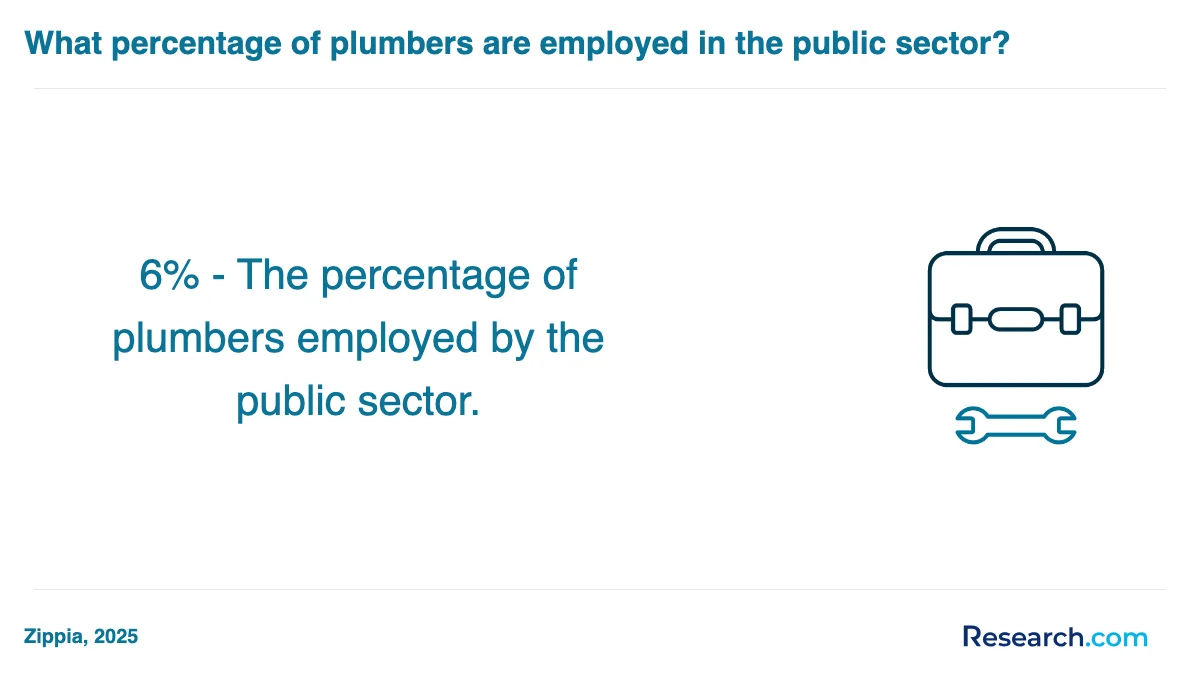
Plumber trade school graduates in Kansas have several viable career paths that leverage their hands-on training and technical skills. Many start as apprentices in cities like Wichita or Topeka, where they combine paid on-the-job learning with classroom instruction at schools such as Johnson County Community College or Washburn Institute of Technology. This apprenticeship period, lasting around four to five years, is essential before taking the journeyman plumber exam.
Entry-level roles often include plumbing apprentices, plumbing technicians, or maintenance plumbers, making these common plumber jobs in Kansas. Graduates report steady work and wages between $18 and $24 per hour, with clear opportunities for progression.
Some choose to specialize as pipefitter helpers or focus on commercial plumbing, while others advance to journeyman and master plumber status, often supervising projects or launching their own businesses. Graduates from North Central Kansas Technical College sometimes pivot to related fields like HVAC or steamfitting, benefiting from combined programs.
Kansas's strong demand for skilled tradespeople ensures diverse plumbing career opportunities in Kansas. For insights on broader industry trends, check out trades in demand.
The plumber job market in Kansas for trade school graduates offers steady opportunities, though with some regional challenges. Graduates from well-known programs often share stories of needing to remain flexible, especially early in their careers. Many find it beneficial to pursue plumbing apprenticeship jobs Kansas employers offer, which help build hands-on skills and local connections. While the state currently ranks lower nationally for plumber salaries, with an average hourly wage around $27.11, those starting out in Kansas trade schools often see potential for wage growth as they gain experience or specialize.
Examples from graduates in popular Kansas plumbing trade schools highlight these points:
- Many enter the workforce by accepting entry-level positions in nearby cities to accumulate real-world skills.
- Some report leveraging apprenticeships to secure steady jobs and better pay within a few years.
- Success often depends on willingness to travel within the state and adapt to varying demand tied to local construction and infrastructure projects.
For those exploring training options, considering trade school programs online may also provide flexibility while building credentials applicable to Kansas's evolving market.
Most Affordable Plumber Schools & Training - Budget-Friendly Plumbing Trade Programs in Kansas for 2026
# 1 position
Barton County Community College - Plumbing Technology/Plumber.
certificate or diplomaBarton County Community College offers a hybrid Plumbing Technology/Plumber program that prepares students to become licensed plumbers. The curriculum covers installation and maintenance of piping systems for various applications, including steam, natural gas, and water distribution. Instruction includes technical mathematics, blueprint reading, welding, and plumbing codes. The program is accredited by the Higher Learning Commission, with an annual in-state tuition of $3,616.
# 2 position
Neosho County Community College - Plumbing Technology/Plumber.
certificate or diplomaNeosho County Community College offers a Plumbing Technology/Plumber program preparing students to become licensed plumbers. The curriculum covers installation, maintenance, and repair of piping systems for various applications, including steam, natural gas, and water. Instruction includes technical mathematics, blueprint reading, welding, and applicable codes. The program is accredited by the Higher Learning Commission. Annual in-state tuition is $5,644.
# 3 position
Johnson County Community College - Plumbing Technology/Plumber.
certificate or diplomaJohnson County Community College offers a hybrid Plumbing Technology/Plumber program that prepares students to become licensed plumbers. The curriculum covers technical knowledge and skills for installing and maintaining piping systems for various uses, including steam, natural gas, and hot water. Instruction includes physics, mathematics, blueprint reading, welding, and plumbing codes. The program is accredited by the Higher Learning Commission, with an annual in-state tuition of $2,328.
# 4 position
Butler Community College - Plumbing Technology/Plumber.
associateButler Community College offers a hybrid Plumbing Technology/Plumber program preparing students to become licensed plumbers. The curriculum covers technical skills such as pipe installation, welding, blueprint reading, and plumbing inspection, along with knowledge of water distribution, pressure adjustment, and applicable codes. The program is accredited by the Higher Learning Commission. Annual in-state tuition is $3,556, and it includes both hands-on and distance education components.
# 5 position
Washburn Institute of Technology - Plumbing Technology/Plumber.
certificate or diplomaWashburn Institute of Technology offers a Plumbing Technology/Plumber program that trains students to install and maintain piping systems for various uses, including steam, natural gas, and hot water. The curriculum covers technical skills such as blueprint reading, pipe installation, welding, and plumbing codes. The program's annual in-state tuition is $9,120. It is accredited by the Higher Learning Commission and prepares students for work in residential and commercial environments.
Frequently Asked Questions about plumber
After completing plumber trade school in Kansas, preparing for the job market involves several important steps. First, obtaining proper licensing is crucial; Kansas requires plumbers to be licensed through the Kansas Department of Labor, which includes passing an exam and completing an apprenticeship. Apprenticeships typically last four to five years and combine paid on-the-job training with classroom instruction.
Networking within local unions and trade organizations, such as the Kansas State Plumbing Association, can help graduates connect with employers. Additionally, building a strong resume highlighting practical skills and certifications improves job prospects.
According to the U.S. Bureau of Labor Statistics, Kansas offers a steady demand for plumbers, with a median annual wage around $54,000, encouraging new graduates to seek apprenticeships early.
Employers in Kansas seek plumber trade school graduates with strong technical skills and practical experience. Proficiency in reading blueprints, installing piping systems, and troubleshooting plumbing issues is essential. According to the U.S. Bureau of Labor Statistics, plumbers in Kansas must also understand state plumbing codes and safety regulations to ensure compliance on job sites.
Communication skills are increasingly important, as plumbers need to explain problems and solutions clearly to clients and contractors. Employers value graduates who demonstrate reliability, problem-solving ability, and attention to detail. Hands-on training through apprenticeships or internships enhances these competencies, making candidates more competitive in Kansas's growing construction industry.
Finding internships relevant to plumber trade school programs in Kansas involves several practical steps. Start by contacting local trade schools, such as the Wichita Area Technical College or Salina Area Technical College, which often have partnerships with plumbing companies. These schools typically provide internship placement assistance or job boards tailored for their students.
Additionally, explore opportunities through the Kansas Department of Labor's apprenticeship and internship programs. According to recent data, Kansas offers over 500 active plumbing apprenticeships statewide, providing hands-on experience crucial for career development.
Networking with local plumbing contractors and unions, such as the United Association Local 441, can also open doors to internships. Online platforms like the Kansas WorkforceONE website list current openings for plumbing internships and apprenticeships, making it easier to apply directly.
Obtaining a plumber trade school diploma in Kansas significantly enhances career mobility and advancement opportunities. According to the Kansas Department of Labor, skilled plumbers earn a median annual wage of around $55,000, with experienced workers reaching upwards of $70,000. A diploma provides foundational knowledge and hands-on skills required for state licensing and apprenticeship programs, which are essential for career progression.
Trade schools also connect students with local employers, improving job placement rates. Certified plumbers in Kansas can advance into supervisory roles or start their own businesses, increasing income potential. The U.S. Bureau of Labor Statistics highlights steady job growth in plumbing, reinforcing the value of formal training.
Students enrolled in plumber trade schools in Kansas can benefit from part-time jobs that provide practical experience and financial support. Common opportunities include working as plumbing apprentices or helpers, which allow hands-on learning under licensed professionals. According to the U.S. Bureau of Labor Statistics (BLS), Kansas employs over 3,000 plumbers and pipefitters, with a median hourly wage of around $24.50, making apprenticeships valuable for skill development and income.
Other complementary jobs include roles in construction labor or maintenance work, offering exposure to building systems relevant to plumbing. These positions help students build industry connections and improve technical abilities while attending school.
To choose the most affordable plumbing degree program near you in Kansas, start by researching local community colleges and vocational schools that offer plumbing certifications or degrees. Utilize resources like Research.com to compare costs and program specifics, and specifically look for options with financial aid, scholarships, and hands-on training. Additionally, attend local career fairs or information sessions "near me" to gather firsthand feedback from current students or graduates about their experiences.
- Most Affordable Plumber Schools & Training - Budget-Friendly Plumbing Trade Programs in Nebraska for 2026
- Most Affordable Plumber Schools & Training - Budget-Friendly Plumbing Trade Programs in Missouri for 2026
- Most Affordable Plumber Schools & Training - Budget-Friendly Plumbing Trade Programs in Iowa for 2026
- Most Affordable Plumber Schools & Training - Budget-Friendly Plumbing Trade Programs in Minnesota for 2026
- Most Affordable Plumber Schools & Training - Budget-Friendly Plumbing Trade Programs in Illinois for 2026
- Most Affordable Plumber Schools & Training - Budget-Friendly Plumbing Trade Programs in New Mexico for 2026
- Most Affordable Plumber Schools & Training - Budget-Friendly Plumbing Trade Programs in Mississippi for 2026
- Most Affordable Plumber Schools & Training - Budget-Friendly Plumbing Trade Programs in Alabama for 2026
- Most Affordable Plumber Schools & Training - Budget-Friendly Plumbing Trade Programs in North Dakota for 2026
- Most Affordable Plumber Schools & Training - Budget-Friendly Plumbing Trade Programs in Kentucky for 2026
- Grove Oklahoma Community Connection | Hello everyone, | Facebook https://www.facebook.com/groups/1115480395465731/posts/2587620494918373/
- Plumber Jobs in Kansas City, KS (Hiring Now!) https://www.zippia.com/plumber-kansas-city-ks-jobs/
- Plumbers, Pipefitters, and Steamfitters : Occupational Outlook Handbook: : U.S. Bureau of Labor Statistics https://www.bls.gov/ooh/construction-and-extraction/plumbers-pipefitters-and-steamfitters.htm
- The job market for plumbers in the United States - CareerExplorer https://www.careerexplorer.com/careers/plumber/job-market/
- How To Become A Plumber | Explore The Trades https://explorethetrades.org/what-we-do/education/plumbing/how-to-become-a-plumber/
- Choosing the Right Plumber Trade School: A Caring Step-by-Step Guide - Field Complete https://fieldcomplete.com/blog/industry-trends-and-innovations/choosing-the-right-plumber-trade-school-a-caring-step-by-step-guide
- 5 Things To Expect From a Plumbing Program at Trade School | Miller-Motte College https://www.miller-motte.edu/what-to-expect-from-plumbing-program/
- Plumbing Trade School and Training Guide | NEIT https://www.neit.edu/blog/plumbing-trade-school
- Trade School vs. College: Pros and Cons | SharkBite https://www.sharkbite.com/ca/en/resources/blog/industry-insights/plumber-spotlights/trade-school-vs-college-heres-what-you-need-to-consider
- Plumber | SkilledTradesBC https://skilledtradesbc.ca/plumber