Most Affordable Plumber Schools & Training - Budget-Friendly Plumbing Trade Programs in Illinois for 2026

Co-Founder and Chief Data Scientist
Choosing the right plumber trade school in Illinois can shape your future career and open doors to rewarding opportunities. This article introduces a ranking of plumber trade school programs developed by the Research.com team of data scientists to help you make an informed decision.
Whether you’re starting fresh or seeking certification, understanding which programs offer the best value and quality is essential. Reading this guide will empower you to find affordable options that fit your goals and budget. Your journey toward a skilled trade and stable income begins here.
Key benefits of finishing plumber trade school in Illinois
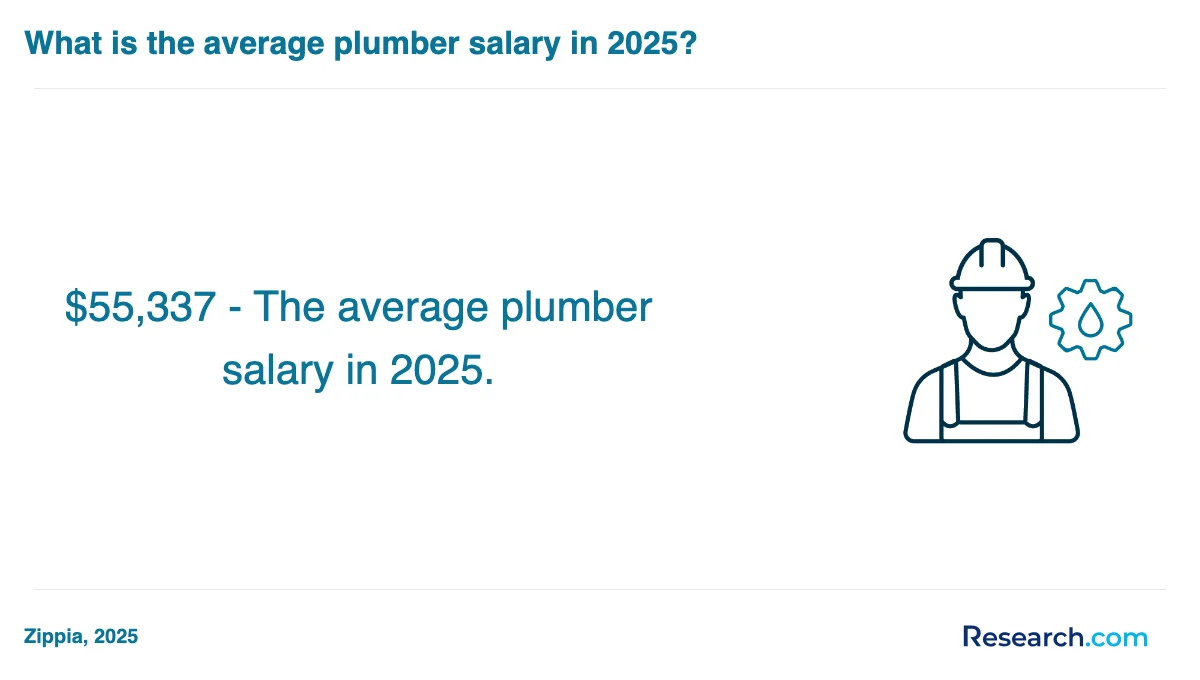
- Graduates from plumber trade schools in Illinois can expect competitive salaries, with average annual earnings around $66,301 and hourly wages ranging from $28 to $36, offering a strong start to a rewarding career.
- Career paths for graduates include becoming service plumbers, journeymen, or union members like those in Chicago's Plumbers Local 130 UA, where hourly rates can reach $60.50, providing excellent job stability and benefits.
- Completing plumber trade school online offers flexibility and convenience, allowing students to balance work and study while gaining skills comparable to traditional programs, as shown by successful online graduates from popular Illinois trade schools.
- Most Affordable Plumber Schools & Training - Budget-Friendly Plumbing Trade Programs in Illinois for 2026
- What can I expect from plumber trade schools in Illinois?
- Where can I work after finishing plumber trade schools in Illinois?
What can I expect from plumber trade schools in Illinois?
When you join a plumber trade school program in Illinois, expect a dynamic blend of classroom learning and hands-on experience that truly prepares you for a thriving career. Graduates often share how evening classes fit their busy lives, with schedules designed around working apprentices-imagine attending 15-week sessions after a day on the job, mastering the Illinois Plumbing Code and blueprint reading alongside peers. Early years typically balance one day of classroom instruction with on-site work, gradually shifting toward more practical training and night classes as skills grow.
Hands-on workshops are where theory meets reality. Students gain confidence welding, soldering, and installing fixtures, working with real materials and tools just like those used on bustling Illinois job sites. Many find this practical training exhilarating-building systems, troubleshooting, and understanding water supply and drainage firsthand. Licensed plumber instructors bring invaluable insights, bridging textbook knowledge with everyday trade challenges.
Apprenticeship requirements in Illinois mean you'll learn under seasoned professionals, creating a supportive environment that fuels growth and safety awareness. Graduates often describe the program as demanding yet rewarding, leaving them ready and proud to take the state's Plumbing License Examination and step confidently into their careers.
Where can I work after finishing plumber trade schools in Illinois?
After finishing a plumber trade school program in Illinois, graduates step into a world full of exciting career possibilities. Many begin as apprentices, gaining hands-on experience under skilled plumbers while earning a paycheck. Illinois requires at least four years of apprenticeship, blending classroom learning with real-world work, often at well-known trade schools around the state.
Graduates often find rewarding roles with plumbing contractors, mechanical firms, or public institutions like hospitals and universities. Imagine working on campus plumbing systems at Illinois State University, ensuring clean water flows smoothly every day. Union positions offer another path, providing strong benefits and steady projects on major construction sites.
For those with entrepreneurial spirit, starting a plumbing business is a vibrant option. Illinois plumbers enjoy some of the best wages in the country, reflecting high demand and respect for their expertise. Graduates from Illinois trade schools feel proud knowing their skills open doors to secure, fulfilling careers across the state.
After completing a plumber trade school program in Illinois, many graduates find themselves stepping into a career with impressive earning potential. Entry-level apprentices often start earning between $20 and $27 per hour, translating to around $43,900 to $53,900 annually. Some apprentices in larger cities or advanced stages can even earn as much as $55 per hour, which brings exciting financial opportunities early on.
Graduates from well-known Illinois trade schools share stories of quickly moving from apprenticeships to licensed journeyman roles, where annual salaries typically range from $70,000 to $85,000. For example, apprentices who studied in Chicago or Rockford often highlight how their skills and certifications helped them secure jobs with wages near $85,920 per year in Rockford or slightly lower but still rewarding incomes in southern Illinois.
Many feel proud and motivated knowing their hard work not only builds essential community infrastructure but also offers a rewarding paycheck that grows with experience and dedication.
- Candidates must be at least 18 years old and have a high school diploma or GED, though some programs accept students with two years of high school coursework.
- Application requirements often include official transcripts, proof of residency, placement tests, a valid driver's license, and passing drug and background checks.
- The Plumbing Apprenticeship Education program costs about $925 per semester for new students and $850 for returning students, totaling roughly $7,400 for four years.
- State licensing exam application fees range from $175 to $225.
- Starting salaries for plumbers in Illinois average between $46,000 and $55,000, with experienced plumbers earning $70,000 or more annually.
Completing a plumber trade school program in Illinois typically takes about 6 to 12 months, depending on the school and the intensity of the program. Many graduates from popular Illinois trade schools share how this focused timeline helped them quickly gain the skills needed to start working in the field without delay.
For instance, students attending well-known Illinois trade schools often balance hands-on training with classroom learning, making every day feel productive and rewarding. They describe the experience as an exciting journey where they see real progress week by week, whether it's mastering pipe fitting or understanding plumbing codes.
This efficient completion time means you can enter the workforce sooner, turning passion into a paycheck. Graduates often express pride in their ability to confidently handle plumbing challenges early on, boosting their motivation to build a fulfilling career right here in Illinois.
Choosing between online and on-campus plumber trade school programs in Illinois means deciding how you want to learn and grow in your career. Online programs, like the self-paced Foundations of Plumbing course at the University of Illinois at Springfield, offer incredible flexibility. Graduates often share how they balanced family, work, and study, appreciating the freedom to learn plumbing theory, safety, and codes from anywhere without rushing to class each day.
On the other hand, many who attend on-campus programs at schools such as the Building and Fire Code Academy describe the energizing experience of hands-on training. Being in a real workshop, using tools, and practicing installation under expert supervision builds confidence and skills essential for Illinois plumbing licensure. These students thrive on scheduled classes and direct mentorship, which help them stay focused and motivated through the multi-year journey.
Both paths inspire dedication, but the choice depends on your lifestyle and goals-whether you value flexible study or immersive, practical learning that prepares you fully for a licensed plumbing career in Illinois.
The average cost of plumbing trade schools in Illinois varies widely, reflecting the diversity of programs available to aspiring plumbers. Community colleges like City Colleges of Chicago - Kennedy-King College offer affordable tuition, with programs costing approximately $2,920 for in-district students. Graduates from these programs often share how manageable tuition fees and shorter program lengths allowed them to start earning quickly and build confidence in their new careers. However, out-of-district students should expect higher tuition fees, around $7,680 for the same coursework, which is still a worthwhile investment in a steady profession.
Private trade schools and specialized programs typically charge higher tuition fees but provide a robust educational experience. For instance, the Building and Fire Code Academy's four-year Plumbing Apprenticeship Education program has tuition around $6,000, including lab fees. Alumni from this academy often highlight the comprehensive hands-on training and strong connections to the industry that justified the cost, making it easier to secure rewarding jobs.
When considering tuition fees for plumber trade programs in Illinois, many students find apprenticeship programs especially appealing. These programs pair classroom learning with paid on-the-job training, making it possible to earn while you learn. Although a nominal administrative fee applies, apprentices gain valuable experience without the heavy financial burden of traditional tuition. After graduation, many feel prepared and empowered to succeed in a thriving trade.
Financial aid options can significantly ease the tuition burden, and it's always wise to explore scholarships or grants. Those balancing work and study might also consider trade schools online, which offer flexibility and often lower costs, enabling more students to pursue their goals in plumbing without delay.
Financial aid opens doors for many aspiring plumbers in Illinois, turning dreams into reality. Graduates from Dawson Technical Institute often share how the federal Pell Grant eased their financial worries, covering tuition and essential expenses while they focused on mastering their craft. This grant is a lifeline for those demonstrating financial need and enrolled in eligible programs, making quality training more accessible.
Federal student loans like Stafford and PLUS loans provide additional support, allowing students to handle tuition, books, and living costs. Completing the FAFSA is the key step to unlocking these resources, and many find the process straightforward once they start. For those attending popular trade schools in Illinois, institutional scholarships offer another vital resource. Scholarships such as the Home Depot Foundation's Path to Pro and the Fluidmaster PHCC Scholarship have empowered students by reducing financial barriers and rewarding dedication.
Private scholarships listed on sites like Fastweb have also changed lives, sometimes covering up to $7,500 annually. Illinois residents benefit from lower public trade school tuition and state grants, making plumber training not only achievable but also inspiring for those ready to build a skilled future.
To enroll in a plumber trade school program in Illinois, prospective students typically need to meet a few straightforward prerequisites that open the door to a rewarding career. Most schools ask for a high school diploma or GED, ensuring you have the essential foundation to grasp technical concepts and safety protocols. Graduates from popular Illinois trade schools often share how this base helped them confidently tackle hands-on training.
Applicants usually must be at least 18 years old, reflecting the maturity required to handle demanding physical tasks and work environments. Some programs suggest or require basic math skills, which are crucial when measuring pipes or calculating water flow rates during real-world projects.
Common prerequisites include:
- High school diploma or GED
- Minimum age of 18 years
- Basic math competency
- Ability to pass a physical fitness test (in some schools)
Imagine walking into a bustling workshop at a Chicago trade school, where students use their math skills to cut pipes with precision. Many graduates recall how meeting these simple prerequisites empowered them to thrive, turning their passion for plumbing into a fulfilling profession right here in Illinois.

Illinois plumber trade schools offer courses designed to build confidence and expertise through a mix of classroom learning and hands-on practice. Graduates often recall how mastering the Illinois Plumbing Code empowered them to meet state standards and pass the licensing exam with ease. In these programs, students dive deep into:
- Blueprint reading and construction document production, enabling them to confidently interpret and create plumbing plans.
- Practical assembly techniques and shop instruction, where they install and repair piping systems in real-world simulations.
- Mathematics, geometry, and applied sciences like physics, essential for precise pipe fitting and understanding water flow dynamics.
- Safety training including OSHA standards and first aid, preparing them to work securely on job sites.
Many students feel inspired as they learn about water distribution, waste disposal, and advanced pipe joining methods like welding and soldering. Exposure to electrical systems and customer service skills often rounds out their education, making them well-rounded professionals ready to succeed in Illinois's evolving plumbing industry.
In Illinois, plumber trade school programs offer exciting specializations that empower students to become skilled professionals like a residential plumbing technician or a commercial plumbing technician. Graduates from schools such as the Building and Fire Code Academy often share how hands-on training with piping, fixture installation, and blueprint reading brings theory to life, making the learning process both practical and empowering.
Many students also thrive as pipe fitters or pipe layers, mastering complex piping systems and sewer drainage techniques taught at institutions like Dawson Technical Institute. Alongside these, specialized training in fire protection systems and hydrodynamic theory equips learners with cutting-edge knowledge relevant to today's safety standards and water systems.
The curriculum enriches understanding with courses in construction document production and permits-skills that make graduates confident in navigating real-world projects. Imagine working on a commercial building's plumbing system or installing home plumbing with confidence, backed by solid training proven by successful alumni.
Those looking for comprehensive support and an inspiring learning community can explore choices through the top construction trade school online options to find a path that suits their ambitions perfectly.
- Residential plumbing technician
- Commercial plumbing technician
- Pipe fitter
- Pipe layer
- Estimator
Choosing the right plumber trade school program in Illinois means focusing on accreditation and hands-on training that truly prepares you for the field. Graduates from programs like Triton College praise the seamless blend of classroom lessons with real-world shop experience, which builds confidence and skill. Many find that programs offering both practical training and licensing support make the journey to becoming a licensed plumber smoother and more rewarding. This plumber trade school selection criteria Illinois highlights the importance of programs that guide students through state licensing exams and apprentice registration, essential steps that can feel overwhelming without proper support.
Flexibility is another key factor; some programs provide part-time or online courses that accommodate busy schedules, so you can advance without sacrificing work or family time. Graduates from Chicago's Plumbers Local 130 often share how their extended apprenticeships not only teach skills but connect them with valuable job opportunities through union networks. For those deciding between options, comparing curriculum and job placement rates helps identify the best Illinois plumbing training programs comparison.
Understanding which trades will be in demand in the future can also motivate your choice-explore what trades will be in demand in the future to align your education with a thriving career path.
Graduates from plumber trade school programs in Illinois step into a world of rewarding plumber career opportunities in Illinois. Many begin as plumber apprentices, gaining hands-on experience under licensed professionals during a mandatory 4- to 6-year period. This real-world learning is invaluable, preparing graduates from popular Illinois trade schools to confidently handle projects and earn a solid income early on.
As they progress, plumbers become journeyman plumbers, taking on leadership roles and managing apprentices. Graduates often celebrate this milestone as it marks increased independence and responsibilities. With continued growth and licensing, reaching the master plumber level opens doors to running a business or leading larger crews, embodying the American dream for many Illinois trade school alumni.
Beyond traditional roles, plumbing jobs for trade school graduates in Illinois also include exciting career paths such as plumbing inspection, construction management, sales of plumbing products, and teaching future tradespeople. These options thrive especially for those interested in expanding their impact in the field's ecosystem.
Many graduates cherish the strong, supportive network that stems from attending well-regarded Illinois trade schools, where they learn not only skills but also connect with industry mentors. The journey from apprentice to master plumber reflects dedication, unlocking diverse opportunities backed by steady industry growth and a bright future.
For those weighing education options, comparing college vs. trade school highlights how a trade school route gets you directly into hands-on careers like plumbing more quickly and often with less debt, making it an inspiring choice for many Illinois residents.
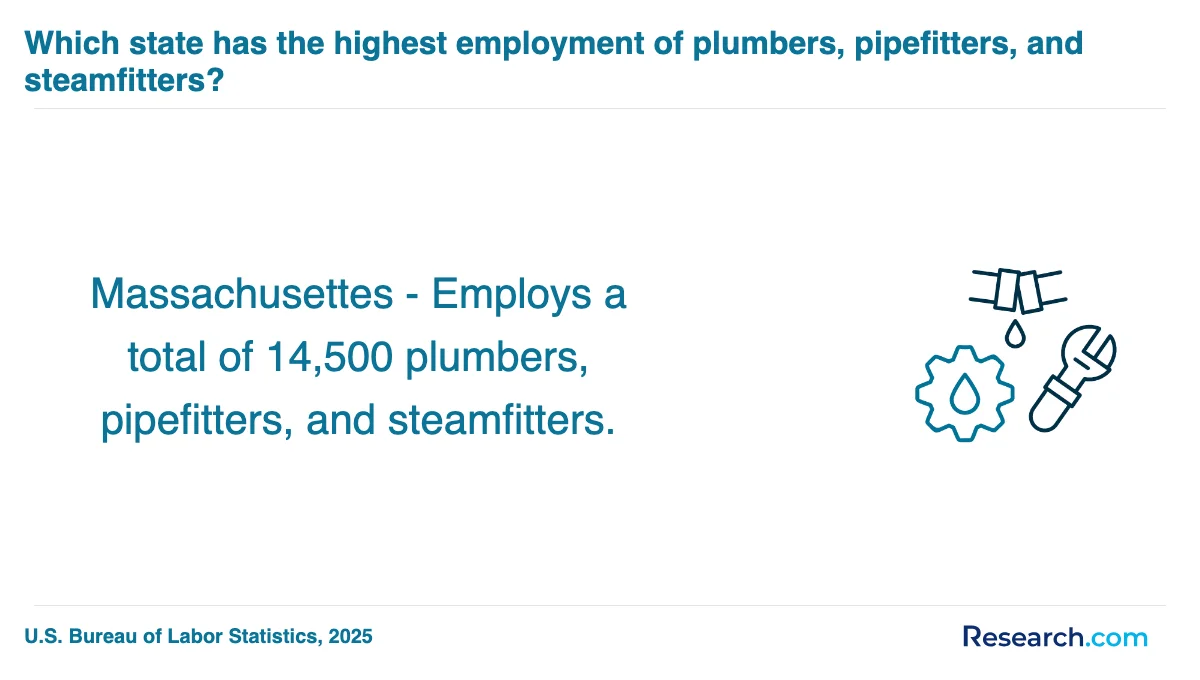
The plumber job outlook in Illinois is exceptionally promising for trade school graduates. With over 25,000 plumbers working statewide and Illinois leading nationally with the highest annual mean wage at $87,980, entering this field offers both stability and upward mobility. Graduates from popular trade schools often share how apprenticeship programs combined with hands-on training have helped them step confidently into well-paying roles.
Plumbing employment growth Illinois is fueled by urban construction surges in counties like Cook and DuPage, where demand for skilled workers is intense. Many recent graduates find themselves hired quickly thanks to this steady growth fueled by population increases and ongoing maintenance needs.
Graduates often highlight practical advantages such as:
- Hourly starting wages averaging $29.45, rising with experience
- Robust job opportunities in both residential and commercial sectors
- Clear career paths supported through trade school credentials and apprenticeships
For students exploring pathways, choosing a well-established trade school or vocational program in Illinois can be the key to unlocking a rewarding future in plumbing.
Most Affordable Plumber Schools & Training - Budget-Friendly Plumbing Trade Programs in Illinois for 2026
# 1 position
City Colleges of Chicago-Kennedy-King College - Plumbing Technology/Plumber.
certificate or diplomaCity Colleges of Chicago-Kennedy-King College offers a hybrid Plumbing Technology/Plumber program that prepares students to become licensed plumbers. The curriculum covers technical skills such as pipe installation, welding, blueprint reading, and applicable codes. Graduates earn a median salary of $82,055 one year after completion. The program includes instruction in water systems, pressure adjustment, and industrial processes, with an annual in-state tuition of $4,380. It is accredited by the Higher Learning Commission.
# 2 position
Triton College - Plumbing Technology/Plumber.
certificate or diplomaTriton College offers a hybrid Plumbing Technology/Plumber program preparing students for licensure by teaching technical skills to install and maintain piping systems for steam, gas, oil, water, heating, cooling, and industrial processing. The curriculum covers water distribution, pressure adjustment, mathematics, blueprint reading, welding, plumbing inspection, and codes. Annual in-state tuition is $4,920. The program is accredited by the Higher Learning Commission.
Frequently Asked Questions about plumber
After completing a plumber trade school in Illinois, preparing for the job market involves several key steps. First, obtaining an Illinois plumbing license is essential, which requires passing the state exam and completing an apprenticeship of 8,000 hours, as mandated by the Illinois Department of Public Health. Networking with local contractors and joining trade unions, such as the United Association Local 130, can enhance job prospects.
Additionally, gaining certifications in specialized areas like backflow prevention or medical gas piping can increase employability. According to Illinois Department of Employment Security, plumber jobs are projected to grow by 7% through 2030, indicating a steady demand for skilled workers.
Building a strong resume, attending job fairs, and seeking mentorship from experienced plumbers also support a successful transition into the workforce.
Employers in Illinois prioritize a combination of technical and soft skills when hiring plumber trade school graduates. Key technical skills include proficiency in reading blueprints, installing piping systems, and troubleshooting plumbing issues, which align with standards set by the Illinois Department of Employment Security. Graduates must also be familiar with local plumbing codes and safety regulations.
Beyond technical abilities, employers value strong problem-solving skills and effective communication. According to the U.S. Bureau of Labor Statistics, plumbers in Illinois who demonstrate reliability and teamwork tend to advance more quickly in their careers. Practical experience through apprenticeships or hands-on training remains essential.
Finding internships relevant to plumber trade school programs in Illinois involves several practical steps. First, contact the career services office of your trade school, as many maintain partnerships with local plumbing companies and unions. The Illinois Department of Commerce & Economic Opportunity offers resources to connect students with apprenticeships and paid internships in skilled trades.
Another useful approach is to explore opportunities through the United Association (UA) Local 130, a prominent plumbers' union in Chicago, which provides structured apprenticeship programs combining classroom learning with on-the-job training.
Online platforms like IllinoisJobLink.com list plumbing internships and apprenticeships statewide, offering a convenient way to browse openings by location and employer.
Networking at industry events and trade shows can also help secure internships, as many employers prefer candidates who demonstrate commitment and familiarity with the field.
Obtaining a plumber trade school diploma in Illinois significantly enhances career mobility and advancement opportunities. According to the Illinois Department of Employment Security, skilled trades such as plumbing are experiencing steady job growth, with a projected 7% increase in employment through 2030. A diploma provides the foundational skills required to enter apprenticeships, which are often mandatory for state licensing and higher wage tiers.
Graduates typically qualify for entry-level positions that offer on-the-job training alongside formal education, accelerating skill development. Moreover, diploma holders are more competitive candidates for supervisory roles and specialized plumbing fields, such as pipefitting or HVAC systems, which offer increased earning potential.
The Illinois Community College Board highlights that certified trade school graduates earn on average 15-20% more than non-certified workers in the construction sector. This credential also facilitates easier geographic mobility within Illinois, as employers recognize accredited trade diplomas statewide.
Part-time job opportunities in Illinois that complement plumber trade school education often include apprenticeships and entry-level plumbing assistant roles. These positions provide practical experience, which is essential for skill development and meeting licensing requirements in Illinois. According to the Illinois Department of Labor, apprenticeships combine paid on-the-job training with classroom instruction, making them ideal for students.
Other common part-time roles include general maintenance work or HVAC assistant jobs, allowing students to develop related technical skills. The U.S. Bureau of Labor Statistics reports that Illinois employed over 17,000 plumbers in 2023, reflecting steady demand and opportunities for hands-on learning.
Such jobs help students build a professional network and improve their employability after graduation.
To find the most affordable plumber degree program near you, you can start by researching community colleges or trade schools near Illinois, as these institutions often offer plumbing programs at lower tuition rates compared to universities. It's beneficial to explore resources like Research.com, which may provide helpful information about technical programs and their costs, making it easier to compare what's available. Additionally, consider visiting schools in your area to inquire about financial aid opportunities and program specifics to ensure you choose an affordable option near me.
- Most Affordable Plumber Schools & Training - Budget-Friendly Plumbing Trade Programs in Iowa for 2026
- Most Affordable Plumber Schools & Training - Budget-Friendly Plumbing Trade Programs in Missouri for 2026
- Most Affordable Plumber Schools & Training - Budget-Friendly Plumbing Trade Programs in Kentucky for 2026
- Most Affordable Plumber Schools & Training - Budget-Friendly Plumbing Trade Programs in Michigan for 2026
- Most Affordable Plumber Schools & Training - Budget-Friendly Plumbing Trade Programs in Minnesota for 2026
- Most Affordable Plumber Schools & Training - Budget-Friendly Plumbing Trade Programs in Ohio for 2026
- Most Affordable Plumber Schools & Training - Budget-Friendly Plumbing Trade Programs in Nebraska for 2026
- Most Affordable Plumber Schools & Training - Budget-Friendly Plumbing Trade Programs in Kansas for 2026
- Most Affordable Plumber Schools & Training - Budget-Friendly Plumbing Trade Programs in North Dakota for 2026
- Most Affordable Plumber Schools & Training - Budget-Friendly Plumbing Trade Programs in Mississippi for 2026
- Trades Careers | Different Kinds of Trades | Explore the Trades https://explorethetrades.org/
- Highest Paying Trade Jobs Without a Degree | SkillPointe https://skillpointe.com/news-and-advice/24-highest-paying-trade-jobs-no-bachelors-degree-required
- Construction Trade School: Key to a Successful Career https://abcsocal.org/construction-trade-school/
- Plumbers - Construction Careers Foundation https://constructioncareers.org/careers/plumbers/
- Plumber Apprentice: Unlock Career Success | Eastwick College https://eastwick.edu/articles/unlocking-career-success-the-path-of-a-plumber-apprentice/
- Online Plumbing Course | Self-Paced School Classes https://www.uscareerinstitute.edu/online-plumber-school
- Plumber: School of Trades and Technology: Thompson Rivers University https://www.tru.ca/trades/trades-programs/plumber.html
- Plumbing Training & Certification | Construction Program | LCTI https://www.lcti.org/adult-education-course/plumbing/
- Plumbing Trade School & Pipefitting Program | Apex https://apexschool.com/programs/plumbing-and-pipefitting/
- Plumbing School | Plumbing Trade School & Classes at PLCC https://plcc.edu/adult-education/full-time/plumbing-technologies/