Most Affordable Plumber Schools & Training - Budget-Friendly Plumbing Trade Programs in Connecticut for 2026

Co-Founder and Chief Data Scientist
Choosing the right plumber trade school in Connecticut can feel overwhelming, but it doesn’t have to be. This article introduces a plumber trade school programs ranking created by the Research.com team of data scientists to help you find the best options for 2026.
By exploring this guide, you’ll discover affordable programs that offer valuable skills and certifications, opening doors to a rewarding career. Whether you’re starting fresh or looking to advance, a plumber trade school diploma can provide stability and growth.
Let this article be your trusted resource in making an informed decision for your future.
Key benefits of finishing plumber trade school in Connecticut
- Graduates from plumber trade schools in Connecticut can expect strong salaries, with averages around $68,250 annually at entry level and potential to earn up to $100,000 as experience grows.
- Career paths for trade school graduates include residential plumbing, commercial contracting, and specialized services, offering diverse opportunities for growth and skill development.
- Completing plumber trade school online offers flexibility and convenience, allowing students to balance work and study while gaining practical knowledge, as seen with successful graduates from popular Connecticut programs.
- Most Affordable Plumber Schools & Training - Budget-Friendly Plumbing Trade Programs in Connecticut for 2026
- What can I expect from plumber trade schools in Connecticut?
- Where can I work after finishing plumber trade schools in Connecticut?
What can I expect from plumber trade schools in Connecticut?
Enrolling in a plumber trade school program in Connecticut means diving straight into hands-on learning combined with solid classroom instruction. Imagine spending days mastering blueprint reading or calculating pipe sizes, just like many graduates from popular schools such as those within the Connecticut Technical Education and Career System. These programs typically offer up to 720 hours of focused study-covering everything from gas pipe sizing to hybrid heat pump technology-building your confidence step by step.
Many students share how rewarding it feels to earn OSHA 30 certification and navigate the complexities of Connecticut's plumbing codes, knowing these skills set them apart on the job. Whether attending classes on-campus or through a blend of online and in-person sessions, you'll experience real-world scenarios, like reading full-scale pipe system drawings or practicing safe tool handling, which make the learning vivid and practical.
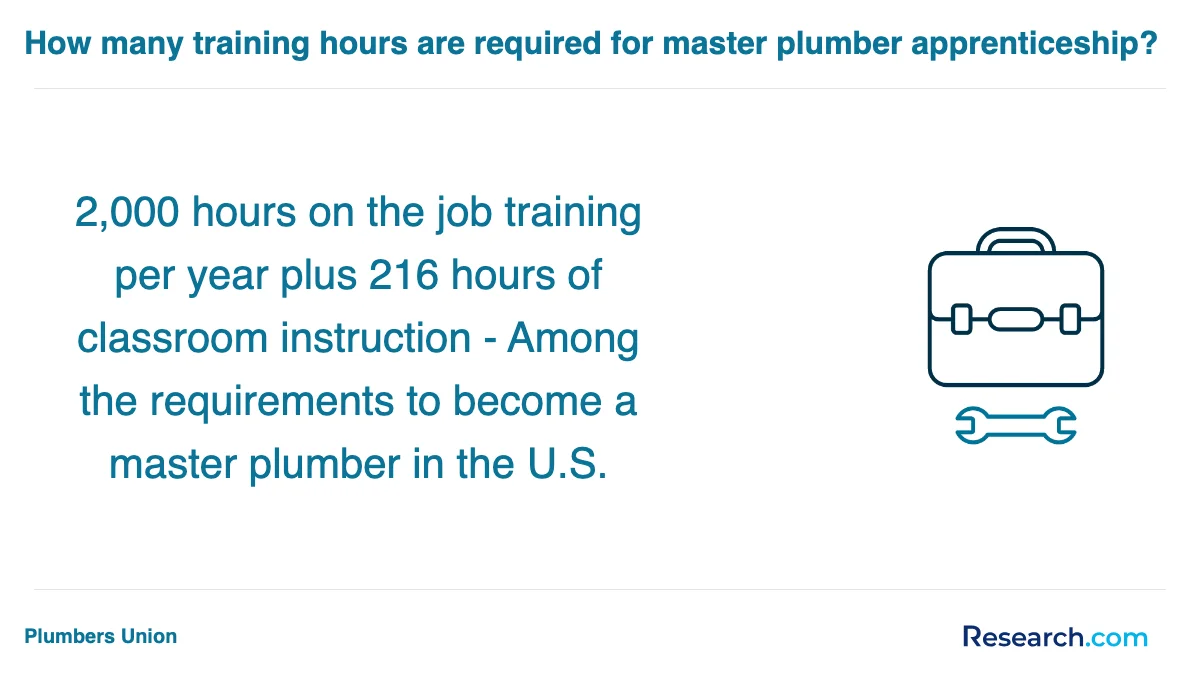
Plus, you can jumpstart your career by gaining supervised jobsite experience during the program, counting toward the 8,000-hour state apprenticeship needed for licensing. Graduates often highlight how this blend of theory and practice fuels their excitement to enter the plumbing industry fully prepared and eager to succeed.
Where can I work after finishing plumber trade schools in Connecticut?
After completing a plumber trade school program in Connecticut, graduates often dive straight into hands-on roles that build their skills and confidence. Many start as apprentices with well-known companies like Roto-Rooter Plumbing or Mr. Rooter Plumbing, tackling real-world challenges in homes and small businesses. Imagine fixing a leaky pipe in a cozy Hartford kitchen or installing a new water heater in a bustling New Haven apartment-these early jobs set the foundation for a rewarding career.
Others find themselves on larger commercial sites, working with firms like Main Enterprises Inc, where they contribute to major projects in hospitals or schools. The excitement of moving from classroom theory at a popular Connecticut trade school into these dynamic environments is a common thrill among grads.
Some graduates embrace municipal roles, maintaining public infrastructure or supporting school districts, which offers stability and community pride. The path from apprentice to licensed journeyperson often leads to higher pay and the chance to supervise others, fueling a sense of accomplishment and growth.
After finishing a plumber trade school program in Connecticut, graduates often find themselves stepping into a world where hard work quickly turns into solid paychecks. On average, you can expect to earn about $69,600 annually, which breaks down to roughly $33 per hour. Many recent grads from popular trade schools around Hartford or New Haven share stories of starting a bit lower but seeing their earnings climb steadily as they gain experience and earn licensure.
Picture this: a newly licensed plumber in Connecticut earns around $33.96 per hour, with some top performers pushing well beyond $50 per hour. That's a real boost compared to entry-level salaries across the country, which hover around $53,900 yearly. The higher cost of living in Connecticut is balanced by a rewarding pay scale and opportunities for overtime and specialization.
Many grads find the path to earning $55,000 to $85,000 annually quite achievable once they sharpen their skills and take on more challenging projects. Whether working in bustling cities or smaller towns, Connecticut's steady demand for skilled plumbers promises both financial stability and a chance to build a fulfilling career.
- Applicants must be at least 18 years old and have a high school diploma or GED to enter a plumber trade school program in Connecticut.
- Programs typically include 720 hours of classroom instruction required for the P-2 Unlimited Journeyperson Plumber license.
- Graduates need 8,000 hours of on-the-job training before they can take the licensing exam.
- Tuition for a one-year diploma program usually ranges from $10,000 to $20,000, with financial aid options available.
- Starting salaries for new plumbers range from $45,000 to $55,000 annually, with experienced plumbers earning over $70,000 per year.
- Connecticut's plumber job market is classified as "In-Demand" with strong growth, and certifications like OSHA and EPA improve job prospects.
Completing a plumber trade school program in Connecticut typically takes about 6 months to a year, depending on the school and the pace you choose. Imagine diving into hands-on training at one of the state's well-known trade schools, where every day brings new challenges and skills. Graduates often describe the journey as intense yet incredibly rewarding, with a perfect balance of classroom learning and real plumbing projects.
One graduate shared how the fast-paced curriculum allowed them to start an apprenticeship sooner than expected, making the wait to begin earning money feel much shorter. Another recalled the excitement of mastering pipe fitting and water systems in less than a year, which made stepping into the workforce feel like a thrilling adventure rather than a daunting leap.
Trade schools in Connecticut focus on preparing students quickly without cutting corners, so you can expect to leave the program ready for the licensing exam and on your way to a fulfilling career. This swift timeline fits perfectly for those eager to start working and building a future in plumbing.
Choosing between online and on-campus plumber trade school programs in Connecticut often comes down to how you want to learn and live your daily life. Imagine a graduate from Porter and Chester Institute who loves the buzz of hands-on work-getting their hands dirty with real pipes and fittings in a fully equipped lab, surrounded by instructors ready to guide every step. This face-to-face experience ensures they hit the state's 720 hours of classroom training and build confidence through immediate feedback.
On the flip side, graduates from online programs like Penn Foster enjoy the freedom to study theory wherever life takes them, juggling jobs and family while saving on commuting costs. Yet, these students soon realize the importance of supplementing their digital classes with hands-on apprenticeships to meet Connecticut's rigorous 8,000 hours of field experience for licensing. Hybrid programs at schools like Porter and Chester blend these worlds, letting students complete lectures online but dive into practical labs on campus, striking a perfect balance for those craving flexibility without missing vital hands-on training.
The average cost plumber trade school Connecticut varies widely depending on the type of institution chosen. For example, graduates from the Industrial Management & Training Institute (IMTI) in Waterbury share how their comprehensive Plumbing Technician Program, lasting between 10 to 20 months, involves tuition fees around $23,328, which includes all books and materials. This immersive experience, though a higher investment, equips students with hands-on skills that build their confidence, making the financial commitment worthwhile.
On the flip side, many students find that enrolling in community colleges in Connecticut offers plumber trade school tuition fees Connecticut that are significantly more affordable. A typical full year at a community college often costs up to $3,000, providing a budget-friendly route for those eager to enter the plumbing trade without the burden of high expenses. These graduates often emphasize the excitement of learning real-world plumbing skills while balancing finances effectively.
Beyond tuition, aspiring plumbers also prepare for additional expenses such as textbooks, tools, and uniforms, which can run from $500 up to $10,000, depending on the program's requirements and personal choices. Thankfully, various financial aid options, including scholarships, can help ease these costs, turning dreams into reality. The journey through a plumber trade program frequently reflects the classic college vs trade school pros and cons debate, but many find that the hands-on trade school route offers both practical skills and value that resonate with their career goals.
Imagine stepping into a plumber trade school in Connecticut like Porter or Chester Institute, feeling the thrill of starting a new career without the heavy worry of tuition costs. Many graduates happily recall how federal financial aid, such as Pell Grants and student loans, opened doors they once thought closed. These grants don't need repayment, making them a lifeline for those balancing work and study.
State support adds even more excitement. Apprenticeships backed by Connecticut's Department of Labor, using the Apprentice State Expansion federal grant, often cover tuition like a full-ride scholarship. One graduate shared how this made their apprenticeship feel like a golden ticket, with fees fully reimbursed while gaining hands-on experience.
Trade schools also offer institutional scholarships, tailored to reward dedication and skill, lightening the financial load further. With tuition ranging from $14,000 at private schools to just over $5,000 at community colleges, these aids transform dreams into achievable goals for many aspiring plumbers.
To dive into a plumber trade school program in Connecticut, you'll need to meet a few straightforward prerequisites that set you up for success. Most schools expect candidates to have a high school diploma or GED, ensuring you're ready for the technical and hands-on learning ahead. Imagine stepping into a bustling workshop at a well-known Connecticut trade school, where graduates recall how their solid math skills made complex pipe layouts click instantly.
Some programs might require you to be at least 18 years old, which aligns perfectly with the legal work age for apprenticeships in the state. It's common for students to bring their eagerness and a sense of adventure, ready to tackle challenges like mastering blueprint reading or the art of soldering.
Typical prerequisites include:
- High school diploma or GED
- Minimum age of 18 years
- Basic math proficiency
- Physical fitness to handle manual labor
Graduates often share how these requirements prepared them well for real-world plumbing tasks, from crawling under sinks to navigating Connecticut's unique building codes with confidence.
Imagine stepping into a Connecticut plumber trade school, where graduates eagerly dive into a blend of classroom learning and hands-on practice designed to prepare them for real-world challenges. Courses start with construction safety, teaching essential OSHA standards and jobsite safety-graduates often recall how earning the OSHA 30 certification boosted their confidence on day one.
Then comes the heart of plumbing knowledge:
- Drain, Waste, and Vent Systems I & II: mastering pipe installation, support, and sizing, crucial for any job site.
- Water Supply: learning how to size pipes and protect potable water, following Connecticut's Cross Connection Control Manual.
- International Plumbing Code: understanding the legal framework that shapes every plumbing project.
- Blueprint reading and estimating: skills that turn sketches into actionable plans on-site.
Hands-on courses like fixture installation, gasoline tank piping, and community water system management bring lessons to life, making each day an adventure. Graduates from popular Connecticut trade schools share how these courses transformed theory into practical skills, fueling excitement for their plumbing careers.
Plumber trade school specializations in Connecticut open doors to hands-on learning that excites many aspiring tradespeople. Graduates from popular programs, like those at CTECS, often describe mastering essential skills such as installing and repairing water, gas, mechanical, and waste systems in both homes and commercial buildings. These Connecticut plumbing program specialization options include:
- Gas pipe sizing and heat loss calculations for hydronic heating
- Installation of energy-efficient plumbing and heating technologies
- Heating and cooling system maintenance, including gas and oil heating, refrigeration, and hybrid heat pumps
- Green plumbing practices focusing on sustainable, eco-friendly systems and water conservation
Students feel empowered by accumulating up to 720 hours toward their P-2 apprenticeship during their studies, accelerating career growth in real-world settings across Connecticut. By training in these diverse areas, they become confident in roles ranging from residential fixes to commercial installations. For motivated individuals exploring career paths, understanding the trade school salary potential after these programs adds real inspiration to the journey.
Choosing the best plumber trade school in Connecticut means digging into what really matters: accreditation, hands-on experience, and flexible learning options. Graduates from the Porter and Chester Institute rave about blending online lectures with on-campus labs, which helped them balance work and study while mastering real-world plumbing skills. Meanwhile, those who trained through the Connecticut Technical Education and Career System highlight the value of learning blueprint reading and safety techniques right on job sites, making the transition to licensed work seamless. When you explore how to compare plumbing programs in Connecticut, focus on schools that meet the state's 720-hour classroom requirement and have strong ties to local unions or plumbing companies, as these connections often lead to apprenticeships and quicker job placements. Tuition typically runs between $14,000 and $15,000, so researching financial aid can ease the investment. For more options, check out the best online trade school programs that might fit your lifestyle perfectly.
Graduates of plumber trade school programs in Connecticut dive into a world of exciting career possibilities. After completing rigorous plumbing apprenticeship programs in Connecticut, many find themselves stepping confidently into apprentice plumber roles, learning the ropes on real job sites. Others rapidly progress toward becoming licensed journeypersons or even plumbing contractors, guiding projects with growing independence.
Popular trade schools in Connecticut equip students to thrive in diverse roles such as:
- Residential plumbers fixing leaks, installing water heaters, or remodeling kitchens.
- Commercial plumbers managing sophisticated systems in hospitals or schools.
- Pipefitters handling industrial pipelines carrying steam or chemicals.
Some adventurous graduates choose unique specialties like pump servicing, lawn sprinkler installation, or sewer line work, unlocking fascinating niches within the trade. Many share stories of hands-on training that boosted their confidence, preparing them to eventually lead on job sites, supervise teams, or launch their own plumbing businesses.
If you're curious about advancing even further, some alumni combine their trade skills with engineering degrees or utility technician roles for new challenges and higher earning potential. For those eager to explore the best opportunities, programs linked to the best construction management trade school often open doors to vibrant plumber career opportunities in Connecticut.
The plumber job outlook in Connecticut is very encouraging for graduates of local trade schools. Many graduates share stories of landing apprenticeships or full-time roles shortly after completing training at popular Connecticut schools, where practical skills and state licensing are emphasized. New plumbers find themselves in demand especially in cities like Hartford and New Haven, with employment opportunities concentrated around ongoing construction and infrastructure upgrades.
Here's why the plumbing employment opportunities Connecticut offers feel exciting and reachable:
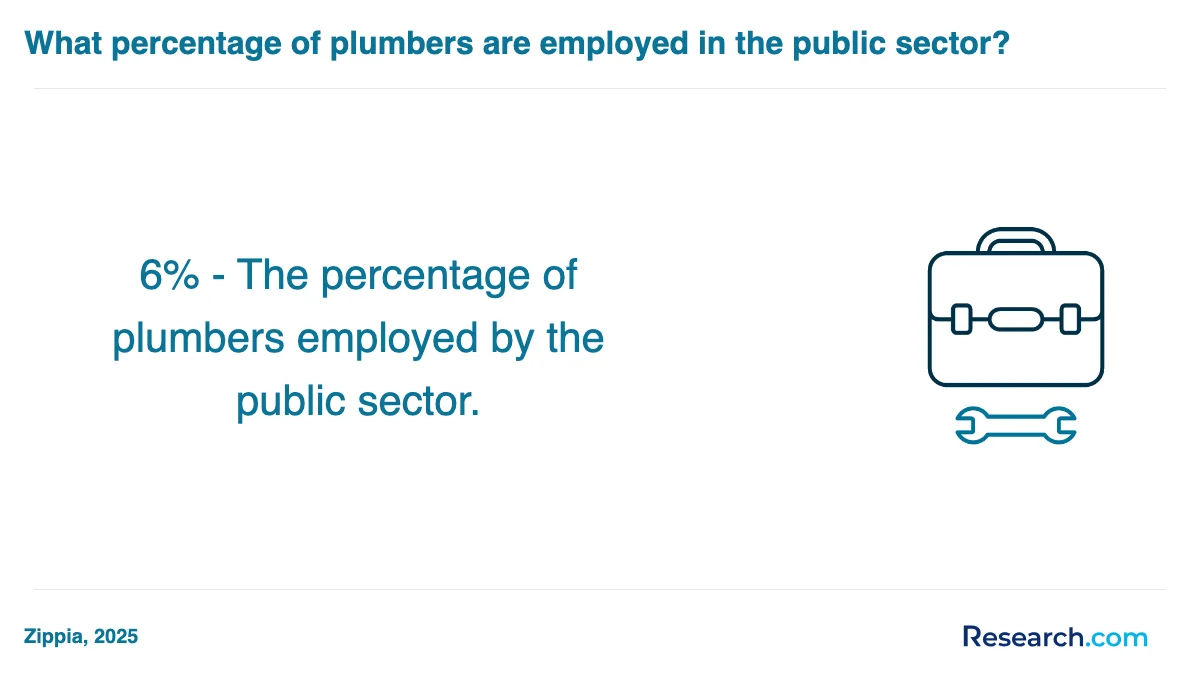
- Public sector roles such as Correctional Plumber & Steamfitter start around $62,000 with room to grow.
- Entry-level Technician salaries range from $70,000 to $120,000 depending on experience and location.
- Jobs are stable due to continual repair needs in aging buildings and consistent demand for skilled trades.
Graduates often describe the rewarding challenge of solving real-world plumbing problems, from fixing urgent leaks to installing modern systems. For those curious about alternative paths, many find that exploring easy online trade programs that leads to high paying careers complements hands-on experience perfectly, broadening their future possibilities.
Most Affordable Plumber Schools & Training - Budget-Friendly Plumbing Trade Programs in Connecticut for 2026
# 1 position
Industrial Management Training Institute - Plumbing Technology/Plumber.
certificate or diplomaThe Plumbing Technology/Plumber program at Industrial Management Training Institute offers a hybrid format with some distance education. It trains individuals to become licensed plumbers by teaching skills in installing and maintaining piping systems for various utilities. The curriculum includes technical mathematics, blueprint reading, welding, and plumbing codes. Graduates have median earnings of $42,300 one year after completion. The program is accredited by the Accrediting Commission of Career Schools and Colleges.
# 2 position
Porter & Chester Institute of Hamden - Plumbing Technology/Plumber.
certificate or diplomaPorter & Chester Institute of Hamden offers a hybrid Plumbing Technology/Plumber program designed to prepare students for licensure by teaching technical skills in installing and maintaining piping systems for various applications. The curriculum covers water distribution, pressure adjustment, blueprint reading, welding, plumbing inspection, and relevant codes. The program is accredited by the Accrediting Commission of Career Schools and Colleges, with an annual in-state tuition of $14,337.
# 3 position
Porter & Chester Institute - Plumbing Technology/Plumber.
certificate or diplomaThe Plumbing Technology/Plumber program at Porter & Chester Institute offers hybrid learning with some distance-education options. It trains students to become licensed plumbers by teaching technical skills for installing and maintaining piping systems in residential and commercial settings. The curriculum covers water distribution, pipe installation, welding, blueprint reading, and industry codes. Annual in-state tuition is $14,349. The program is accredited by the Accrediting Commission of Career Schools and Colleges.
Frequently Asked Questions about plumber
After completing plumber trade school in Connecticut, preparing for the job market involves several key steps. First, obtaining the necessary state licensure is essential. Connecticut requires plumbers to pass the state licensing exam to work legally, which verifies practical skills and knowledge.
Next, gaining hands-on experience through apprenticeships or entry-level positions is highly recommended. According to the Connecticut Department of Labor, the plumbing sector is expected to grow by 8% through 2030, highlighting steady demand.
Networking within local unions or trade organizations also helps graduates find job opportunities and mentorship. Additionally, maintaining updated certifications and continuing education can improve employability in this competitive field.
Employers in Connecticut value plumber trade school graduates who demonstrate strong technical skills, including proficiency in pipe installation, repair, and maintenance. According to the Connecticut Department of Labor, hands-on experience with residential and commercial plumbing systems is essential. Graduates must also understand local building codes and safety regulations to ensure compliance on job sites.
Critical thinking and problem-solving abilities are highly sought after, as plumbers often diagnose complex issues quickly. Communication skills are important for explaining problems and solutions to clients and supervisors. Additionally, physical stamina and manual dexterity remain vital, given the demanding nature of plumbing work.
Familiarity with modern plumbing technologies, such as energy-efficient systems, is increasingly preferred by employers in the state.
Finding internships relevant to plumber trade school programs in Connecticut involves several practical steps. Start by contacting your trade school's career services, as many schools maintain partnerships with local plumbing companies and unions. These organizations often offer apprenticeship programs that provide hands-on experience alongside classroom learning.
The Connecticut Department of Labor and the Connecticut Department of Economic and Community Development can be valuable resources for locating plumbing internships. According to recent labor reports, the state supports registered apprenticeships that combine paid work and training, which are crucial for plumbing careers.
Networking with local plumbers' unions, such as the Plumbers and Pipefitters Local 777, can also open doors to internship opportunities. Additionally, visiting job boards dedicated to skilled trades or specialized internship platforms may yield current openings. Persistence and leveraging multiple channels are key to securing a relevant internship in Connecticut's plumbing industry.
In Connecticut, earning a plumber trade school diploma significantly enhances career mobility and advancement opportunities. According to the Connecticut Department of Labor, individuals with formal plumbing training typically see faster job placement and higher starting wages compared to those without credentials. A diploma validates essential skills, making graduates eligible for apprenticeships and journeyman licensing, crucial steps for career growth in the state.
Trade school graduates also benefit from industry connections and updated knowledge of local codes and regulations, which can lead to supervisory roles or specialized plumbing work. The U.S. Bureau of Labor Statistics reports that Connecticut's plumbing sector is expected to grow by 8% through 2030, underscoring increased demand for certified professionals.
Students enrolled in plumber trade schools in Connecticut can benefit from several part-time job opportunities that enhance their education and provide practical experience. Common roles include plumbing apprenticeships, where students work under licensed plumbers to develop hands-on skills while earning wages. According to the U.S. Bureau of Labor Statistics, Connecticut's plumbing industry expects steady growth, making apprenticeships valuable for future employment.
Retail positions in hardware or home improvement stores also complement trade school learning by familiarizing students with plumbing tools and materials. Additionally, facilities maintenance jobs in schools or businesses offer exposure to plumbing repairs in real-world settings. These roles help build essential problem-solving and customer service skills relevant to a plumbing career.
To find the most affordable plumber degree program near me, consider looking into technical colleges and vocational schools offering plumbing technology programs, as these institutions often have lower tuition fees compared to universities. Researching programs at community colleges near Connecticut might provide additional affordable options. Use resources like Research.com to compare different programs and their costs to find the best fit for your needs.
- Most Affordable Plumber Schools & Training - Budget-Friendly Plumbing Trade Programs in New York for 2026
- Most Affordable Plumber Schools & Training - Budget-Friendly Plumbing Trade Programs in New Jersey for 2026
- Most Affordable Plumber Schools & Training - Budget-Friendly Plumbing Trade Programs in Maine for 2026
- Most Affordable Plumber Schools & Training - Budget-Friendly Plumbing Trade Programs in Ohio for 2026
- Most Affordable Plumber Schools & Training - Budget-Friendly Plumbing Trade Programs in Kentucky for 2026
- Most Affordable Plumber Schools & Training - Budget-Friendly Plumbing Trade Programs in North Carolina for 2026
- Most Affordable Plumber Schools & Training - Budget-Friendly Plumbing Trade Programs in Michigan for 2026
- Most Affordable Plumber Schools & Training - Budget-Friendly Plumbing Trade Programs in Georgia for 2026
- Most Affordable Plumber Schools & Training - Budget-Friendly Plumbing Trade Programs in Illinois for 2026
- Most Affordable Plumber Schools & Training - Budget-Friendly Plumbing Trade Programs in Florida for 2026
- Plumbing Trade School & Pipefitting Program | Apex https://apexschool.com/programs/plumbing-and-pipefitting/
- Plumbing School | Plumbing Trade School & Classes at PLCC https://plcc.edu/adult-education/full-time/plumbing-technologies/
- 15 Best Plumbing Schools | Become With Lantern Rankings https://www.learnhowtobecome.org/best-plumbing-programs/
- Plumber School - Online Program | Penn Foster https://www.pennfoster.edu/programs/trades/plumber-career-diploma
- Plumber https://www.sait.ca/apprenticeships-and-trades/programs/plumber
- Plumbing Trade School | Summit College https://summitcollege.edu/programs/trade-technical/plumbing/
- SPC : Plumbing Trades | Alamo Colleges https://www.alamo.edu/spc/academics/programs/allied-construction-trades-act/plumbing-trades/
- Plumbing Career Training in Connecticut | Porter and Chester Institute https://porterchester.edu/program/trade/plumbing/
- Plumbing and Heating - Connecticut Technical Education and Career System (CTECS) https://www.cttech.org/programs/career-and-technical-education/architecture-and-construction/plumbing-and-heating/
- How to Become a Plumber in Connecticut | Dreambound https://dreambound.com/blog/how-to-become-a-plumber-in-connecticut