Best Plumber Training Programs & Trade Schools - Top Plumbing Schools in Alabama for 2026

Co-Founder and Chief Data Scientist
Choosing the right plumber trade school in Alabama can shape your future career in a rewarding and essential industry. This article introduces a plumber trade school programs ranking created by the Research.com team of data scientists to help you find quality programs worth your time and investment.
By exploring these top schools, you’ll gain insights that make your decision easier and more confident. Earning a diploma or certification opens doors to steady work and personal growth in a skilled trade that’s always in demand.
Key benefits of finishing plumber trade school in Alabama
- Graduates of plumber trade schools in Alabama can expect starting salaries around $50,538 per year, with potential to earn up to $75,015 as experience grows, offering a solid income early in their careers.
- Career paths after trade school include becoming a licensed plumber, specializing as a master plumber, or working in commercial and residential plumbing, as seen with alumni from popular schools like the Alabama Technical College.
- Completing a plumber trade school online provides flexibility and saves time, allowing students like those from the Alabama Online Trade School to balance work and study while gaining skills quickly without a traditional degree's time commitment.
- Best Plumber Training Programs & Trade Schools - Top Plumbing Schools in Alabama for 2026
- What can I expect from plumber trade schools in Alabama?
- Where can I work after finishing plumber trade schools in Alabama?
What can I expect from plumber trade schools in Alabama?
Enrolling in a plumber trade school program in Alabama means immersing yourself in both classroom learning and hands-on training that prepares you for real-world plumbing roles. Graduates from well-known Alabama trade schools often recall early days spent mastering blueprint reading, plumbing codes, and safety procedures-skills essential for navigating job sites confidently.
Expect to handle a variety of pipes, from copper to cast iron, and practice tool use in simulated environments that mimic actual plumbing installations. Many students find the OSHA certification courses particularly empowering, knowing safety is paramount before stepping onto a worksite.
Beyond technical skills, programs emphasize job readiness. Graduates share how lessons on resume building and interview techniques helped them secure apprenticeships or entry-level positions swiftly. Some even participate in SkillsUSA competitions, gaining recognition that boosts their confidence and employability.
Whether you aim for a certificate or an associate degree, these programs in Alabama nurture both your practical abilities and professional growth, making the journey rewarding and directly relevant to local industry demands.
Where can I work after finishing plumber trade schools in Alabama?
After finishing a plumber trade school program in Alabama, graduates often find themselves stepping confidently into roles like apprentice plumbers or plumbing technicians, gaining hands-on experience in diverse settings. Many begin their careers working for established plumbing companies or mechanical contractors in cities such as Birmingham or Huntsville, where the demand for skilled workers is high.
Students from popular Alabama trade schools frequently share how starting as an apprentice under licensed professionals helped them build practical skills on residential and commercial projects alike. With time and state licensure, they move into journeyman plumber roles, tackling complex systems in environments like hospitals or university campuses, including places such as the University of Alabama.
Some graduates discover rewarding careers in specialized fields like pipefitting or steamfitting, especially in industrial settings. Others climb into supervisory positions or even launch their own contracting businesses, finding pride in leading teams and managing projects that keep Alabama's infrastructure running smoothly.
After finishing a plumber trade school program in Alabama, many graduates find themselves earning an average annual salary around $59,560. Early on, hourly wages typically range from $27.55 to $29, which means starting your career with steady pay as you gain hands-on experience. Graduates from well-known Alabama trade schools often share how rewarding it feels to see their skills immediately translate into real income, especially when landing jobs that pay close to $25 per hour right out of school.
As you grow in your trade, your earnings can increase significantly. For instance, plumbers with a few years of experience or additional certifications often reach hourly rates of about $33, with annual salaries climbing toward $67,650. In cities like Huntsville, graduates tend to earn higher wages, averaging nearly $65,689 per year, thanks to greater demand.
For those who pursue master plumber status, the financial rewards get even better, with hourly wages averaging close to $34.88 and top earners exceeding $56 per hour. Many graduates recall the sense of pride and confidence that comes with such advancement after starting from their trade school bench.
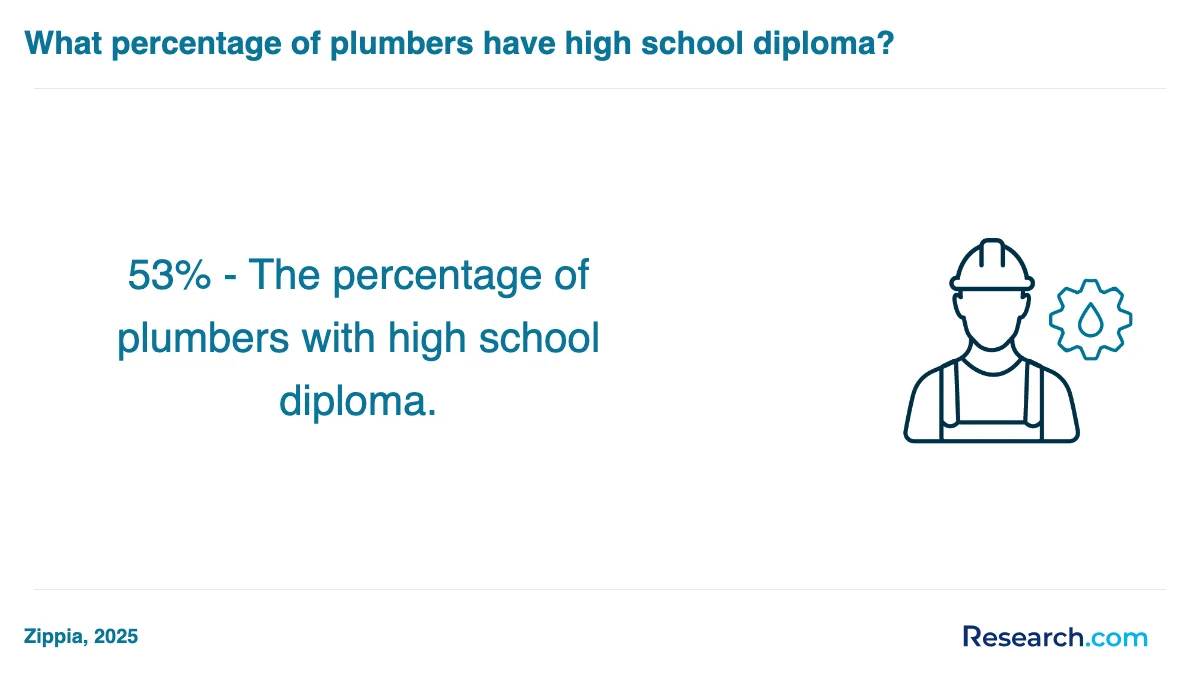
- A high school diploma or GED is usually required, and applicants must be at least 18 years old for most apprenticeships.
- Plumber trade school programs in Alabama last one to two years and include both classroom and hands-on training.
- State-approved apprenticeships last four to five years, combining paid on-the-job training with at least 246 hours of classroom education annually.
- Total tuition for certificate or associate degree programs typically ranges from $3,000 to $7,000, excluding books and fees.
- Licensing application fees are $110 for a journeyman license and $160 for a master plumber license.
- Starting salaries range from $40,000 to $45,000 per year, with experienced plumbers earning $60,000 to $70,000 annually.
Completing a plumber trade school program in Alabama typically takes about 6 to 12 months, depending on the curriculum intensity and whether students attend full-time or part-time. Many graduates from well-known Alabama trade schools share that this timeframe strikes a perfect balance between learning essential skills and quickly entering the workforce. For example, attending a hands-on program in Birmingham or Huntsville allows students to immerse themselves in practical training, which helps them build confidence and competence rapidly.
One graduate recalled how the compact schedule kept motivation high, making each day feel purposeful without overwhelming them. Another mentioned that the blend of classroom instruction and real-world apprenticeships helped solidify their understanding, making the months fly by. This duration also fits well with those juggling family or part-time jobs, as the programs often offer flexible evening or weekend classes.
In Alabama, the experience of progressing through a plumber trade school within a year leaves many feeling accomplished and ready to embrace a rewarding career, equipped with both knowledge and hands-on expertise.
The difference between online and on-campus plumber trade school programs in Alabama often comes down to how and where students gain their skills. Graduates from Auburn University's online program appreciate the freedom to study at their own pace, fitting lessons around work or family life. They find video demos and digital textbooks helpful, though they sometimes wish for more hands-on practice to feel fully prepared.
On the other hand, students at Lawson State Community College enjoy learning directly from instructors while working with real tools and plumbing systems. These hands-on experiences build confidence and make the transition to actual job sites smoother. Many find the in-person interaction energizing and motivating, creating a supportive environment that online programs can't fully replicate.
However, online programs like those from Penn Foster often require additional apprenticeships to meet Alabama's licensing rules, which emphasize practical training. Meanwhile, on-campus programs tend to integrate this training, offering a more straightforward path to becoming a licensed plumber in the state.
The average tuition fees for plumbing programs in Alabama can vary widely, reflecting both the diversity of schools and program formats. Graduates from local trade schools often share how programs like the Foundations of Plumbing at Shelton State Community College provide a manageable entry point at about $2,245 for a 12-month online course. This accessibility helps many students feel encouraged, knowing that quality education in plumbing doesn't always require a massive financial burden upfront.
Other veterancy students who attended Lawson State Community College report tuition costs between $4,920 and $8,670 for their comprehensive, credit-hour based courses. This reflects the cost of plumbing trade school education in Alabama that encompasses more in-depth training over a one-year period, making it a practical choice for those seeking a balance between thorough training and reasonable expense.
Many students emphasize that beyond tuition, additional expenses such as tools, books, and uniforms can add $500 to $10,000 to the educational investment. Knowing about these costs in advance allows future plumbers to budget realistically and reduces stress during their training period.
Financial aid options further lighten the load. Scholarships from organizations like the Plumbing-Heating-Cooling Contractors Association, along with federal aid and state grants, make the journey more feasible. Those exploring career paths often research options thoroughly, including comparing schools and consulting resources such as a trusted trade school for construction management to ensure they choose programs aligned with their goals and financial situation.

Students pursuing plumber trade school programs in Alabama often find reassurance in the variety of financial aid options available to ease their journey. Many graduates from popular community colleges in Alabama recall how completing the FAFSA opened doors to the Pell Grant, a crucial source of need-based funding that did not add to their debt. This grant made it possible for them to focus fully on mastering plumbing skills rather than worrying about tuition.
Beyond federal aid, Alabama residents benefit from additional state grants and scholarships tailored for vocational training. Graduates from well-known trade schools often mention how these state programs, combined with institutional scholarships, helped bridge the gap between their ambitions and financial constraints. Some found payment plans and apprenticeship programs, like those offered through the Plumbing Heating Cooling Contractors of Alabama, especially valuable due to their low yearly costs.
These financial aids create a supportive environment, allowing students to pursue their plumbing careers with confidence and optimism about their futures.
To enroll in a plumber trade school program in Alabama, students typically need to meet a few clear prerequisites that pave the way for success in this hands-on field. Most trade schools in Alabama expect applicants to have a high school diploma or a GED, which ensures a foundation in basic math and reading skills essential for plumbing coursework.
Graduates often recall how this requirement helped them confidently tackle measurements and technical manuals early on. Additionally, many programs look for applicants who are physically fit and ready to engage in demanding practical tasks, such as lifting heavy pipes or working in tight spaces.
Some schools suggest-but do not always require-prior exposure to basic construction or mechanical work, which can make the learning curve feel less steep. For example, those entering programs at popular Alabama trade schools often mention how even a summer job assisting on a construction site gave them a head start.
Typical prerequisites include:
- High school diploma or GED
- Basic math and reading proficiency
- Physical readiness for manual labor
- Optional prior experience in construction or mechanical fields
These requirements are designed to set students up for confidence and accomplishment as they dive into the intricacies of plumbing systems, codes, and safety standards that Alabama plumbers must master.
Students enrolled in plumber trade school programs in Alabama often find themselves immersed in a carefully designed curriculum that balances theory with hands-on experience. Graduates from popular Alabama trade schools frequently share how courses like Introduction to Plumbing Technology helped them grasp essential plumbing principles and master plumber's math, which proved invaluable when reading blueprints on real job sites.
Typical courses include:
- Plumbing Tools and Equipment: Learning the correct use and maintenance of plumbing tools gave students the confidence to handle everyday tasks safely and efficiently.
- Plumbing Codes and Blueprints: Understanding local codes and accurately interpreting blueprints prepared many to avoid costly installation errors.
- Drain, Waste, and Vent Systems: These lessons deepened awareness of how waste flows and the importance of vents, a topic graduates recall as vital during their first field assignments.
- Water Supply and Distribution Systems: Students learned about municipal and residential water systems, equipping them to work on diverse projects across Alabama.
- Fixture and Appliance Installation: Hands-on practice installing sinks, toilets, and appliances boosted students' readiness for real-world challenges.
- OSHA Certification: Safety training through OSHA 10 certification reassured students and employers alike of their preparedness for the workplace.
Alabama trade schools often follow the NCCER curriculum, which graduates appreciate for its stackable credentials that mark clear progress in their careers. These courses bring the classroom alive, connecting textbook knowledge with the realities of Alabama's plumbing industry.
In Alabama, plumber trade school programs offer diverse plumbing specializations in Alabama trade schools that cater to different career goals. Many graduates highlight the value of residential and commercial plumbing training Alabama, where they learn to install and repair water systems and fixtures critical to homes and businesses. These courses often include hands-on exercises with plumbing blueprints and local code compliance, making the learning both practical and relevant.
Other in-demand specializations focus on pipefitting and gas fitting, essential for careers in industrial settings like power plants or manufacturing facilities. Graduates from schools such as J.F. Ingram State Technical College appreciate the opportunity to earn short-term certificates in skills like Basic Pipe Joining Techniques and R/C Water, Drain Waste & Vent System. These targeted programs prepare students to confidently handle complex piping and ventilation systems.
The inclusion of nationally recognized credentials, such as the NCCER Plumbing Levels and OSHA certifications, adds an extra layer of professionalism and readiness. For those exploring flexible options, researching accredited online trade schools can also open doors to reputable programs.
Choosing the best plumbing trade schools in Alabama begins with verifying their accreditation and curriculum quality. Graduates from well-regarded programs often reflect on how hands-on training at schools near Birmingham or Huntsville gave them confidence in real-world plumbing systems and codes. These top-rated plumbing programs in Alabama emphasize apprenticeships, allowing students to learn under licensed professionals, which many students find invaluable for mastering practical skills and passing licensing exams.
Location is another key factor; schools situated near urban centers tend to offer richer apprenticeship opportunities and better job placement rates. Alumni from programs in Mobile often praise access to modern facilities and local employers eager to hire newly trained plumbers. Financial considerations weigh heavily too-affordable tuition and available scholarships can ease the burden while still delivering high-quality education.
For those aiming for a stable and rewarding career, exploring the top paying trade jobs in the plumbing field can help frame the benefits of investing in these programs. By focusing on these aspects, prospective students feel assured about the path they choose in Alabama's plumbing trade schools.
Graduates of plumber trade schools in Alabama typically begin their careers as apprentice plumbers, gaining essential hands-on experience under the supervision of licensed professionals. This stage is crucial for meeting state requirements and lays the foundation for more advanced roles. Many apprentices from popular trade schools in Alabama report that securing an apprentice card and working with local plumbing companies or union chapters allows them to steadily build their skills while earning.
Once they pass the journeyman plumber license exam, individuals unlock a variety of plumbing jobs in Alabama such as roles that allow independent work on installation, repair, and maintenance projects across residential and commercial settings. Some graduates find fulfilling paths as service technicians or managers, taking pride in leading teams and ensuring smooth daily operations.
Beyond direct plumbing, graduates often join unions like the United Association Locals or explore positions requiring additional skills, such as Class B CDL driving for septic services. Many appreciate the option to tailor licensed plumber career paths in Alabama to their strengths-whether it's hands-on craftwork, management, or entrepreneurship after gaining experience.
These opportunities highlight why so many Alabama plumbing students value the balance between structured training and diverse career outcomes, often comparing potential earnings to those reported for other fields on trade schools salary sites.
The plumber job outlook in Alabama for trade school graduates reflects a market with challenges yet promising opportunities. Graduates of popular programs often share that entry-level wages start near $21.59 per hour but can grow substantially with experience, as the average hourly pay reaches about $27.55. Many find that working in metropolitan areas or near active construction sites improves job prospects, despite Alabama ranking 50th nationally in plumber salaries.
Real-life experiences from recent graduates highlight key factors shaping their careers:
- Relatively few companies are hiring currently, so persistence and networking remain essential.
- Helpers gain steady entry through approximately 125 annual openings statewide, with median salaries close to $31,000.
- Lower living costs across Alabama can help balance out the modest wages, making this a sensible career path.
The plumbing career opportunities Alabama offers are buoyed by ongoing residential construction and business growth, which experts link to a predicted 6% job increase by 2033. Those who graduate from trade schools feeling confident in updated skills and certifications often report quick placements. For guidance on how to best prepare, it's worthwhile to review research on what is the value of vocational education, aligning aspirations with state industry needs.
Best Plumber Training Programs & Trade Schools - Top Plumbing Schools in Alabama for 2026
# 1 position
Northwest Shoals Community College - Plumbing Technology/Plumber.
certificate or diplomaNorthwest Shoals Community College offers a Plumbing Technology/Plumber program preparing students to become licensed plumbers. The curriculum covers installing and maintaining piping systems for various utilities, including steam, natural gas, and hot water. Instruction includes blueprint reading, technical mathematics, welding, plumbing inspection, and applicable codes. The program is accredited by the Southern Association of Colleges and Schools Commission on Colleges. Annual in-state tuition is $5,071.
# 2 position
Lawson State Community College - Plumbing Technology/Plumber.
certificate or diplomaLawson State Community College offers a Hybrid Plumbing Technology/Plumber program that prepares students to become licensed plumbers. The curriculum covers installation and maintenance of piping systems for various utilities, including steam, natural gas, and water. Instruction includes technical mathematics, blueprint reading, welding, plumbing codes, and inspection. The annual in-state tuition is $4,980. The program is accredited by the Southern Association of Colleges and Schools Commission on Colleges.
# 3 position
J F Ingram State Technical College - Plumbing Technology/Plumber.
certificate or diplomaThe Plumbing Technology/Plumber program at J F Ingram State Technical College prepares students to become licensed plumbers by teaching technical skills for installing and maintaining piping systems for steam, gas, oil, water, heating, cooling, and industrial processes. The hybrid program covers water distribution, waste removal, pressure adjustment, physics, math, blueprint reading, pipe installation, pumps, welding, soldering, inspection, and code standards. Annual in-state tuition is $6,084.
Frequently Asked Questions about plumber
After completing a plumber trade school in Alabama, preparing for the job market involves several important steps. First, obtaining an apprenticeship is crucial, as Alabama requires plumbers to complete a registered apprenticeship to become licensed. Apprenticeships provide hands-on experience and help build professional networks.
Next, graduates should pursue state licensing by passing the Alabama Journeyman Plumber Exam, which is mandatory for most plumbing jobs. According to the Alabama Department of Labor, the demand for skilled plumbers is growing, with a projected job growth rate of 8% through 2030.
Additionally, creating a strong resume highlighting both education and practical skills will improve job prospects. Joining local trade associations can also offer valuable resources and leads.
Employers in Alabama seek plumber trade school graduates who demonstrate strong technical skills and practical knowledge. Proficiency in reading blueprints and understanding local plumbing codes is essential. According to the Alabama Department of Labor, hands-on experience with pipefitting, welding, and system installation ranks highly among desired skills.
Communication skills are also valued, as plumbers often work with clients and other tradespeople. Problem-solving ability and attention to safety protocols reduce workplace accidents and improve efficiency, which local employers prioritize.
Additionally, familiarity with modern plumbing technology, such as video inspection tools and environmentally friendly systems, is increasingly important in the state's evolving market.
Finding internships relevant to plumber trade school programs in Alabama involves several practical strategies. Start by contacting local trade schools, as many maintain partnerships with plumbing contractors and unions offering internship opportunities. The Alabama Department of Labor and local apprenticeship programs, such as those affiliated with the Plumbers and Pipefitters Local 94, provide registered internship and apprenticeship listings.
Students can also explore job boards focused on skilled trades, including those hosted by the Alabama Construction Recruitment Partnership. According to the U.S. Bureau of Labor Statistics, Alabama's growing construction sector increases demand for plumbing apprenticeships, making internships more accessible. Networking through local trade associations and attending industry events can further enhance internship prospects.
Obtaining a plumber trade school diploma in Alabama significantly enhances career mobility and advancement opportunities. Graduates meet state licensing requirements, which are mandatory for work as journeyman plumbers or to pursue contractor licenses. According to the Alabama Department of Labor, the plumbing trade is expected to grow by 10% through 2030, reflecting strong demand for skilled workers.
Trade school diplomas provide essential hands-on training and industry-recognized certifications, making candidates more competitive for higher-paying roles. Employers in Alabama often prioritize graduates with formal education due to their verified skills and safety knowledge.
Moreover, diploma holders can access apprenticeship programs more easily, which further boost experience and earnings. Data from the U.S. Bureau of Labor Statistics shows that licensed plumbers in Alabama earn a median annual wage above the state average, illustrating the financial benefits tied to formal training.
Students enrolled in plumber trade schools in Alabama can benefit from several part-time job opportunities that offer practical experience alongside their education. Entry-level positions such as plumbing apprentices, helpers, or maintenance assistants are common and provide hands-on learning in real work environments. According to the U.S. Bureau of Labor Statistics, Alabama's plumbing industry is projected to grow by 8% through 2031, indicating steady demand for skilled labor.
Working part-time with local plumbing contractors or participating in union apprenticeship programs allows students to apply classroom knowledge to actual plumbing systems. These roles often involve tasks like pipe fitting, fixture installation, and basic repairs.
Additionally, some students find part-time work in construction or building maintenance, which complements plumbing skills and broadens their industry understanding. These job experiences can improve employability after graduation and help build professional networks within Alabama's trade community.
To find the best plumber degree program near me in Alabama, consider exploring local community colleges and technical schools, as they often offer specialized programs in plumbing that combine classroom learning with hands-on experience. Conducting online searches with terms like "plumber program near Alabama" may lead you to Research.com, where you can compare various institutions and courses based on curriculum, accreditation, and student reviews. Additionally, reaching out to local plumbing associations or trade unions might provide insights into highly recommended programs or apprenticeships in your area.
- Best Plumber Training Programs & Trade Schools - Top Plumbing Schools in Mississippi for 2026
- Best Plumber Training Programs & Trade Schools - Top Plumbing Schools in Tennessee for 2026
- Best Plumber Training Programs & Trade Schools - Top Plumbing Schools in Georgia for 2026
- Best Plumber Training Programs & Trade Schools - Top Plumbing Schools in Kentucky for 2026
- Best Plumber Training Programs & Trade Schools - Top Plumbing Schools in North Carolina for 2026
- Best Plumber Training Programs & Trade Schools - Top Plumbing Schools in Missouri for 2026
- Best Plumber Training Programs & Trade Schools - Top Plumbing Schools in Illinois for 2026
- Best Plumber Training Programs & Trade Schools - Top Plumbing Schools in Texas for 2026
- Best Plumber Training Programs & Trade Schools - Top Plumbing Schools in Ohio for 2026
- Best Plumber Training Programs & Trade Schools - Top Plumbing Schools in Oklahoma for 2026
- Online Plumbing Course | Self-Paced School Classes https://www.uscareerinstitute.edu/online-plumber-school
- Plumber: School of Trades and Technology: Thompson Rivers University https://www.tru.ca/trades/trades-programs/plumber.html
- Plumbing Training & Certification | Construction Program | LCTI https://www.lcti.org/adult-education-course/plumbing/
- Plumbing Trade School & Pipefitting Program | Apex https://apexschool.com/programs/plumbing-and-pipefitting/
- Plumbing School | Plumbing Trade School & Classes at PLCC https://plcc.edu/adult-education/full-time/plumbing-technologies/
- Plumber School - Online Program | Penn Foster https://www.pennfoster.edu/programs/trades/plumber-career-diploma
- Plumbing | ontariocolleges.ca https://www.ontariocolleges.ca/en/programs/professions-and-trades/plumbing
- Plumbing Trade School and Training Guide | NEIT https://www.neit.edu/blog/plumbing-trade-school
- Plumber Trainee https://lni.wa.gov/licensing-permits/plumbing/plumber-certification/plumber-trainee
- How to Become a Plumber: Training, License, and Career Guide https://www.housecallpro.com/resources/how-to-become-a-plumber/