
Most Affordable Plumber Schools & Training - Budget-Friendly Plumbing Trade Programs in South for 2026

Co-Founder and Chief Data Scientist
Choosing the right plumber trade school in the South can feel overwhelming. That’s why this article offers a carefully crafted ranking of plumber trade school programs, developed by the Research.com team of data scientists. Their work helps you identify which programs truly stand out and are worth your consideration.
Whether you want a diploma or certification, completing a plumber trade school opens doors to a rewarding career with steady demand. This guide makes it easier to find affordable options that fit your goals and budget.
Reading this article sets you on a confident path toward success in the plumbing trade.
Key benefits of finishing plumber trade school in South
- Graduates from plumber trade schools in South Carolina can expect to earn an average annual salary around $61,181, with hourly wages ranging from $25 to $33 depending on experience and location, offering a strong financial start.
- Career paths include working as licensed plumbers, apprentices, or specialists in residential and commercial plumbing, with opportunities to advance in metropolitan areas like Rock Hill or Greenville.
- Completing a plumber trade school online provides flexibility and quicker entry into the workforce, as seen with graduates from popular South Carolina online programs who balance learning with real-world experience efficiently.
- Most Affordable Plumber Schools & Training - Budget-Friendly Plumbing Trade Programs in South for 2026
- What can I expect from plumber trade schools in South?
- Where can I work after finishing plumber trade schools in South?
What can I expect from plumber trade schools in South?
When you enroll in a plumber trade school program in the South, expect a balanced mix of classroom lessons and hands-on training that prepares you for real jobs from day one. Graduates from schools like the Technical College of the Lowcountry and Fort Myers Technical College often share how much they appreciated practicing pipe installation, fixture setup, and blueprint reading in simulated work environments. This practical experience builds confidence and skill quickly.
You'll dive into topics like plumbing safety, local codes, and working with various materials such as copper, plastic, and cast iron. Many programs also introduce you to modern green plumbing techniques, which is exciting if you want to work sustainably. Evening classes are common, making it easier to balance study with other responsibilities.
Expect to develop valuable soft skills too-communication and problem-solving are essential when working with clients or on a team. Plus, completing your program can open doors to apprenticeships or certifications, putting you on a fast track to a rewarding plumbing career in the South.
Where can I work after finishing plumber trade schools in South?
After finishing a plumber trade school program in the South, many graduates jump straight into hands-on roles as plumbing service technicians or apprentice plumbers with local contractors and construction companies. For example, graduates from popular trade schools often share how quickly they found positions maintaining plumbing systems in residential homes or commercial buildings. This real-world experience helps them build confidence while learning plumbing codes and troubleshooting on the job.
Some alumni describe starting their careers working alongside plumbing and pipefitting contractors, where they handle installations and repairs in schools, hospitals, and industrial sites. These jobs offer a steady flow of work and chances to advance into roles like service plumbing manager after gaining experience.
Others find rewarding work with municipal water utilities, healthcare facilities, or property management companies. The growing construction sector in the South means steady demand, especially with increased regulations on water efficiency and sprinkler systems. This diversity in opportunities ensures graduates can find a path that suits their skills and interests, making the effort at trade school truly worthwhile.
After finishing a plumber trade school program in the South, you can expect to start your career earning around $25 per hour, which translates to roughly $52,000 to $54,000 annually. Many graduates from well-known Southern trade schools share how their first jobs paid close to the regional average-about $52,800 in Alabama and $52,800 in Arkansas-giving them solid financial footing right away.
One graduate recalls starting out with an hourly wage near $25, feeling excited about the steady paycheck while gaining hands-on experience on real job sites. As you advance, earning a journeyman or master plumber license can boost your salary well beyond $56,000 annually, reflecting your growing expertise.
Keep in mind, states like Florida may start a bit lower, around $43,500 yearly, but the skills you build at top Southern trade schools open doors to steady raises and specialized roles. Many find that completing a trade school program in the South sets them up for a rewarding and upwardly mobile career in plumbing.
- Applicants usually must be at least 18 years old and employable in plumbing, with a high school diploma or GED highly recommended.
- Programs combine classroom instruction with on-the-job training, often lasting around four years and requiring up to 8,000 hours of supervised work.
- Typical costs for diploma programs range from $4,000 to $8,000 for in-state students, excluding tools and fees; some scholarships may cover full tuition.
- Job placement rates can reach 100%, with entry-level salaries between $40,000 and $50,000 per year and experienced plumbers earning over $70,000 annually.
- Licensure requires completing education, work hours, and passing a state exam, plus continuing education of at least four hours annually in many states.
Completing a plumber trade school program in the South typically takes about six months to one year, depending on the school and course intensity. Many trade schools in this region offer full-time programs that immerse you in hands-on training and classroom instruction, allowing you to gain practical skills quickly. Graduates often share how the focused timeframe helped them stay motivated and see real progress week by week.
For example, at popular trade schools in the South, students start by learning basic pipe fitting and safety protocols before moving on to advanced plumbing systems. This step-by-step approach makes the learning process feel manageable and builds confidence early on. One graduate described the experience as exciting because they could immediately apply what they learned in class to real-world scenarios during their apprenticeships.
Many students appreciate that these programs balance theory with hands-on work, so by the time you finish, you're ready to enter the workforce with practical experience. The relatively short completion time means you can start earning and growing your career without long delays, which is a huge boost for those eager to launch their future in plumbing.
The key difference between online and on-campus plumber trade school programs in the South lies in how you experience learning and hands-on practice. Online programs offer incredible flexibility-graduates often share how they balanced work, family, and studies by setting their own schedules and learning from home. For example, students in NexTech Academy's Plumbing Program work with a local training leader for hands-on fieldwork, letting them complete apprenticeships while progressing through online lessons. This approach can take 18 to 24 months and suits those who need remote access without sacrificing practical training.
On the other hand, on-campus programs immerse you in a workshop environment where you get immediate feedback and direct access to tools. Graduates often say this face-to-face interaction builds confidence fast and creates a strong sense of community with peers and instructors. The structured setting also often leads to smoother pathways into apprenticeships and jobs, crucial for licensing in the South.
Both routes cover essential skills like plumbing codes and fixture installation, but your choice depends on whether flexibility or hands-on, personal experience is your priority.
The average cost plumber trade school South 2026 students can expect generally falls between $800 and $3,000 for focused trade school programs lasting six to twelve months. Graduates from popular Southern trade schools often share how these programs provide practical skills efficiently and affordably. For many, the tuition feels like a manageable investment compared to longer, costlier degree paths. One graduate mentioned how enrolling in a dedicated plumbing course in Georgia allowed them to start earning quickly without accumulating heavy debt.
More comprehensive options, such as associate degrees from community colleges or universities in the South, typically come with significantly higher plumber trade school tuition fees Southern United States 2026, often averaging around $28,000. These programs combine plumbing training with general education, appealing to those wanting a broader knowledge base. Graduates report that the additional cost can pay off in the long-term with expanded career opportunities.
Aside from tuition, you should budget for essentials like textbooks, tools, safety gear, and licensing exam fees, which can add up to several thousand dollars. Many students find scholarships and financial aid helpful to offset these expenses, and some Southern schools offer flexible payment plans. For prospective students exploring their options, considering online trade school programs can also be a practical way to balance cost and convenience while gaining valuable skills.
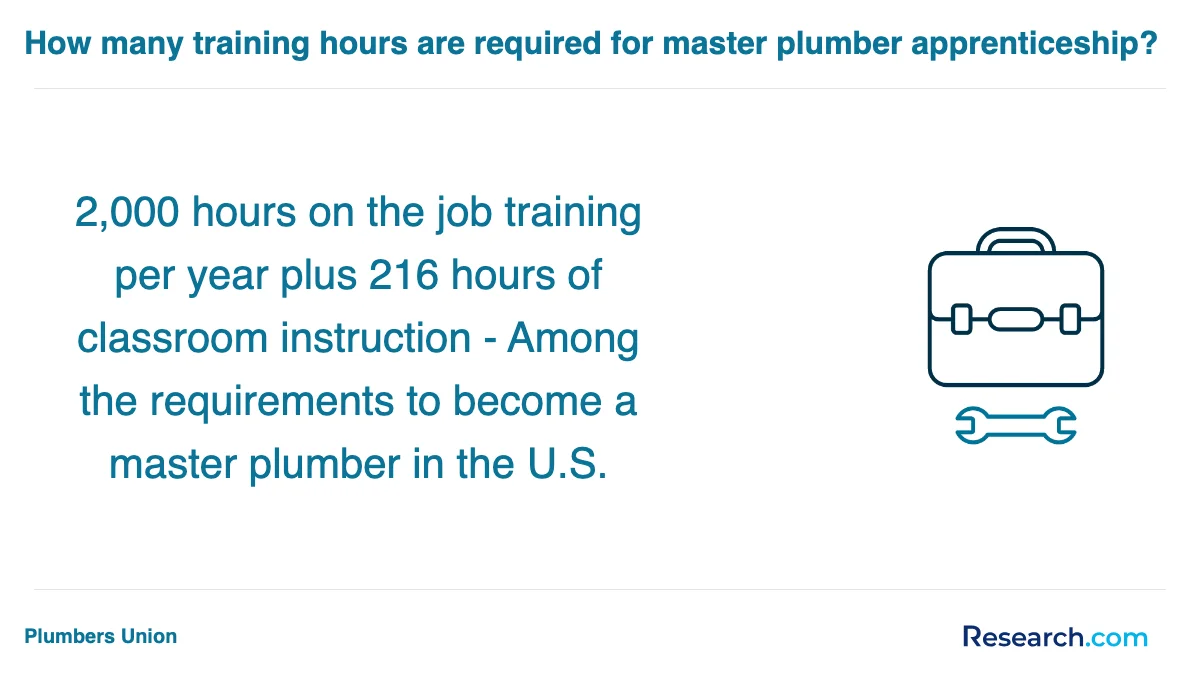
Many plumber trade school students in the South find financial aid a crucial support to make their training affordable. Graduates often share how filling out the FAFSA opened doors to federal grants like the Pell Grant, which in 2025 can provide up to $7,395 per year without repayment. For example, students at South Louisiana Community College frequently rely on this to reduce their tuition burden from the listed $6,000.
Beyond federal aid, state-specific grants help students based on residency, adding another layer of support. Veterans benefit from special educational programs through Veterans Affairs, which can cover much of tuition and even living stipends, easing their transition into civilian careers.
Trade schools in the region also offer tuition assistance and scholarships tailored for plumbing careers, rewarding both need and merit. Some programs, like the grant-funded offerings at Keefe at Night, provide full tuition coverage for eligible underemployed adults, creating real opportunities for those eager to start fresh.
These varied financial aid options make pursuing a plumbing career in the South feel achievable and encouraging for many students.
To enroll in a plumber trade school program in the South, you typically need a high school diploma or GED. This basic educational foundation ensures you can handle the technical reading, math, and safety instructions essential to plumbing work. Graduates from popular trade schools in the South often mention how their solid grasp of algebra and geometry, learned in high school, gave them confidence during hands-on training.
Beyond academics, schools expect you to pass a basic aptitude test assessing mechanical reasoning and problem-solving skills. This helps identify your potential to excel in plumbing tasks like reading blueprints or installing piping systems.
Physical fitness is another key prerequisite. Plumbing involves lifting, bending, and working in tight spaces, so being in good shape makes the learning process smoother and more enjoyable. Many students recall how staying active outside of class helped them breeze through practical labs.
- High school diploma or GED
- Basic mechanical aptitude test
- Good physical condition for manual work
- Positive attitude and willingness to learn
Trade schools in the South also appreciate when applicants show eagerness and a strong work ethic, qualities that graduates say made their experience rewarding and set them up for successful apprenticeships after graduation.
In Southern plumber trade schools, students quickly dive into essential courses that build both skill and confidence for real-world plumbing careers. Graduates often recall how hands-on training paired with foundational knowledge made them job-ready. Typical courses include:
- Introduction to the Plumbing Profession: Understand industry standards and professional conduct, setting the tone for a responsible career.
- Plumbing Safety: Learn OSHA guidelines and safe handling of tools and materials to protect yourself and coworkers on-site.
- Tools of the Plumbing Trade: Get familiar with tool usage and maintenance, a favorite part of many students who appreciate practical learning.
- Plumbing Math and Drawings: Master blueprint reading and measurements, crucial for accurate installations and repairs.
- Pipe Materials and Fittings: Explore different materials from copper to plastic, preparing you for diverse job requirements.
- Water Distribution and Sewer Collection Systems: Gain skills in installing and maintaining sustainable water systems, including green plumbing concepts.
- Plumbing Fixtures and Systems: Hands-on work with sinks, toilets, showers, and DWV systems rounds out your skill set.
For example, students at Technical College of the Lowcountry and Florence Darlington Technical College often mention how combining classroom theory with lab work helped them master these topics quickly, making the transition to apprenticeship or full employment smooth and exciting.
Plumber trade school programs in the South typically offer several practical specializations designed to prepare you for real-world challenges. Graduates often praise programs like those at Southeast Technical College, where plumbing technology covers installation and maintenance for both residential and commercial systems. Here, you'll learn to manage materials like copper and plastic, while mastering service calls and blueprint reading.
Other popular tracks include pipefitting and sprinkler fitting, which focus on larger commercial and industrial systems. These specializations train you to handle high-pressure piping and crucial fire protection setups-skills in high demand in Southern states. Smaller but significant is the well drilling specialization, vital for rural communities where maintaining water wells is essential.
Many students appreciate short-term certificate options through schools like South Louisiana Community College, which fast-track entry into trades with certifications employers value. For those interested in evolving options, green plumbing certification in Southern states is emerging, emphasizing sustainable water management practices.
If you're weighing your options, it's smart to compare plumber trade schools with other paths like college or trade school to find the best fit for your goals.
Choosing affordable plumbing trade schools in Southern United States means focusing first on accreditation and hands-on training. Graduates from programs like those at South Louisiana Community College often share how their practical workshops prepared them better than just textbook learning. It's important to verify the curriculum covers essential skills, pipefitting, safety protocols, and aligns with state licensing requirements, like those regulated by Louisiana's State Plumbing Board.
The best plumbing programs in Southern US offer flexible scheduling to fit personal commitments, as many successful students have balanced evening classes while working part-time. Facilities also matter-a graduate from Northshore Technical Community College praised their modern equipment and apprenticeship programs, which made the learning experience much more engaging and directly applicable to real jobs.
Remember, job placement and industry connections can greatly impact your career start. Programs like Delgado Community College have strong local ties leading to apprenticeships and employment.
For a broader perspective on career possibilities after completing such programs, consider exploring what careers can you go to trade school for.
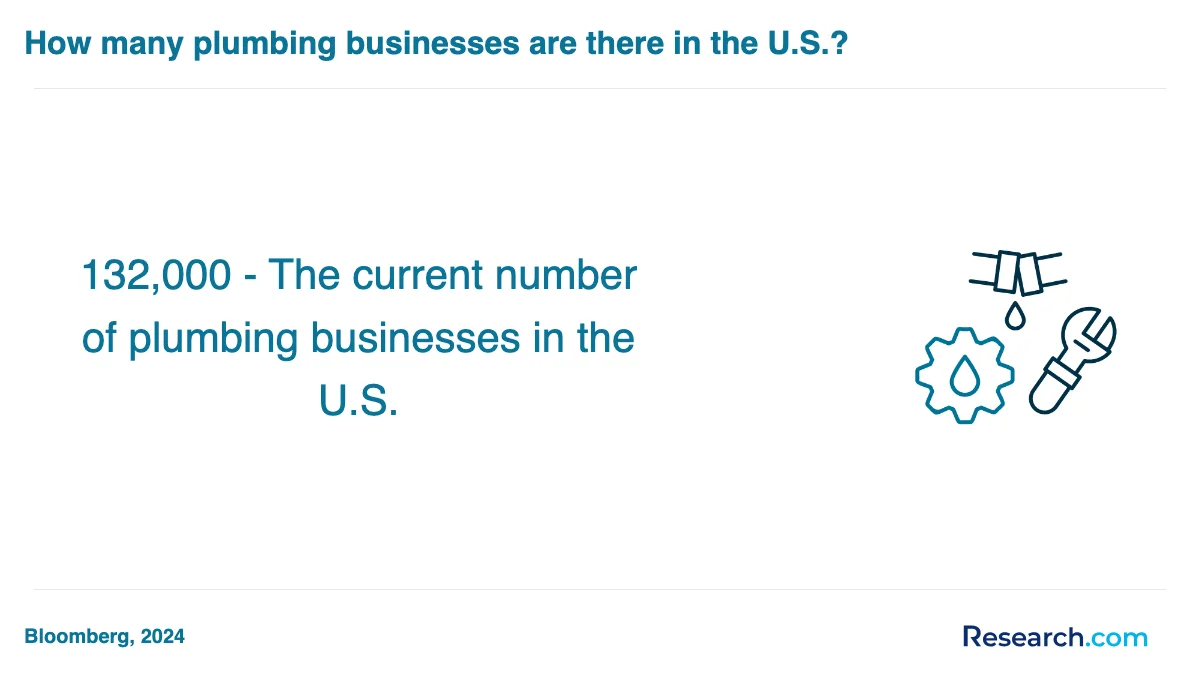
Graduates of plumber trade school programs in the South enter a variety of rewarding career paths, driven by strong demand for skilled workers. Many begin as apprentices or plumber's assistants, gaining hands-on experience through well-structured programs at schools like Midlands Technical College in South Carolina. With dedication, these graduates progress to journeymen, ultimately qualifying for licenses after completing thousands of hours in the field. This foundation opens doors to diverse roles such as pipefitters, steamfitters, and pipelayers, each playing a key part in residential and industrial projects.
In the southern US, plumbing career paths extend beyond installation to specialized areas like fire suppression system installation and maintenance technician roles. Graduates from Southeast Technical College often share success stories of transitioning quickly into full-time jobs, highlighting the 100% job placement rate that reflects the vibrant market for plumber job opportunities in South Carolina.
Beyond fieldwork, many advance into supervisory or project management roles, or even launch their own businesses. Others leverage their skills toward construction management or building inspection, often pursuing extra certifications to expand their options. Exploring the vocational training value can help you see why these paths are both accessible and promising.
The plumber job outlook in the South is strong and promising, especially for graduates from well-regarded trade schools in the region. Many graduates report finding steady work shortly after completing their programs, thanks to the high demand for plumbers in Southern states like Texas and Florida. This demand is fueled by rapid population growth, frequent new construction, and recovery efforts after weather events such as hurricanes. A common experience shared by recent graduates is joining small plumbing companies or municipal utility teams where their skills are urgently needed.
Several factors contribute to this positive job market:
- Steady growth in construction and retrofitting projects requiring updated plumbing systems
- Ongoing shortages of licensed plumbers creating openings across residential and commercial sectors
- Opportunities in emerging areas like water-saving technologies and smart home plumbing systems
If you're considering enrolling in a plumber program in the South, exploring options like the online trade school offerings can provide flexibility while preparing you for these in-demand roles. Many students find the hands-on training there closely mirrors real-world scenarios, boosting their confidence as they enter the workforce.
Most Affordable Plumber Schools & Training - Budget-Friendly Plumbing Trade Programs in South for 2026
# 1 position
Pima Community College - Plumbing Technology/Plumber.
certificate or diplomaPima Community College offers a hybrid Plumbing Technology/Plumber program designed to prepare students for licensure by teaching skills to install and maintain piping systems for various uses including steam, natural gas, and hot water. The curriculum covers technical math, blueprint reading, welding, plumbing inspection, and relevant codes. The program is accredited by the Higher Learning Commission. Annual in-state tuition is $2,370.
# 2 position
Collin County Community College District - Plumbing Technology/Plumber.
associateThe Plumbing Technology/Plumber program at Collin County Community College District offers a hybrid format with some distance education options. It prepares students to become licensed plumbers by teaching technical skills in installing and maintaining piping systems for various fluids and gases in residential and commercial settings. The curriculum includes instruction in water distribution, pressure adjustment, pipe installation, welding, plumbing codes, and blueprint reading. Annual in-state tuition is $1,864. The program is accredited by the Southern Association of Colleges and Schools Commission on Colleges.
# 3 position
Collin County Community College District - Plumbing Technology/Plumber.
certificate or diplomaCollin County Community College District offers a hybrid Plumbing Technology/Plumber program designed to prepare students for licensed plumbing careers. The curriculum covers technical skills for installing and maintaining piping systems in homes and businesses, including instruction in water distribution, blueprint reading, welding, and applicable codes. The program’s annual in-state tuition is $1,864. It is accredited by the Southern Association of Colleges and Schools Commission on Colleges.
# 4 position
Central New Mexico Community College - Plumbing Technology/Plumber.
associateCentral New Mexico Community College offers a hybrid Plumbing Technology/Plumber program designed to prepare students for licensing by developing technical skills in piping systems installation and maintenance. The curriculum covers water distribution, pressure adjustment, blueprint reading, welding, plumbing inspection, and relevant codes. Annual in-state tuition is $1,934. The program is accredited by the Higher Learning Commission and includes both hands-on and distance-education components.
# 5 position
Central New Mexico Community College - Plumbing Technology/Plumber.
certificate or diplomaCentral New Mexico Community College offers a hybrid Plumbing Technology/Plumber program that prepares students to become licensed plumbers. The curriculum covers technical skills for installing and maintaining piping systems for steam, natural gas, oil, hot water, and more. Instruction includes water distribution, pressure adjustment, physics, mathematics, blueprint reading, welding, plumbing inspection, and codes. Annual in-state tuition is $1,934. The program is accredited by the Higher Learning Commission.
# 6 position
West Georgia Technical College - Plumbing Technology/Plumber.
certificate or diplomaWest Georgia Technical College offers a Plumbing Technology/Plumber program that prepares students to become licensed plumbers. The curriculum covers laying out, assembling, installing, and maintaining piping systems for various applications, including steam, natural gas, and water. Instruction includes technical mathematics, blueprint reading, pipe installation, welding, plumbing inspection, and relevant codes. The program’s annual in-state tuition is $3,122 and is accredited by the Southern Association of Colleges and Schools Commission on Colleges.
# 7 position
Cleveland Community College - Plumbing Technology/Plumber.
certificate or diplomaCleveland Community College offers a hybrid Plumbing Technology/Plumber program designed to prepare students for licensed plumbing careers. The curriculum covers installation and maintenance of piping systems for various utilities, including steam, natural gas, and hot water. Instruction includes technical math, blueprint reading, welding, and applicable codes. The program’s annual in-state tuition is $2,602 and it is accredited by the Southern Association of Colleges and Schools Commission on Colleges.
# 8 position
Atlanta Technical College - Plumbing Technology/Plumber.
certificate or diplomaAtlanta Technical College offers a hybrid Plumbing Technology/Plumber program that prepares students to become licensed plumbers. The curriculum covers installation and maintenance of piping systems for various fluids, including steam and natural gas, in residential and commercial settings. Instruction includes technical mathematics, blueprint reading, welding, plumbing codes, and system inspection. The program’s annual in-state tuition is $3,164. It is accredited by the Southern Association of Colleges and Schools Commission on Colleges.
# 9 position
Central Georgia Technical College - Plumbing Technology/Plumber.
certificate or diplomaCentral Georgia Technical College offers a hybrid Plumbing Technology/Plumber program that trains students to install and maintain piping systems for various uses, including steam, natural gas, and hot water. The curriculum covers technical mathematics, blueprint reading, welding, plumbing inspection, and applicable codes. Annual in-state tuition costs $3,180. The program is accredited by the Southern Association of Colleges and Schools Commission on Colleges.
# 10 position
Pensacola State College - Plumbing Technology/Plumber.
certificate or diplomaPensacola State College offers a hybrid Plumbing Technology/Plumber program that prepares students to become licensed plumbers. The curriculum covers installation and maintenance of piping systems for various applications, including steam, natural gas, and hot water. Instruction includes technical mathematics, blueprint reading, welding, plumbing inspection, and applicable codes. The program’s annual in-state tuition is $2,348 and it is accredited by the Southern Association of Colleges and Schools Commission on Colleges.
Frequently Asked Questions about plumber
After completing plumber trade school in South, the next step is to prepare effectively for entering the job market. Start by obtaining the necessary state licenses, as South requires plumbers to be licensed, usually after passing the state exam and completing an apprenticeship. According to the South Carolina Department of Labor, apprenticeships can last 2 to 5 years, combining on-the-job training with classroom instruction.
Networking plays a crucial role. Engage with local unions, trade associations, and plumbing contractors to find job opportunities. Many schools also offer job placement assistance or career fairs specifically for trade students.
Building a strong resume that highlights both your technical skills and hands-on experience can improve your chances. Additionally, consider continuing education to stay updated on plumbing codes and new technologies, which employers value highly.
Employers in the South prioritize practical skills when hiring plumber trade school graduates. Key abilities include proficiency in reading blueprints, understanding local plumbing codes, and mastering pipefitting techniques. According to the U.S. Bureau of Labor Statistics, plumbers in Southern states often need strong troubleshooting skills to address diverse residential and commercial systems.
Technical knowledge is critical, but employers also value soft skills such as communication and teamwork. Many plumbing jobs require coordinating with contractors and clients, making these abilities essential for career success. Trade schools in the South typically focus on hands-on training to prepare students for these demands.
Additionally, familiarity with safety protocols is crucial, as workplace injuries remain a concern in the plumbing industry nationwide. Programs accredited by recognized bodies ensure graduates meet these standards, enhancing their employability.
Finding internships relevant to plumber trade school programs in South involves several strategic steps. Start by contacting local trade schools and technical colleges, as many have partnerships with plumbing companies offering internship opportunities. According to the U.S. Bureau of Labor Statistics, apprenticeships and internships in skilled trades have grown by 5% annually, reflecting increasing demand in the region.
Networking is crucial; join local chapters of organizations like the Plumbing-Heating-Cooling Contractors Association (PHCC) of South to connect with professionals and employers. Online job boards focused on trades, such as Apprenticeship.gov, also list plumbing internships available specifically in southern states.
Additionally, visit local unions and workforce development centers. These agencies often coordinate hands-on training programs and can guide students to paid internships that meet educational requirements.
Obtaining a plumber trade school diploma in South significantly enhances career mobility and advancement opportunities. According to the U.S. Bureau of Labor Statistics, plumbers in Southern states experience steady job growth, with an average increase of 10% projected through 2031. A formal diploma provides foundational skills and industry-recognized credentials, which employers value when considering promotions or higher-level positions.
Trade school graduates often qualify for apprenticeships and licensing exams required by Southern states, such as Texas and Georgia. These certifications open doors to better-paying jobs and supervisory roles. Additionally, diplomas demonstrate commitment and technical competence, increasing competitiveness in a crowded job market.
The Southern Regional Education Board highlights that skilled trades education correlates with a 15% higher average income in the region, reflecting real economic benefits tied to plumber diplomas.
Students enrolled in plumber trade schools in South often seek part-time jobs that reinforce their learning and build practical skills. Common opportunities include apprentice plumber roles, which provide hands-on experience under licensed professionals. According to the U.S. Bureau of Labor Statistics, apprenticeships are a key pathway to becoming a licensed plumber and can pay between $15 and $20 per hour in the South region.
Other complementary jobs include working as maintenance technicians or helpers in construction companies. These roles help students understand plumbing systems in real-world settings. Retail positions at hardware stores also allow future plumbers to learn about tools and materials used in the trade.
These part-time roles not only support financial needs but also enhance a student's resume and increase employability after graduation.
Yes, there are affordable plumbing degree programs available near South, which can be accessed through community colleges and technical schools. Prospective students looking for programs "near me" should research local vocational schools or community colleges, as many offer hands-on training and certification in plumbing at competitive tuition rates. Research.com can be a helpful resource to explore which institutions have plumbing programs that align with affordability and proximity requirements.
- Trade School vs. College: Pros and Cons | SharkBite https://www.sharkbite.com/us/en/resources/blog/industry-insights/plumber-spotlights/trade-school-vs-college-heres-what-you-need-to-consider
- Plumber Apprentice: Unlock Career Success | Eastwick College https://eastwick.edu/articles/unlocking-career-success-the-path-of-a-plumber-apprentice/
- Benefits of Becoming a Plumber - Consider a Future in Plumbing | Justice Plumbing https://www.justiceplumbing.com/blog/2021/july/benefits-of-becoming-a-plumber/
- Choosing a Career in the Plumbing Trade | HoldRite https://www.holdrite.com/us/en/construction-careers
- Plumbing Trade School and Training Guide | NEIT https://www.neit.edu/blog/plumbing-trade-school
- How To Become A Plumber In South Australia | Mcmullen Trades https://www.mcmullentrades.com.au/blog/how-to-become-a-plumber-in-sa
- Become a Plumber: Training Timeline at Miller-Motte https://www.miller-motte.edu/how-long-does-it-take-to-become-a-plumber/
- Plumbing Training course in South Africa https://cranestraining.com/plumbing.php
- Apprenticeship FAQ's > Apprenticeships > Careers > Master Plumbers Association of South Australia Inc. - formerly known as PIASA https://www.mpasa.com.au/apprenticeships/apprenticeships-about/apprenticeship-faqs/
- Plumbing Course | Plumber Training | NewGen Trade Schools https://newgentradeschools.co.za/plumbing-course-2


