Best Plumber Training Programs & Trade Schools - Top Plumbing Schools in West for 2026

Co-Founder and Chief Data Scientist
Choosing the right plumber trade school is an important step toward a rewarding career in the West. This article introduces a carefully crafted plumber trade school programs ranking developed by the Research.com team of data scientists. It is designed to help you make an informed choice about which programs truly stand out.
By exploring these top schools, you can find the training that fits your goals and lifestyle. Earning a diploma or certification opens doors to skilled work and steady opportunities. Take the first step toward a fulfilling future in plumbing today.
Key benefits of finishing plumber trade school in West
- Graduates of plumber trade schools in the West can expect strong earnings, with average salaries ranging from $50,505 for entry-level plumbers to over $80,000 for master plumbers, especially in high-demand areas like California and Oregon.
- A graduate from a popular West Coast trade school might start as an apprentice, then advance to journeyman or master plumber roles, opening doors to specialized fields like pipefitting or plumbing inspection.
- Completing plumber trade school online offers flexibility and quicker entry into the workforce, as shown by graduates from well-known online programs in the West who balance study with work and gain skills without the time and cost of a traditional degree.
- Best Plumber Training Programs & Trade Schools - Top Plumbing Schools in West for 2026
- What can I expect from plumber trade schools in West?
- Where can I work after finishing plumber trade schools in West?
What can I expect from plumber trade schools in West?
Students enrolling in plumber trade school programs in the West can expect a balanced mix of classroom learning and hands-on training, often structured around an "earn while you learn" apprenticeship model. Graduates from programs like those at Bridgerland Technical College in Utah report spending significant time both mastering technical skills-such as plumbing installation, blueprint reading, and interpreting plumbing codes-and working in paid, supervised job placements.
Many programs last three to five years, requiring approximately 7,500 to 8,000 hours of on-the-job training coupled with 500 to 720 hours of classroom instruction. In Wyoming, Northwest College combines online, in-person, and workplace learning to prepare students thoroughly for the journeyman plumber exam over four years.
Students often describe feeling confident as they learn safety standards, system design, pipefitting, and the practical use of plumbing tools. The real-world experience gained during apprenticeships helps build professionalism, punctuality, and collaboration skills, essential traits valued by employers in the plumbing industry.
Where can I work after finishing plumber trade schools in West?
Graduates from plumber trade school programs in the West often begin their careers as apprentices with plumbing companies or union programs, gaining hands-on experience under licensed professionals. For example, students from well-known West Coast trade schools report quickly securing apprenticeships in cities like Portland and Phoenix, where structured pathways lead to journeyman and master plumber licenses. This progression significantly boosts their earning potential and job stability.
Residential and commercial plumbing companies are the most common employers, regularly hiring apprentices and technicians. Graduates find roles in service plumbing or technician positions, with many advancing to journeyman or master plumber status earning $6,500 to $12,000 monthly in urban markets. Leadership opportunities, such as plumbing manager roles, also become attainable, offering salaries between $80,000 and $130,000 annually.
Public sector jobs with municipalities and government agencies provide additional career routes, involving maintenance of public infrastructure and emergency response. Specialized fields like natural gas piping and green technologies are emerging areas, especially for those with extra certifications, enhancing career diversity and job security in the West.
After completing a plumber trade school program in the West, new graduates often see starting wages around $29.99 per hour, translating to approximately $62,400 annually for full-time work. Graduates from popular trade schools in California and Oregon report entering the workforce with salaries that comfortably exceed national entry-level averages, which typically range from $50,000 to $53,000 per year.
As these graduates gain experience and obtain certifications, their income grows significantly. Journeyman plumbers in states like Washington and Oregon can expect salaries between $64,360 and $68,776 annually, with hourly rates from $31.00 to $33.07. Many graduates find this progression motivating, as it reflects their growing expertise and commitment.
Master plumbers or those who move into supervisory roles often report earnings between $63,618 and $98,000 per year, with hourly wages reaching up to $47.12. Overtime opportunities, averaging an additional $6,750 annually, further boost income, making plumbing a rewarding career path for those who complete trade school programs in the West.
- Plumber trade school programs in the West combine classroom learning with hands-on training, covering plumbing codes, safety, blueprint reading, and pipe joining methods.
- Admission usually requires a high school diploma or GED, and some programs allow high school students to start early with introductory courses.
- Programs typically last one to two semesters, with diploma courses ranging from 9 to 32 credits depending on the credential level.
- Tuition costs range from about $3,500 to $7,000 per semester for diploma programs, while certificate programs cost around $2,000 to $3,000 total.
- Job demand for plumbers in the West is expected to grow by 17% from 2020 to 2030, with entry-level salaries around $40,000 to $50,000 per year.
- Completing a program helps students qualify for journeyman licenses and apprenticeships, increasing job opportunities and potential earnings above $60,000 annually.
Completing a plumber trade school program in the West typically takes between 6 months and 1 year, depending on the intensity and format of the course. Graduates from well-known trade schools in the region often share that the accelerated schedules allowed them to finish quickly while gaining hands-on experience that made them confident entering the workforce.
Many programs combine classroom instruction with practical workshops, enabling students to learn essential skills like pipefitting and system diagnostics within a condensed timeframe. For example, those attending popular trade schools in urban areas of the West recall how immersive training helped them understand real-world plumbing challenges, making long days of study feel rewarding.
The balance between theory and practice in these programs is designed to keep students engaged and motivated. Graduates frequently mention feeling prepared and optimistic about their career prospects shortly after completing their courses, highlighting the positive impact of completing a plumber trade program in under a year.
The primary difference between online and on-campus plumber trade school programs in the West centers on delivery method and hands-on training access. Online programs, such as those offered by NexTech Academy, provide students with flexibility to learn at their own pace and maintain work or family commitments. Graduates often appreciate the convenience of studying from home while using digital modules and video demonstrations that replicate real-world scenarios. However, these students must proactively secure local apprenticeships or training sites to meet state-required hands-on hours, which can be challenging but rewarding when paired with supportive local mentors.
On-campus programs immerse students in a physical classroom with immediate access to experienced instructors and peers. Graduates from these programs frequently highlight the value of in-person feedback and collaborative problem-solving during labs, which increases confidence and skill mastery. While on-campus attendance demands fixed schedules and travel, many find the structured environment enhances focus and networking opportunities, critical for job placement in Western plumbing markets.
The average cost of plumber trade schools in the Western United States typically ranges from $1,250 to $3,000 for certificate programs that last up to 18 months. Graduates from popular trade schools in the West often emphasize the value and affordability of these programs, noting how manageable tuition fees make pursuing a plumbing career accessible. Community colleges in the region generally charge higher tuition fees, averaging around $3,440 annually for in-state students, offering a more comprehensive education that includes general studies alongside plumbing-specific training.
Many students find apprenticeship programs especially appealing, combining on-the-job experience with classroom learning over four to five years. For example, apprenticeships in Western states may have semester fees around $520, making the overall investment gradual while students earn income concurrently. Positive feedback from these graduates highlights the real-world skills gained as both motivating and confidence-building.
Additional expenses such as tools, books, and equipment significantly influence the total cost, ranging widely from $500 up to $10,000 depending on the selected trade school and program intensity. These costs should be factored in when estimating tuition fees for plumbing programs in Western states. Prospective students seeking financial strategies to cover these costs often explore scholarships or grants offered by institutions.
For those weighing their training options, understanding the difference between programs can help. Resources comparing vocational school vs trade school provide further clarity and financial insight for students pursuing plumbing education in the West.
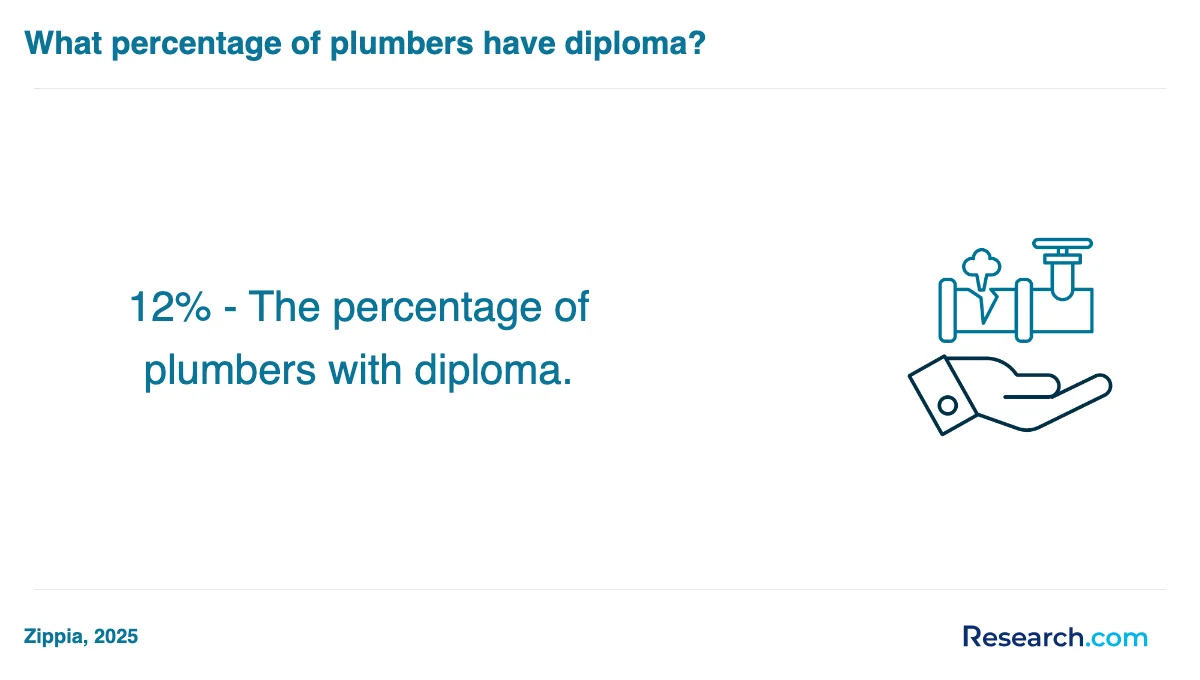
Plumber trade school students in the West commonly access federal and state financial aid programs to manage tuition and related expenses. By completing the Free Application for Federal Student Aid (FAFSA), many graduates secure Pell Grants or state-specific grants, which significantly ease the cost burden at popular schools like community colleges offering programs with annual tuition around $4,100 for in-state students.
Beyond grants, federal and private student loans provide flexible repayment plans, allowing students to invest in their education with manageable monthly payments after graduation. Graduates often share relief at finding these options tailored to their financial situation, helping them avoid overwhelming debt.
Institutional scholarships are another key support. For example, the Fluidmaster PHCC Scholarship offers up to $3,500, while the Golden West Plumbing, Heating, and Air Conditioning Scholarship gives $1,000 awards based on essays and goals. Recipients at West Coast trade schools frequently highlight how these scholarships enabled them to focus fully on training without financial stress.
Employer sponsorships and apprenticeships also play a crucial role. Many schools collaborate with local unions and businesses, providing tuition reimbursement or paid work opportunities. Graduates often describe these programs as life-changing, as they combine earning with learning and guarantee job prospects, sometimes backed by initiatives like the TSTC Money-Back Guarantee.
Finally, students benefit from exploring state-specific aid and local workforce resources, which can offer additional grants or scholarships. This comprehensive approach to funding plumbing education in the West helps students feel supported and optimistic about their career paths.
Enrolling in a plumber trade school program in West typically requires candidates to meet several key prerequisites that ensure readiness for the hands-on, technical training ahead. Most popular trade schools in West expect applicants to have a high school diploma or GED, which lays the foundation in basic math and science skills crucial for plumbing work.
Beyond formal education, schools often look for practical qualities demonstrated by past graduates who describe their own journeys:
- A strong willingness to work with one's hands and solve problems creatively, often highlighted by graduates who felt excited by their first real plumbing repairs during internships.
- Basic understanding of tools and safety procedures, as many students mention feeling more confident entering classes after some prior exposure, such as summer jobs or family projects.
- Physical stamina and dexterity, necessary for the demanding nature of plumbing tasks, which graduates frequently cite as rewarding despite initial challenges.
Applicants may also need to pass a placement test in math or reading, depending on the trade school's standards in West, helping tailor instruction to individual skill levels. Some programs recommend or require background checks to ensure safety during apprenticeships.
These prerequisites create a supportive environment where students can thrive, turning curiosity and determination into skilled craftsmanship, as reflected in the positive feedback from those completing their programs at well-regarded West trade schools.
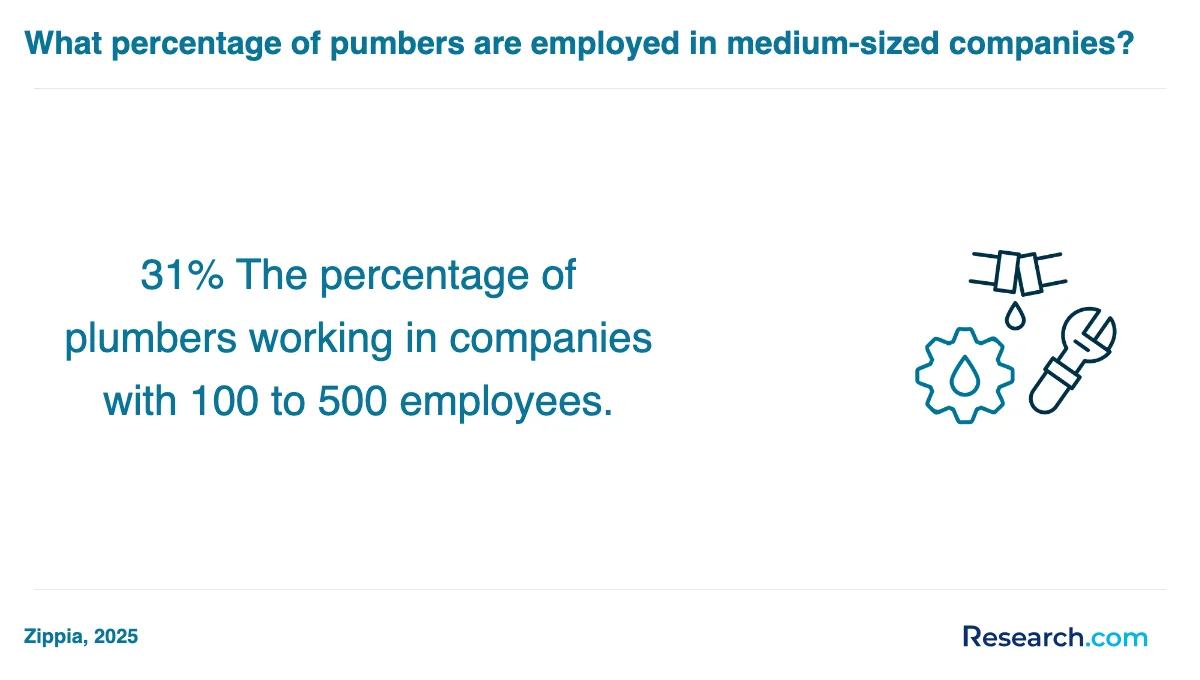
Plumber trade school programs in the Western United States typically include a well-rounded set of courses designed to equip students with both theoretical knowledge and practical skills. Graduates from popular Western trade schools consistently highlight the value of starting with basic plumbing safety and tool familiarization, which builds confidence for real-world tasks.
Core technical courses often cover:
- Pipefitting and piping techniques: assembling and repairing pipes, essential for residential and commercial projects.
- Soldering and brazing: mastering leak-proof joins, a favorite hands-on skill among students.
- Plumbing fixtures and faucets: installing and maintaining sinks, toilets, and showers, with instructors emphasizing real household scenarios.
- Valves and water heaters: installation and servicing, crucial for managing home and business water systems.
Students also engage deeply with blueprint reading and plumbing codes, learning to interpret technical drawings and apply standards like the Universal Plumbing Code. This knowledge ensures compliance and helps graduates feel prepared for licensing exams.
Advanced topics include drainage systems, venting, pumps, and traps, often taught through interactive labs that simulate troubleshooting in live setups. Many students appreciate modules on customer service and trade mathematics, which sharpen their problem-solving and client interaction skills.
Plumber trade school programs in the Western United States offer a range of specializations tailored to equip students with practical skills and industry knowledge. Graduates from respected schools such as Western States College of Construction often highlight hands-on training in essentials like pipe installation and system maintenance, which are foundational for multiple career paths.
Common specializations include:
- Residential Plumbing: Focused on home plumbing systems, including fixture repair and pipe installation.
- Commercial Plumbing: Involves managing complex systems in offices, schools, and hospitals, with an emphasis on commercial building codes.
- Pipefitting and Steamfitting: Specialized in high-pressure and industrial piping systems, preparing students for factories and power plants environments.
- Medical Gas Piping: Training for healthcare facilities focusing on safety and regulatory compliance.
- Green Plumbing: Emphasizes sustainable solutions like water-saving fixtures and energy-efficient heating.
- Sprinkler Fitting: Concentrates on fire safety systems installation and maintenance.
- Plumbing Inspection: Prepares students for safety inspections and ensuring code compliance in finished work.
Students in Washington benefit from programs such as the Seattle Area Pipe Trades Apprenticeship offering targeted training in HVAC Refrigeration, Steamfitting, and both residential and commercial plumbing. This makes the Western U.S. a vibrant region for those aiming to excel in diverse plumbing roles.
Many graduates recount how comprehensive curricula, including math, science, and blueprint reading, provided a strong foundation to confidently enter the workforce. These programs reflect the growth in trade careers, highlighting the expanding opportunities available to new plumbing professionals in the West.
To choose the best plumbing trade schools in the West, prioritize accredited programs that blend classroom learning with hands-on training. Graduates from well-known Western colleges often share how practical workshops and internships helped them confidently tackle real plumbing challenges on the job. Accreditation from recognized bodies ensures your credentials are respected by employers and state licensing boards, crucial for long-term career success.
Comparing program costs is essential, especially when considering how to compare plumbing school costs in Western states. Public technical colleges typically offer more affordable tuition and financial aid options, a factor many recent graduates appreciated as it reduced their debt burden while maintaining quality education.
Look for schools with strong graduation rates and job placement services, as these indicate reliable pathways into the workforce. Many students found value in programs that connect them directly to local unions and employers, making the transition smoother.
For a comprehensive view of available options, reviewing external rankings and student feedback is helpful. You can explore a curated list of trade school online programs to identify reputable institutions that fit your needs in the West.
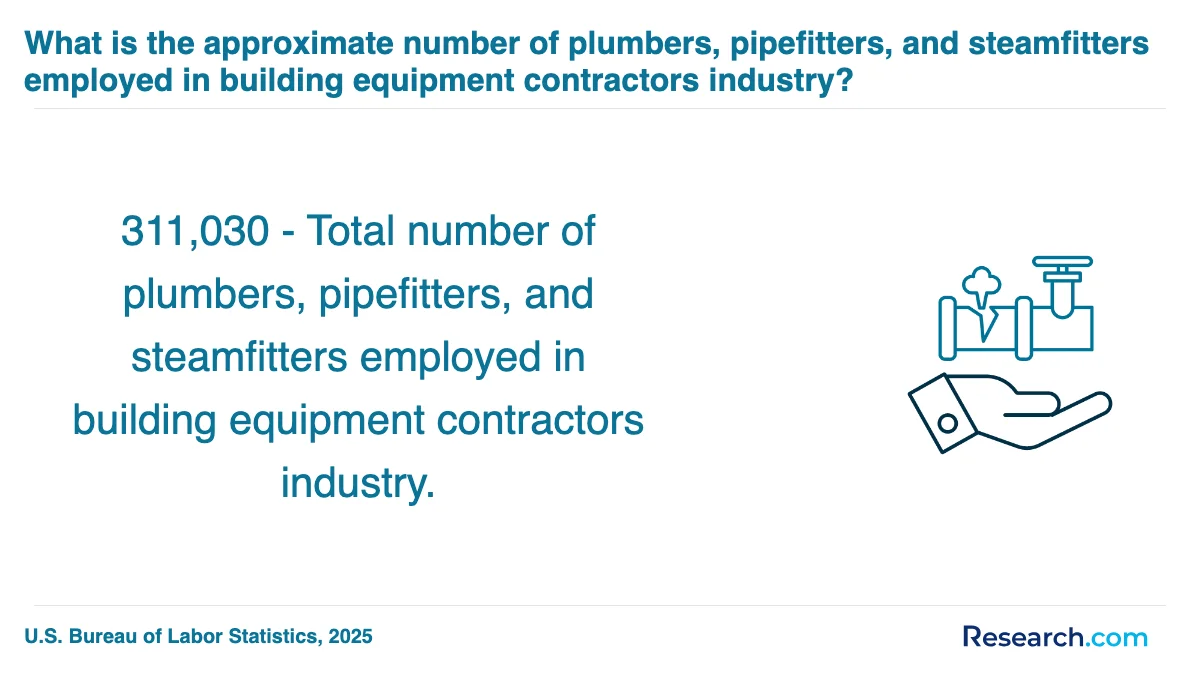
Graduates of plumber trade school programs in West often begin their careers as apprentice plumbers, gaining valuable hands-on experience through plumbing apprenticeship programs in Western states that last four to five years. These apprentices develop core skills such as blueprint reading, pipe installation, and fixture repair while working alongside seasoned professionals. Many report that this real-world training makes the transition into full-time roles smoother and more rewarding.
Following apprenticeship and licensing, typical career paths include becoming journeyman plumbers who work independently on residential, commercial, or industrial projects. Some choose to join established companies, while others launch their own businesses, handling installations, repairs, and client consultations daily.
Specialization is another exciting opportunity. Graduates often focus on commercial plumbing, septic system service, steamfitting, or industrial pipefitting, collaborating with other trades on large construction projects. Advancement can lead to master plumber status, enabling business ownership and project supervision.
Additionally, maintenance technician and supervisory roles offer diverse options for those interested in broader facility management or team leadership. Graduates from popular Western trade schools frequently praise how these multiple career paths provide stable and satisfying employment.
For those considering their options, exploring online trade school programs can offer flexible access to training that aligns with evolving industry demands.
The plumber job outlook in Western states remains strong, fueled by ongoing construction, infrastructure upgrades, and a notable plumbing labor shortage in the West. Graduates from popular plumber trade schools in the region often find opportunities with plumbing contractors, especially if they have welding skills, which enhance employability. Many reported quick placements in entry-level roles, which typically offer attractive salaries ranging around $57,700 to $59,000 annually in states like Washington and California. Skilled tradespeople replacing retiring workers further drive demand, with nearly 42,600 job openings expected annually just from turnover and retirements.
Real-life scenarios from trade school graduates often highlight steady work in metropolitan hubs or suburban remodeling projects focused on bathroom renovations and new wastewater systems. These hands-on experiences emphasize the positive job stability that attracts many to the trade, especially as new water efficiency regulations increase project volumes.
For students still weighing their options, understanding why college is better than trade school can further clarify the advantages of specialized trade training in this growing market.
Best Plumber Training Programs & Trade Schools - Top Plumbing Schools in West for 2026
# 1 position
Emily Griffith Technical College - Plumbing Technology/Plumber.
certificate or diplomaEmily Griffith Technical College offers a hybrid Plumbing Technology/Plumber program that prepares students to become licensed plumbers. The curriculum covers installation and maintenance of piping systems for various applications, including steam, natural gas, and hot water. Instruction includes technical mathematics, blueprint reading, welding, plumbing codes, and inspection. The program is accredited by the Council on Occupational Education. Median earnings one year after completion are $63,386.
# 2 position
Dixie Technical College - Plumbing Technology/Plumber.
certificate or diplomaDixie Technical College offers a hybrid Plumbing Technology/Plumber program that prepares students to become licensed plumbers. The curriculum covers technical skills such as pipe installation, welding, soldering, plumbing inspection, and applicable codes. Instruction includes water distribution, pressure adjustment, blueprint reading, pumps, and basic physics. The program is accredited by the Council on Occupational Education and combines classroom learning with practical applications for residential and commercial systems.
# 3 position
Mountainland Technical College - Plumbing Technology/Plumber.
certificate or diplomaMountainland Technical College offers a hybrid Plumbing Technology/Plumber program designed to prepare students for licensure. The curriculum covers installation and maintenance of piping systems for various applications, including steam, natural gas, and water. Instruction includes technical math, blueprint reading, welding, plumbing codes, and inspection. The program is accredited by the Council on Occupational Education and combines hands-on training with some distance education options.
# 4 position
Bridgerland Technical College - Plumbing Technology/Plumber.
certificate or diplomaBridgerland Technical College offers a hybrid Plumbing Technology/Plumber program designed to prepare students for licensure. The curriculum covers installation and maintenance of piping systems for various uses, including steam, natural gas, and water. Instruction includes technical mathematics, blueprint reading, welding, plumbing inspection, and applicable codes. The program is accredited by the Council on Occupational Education and includes distance-education options to accommodate diverse learning needs.
# 5 position
College of San Mateo - Plumbing Technology/Plumber.
certificate or diplomaThe Plumbing Technology/Plumber program at College of San Mateo offers a hybrid format with some distance-education options. It prepares students to become licensed plumbers by teaching skills to install and maintain piping systems for various uses, including steam, natural gas, and water. The curriculum covers technical math, blueprint reading, welding, plumbing inspection, and relevant codes. Annual in-state tuition is $1,332. The program is accredited by the Western Association of Schools and Colleges Accrediting Commission for Community and Junior Colleges.
# 6 position
Perry Technical Institute - Plumbing Technology/Plumber.
certificate or diplomaThe Plumbing Technology/Plumber program at Perry Technical Institute is a hybrid program designed to prepare students for licensed plumbing careers. It covers technical skills such as pipe installation, welding, blueprint reading, and plumbing inspection. Instruction includes water distribution, pressure adjustment, and applicable codes. The program is accredited by the Accrediting Commission of Career Schools and Colleges.
# 7 position
Ogden-Weber Technical College - Plumbing Technology/Plumber.
certificate or diplomaOgden-Weber Technical College offers a Hybrid Plumbing Technology/Plumber program designed to prepare students for licensed plumbing careers. The curriculum covers installation and maintenance of piping systems for various applications, including steam, natural gas, and water distribution. Instruction includes technical math, blueprint reading, welding, and plumbing codes. The program is accredited by the Council on Occupational Education, ensuring recognized standards in training and education.
# 8 position
Davis Technical College - Plumbing Technology/Plumber.
certificate or diplomaA hybrid Plumbing Technology/Plumber program at Davis Technical College trains students to install, maintain, and repair piping systems for various applications, including steam, natural gas, and water. Coursework covers pressure adjustment, blueprint reading, welding, and applicable codes. The program is accredited by the Council on Occupational Education and includes instruction in technical mathematics, plumbing inspection, and pump operation to prepare individuals for licensed practice.
# 9 position
Summit College - Plumbing Technology/Plumber.
certificate or diplomaA program that prepares individuals to practice as licensed plumbers by applying technical knowledge and skills to lay out, assemble, install, and maintain piping fixtures and systems for steam, natural gas, oil, hot water, heating, cooling, drainage, lubricating, sprinkling, and industrial processing systems in home and business environments. It includes instruction in source determination, water distribution, waste removal, pressure adjustment, basic physics, technical mathematics, blueprint reading, pipe installation, pumps, welding and soldering, plumbing inspection, and applicable codes and standards. Accredited by the Accrediting Council for Continuing Education & Training.
# 10 position
Diablo Valley College - Plumbing Technology/Plumber.
associateDiablo Valley College offers a hybrid Plumbing Technology/Plumber program that prepares students to become licensed plumbers. The curriculum covers installation and maintenance of piping systems for various applications, including steam, natural gas, and hot water. Instruction includes technical mathematics, blueprint reading, welding, and plumbing codes. The annual in-state tuition is $1,312. The program is accredited by the Western Association of Schools and Colleges Accrediting Commission for Community and Junior Colleges.
Frequently Asked Questions about plumber
After completing a plumber trade school in West, preparing for the job market involves several key steps. First, graduates should obtain necessary state or local licenses, which often require passing an exam and completing an apprenticeship. According to the U.S. Bureau of Labor Statistics, plumbers in the Western states typically earn between $50,000 and $70,000 annually, with demand expected to grow by 5% through 2031.
Networking is essential: joining local unions or trade organizations can connect new plumbers with employers. Additionally, creating a professional resume highlighting hands-on training and certifications increases job prospects. Many schools in West also offer career services to assist with job placement.
Employers in West seek plumber trade school graduates with strong technical skills, including pipefitting, welding, and blueprint reading. According to the U.S. Bureau of Labor Statistics, proficiency in using plumbing tools and understanding local plumbing codes is essential for job readiness.
Beyond technical knowledge, problem-solving abilities and attention to detail are highly valued. Plumbers often diagnose issues that require critical thinking and precision to ensure safety and compliance.
Communication skills also rank high, as plumbers must explain problems and solutions to clients and work effectively with team members. The West's growing construction industry demands adaptability and willingness to learn emerging technologies, such as green plumbing systems.
Finding internships in West related to plumber trade school programs involves targeted research and outreach. Start by contacting local trade schools and community colleges, as many partner with plumbing companies to offer hands-on internships. The U.S. Department of Labor's Apprenticeship.gov website lists registered plumbing apprenticeships available in West, which often include paid training and work experience.
Networking with local plumbers' unions and industry associations, such as the United Association (UA), can also uncover internship opportunities. According to the Bureau of Labor Statistics, West has a growing demand for skilled plumbers, increasing internship availability.
Online job boards focused on trades, like Indeed or Trade-Schools.net, often post plumbing internships specific to West.
Obtaining a plumber trade school diploma in West significantly enhances career mobility and advancement opportunities. According to the U.S. Bureau of Labor Statistics, plumbers in the region earn a median annual wage above the national average, reflecting strong demand for skilled tradespeople. Completing a diploma program provides essential technical skills and industry certifications, which many employers require for higher-level positions.
Graduates often find easier access to apprenticeships and journeyman licenses, critical steps for career progression in plumbing. Additionally, diploma holders report faster job placement and higher starting salaries compared to those without formal training, as noted by West's Department of Labor.
Overall, a plumber trade school diploma acts as a valuable credential, opening doors to better job stability and potential supervisory roles within the region's construction and maintenance sectors.
Students enrolled in plumber trade schools in West can benefit from part-time jobs that provide hands-on experience and supplement their technical training. Common opportunities include working as plumbing apprentices or helpers, roles that enable learners to apply classroom knowledge on real job sites. According to the U.S. Bureau of Labor Statistics, apprenticeships in plumbing can increase employability and earnings potential upon program completion.
Other complementary part-time jobs involve construction labor or maintenance technician positions. These roles help develop related skills such as tool handling, safety practices, and understanding building codes, which are crucial in plumbing work.
Local unions and trade organizations in West often post part-time openings suitable for students, offering pathways to licensure and networking in the plumbing industry.
To choose the best plumbing program near you in the West, consider researching technical institutions or community colleges that offer specialized plumbing degrees or certifications. Programs near me provide hands-on training and cover important areas such as pipefitting, blueprint reading, and safety protocols. Consulting resources like Research.com can help identify highly ranked programs near West regions known for their comprehensive curriculum and industry connections.
- Plumbing Salary - CareerExplorer https://www.careerexplorer.com/degrees/plumbing-degree/salary/
- Plumbers, Pipefitters, and Steamfitters : Occupational Outlook Handbook: : U.S. Bureau of Labor Statistics https://www.bls.gov/ooh/construction-and-extraction/plumbers-pipefitters-and-steamfitters.htm
- Average Plumber Salary in Poland for 2025 https://worldsalaries.com/average-plumber-salary-in-poland/
- Average Plumber Salary (Annually & Hourly) | Faraday https://faradaycareers.com/careers/plumber-salary
- 3 Possible Careers after Plumbing School/Training - PCI https://porterchester.edu/3-possible-careers-after-plumbing-school-training/
- 5 Things To Expect From a Plumbing Program at Trade School | Miller-Motte College https://www.miller-motte.edu/what-to-expect-from-plumbing-program/
- Trade School vs. College: Pros and Cons | SharkBite https://www.sharkbite.com/us/en/resources/blog/industry-insights/plumber-spotlights/trade-school-vs-college-heres-what-you-need-to-consider
- Plumbing Trade School and Apprenticeship Guide | Interplay https://www.interplaylearning.com/blog/plumbing-trade-school-a-built-in-apprenticeship/
- Plumber Apprentice: Unlock Career Success | Eastwick College https://eastwick.edu/articles/unlocking-career-success-the-path-of-a-plumber-apprentice/
- Plumbing Trade School and Training Guide | NEIT https://www.neit.edu/blog/plumbing-trade-school