
Best Plumber Training Programs & Trade Schools - Top Plumbing Schools in Connecticut for 2026

Co-Founder and Chief Data Scientist
Considering a career as a plumber in Connecticut? Choosing the right trade school is a key first step toward success. This article introduces the best plumber trade school programs in the state for 2026, featuring a detailed ranking created by the Research.com team of data scientists. Their work helps you identify which programs offer the most value and quality education.
By exploring these top schools, you’ll gain insight into programs that can lead to rewarding job opportunities. Earning a diploma or certification opens doors to a skilled trade with strong demand and satisfaction. Dive in to discover the path that fits your goals and start building a promising future.
Key benefits of finishing plumber trade school in Connecticut
- Graduates from plumber trade schools in Connecticut can expect competitive salaries, with average annual earnings around $69,606 or about $33 per hour, offering a strong start to a rewarding career.
- Career paths for graduates include becoming licensed plumbers, service technicians, or even supervisors, with opportunities to grow as skills and certifications advance, just like many successful alumni from popular Connecticut trade schools.
- Completing a plumber trade school online offers flexibility and convenience, allowing students to balance work and study effectively, as shown by online graduates who quickly enter the workforce without the time and cost of traditional degrees.
- Best Plumber Training Programs & Trade Schools - Top Plumbing Schools in Connecticut for 2026
- What can I expect from plumber trade schools in Connecticut?
- Where can I work after finishing plumber trade schools in Connecticut?
What can I expect from plumber trade schools in Connecticut?
When you enroll in a plumber trade school program in Connecticut, expect a hands-on, immersive experience designed to build your confidence and skill set from day one. Popular schools like the Connecticut Technical Education and Career System and Porter and Chester Institute combine classroom lessons with real-world practice, giving you up to 720 hours of instruction and opportunities to work as a pre-apprentice on actual job sites.
Graduates often share how learning to read blueprints and mastering plumbing codes felt challenging at first but became rewarding as they gained the ability to install and repair complex systems in both homes and commercial buildings. Safety training, including OSHA 30 certification, is woven into the curriculum, ensuring you're ready to meet industry standards and protect yourself on the job.
You'll dive into topics like gas pipe sizing, drainage systems, and hybrid heat pump technology, which prepare you to handle diverse plumbing challenges confidently. Many students appreciate how programs align with Connecticut's licensing requirements, helping them earn the 576 classroom hours needed for the P-2 Unlimited Plumbing license while providing a clear path toward apprenticeship and career advancement.
Where can I work after finishing plumber trade schools in Connecticut?
After finishing a plumber trade school program in Connecticut, you'll find a variety of job opportunities waiting for you. Many graduates quickly land roles as apprentice plumbers or plumbing technicians at well-known companies like Roto-Rooter Plumbing & Water Cleanup or Gem Plumbing & Heating. These positions provide hands-on experience in both residential and commercial settings, from fixing leaks in family homes to installing complex systems in office buildings.
Trade schools like those in Hartford or New Haven prepare students not just for entry-level jobs but also for advancing toward journeyperson or contractor licenses. Graduates often share how rewarding it feels to progress from assisting on job sites to leading projects after obtaining their state-issued P2 or P1 licenses. Some even start their own businesses, enjoying the independence and pride that comes with running a plumbing service in their community.
The path from trade school to a stable, well-paying career is clear in Connecticut, with many graduates excited about the steady demand and diverse work environments they encounter daily.
After finishing a plumber trade school program in Connecticut, graduates often find themselves earning between $51,425 and $87,234 per year, with the average salary around $69,262 annually. Many recent graduates from popular trade schools in the state share how starting out, they earned closer to $56,200 to $73,100, which quickly grew as they gained experience and skills on the job.
Hourly wages typically range from $25 to $42, with many making about $33 per hour. Licensed plumbers see even greater opportunities, often earning around $33.96 per hour, with some top professionals reaching over $50 per hour. Imagine working in New Haven or Hartford, where demand for skilled plumbers keeps pay competitive and steady.
Graduates often describe the satisfaction of moving from classroom learning to real-world projects, where their skills directly impact homes and businesses. This hands-on success helps boost confidence and earnings, making the trade school investment worthwhile in Connecticut's steady job market.
- Applicants must be at least 18 years old and have a high school diploma or GED to enroll in plumber trade school programs in Connecticut.
- Licensing requires 8,000 hours of on-the-job training and 576 to 720 hours of classroom instruction for the P-2 Unlimited Journeyperson Plumber license.
- Plumbing diploma programs typically last 12 months and cost between $15,000 and $20,000, excluding tools and exam fees.
- Starting salaries for new plumbers range from $45,000 to $55,000 annually, with experienced plumbers earning over $70,000 per year.
- Additional certifications like OSHA safety and EPA refrigerant handling are available to improve job prospects.
In Connecticut, completing a plumber trade school program typically takes about 6 months to a year, depending on whether you attend full-time or part-time. Many graduates from popular trade schools like Lincoln Tech or Porter and Chester Institute often mention how this timeframe allowed them to quickly build hands-on skills while balancing other responsibilities.
One graduate shared that attending full-time accelerated their learning, making it possible to start an apprenticeship within a year. The programs are designed to combine classroom instruction with real-world practice, so you're not just memorizing theory-you're developing confidence in actual plumbing tasks.
Another common experience is the motivation gained from seeing progress each week. For example, students at Porter and Chester often remark on how installing pipe systems and troubleshooting fixtures early on made the learning process both exciting and tangible.
Overall, the manageable completion time paired with practical training in Connecticut's trade schools helps students stay focused and feel accomplished quickly, setting them up for success in their plumbing careers.
Online plumber trade programs in Connecticut, like those from Penn Foster or Ashworth College, offer tremendous flexibility. Graduates often share how they juggled coursework around family and jobs, appreciating the ability to study plumbing theory, safety, and code requirements at their own pace. However, these programs require students to independently arrange the hands-on training essential for licensing-720 hours of classroom plus 8,000 hours of fieldwork-which can feel challenging without direct school support.
On the other hand, on-campus programs at Porter and Chester Institute or Connecticut Technical Education and Career System provide a more immersive experience. Graduates frequently highlight the value of practicing pipe fitting, soldering, and system diagnostics in well-equipped labs. The immediate access to instructors and peers creates a supportive environment, making it easier to master practical skills and secure apprenticeships through school partnerships.
Some students find hybrid programs a perfect middle ground, combining the convenience of online lectures with mandatory on-campus labs to gain hands-on experience without sacrificing flexibility.
The average cost of plumbing programs in Connecticut varies depending on whether you choose a trade school or a community college. Trade school programs typically last from 4 to 12 months, with tuition fees ranging between $1,500 and $6,000. Many graduates recall how the affordable tuition, coupled with the hands-on training, helped them quickly transition into the workforce with confidence and practical skills. This shorter timeframe and focused curriculum keep costs manageable while preparing you well for the trade.
On the other hand, community colleges in Connecticut offer plumbing education priced by credit hours, generally around $250 per credit for in-state students. This pricing model appeals to those who need a flexible schedule or want a more gradual learning pace. Graduates appreciate that tuition fees for plumber trade schools in Connecticut like these allow them to balance school with part-time work, easing financial stress as they build their careers.
Don't forget to budget for additional expenses such as books, tools, uniforms, and living costs, which can add an extra $500 to $10,000 depending on your program and personal situation. Many students express relief in securing financial aid options like scholarships or grants, with organizations offering over $25,000 annually to help cover these costs. Knowing the whole picture upfront helps you plan realistically and stay motivated.
For those wondering about long-term benefits, consider the average trade school graduate salary, which reflects the promising earning potential after completing your training. Exploring programs popular in Connecticut will help you find the balance between cost and quality, empowering you to invest wisely in your future plumber career.
If you're studying plumbing at a trade school in Connecticut, financial aid can make a huge difference. Graduates from schools like the Industrial Management & Training Institute or Porter and Chester Institute often share how federal aid, such as Pell Grants and student loans, helped them cover tuition and living expenses. Applying through FAFSA is the first step and opens doors to this support.
Many schools have Educational Funding Specialists who guide you to scholarships and grants unique to plumbing programs. This personalized help feels like having a mentor on your side, easing the stress of navigating financial aid.
Registered apprentices enjoy especially affordable tuition-just $325 for in-person courses-making hands-on training more accessible. One graduate recalled how becoming an apprentice instantly lowered their costs and accelerated their learning.
Beyond school and state aid, private scholarships like the Home Depot Foundation's $2,000 Path to Pro award offer extra financial boosts. Knowing these options exist can boost your confidence as you invest in your plumbing career.
To enroll in a plumber trade school program in Connecticut, you typically need to meet a few straightforward prerequisites that set you up for success. Most programs expect you to have a high school diploma or a GED, which ensures you have the foundational skills to grasp technical concepts. Graduates often recall that having a solid grasp of basic math and reading comprehension was a game-changer during hands-on training.
Additionally, many Connecticut trade schools appreciate applicants who bring a genuine eagerness to work with tools and solve practical problems. For example, graduates from popular schools like Lincoln Technical Institute or Porter and Chester Institute often mention how their curiosity and readiness to learn made the transition smoother.
Some common prerequisites include:
- Proof of high school completion or GED
- Basic math and reading skills
- Physical ability to handle manual labor
- Legal eligibility to study and work in Connecticut
These requirements ensure you're prepared for the demanding but rewarding world of plumbing. Many students who met these prerequisites entered their programs with confidence, eager to build a career that offers both stability and satisfaction.
In Connecticut plumber trade schools, you'll dive into courses designed to build strong technical skills and prepare you for real-world plumbing challenges. Graduates often share how hands-on classes like Drain, Waste, and Vent I & II taught them to expertly join and support piping systems-skills they quickly applied on residential and commercial jobs.
Students also tackle Water Supply courses, learning to size pipes correctly and protect potable water, all while mastering Connecticut's strict cross-connection control rules. This knowledge proved invaluable for graduates working on community water systems or municipal projects.
Core classes include:
- Wells, Pumps, and Piping I & II: Covering pump systems and water quality, perfect for those interested in groundwater heat pumps or well installations.
- Gasoline Tank, Piping, and Pump: Focused on underground and aboveground storage systems, a unique skill set for service stations and fuel handling.
- Sewer, Storm, and Water Lines: Teaching concrete and ductile pipe installation critical for infrastructure projects.
Beyond technical skills, programs emphasize safety with OSHA 30 certification and blueprint reading, preparing students to work confidently and safely on job sites. Many graduates from popular Connecticut trade schools find that this blend of theory and practical training makes transitioning into apprenticeships and licensure much smoother.
In Connecticut, plumber trade school specializations open doors to diverse career paths that blend hands-on skills with technical knowledge. Many graduates from popular trade schools like Porter and Chester Institute describe how the Plumbing and Heating specialization equipped them to handle water, waste, and gas systems confidently in both homes and commercial buildings.
Core Connecticut plumbing program specializations include:
- Plumbing, Heating, and Cooling-covering refrigeration systems and hybrid heat pump technologies, giving students practical jobsite experience.
- Green Plumbing-focusing on eco-friendly plumbing solutions and water-saving techniques that help clients conserve resources.
- Energy Efficiency and Renewable Energy-training students to optimize systems for sustainability.
These programs often combine classroom theory with real-world scenarios, like repairing leaks or installing heating systems, which past students found motivating and confidence-boosting. If you're exploring career growth, consider expanding your options by checking out community college online programs that also offer specialized training tailored to the evolving plumbing trade.
Choosing the best plumber trade school program in Connecticut means focusing on state-approved, accredited programs that meet licensing requirements, such as the 720 hours of classroom instruction and 8,000 hours of field experience mandated by the state. Graduates from well-regarded schools like Porter and Chester Institute often share how the hybrid and on-campus options helped them balance work and hands-on training effectively. When exploring the best plumbing schools in Connecticut, consider how each program's structure fits your lifestyle and learning preferences.
Understanding how to compare plumber trade programs in Connecticut involves looking beyond tuition costs and program length. Many successful students highlight the value of strong industry partnerships and apprenticeship opportunities, which can smooth the path from training to employment. Technical high schools and career systems often connect students directly to local unions and employers, boosting job prospects.
For more resources on vocational training options, check out these top online vocational trade schools that can complement your research and decision-making process.
Graduates of plumber trade school programs in Connecticut often start their careers as apprentice plumbers, gaining hands-on experience through plumbing apprenticeship programs Connecticut requires. This step is crucial-it opens doors to becoming licensed journeyperson plumbers after passing the state exam. Many graduates from well-known trade schools find satisfaction working as residential or commercial plumbers, where they tackle everyday plumbing challenges in homes and large businesses.
Further career growth could lead to specialized roles like pipefitters or lawn sprinkler installers. Some graduates enjoy taking on leadership as plumbing contractors, managing projects and teams, or working as plumbing inspectors, which demands a sharp eye for code compliance.
Other rewarding opportunities include utility technician roles or building superintendent positions, helping maintain vital systems. Alumni often share how these paths offer stable income and job satisfaction, especially knowing they contribute to community infrastructure.
Exploring the best trade school jobs that pay well, many have advanced into fields such as heating mechanics or mechanical engineering, showing the broad potential of plumber career opportunities in Connecticut.
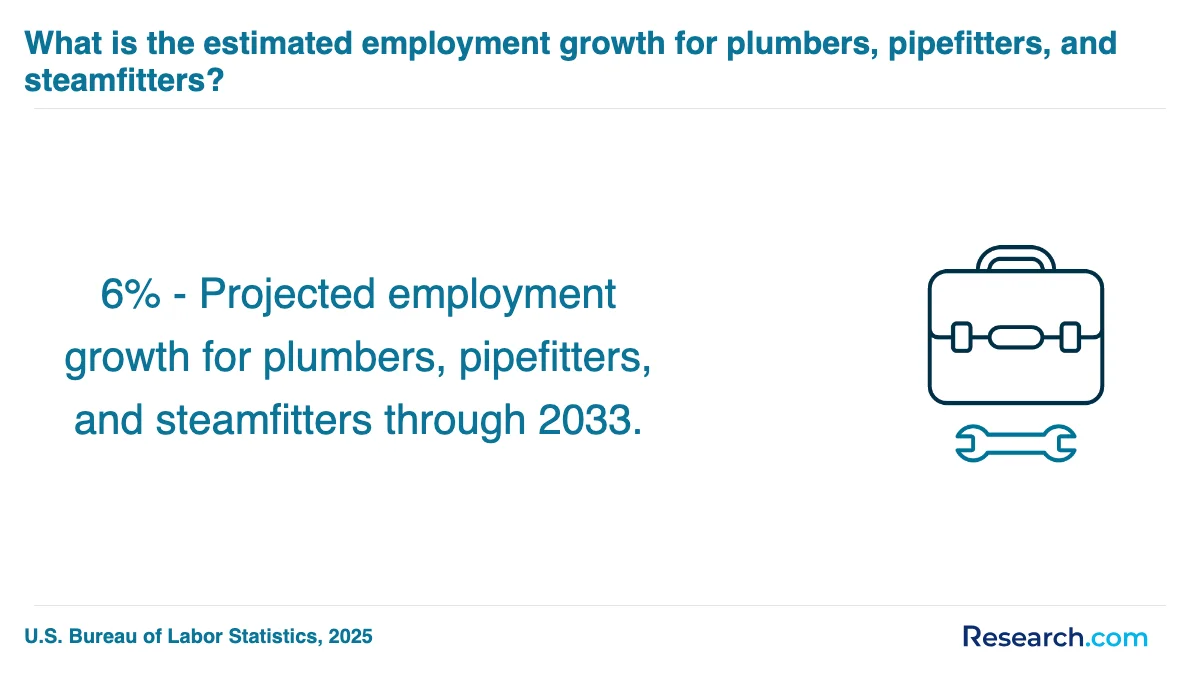
The plumber job outlook in Connecticut is particularly strong for trade school graduates. Those who complete programs at well-known institutions find a robust market with over 140 open positions statewide as of mid-2025, spanning entry-level roles to advanced opportunities like Journeyperson Plumber. Graduates frequently share how their hands-on training at Connecticut's popular trade schools directly helped them secure jobs quickly, often in rewarding positions that offer both stability and growth.
Wages in the state reflect the high demand for skilled plumbers:
- Experienced P2 plumbers in Waterbury earn $25 to $40 hourly.
- Plumbing technicians with credentials such as the P1 license in Danbury can make $70,000 to $120,000 annually.
- State roles like Correctional Plumbers & Steamfitters offer salaries starting at $62,099, with increases based on experience.
The consistent need for plumbing experts for routine maintenance and emergency jobs keeps job security high, even during economic shifts. Many graduates point out that Connecticut's growing economy and state agency hiring amplify opportunities, making the plumber salary and demand in Connecticut very appealing for career starters.
If you're exploring careers in the trades, consider the strong plumber job outlook in Connecticut combined with valuable training from local trade schools. Their alumni routinely highlight how skill-building balanced with practical experience boosted their confidence and employability. For a guided path into this thriving field, review careers in the trades to better understand your options.
Best Plumber Training Programs & Trade Schools - Top Plumbing Schools in Connecticut for 2026
# 1 position
Industrial Management Training Institute - Plumbing Technology/Plumber.
certificate or diplomaThe Plumbing Technology/Plumber program at Industrial Management Training Institute offers a hybrid format with some distance education. It trains individuals to become licensed plumbers by teaching skills in installing and maintaining piping systems for various utilities. The curriculum includes technical mathematics, blueprint reading, welding, and plumbing codes. Graduates have median earnings of $42,300 one year after completion. The program is accredited by the Accrediting Commission of Career Schools and Colleges.
# 2 position
Porter & Chester Institute - Plumbing Technology/Plumber.
certificate or diplomaThe Plumbing Technology/Plumber program at Porter & Chester Institute offers hybrid learning with some distance-education options. It trains students to become licensed plumbers by teaching technical skills for installing and maintaining piping systems in residential and commercial settings. The curriculum covers water distribution, pipe installation, welding, blueprint reading, and industry codes. Annual in-state tuition is $14,349. The program is accredited by the Accrediting Commission of Career Schools and Colleges.
# 3 position
Porter & Chester Institute of Hamden - Plumbing Technology/Plumber.
certificate or diplomaPorter & Chester Institute of Hamden offers a hybrid Plumbing Technology/Plumber program designed to prepare students for licensure by teaching technical skills in installing and maintaining piping systems for various applications. The curriculum covers water distribution, pressure adjustment, blueprint reading, welding, plumbing inspection, and relevant codes. The program is accredited by the Accrediting Commission of Career Schools and Colleges, with an annual in-state tuition of $14,337.
Frequently Asked Questions about plumber
After completing plumber trade school in Connecticut, preparing for the job market involves several key steps. First, obtaining state licensure is essential; Connecticut requires plumbers to be licensed through the Department of Consumer Protection. Graduates should focus on passing the Journeyman or Master Plumber exams, which test practical skills and knowledge.
Networking is also important. Joining professional associations like the Connecticut Plumbing and Piping Contractors Association can connect new plumbers with job opportunities and apprenticeships. Additionally, gaining hands-on experience through internships or apprenticeships enhances employability.
According to the U.S. Bureau of Labor Statistics, Connecticut's plumber employment is projected to grow moderately, reflecting steady demand in construction and maintenance sectors.
Employers in Connecticut seek plumber trade school graduates who demonstrate strong technical skills, such as pipefitting, welding, and knowledge of local plumbing codes. According to the Connecticut Department of Labor, proficiency in interpreting blueprints and using plumbing tools safely is essential.
Communication skills also rank highly, as plumbers must explain issues and solutions clearly to clients and team members. Problem-solving abilities are critical, given the frequent need to diagnose and repair unexpected plumbing problems efficiently.
Additionally, many employers prefer candidates familiar with green plumbing technologies, reflecting Connecticut's growing focus on sustainability in construction practices, as noted by the U.S. Bureau of Labor Statistics.
Finding internships relevant to a plumber trade school program in Connecticut involves several practical steps. Begin by contacting your trade school's career services office, as many schools partner with local plumbing companies to offer internship opportunities. The Connecticut Department of Labor provides resources and job listings that include apprenticeship and internship openings in plumbing trades.
Networking is crucial: join local trade unions such as the United Association Local 777, which often offers apprenticeship programs combining paid work and training. Additionally, websites like Apprenticeship.gov list registered plumbing apprenticeships available in Connecticut.
According to the Connecticut Department of Labor, plumbing jobs are expected to grow by 8% through 2030, creating more internship opportunities for students.
Obtaining a plumber trade school diploma in Connecticut significantly enhances career mobility and advancement opportunities. The state's construction industry values formal training, with diploma holders often qualifying for higher starting wages compared to those without credentials. According to the Connecticut Department of Labor, certified plumbers earn a median annual wage approximately 15% above the state average for construction trades.
Trade school graduates are also better positioned for apprenticeship programs and licensing exams, which are essential for career progression in plumbing. Licensed plumbers in Connecticut enjoy greater job security and access to specialized roles, such as pipefitting or HVAC integration.
Furthermore, diploma holders benefit from networking opportunities provided by vocational schools, which can lead to employment with established contractors and unions. These factors collectively contribute to improved social mobility for graduates within the state's labor market.
Students enrolled in plumbing trade schools in Connecticut can enhance their education by pursuing part-time jobs that provide practical experience. Positions such as plumbing apprenticeships or helper roles with local contractors allow students to apply classroom knowledge on real job sites. According to the U.S. Bureau of Labor Statistics, Connecticut's plumbing sector is expected to grow by 8% from 2022 to 2032, indicating strong demand for skilled workers.
Retail positions in hardware or home improvement stores also complement studies by familiarizing students with plumbing tools and materials. Additionally, some plumbing companies offer part-time technician roles, giving students hands-on exposure to diagnostics and repairs.
While traditional degree programs specific to plumbing are uncommon, there are technical schools and community colleges near Connecticut that offer certificate and diploma programs in plumbing and related fields. These programs provide hands-on training and theoretical knowledge essential for a career in plumbing, and you can use Research.com to help locate such programs near me. If you're interested in more advanced degrees, some universities near Connecticut offer construction management or engineering technology programs that can supplement a career in skilled trades like plumbing.
- Best Plumber Training Programs & Trade Schools - Top Plumbing Schools in New Jersey for 2026
- Best Plumber Training Programs & Trade Schools - Top Plumbing Schools in Pennsylvania for 2026
- Best Plumber Training Programs & Trade Schools - Top Plumbing Schools in Maine for 2026
- Best Plumber Training Programs & Trade Schools - Top Plumbing Schools in Ohio for 2026
- Best Plumber Training Programs & Trade Schools - Top Plumbing Schools in Kentucky for 2026
- Best Plumber Training Programs & Trade Schools - Top Plumbing Schools in North Carolina for 2026
- Best Plumber Training Programs & Trade Schools - Top Plumbing Schools in Tennessee for 2026
- Best Plumber Training Programs & Trade Schools - Top Plumbing Schools in Michigan for 2026
- Best Plumber Training Programs & Trade Schools - Top Plumbing Schools in Georgia for 2026
- Best Plumber Training Programs & Trade Schools - Top Plumbing Schools in Illinois for 2026
- Plumber salary in Connecticut ‐ CareerExplorer https://www.careerexplorer.com/careers/plumber/salary/connecticut/
- plumber Salary in connecticut - Average Salary https://www.talent.com/salary
- Plumber Salary in Connecticut (Aug, 2025) | Salary.com https://www.salary.com/research/salary/core/plumber-salary/ct
- Plumber in Connecticut - Check-a-Salary https://www.checkasalary.com/salary/average/construction/plumber/connecticut/
- Plumbers, Pipefitters, and Steamfitters (47-2152) in Connecticut https://www1.ctdol.state.ct.us/lmi/wages/20201/0901000009/47-2152.htm
- Plumbing Career Training in Connecticut | Porter and Chester Institute https://porterchester.edu/program/trade/plumbing/
- Plumbing and Heating - Connecticut Technical Education and Career System (CTECS) https://www.cttech.org/programs/career-and-technical-education/architecture-and-construction/plumbing-and-heating/
- Trade/Technical School | Danbury & Waterbury, CT | Industrial Management & Training Institute https://www.imti.edu/
- Learn A Trade In Connecticut | Schools And Salaries https://www.accreditedschoolsonline.org/vocational-trade-school/connecticut/
- Best Plumbing Schools In Connecticut - Plumber Prep https://www.plumberprep.com/best-plumbing-schools-in-connecticut/


