
Most Affordable Personal Trainer Schools & Training - Budget-Friendly Personal Trainer Trade Programs in New York for 2026

Co-Founder and Chief Data Scientist
Choosing the right physical fitness technician trade school in New York can feel overwhelming. That’s why this article offers a carefully crafted ranking by the Research.com team of data scientists, designed to help you find the best programs for 2026.
Whether you’re starting a new career or enhancing your skills, earning a diploma or certification opens doors to rewarding opportunities in the fitness industry. This guide highlights affordable options so you can make a confident, informed decision that fits your goals and budget.
Key benefits of finishing physical fitness technician trade school in New York
- Graduates can expect an average hourly wage around $25, translating to about $52,000 annually, offering a stable and rewarding income early in their careers.
- Career paths include roles as fitness equipment technicians, service technicians, or specialists in maintenance, with opportunities to grow in gyms, health clubs, and wellness centers.
- Completing a physical fitness technician trade school online provides flexibility and convenience, allowing students to balance studies with other responsibilities while gaining practical skills recognized by employers.
What can I expect from physical fitness technician trade schools in New York?
Enrolling in a physical fitness technician trade school program in New York means engaging in a hands-on, immersive learning experience designed to build both technical and interpersonal skills. Graduates commonly recall working in small classes where instructors provide personalized feedback, helping them master exercise physiology, anatomy, and injury prevention.
Students regularly balance classroom theory with practical training in modern gyms, often completing internships that connect them directly with local fitness centers. For instance, many programs incorporate around 500 combined hours of instruction and gym-based practice, which former students describe as invaluable for confidence and real-world readiness.
Expect to learn client assessment and program design tailored to diverse needs, alongside modules on nutrition and business skills-key for those aiming to launch their own fitness careers. Flexible schedules, including online coursework, allow students to manage studies alongside jobs, a feature praised by many working adults.
Graduates also appreciate that their diplomas prepare them for national certifications, boosting job prospects in New York's expanding fitness industry.
Where can I work after finishing physical fitness technician trade schools in New York?
Graduates of physical fitness technician trade school programs in New York find abundant opportunities in diverse settings across the state. Many secure roles as personal trainers, fitness instructors, or supervisors at commercial gyms and boutique fitness studios in New York City. These positions allow them to apply hands-on skills learned at well-known trade schools, working directly with clients to improve health and wellness.
Others leverage their technical expertise by maintaining and repairing fitness equipment in gyms and community centers, filling essential roles as fitness equipment technicians. This practical work is especially rewarding for graduates who enjoyed the equipment management modules during their training.
Some graduates transition into physical therapy clinics as aides, assisting rehabilitation specialists and contributing to patient recovery programs. Additionally, with the rise of digital fitness platforms, many find remote or hybrid roles supporting wellness apps and virtual training services, reflecting the evolving fitness landscape in New York.
Whether working in health clubs, hotels, or private home settings, graduates consistently express satisfaction in helping others achieve their fitness goals while enjoying stable, fulfilling careers.
How much can I make after finishing physical fitness technician trade schools in New York?
After completing a physical fitness technician trade school program in New York, graduates typically start working as fitness equipment technicians, earning an average of $24.45 per hour in New York City as of mid-2025. This hourly wage translates to an annual salary of about $50,856 for those working full-time. Many graduates from well-known trade schools in New York share positive experiences of quickly finding steady employment, appreciating how their hands-on training directly prepared them for the job market.
Hourly wages for fitness equipment technicians generally range from $21.06 to $27.60, with some skilled professionals earning up to $33.93 per hour. Employers such as Fitness Resource of NY LLC offer competitive pay-around $26.23 per hour-which motivates graduates to pursue certification and specialize further.
Those who advance into physical therapy technician roles can expect higher earnings, with annual salaries averaging $75,490. Graduates highlight how their trade school education opens doors to these rewarding opportunities, combining passion for fitness with financial stability.
Most Affordable Personal Trainer Schools & Training - Budget-Friendly Personal Trainer Trade Programs in New York for 2026
# 1 position
Suffolk County Community College - Physical Fitness Technician.
certificate or diplomaThe Physical Fitness Technician program at Suffolk County Community College prepares students for careers in health and fitness clubs, wellness centers, recreation facilities, hospitals, and corporate fitness programs. The curriculum includes human anatomy and physiology, fitness techniques, exercise science, personal training, nutrition, and customer service. Annual in-state tuition is $6,440. The program is accredited by the Middle States Commission on Higher Education.
# 2 position
Monroe Community College - Physical Fitness Technician.
certificate or diplomaMonroe Community College offers a Physical Fitness Technician program with a hybrid format, combining in-person and distance education. The program prepares students for roles in health and fitness clubs, wellness centers, hospitals, and corporate fitness programs, focusing on anatomy, physiology, exercise science, nutrition, and customer service. Annual in-state tuition is $5,856. The program is accredited by the Middle States Commission on Higher Education.
# 3 position
SUNY Westchester Community College - Physical Fitness Technician.
certificate or diplomaThe Physical Fitness Technician program at SUNY Westchester Community College is a hybrid course offering some distance-education options. It prepares students for roles in health and fitness clubs, wellness centers, recreation facilities, hospitals, and corporate fitness programs. The curriculum covers human anatomy, physiology, fitness techniques, exercise science, personal training, nutrition, and customer service. Annual in-state tuition is $5,696. The program is accredited by the Middle States Commission on Higher Education.
# 4 position
Hudson Valley Community College - Physical Fitness Technician.
certificate or diplomaHudson Valley Community College offers a fully online Physical Fitness Technician program designed to prepare students for roles in health clubs, wellness centers, recreation facilities, hospitals, and corporate fitness programs. The curriculum covers human anatomy, physiology, exercise science, personal training, nutrition, and customer service. The program is accredited by the Middle States Commission on Higher Education. Annual in-state tuition is $6,694.
# 5 position
Focus Personal Training Institute - Physical Fitness Technician.
certificate or diplomaThe Physical Fitness Technician program at Focus Personal Training Institute prepares students for careers in health and fitness clubs, wellness centers, and corporate fitness programs. The hybrid program includes instruction in anatomy, physiology, exercise science, personal training, nutrition, and customer service. Graduates earn a median income of $17,562 one year after completion. The program is accredited by the Council on Occupational Education.
# 6 position
Niagara County Community College - Physical Fitness Technician.
certificate or diplomaNiagara County Community College offers a Physical Fitness Technician program with a hybrid format, combining in-person and distance education. The program prepares students for roles in health and fitness clubs, wellness centers, recreation facilities, hospitals, and corporate fitness settings. Coursework covers human anatomy, physiology, exercise science, personal training, nutrition, and customer service. Annual in-state tuition is $6,726. The program is accredited by the Middle States Commission on Higher Education.
Key Findings
- Admission typically requires a high school diploma or GED, with no state license needed for entry-level roles.
- Programs focus on hands-on training in exercise physiology, injury prevention, and client supervision, often lasting about six months.
- Certification from organizations like NASM or the American College of Sports Medicine improves job prospects.
- The average cost for a six-month personal trainer program is around $1,200, with some courses available online.
- Entry-level fitness technicians in New York earn between $30,000 and $40,000 annually, with experienced professionals making $50,000 or more.
- Employment for fitness trainers is expected to grow much faster than average from 2021 to 2031.
How long does it take to complete physical fitness technician trade schools in New York?
Completing a physical fitness technician trade school program in New York typically takes between six months and one year. This timeframe allows students to gain both the practical skills and theoretical knowledge essential for working effectively in fitness environments. Graduates often describe their experience as intensive yet rewarding, highlighting how the focused curriculum helped them quickly transition into the workforce.
At well-known New York trade schools, students engage in hands-on training such as conducting fitness assessments, designing workout plans, and learning client communication skills. This immersive approach enables many to complete their certifications faster than traditional degree programs. For example, some graduates recall balancing part-time jobs while attending evening classes, making the program accessible and flexible without compromising quality.
Students appreciate that the relatively short duration of the program does not sacrifice depth, allowing them to start careers as fitness technicians confidently and promptly. The structure is designed to meet industry demands, ensuring skills are current and relevant within New York's competitive fitness market.
What's the difference between online and on-campus physical fitness technician trade school programs?
The primary difference between online and on-campus physical fitness technician trade school programs in New York is the delivery method and access to hands-on training. Graduates from on-campus programs, such as those at the Focus Personal Training Institute in New York City, highlight the value of direct interaction with instructors and immediate use of fitness equipment. These programs often include supervised fieldwork in local gyms, which helps students gain real-world experience and build professional connections.
In contrast, online programs offer flexibility, allowing students to study at their own pace from any location. Many New York trade schools provide hybrid options with up to 50% remote coursework, combining virtual lectures and video demonstrations. However, online students sometimes miss out on extensive hands-on practice, although some programs require short on-campus residencies or practical hours at approved fitness centers to bridge this gap.
Both formats prepare students for national certification exams, but on-campus attendees often benefit from richer mentorship and networking opportunities, enhancing their confidence and readiness for a career in physical fitness.
What is the average cost of physical fitness technician trade schools in New York?
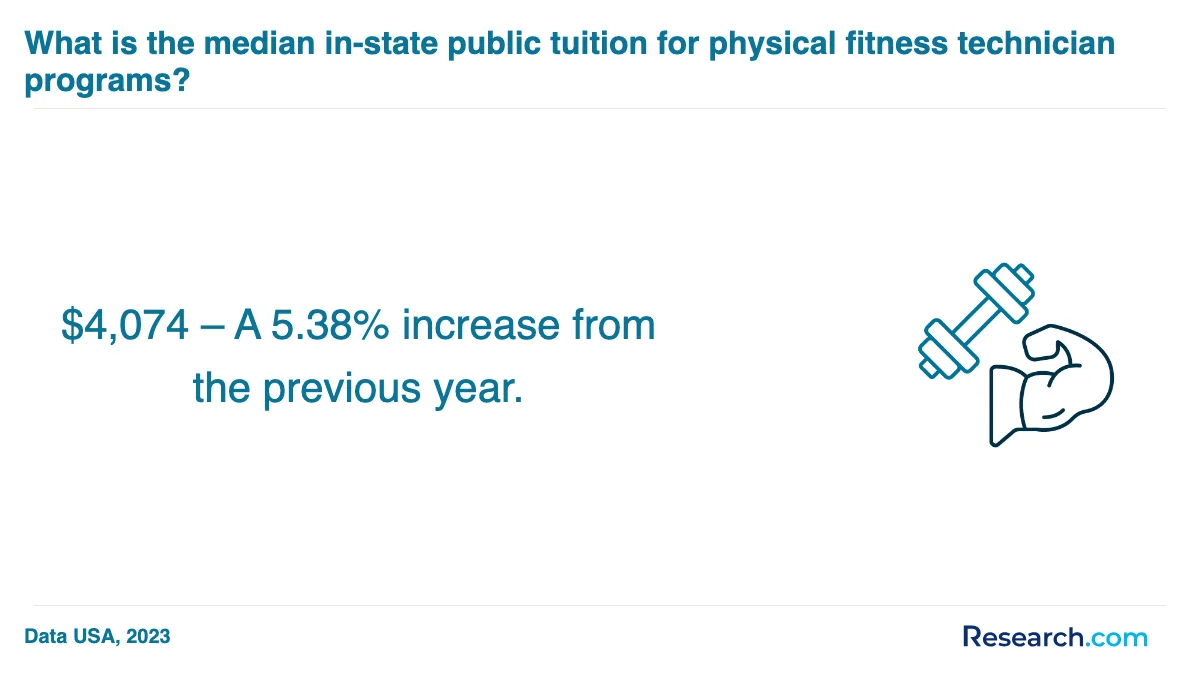
The average tuition cost for a Physical Fitness Technician trade school program in New York is approximately $14,855 for the 2023-2024 academic year. For example, graduates of the Focus Personal Training Institute, a well-regarded trade school in New York City, often mention the program's value given its 600 contact hours and six-month duration. This focused and immersive approach helps students quickly gain the hands-on skills needed to advance professionally in a competitive market.
In comparison, the national average tuition is around $11,746, reflecting shorter program lengths typically around 546 contact hours and slightly longer completion timelines near 6.8 months. These national figures help contextualize the investment required specifically in New York, where tuition tends to be somewhat higher due to the city's cost of living and education quality standards.
Beyond tuition, graduates emphasize considering additional costs like books and supplies, which average $140, and living expenses - often close to $9,818 for off-campus housing. These factors contribute to the overall financial commitment but are balanced by the rewarding career prospects in the fitness industry. Those pursuing this path should explore various trade schools carefully to align their goals with program offerings.
Students passionate about health and wellness appreciate that investing in a New York-based trade school opens doors to numerous opportunities, including gym teacher jobs and other rewarding careers in fitness education.
What financial aid is available for physical fitness technician trade schools in New York?
Physical fitness technician students in New York often rely on a range of financial aid options to make their education affordable. A crucial first step is completing the FAFSA, which unlocks access to federal grants like the Pell Grant-offering up to $7,395 for the 2025-2026 year without repayment. Graduates from well-known trade schools in the city recall how this grant significantly eased their tuition burden, allowing them to focus on hands-on training instead of financial stress.
State aid through the Tuition Assistance Program (TAP) is another key resource, covering substantial tuition costs based on income and academic progress. Many students have shared how maintaining good grades not only secured their TAP funding but also boosted their confidence and motivation throughout the program.
Additionally, competitive Individual Training Grants (ITGs) provided by NYC's Small Business Services have helped some trainees cover essential costs like books and testing fees. Veterans often find GI Bill® benefits valuable for these programs, further expanding access.
Community scholarships and school financial aid offices also play a vital role, guiding students through application processes and maximizing available funds to support their successful career launch.
What are the prerequisites for enrolling in physical fitness technician trade schools in New York?
Enrolling in a physical fitness technician trade school program in New York typically requires a high school diploma or GED as the foundational prerequisite. Many trade schools in the state emphasize the importance of basic knowledge in biology and health sciences, which helps students grasp anatomy and physiology concepts essential for the field.
Applicants often need to demonstrate strong communication skills and a genuine passion for fitness, as these traits are critical for success in hands-on training and client interactions. For example, graduates from popular New York trade schools recall that early evaluation of interpersonal skills helped them thrive during practical sessions and internships.
Additional prerequisites may include:
- Proof of physical fitness or a health screening to ensure the ability to perform physically demanding tasks
- Basic CPR or first aid certification, which some schools require before starting practical coursework
- Completion of an entrance assessment or interview to gauge motivation and commitment
Many students find these prerequisites encouraging, as meeting them builds confidence and readiness to tackle the rigorous, rewarding curriculum in New York's hands-on fitness technician programs.
What are the typical courses in physical fitness technician trade schools in New York?
Physical fitness technician trade school programs in New York include a comprehensive blend of courses designed to build both knowledge and practical skills. Graduates from popular schools like Hudson Valley Community College and Monroe Community College often highlight the real-world value of core classes such as:
- Exercise physiology: Understanding how the body reacts to physical activity, which helps in creating effective training plans.
- Anatomy and kinesiology: Learning about muscles and movement, essential for preventing injuries and improving performance.
- Nutrition: Applying dietary principles to support fitness goals and overall health.
- Fitness assessment and testing: Mastering client evaluations to track progress and adjust programs.
Many students find hands-on training in fitness labs or local health clubs invaluable for building confidence in instructing clients. Courses in injury prevention and first aid prepare them to handle emergencies calmly. Additionally, classes on client communication and coaching skills enhance their ability to motivate diverse clients effectively.
Business fundamentals and preparation for national certifications, like NASM, round out the curriculum, opening doors to entrepreneurship or supervisory roles within New York's dynamic fitness industry.
What are the available specializations in physical fitness technician trade schools in New York?
Physical fitness technician specializations in New York are designed to match the city's dynamic health and wellness market, offering students diverse pathways tailored to their career goals. Graduates from programs like the Focus Personal Training Institute gain hands-on experience in personal training, learning to tailor fitness programs that help clients thrive in gym and corporate wellness environments. Likewise, exercise science program tracks New York students explore advanced fields such as exercise physiology, kinesiology, and movement analysis at institutions including York College (CUNY) and New York Institute of Technology.
Students often choose to specialize in clinical exercise physiology or cardiopulmonary rehabilitation, preparing to support patients recovering from illness alongside medical teams. Other popular tracks include strength and conditioning coaching, sports management, and wellness coaching.
Programs often feature practical internships in local gyms and hospitals, empowering students with real-world skills and confidence to succeed professionally. Those seeking a blend of fitness and business acumen might pursue electives in entrepreneurship to launch their own ventures.
For those interested in deeper academic exploration, exploring easy kinesiology degrees can be a helpful step toward selecting the perfect program path.
How do you choose the best physical fitness technician trade school program in New York?
When selecting the best physical fitness technician trade school program in New York, start by prioritizing accreditation to ensure the program meets industry standards. Graduates from well-regarded schools in New York often share that accredited programs provided them with solid knowledge and increased job prospects. Comparing tuition and seeking affordable physical fitness technician programs in New York is essential; some graduates found programs with reasonable costs but comprehensive training to be the best investment for their careers.
Next, review the curriculum and duration. Programs that include practical topics like exercise physiology and nutrition prepare students for real-world challenges. For example, students at popular New York institutes often highlight the value of hands-on training coupled with flexible schedules, which allowed them to balance study and work.
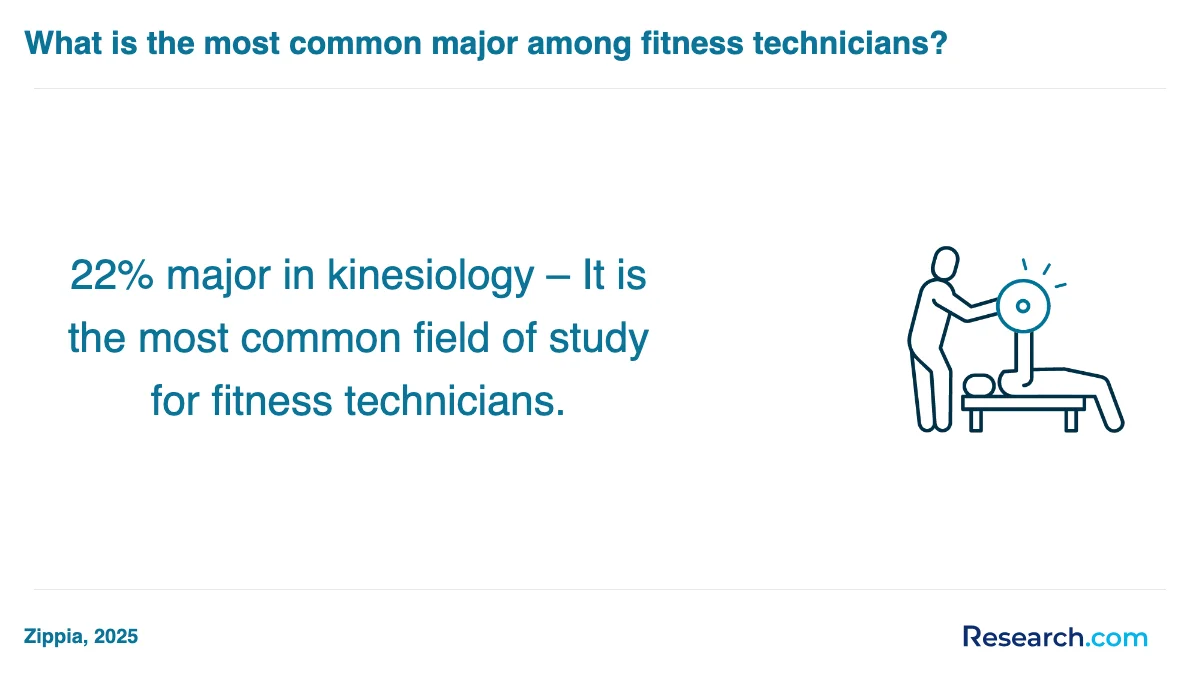
Job placement assistance is another critical factor. Many graduates praise schools that maintain strong local partnerships, easing the transition into employment. Additionally, exploring options through a kinesiology major can enrich your foundational knowledge and expand career opportunities.
Lastly, consider the school's location and reputation, as graduates frequently emphasize how proximity and positive campus environments enhance their learning experience. Selecting from the best physical fitness technician schools in New York ensures exposure to excellent resources and a supportive community.
What career paths are available for physical fitness technician trade school graduates in New York?
Graduates of physical fitness technician trade school programs in New York find a wide range of career opportunities that align closely with their skills and passions. Many start as personal trainers, working in bustling gyms or independently with clients, earning between $16.50 and $67 per hour depending on experience. Trade schools in New York prepare students well for such roles, and employers like Crunch Fitness actively hire skilled trainers without requiring prior experience. This makes entering the workforce accessible and rewarding.
Additional career paths for fitness graduates in New York include becoming fitness instructors who lead engaging group classes such as yoga or pilates, and fitness equipment technicians who maintain and repair gym machinery. These roles appeal to graduates eager to combine technical skills with a fitness environment.
Other pathways involve health technology, customer service, and facility management positions within the fitness sector. Graduates enjoy diverse options, such as supporting healthtech devices, managing fitness operations, or guiding customers in product use.
Popular New York trade schools often share success stories of graduates thriving in roles that match their interests and strengths, highlighting positive career outcomes in physical fitness technician jobs in New York.
Those interested can explore accredited programs and related opportunities through affordable online exercise science programs to further enhance their qualifications and career prospects.
What is the job market for physical fitness technician trade school graduates in New York?
Graduates of physical fitness technician trade schools in New York enter a job market characterized by competitive wages but limited openings. The physical fitness technician job market in New York reflects a demand for skilled workers, with average hourly wages ranging from $21.06 to $27.60 depending on location and experience. Major employers like Fitness Resource of NY LLC offer wages around $26.23 per hour, significantly above the national average, providing strong earning potential for those graduating from popular trade schools in the area.
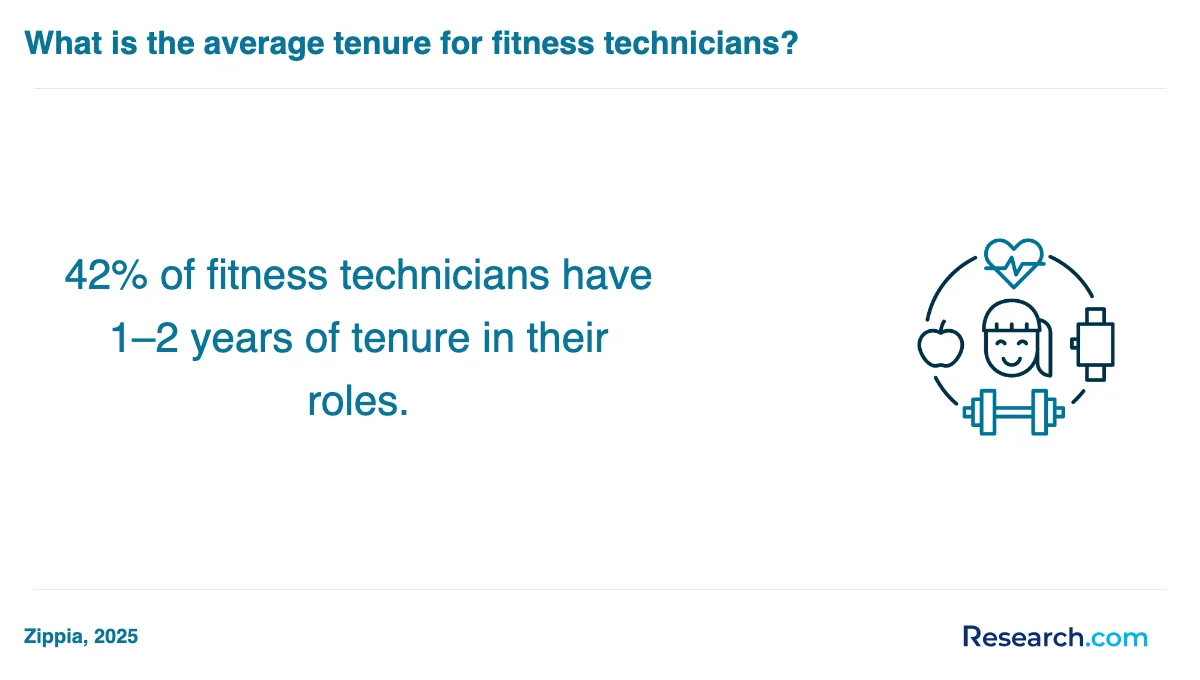
However, many graduates find the job market for fitness technician employment opportunities New York somewhat slow, with relatively few active job postings at any given time. Graduates commonly share experiences of needing to enhance their resumes through specialized certifications and networking to stand out. Those combining skills as personal trainers report higher annual salaries averaging $80,000 in New York City, making additional qualifications a viable route.
For students seeking to broaden career options, combining technical training with a cheap sports management bachelor's degree online can improve prospects in the competitive market.
Frequently Asked Questions about physical fitness technician
After completing a physical fitness technician trade school in New York, effective job market preparation involves several key steps. First, obtaining relevant certifications such as the Certified Personal Trainer (CPT) through organizations like the National Academy of Sports Medicine (NASM) can enhance employability. Networking within local fitness communities and attending industry events in New York City can open doors to job opportunities. Additionally, gaining hands-on experience through internships or part-time roles at gyms or wellness centers is valuable. According to the New York State Department of Labor, the demand for fitness trainers is projected to grow by 10% through 2030, making timely entry into the field crucial.
Employers in New York seek specific skills in graduates of physical fitness technician trade schools. Key abilities include knowledge of exercise science, anatomy, and nutrition, which are essential for designing effective fitness programs. Strong communication skills stand out, as technicians must clearly instruct and motivate clients. Practical experience with fitness equipment and safety protocols is highly valued. According to the New York Department of Labor, proficiency in client assessment and personalized workout planning increases job placement chances by 15%. Additionally, certification in CPR and first aid is often required, reflecting an emphasis on client safety and emergency readiness.
Finding internships in New York relevant to physical fitness technician trade school programs involves targeted research and networking. Start by contacting the career services office at your trade school, as many maintain partnerships with local gyms, rehabilitation centers, and wellness facilities offering internships. According to the New York State Department of Labor, fitness-related internships have grown by 8% annually, reflecting increasing demand for practical experience in this field.
Online job boards like Indeed and internships.com frequently list physical fitness internships in New York City and surrounding areas. Additionally, professional organizations such as the American Council on Exercise (ACE) provide internship resources and local event listings. Reaching out directly to fitness centers and healthcare providers can also uncover unadvertised opportunities.
Obtaining a physical fitness technician trade school diploma in New York can significantly enhance career mobility and advancement opportunities. According to the New York State Department of Labor, demand for fitness trainers and technicians is projected to grow 11% from 2022 to 2032, faster than the average for all occupations. A diploma certifies practical skills and knowledge, making graduates more competitive for entry-level positions at gyms, rehabilitation centers, and wellness facilities.
Trade school programs often include hands-on training and industry certifications, which employers in New York value highly. Graduates may advance into supervisory roles or specialize in areas like injury prevention or personal training.
Additionally, earning a diploma can lead to higher earnings; the median annual wage for fitness trainers in New York was approximately $52,000 in 2023, with certified technicians often earning more due to their specialized training. These factors together improve social mobility by opening pathways to stable, well-paying careers.
Part-time job opportunities in New York that complement physical fitness technician trade school education often involve roles in gyms, wellness centers, and community recreation facilities. Positions such as fitness assistant, personal trainer aide, or group exercise instructor provide practical experience aligned with classroom learning.
The U.S. Bureau of Labor Statistics (BLS) reports that New York's fitness industry is growing, with employment for fitness trainers expected to increase by 15% through 2031. This growth creates a range of part-time job options for students seeking hands-on experience.
Additionally, some students find roles in physical therapy clinics or sports facilities, assisting licensed professionals. These positions help build skills in client communication and exercise program implementation, enhancing career readiness while studying.
To find the most affordable Physical Fitness Technician degree program near me, consider looking for community colleges or state schools as they typically offer lower tuition rates. Specifically, near New York, you can explore the numerous options available in the CUNY system, which is known for its affordable tuition and diverse programs. Additionally, referencing Research.com can provide insights into accredited institutions and their respective program costs.
Related Physical Fitness Technician Rankings for Nearby States
- Most Affordable Personal Trainer Schools & Training - Budget-Friendly Personal Trainer Trade Programs in Massachusetts for 2026
- Most Affordable Personal Trainer Schools & Training - Budget-Friendly Personal Trainer Trade Programs in Maryland for 2026
- Most Affordable Personal Trainer Schools & Training - Budget-Friendly Personal Trainer Trade Programs in Ohio for 2026
- Most Affordable Personal Trainer Schools & Training - Budget-Friendly Personal Trainer Trade Programs in South Carolina for 2026
- Most Affordable Personal Trainer Schools & Training - Budget-Friendly Personal Trainer Trade Programs in Indiana for 2026
- Most Affordable Personal Trainer Schools & Training - Budget-Friendly Personal Trainer Trade Programs in Michigan for 2026
- Most Affordable Personal Trainer Schools & Training - Budget-Friendly Personal Trainer Trade Programs in Georgia for 2026
- Most Affordable Personal Trainer Schools & Training - Budget-Friendly Personal Trainer Trade Programs in Florida for 2026
- Most Affordable Personal Trainer Schools & Training - Budget-Friendly Personal Trainer Trade Programs in Wisconsin for 2026
- Most Affordable Personal Trainer Schools & Training - Budget-Friendly Personal Trainer Trade Programs in Minnesota for 2026
Top Trending Rankings
References
- Fitness Trainer Cover Letter Example (Free Guide) https://resumaker.ai/cover-letter-examples/fitness-trainer/
- How To Write Fitness Trainer Application Letter with Sample | Writing Tutorials https://www.youtube.com/watch
- Professional Gym Instructor Cover Letter Templates & Guides https://resume-example.com/cover-letters/gym-instructor
- Fitness Professional | Mid-State Technical College https://www.mstc.edu/fitness-professional
- What Can You Do With an Exercise Science Degree? 7 Jobs to Consider | University of Cincinnati https://online.uc.edu/blog/what-can-you-do-exercise-science/
- Top 20 Careers With a Master’s in Exercise Science | PLNU https://www.pointloma.edu/resources/health-sciences/top-20-careers-masters-exercise-science
- Exercise Science Jobs | Career Information https://www.nutritioned.org/exercise-science-jobs/
- Five Careers You Can Pursue with a Personal Training Certificate | Bryan University Online© https://bryanuniversity.edu/faq/five-careers-you-can-pursue-with-a-personal-training-certificate/
- Top Careers for Exercise and Fitness Health Science Majors | University of Bridgeport https://www.bridgeport.edu/news/exercise-and-fitness-careers/
- What can I do with a sport and exercise degree? | Prospects.ac.uk https://www.prospects.ac.uk/careers-advice/what-can-i-do-with-my-degree/sport-and-exercise-science


