
Most Affordable Personal Trainer Schools & Training - Budget-Friendly Personal Trainer Trade Programs in Maryland for 2026

Co-Founder and Chief Data Scientist
Are you interested in becoming a physical fitness technician and want to find the most affordable trade schools in Maryland? This article is here to guide you.
We present a ranking of physical fitness technician trade school programs created by the Research.com team of data scientists. Their goal is to help you make an informed decision about which programs truly stand out.
By exploring these options, you can find quality education that fits your budget and sets you up for a rewarding career. Earning a diploma or certification can open doors to exciting opportunities in the fitness industry.
Key benefits of finishing physical fitness technician trade school in Maryland
- Graduates can expect an average hourly wage of around $21.69 as Exercise Technicians in Maryland, with annual earnings near $45,000 to $51,000, offering a solid start in the fitness industry.
- Career paths include roles like Exercise Technician or Physical Therapy Technician, with opportunities to work in gyms, rehabilitation centers, or wellness facilities, as seen from successful graduates of popular Maryland trade schools.
- Completing a physical fitness technician trade school online provides flexibility and convenience, allowing students to balance work and study, just like many graduates from well-known online programs in Maryland have experienced.
What can I expect from physical fitness technician trade schools in Maryland?
Enrolling in a physical fitness technician trade school program in Maryland means immersing yourself in both theory and hands-on practice. Graduates from Frederick Community College and Cecil College often describe their experience as a balanced mix of classroom learning in exercise science, anatomy, and nutrition, combined with practical sessions where they develop real skills in assessing client fitness and designing personalized workout plans.
Students typically appreciate the small class sizes-such as the 34:1 ratio at Cecil College-which foster close interaction with instructors and personalized feedback, especially during practical training. Many recall feeling confident and well-prepared to guide clients safely through effective workouts by the time they finish.
Beyond exercise techniques, students explore injury prevention, behavior change strategies, and even foundational business skills, helping them feel ready not just to train but to build a career in fitness. Graduates often highlight how the programs' focus on nationally recognized certifications and career advising made the transition into the workforce or further education smoother and more encouraging.
Where can I work after finishing physical fitness technician trade schools in Maryland?
Graduates of physical fitness technician trade school programs in Maryland often find themselves stepping into vibrant workplaces like gyms, fitness centers, rehabilitation clinics, and hospitals. Many recall their first job as personal trainers in bustling Baltimore gyms or community centers in Columbia, where the energy of clients striving for better health is both motivating and rewarding. These roles offer a chance to directly impact lives while earning an average salary around $64,500, which grows with experience and certifications.
Others have shared their journeys working behind the scenes as exercise technicians or physical therapy aides, supporting therapists in busy clinics throughout Germantown. These positions offer a steady flow of opportunities, with over 360 jobs available statewide, blending hands-on care with technical skills.
Some graduates have embraced the niche of fitness equipment service technicians, maintaining gym machines in hotels or corporate wellness programs, a role that combines mechanical know-how with customer service and starts at about $18 an hour.
Across Maryland, including popular trade schools, students appreciate how their training opens doors in senior living facilities, universities, and wellness companies, especially when paired with certifications like ACE or NASM. This broad range of paths reflects the dynamic and fulfilling nature of careers following physical fitness technician programs.
How much can I make after finishing physical fitness technician trade schools in Maryland?
Graduates of physical fitness technician trade schools in Maryland often find themselves stepping into roles such as Exercise Technician, Fitness Equipment Technician, or Fitness Trainer, with starting wages that reflect both their skills and the local demand. For example, many who trained at popular Maryland trade schools report beginning as Exercise Technicians earning around $21.69 per hour, which translates to about $45,000 annually when working full-time. This steady income provides a solid foundation as they gain confidence and experience in the field.
Others advance to Fitness Trainer positions, where the hourly pay is slightly higher, averaging $23.64. Graduates often share stories of transitioning from hands-on technician work to personal training, where earnings can climb significantly, sometimes reaching six figures with time, certifications, and dedicated client-building efforts.
Even those specializing as Fitness Equipment Technicians enjoy comparable wages near $21.61 per hour. Many reflect on how their trade school education in Maryland equipped them not only with technical skills but also with real-world readiness, allowing them to confidently negotiate salaries and choose opportunities in diverse fitness settings.
Most Affordable Personal Trainer Schools & Training - Budget-Friendly Personal Trainer Trade Programs in Maryland for 2026
# 1 position
Frederick Community College - Physical Fitness Technician.
certificate or diplomaFrederick Community College offers a Physical Fitness Technician program with a hybrid format, including some distance-education options. The program prepares students for roles in health and fitness clubs, wellness centers, and corporate fitness programs through instruction in anatomy, exercise science, personal training, nutrition, and customer service. The annual in-state tuition is $3,772. The program is accredited by the Middle States Commission on Higher Education.
# 2 position
Cecil College - Physical Fitness Technician.
certificate or diplomaCecil College offers an on-campus Physical Fitness Technician program that prepares students for roles in health clubs, wellness centers, hospitals, and corporate fitness programs. The curriculum covers human anatomy, physiology, fitness techniques, exercise science, personal training, nutrition, and customer service. The program’s annual in-state tuition is $5,370. It is accredited by the Middle States Commission on Higher Education.
Key Findings
- Applicants must be at least 18 years old, have a high school diploma or GED, and hold a current CPR/AED certification with a live skills check.
- Certificate programs can take about 3 months with 42 instructional hours, while diplomas or associate degrees may require up to two years.
- Programs prepare students for national certifications like the ACE Certified Personal Trainer exam; Maryland does not require state licensing.
- Tuition for certificate programs ranges from $445 to $995, with higher costs for degree programs and possible in-county tuition discounts.
- Starting salaries for fitness technicians in Maryland range from $30,000 to $45,000 annually, with experienced professionals earning $50,000 or more.
How long does it take to complete physical fitness technician trade schools in Maryland?
Completing a physical fitness technician trade school program in Maryland typically takes between six months to one year, depending on the specific school and curriculum intensity. Graduates from popular trade schools in Maryland often reflect on how this timeframe felt just right-long enough to build solid skills but short enough to quickly transition into the workforce.
Many recall the balance between classroom learning and hands-on training as energizing, allowing them to see their progress weekly. One graduate described the experience as "immersive yet manageable," emphasizing how the compact schedule kept motivation high, avoiding burnout.
For those studying at well-known Maryland trade schools, the program's length also offers flexibility to work part-time or pursue certifications simultaneously. This real-world rhythm helps students feel prepared and confident by the time they finish, ready to support clients' fitness journeys with both knowledge and empathy.
Ultimately, the program length fosters a sense of accomplishment that graduates cherish-a swift but meaningful leap into a rewarding career path in physical fitness.
What's the difference between online and on-campus physical fitness technician trade school programs?
The core difference between online and on-campus physical fitness technician trade school programs in Maryland centers on how students gain hands-on experience. Graduates from on-campus programs, like those at Montgomery College, often recall the confidence built through direct practice-performing fitness assessments and exercise techniques under the watchful eye of instructors. This face-to-face training helps sharpen communication skills essential for working closely with clients in real fitness settings.
Online students, such as those enrolled through Penn Foster Career School, appreciate the flexibility to study at their own pace, balancing coursework with jobs or family life. However, many find the limited supervised practice challenging, missing the immediate feedback that in-person labs provide.
Blended programs in Maryland offer a middle ground, allowing students to enjoy the convenience of online theory classes while still attending practical workshops on campus. This approach resonates with many who seek both convenience and vital real-world skills, preparing them more thoroughly for careers in the fitness industry.
What is the average cost of physical fitness technician trade schools in Maryland?
The average tuition for physical fitness technician programs in Maryland typically varies depending on whether a student attends a public or private trade school. Public institutions generally charge between $6,000 and $10,000 per year, making them an appealing choice for many local students seeking quality education at a reasonable price. Private trade schools, while often more costly, range from $16,000 up to $31,000 annually. Graduates frequently reflect on how carefully weighing these options allowed them to balance affordability with the specific resources and personalized attention offered by their chosen schools.
For students focused on vocational programs, the average tuition stands at about $11,746, with most programs lasting just under seven months. This shorter duration is attractive to aspiring fitness technicians eager to enter the workforce quickly without sacrificing educational quality. Several graduates have found programs like Chesapeake College's Personal Fitness Trainer certificate particularly accessible, noting its $800 course fee that bundles online and in-person training into one economical package.
When considering the overall cost of physical fitness technician trade schools in Maryland, it is important to remember extra expenses, including books, supplies, and specialized equipment. Many students spend between $500 and $1,000 on educational materials, plus up to $5,000 on necessary fitness equipment, which can significantly affect total expenditures. Fortunately, Maryland residents often benefit from state-funded options such as the Community College Promise Scholarship, alongside federal aid like the Pell Grant, making these financial obligations more manageable. For those seeking affordable pathways, exploring offers detailed in resources like low cost exercise science degree online can reveal additional possibilities beyond traditional trade schools.
What financial aid is available for physical fitness technician trade schools in Maryland?
Many students pursuing physical fitness technician programs in Maryland find financial aid essential to making their education attainable and less stressful. Graduates from popular schools like Harford Community College often recall how federal aid, such as the Pell Grant and Stafford Loans, helped cover tuition without overwhelming debt. Completing the FAFSA opened doors to these supports, allowing them to focus on skill-building rather than finances.
State scholarships like the Maryland Community College Promise Scholarship also play a vital role. One graduate shared how this award, offering up to $5,000 annually, eased the burden of tuition and fees, enabling them to stay committed to their training. Unlike federal aid, this scholarship requires a separate application but no FAFSA, making it accessible to many residents.
Local programs add another layer of support. For example, students with disabilities in certain counties benefited from the Able to Work Eastern Shore Fund, which provided up to $3,000. Veterans report that GI Bill® benefits significantly offset costs at approved Maryland trade schools, making career transitions smoother and more hopeful.
What are the prerequisites for enrolling in physical fitness technician trade schools in Maryland?
To enroll in a physical fitness technician trade school program in Maryland, candidates typically must meet several foundational prerequisites that ensure readiness for the hands-on nature of the training. Most trade schools in Maryland expect applicants to have a high school diploma or GED, which serves as a basic credential confirming essential skills in communication and math.
Graduates often reflect on how this educational baseline helped them grasp biomechanics and nutrition concepts more confidently during their coursework. Additionally, many programs require applicants to be at least 18 years old, underscoring the maturity needed for client interaction and safety protocols.
Some schools also ask for:
- Proof of physical fitness or a medical clearance, emphasizing the importance of personal health in this physically demanding role
- Basic CPR/AED certification or willingness to obtain it early in the program
- A demonstrated passion for health and wellness, often shared through a personal statement or interview
Students recall how meeting these prerequisites not only prepared them academically but also built confidence before stepping into Maryland's vibrant fitness industry. The practical orientation of trade schools here means that arriving physically and mentally ready truly sets the stage for success.
What are the typical courses in physical fitness technician trade schools in Maryland?
Physical fitness technician trade school programs in Maryland typically immerse students in a blend of scientific knowledge and hands-on practice, creating a well-rounded foundation for a rewarding career. Graduates often reflect on the value of courses like human anatomy and physiology, which help them understand how the body responds to exercise, a cornerstone taught at schools such as Montgomery College.
Students appreciate in-depth lessons on exercise physiology, nutrition, and applied kinesiology, which illuminate how diet and movement influence performance and well-being. For instance, at the College of Southern Maryland, learners explore not only the physical but also the psychological aspects of sport, preparing them to motivate clients effectively.
- Fitness assessment and program design courses teach students to evaluate cardiorespiratory health, muscular strength, and flexibility, enabling them to tailor personalized workouts.
- Hands-on training in safe exercise techniques and injury prevention builds confidence for real-world client interaction.
- Behavioral change strategies and legal knowledge equip students to handle business and ethical challenges professionally.
Graduates often describe the joy of applying these skills in group fitness settings or advanced strength training labs, which deepen practical expertise and boost employability in Maryland's vibrant fitness industry.
What are the available specializations in physical fitness technician trade schools in Maryland?
Physical fitness technician trade school programs in Maryland typically offer specializations that align closely with industry demands and personal career ambitions. Two notable options include Sports Technician and Exercise Science as well as Personal Trainer Certification. Graduates from Harford Technical High School often highlight the rewarding hands-on experience gained through internships in athletic clubs and rehabilitation centers, where wellness assessment and designing conditioning programs become tangible skills. Meanwhile, students from places like Frederick Community College enjoy comprehensive courses that blend anatomy, physiology, nutrition, and exercise science, enabling a confident transition into roles as personal trainers or fitness instructors.
These diverse specializations help students understand both the science behind physical health and practical leadership in fitness settings. Popular Maryland institutions also emphasize real-world training that inspires enthusiasm and professional grit. For those wondering about broader career paths, exploring what can i do with an exercise science degree offers insight into the many possibilities arising from these focused programs.
How do you choose the best physical fitness technician trade school program in Maryland?
Choosing the best physical fitness technician programs in Maryland means prioritizing schools that combine solid academic knowledge with hands-on experience. Graduates from programs like Montgomery College often share how their courses on anatomy, exercise science, and injury prevention prepared them to confidently assess clients and design effective training plans. This practical approach helps bridge classroom learning with real-world fitness environments.
When comparing Maryland trade schools for fitness careers, accreditation and industry recognition are key. Students find reassurance in programs that prepare them for respected certifications such as those from ACE or ISSA, which local employers highly value. Flexibility also matters; many appreciate hybrid or evening classes that fit busy lifestyles, making education more accessible without sacrificing quality.
Finally, consider career support and financial options. Graduates often highlight the importance of internship opportunities and employer connections that open doors after graduation. Exploring related fields, such as pursuing a kinesiology bachelor degree jobs, can also enhance long-term prospects in Maryland's competitive fitness industry.
What career paths are available for physical fitness technician trade school graduates in Maryland?
Graduates of Maryland's physical fitness technician trade school programs find a spectrum of rewarding career opportunities in the state's thriving health and wellness landscape. Many step directly into roles as personal trainers, guiding clients through customized fitness journeys at local gyms or boutique studios, a role known for its fulfilling client connections and growth potential. Others thrive as group fitness instructors, leading engaging yoga or bootcamp classes that foster community and motivation.
For those with mechanical aptitude, becoming a fitness equipment service technician offers a hands-on pathway, combining technical skill with customer interaction and steady demand in Maryland's numerous fitness centers. Many graduates have shared how these practical roles provide daily challenges and satisfaction.
The landscape also includes positions like physical therapy technicians, lending vital support in clinical settings and opening doors to allied health careers later on. In Maryland's competitive market, job seekers frequently explore fitness and wellness jobs in Maryland such as:
- Personal trainer roles in commercial and community gyms
- Group fitness instructor positions across diverse class formats
- Fitness equipment maintenance and repair technician jobs
- Physical therapy support positions assisting licensed therapists
- Management roles overseeing fitness center operations
- Specialized careers like karate instruction or exercise physiology
Graduates from popular trade schools in Maryland often recount a transformative sense of achievement when entering these fields, appreciating both the hands-on skills and the positive impact on client well-being. For those curious about advancement and compensation, exploring high-paying exercise science jobs can offer guidance on fruitful career choices within this dynamic sector.
What is the job market for physical fitness technician trade school graduates in Maryland?
The physical fitness technician job opportunities in Maryland remain strong and promising for trade school graduates. Many graduates report smooth transitions into roles such as fitness technicians, personal trainers, or physical therapy assistants, often securing positions at local health clubs and rehabilitation centers. With over 1,000 fitness-related job openings statewide, Maryland's fitness sector welcomes new entrants eager to apply their hands-on skills. Graduates from popular Maryland trade schools often praise the supportive curriculum and practical training, which prepare them for real-world challenges like managing fitness equipment or assisting diverse clients with personalized exercise routines.
Maryland exercise technician salary and employment trends further encourage students, showing annual incomes near $64,500 for fitness instructors, well above the national average. This earning potential combined with flexible scheduling options makes Maryland an attractive location for career growth in physical fitness technology. Prospective students should also consider pursuing the most affordable master's degree in physical education online to deepen expertise and open more advanced opportunities.
Frequently Asked Questions about physical fitness technician
After completing a physical fitness technician trade school in Maryland, preparing for the job market involves several key steps. First, obtaining relevant certifications, such as CPR/AED and fitness-related credentials from recognized organizations, can improve employability. The Maryland Department of Labor notes that certified fitness technicians have better job prospects in local gyms and rehabilitation centers.
Networking is also crucial; joining professional associations like the Maryland Exercise Professionals can provide valuable contacts and job leads. Additionally, gaining practical experience through internships or part-time positions during training enhances skills and resumes.
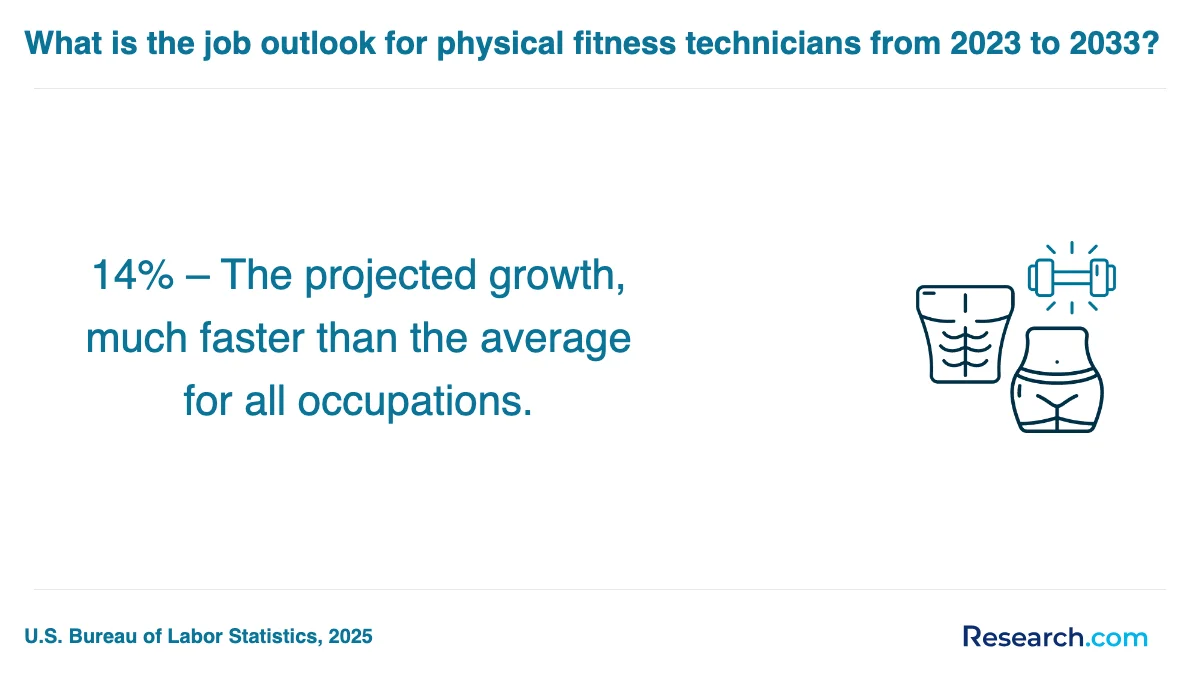
Finally, staying informed about Maryland's job market trends, which are expected to grow by 10% through 2030 according to the U.S. Bureau of Labor Statistics, can help graduates target in-demand roles effectively.
Employers in Maryland seek specific skills when hiring physical fitness technician trade school graduates. A strong understanding of anatomy and physiology is essential to design safe and effective fitness programs. Technical proficiency with exercise equipment and fitness technology is also highly valued, as it ensures efficient client training sessions.
Communication skills rank high, enabling technicians to motivate clients and explain fitness plans clearly. According to the Maryland Department of Labor, over 60% of fitness-related job postings emphasize interpersonal skills.
Knowledge of CPR and first aid certifications is often required, reflecting workplace safety priorities. Additionally, employers appreciate graduates familiar with nutrition basics and client assessment techniques, which contribute to personalized fitness guidance.
Finding internships in Maryland for physical fitness technician trade school students involves targeted research and networking. Start by exploring local fitness centers, rehabilitation clinics, and community health organizations, as many offer internships to support hands-on learning. The Maryland Department of Labor provides resources on workforce programs that occasionally list internship opportunities related to fitness and health. Additionally, trade schools often have partnerships with local businesses, so consult your school's career services for leads. Networking through professional associations like the Maryland Fitness Association can also connect students with internship openings. According to recent state labor reports, internships in this field typically last 3 to 6 months, providing valuable practical experience.
Obtaining a physical fitness technician trade school diploma in Maryland can significantly enhance career mobility and advancement opportunities. According to the Maryland Department of Labor, graduates with specialized trade certifications often experience faster job placement rates compared to those without formal credentials. This diploma equips students with practical skills in exercise instruction, health assessment, and client management, making them competitive candidates for entry-level positions in gyms, rehabilitation centers, and wellness facilities.
Moreover, Maryland's growing health and fitness industry, projected to expand by 12% over the next decade, offers promising career growth. Employers frequently prefer diploma holders for supervisory roles and specialized tasks, which can lead to higher wages. Data from the U.S. Bureau of Labor Statistics indicates that certified fitness technicians in Maryland earn a median wage above the national average, reflecting the diploma's positive impact on social mobility.
Students enrolled in physical fitness technician trade schools in Maryland can benefit from part-time jobs that provide relevant hands-on experience. Popular roles include fitness assistant positions at local gyms and community centers, where students help with equipment maintenance and client support.
Maryland's Department of Labor reports that fitness trainers and instructors hold about 3,000 jobs statewide, with part-time openings frequently available in urban areas like Baltimore and Silver Spring. Another option is working as a wellness coach or group exercise leader, which helps develop communication and leadership skills.
These positions often offer flexible hours, allowing students to balance work and study effectively. Additionally, roles in health clubs or recreational facilities provide networking opportunities and insights into the fitness industry.
When looking for the most affordable Physical Fitness Technician degree program near me in Maryland, consider evaluating local community colleges and public universities which often have lower tuition rates compared to private institutions. Research.com can be a helpful resource to compare various programs based on tuition, available financial aid, and the curriculum's comprehensiveness. It's important to also take campus visits into account to gauge the facilities and support services offered by each institution near Maryland.
Related Physical Fitness Technician Rankings for Nearby States
- Most Affordable Personal Trainer Schools & Training - Budget-Friendly Personal Trainer Trade Programs in New York for 2026
- Most Affordable Personal Trainer Schools & Training - Budget-Friendly Personal Trainer Trade Programs in Ohio for 2026
- Most Affordable Personal Trainer Schools & Training - Budget-Friendly Personal Trainer Trade Programs in South Carolina for 2026
- Most Affordable Personal Trainer Schools & Training - Budget-Friendly Personal Trainer Trade Programs in Massachusetts for 2026
- Most Affordable Personal Trainer Schools & Training - Budget-Friendly Personal Trainer Trade Programs in Indiana for 2026
- Most Affordable Personal Trainer Schools & Training - Budget-Friendly Personal Trainer Trade Programs in Georgia for 2026
- Most Affordable Personal Trainer Schools & Training - Budget-Friendly Personal Trainer Trade Programs in Michigan for 2026
- Most Affordable Personal Trainer Schools & Training - Budget-Friendly Personal Trainer Trade Programs in Florida for 2026
- Most Affordable Personal Trainer Schools & Training - Budget-Friendly Personal Trainer Trade Programs in Wisconsin for 2026
- Most Affordable Personal Trainer Schools & Training - Budget-Friendly Personal Trainer Trade Programs in Minnesota for 2026
Top Trending Rankings
References
- Getting a Job After Completing a Fitness Instructor Course https://www.thefitnessgrp.co.uk/completing-a-fitness-instructor-course/
- Tips To Land A New Personal Training Job After Certification https://blog.lionel.edu/tips-to-land-a-new-personal-training-job-after-certification
- Ultimate Guide to Start Your Career in Fitness - Kalon Executive Search and Staffing https://kalonsearch.com/ultimate-guide-to-start-your-career-in-fitness/
- Trade School 101: A Complete Guide to Fast-Track Careers https://www.genesiscareer.edu/trade-school-101-guide-2/
- Is it Hard to Find a Job After | Broward Technical Colleges https://www.browardtechnicalcolleges.com/is-it-hard-to-find-a-job-after-trade-school/
- Career Paths After Completing a Business or Trade School Program - Academy Canada Career College https://www.academycanada.com/campus-life/blog/career-paths-after-completing-a-business-or-trade-school-program/
- How to Become a Physical Therapy Technician in Maryland | Dreambound https://dreambound.com/blog/how-to-become-a-physical-therapy-technician-in-maryland
- Online ACE Personal Trainer from University of Maryland, Baltimore County https://careertraining.umbc.edu/training-programs/ace-personal-trainer/
- Personal Training Certification in Maryland https://www.personaltrainercertification.us/locations/maryland
- Become a Personal Trainer in Maryland - the 2025 Guide https://www.ptpioneer.com/personal-training/become-a-personal-trainer-in-maryland/


