
Most Affordable Personal Trainer Schools & Training - Budget-Friendly Personal Trainer Trade Programs in Nevada for 2026

Co-Founder and Chief Data Scientist
Looking for the most affordable physical fitness technician trade schools in Nevada for 2026? This article introduces a carefully crafted ranking of physical fitness technician trade school programs developed by the Research.com team of data scientists. It’s designed to help you make an informed decision about which programs truly stand out.
Discover options that fit your budget while opening doors to exciting career opportunities. Earning a diploma or certification in this field can boost your confidence and set you on a rewarding path in health and wellness.
Key benefits of finishing physical fitness technician trade school in Nevada
- Graduates can expect starting salaries in the low-to-mid $30,000s, with opportunities to earn up to $39,000 or more as fitness trainers or equipment technicians in Nevada.
- Career paths include roles like fitness trainers, equipment technicians, or personal trainers, offering flexibility to specialize and grow within the fitness industry.
- Completing a physical fitness technician trade school online provides the benefit of flexible scheduling and faster completion, making it easier for students to balance work and study.
What can I expect from physical fitness technician trade schools in Nevada?
Enrolling in a physical fitness technician trade school program in Nevada means immersing yourself in a dynamic, hands-on learning environment where theory meets practice. Graduates often describe balancing engaging virtual lectures on anatomy and nutrition with real-world training at local gyms, such as those offered by well-known Nevada institutes. Imagine spending hours mastering exercise techniques under expert guidance, then immediately applying those skills in a supervised gym setting-this blend builds confidence and competence.
Students appreciate the small class sizes that foster personal attention and a supportive community, making the challenging curriculum feel achievable. Many find that flexible scheduling, including evening options, fits well with their busy lives, allowing them to juggle work or family responsibilities while pursuing certification.
The payoff is tangible: after completing a comprehensive 500-hour curriculum, graduates hold credentials that open doors to thriving fitness careers statewide. The ongoing job placement support at these schools also provides reassurance and motivation as students transition from classrooms and gyms to professional roles.
Where can I work after finishing physical fitness technician trade schools in Nevada?
Graduates of physical fitness technician trade schools in Nevada often find themselves stepping into dynamic roles across the state's thriving health and wellness sector. Many secure positions as fitness equipment technicians, where hands-on skills gained during training become essential in maintaining and repairing machines at gyms and fitness centers throughout Las Vegas and beyond. Imagine working on-site, ensuring that treadmills and ellipticals run smoothly while interacting with passionate fitness enthusiasts-this is a common and fulfilling career path for many.
Others channel their expertise into physical therapy and rehabilitation clinics, assisting licensed therapists and supporting patient recovery. Nevada trade school alumni frequently share how rewarding it is to contribute directly to someone's healing journey, especially in busy outpatient clinics in Reno or Las Vegas. These roles often come with competitive wages and benefits, reflecting the value of specialized training.
Additionally, opportunities in community fitness programs and wellness centers provide entry points for those eager to engage with diverse populations. Graduates appreciate flexible schedules and continuing education options offered by employers, fueling both career growth and personal satisfaction.
How much can I make after finishing physical fitness technician trade schools in Nevada?
After completing a physical fitness technician trade school program in Nevada, graduates often find their earning potential closely tied to the role they pursue. Many start as fitness trainers, earning an average of $18.64 per hour, with entry-level positions beginning around $8.74 and experienced trainers making up to $29.64. Imagine starting your day coaching clients in a popular Vegas gym, growing your skills, and seeing your paycheck rise as you gain certifications and experience.
Some graduates choose the personal trainer path, where average annual salaries reach about $63,232. Others move into physical therapist technician roles, especially in cities like Las Vegas, earning around $62,872 annually. These figures reflect real success stories from Nevada trade school graduates who balance passion with steady income.
For those drawn to athletic training or exercise physiology, earnings vary but often improve with specialization, highlighting the value of continued learning beyond initial certification. The journey from classroom to career can be both rewarding and financially uplifting in Nevada's thriving fitness industry.
Most Affordable Personal Trainer Schools & Training - Budget-Friendly Personal Trainer Trade Programs in Nevada for 2026
# 1 position
Truckee Meadows Community College - Physical Fitness Technician.
associateTruckee Meadows Community College offers a Physical Fitness Technician program in a hybrid format that includes some distance education. The program prepares students for work in health and fitness clubs, wellness centers, and other facilities, covering anatomy, physiology, fitness techniques, exercise science, personal training, nutrition, and customer service. Annual in-state tuition is $3,144. The program is accredited by the Northwest Commission on Colleges and Universities.
# 2 position
Truckee Meadows Community College - Physical Fitness Technician.
certificate or diplomaThe Physical Fitness Technician program at Truckee Meadows Community College offers a hybrid format with some distance education options. It prepares students for roles in health and fitness clubs, wellness centers, hospitals, and corporate fitness programs, focusing on instructional and administrative duties. Coursework includes human anatomy, physiology, fitness techniques, exercise science, personal training, nutrition, and customer service. The program is accredited by the Northwest Commission on Colleges and Universities. Annual in-state tuition is $3,144.
Key Findings
- Applicants must be at least 18 years old and have a high school diploma or GED equivalent.
- Most programs require current CPR/AED certification at the start.
- Typical programs include both theory and practical training, such as a 500-hour diploma with 300 hours of theory and 200 hours of hands-on experience.
- Certifications like NASM-CPT, ISSA, or NCSF are commonly earned and preferred by employers in Nevada.
- Program costs range from $449 to $999 for certification courses, with diploma programs usually costing more.
- Starting salaries for graduates range from $26,000 to $40,000 annually, with potential to earn $50,000 or more over time.
How long does it take to complete physical fitness technician trade schools in Nevada?
Completing a physical fitness technician trade school program in Nevada typically takes between six months to one year, depending on the school and course intensity. Many graduates from popular Nevada trade schools share how the compact timeframe allowed them to quickly transition from eager beginners to confident professionals. For instance, students at well-known Nevada institutions often describe their journey as both challenging and rewarding, appreciating how the focused curriculum fits seamlessly with their busy lifestyles.
One graduate recalled how finishing the program in just under a year gave them the boost to start working in local gyms and wellness centers without delay. The hands-on training and flexible scheduling offered by Nevada trade schools make it easier to balance studies with personal commitments. This swift completion time helps aspiring fitness technicians feel motivated and ready to make an impact in their communities sooner rather than later.
Choosing to study in Nevada means immersing yourself in a program designed to be efficient yet comprehensive, ensuring you build practical skills quickly while feeling supported throughout the process.
What's the difference between online and on-campus physical fitness technician trade school programs?
The core difference between online and on-campus physical fitness technician trade school programs in Nevada lies in how students engage with their training. Graduates from online or hybrid programs, like those at the National Personal Training Institute (NPTI), often appreciate the flexibility to study anatomy and nutrition through virtual lectures while fitting coursework around work or family life. They describe the convenience of completing practical assignments at local gyms or home, yet acknowledge the challenge of staying motivated without daily in-person interaction.
On the other hand, graduates from on-campus programs such as those at the Advanced Training Institute (ATI) and Northwest Career College emphasize the energizing atmosphere of hands-on labs and face-to-face coaching. They recall immediate feedback from instructors and the camaraderie built during group workouts and equipment practice, which many say deepened their confidence and skill.
Both pathways prepare students for certifications like NASM CPT, but the choice hinges on whether a student thrives in a structured, immersive environment or needs the adaptability of remote learning paired with occasional in-person sessions.
What is the average cost of physical fitness technician trade schools in Nevada?
The average tuition for physical fitness technician programs in Nevada varies significantly depending on the institution and program structure. For students seeking an affordable pathway, trade schools like Northwest Career College offer programs with total costs ranging roughly from $3,990 to $25,750. Graduates often reflect on how this investment not only equipped them with the practical skills needed but also boosted their confidence to enter the fitness industry. Understanding the cost of physical fitness technician trade school programs in Nevada means recognizing this wide range and how students balance expense against credentials and experience.
Many students enrolling in programs like the NASM Certified Personal Trainer + AFAA Group Fitness Instructor at Nevada State University appreciate the inclusion of certification exam vouchers within their tuition, adding value in ways that straightforward tuition numbers don't capture. Practical experience is also key; graduates from the National Personal Training Institute (NPTI), which offers a 500-hour diploma combining virtual instruction with hands-on learning, frequently share that the immersive format justifies the cost, even when tuition specifics need to be confirmed directly with the school.
For those exploring further education options, considering a cheap online master's in exercise science can be a strategic step to enhance qualifications without the burden of relocation or high tuition. When evaluating the average tuition for physical fitness technician programs in Nevada, prospective students should weigh program length, certification benefits, and personal career goals to make an informed decision that feels right both professionally and financially.
What financial aid is available for physical fitness technician trade schools in Nevada?
Physical fitness technician students in Nevada often find financial aid a crucial ally in turning their educational goals into reality. Many graduates from well-known Nevada trade schools describe how completing the FAFSA unlocked access to federal student aid, including Pell Grants and FSEOG, which eased the burden of tuition without the stress of repayment.
Others share how federal student loans, with their lower interest rates and flexible terms, provided a manageable path to funding when grants weren't enough. Work-study programs also stand out as a favorite, offering part-time jobs connected to their fitness training-helping students gain experience while earning money to cover expenses.
State and institutional scholarships further brighten the picture, with some schools offering in-house financing or payment plans that make tuition more approachable. Veterans attending physical fitness programs often benefit from military education benefits like the GI Bill®, adding an extra layer of support. These combined options help students confidently pursue their careers, knowing financial barriers can be overcome.
What are the prerequisites for enrolling in physical fitness technician trade schools in Nevada?
Enrolling in a physical fitness technician trade school program in Nevada typically demands more than just enthusiasm for health and wellness. Most programs expect candidates to have a high school diploma or GED, ensuring foundational knowledge and readiness for technical training. Graduates from popular Nevada trade schools often recall how meeting these basic educational requirements helped them quickly adapt to rigorous coursework.
Additionally, schools usually require:
- A genuine passion for fitness, often demonstrated through prior volunteer work or personal training experience.
- Basic understanding of anatomy and physiology, which many students strengthen through preparatory courses or self-study before starting the program.
- Strong communication skills, vital for interacting with clients and peers.
Imagine stepping into a bustling Nevada trade school classroom, where students share stories of their fitness journeys. Many express excitement about applying what they've learned, fueled by the supportive environment that values both technical skill and interpersonal growth. These prerequisites serve as a launchpad, empowering students to transform their passion into a rewarding physical fitness career.
What are the typical courses in physical fitness technician trade schools in Nevada?
Physical fitness technician programs in Nevada trade schools immerse students in courses that blend science and real-world application. Graduates often describe how mastering anatomy and physiology gave them a new appreciation for the human body's complexity-understanding muscle function and injury prevention firsthand. Core courses frequently include:
- 300 hours of theory, covering essentials like posture and movement analysis, helping students spot and correct client imbalances.
- Nutrition training, sometimes extending to a 100-hour Nutritionist Certification, enabling graduates to confidently guide clients in healthy eating and supplementation.
- Program design, where students build personalized fitness plans tailored to individual goals, simulating real client interactions.
Many students recall hands-on practice in gym settings or virtual environments, where they applied classroom knowledge to coaching peers. Business-related courses also prepare them for the entrepreneurial side of fitness, covering client management and marketing-skills many find empowering as they launch careers. This curriculum, offered by respected Nevada institutions like the National Personal Training Institute, truly equips students with both confidence and competence to thrive in the fitness industry.
What are the available specializations in physical fitness technician trade schools in Nevada?
Physical fitness technician trade school programs in Nevada offer several specializations that prepare students for rewarding careers in fitness and health. Graduates from popular schools in Las Vegas often highlight the practical focus of these programs, including in-depth studies on anatomy, physiology, and nutrition that bring real-world training scenarios to life. Two notable specializations include:
- Personal Fitness Trainer programs, such as those at the Advanced Training Institute (ATI), where students learn exercise nutrition and strength conditioning alongside preparation for NASM certification.
- Certified Personal Trainer programs, offered by institutions like the College of Southern Nevada and the National Personal Training Institute (NPTI), which emphasize fitness assessment, program design, and hands-on practice for national exams.
These programs immerse students in evolving fitness techniques, fueling their motivation and confidence to impact clients' lives positively. For those weighing their options, understanding if is a degree in exercise science worth it can guide meaningful decisions.
How do you choose the best physical fitness technician trade school program in Nevada?
Choosing the best physical fitness technician programs in Nevada means prioritizing accreditation and hands-on learning. Graduates from well-known Nevada trade schools often share how hybrid courses combining virtual theory with in-person gym sessions helped them confidently master skills like posture analysis and nutrition coaching. These programs typically offer a balanced curriculum, such as 300 hours of theory paired with 200 hours of practical training, which graduates say made all the difference in real-world readiness.
Another key factor is schedule flexibility. Many students juggling jobs or family appreciate programs offering day, evening, and weekend classes with multiple start dates throughout the year. This adaptability allows them to complete training within six to twelve months, fitting education seamlessly into their lives.
When you compare Nevada fitness trade school costs, consider both tuition and job placement support. Successful graduates often highlight lifetime assistance in securing job leads as a crucial benefit. For those seeking affordability, exploring low cost online exercise science programs can also open doors to quality education without breaking the bank.
What career paths are available for physical fitness technician trade school graduates in Nevada?
Graduates of physical fitness technician trade school programs in Nevada often find themselves with a variety of rewarding career opportunities right after completing their training. Many step confidently into physical fitness technician jobs in Nevada, taking on roles such as physical therapy technicians who work closely with licensed therapists in bustling clinics and rehab centers. These jobs offer engaging day-to-day experiences, like preparing treatment areas and aiding patient recovery, appealing to graduates passionate about helping others heal.
Others embrace the technical side as fitness equipment technicians, a career that combines hands-on mechanical skills with strong customer interaction-installing and repairing gym equipment across Las Vegas. For many from popular Nevada trade schools, this role feels both dynamic and fulfilling, offering hourly wages that reflect its specialized nature.
Then there are those drawn to fitness trainers or group fitness instructors, energizing community centers or gyms with their enthusiasm and expertise. These paths resonate especially well with graduates who envision leading others toward healthier lifestyles.
Real stories from recent Nevada graduates often highlight how diverse these career opportunities for fitness trade school graduates Nevada truly are, emphasizing both technical and client-facing skills. For individuals curious about the next step in their journey and what do you need to become a physical education teacher, these varied paths can provide inspiring direction.
What is the job market for physical fitness technician trade school graduates in Nevada?
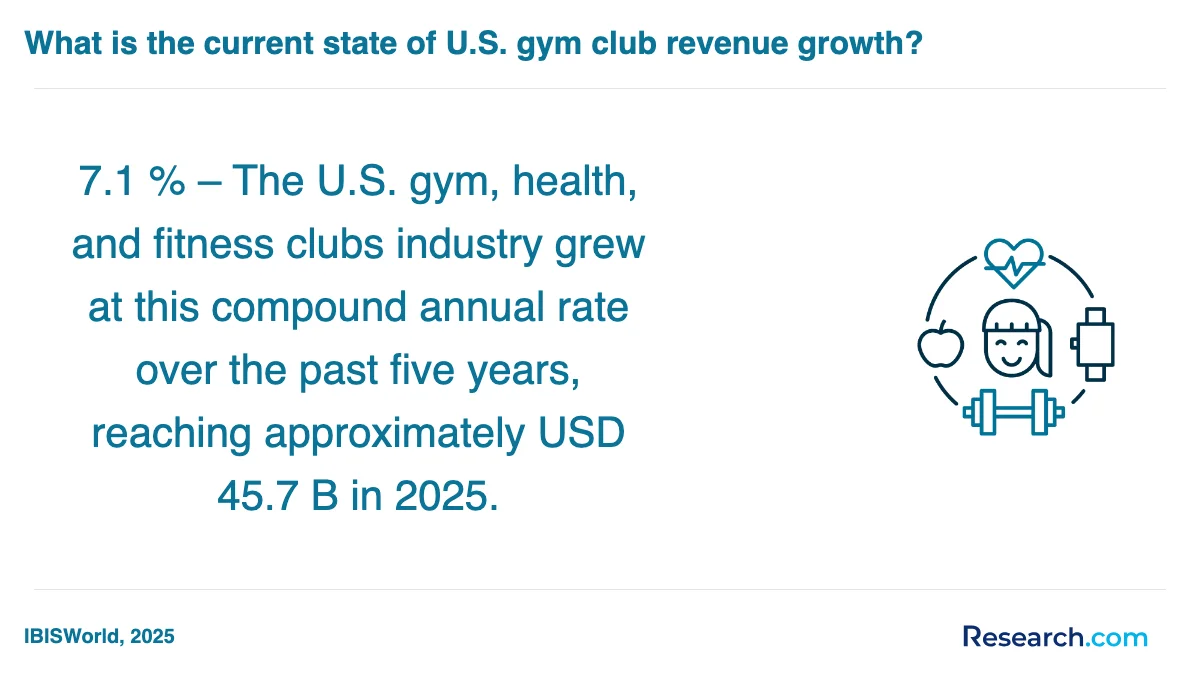
The job market for physical fitness technician trade school graduates in Nevada is thriving, fueled by the state's dynamic hospitality and entertainment industries. Many graduates from popular Nevada trade schools quickly find their footing in cities like Las Vegas and Reno, where over 140 gyms and fitness centers regularly seek qualified technicians. Employment trends indicate a steady demand, with personal trainers achieving an employment rate of 1.52 per 1,000 jobs statewide. This demand extends beyond gyms to hotels, resorts, and entertainment venues where customized training is highly valued.
Graduates often report gaining rewarding, flexible roles that blend in-person and online instruction. Typical positions offer hourly wages between $19.25 and $25.25, made possible through certification-focused programs emphasizing real-world skills. Alumni highlight the value of networking and niche expertise, such as working with athletes or performers, which enhances opportunities.
- Steady openings at gyms and resorts
- Flexible schedules including nights and weekends
- Growing hybrid and remote client options
Exploring the highest paying jobs for exercise science majors can inspire graduates to seek roles that maximize both earning potential and personal fulfillment in Nevada's expanding fitness market.
Frequently Asked Questions about physical fitness technician
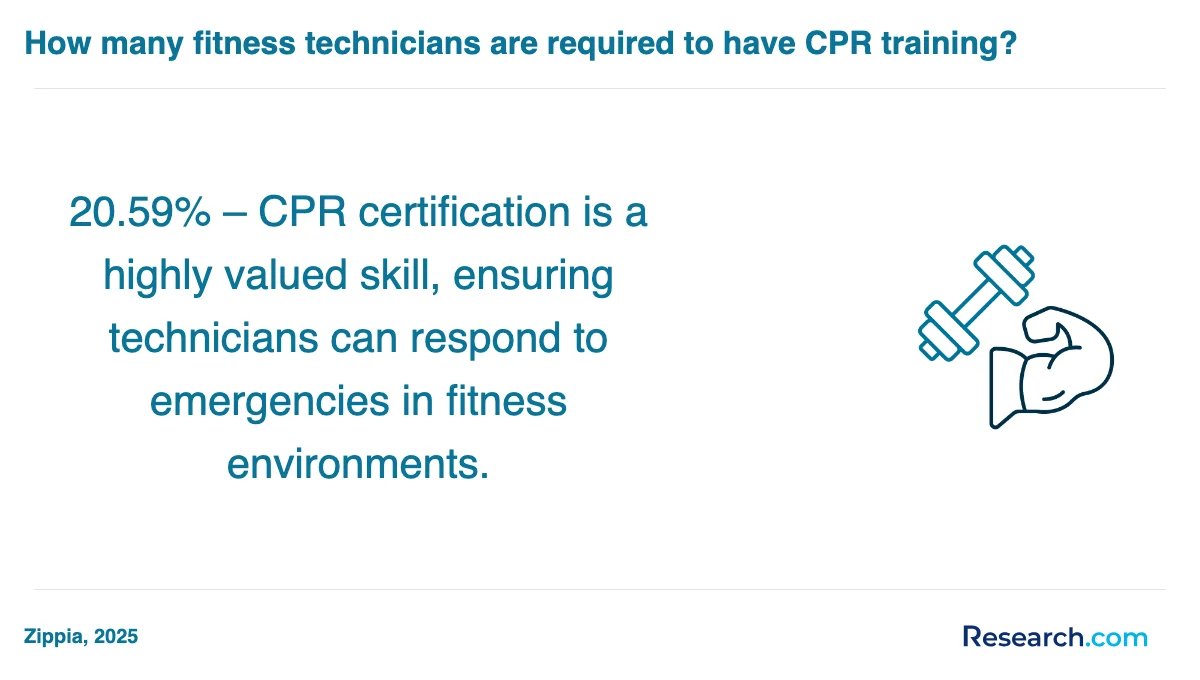
After completing a physical fitness technician trade school in Nevada, it is essential to build a strong professional profile to enter the job market successfully. Start by obtaining relevant certifications such as CPR and AED, which are often required by employers in fitness centers and rehabilitation facilities.
Networking plays a crucial role; consider joining local fitness associations or attending industry events in Nevada to connect with potential employers. Additionally, gaining practical experience through internships or part-time positions can significantly improve employability.
According to the U.S. Bureau of Labor Statistics, the demand for fitness trainers in Nevada is expected to grow 10% from 2022 to 2032, indicating promising job prospects for newly certified technicians.
Employers in Nevada seeking physical fitness technician graduates prioritize a combination of technical knowledge and interpersonal skills. Graduates must demonstrate proficiency in exercise physiology, anatomy, and the use of fitness equipment. According to the Nevada Department of Employment, Training and Rehabilitation, hands-on experience with client assessments and customized fitness plans is highly valued.
Strong communication skills are crucial, as technicians regularly motivate and educate clients. Employers also look for certifications such as CPR and First Aid, which enhance workplace safety. Additionally, familiarity with state health regulations and the ability to maintain clean, safe workout environments remain essential.
Problem-solving abilities and adaptability to client needs stand out as important traits in this competitive field.
Finding internships in Nevada relevant to physical fitness technician trade school programs involves several practical steps. Start by contacting your trade school's career services, as many maintain partnerships with local gyms, wellness centers, and rehabilitation clinics. These institutions often offer internship placements tailored to your field.
Additionally, explore Nevada's workforce development programs, such as those listed by the Nevada Department of Employment, Training and Rehabilitation (DETR), which sometimes feature fitness-related internships. Networking through local industry events or organizations like the Nevada Fitness Alliance can also open doors.
Online job boards like Nevada JobConnect occasionally post internships specifically for fitness technicians. Remember to verify that any internship provides hands-on experience aligned with your training requirements.
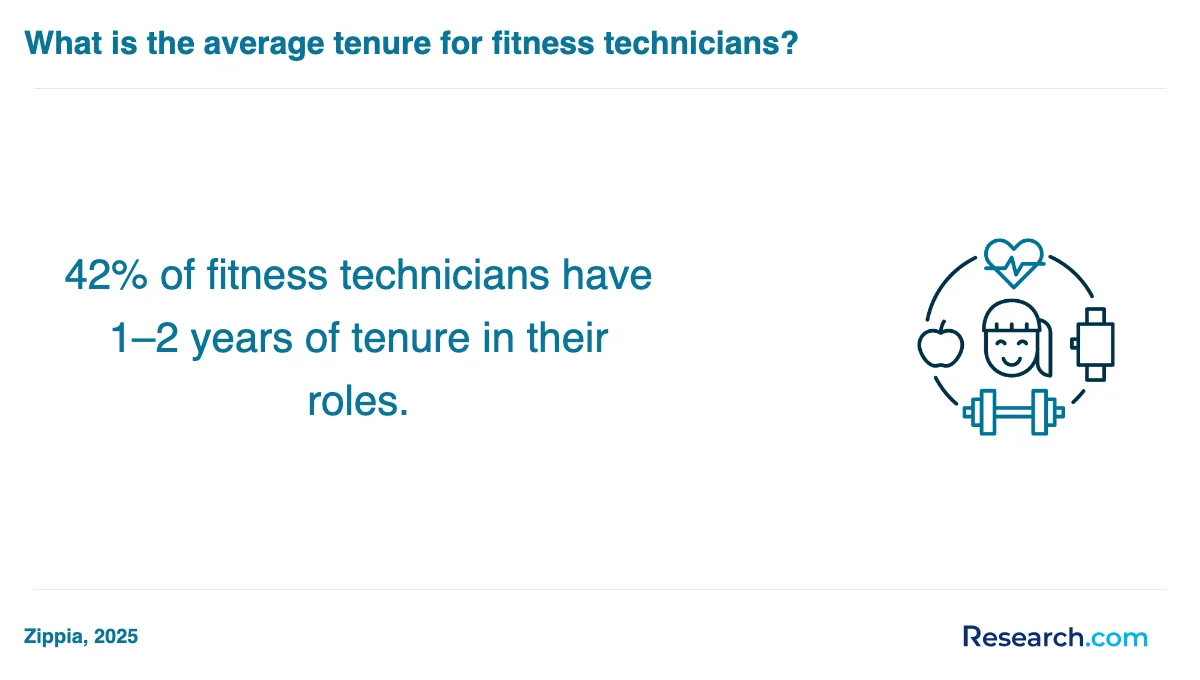
Obtaining a physical fitness technician trade school diploma in Nevada can significantly enhance career mobility within the growing health and wellness sector. According to the Nevada Department of Employment, Training and Rehabilitation, employment for fitness trainers and instructors is projected to grow 15% from 2022 to 2032, faster than the average for all occupations. A diploma provides practical skills and recognized credentials that employers value, increasing job opportunities beyond entry-level positions.
Trade schools also often offer specialized training and local industry connections, which can lead to faster advancement. Graduates may qualify for roles such as wellness coaches or rehabilitation assistants, expanding potential income and career paths. Additionally, this diploma can serve as a foundation for further certifications recognized nationwide, supporting long-term professional growth.
Part-time job opportunities in Nevada that complement physical fitness technician trade school education include roles such as fitness assistant, gym receptionist, and wellness coach. These positions provide practical experience and help build client interaction skills essential for the field.
The Nevada Department of Employment, Training and Rehabilitation reports that fitness trainers and instructors in the state earn a median hourly wage of around $18.50, with part-time roles often available in community centers and private gyms.
Working as a gym attendant or group exercise leader can enhance hands-on knowledge of equipment and fitness program design, directly supporting trade school training.
Additionally, positions in rehabilitation centers or senior care facilities offer exposure to specialized fitness needs, broadening a technician's expertise.
Finding the most affordable Physical Fitness Technician degree program near me in Nevada involves researching local community colleges and universities offering health and fitness-related programs. You can consult academic institutions’ websites, visit their admissions office, or use online resources like Research.com to compare tuition and fees. Additionally, seek guidance from education counselors at institutions or community centers near Nevada to understand options and financial aid opportunities that can help reduce costs.
Related Physical Fitness Technician Rankings for Nearby States
- Most Affordable Personal Trainer Schools & Training - Budget-Friendly Personal Trainer Trade Programs in California for 2026
- Most Affordable Personal Trainer Schools & Training - Budget-Friendly Personal Trainer Trade Programs in Oregon for 2026
- Most Affordable Personal Trainer Schools & Training - Budget-Friendly Personal Trainer Trade Programs in Arizona for 2026
- Most Affordable Personal Trainer Schools & Training - Budget-Friendly Personal Trainer Trade Programs in Wyoming for 2026
- Most Affordable Personal Trainer Schools & Training - Budget-Friendly Personal Trainer Trade Programs in Colorado for 2026
- Most Affordable Personal Trainer Schools & Training - Budget-Friendly Personal Trainer Trade Programs in New Mexico for 2026
- Most Affordable Personal Trainer Schools & Training - Budget-Friendly Personal Trainer Trade Programs in Texas for 2026
- Most Affordable Personal Trainer Schools & Training - Budget-Friendly Personal Trainer Trade Programs in North Dakota for 2026
- Most Affordable Personal Trainer Schools & Training - Budget-Friendly Personal Trainer Trade Programs in Minnesota for 2026
- Most Affordable Personal Trainer Schools & Training - Budget-Friendly Personal Trainer Trade Programs in Iowa for 2026
Top Trending Rankings
References
- 7 Alternative Jobs for Personal Trainers | ISSA https://www.issaonline.com/blog/post/7-alternative-jobs-for-personal-trainers
- 15 Best Fitness Jobs and Where To Find Them | The Fitness Group https://www.thefitnessgrp.co.uk/best-fitness-jobs/
- 10 Exciting Fitness and Nutrition Careers | Penn Foster https://www.pennfoster.edu/blog/how-to-make-fitness-and-nutrition-your-job
- 37 Careers You Can Pursue Via Trade Schools https://www.best-trade-schools.net/careers/
- 24 Short Career Programs That Lead to High-Paying Jobs https://www.trade-schools.net/articles/highest-paying-jobs-without-degree
- Careers in Leisure, Sport & Fitness Sector Profile Courses | CareersPortal.ie https://cc.careersportal.ie/sectors/courses.php
- What can I do with a sport and exercise degree? | Prospects.ac.uk https://www.prospects.ac.uk/careers-advice/what-can-i-do-with-my-degree/sport-and-exercise-science
- 40 Highest Paying Fitness Jobs in 2024 (Best Fitness Jobs With Salaries) - WodGuru https://wod.guru/blog/highest-paying-fitness-jobs/
- The Best Physical Fitness Technician Colleges 2026 https://www.collegeraptor.com/Majors/Details/31.0507/Level/Award-of-at-least-1-but-less-than-2-academic-years/State/All/Physical-Fitness-Technician/
- Certified Personal Trainer Salary Map | CPT Salary | NASM https://www.nasm.org/resource-center/cpt-salary


