
Most Affordable Personal Trainer Schools & Training - Budget-Friendly Personal Trainer Trade Programs in Oregon for 2026

Co-Founder and Chief Data Scientist
Looking to start a rewarding career in physical fitness? Choosing the right trade school in Oregon can make all the difference. This article introduces a carefully crafted physical fitness technician trade school programs ranking developed by the Research.com team of data scientists.
It’s designed to help you find programs that truly match your goals and offer great value. Earning a diploma or certification in this field opens doors to exciting opportunities and personal growth.
Explore your options with confidence and take the first step toward a healthier, more fulfilling career path.
Key benefits of finishing physical fitness technician trade school in Oregon
- Graduates can expect an average hourly wage around $23.63, translating to about $49,150 annually in Oregon, with opportunities to earn more as experience grows.
- Career paths include roles like fitness equipment technician or personal trainer, offering diverse opportunities in gyms, wellness centers, and sports facilities across the state.
- Completing a physical fitness technician trade school online provides flexibility and convenience, allowing students to balance work and study while gaining practical skills quickly.
What can I expect from physical fitness technician trade schools in Oregon?
Enrolling in a physical fitness technician trade school program in Oregon means diving into a hands-on learning experience that blends classroom theory with practical training. Graduates from programs like Portland Community College often describe their journey as dynamic, balancing courses in exercise science, human anatomy, and fitness assessment with real-world internships at local gyms.
You can expect to work directly with cardio and weight machines, adaptive exercise tools, and advanced testing equipment that monitors cardiovascular and muscular health. Many students find safety certifications like CPR and first aid training both empowering and essential, preparing them confidently for employment.
Programs typically last from a few months to a year, offering flexible paths whether pursuing a certificate or combining credentials. Alongside technical skills, graduates emphasize gaining interpersonal skills and fitness promotion techniques, helping them connect effectively with clients.
Students appreciate that these Oregon programs align with national certification standards, making them eligible for respected exams that open doors to careers as personal trainers or wellness specialists. The practical focus and supportive environments create a rewarding path for those eager to start their fitness careers quickly.
Where can I work after finishing physical fitness technician trade schools in Oregon?
After finishing a physical fitness technician trade school program in Oregon, graduates find diverse job opportunities across the state's health and wellness sectors. Many step into roles at popular commercial gyms like Muv Fitness or Physiq Fitness, where they engage directly with clients by leading group fitness classes or providing personalized training. Others enjoy behind-the-scenes positions maintaining gym equipment, a vital role that keeps facilities safe and running smoothly.
Graduates often share how rewarding it is to work in medical centers and rehabilitation clinics, such as March Wellness & Fitness Center affiliated with OHSU, where they help patients recover and manage chronic conditions through customized exercise plans. This hands-on experience creates a strong connection between their training and real-world impact.
Community centers and senior living facilities also offer fulfilling careers. Here, graduates design accessible fitness programs tailored for youth, older adults, or special populations, making a meaningful difference in people's daily lives. Many appreciate the variety and positive energy found in these roles, reflecting the versatility of their trade school education in Oregon.
How much can I make after finishing physical fitness technician trade schools in Oregon?
After completing a physical fitness technician trade school program in Oregon, graduates often find their starting pay around $20 to $23 per hour, with steady growth as they gain hands-on experience. For example, graduates from popular Oregon trade schools report initially working as Fitness Equipment Technicians earning about $23.63 per hour. This role involves maintaining gym machines, which quickly builds valuable technical skills.
Some graduates move into Facilities Technician positions at well-known fitness centers like 24 Hour Fitness, where hourly wages average $25.41. This higher pay reflects the trust placed in these technicians to keep busy gyms running smoothly and safely.
Others leverage their training to become personal trainers, reaching average wages near $33.06 per hour. This path is especially rewarding for those who enjoy direct client interaction and can build a loyal client base, sometimes earning up to $65 per hour in larger cities.
Overall, graduates express satisfaction knowing their trade school investment opens doors to practical, well-paying roles in Oregon's fitness industry, with opportunities to boost earnings through specialization and certifications.
Most Affordable Personal Trainer Schools & Training - Budget-Friendly Personal Trainer Trade Programs in Oregon for 2026
# 1 position
Mt Hood Community College - Physical Fitness Technician.
certificate or diplomaMt Hood Community College offers a fully online Physical Fitness Technician program designed to prepare students for roles in health and fitness clubs, wellness centers, and corporate fitness programs. The curriculum covers human anatomy, physiology, exercise science, personal training, nutrition, and customer service. The program is accredited by the Northwest Commission on Colleges and Universities. Annual in-state tuition is $5,175, and the program is delivered 100% via distance learning.
# 2 position
Lane Community College - Physical Fitness Technician.
certificate or diplomaLane Community College offers a Physical Fitness Technician program designed to prepare students for work in health and fitness clubs, wellness centers, and corporate fitness programs. This hybrid program includes instruction in anatomy, physiology, exercise science, personal training, nutrition, and customer service. The annual in-state tuition is $5,879. The program is accredited by the Northwest Commission on Colleges and Universities.
# 3 position
Warner Pacific University - Physical Fitness Technician.
associateWarner Pacific University offers a Physical Fitness Technician program in a hybrid format with some distance-education options. The program prepares students for roles in health and fitness clubs, wellness centers, recreation facilities, hospitals, and corporate fitness programs. Coursework covers human anatomy, physiology, fitness techniques, exercise science, personal training, nutrition, and customer service. The program is accredited by the Northwest Commission on Colleges and Universities. Annual in-state tuition is $21,010.
Key Findings
- Admission usually requires a high school diploma or equivalent and may include CPR/AED and First Aid certifications.
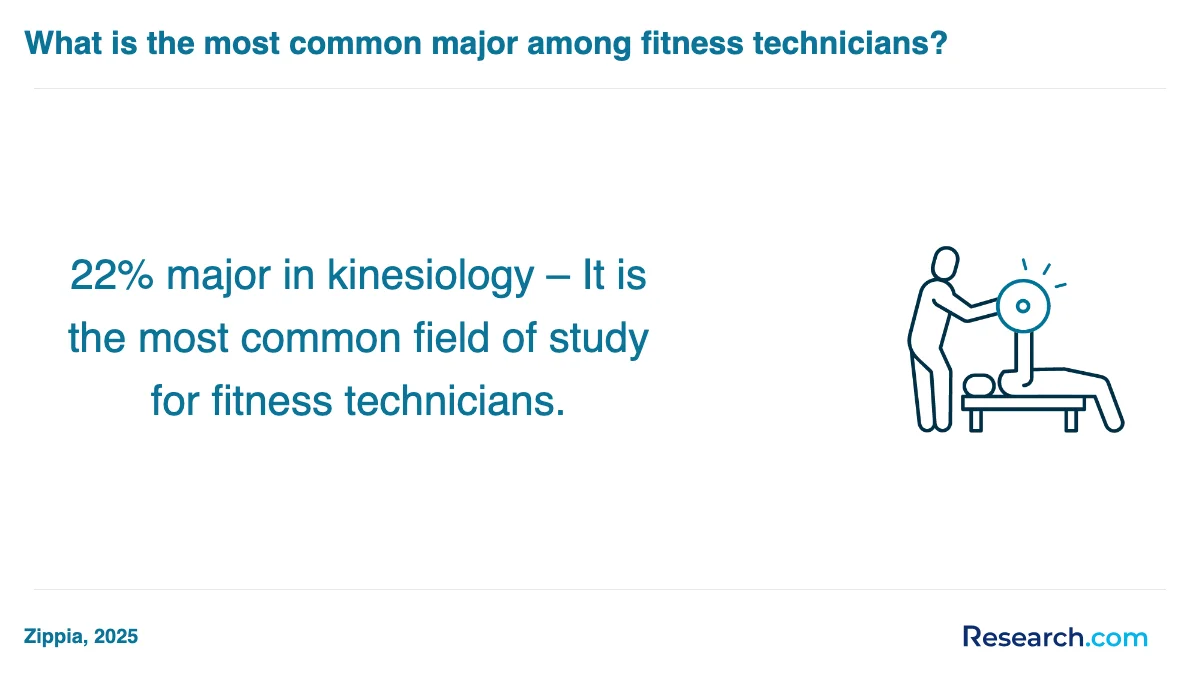
- Programs focus on anatomy, physiology, kinesiology, exercise assessment, injury prevention, and sports nutrition with hands-on internships.
- Most certificates or associate degrees take one to two years to complete; PCC's certificate requires 41 credits and typically finishes in about a year.
- Tuition for community college programs in Oregon ranges from $4,000 to $5,500 per year for in-state students, with total costs varying based on credits and materials.
- Fitness trainers in Portland earn between $15.65 and $38.82 per hour, with an average annual salary of about $51,875.
- Graduates often work as fitness trainers or physical therapy aides, and certifications like ACE, ACSM, or NSCA improve job opportunities and pay.
How long does it take to complete physical fitness technician trade schools in Oregon?
Completing a physical fitness technician trade school program in Oregon typically takes between six months and one year. Many students choose this path because the timeline is manageable and fits well with busy schedules. At popular Oregon trade schools, graduates often share how quickly they progressed from enrollment to hands-on training, balancing classes with real-world practice in local gyms or wellness centers.
For example, graduates frequently mention the satisfaction of completing their certifications within a year, enabling them to jumpstart their careers promptly. The programs are designed to be intensive yet accessible, focusing on practical skills like client assessments, exercise planning, and injury prevention. This approach helps students feel confident and prepared for the workforce in a short amount of time.
Choosing a trade school in Oregon known for its supportive community and experienced instructors makes the learning experience more engaging. Many students appreciate the personalized attention and the opportunity to connect with industry professionals, which enhances their practical knowledge and job readiness.
What's the difference between online and on-campus physical fitness technician trade school programs?
The main difference between online and on-campus physical fitness technician trade school programs in Oregon is how hands-on training is delivered. On-campus programs, like those at Portland Community College, offer students direct access to specialized equipment such as cardio machines and anatomy models. Graduates often highlight how the small class sizes, like the 10-to-1 ratio at Warner Pacific University, created a supportive environment with personalized feedback and mentorship, boosting their confidence and skills.
Online programs provide flexibility for students balancing jobs or family, delivering theoretical knowledge through videos and assignments. However, many online students find the limited hands-on practice challenging, sometimes needing to travel for occasional skills assessments. Both formats prepare students for certifications like ACE Personal Trainer, but Oregon employers tend to favor those with strong supervised practical experience.
Choosing between the two depends on your lifestyle and how much direct, in-person training you want to feel fully prepared for a career in Oregon's fitness industry.
What is the average cost of physical fitness technician trade schools in Oregon?
The average cost of a physical fitness technician trade school program in Oregon typically hovers around $15,704, which covers tuition, fees, books, supplies, room and board, and other living expenses. Graduates from popular trade schools in Oregon often share how budgeting for this investment felt manageable once they researched detailed tuition fees and sought financial aid opportunities. For example, some private trade schools have tuition ranging from $11,200 to $19,173, allowing prospective students to weigh options that fit their financial plans.
Many students find that focusing on the program length and total contact hours helps clarify cost expectations. The national average program takes about 6.8 months to complete with roughly 546 contact hours. This aligns with the steady, practical pace students appreciate when balancing schoolwork and part-time jobs. A graduate from such programs described the satisfaction of affordable tuition paired with hands-on training using modern adaptive exercise equipment and cardio machines, which adds tremendous value beyond the sticker price.
When considering a career path, it's helpful to explore various accredited programs, including those offering a kinesiology online bachelor's degree, to see how credit transfers or further education can enhance career prospects. Real-life experiences reveal that additional costs for books and materials may range from $500 to $1,250, while living expenses around $11,288 can be offset with scholarships and grants available through Oregon's Office of Student Access and Completion and others tailored to foster care students.
Including financial aid, many students feel empowered, confident, and enthusiastic about starting their careers in physical fitness. Researching programs, from local trade schools to community colleges, and considering all expenses helps build a clear path forward for Oregon students ready to invest in their future.

What financial aid is available for physical fitness technician trade schools in Oregon?
Physical fitness technician students in Oregon often rely on a variety of financial aid options to manage the average tuition cost of about $15,011 for trade programs. Graduates from popular trade schools in Portland and Eugene recall applying early for the Free Application for Federal Student Aid (FAFSA) or the Oregon Student Aid Application (ORSAA), which opened doors to grants, loans, and work-study jobs. One graduate shared that securing a Pell Grant made a big difference by covering a substantial portion of tuition without the burden of repayment.
Others found that Federal Supplemental Educational Opportunity Grants (FSEOG) and part-time Federal Work-Study positions helped them manage living expenses while gaining relevant work experience. State programs like the Oregon Opportunity Grant were praised by students balancing jobs and studies, as these grants support residents with financial need attending accredited trade schools.
Many students emphasized the importance of maintaining at least six credits per term to stay eligible for aid, with some programs requiring full-time enrollment. By working closely with their school's financial aid office and meeting deadlines, students felt empowered to reduce their out-of-pocket costs and focus on their training with confidence.
What are the prerequisites for enrolling in physical fitness technician trade schools in Oregon?
To enroll in a physical fitness technician trade school program in Oregon, most schools require a high school diploma or GED as a basic prerequisite. This ensures students have foundational skills necessary for success in the program.
Additionally, some trade schools ask for:
- Proof of physical fitness or a general health screening, since the work involves physical activity.
- A clear background check, especially if the program includes internships at gyms or health facilities.
- Basic computer literacy to handle scheduling software and client records.
Graduates from popular Oregon trade schools often share how being prepared with these prerequisites helped them dive confidently into hands-on training. For example, one graduate mentioned how their health screening encouraged them to improve their own fitness, boosting motivation throughout the course.
Another common step is submitting an application that may include a short personal statement explaining your interest in physical fitness. This helps schools understand your passion and commitment, making the admission process smoother.
Most students find that meeting these requirements is straightforward, setting a positive tone for their learning journey in Oregon's supportive trade school environment.

What are the typical courses in physical fitness technician trade schools in Oregon?
Physical fitness technician trade school programs in Oregon focus on practical courses that prepare students for real-world fitness roles. Graduates from popular schools like Portland Community College often highlight how hands-on learning and clear instruction helped them confidently step into the fitness industry.
Typical courses include:
- Anatomy and Physiology: Understanding the human body's structure and function is essential for safely guiding clients through workouts.
- Exercise Physiology: Students learn how the body adapts to exercise, which helps tailor effective training plans.
- Fitness Assessment: Training includes standardized methods to evaluate client progress and adjust programs accordingly.
- Exercise Prescription: Courses teach how to design personalized workout routines for diverse fitness goals and populations.
- Nutrition for Exercise: Basic dietary advice supports clients' fitness outcomes and overall wellness.
- Injury Prevention and Management: Students gain skills to minimize risks and handle common exercise injuries.
- Analysis of Movement/Kinesiology: Biomechanics knowledge ensures safe and efficient training techniques.
- Health and Fitness Promotion: Emphasizes motivational strategies to encourage lasting lifestyle changes.
- Hands-on Internship/Practical Experience: Supervised internships in gyms or wellness centers provide real-world confidence before graduation.
These courses reflect industry standards, helping students transition smoothly from the classroom to roles in Portland's fitness community. Graduates often share how internship experiences gave them a sense of achievement and readiness, making trade school study both motivating and rewarding.
What are the available specializations in physical fitness technician trade schools in Oregon?
Physical fitness technician trade school programs in Oregon often include specializations that prepare students for varied, rewarding careers in health and fitness. Graduates from programs like those at Portland Community College gain expertise in personal training, injury prevention, and exercise prescription, helping them confidently guide clients through effective workout plans. At Central Oregon Community College, students experience hands-on training in physiology labs, mastering VO2 max testing and body composition analysis, which opens doors to roles in physical therapy and wellness coaching.
Popular specializations across Oregon's trade schools include:
- Personal Trainer Certification in Oregon
- Applied Health and Fitness Programs in Oregon
At Clackamas Community College, the Fitness Specialist Certificate connects students with real-world work experience in nutrition, strength conditioning, and personal training, creating paths into the active fitness industry. Meanwhile, Oregon State University offers specialized focus areas such as Health Coaching and Fitness for Special Populations, preparing students for impactful community and rehabilitative roles. Many graduates share how these programs helped them turn passion into profession, eager to help others improve their well-being.
Those exploring career options often ask if is kinesiology an easy degree to pursue, especially when considering the rigorous training involved in specialized programs across Oregon.
How do you choose the best physical fitness technician trade school program in Oregon?
When choosing a fitness trade school in Oregon, prioritize programs accredited by recognized agencies to ensure your education meets industry standards. Graduates from Portland Community College often highlight how hands-on labs and required internships helped them gain real-world skills essential for success in fitness careers. Smaller class sizes are common in top physical fitness technician schools in Oregon, allowing for personalized instruction and meaningful feedback from experienced instructors with relevant certifications.
Look for programs that integrate preparation for widely recognized certifications like those from the American Council on Exercise (ACE) or National Strength and Conditioning Association (NSCA). This approach saves time and money after graduation, as reported by many recent graduates who felt confident entering the workforce. Location matters too-schools in Portland provide better access to internships and job placements, enhancing your career prospects.
Cost and financial aid options should also factor into your decision. Some students explore options like a cheap master's degree in physical education online to complement their trade school training and expand opportunities.
What career paths are available for physical fitness technician trade school graduates in Oregon?
Graduates of physical fitness technician trade school programs in Oregon can explore diverse career paths that match their skills and interests. Many find rewarding work as personal trainers, supporting clients one-on-one in gyms or community centers. This path often requires CPR/AED certification and completion of recognized programs like those in popular Oregon trade schools, which equips graduates with hands-on training to boost confidence and job readiness.
Others choose to become physical therapy technicians, collaborating with licensed therapists in clinics or rehabilitation centers. Demand is strong, with over 225 job openings statewide, providing graduates with steady employment opportunities and the satisfaction of aiding patient recovery. Graduates also report taking pride in their concrete contributions to health outcomes.
Fitness equipment technician roles appeal to detail-oriented graduates interested in tech and hands-on work. Maintaining and repairing gym equipment blends technical expertise with physical activity, with salaries often ranging from $42,000 to $60,000 annually in Oregon. Experience gained through trade schools ensures graduates feel capable and prepared to excel on day one.
Group fitness instructors are another popular option, delivering dynamic exercise classes in gyms and corporate wellness programs. These roles emphasize communication skills and certification, fostering community connections and leadership.
Some graduates deepen their knowledge through pursuing a degree in kinesiology, enhancing career advancement possibilities. Overall, exercise specialist jobs for trade school graduates in Oregon offer a practical, exciting career landscape rich in variety and growth.
What is the job market for physical fitness technician trade school graduates in Oregon?
Physical fitness technician trade school graduates in Oregon find a diverse range of physical fitness technician job opportunities in Oregon across fitness centers, rehabilitation clinics, and wellness facilities. Graduates often secure roles such as fitness equipment technician or physical therapy aide, gaining practical experience from popular trade schools throughout the state. Many report hands-on training preparing them successfully to manage and repair gym equipment or assist in therapy settings.
Job seekers can anticipate competitive wages, with fitness equipment technicians earning between $20 and $33 hourly, and supervisory roles reaching annual salaries up to $60,000. Fitness instructors often reach median earnings near $57,446, with higher potential as experience grows.
Examples from graduates highlight that employer demand in cities like Portland and Salem remains strong, especially for those with certifications and technical skills. The fitness trainer salary and employment outlook Oregon is promising, amplified by expanding wellness programs statewide.
Key factors for success include:
- Completing certifications linked to manual therapy and exercise science
- Gaining experience through internships at community centers or clinics
- Developing skills in program development and client assessments
For insights into career growth and compensation, consider exploring best paying exercise science degree jobs, which often overlap with physical fitness technician career paths.
Frequently Asked Questions about physical fitness technician
After completing a physical fitness technician trade school in Oregon, preparing for the job market involves several key steps. First, obtaining relevant certifications, such as CPR and First Aid, is essential and often required by employers. Networking within local fitness communities and attending job fairs can connect graduates to potential employers.
Building a professional resume highlighting hands-on experience gained during training improves job prospects. According to the Oregon Employment Department, the demand for fitness trainers and instructors is expected to grow by 15% through 2030, faster than average for all occupations. Staying updated on industry trends and continuing education also enhances employability.
Employers in Oregon prioritize physical fitness technician graduates who demonstrate strong knowledge of anatomy, physiology, and exercise science. Practical skills in designing and implementing fitness programs tailored to diverse client needs are essential. Communication skills rank highly, as technicians must effectively motivate and instruct clients. According to the Oregon Employment Department, nearly 70% of fitness technician roles require hands-on experience with fitness equipment and safety protocols. Additionally, certification from recognized bodies such as the National Academy of Sports Medicine (NASM) or American Council on Exercise (ACE) significantly enhances job prospects. Time management and customer service abilities are also frequently sought in this competitive field.
Finding internships in Oregon relevant to physical fitness technician trade school programs involves several practical steps. Start by contacting your school's career services or internship coordinator, as many trade schools in Oregon maintain partnerships with local gyms, rehabilitation centers, and wellness clinics.
Additionally, explore Oregon's state workforce resources such as WorkSource Oregon, which offers job listings and internship opportunities in health and fitness sectors. According to the Oregon Employment Department, health and wellness occupations are growing steadily, with an expected 8% increase through 2030, indicating expanding internship availability.
Networking with local fitness professionals and attending industry events can also uncover hidden internship openings. Websites like Indeed and LinkedIn often list internships specifically in Portland, Eugene, and other urban areas.
Obtaining a physical fitness technician trade school diploma in Oregon can significantly enhance career mobility and advancement within the state's growing health and wellness sector. According to the Oregon Employment Department, jobs for fitness trainers and instructors are expected to grow by 15% from 2022 to 2032, faster than the average for all occupations. A diploma demonstrates practical skills and knowledge, increasing eligibility for entry-level positions in gyms, rehabilitation centers, and wellness programs.
Moreover, employers in Oregon often prefer candidates with formal training credentials, which can lead to higher starting salaries and opportunities for specialization. Trade school graduates may also pursue certifications such as CPR or personal training licenses, further boosting employability and potential for promotion.
Part-time job opportunities in Oregon that complement physical fitness technician trade school education often include roles such as gym assistants, fitness aides, and wellness coaches. These positions provide hands-on experience in client interaction, exercise supervision, and basic fitness assessments. According to the Oregon Employment Department, fitness trainers and instructors in the state earn a median hourly wage of $22.50, making part-time work financially viable for students.
Many fitness centers and community recreation programs in Oregon actively seek part-time staff with foundational knowledge in exercise science. This work allows students to apply their classroom learning in real-world settings while building professional networks. Additionally, some students find opportunities in physical therapy clinics or corporate wellness programs, which value the skills developed through trade school training.
If you are looking for an affordable Physical Fitness Technician degree program near me, many community colleges near Oregon offer cost-effective options without compromising quality. These programs often focus on exercise science, personal training, and wellness management, providing hands-on training and industry certifications. Research.com is a helpful resource for exploring different universities and programs near Oregon to find the one that fits your educational goals and budget.
Related Physical Fitness Technician Rankings for Nearby States
- Most Affordable Personal Trainer Schools & Training - Budget-Friendly Personal Trainer Trade Programs in California for 2026
- Most Affordable Personal Trainer Schools & Training - Budget-Friendly Personal Trainer Trade Programs in Nevada for 2026
- Most Affordable Personal Trainer Schools & Training - Budget-Friendly Personal Trainer Trade Programs in Wyoming for 2026
- Most Affordable Personal Trainer Schools & Training - Budget-Friendly Personal Trainer Trade Programs in Arizona for 2026
- Most Affordable Personal Trainer Schools & Training - Budget-Friendly Personal Trainer Trade Programs in Colorado for 2026
- Most Affordable Personal Trainer Schools & Training - Budget-Friendly Personal Trainer Trade Programs in New Mexico for 2026
- Most Affordable Personal Trainer Schools & Training - Budget-Friendly Personal Trainer Trade Programs in North Dakota for 2026
- Most Affordable Personal Trainer Schools & Training - Budget-Friendly Personal Trainer Trade Programs in Texas for 2026
- Most Affordable Personal Trainer Schools & Training - Budget-Friendly Personal Trainer Trade Programs in Minnesota for 2026
- Most Affordable Personal Trainer Schools & Training - Budget-Friendly Personal Trainer Trade Programs in Iowa for 2026
Top Trending Rankings
References
- Kinesology careers | Kinesiology | College of Health | Oregon State University https://health.oregonstate.edu/kinesiology/careers
- How to Become a Physical Therapy Technician in Oregon | Dreambound https://dreambound.com/blog/how-to-become-a-physical-therapy-technician-in-oregon
- Job Opportunities | City of Lake Oswego Job Opportunities https://www.governmentjobs.com/careers/lakeoswego/jobs/4917435/personal-trainer-fitness-division
- School of Exercise, Sport, and Health Sciences < Oregon State University https://catalog.oregonstate.edu/college-departments/health/school-exercise-sport-health-sciences/
- Fitness and Lifestyle Specialist | Health, Medical, and Fitness | Lane Community College https://www.lanecc.edu/programs-academics/areas-study/health-medical-and-fitness/fitness-and-lifestyle-specialist
- Exercise Science – Division of Health & Exercise Science https://wou.edu/hexs/programs-and-degrees/exercise-science/
- Health and Physical Education Program - Southern Oregon University - Modern Campus Catalog™ https://catalog.sou.edu/preview_entity.php
- Kinesiology Major | Christian College in Oregon | George Fox University https://www.georgefox.edu/college-admissions/academics/major/kinesiology.html
- Pre-Physical Therapy Education and Information | Oregon Tech https://www.oit.edu/academics/degrees/health-sciences/pre-professional/pre-physical-therapy
- Most Focused Colleges for Physical Fitness Technician in Oregon https://www.collegefactual.com/majors/parks-recreation-fitness/health-and-physical-education/physical-fitness-technician/rankings/most-focused/far-western-us/oregon/


