
Most Affordable Personal Trainer Schools & Training - Budget-Friendly Personal Trainer Trade Programs in Minnesota for 2026

Co-Founder and Chief Data Scientist
Choosing the right physical fitness technician trade school in Minnesota can shape your future career and open doors to exciting opportunities. This article introduces a carefully crafted ranking of physical fitness technician trade school programs, developed by the Research.com team of data scientists. It’s designed to help you make an informed decision based on reliable data.
By exploring these programs, you’ll discover options that fit your goals and budget. Earning a diploma or certification in this field can boost your confidence and set you on a path to a rewarding profession in fitness.
Key benefits of finishing physical fitness technician trade school in Minnesota
- Graduates in Minnesota can expect an average hourly wage around $23.33, with top technicians earning up to $32.37, offering a strong starting salary in a growing field.
- Career paths include roles as fitness equipment technicians, personal trainers, or fitness instructors, providing diverse opportunities to match your interests and skills.
- Completing a physical fitness technician trade school online offers flexibility and convenience, allowing you to balance studies with work or family commitments while gaining valuable certifications.
What can I expect from physical fitness technician trade schools in Minnesota?
Students enrolling in physical fitness technician trade school programs in Minnesota can expect a comprehensive blend of hands-on training and foundational coursework. Programs at institutions like Rochester Community and Technical College and Alexandria Technical & Community College emphasize exercise science, human anatomy, and fitness assessment, preparing students to design and implement personalized fitness plans.
Graduates often describe their experience as highly practical, with real-world applications such as conducting fitness assessments and leading group classes. Coursework includes exercise physiology, kinesiology, nutrition, and specialized instruction like boot camp and fitness yoga, enabling students to develop diverse skill sets valued by employers.
Many programs balance classroom learning with gym or lab sessions, helping students confidently work with special populations, including older adults and those with chronic conditions. Students appreciate the flexibility of short-term diplomas or associate degrees, often completed within one to two years, which provide stackable credentials that facilitate quick entry into fitness careers or transfer to four-year degrees.
Where can I work after finishing physical fitness technician trade schools in Minnesota?
Graduates from physical fitness technician trade schools in Minnesota often find employment as fitness trainers, group exercise instructors, or personal trainers at gyms, health clubs, and corporate fitness centers. Many report feeling energized working in bustling urban hubs like Minneapolis or St. Paul, where demand is high and opportunities plentiful. For example, graduates from well-known Minnesota trade schools frequently secure positions at community recreation facilities or specialized fitness studios such as yoga and Pilates centers, combining their technical training with a passion for wellness.
Others leverage their skills in rehabilitation programs at hospitals or medical centers, helping patients recover through tailored exercise routines. Some alumni express satisfaction working in corporate wellness departments, promoting healthier lifestyles in office environments. Technical graduates with equipment management expertise often maintain gym facilities, ensuring smooth operations.
With employers ranging from commercial gyms to renowned healthcare organizations like Mayo Clinic, graduates experience diverse career paths. Many appreciate the stable wage prospects-fitness instructors earn an average of $65,949 annually-and steady job growth in Minnesota's health and fitness sector.
How much can I make after finishing physical fitness technician trade schools in Minnesota?
Graduates of physical fitness technician trade schools in Minnesota often see varied earnings based on their roles and experience. For example, entry-level fitness technicians in Minneapolis typically start near $32,436 annually, with average salaries around $59,580. Those who build experience can earn up to $135,734, reflecting the value of additional certifications and specialized skills gained after completing programs at well-known Minnesota trade schools.
Many graduates choose to become personal trainers, where initial salaries can be as low as $14,000 but grow to $128,000 with experience, especially at large employers like Life Time. This path is common among those who want direct client interaction and coaching. Others with a knack for mechanics pursue roles as fitness equipment technicians, earning about $23.33 hourly in Minneapolis, which translates to roughly $48,526 annually. In nearby areas like Eden Prairie, hourly wages rise slightly to $25.21, rewarding technical expertise.
Graduates often express excitement about entering Minnesota's strong healthcare and fitness market, knowing their trade school training positions them for competitive salaries driven by local demand and high employer standards.
Most Affordable Personal Trainer Schools & Training - Budget-Friendly Personal Trainer Trade Programs in Minnesota for 2026
# 1 position
Anoka-Ramsey Community College - Physical Fitness Technician.
certificate or diplomaAnoka-Ramsey Community College offers a Physical Fitness Technician program with a hybrid format, including some distance-education options. This program prepares students for roles in health clubs, wellness centers, recreation facilities, hospitals, and corporate fitness programs. Coursework covers human anatomy, physiology, fitness techniques, exercise science, personal training, nutrition, and customer service. The annual in-state tuition is $5,682. The program is accredited by the Higher Learning Commission.
# 2 position
Dakota County Technical College - Physical Fitness Technician.
associateDakota County Technical College offers a Physical Fitness Technician program designed to prepare students for roles in health and fitness clubs, wellness centers, and corporate fitness programs. The hybrid program includes instruction in human anatomy, exercise science, personal training, nutrition, and customer service. The annual in-state tuition is $6,419. The program is accredited by the Higher Learning Commission and provides both instructional and administrative training for various fitness-related careers.
# 3 position
Dakota County Technical College - Physical Fitness Technician.
certificate or diplomaDakota County Technical College offers a Physical Fitness Technician program through a hybrid format that includes some distance education. The program prepares students for roles in health clubs, wellness centers, recreation facilities, hospitals, and corporate fitness programs. Coursework covers human anatomy, physiology, exercise science, personal training, nutrition, and customer service. Annual in-state tuition is $6,419. The program is accredited by the Higher Learning Commission.
# 4 position
Alexandria Technical & Community College - Physical Fitness Technician.
associateAlexandria Technical & Community College offers a Physical Fitness Technician program in a hybrid format, combining distance and on-campus education. The curriculum includes human anatomy, physiology, exercise science, personal training, nutrition, and customer service. Graduates are prepared for roles in health clubs, wellness centers, hospitals, and corporate fitness programs. Annual in-state tuition is $6,213. The program is accredited by the Higher Learning Commission.
# 5 position
Alexandria Technical & Community College - Physical Fitness Technician.
certificate or diplomaAlexandria Technical & Community College offers a Physical Fitness Technician program with a hybrid format, combining in-person and distance education. The program prepares students for roles in health and fitness clubs, wellness centers, hospitals, and corporate fitness programs. Coursework includes human anatomy, physiology, fitness techniques, exercise science, personal training, nutrition, and customer service. Annual in-state tuition is $6,213. The program is accredited by the Higher Learning Commission.
# 6 position
Minnesota North College - Physical Fitness Technician.
certificate or diplomaMinnesota North College offers an on-campus Physical Fitness Technician program preparing students for roles in health clubs, wellness centers, and corporate fitness. The curriculum covers human anatomy, exercise science, personal training, nutrition, and customer service. Annual in-state tuition is $6,004. The program is accredited by the Higher Learning Commission and equips graduates for instructional and administrative duties in various fitness and recreation settings.
# 7 position
Fond du Lac Tribal and Community College - Physical Fitness Technician.
associateFond du Lac Tribal and Community College offers a hybrid Physical Fitness Technician program that prepares students for roles in health clubs, wellness centers, recreation facilities, hospitals, and corporate fitness programs. The curriculum covers human anatomy, physiology, fitness techniques, exercise science, personal training, nutrition, and customer service. The program’s annual in-state tuition is $5,999 and it is accredited by the Higher Learning Commission.
# 8 position
Rochester Community and Technical College - Physical Fitness Technician.
certificate or diplomaRochester Community and Technical College offers a Physical Fitness Technician program with a hybrid format, combining in-person and distance education. The program prepares students for roles in health clubs, wellness centers, recreation facilities, hospitals, and corporate fitness programs. Coursework includes anatomy, physiology, exercise science, personal training, nutrition, and customer service. Annual in-state tuition is $6,359. The program is accredited by the Higher Learning Commission.
Key Findings
- Physical fitness technician programs in Minnesota are typically offered at community and technical colleges and take about two years to complete.
- Tuition costs range from $5,000 to $7,500 per year for in-state students, with a total average cost of $10,000 to $15,000 for the full program.
- Graduates can transfer credits to Minnesota State universities like Bemidji State University or Winona State University to pursue a bachelor's degree.
- Entry-level salaries for graduates usually fall between $32,000 and $41,000 annually, with potential to earn over $50,000 with experience and certifications.
- Student loan default rates at schools like Alexandria Technical & Community College are very low, around 1.9%.
How long does it take to complete physical fitness technician trade schools in Minnesota?
The typical completion time for a physical fitness technician trade school program in Minnesota ranges from 6 to 12 months. Most students find this timeframe manageable, allowing them to balance studies with personal and work commitments. Popular trade schools in Minnesota offer flexible schedules, including evening and weekend classes, which many graduates appreciate as it helps them maintain their daily routines while advancing their careers.
Graduates often describe their experience as intense yet rewarding, with hands-on training starting early in the program. This practical approach accelerates skill acquisition, enabling students to confidently enter the workforce soon after completion. For example, at well-known Minnesota trade schools, students report feeling prepared after just a few months of immersive learning and real-world application.
In addition, the relatively short duration of these programs means graduates quickly start earning and gaining valuable experience in the fitness industry. This swift transition from classroom to career is often cited as a major positive factor by students who chose physical fitness technician programs in Minnesota trade schools.
What's the difference between online and on-campus physical fitness technician trade school programs?
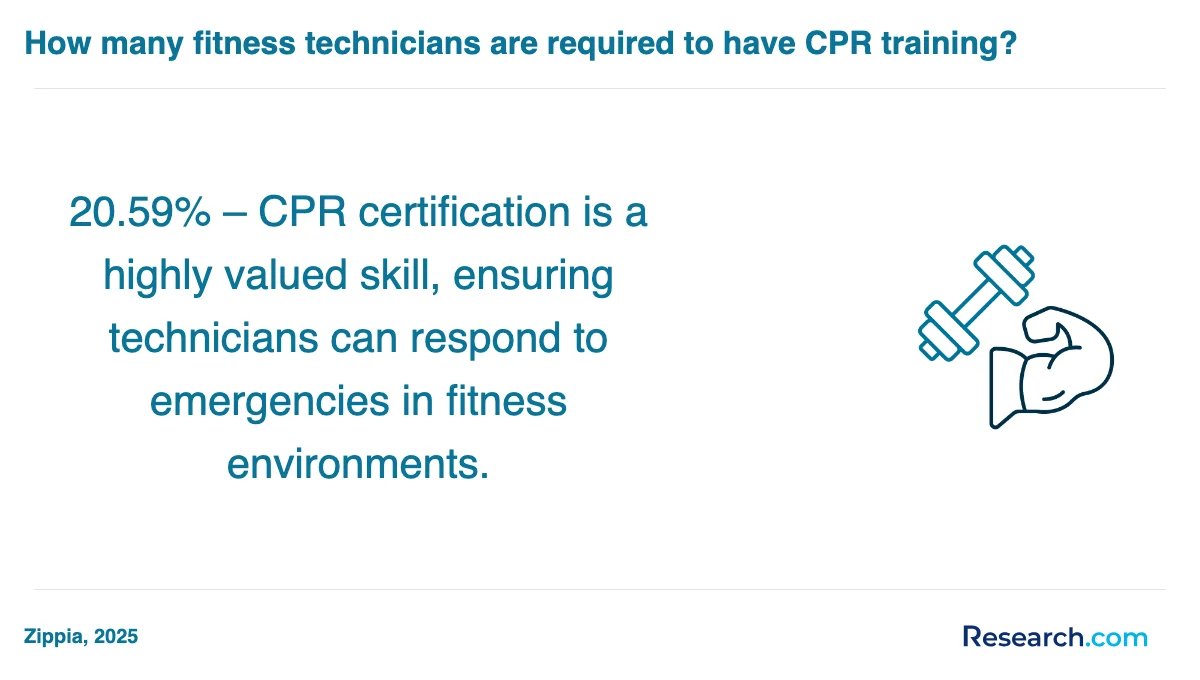
The main difference between online and on-campus physical fitness technician trade programs in Minnesota is how coursework and practical training are delivered. Online programs offer flexibility, allowing students to learn foundational subjects like anatomy and exercise program design remotely, often at their own pace. Graduates from these programs appreciate balancing family or work commitments while accessing video lectures and discussion boards. However, they must still complete essential hands-on components such as CPR certification or supervised internships at local facilities or during scheduled campus visits.
On-campus programs at schools like Alexandria Technical & Community College provide immersive, face-to-face learning experiences. Students engage directly with instructors and peers through hands-on labs, fitness training sessions, and real-time feedback. Many graduates describe this setting as motivating and supportive, fostering strong peer connections and easier access to campus career services.
Some Minnesota programs offer hybrid models, blending online theory with in-person practicums, catering to diverse learning preferences. Overall, while online coursework suits theory learning, the practical skills vital for fitness technicians thrive in on-campus environments.
What is the average cost of physical fitness technician trade schools in Minnesota?
The average tuition for physical fitness technician programs in Minnesota typically hovers around $19,115 for the 2023-2024 academic year, reflecting tuition and fees across various trade schools in the state. Graduates from well-known Minnesota trade schools often mention balancing this cost alongside the rewarding experience of hands-on training and community support. For example, many students express satisfaction with the comprehensive curriculum that prepares them for immediate entry into the fitness field.
In comparison, the national average tuition for physical fitness technician trade schools is approximately $11,851, showing that Minnesota's costs are somewhat higher due to regional factors and specific institutional pricing structures. Understanding the cost of physical fitness technician trade schools in Minnesota means accounting not only for tuition but also additional expenses.
Books, supplies, and living expenses add further financial considerations. Minnesota trade school attendees spend on average $2,765 on books and supplies, plus about $5,690 for room and board. Prospective students often find that budgeting for these helps avoid surprises and allows focus on their hands-on training. Many graduates recall that these investments felt worthwhile given the career opportunities that followed, often recommending programs to new students.
Those interested in studying fitness-related fields sometimes explore further options, such as pursuing a bachelors in kinesiology online after completing their technician training, thus building on their foundational knowledge while maintaining flexibility in their schedules.
What financial aid is available for physical fitness technician trade schools in Minnesota?
Students pursuing physical fitness technician programs in Minnesota benefit from multiple forms of financial aid that significantly reduce educational costs. State-funded options like the Workforce Development Scholarship offer $2,500 annually, supporting students enrolled in eligible technical programs at schools such as Century College. Graduates often cite this scholarship as a vital factor enabling them to focus on their studies without financial stress.
The North Star Promise Scholarship further eases tuition burdens for families earning under $80,000 AGI by covering remaining tuition and fees after other grants, making trade school more accessible. Many physical fitness technician students appreciate how this last-dollar scholarship creates a clear, affordable pathway to certification.
Additionally, the Minnesota Future Together Grant provides a tuition-free option for students from families with incomes below $50,000, and partial eligibility extends up to $100,000 AGI with certain employment conditions. Recipients often express relief and motivation knowing their education is financially supported through this grant.
Federal aid through Pell Grants, loans, and work-study programs complements state and institutional scholarships, allowing learners at Minnesota trade schools to balance education and finances effectively.
What are the prerequisites for enrolling in physical fitness technician trade schools in Minnesota?
Enrolling in a physical fitness technician trade school program in Minnesota typically requires applicants to meet several straightforward prerequisites designed to ensure readiness and commitment. Most trade schools, including well-known programs in Minneapolis and St. Paul, expect candidates to have a high school diploma or GED. This foundational education supports the technical and health-related coursework that follows.
Applicants often need to demonstrate basic proficiency in communication and math, which helps when learning about anatomy, exercise science, and client interaction. Some schools request a background check or immunization records due to hands-on training environments.
Graduates from Minnesota's trade schools frequently share that having a genuine passion for fitness and helping others was crucial to their success. They describe initial admissions interviews where enthusiasm and clear career goals positively influenced acceptance.
- High school diploma or GED
- Basic communication and math skills
- Background check and immunization records (varies by school)
- Personal interview or statement of intent showcasing motivation
These prerequisites ensure students are prepared both academically and emotionally, fostering a positive learning experience and smoother transition into hands-on physical fitness roles.
What are the typical courses in physical fitness technician trade schools in Minnesota?
Physical fitness technician trade school programs in Minnesota emphasize a comprehensive curriculum combining scientific knowledge with practical skills. Graduates from schools like Alexandria Technical & Community College frequently highlight core courses in anatomy, physiology, and kinesiology, which enable them to understand body mechanics essential for creating safe exercise plans.
Students also engage deeply with hands-on classes covering:
- Exercise techniques that teach correct movement patterns and client assessments
- Fitness program design to tailor workouts for individual goals
- Athletic performance strategies that improve client outcomes
At Rochester Community and Technical College, graduates praise the Personal Trainer Diploma for its focus on assessing clients and prescribing personalized training regimens, reflecting real-world professional standards.
Practical skills courses such as first aid and CPR are commonly required, supporting student confidence in emergency situations. Nutrition, wellness, weight training, and injury prevention classes prepare students to meet diverse client needs with empathy and expertise.
Specialized electives-like group fitness instruction or strength and conditioning-allow students to align studies with career goals. Many programs also prepare learners for certifications like the NSCA-CPT, enhancing job readiness and industry recognition.
What are the available specializations in physical fitness technician trade schools in Minnesota?
Physical fitness technician specializations in Minnesota typically focus on practical and targeted skill sets that align with industry needs across the state's diverse fitness sector. Popular trade school program options at institutions like Alexandria Technical and Community College emphasize core categories such as exercise science and fitness specialist roles. Graduates recall gaining hands-on experience in roles where they applied human anatomy knowledge, injury prevention techniques, and aerobic and anaerobic training methods.
Students frequently tailor their education through specializations including:
- Personal training, developing individualized workout programs
- Group fitness instruction, leading community exercise classes
- Coaching for youth, adults, and seniors in wellness and sports
- Functional fitness, supporting rehabilitation and special needs clients
Programs often incorporate opportunities to combine physical training with certifications such as nutrition coaching or wellness coaching, expanding post-graduation employment opportunities. This adaptability enriches Minnesota fitness trade school program options and equips graduates to thrive in local gyms, community centers, and health clubs. Many students pursue further education linked to their certification, such as a kinesiology bachelor degree jobs, enhancing career competitiveness in Minnesota's evolving fitness market.
How do you choose the best physical fitness technician trade school program in Minnesota?
Selecting from the best physical fitness technician programs in Minnesota requires careful evaluation of accreditation and curriculum rigor. Graduates from prominent Minnesota colleges consistently praise programs with hands-on training, such as internships and live demonstrations, for building real-world skills that ease the transition into fitness careers.
Cost is another significant factor; many students find affordable physical fitness technician schools in Minnesota that balance quality with manageable tuition fees. Comparing these options with financial aid availability ensures optimal investment in education. One can also explore complementary fields through a cheap sports management bachelor's degree online to expand career prospects.
Students often highlight the value of smaller class sizes, which foster personalized instruction and better student-instructor engagement. Location also matters-a program near Minneapolis or other key cities allows easier access to local internships and networking within Minnesota's fitness industry. Graduates appreciate programs offering flexible scheduling to accommodate working individuals, making selecting the right physical fitness technician trade school program in Minnesota a well-rounded decision.
What career paths are available for physical fitness technician trade school graduates in Minnesota?
Physical fitness technician trade school graduates in Minnesota have access to diverse physical fitness technician careers in Minnesota that align well with their training and interests. Many graduates become fitness trainers or group fitness instructors, earning a median annual salary of about $40,730. Working at local fitness centers or healthcare employers, they create exercise plans and coach clients individually or in groups, an opportunity that drives positive motivation and personal satisfaction.
Others specialize as athletic trainers, focusing on injury prevention and rehabilitation, with a median salary near $49,320 and a strong 20% job growth projection. Graduates often find roles in school sports programs or clinics, applying their skills in dynamic, impactful environments.
For those who prefer technical work, becoming a fitness equipment technician offers hourly wages around $21.75 while ensuring gyms operate safely. Additionally, graduates frequently pursue careers as wellness coaches or facility managers in health clubs and community centers. Many successes are rooted in programs offered by notable Minnesota trade schools, where graduates share rewarding experiences.
Exploring further exercise science career options can expand personal trainer job opportunities Minnesota and enhance long-term professional growth.
What is the job market for physical fitness technician trade school graduates in Minnesota?
The physical fitness technician job outlook Minnesota is strong, with graduates from popular trade schools in Minneapolis, St. Paul, and Rochester enjoying diverse employment opportunities. Many graduates find rewarding roles as personal trainers, exercise physiologists, or fitness equipment technicians, often within metropolitan gyms and specialized wellness centers. For example, personal trainers in Minnesota earn an average salary significantly above the national level, at $65,949 annually, illustrating the value of regional demand. Fitness technicians also benefit from hourly wages between $18 to $45, reflecting opportunities for those with hands-on technical expertise.
Key insights from recent data highlight:
- An average fitness technician salary range Minnesota around $44,340, closely aligning with national figures
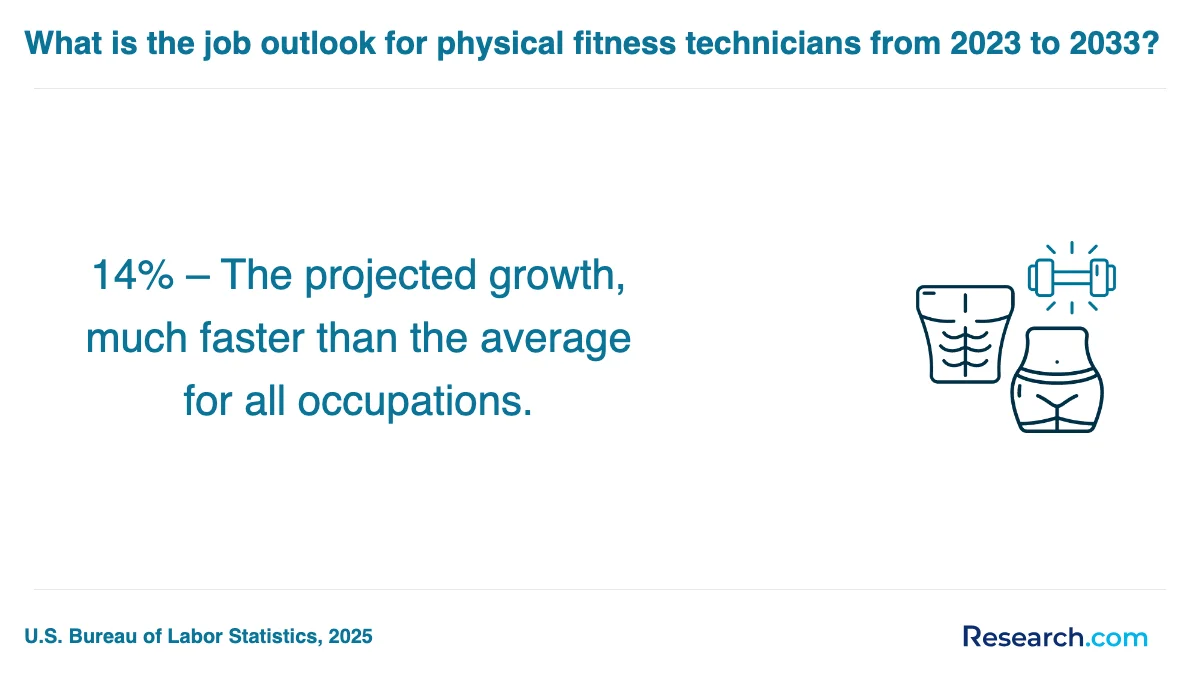
- High job growth of 20% projected for athletic trainers and steady 6% growth for fitness instructors
- Over 1,100 fitness-related job openings statewide, particularly in large urban hubs
Graduates share that technical training enhances their employability and career prospects, especially in health and wellness screener roles. Many attribute their success to comprehensive programs that emphasize practical skills alongside theory, making the transition to the workforce smoother and more confident. For those interested in advancing academically, pathways including the most affordable physical education master's degree online provide options to deepen credentials while staying engaged in Minnesota's dynamic job market.
Frequently Asked Questions about physical fitness technician
After completing a physical fitness technician trade school in Minnesota, it is crucial to build a strong professional profile. Start by obtaining relevant certifications such as the Certified Personal Trainer (CPT) credential from nationally recognized organizations, which many employers prefer. According to the Minnesota Department of Employment and Economic Development (DEED), the demand for fitness trainers is expected to grow by 10% by 2030, highlighting the importance of readiness.
Gaining practical experience through internships or part-time roles can improve job prospects. Networking within local fitness centers and attending industry events in Minnesota also helps connect with potential employers. Lastly, preparing a clear resume and practicing interview skills tailored to fitness technician roles increases chances of employment success.
Employers in Minnesota seek several key skills when hiring physical fitness technician trade school graduates. First, strong knowledge of human anatomy and exercise physiology is essential to design safe and effective fitness plans. According to the Minnesota Department of Employment and Economic Development, practical skills in using fitness equipment and monitoring client progress are highly valued.
Additionally, communication skills are critical, as technicians must motivate clients and explain exercises clearly. Employers also prioritize certifications like CPR and First Aid, which demonstrate readiness for emergency situations. Familiarity with fitness software tools and the ability to work collaboratively within wellness teams are increasingly important in the state's growing health sector.
Finding internships in Minnesota relevant to physical fitness technician programs involves several strategic steps. Start by contacting the career services offices at trade schools, as they often maintain partnerships with local gyms, rehabilitation centers, and sports facilities offering internships.
Utilize statewide resources like the Minnesota Department of Employment and Economic Development, which provides listings and guidance on internships in health and fitness fields. According to recent data, the Twin Cities metro area hosts the majority of these opportunities due to its dense population and numerous fitness centers.
Networking through professional organizations such as the Minnesota Strength and Conditioning Association can also uncover hidden internships. Additionally, online job platforms may list paid and unpaid internships specifically targeted at physical fitness technician students in Minnesota.
Obtaining a physical fitness technician trade school diploma in Minnesota can significantly enhance career mobility. This credential equips students with practical skills valued by fitness centers, rehabilitation clinics, and wellness programs across the state. According to the Minnesota Department of Employment and Economic Development (DEED), job opportunities for fitness trainers and instructors are projected to grow by 15% over the next decade, faster than the average for all occupations.
Graduates often find it easier to advance into supervisory or specialized roles because the diploma demonstrates both technical knowledge and commitment. Employers in Minnesota frequently prefer candidates with formal training due to state health and safety standards.
Furthermore, earning a diploma from a recognized trade school can lead to higher starting wages. DEED reports that the median annual wage for fitness trainers in Minnesota was approximately $45,000 as of 2023, with diploma holders more likely to access these earnings sooner.
In summary, a physical fitness technician diploma supports career progression by validating essential skills and meeting industry requirements within Minnesota's growing health and wellness sector.
Students enrolled in physical fitness technician trade schools in Minnesota can benefit from several part-time job opportunities that enhance their practical skills. Common roles include gym assistants, fitness aides, and personal trainer interns. These positions provide hands-on experience with client interaction, exercise equipment, and fitness program implementation.
According to the Minnesota Department of Employment and Economic Development (DEED), fitness trainers and instructors in the state earn a median hourly wage of about $20.50, making part-time work financially viable while studying. Additionally, working at community centers or wellness facilities can deepen understanding of client needs and improve communication skills.
Such jobs also help build professional networks, which can be valuable for future full-time employment in Minnesota's growing health and fitness industry. Balancing education and relevant work experience is a strategic approach for success in this field.
Yes, there are affordable Physical Fitness Technician degree programs near you, as many universities and colleges offer such programs with competitive tuition rates. Near Minnesota, several institutions provide training in physical fitness and related fields designed to prepare students for careers in health and wellness. Research.com is a helpful resource for exploring programs and universities near me that offer degrees in this discipline.
Related Physical Fitness Technician Rankings for Nearby States
- Most Affordable Personal Trainer Schools & Training - Budget-Friendly Personal Trainer Trade Programs in Wisconsin for 2026
- Most Affordable Personal Trainer Schools & Training - Budget-Friendly Personal Trainer Trade Programs in Iowa for 2026
- Most Affordable Personal Trainer Schools & Training - Budget-Friendly Personal Trainer Trade Programs in North Dakota for 2026
- Most Affordable Personal Trainer Schools & Training - Budget-Friendly Personal Trainer Trade Programs in Michigan for 2026
- Most Affordable Personal Trainer Schools & Training - Budget-Friendly Personal Trainer Trade Programs in Indiana for 2026
- Most Affordable Personal Trainer Schools & Training - Budget-Friendly Personal Trainer Trade Programs in Ohio for 2026
- Most Affordable Personal Trainer Schools & Training - Budget-Friendly Personal Trainer Trade Programs in Colorado for 2026
- Most Affordable Personal Trainer Schools & Training - Budget-Friendly Personal Trainer Trade Programs in Wyoming for 2026
- Most Affordable Personal Trainer Schools & Training - Budget-Friendly Personal Trainer Trade Programs in Georgia for 2026
- Most Affordable Personal Trainer Schools & Training - Budget-Friendly Personal Trainer Trade Programs in Texas for 2026
Top Trending Rankings
References
- Occupational Employment Statistics https://apps.deed.state.mn.us/lmi/oes/detailedOccupationData
- Careers in Exercise Science | St. Cloud State University https://www.stcloudstate.edu/programs/exercise-science/careers.aspx
- Become a Personal Trainer in Minnesota - the 2025 Guide https://www.ptpioneer.com/personal-training/become-a-personal-trainer-in-minnesota/
- Careers at Life Fitness / Hammer Strength | Life Fitness https://www.lifefitness.com/en-us/careers
- High school students report challenges in accessing skilled trades training https://www.k12dive.com/news/high-school-students-report-challenges-accessing-skilled-trades-training/733627/
- Overcoming Common Challenges in Vocational Education - LARE Institute https://lareinstitute.com/overcoming-common-challenges-in-vocational-education/
- Physical Fitness Technician Majors in Minnesota - Course Advisor https://courseadvisor.com/majors/parks-recreation-leisure-and-fitness/health-and-physical-education/physical-fitness-technician/minnesota-us/
- How to Become a Personal Trainer in Minnesota https://www.americansportandfitness.com/blogs/fitness-blog/how-to-become-a-personal-trainer-in-minnesota
- Minnesota PT and PTA Programs - Minnesota Physical Therapy Association https://www.mnapta.org/page/EducationalPrograms
- How to Become a Personal Trainer in Minnesota - MN| School | Certification and Jobs https://www.personaltraineredu.org/minnesota/


