
Most Affordable Personal Trainer Schools & Training - Budget-Friendly Personal Trainer Trade Programs in Michigan for 2026

Co-Founder and Chief Data Scientist
Looking to start a rewarding career as a physical fitness technician in Michigan? This article introduces the most affordable trade schools for 2026, designed to guide you toward the best programs available.
Our ranking, carefully developed by the Research.com team of data scientists, helps you make an informed decision on which physical fitness technician trade school programs truly stand out.
By reading this, you’ll discover valuable options that can lead to a fulfilling certification or diploma, opening doors to a healthy and active career path.
Key benefits of finishing physical fitness technician trade school in Michigan
- Graduates can expect starting wages between $17 and $23 per hour, with potential to earn up to $29.65 per hour as experience and certifications grow.
- Career paths include roles like fitness equipment technician, fitness trainer, or personal trainer, offering flexibility and opportunities in gyms, community centers, and wellness facilities.
- Completing a physical fitness technician trade school online provides convenience and allows students to balance learning with other commitments, as experienced by many successful online graduates in Michigan.
What can I expect from physical fitness technician trade schools in Michigan?
Enrolling in a physical fitness technician trade school program in Michigan means immersing yourself in hands-on learning that prepares you for real-world challenges. Graduates from programs like Macomb Community College often describe the experience as intensely practical, mastering skills such as exercise physiology, biomechanics, and health assessments within weeks. Imagine training in simulation centers or fitness facilities where you can confidently apply techniques on diverse clients, from seniors with special health needs to athletes aiming for peak performance.
Students also appreciate the focus on certification readiness. Many programs include preparation for well-known credentials like ACE or NASM, with some covering exam fees, easing financial stress. Career services open doors to jobs in gyms, corporate wellness, or community centers, making the transition from student to professional encouraging and hopeful.
Expect to engage with the latest fitness technology and develop vital soft skills like client motivation and communication. Many find satisfaction in knowing their education can also transfer credits toward advanced degrees, offering a clear path for growth in Michigan's evolving fitness industry.
Where can I work after finishing physical fitness technician trade schools in Michigan?
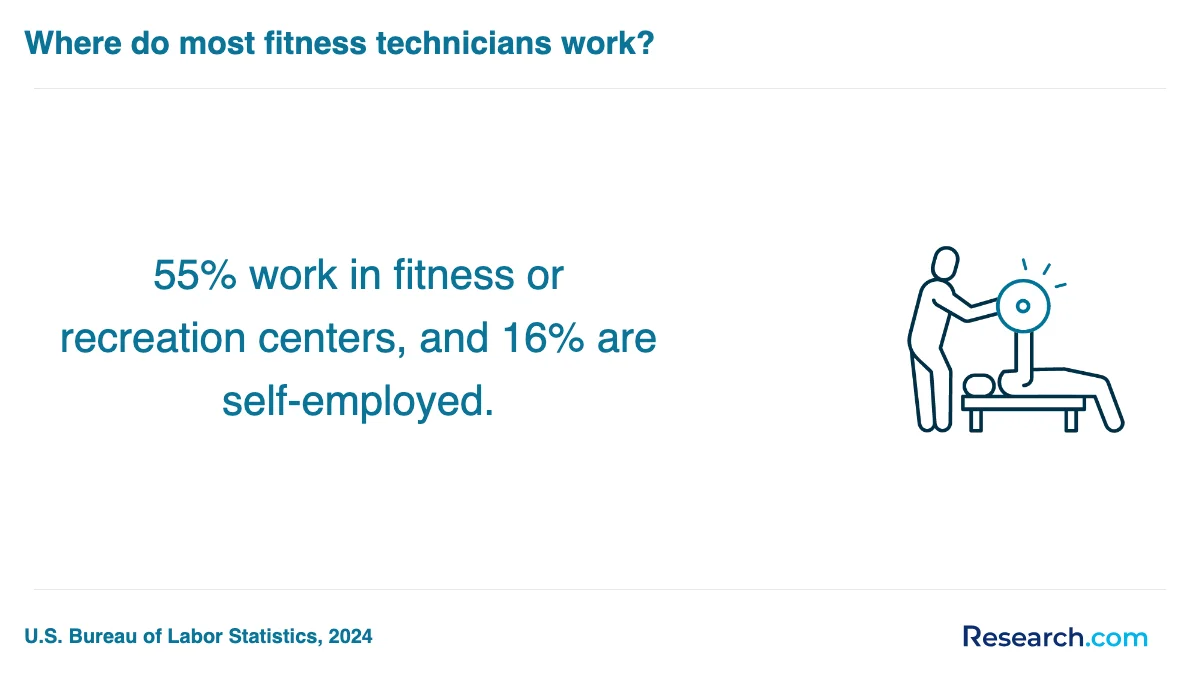
After completing a physical fitness technician trade school program in Michigan, graduates find themselves welcomed by a diverse range of employers eager for their expertise. Many step into roles at bustling fitness centers and gyms, where they create personalized workout plans and lead energetic group classes. These jobs offer not only a chance to apply hands-on skills learned at popular Michigan trade schools but also to build rewarding client relationships.
Others discover fulfilling opportunities within community recreation centers, such as the City of Farmington Hills, where they balance fitness instruction with administrative duties like scheduling and ensuring facility safety. This variety keeps daily work engaging and impactful.
Healthcare organizations also seek these technicians to support rehabilitation and preventive wellness programs, allowing graduates to contribute meaningfully to public health. Educational institutions provide paths to assist in athletic training and campus recreation, appealing to those passionate about youth development and sports performance.
Graduates often reflect on how their trade school training prepared them to confidently navigate these roles, knowing they can positively influence health and wellness across Michigan's communities.
How much can I make after finishing physical fitness technician trade schools in Michigan?
Graduates from physical fitness technician trade schools in Michigan often find themselves stepping into roles that offer both rewarding work and respectable pay. For example, those who train as fitness equipment technicians typically earn around $22.13 per hour, which amounts to roughly $46,000 annually when working full time. This can fluctuate based on location, with cities like Kalamazoo offering rates as high as $27.39 per hour. Many graduates recall the satisfaction of repairing gym equipment in bustling fitness centers, knowing their skills keep workouts safe and effective.
Those who choose to become fitness trainers can expect a range of wages, starting around $11.71 per hour for newcomers and climbing to nearly $29.65 per hour with experience. Many graduates appreciate the direct connection with clients, crafting personalized exercise plans that inspire real change.
Physical therapy technician roles offer a more modest pay scale, averaging about $12.58 per hour. Still, many find fulfillment supporting licensed therapists in clinical settings, knowing their work contributes to meaningful rehabilitation progress.
Location, employer, and experience clearly influence earnings, but graduates from Michigan's well-regarded trade schools often share a sense of pride and optimism, confident their training opens doors to steady and meaningful careers.
Most Affordable Personal Trainer Schools & Training - Budget-Friendly Personal Trainer Trade Programs in Michigan for 2026
# 1 position
Macomb Community College - Physical Fitness Technician.
associateMacomb Community College offers a Physical Fitness Technician program with a hybrid format that includes some distance education options. The program prepares students for careers in various fitness and wellness settings by providing instruction in anatomy, physiology, exercise science, nutrition, personal training, and customer service. Annual in-state tuition is $3,600. The program is accredited by the Higher Learning Commission.
# 2 position
Lansing Community College - Physical Fitness Technician.
associateLansing Community College offers a Physical Fitness Technician program with a hybrid format, including some distance-education options. The program prepares students for roles in health clubs, wellness centers, hospitals, and corporate fitness programs, covering topics such as human anatomy, exercise science, personal training, nutrition, and customer service. Annual in-state tuition is $4,010. The program is accredited by the Higher Learning Commission.
# 3 position
Lansing Community College - Physical Fitness Technician.
certificate or diplomaThe Physical Fitness Technician program at Lansing Community College is a hybrid offering that prepares students for roles in fitness clubs, wellness centers, hospitals, and corporate fitness programs. The curriculum covers anatomy, physiology, exercise science, nutrition, personal training, and customer service. Annual in-state tuition is $4,010. The program is accredited by the Higher Learning Commission and includes both instructional and administrative training for fitness professionals.
# 4 position
Schoolcraft Community College District - Physical Fitness Technician.
associateSchoolcraft Community College District offers a Physical Fitness Technician program with a hybrid format that includes some distance education. The program prepares students for roles in health and fitness clubs, wellness centers, and other facilities, covering human anatomy, exercise science, nutrition, and customer service. Annual in-state tuition is $4,448. The program is accredited by the Higher Learning Commission.
# 5 position
Schoolcraft Community College District - Physical Fitness Technician.
certificate or diplomaSchoolcraft Community College District offers a Physical Fitness Technician program with a hybrid format, including some distance education options. This program prepares students for roles in health and fitness clubs, wellness centers, and corporate fitness programs, covering subjects like human anatomy, exercise science, nutrition, and customer service. The annual in-state tuition is $4,448. The program is accredited by the Higher Learning Commission.
# 6 position
Delta College - Physical Fitness Technician.
certificate or diplomaDelta College offers a Physical Fitness Technician program with a hybrid format, combining in-person and distance education. The program trains students for roles in health and fitness clubs, wellness centers, and corporate fitness programs, covering anatomy, physiology, exercise science, personal training, nutrition, and customer service. The annual in-state tuition is $4,640. The program is accredited by the Higher Learning Commission.
# 7 position
Mott Community College - Physical Fitness Technician.
associateMott Community College offers a Physical Fitness Technician program in a hybrid format, combining in-person and distance education. The program prepares students for roles in fitness clubs, wellness centers, recreation facilities, hospitals, and corporate fitness programs. Coursework includes human anatomy, physiology, fitness techniques, exercise science, personal training, nutrition, and customer service. Annual in-state tuition is $4,426. The program is accredited by the Higher Learning Commission.
Key Findings
- Physical fitness technician programs in Michigan range from short certification courses lasting about nine weeks to associate degrees taking around two years and bachelor's degrees requiring four years.
- Admission typically requires a high school diploma or GED, with some programs needing students to be 18 years old and have CPR/AED certification by graduation.
- Program costs vary: certification courses cost $600 to $1,500, associate degrees range from $4,000 to $8,000, and bachelor's degrees can cost $12,000 to $16,000 per year for in-state students.
- Job opportunities include gyms, health clubs, community centers, and corporate wellness programs, with starting salaries around $46,000 and managers earning up to $110,000.
- Most employers prefer or require national certification, and some programs prepare students for these exams from recognized agencies like the NCCA.
How long does it take to complete physical fitness technician trade schools in Michigan?
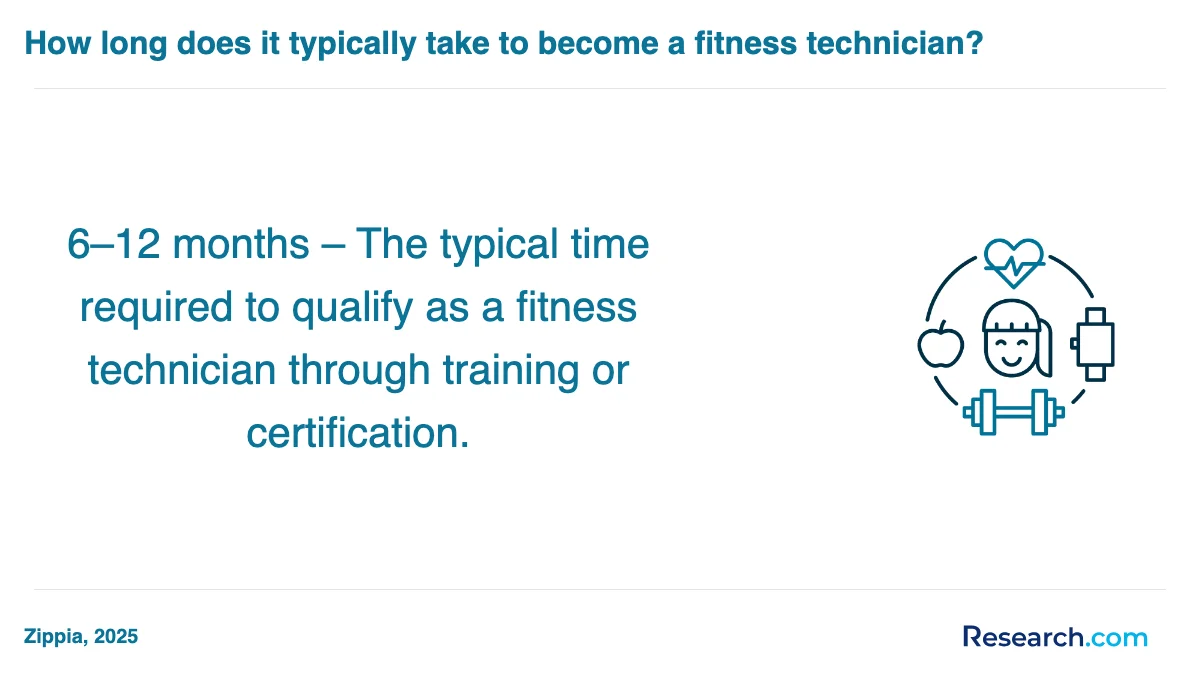
Completing a physical fitness technician trade school program in Michigan typically takes between six months to one year. Many graduates from well-known Michigan trade schools share how this timeframe feels just right-long enough to gain hands-on experience and master essential skills, yet short enough to keep motivation high and avoid burnout.
One graduate recalls attending a program in Detroit where the curriculum was intensive but manageable, allowing them to quickly transition into the workforce. Another from Grand Rapids appreciated how the program's structure balanced classroom instruction with practical training, making each day feel purposeful and rewarding.
For those studying in Michigan, the duration reflects a careful design to suit busy lifestyles, enabling students to learn and apply fitness techniques without unnecessary delay. This focused timeline often leaves graduates feeling accomplished and confident, ready to support clients in real-world settings with solid expertise.
What's the difference between online and on-campus physical fitness technician trade school programs?
The key difference between online and on-campus physical fitness technician programs in Michigan lies in how students engage with their training. Graduates from online programs often appreciate the freedom to study at their own pace, fitting coursework around work or family life. For example, those who completed the personal trainer diploma through Penn Foster Career School found the flexibility invaluable, allowing them to absorb fitness theory without the pressure of fixed class times.
On the other hand, students attending on-campus programs like Macomb Community College frequently highlight the energy of hands-on practice. They recall moments working directly with fitness equipment or giving real-time assessments under instructor supervision, experiences that build confidence and practical skills swiftly. Access to campus gyms and labs, such as those at Central Michigan University, creates a vibrant learning environment that online formats can't fully replicate.
Many students also find hybrid models appealing, where theory is online but physical practice happens in person, striking a balance between convenience and essential hands-on learning. This approach, offered by Mid Michigan College, suits those seeking both flexibility and direct engagement.
What is the average cost of physical fitness technician trade schools in Michigan?
The average tuition for physical fitness technician programs in Michigan varies significantly depending on the institution and program structure. At popular trade schools, graduates often recall that while the initial tuition may seem daunting, the investment is manageable when offset by financial aid and scholarships. For example, one well-known institute charges about $14,855 in tuition and fees for its Physical Fitness Technician program, with additional costs for books and living expenses. After factoring in average financial aid, students typically face a net cost near $26,280. This experience reflects the real-life budgeting challenges of balancing tuition with living costs in Michigan.
In comparison, smaller or more specialized programs, like the Physical Therapy Aide and Administration Specialist Training offered in Livonia, Michigan, provide more affordable options around $4,000 total. Graduates of these programs speak positively about the accessible pricing structure and shorter completion times, helping them enter the workforce more quickly and with less financial burden. When considering the cost of physical fitness technician trade schools in Michigan, students find it helpful to weigh these different program lengths and price points.
Beyond tuition, many students benefit from state-supported aids such as the Michigan Competitive Scholarship or the Tuition Incentive Program, which can cover significant expenses for qualified residents. These aid opportunities are crucial when assessing the average tuition for physical fitness technician programs in Michigan, allowing students to pursue their career goals without overwhelming debt. Those curious about career options often explore what can i do with a sports management degree to complement their training and expand opportunities within the fitness and wellness industry.
What financial aid is available for physical fitness technician trade schools in Michigan?
Students pursuing physical fitness technician programs in Michigan often find financial aid more accessible than they initially expect. Graduates from popular trade schools in Detroit and Grand Rapids recall how completing the FAFSA opened doors to federal aid like the Pell Grant and the FSEOG, which directly eased their tuition burdens without the stress of repayment. These grants, awarded based on financial need, are a vital starting point for many.
State-level support also plays a crucial role. For example, those enrolled in programs recognized by Michigan Training Connect have benefited from the Michigan Works! Classroom Training Scholarship, a resource that students describe as a lifeline when juggling work and school. This scholarship's flexibility and need-based approach resonate deeply with students balancing family and educational goals.
In addition, some students highlight the impact of private scholarships such as the mikeroweWORKS Foundation Work Ethic Scholarship, which rewards dedication, and local workforce agency grants aimed at those close to certification completion. Veterans and their families, attending schools with VA approval, often mention how GI Bill® benefits further alleviate financial concerns, allowing them to focus fully on their training.
Many graduates advise beginning with FAFSA and then seeking guidance from the school's financial aid office or a Michigan Works! representative to navigate these overlapping opportunities effectively.
What are the prerequisites for enrolling in physical fitness technician trade schools in Michigan?
Enrolling in a physical fitness technician trade school program in Michigan typically requires a few clear prerequisites that prepare students for success. Most popular trade schools in the state expect applicants to have a high school diploma or GED, ensuring a foundational level of education. Graduates often recall how this basic requirement helped them grasp core concepts more quickly once classes began.
Additionally, many programs appreciate candidates with a genuine passion for health and wellness, often demonstrated through prior volunteer work or part-time jobs in gyms or community centers. This enthusiasm creates a positive learning atmosphere and motivates students to excel.
Some schools may require basic CPR certification before starting the program, reflecting the hands-on nature of the training. Graduates often share how obtaining CPR skills early boosted their confidence in practical settings.
Physical fitness technician hopefuls should also expect to complete an application process that includes:
- Proof of residency in Michigan or a commitment to study locally
- A personal statement expressing career goals and interest
- Possibly an interview to assess readiness and dedication
These prerequisites help trade schools select motivated individuals ready to thrive in the physically engaging and rewarding path of fitness technology. Many graduates fondly remember how meeting these requirements marked the start of their exciting journey toward helping others achieve better health.
What are the typical courses in physical fitness technician trade schools in Michigan?
Physical fitness technician trade school programs in Michigan equip students with a rich blend of theoretical knowledge and practical skills. Graduates often recall how courses like exercise physiology brought science to life by explaining how the body adapts during workouts, while biomechanics helped them understand the precise movements behind each exercise. For instance, students at Macomb Community College describe gaining confidence by mastering gym equipment safely and effectively.
Typical courses include:
- Exercise physiology - understanding bodily responses to physical activity
- Biomechanics - analyzing body movement mechanics
- Health assessment - evaluating client fitness and risks
- Nutrition and weight management - learning diet planning and metabolism
- Special populations and age-appropriate programming - tailoring workouts for diverse client needs
- Client communication and professional ethics - building trust and motivation
At Michigan's National Personal Training Institute, students appreciate the hands-on approach, logging 200 hours of practical experience that transforms classroom lessons into real-world confidence. Many feel empowered by the nutrition certification integrated into their studies, making them truly ready to support clients' wellness journeys.
What are the available specializations in physical fitness technician trade schools in Michigan?
Physical fitness technician trade school programs in Michigan commonly offer specializations that prepare students for dynamic roles in health and wellness. Graduates from sports medicine programs in Michigan frequently describe their courses as a mix of kinesiology, injury prevention, rehabilitation, and nutrition-skills they applied during hands-on field trips and clinical settings. For example, learners at Lansing Community College gain firsthand experience in athletic training and group fitness instruction, which builds both confidence and expertise in real-world environments.
Other popular tracks include personal trainer certification programs Michigan students pursue to master biomechanics, health assessment, and exercise physiology. Enrollees often share how the balance of theory and practice helped them transition smoothly into careers in personal training. The National Personal Training Institute stands out for its comprehensive curriculum, blending 300 hours of classroom study with 200 hours of practical sessions focused on program design and client interaction.
Many students find these programs nurturing and empowering, paving the way for rewarding careers. Understanding the broad potential, including salary expectations, can motivate aspiring professionals; resources like exercise science job salary provide valuable insight into the financial prospects in this field.
How do you choose the best physical fitness technician trade school program in Michigan?
Choosing the best physical fitness technician trade school program in Michigan means looking beyond just curriculum. Graduates often share how accreditation, such as from the Commission on Accreditation of Allied Health Education Programs, gave them confidence their training met professional standards. Programs at institutions like Southwestern Michigan College impress with hands-on experience through internships at local fitness centers, making learning feel alive and relevant.
Consider the best physical fitness technician trade schools in Michigan that balance quality faculty credentials with modern facilities. One graduate noted how accessible schedules helped them juggle work and study, a vital factor many students appreciate. Cost is also key; seeking affordable physical fitness technician programs in Michigan allows for investment without heavy debt burdens, especially when paired with financial aid options.
For those exploring options, looking into the cheapest online bachelors in exercise science degree can offer flexible pathways. Their practical approach and real-world insights reflect what future students value most when building a meaningful and sustainable career in fitness.
What career paths are available for physical fitness technician trade school graduates in Michigan?
Graduates of physical fitness technician trade school programs in Michigan often find themselves stepping into rewarding roles with a strong sense of purpose and community impact. The spectrum of physical fitness technician jobs in Michigan includes becoming personal trainers who tailor fitness plans and motivate clients, often securing hourly rates between $25 and $45. Many graduates from popular trade schools in the state share how they thrive designing personalized workout strategies that change lives.
Fitness graduates in Michigan also enjoy career opportunities for fitness graduates in Michigan such as group fitness instructors leading dynamic classes like yoga or high-intensity interval training. These roles often flourish in community centers and health-focused organizations like University of Michigan Health-West, where graduates use their communication skills to inspire diverse groups.
Other paths include fitness equipment technicians, responsible for maintaining gym equipment-a role praised by many for combining technical skill with a hands-on approach. These positions are plentiful in commercial gyms, rehabilitation centers, and equipment suppliers.
Additional options like wellness coaching, physical therapy aide work, or managing fitness centers enrich the possibilities, with many graduates advancing through nationally recognized certifications. For those seeking to broaden horizons or combine business acumen with fitness expertise, pursuing a cheap online sports management bachelor's degree is an excellent step forward.
What is the job market for physical fitness technician trade school graduates in Michigan?
The physical fitness technician job outlook in Michigan is promising, especially for graduates of well-recognized trade schools in the state. Those who complete programs often find themselves well-prepared for roles in fitness centers, rehabilitation clinics, and community health organizations. Graduates frequently share how their hands-on training and certification preparation gave them confidence to enter a competitive market with strong regional demand. For example, athletic trainer positions alone are expected to increase by more than 20% through 2026, reflecting expanding opportunities for those skilled in physical fitness techniques.
Many graduates appreciate Michigan's unique job landscape where over 1,200 physical fitness-related postings appear regularly, including positions for personal trainers and wellness coaches. Employers in the state value credentials such as CPR, First Aid, and certifications from NASM or ACSM, often integrated into trade school curriculums. This practical focus fuels positive employment trends Michigan offers, encouraging new entrants.
Those interested in advancing beyond trade school may explore bachelors in kinesiology jobs, which often complement fitness technician roles and open doors to higher salaries and wider career options. Exploring paths through bachelors in kinesiology jobs can provide valuable insights for career growth.
Frequently Asked Questions about physical fitness technician
After completing a physical fitness technician trade school in Michigan, it is important to build a strong professional profile. Start by obtaining relevant certifications such as CPR and first aid, which many employers require. The Michigan Department of Licensing and Regulatory Affairs recommends checking for any state-specific credentials. Networking plays a key role; consider joining local fitness groups or associations like the Michigan Fitness Professionals Network. Gaining hands-on experience through internships or part-time jobs can increase employability. According to the U.S. Bureau of Labor Statistics, the demand for fitness trainers in Michigan is expected to grow by 11% from 2022 to 2032, indicating positive job prospects.
Employers in Michigan seek physical fitness technician graduates with strong practical skills in exercise instruction and client assessment. According to the Michigan Department of Labor, proficiency in designing personalized workout plans based on individual health needs ranks highly among desired qualifications.
Knowledge of anatomy, physiology, and proper use of fitness equipment is essential. Trade school programs that emphasize hands-on training prepare students effectively for these requirements. Communication skills are also critical, as technicians must motivate and guide diverse clients safely.
The U.S. Bureau of Labor Statistics highlights that employers favor candidates with certification from accredited programs, reflecting both technical ability and professional reliability. Adaptability to evolving fitness trends and wellness technology is increasingly valued in Michigan's competitive fitness industry.
Finding internships in Michigan related to physical fitness technician programs involves several strategic steps. Start by contacting your trade school's career services, as many schools maintain partnerships with local gyms, rehabilitation centers, and wellness facilities. The Michigan Department of Labor and Economic Opportunity provides resources that often list internship opportunities in health and fitness sectors.
Networking is crucial; attending local fitness expos and joining organizations like the Michigan Fitness Professionals Association can connect you with potential employers. Additionally, websites such as Handshake and internships.com regularly feature Michigan-based internships specific to physical fitness careers. According to the U.S. Bureau of Labor Statistics, internships increase employment chances by 15% in this field.
Obtaining a physical fitness technician trade school diploma in Michigan can significantly enhance career mobility. According to the Michigan Department of Labor and Economic Opportunity, certified technicians often see faster job placement rates compared to those without formal credentials. This diploma validates practical skills that employers seek in fitness centers, rehabilitation clinics, and wellness programs.
Graduates typically qualify for entry-level positions with potential for rapid advancement into supervisory roles. The Bureau of Labor Statistics highlights that Michigan's demand for fitness trainers and technicians is projected to grow by 15% through 2030, offering expanding opportunities.
Moreover, trade school diplomas frequently provide networking connections and access to continuing education, which supports upward career movement.
Part-time job opportunities in Michigan that complement physical fitness technician trade school education include roles such as gym assistants, personal trainer aides, and group fitness instructors. These positions offer hands-on experience with client interaction and fitness equipment, enhancing practical skills learned in school. According to the U.S. Bureau of Labor Statistics (BLS), Michigan's fitness trainer and instructor roles are projected to grow by 14% from 2022 to 2032, reflecting steady demand.
Working in community recreation centers or wellness programs can also provide valuable exposure to fitness assessment and program development. These jobs often offer flexible hours suitable for students balancing school commitments.
To find the most affordable Physical Fitness Technician degree program near you in Michigan, begin by researching local community colleges and universities near Michigan that offer relevant programs. Utilize resources such as Research.com to compare tuition costs and program details. Additionally, visiting the admissions offices of institutions near me can provide information about financial aid, scholarships, and program specifics to ensure affordability.
Related Physical Fitness Technician Rankings for Nearby States
- Most Affordable Personal Trainer Schools & Training - Budget-Friendly Personal Trainer Trade Programs in Ohio for 2026
- Most Affordable Personal Trainer Schools & Training - Budget-Friendly Personal Trainer Trade Programs in Indiana for 2026
- Most Affordable Personal Trainer Schools & Training - Budget-Friendly Personal Trainer Trade Programs in Wisconsin for 2026
- Most Affordable Personal Trainer Schools & Training - Budget-Friendly Personal Trainer Trade Programs in Minnesota for 2026
- Most Affordable Personal Trainer Schools & Training - Budget-Friendly Personal Trainer Trade Programs in Iowa for 2026
- Most Affordable Personal Trainer Schools & Training - Budget-Friendly Personal Trainer Trade Programs in New York for 2026
- Most Affordable Personal Trainer Schools & Training - Budget-Friendly Personal Trainer Trade Programs in Maryland for 2026
- Most Affordable Personal Trainer Schools & Training - Budget-Friendly Personal Trainer Trade Programs in Massachusetts for 2026
- Most Affordable Personal Trainer Schools & Training - Budget-Friendly Personal Trainer Trade Programs in South Carolina for 2026
- Most Affordable Personal Trainer Schools & Training - Budget-Friendly Personal Trainer Trade Programs in Georgia for 2026
Top Trending Rankings
References
- Career Training Programs https://www.michigan.gov/mistudentaid/programs/michigan-achievement-scholarship/career-training/programs
- How To Become A Personal Trainer in Michigan in 2025 https://www.ptpioneer.com/personal-training/become-a-personal-trainer-in-michigan/
- Physical Activity Specialist | Major https://www.cmich.edu/program/physical-activity-specialist
- 2025 Best Physical Fitness Technician Schools in Michigan https://www.collegefactual.com/majors/parks-recreation-fitness/health-and-physical-education/physical-fitness-technician/rankings/top-ranked/great-lakes/michigan/
- Personal Trainer Certification Programs in Michigan | National Personal Training Institute https://nationalpti.org/school/michigan/
- How to Become a Personal Trainer in Michigan - TrueCoach https://truecoach.co/blog/how-to-become-a-personal-trainer-in-michigan/
- Certified Personal Fitness Trainer program https://www.macomb.edu/programs-courses/programs/certified-personal-fitness-trainer.html
- Top Personal Trainer Schools in Michigan | How to Become https://toptradeschools.com/near-you/personal-trainer/michigan/
- Exercise Science MiTransfer | Mid Michigan College - Harrison, MI - Mt. Pleasant, MI - Online https://www.midmich.edu/degrees-programs/programs/ex-sci/
- Dorsey College | Career & Technical Training Programs | Michigan https://www.dorsey.edu/


