
Best Personal Trainer Training Programs & Trade Schools - Top Personal Trainer Schools in Midwest for 2026

Co-Founder and Chief Data Scientist
Choosing the right physical fitness technician trade school in the Midwest can shape your future career and open doors to exciting opportunities. This article introduces a carefully crafted ranking of physical fitness technician trade school programs, developed by the Research.com team of data scientists to help you make an informed decision.
Whether you seek a diploma or certification, gaining the right skills can boost your confidence and job prospects. Explore the best programs designed to support your goals and passion for fitness in 2026.
Key benefits of finishing physical fitness technician trade school in Midwest
- Graduates in the Midwest can expect an hourly wage around $20-$24, translating to about $45,500 annually, offering a solid starting income in a stable job market.
- A typical graduate from a popular Midwest trade school often finds roles as physical fitness technicians, exercise technicians, or fitness equipment technicians, providing diverse career options in the health and wellness field.
- Completing the program online allows flexible scheduling and quicker entry into the workforce, as shown by successful online graduates who balance studies with other commitments while gaining valuable skills.
What can I expect from physical fitness technician trade schools in Midwest?
Enrolling in a physical fitness technician trade school program in the Midwest means diving into a dynamic learning experience that blends solid theory with hands-on practice. Graduates from schools like Delta College and Minnesota State College Southeast often recall the thrill of working directly with cutting-edge fitness equipment and real clients. This practical approach not only builds confidence but also sharpens skills essential for careers as personal trainers or wellness coaches.
Students can expect coursework designed to prepare them immediately for the workforce, focusing on exercise science, human anatomy, and nutrition. Many find the small class sizes and personalized instruction especially motivating, fostering a supportive environment where questions are welcomed and individual growth is encouraged.
Flexibility is a hallmark of these programs, offering paths such as associate degrees or certificates that open doors to the fitness industry or further education. Graduates feel empowered knowing their training qualifies them to sit for national certifications, boosting their readiness to enter a growing field passionate about health and wellness.
Where can I work after finishing physical fitness technician trade schools in Midwest?
Graduates of physical fitness technician trade schools in the Midwest step into a world full of rewarding career opportunities. Many find themselves working in bustling fitness centers, gyms, and health clubs, where they thrive as fitness technicians, personal trainers, or fitness instructors. Imagine starting your day guiding clients through energizing workouts at a popular gym in Chicago or Indianapolis, turning your passion for fitness into a meaningful career.
Others build strong expertise in fitness equipment maintenance and repair, a vital role that keeps gyms running smoothly. Graduates often secure positions as fitness equipment technicians, servicing machines for major gym chains or corporate clients. Picture yourself in Kansas City, confidently troubleshooting and fixing high-tech fitness machines, knowing your skills keep countless members active and healthy.
Beyond gyms, many graduates find fulfilling roles in community centers, recreation departments, or wellness programs, such as those run by the YMCA. These positions offer the joy of working with diverse groups, from youth to seniors. Some even join corporate wellness programs or rehabilitation centers, helping employees and patients improve their health daily. Midwest trade schools prepare students for these vibrant paths, turning dedication into real-world impact.
How much can I make after finishing physical fitness technician trade schools in Midwest?
Graduates of physical fitness technician trade school programs in the Midwest can confidently expect to earn around $21.89 per hour, matching the national average. This means starting your career with a solid wage, often placing your annual income between $40,000 and $45,000 for full-time work. Many students from well-known Midwest trade schools share how stepping into roles at local gyms or large employers like Life Time Fitness quickly brought stability and pride, with wages averaging about $21.14 per hour.
Early in the journey, entry-level technicians typically earn between $20.19 and $24.04 per hour, providing a dependable income as they build valuable skills. Imagine walking into your first day equipped with hands-on training, knowing your paycheck reflects your dedication. With experience, that hourly pay rises, rewarding your growing expertise.
Unlike personal trainers who rely on commissions, fitness technicians enjoy predictable wages, making it easier to plan for a secure future. The Midwest market may be steady, but for those passionate about fitness and technology, it offers a rewarding path where hard work truly pays off.
Best Personal Trainer Training Programs & Trade Schools - Top Personal Trainer Schools in Midwest for 2026
# 1 position
Alexandria Technical & Community College - Physical Fitness Technician.
associateAlexandria Technical & Community College offers a Physical Fitness Technician program in a hybrid format, combining distance and on-campus education. The curriculum includes human anatomy, physiology, exercise science, personal training, nutrition, and customer service. Graduates are prepared for roles in health clubs, wellness centers, hospitals, and corporate fitness programs. Annual in-state tuition is $6,213. The program is accredited by the Higher Learning Commission.
# 2 position
Alexandria Technical & Community College - Physical Fitness Technician.
certificate or diplomaAlexandria Technical & Community College offers a Physical Fitness Technician program with a hybrid format, combining in-person and distance education. The program prepares students for roles in health and fitness clubs, wellness centers, hospitals, and corporate fitness programs. Coursework includes human anatomy, physiology, fitness techniques, exercise science, personal training, nutrition, and customer service. Annual in-state tuition is $6,213. The program is accredited by the Higher Learning Commission.
# 3 position
Lansing Community College - Physical Fitness Technician.
associateLansing Community College offers a Physical Fitness Technician program with a hybrid format, including some distance-education options. The program prepares students for roles in health clubs, wellness centers, hospitals, and corporate fitness programs, covering topics such as human anatomy, exercise science, personal training, nutrition, and customer service. Annual in-state tuition is $4,010. The program is accredited by the Higher Learning Commission.
# 4 position
Macomb Community College - Physical Fitness Technician.
associateMacomb Community College offers a Physical Fitness Technician program with a hybrid format that includes some distance education options. The program prepares students for careers in various fitness and wellness settings by providing instruction in anatomy, physiology, exercise science, nutrition, personal training, and customer service. Annual in-state tuition is $3,600. The program is accredited by the Higher Learning Commission.
# 5 position
Schoolcraft Community College District - Physical Fitness Technician.
associateSchoolcraft Community College District offers a Physical Fitness Technician program with a hybrid format that includes some distance education. The program prepares students for roles in health and fitness clubs, wellness centers, and other facilities, covering human anatomy, exercise science, nutrition, and customer service. Annual in-state tuition is $4,448. The program is accredited by the Higher Learning Commission.
# 6 position
Mott Community College - Physical Fitness Technician.
associateMott Community College offers a Physical Fitness Technician program in a hybrid format, combining in-person and distance education. The program prepares students for roles in fitness clubs, wellness centers, recreation facilities, hospitals, and corporate fitness programs. Coursework includes human anatomy, physiology, fitness techniques, exercise science, personal training, nutrition, and customer service. Annual in-state tuition is $4,426. The program is accredited by the Higher Learning Commission.
# 7 position
James A. Rhodes State College - Physical Fitness Technician.
associateJames A. Rhodes State College offers a Physical Fitness Technician program preparing students for roles in health and fitness clubs, wellness centers, recreation facilities, hospitals, and corporate fitness programs. The curriculum includes human anatomy, physiology, fitness techniques, exercise science, personal training, nutrition, and customer service. The program's annual in-state tuition is $4,657. It is accredited by the Higher Learning Commission.
# 8 position
Kirkwood Community College - Physical Fitness Technician.
associateKirkwood Community College offers a Physical Fitness Technician program with a hybrid format that includes some distance education. The program trains students for roles in health and fitness clubs, wellness centers, recreation facilities, hospitals, and corporate fitness programs. Instruction covers human anatomy and physiology, fitness techniques, exercise science, personal training, nutrition, and customer service. Annual in-state tuition is $5,980. The program is accredited by the Higher Learning Commission.
# 9 position
Dakota County Technical College - Physical Fitness Technician.
associateDakota County Technical College offers a Physical Fitness Technician program designed to prepare students for roles in health and fitness clubs, wellness centers, and corporate fitness programs. The hybrid program includes instruction in human anatomy, exercise science, personal training, nutrition, and customer service. The annual in-state tuition is $6,419. The program is accredited by the Higher Learning Commission and provides both instructional and administrative training for various fitness-related careers.
# 10 position
Lake Region State College - Physical Fitness Technician.
associateLake Region State College offers a Physical Fitness Technician program designed to prepare students for roles in health and fitness clubs, wellness centers, and other related facilities. The curriculum covers human anatomy, exercise science, personal training, nutrition, and customer service. The program’s annual in-state tuition is $5,478. It is accredited by the Higher Learning Commission and equips students with instructional and administrative skills for the fitness industry.
Key Findings
- Admission usually requires a high school diploma or GED and programs can be completed in two years or less.
- Tuition for two-year associate degrees at public colleges ranges from $4,000 to $10,000, with financial aid often available.
- Graduates often work as personal trainers, fitness instructors, or health coaches and may prepare for national certification exams.
- Entry-level salaries typically range from $32,000 to $42,000 annually, with experienced professionals earning up to $57,930 in some states.
- Job demand is strong in community health, corporate wellness, and healthcare settings across the Midwest.
How long does it take to complete physical fitness technician trade schools in Midwest?
Completing a physical fitness technician trade school program in the Midwest typically takes about six months to one year, depending on the school and course intensity. Many students find this timeline invigorating, as it strikes a perfect balance between thorough training and swift entry into the workforce.
Graduates from well-known trade schools in the Midwest often share how the focused, hands-on curriculum helped them gain real-world skills quickly. Imagine entering a classroom where you're immediately applying techniques on fitness equipment, learning client assessment, and developing personalized workout plans-all within a matter of months.
This efficient timeline allows students to feel motivated and confident, seeing tangible progress fast. For busy individuals eager to start a rewarding career in fitness, the Midwest's trade schools offer an inspiring pathway that fosters both professional growth and personal achievement in a short period.
What's the difference between online and on-campus physical fitness technician trade school programs?
Choosing between online and on-campus physical fitness technician trade school programs in the Midwest comes down to how you want to learn and experience your training. On-campus students at schools like Midwest Technical Institute thrive in hands-on environments, where they engage directly with instructors and peers in real-world labs. These graduates often speak about the energizing buzz of working side-by-side with others, mastering equipment, and receiving instant feedback that sharpens their skills quickly.
Meanwhile, online learners at institutions such as Mid Michigan College enjoy the freedom to study anatomy and exercise science wherever life takes them. They appreciate pacing their studies around work or family, making progress without the stress of fixed schedules. Though they arrange their own practical sessions, many find satisfaction in tailoring their training to fit their unique lifestyles.
Both paths empower Midwest students to pursue rewarding careers, but the choice reflects personal rhythms-whether you crave immersive, hands-on connections or flexible, self-driven learning.
What is the average cost of physical fitness technician trade schools in Midwest?
The average tuition for physical fitness technician programs in Midwest trade schools varies but generally falls between $15,000 and $17,500, depending on the state and institution. For example, graduates from Missouri-based trade schools often recall investing around $15,105 in tuition and fees, while those in Illinois typically report an average cost closer to $17,330. These numbers shed light on the cost of physical fitness technician trade school in Midwest, helping prospective students realistically plan their budgets.
Many students describe the investment as worthwhile because it opens doors to hands-on experiences and expert instruction that build confidence and a strong foundation in fitness technologies. Beyond tuition, additional expenses like books, supplies, and specialized equipment can add a few hundred to several thousand dollars. Still, the positive energy of learning in vibrant Midwest trade schools makes the journey exciting and accessible.
A common encouraging story told by trade school graduates highlights how financial aid options-scholarships, grants, and loans-greatly mitigate these costs. Exploring these supports can help you focus on thriving in your studies, not just on expenses. Walking the path of skilled physical fitness roles can be even more rewarding when you know your financial groundwork is solid.
It's inspiring to see many Midwest students transition smoothly from classrooms and training sessions to dynamic careers. To complement your education, consider exploring how to become a certified pe teacher, broadening your future opportunities.
What financial aid is available for physical fitness technician trade schools in Midwest?
Physical fitness technician students in the Midwest are supported by a variety of financial aid options designed to make training accessible and affordable. Many graduates recall how federal aid through FAFSA opened doors, especially grants like the Federal Pell Grant, which can provide up to $7,395 to help cover tuition without the burden of repayment. This grant alone brings hope to many aspiring technicians balancing work and education.
Trade schools such as Midwest Technical Institute and Delta Technical College offer generous scholarships that celebrate passion for the skilled trade rather than just grades. Graduates often share how these scholarships-ranging from a few thousand dollars to full tuition coverage-lightened their financial load and fueled their motivation to excel.
Military students and veterans find extra support through tuition assistance and specialized programs like Vocational Rehabilitation and Workforce Development grants. Beyond institutional aid, resources like the Imagine America Scholarship Foundation connect students with nationwide scholarships tailored to their backgrounds and career goals, making the dream of becoming a fitness technician in the Midwest truly achievable.
What are the prerequisites for enrolling in physical fitness technician trade schools in Midwest?
To enroll in a physical fitness technician trade school program in the Midwest, candidates typically need to meet a few straightforward prerequisites that open the door to an exciting career in fitness. Most trade schools expect applicants to have a high school diploma or GED, ensuring a solid foundation for the hands-on training ahead.
Graduates from popular Midwest trade schools often share how their prior passion for health and fitness fueled their journey. Many recall fulfilling these prerequisites with confidence, knowing their dedication was the key to acceptance.
Common prerequisites include:
- A completed high school education or equivalent
- Basic proficiency in English and math to manage coursework effectively
- Physical readiness to engage in active, practical training sessions
- Sometimes a brief interview or personal statement to demonstrate motivation and commitment
Imagine stepping into a vibrant classroom where you're surrounded by peers who, like you, are eager to transform their love for fitness into a rewarding profession. The prerequisites are designed not as barriers but as stepping stones toward that transformational experience.
What are the typical courses in physical fitness technician trade schools in Midwest?
Midwest physical fitness technician trade school programs equip students with essential, hands-on skills that ignite their passion for helping others transform their health. Graduates from schools like Madison College and Mid-State Technical College often reflect on how their coursework prepared them to confidently enter the fitness industry.
Typical courses include:
- Anatomy and Physiology for Exercise: Understanding the human body's structure and function during movement lays the foundation for safe, effective training.
- Basic Nutrition Principles: Students grasp how nutrition fuels performance and wellness, often gaining certification prep like Precision Nutrition Level 1.
- Personal Training and Group Fitness Instruction: Developing skills to create motivating, customized exercise plans for individuals and groups.
- Health Coaching and Wellness Programming: Learning to inspire holistic health through employer wellness initiatives and coaching techniques.
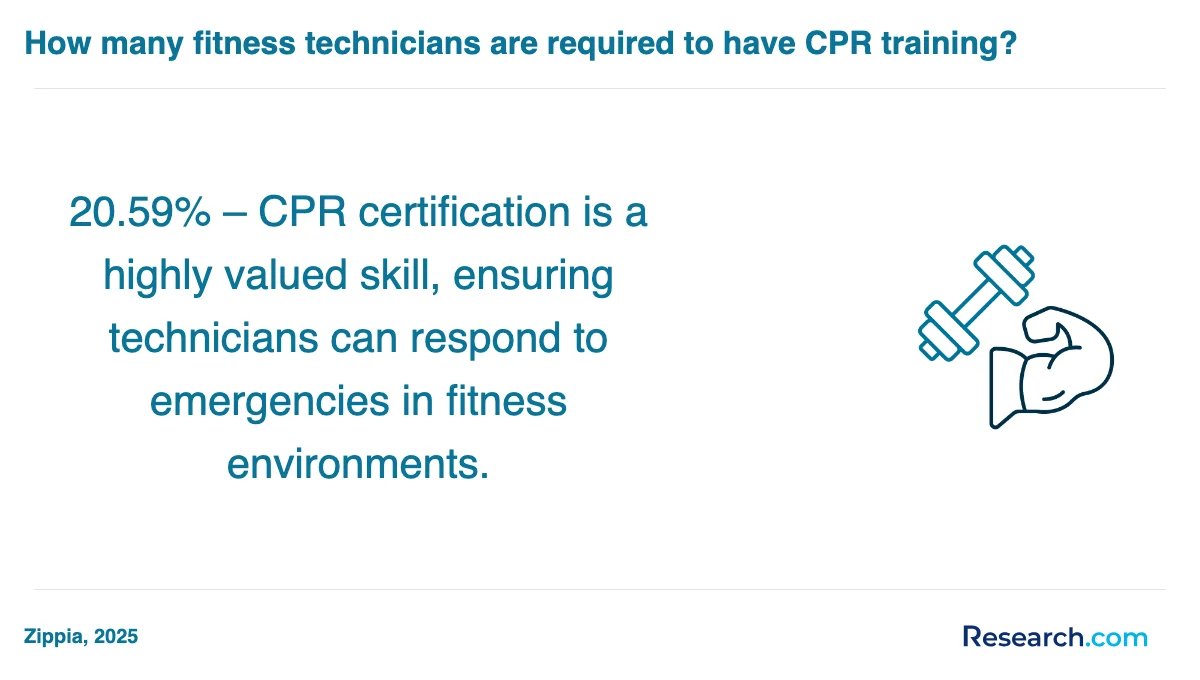
- First Aid/AED and Safety Training: Critical certifications that build confidence in emergency readiness.
- Professional Skills and Employability: From resume crafting to marketing fitness services, students gain tools to thrive professionally.
- Technology in Fitness: Embracing digital platforms and social media to connect with clients and grow their fitness brand.
Students appreciate the flexible formats offered-whether online, part-time, or in-person-allowing them to balance life while pursuing their dream careers. One graduate recalls how Madison College's one-year, 24-credit program swiftly launched their career, while another values Mid-State Technical College's convenient two-semester online option that fit their busy schedule. These courses empower Midwest students to become confident, skilled fitness professionals ready to make a positive impact.
What are the available specializations in physical fitness technician trade schools in Midwest?
Midwest physical fitness technician specializations open exciting pathways that empower students to thrive in dynamic health and fitness careers. These programs often include:
- Exercise Science, providing a deep understanding of how the body responds to physical activity
- Personal Training, equipping students to design customized workout plans and motivate clients
- Nutrition, teaching the essentials of fueling the body for performance and recovery
- Health and Wellness Coaching, focusing on holistic lifestyle improvements
- Sports Management, covering leadership and organization in athletic settings
- Rehabilitation Techniques, preparing students to assist in injury recovery
- Group Fitness Instruction and Fitness Facility Management, enhancing communication and operational skills
Graduates from prominent Midwest trade schools, such as Central Michigan University and Alexandria Technical & Community College, report how hands-on training in physical fitness technician programs in Midwest turns passion into rewarding professions. Many have felt the pride of helping community members improve their health, backed by the solid theory and practice they mastered.
For students seeking an accessible yet comprehensive educational journey, exploring easy kinesiology degree programs can also complement their physical fitness technician ambitions, enhancing career flexibility.
How do you choose the best physical fitness technician trade school program in Midwest?
Choosing from the best physical fitness technician trade schools Midwest means focusing on programs offering strong accreditation and a curriculum aligned with your passion. Graduates from institutions like the University of Southern Indiana often share how specialized courses in exercise physiology and nutrition helped them gain confidence and real-world skills. Consider schools with advanced facilities-Fox Valley Technical College's hands-on training environments inspire students to excel and stay motivated.
Look into faculty expertise as well. At Marquette University, experienced instructors provide mentorship that transforms learning into an engaging journey, fueling graduates' excitement about entering the fitness industry. Employment success is key; for example, University of Findlay alumni express pride in their programs' high placement rates, which make job hunting less daunting.
Finally, balance cost and benefits by exploring schools like Kirkwood Community College that offer financial aid, ensuring your investment pays off. Discover pathways to thrive by checking out resources like the online kinesiology degree to supplement your knowledge and make an informed choice among top physical fitness technician programs Midwest.

What career paths are available for physical fitness technician trade school graduates in Midwest?
Graduates of physical fitness technician trade school programs in the Midwest find a wealth of fulfilling career options that bring health and vitality to their communities. Many begin as fitness technicians in bustling gyms and health clubs, where they receive hands-on experience maintaining equipment and supporting trainers. Others pursue roles as personal trainers or fitness instructors, leading motivating group classes and creating customized workout plans that inspire real transformation. Popular trade schools in Midwest cities prepare students for these roles with practical, industry-focused training that graduates describe as empowering and career-launching.
Opportunities also abound in healthcare settings like physical therapy clinics, especially for those who want to blend fitness with rehabilitation. Graduates often highlight that pursuing additional certification unlocks even more doors and allows them to make a direct impact on patient recovery.
Among the many paths available, some rewarding options include:
- Fitness technician roles at Planet Fitness or Crunch Fitness with competitive pay
- Physical therapy clinic support positions with benefits and growth potential
- Group fitness instructor and coaching jobs at studios like F45 Training
For those interested in physical fitness technician jobs in Illinois and Midwest, these careers offer stability and meaningful connection with clients. Plus, as demand grows, wages and advancement opportunities continue rising-details highlighted in the highest paying jobs exercise science degree research. Every graduate's story confirms that physical fitness technician trade school programs in Midwest open doors to inspiring, dynamic careers with lasting personal rewards.
What is the job market for physical fitness technician trade school graduates in Midwest?
The job market for physical fitness technician trade school graduates in Midwest is vibrant and full of opportunity. Many graduates from well-known trade schools in the region share stories of quickly securing rewarding roles in bustling health clubs and community wellness centers. These success stories reflect strong Midwest fitness technician employment trends, where states like Illinois and Ohio lead with thousands of fitness professionals needed.
Students who complete their training often find that hands-on experience and certifications open doors to a variety of work settings, such as corporate fitness programs and local gyms. Graduates pride themselves on developing skills that meet the high demand for fitness expertise.
Here's what makes the market especially encouraging for Midwest graduates:
- Projected job growth of about 14 percent through 2033 nationwide, with even greater growth in certain Midwest cities
- Robust entry-level salaries in the high-$30,000 to low-$40,000 range that reflect regional living costs
- Employment concentrated in states like Michigan and Wisconsin, offering many local opportunities
For students eager to advance their careers with specialized knowledge, numerous options to pursue degrees in kinesiology complement trade programs perfectly, enriching their skillset and increasing their market appeal in the Midwest job landscape.
Frequently Asked Questions about physical fitness technician
After completing a physical fitness technician trade school in the Midwest, preparing for the job market involves several key steps. First, obtaining industry-recognized certifications, such as the Certified Personal Trainer (CPT) credential from the National Academy of Sports Medicine (NASM), can significantly improve employability. According to the U.S. Bureau of Labor Statistics, fitness-related jobs in the Midwest are projected to grow by 10% through 2032, reflecting a steady demand.
Networking is essential; attending local fitness expos and joining professional associations like the Midwest Fitness Association can open doors to job opportunities. Additionally, gaining practical experience through internships or part-time roles enhances resumes and builds relevant skills.
Developing strong communication and customer service abilities is also important, as these technicians often work closely with clients to motivate and guide fitness routines.
Employers in the Midwest highly value practical skills when hiring physical fitness technician trade school graduates. Key competencies include knowledge of human anatomy, exercise physiology, and the ability to design safe, effective workout programs. According to the U.S. Bureau of Labor Statistics and regional employment reports, communication skills rank prominently, as technicians frequently instruct and motivate clients.
Technical proficiency with fitness equipment and basic first aid certification are often required. Employers also look for adaptability and teamwork, given the collaborative environment in many gyms and health centers. These skills help graduates meet the growing demand for personalized fitness services in Midwest communities.
Finding internships relevant to a physical fitness technician trade school program in the Midwest involves several strategic steps. Start by contacting your school's career services or internship coordinator, as many trade schools maintain partnerships with local gyms, rehabilitation centers, and community health organizations.
Another effective approach is to explore internship listings on regional job platforms like the Illinois Workforce Development or the OhioMeansJobs portal, which often feature fitness-related opportunities.
Networking is crucial; attending industry events and joining Midwest chapters of professional groups such as the National Strength and Conditioning Association can open doors to internship placements.
According to the U.S. Bureau of Labor Statistics, internships in physical fitness roles in the Midwest have grown by approximately 5% annually, reflecting increasing demand for hands-on experience in this field.
Obtaining a physical fitness technician trade school diploma in the Midwest can significantly enhance career mobility and advancement opportunities. According to the U.S. Bureau of Labor Statistics, employment for fitness trainers and instructors is projected to grow 15% from 2021 to 2031, faster than the average for all occupations, reflecting increasing demand.
Midwestern trade schools often provide hands-on training and industry certifications that employers value, making graduates more competitive in local job markets. Additionally, the diploma can open doors to roles in gyms, rehabilitation centers, and wellness programs, many of which prioritize candidates with formal credentials.
Data from the National Center for Education Statistics shows that graduates from trade programs in the Midwest report higher rates of job placement within six months, supporting upward career mobility. This credential serves as a practical foundation for professionals seeking to advance into supervisory or specialized fitness roles regionally.
For students enrolled in physical fitness technician trade schools in the Midwest, part-time job opportunities often align closely with their training. Common roles include gym assistant positions, personal trainer internships, and group fitness instructor aides. These jobs provide hands-on experience with client interaction, exercise equipment, and program development.
According to the Bureau of Labor Statistics (BLS) 2023 data, the Midwest region employs numerous fitness trainers and instructors, with Illinois and Ohio showing the highest demand. Part-time work in community centers, health clubs, and rehabilitation facilities helps students build practical skills and professional networks.
Such employment typically offers flexible hours, accommodating class schedules while enhancing resumes. Students gain exposure to fitness assessments, client motivation techniques, and safety protocols, all crucial for certification readiness and career advancement.
To choose the best Physical Fitness Technician degree program near you in the Midwest, consider looking into programs and universities that offer comprehensive coursework and practical training opportunities, ensuring alignment with your career goals. Research resources such as Research.com to find program rankings and student reviews that may help in evaluating options near Midwest. Additionally, visiting campus facilities and speaking with current students or faculty can provide valuable insights into the program quality and career prospects near me.
Top Trending Rankings
References
- Physical Education, Fitness, and Sport Studies Program | College of DuPage https://www.cod.edu/academics/programs/physical-education/
- The Ultimate Guide to Trade School for Parents - Midwest Technical Institute https://www.midwesttech.edu/admissions/the-ultimate-guide-to-trade-school-for-parents/
- 2025 Best Physical Fitness Technician Schools https://www.collegefactual.com/majors/parks-recreation-fitness/health-and-physical-education/physical-fitness-technician/rankings/top-ranked/
- Personal Training Certification in Chicago, IL | Become A Personal Trainer in Illinois | National Personal Training Institute https://nationalpti.org/school/chicago-il-n-ravenswood-ave/
- Midwestern Career College | Career Training http://mccollege.edu/
- Learn How to Become a Personal Trainer | Start Your Fitness Career | NASM https://www.nasm.org/how-to-become-a-personal-trainer
- Top Trade Schools in the Country | Explore The Trades https://explorethetrades.org/blog/here-are-the-top-10-trade-schools-in-the-country/
- Employment - Midwest Physical Therapy Services - Board Certified in Women's Health https://midwestpts.com/employment/
- Career - Midwest Physical Therapy https://midwestpt.net/career/
- Fitness Trainers and Instructors : Occupational Outlook Handbook: : U.S. Bureau of Labor Statistics https://www.bls.gov/ooh/personal-care-and-service/fitness-trainers-and-instructors.htm


