
Best Personal Trainer Training Programs & Trade Schools - Top Personal Trainer Schools in Minnesota for 2026

Co-Founder and Chief Data Scientist
Choosing the right physical fitness technician trade school in Minnesota can shape your future career and personal growth. This article introduces a carefully crafted ranking of physical fitness technician trade school programs, developed by the Research.com team of data scientists. It’s designed to help you make an informed decision based on reliable data and expert analysis.
Discover programs that offer valuable skills and certifications, opening doors to rewarding job opportunities. Whether you're starting fresh or advancing your career, earning a diploma or certification in this field is a positive step toward a healthier, more fulfilling profession.
Key benefits of finishing physical fitness technician trade school in Minnesota
- Graduates can expect an hourly wage between $20 and $26 in Minnesota, with some fitness equipment technicians earning up to $32.37 per hour, offering strong financial rewards early in their careers.
- Career paths include roles as fitness equipment technicians, exercise technicians, or personal trainers, providing diverse opportunities to work in gyms, wellness centers, or rehabilitation facilities.
- Completing a physical fitness technician trade school online offers flexibility and convenience, allowing students to balance work and study while gaining practical skills quickly, as shown by successful online graduates in Minnesota.
What can I expect from physical fitness technician trade schools in Minnesota?
Jumping into a physical fitness technician trade school program in Minnesota means you'll dive deep into the science behind movement, like anatomy, physiology, and kinesiology. At places like Alexandria Technical and Community College, graduates often share how hands-on labs and internships gave them real confidence working with clients, not just theory from textbooks.
Expect to learn about crafting exercise routines, nutrition, and even special care for older adults or those with chronic conditions. Many students find this part exciting because it's practical and directly connected to what they'll do on the job.
Programs usually last one to two years, offering certificates or associate degrees, which is perfect if you want to start working quickly or eventually transfer to a four-year school. For example, Northland's Exercise Science degree makes it easy to continue your education at Minnesota State universities.
Many who finish these programs feel ready to take industry certifications like the NSCA-CPT, a big confidence boost that opens doors in fitness careers across the state.
Where can I work after finishing physical fitness technician trade schools in Minnesota?
After finishing a physical fitness technician trade school program in Minnesota, many graduates find themselves working in places like gyms, community centers, and corporate wellness programs. Imagine stepping into a busy fitness center in Minneapolis where you lead group classes or assist clients one-on-one-that's a typical day for many grads. Some even land roles in well-known healthcare systems like Mayo Clinic, helping patients with personalized exercise plans. Others enjoy the hands-on work of maintaining fitness equipment across the Twin Cities, combining mechanical skills with fitness knowledge.
Graduates often share how rewarding it feels to work as personal trainers or life skills coaches, especially in larger cities where health and wellness buzz is strong. Trade schools in Minnesota provide more than just technical know-how-they prepare you to communicate confidently and organize effective workouts, which employers really value. Plus, many grads boost their career options by getting certified in specialties like nutrition or group exercise leadership, opening doors to even more exciting opportunities.
How much can I make after finishing physical fitness technician trade schools in Minnesota?
After finishing a physical fitness technician trade school program in Minnesota, you can expect to earn a solid paycheck that reflects your skills and dedication. Graduates often start as fitness equipment technicians, making around $21.89 per hour statewide. Working full-time, that adds up to about $45,500 a year, which many find rewarding right out of school.
Location plays a big role, too. For example, graduates working in Minneapolis enjoy a higher wage of roughly $23.33 per hour, or about $48,500 annually. In Eden Prairie, the numbers get even better, with hourly rates near $25.21, translating to around $52,400 a year. These figures come from real experiences shared by recent grads from popular Minnesota trade schools, who say the pay matches well with their new skills.
If you're aiming to be a personal trainer instead, expect an average of $30.35 per hour across Minnesota, which can mean $63,100 a year for full-time work. Many grads love the flexibility and the chance to grow their income as they build a client base.
Best Personal Trainer Training Programs & Trade Schools - Top Personal Trainer Schools in Minnesota for 2026
# 1 position
Dakota County Technical College - Physical Fitness Technician.
associateDakota County Technical College offers a Physical Fitness Technician program designed to prepare students for roles in health and fitness clubs, wellness centers, and corporate fitness programs. The hybrid program includes instruction in human anatomy, exercise science, personal training, nutrition, and customer service. The annual in-state tuition is $6,419. The program is accredited by the Higher Learning Commission and provides both instructional and administrative training for various fitness-related careers.
# 2 position
Fond du Lac Tribal and Community College - Physical Fitness Technician.
associateFond du Lac Tribal and Community College offers a hybrid Physical Fitness Technician program that prepares students for roles in health clubs, wellness centers, recreation facilities, hospitals, and corporate fitness programs. The curriculum covers human anatomy, physiology, fitness techniques, exercise science, personal training, nutrition, and customer service. The program’s annual in-state tuition is $5,999 and it is accredited by the Higher Learning Commission.
# 3 position
Alexandria Technical & Community College - Physical Fitness Technician.
associateAlexandria Technical & Community College offers a Physical Fitness Technician program in a hybrid format, combining distance and on-campus education. The curriculum includes human anatomy, physiology, exercise science, personal training, nutrition, and customer service. Graduates are prepared for roles in health clubs, wellness centers, hospitals, and corporate fitness programs. Annual in-state tuition is $6,213. The program is accredited by the Higher Learning Commission.
# 4 position
Dakota County Technical College - Physical Fitness Technician.
certificate or diplomaDakota County Technical College offers a Physical Fitness Technician program through a hybrid format that includes some distance education. The program prepares students for roles in health clubs, wellness centers, recreation facilities, hospitals, and corporate fitness programs. Coursework covers human anatomy, physiology, exercise science, personal training, nutrition, and customer service. Annual in-state tuition is $6,419. The program is accredited by the Higher Learning Commission.
# 5 position
Anoka-Ramsey Community College - Physical Fitness Technician.
certificate or diplomaAnoka-Ramsey Community College offers a Physical Fitness Technician program with a hybrid format, including some distance-education options. This program prepares students for roles in health clubs, wellness centers, recreation facilities, hospitals, and corporate fitness programs. Coursework covers human anatomy, physiology, fitness techniques, exercise science, personal training, nutrition, and customer service. The annual in-state tuition is $5,682. The program is accredited by the Higher Learning Commission.
# 6 position
Minnesota North College - Physical Fitness Technician.
certificate or diplomaMinnesota North College offers an on-campus Physical Fitness Technician program preparing students for roles in health clubs, wellness centers, and corporate fitness. The curriculum covers human anatomy, exercise science, personal training, nutrition, and customer service. Annual in-state tuition is $6,004. The program is accredited by the Higher Learning Commission and equips graduates for instructional and administrative duties in various fitness and recreation settings.
# 7 position
Rochester Community and Technical College - Physical Fitness Technician.
certificate or diplomaRochester Community and Technical College offers a Physical Fitness Technician program with a hybrid format, combining in-person and distance education. The program prepares students for roles in health clubs, wellness centers, recreation facilities, hospitals, and corporate fitness programs. Coursework includes anatomy, physiology, exercise science, personal training, nutrition, and customer service. Annual in-state tuition is $6,359. The program is accredited by the Higher Learning Commission.
# 8 position
Alexandria Technical & Community College - Physical Fitness Technician.
certificate or diplomaAlexandria Technical & Community College offers a Physical Fitness Technician program with a hybrid format, combining in-person and distance education. The program prepares students for roles in health and fitness clubs, wellness centers, hospitals, and corporate fitness programs. Coursework includes human anatomy, physiology, fitness techniques, exercise science, personal training, nutrition, and customer service. Annual in-state tuition is $6,213. The program is accredited by the Higher Learning Commission.
Key Findings
- Programs in Minnesota include certificates, diplomas, and associate's degrees offered by community colleges like Alexandria Technical and Lake Superior College.
- Certificate programs typically take about one year with around 17 credits, while associate degrees usually require two years of full-time study.
- Tuition costs range from approximately $5,500 to $6,000 per year for in-state students, excluding books and certification fees.
- Graduates can expect entry-level salaries between $35,000 and $40,000, with experienced professionals earning up to $55,000 or more annually.
- Courses cover topics such as anatomy, exercise science, nutrition, client assessment, and customer service skills.
How long does it take to complete physical fitness technician trade schools in Minnesota?
If you're looking to become a physical fitness technician in Minnesota, most trade school programs typically wrap up in about six months to a year. This timeline works perfectly for those eager to jump into the fitness world without spending years in school.
Many graduates from popular Minnesota trade schools mention how the compact schedule helped them stay motivated and focused. Instead of dragging out classes, the programs pack hands-on training with essential theory, so you're ready to assist clients and work in gyms quickly.
One common experience is balancing part-time jobs or family responsibilities alongside studies. Since the programs are designed to be efficient, students often find it easier to manage their time and still graduate feeling confident and prepared.
Imagine finishing your course by the end of the year and already working in a fitness center, helping others reach their health goals-that's the kind of real-life payoff many physical fitness technician students in Minnesota appreciate.
What's the difference between online and on-campus physical fitness technician trade school programs?
The main difference between online and on-campus physical fitness technician trade school programs in Minnesota comes down to how and where you learn. On-campus programs, like those at Rochester Community and Technical College, offer hands-on experience you can't get online. Graduates often talk about how valuable it was to practice directly with equipment and get instant feedback from instructors during in-person classes and internships at local gyms. This face-to-face interaction really helps build confidence in skills like exercise assessment and program design.
On the flip side, online programs give you the flexibility to study whenever and wherever you want, which is perfect if you're juggling work or live far from campus. Though it can sometimes feel less personal, many online courses use video demos and local supervised practicals to help bridge that gap. Students appreciate being able to fit their learning around their busy lives, even if it means being more self-motivated.
Both options cover essential topics, but if you thrive on hands-on learning and direct support, on-campus might feel more rewarding. For those needing flexibility, online programs offer a solid alternative without sacrificing key knowledge.
What is the average cost of physical fitness technician trade schools in Minnesota?
The average tuition fees for physical fitness technician programs in Minnesota tend to hover around $19,115 per year, but it's important to remember that costs can vary depending on the specific trade school or college you choose. For example, graduates from Dakota County Technical College in Rosemount often share how the investment felt worthwhile, especially because their Associate's Degree in Exercise and Sport Science prepares them thoroughly for the field, typically in two to four years. This makes it feel like a smart balance between time and expense for many.
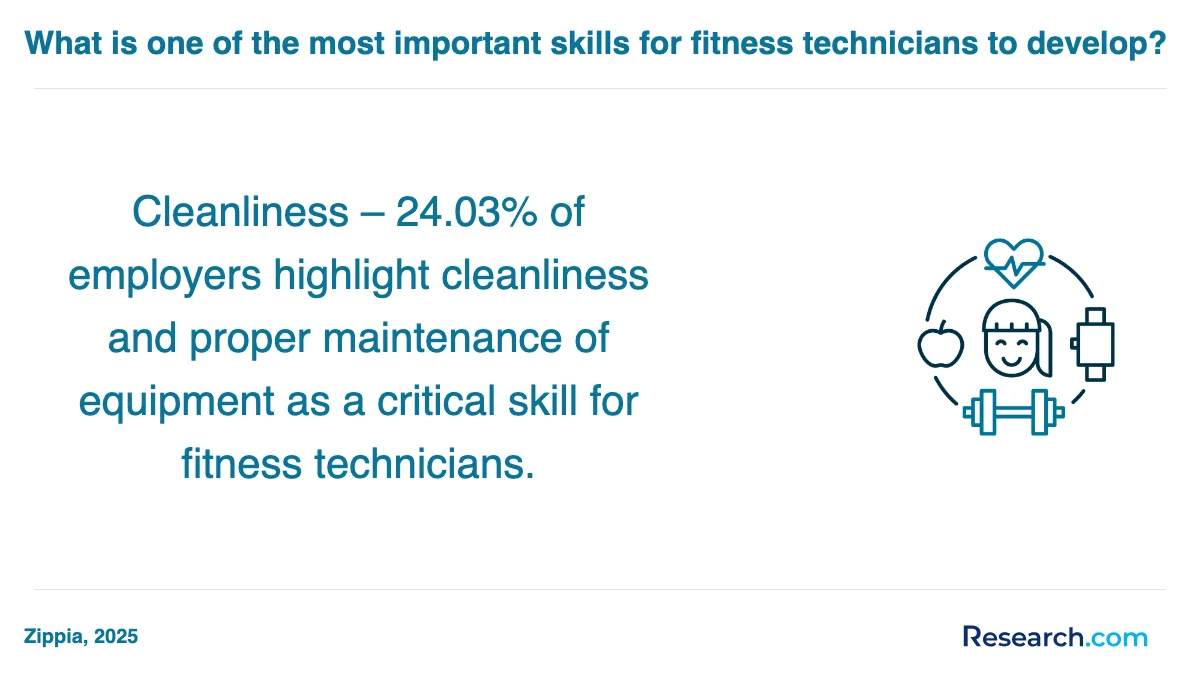
Many students find the total cost of a physical fitness technician trade school in Minnesota becomes more manageable thanks to the variety of financial aids available. State programs like the Minnesota State Grant, which can provide up to $7,463 annually for eligible public two-year college students, really help to ease the burden. Hearing from recent grads, there's a genuine sense of relief and excitement when they realize they don't have to shoulder the full tuition alone.
When considering your options, it's a great idea to explore popular programs and compare tuition because fees can fluctuate each year. If you want to find even more flexible and affordable pathways, checking out the easiest kinesiology degree programs can open up additional routes that align well with your goals. Overall, careful planning around these costs can make your physical fitness technician dream closer to reality.
What financial aid is available for physical fitness technician trade schools in Minnesota?
Physical fitness technician students in Minnesota have several financial aid options that really make a difference. Many graduates from popular trade schools like Century College share how submitting the FAFSA opened doors to federal grants like the Pell Grant and low-interest loans, easing the burden of tuition costs.
State programs also come into play. For example, the Minnesota Future Together Grant offers tuition-free pathways for eligible residents, which has helped many students stay focused on their studies without stressing about bills. To qualify, you generally need to meet income limits and apply each semester, so staying on top of paperwork is key.
Local trade schools often provide scholarships too. Century College, for instance, awards $1,000 scholarships specifically for physical education students, which graduates say gave them a real boost. Plus, Minnesota State's Workforce Development Scholarships can cover up to $2,500 per year, helping with fees and materials.
Work-study programs are another plus, letting students earn money while gaining hands-on experience on campus-something many find both rewarding and helpful for building their resumes.
Starting early with the FAFSA and talking to your school's financial aid office can really pay off.
What are the prerequisites for enrolling in physical fitness technician trade schools in Minnesota?
When you're thinking about enrolling in a physical fitness technician trade school in Minnesota, there are a few key prerequisites to keep in mind. Most programs want to see that you have a high school diploma or GED-this is pretty standard across the board. Graduates often mention how having that basic educational foundation made jumping into hands-on training smoother and less stressful.
Additionally, many schools appreciate if you have some background in health or fitness, though it's not always mandatory. For example, some students shared how their part-time work at local gyms or volunteering in community fitness programs gave them a boost during their studies.
Here's a quick look at common prerequisites:
- High school diploma or GED
- Basic understanding of human anatomy (sometimes verified through placement tests)
- CPR and First Aid certification-either before or during the program
- Proof of immunizations, especially if clinical hours are involved
Many trade schools in Minnesota, like those popular in the Twin Cities area, also encourage a positive attitude and eagerness to learn. Graduates often recall how showing enthusiasm and readiness to dive into practical sessions made a big difference in their experience. If you're passionate about fitness and helping others, these schools are ready to welcome you!

What are the typical courses in physical fitness technician trade schools in Minnesota?
If you're diving into a physical fitness technician program at a trade school in Minnesota, expect a mix of science and hands-on training that really gets you ready for the fitness world. Graduates often mention how courses like anatomy, physiology, and kinesiology helped them understand exactly how bodies move and respond to exercise-super useful when you're designing workout plans for real clients.
Most programs include:
- Core science classes covering body mechanics and exercise physiology
- Exercise techniques and program design, where you learn to tailor workouts for different fitness levels
- Nutrition and wellness basics, helping you guide clients on healthy eating and lifestyle habits
- Safety training like CPR and first aid to handle emergencies confidently
- Fitness testing and injury prevention to assess and protect clients effectively
Many graduates from popular Minnesota trade schools highlight how practical lessons-like running group fitness sessions or creating personalized nutrition plans-gave them the confidence to step into gyms and wellness centers right after finishing. Plus, some schools even prep you for top certifications, which makes landing a job smoother and more exciting.
What are the available specializations in physical fitness technician trade schools in Minnesota?
Physical fitness technician specializations in Minnesota typically cover a range of focused areas designed to prepare you for a hands-on career in health and fitness. Graduates from popular trade schools like Minnesota North College and Dakota County Technical College often share how these programs helped them dive into real-world skills, from understanding human anatomy to crafting personalized workout plans. Common Minnesota physical fitness technician program specializations include:
- Personal Training - guiding clients through tailored fitness routines
- Sports Performance Coaching - enhancing athletic abilities through science-backed methods
- Exercise Physiology - studying how the body responds to exercise
- Wellness Coaching - supporting overall health and lifestyle changes
- Injury Prevention and Rehabilitation - helping people recover and avoid injuries
These programs often blend classroom knowledge with practical experience, so students find themselves confidently assessing fitness levels and designing workout strategies before they even graduate. If you're wondering about affordable options, you might also check out affordable online bachelor's programs in sports management that complement physical fitness training perfectly.
How do you choose the best physical fitness technician trade school program in Minnesota?
When choosing the best physical fitness technician programs in Minnesota, start by checking if the school is accredited and offers a curriculum that prepares you well for certification exams like ACE or ACSM. Graduates from places like Normandale Community College often mention how hands-on training and detailed courses in anatomy and nutrition made them confident stepping into the workforce.
Another thing to consider is transfer opportunities. For example, students at Northland Community & Technical College appreciate the smooth transfer pathways to four-year universities, which makes planning for a bachelor's degree easier if you want to keep advancing.
It also helps to compare trade school costs for fitness technician Minnesota programs. Many students find that schools with smaller class sizes and strong career services, like Alexandria Technical & Community College, provide more personalized support and better job placement rates. Their low student loan default rate speaks volumes about alumni success.
Don't forget to check out resources on being a pe teacher for insights into career paths related to fitness technicians, which can help you map out your future.
What career paths are available for physical fitness technician trade school graduates in Minnesota?
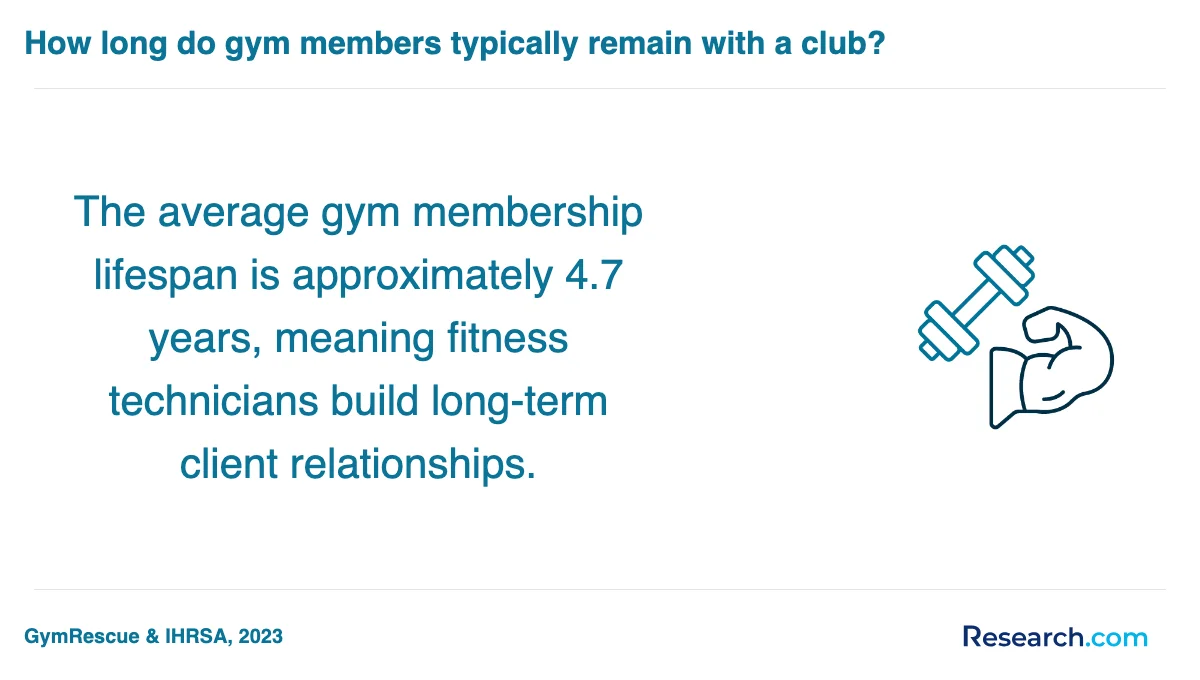
Graduates of physical fitness technician trade school programs in Minnesota enjoy a variety of exciting career paths. Many start as fitness trainers or aerobics instructors, helping clients improve their health in gyms, community centers, or corporate wellness programs. These roles offer a rewarding way to connect with people and see real progress in their fitness journeys. Others jump into athletic training, working closely with athletes at schools and sports teams to prevent and treat injuries. This path offers both a solid salary and strong job growth.
Some graduates become group fitness instructors, leading engaging classes at well-known Minnesota organizations, combining their passion for fitness with a vibrant social environment. There's also the technical option of becoming a fitness equipment technician, where hands-on skills keep gyms running smoothly and safely.
Those exploring personal trainer career opportunities Minnesota rave about the hands-on experience gained at local trade schools. For those who want to go further, programs offering a bachelors in kinesiology online are a great next step to deepen their expertise.
Whether you love coaching, technical work, or athlete care, physical fitness technician jobs in Minnesota open doors to fulfilling, stable careers.
What is the job market for physical fitness technician trade school graduates in Minnesota?
The physical fitness technician job outlook in Minnesota is bright for those graduating from trade schools around the state. Graduates often find themselves welcomed in gyms, rehab centers, and wellness programs throughout cities like Minneapolis and Rochester, where demand is especially high. Many graduates share stories of landing their first role as fitness trainers or equipment technicians within months of finishing their coursework.
Here's why things look promising:
- Average salaries hover around $44,340 statewide, which is pretty solid for entry-level roles.
- Jobs like athletic trainers offer even higher wages, with median salaries near $49,320 and strong growth projections of 20%.
- The bigger cities in Minnesota offer elevated earning potential, with personal trainers in Minneapolis making upwards of $65,949 annually.
Those exploring the fitness technician salary and employment trends Minnesota has to offer will notice not only competitive pay but a variety of roles. Current listings reveal over 1,200 fitness jobs statewide plus opportunities in gym equipment and technician positions. Hourly wages for equipment technicians typically range from $18 to $45.
Graduates from popular Minnesota trade schools find career mobility rewarding, often moving between health clubs, corporate wellness programs, and resorts. For students considering further education, it's worth looking into the cheapest online masters in exercise science to boost credentials and open new doors.
Frequently Asked Questions about physical fitness technician
After completing a physical fitness technician trade school in Minnesota, preparing for the job market involves several key steps. First, obtaining relevant certifications such as CPR, AED, and possibly a Certified Personal Trainer (CPT) credential can significantly improve employability. Employers in Minnesota often prefer candidates with these credentials, as reported by the Bureau of Labor Statistics and local workforce agencies.
Networking is also important. Joining professional associations like the Minnesota Council on Exercise and attending local fitness expos can connect graduates with potential employers. Additionally, gaining practical experience through internships or part-time work at gyms or wellness centers helps build a strong resume.
Finally, researching job openings via Minnesota's job banks and online platforms tailored to fitness careers can guide job seekers towards opportunities matching their skills.
Employers in Minnesota seeking physical fitness technician trade school graduates prioritize a mix of technical and interpersonal skills. According to the Minnesota Department of Employment and Economic Development, strong knowledge of exercise physiology and proper use of fitness equipment ranks highly. Graduates must also demonstrate proficiency in designing safe, effective workout plans tailored to diverse client needs.
Communication skills are critical, as technicians often work closely with clients to motivate and educate them. Additionally, employers look for certifications such as CPR and AED, which enhance workplace safety readiness. Familiarity with fitness software and tracking tools is increasingly important in Minnesota's fitness industry, reflecting a growing trend toward data-driven health monitoring.
Finding internships in Minnesota relevant to physical fitness technician trade school programs involves leveraging local resources and industry connections. Start by contacting your trade school's career services, as many have partnerships with gyms, rehabilitation centers, and wellness facilities offering internships. The Minnesota Department of Employment and Economic Development (DEED) provides listings and guidance for health-related internships statewide.
Networking through professional associations like the Minnesota Fitness Alliance can also uncover opportunities. According to DEED, the health and wellness sector in Minnesota is growing at 7% annually, increasing internship availability. Additionally, using platforms such as MinnesotaWorks.net helps locate current openings specifically in physical fitness fields.
Engaging with community centers and local clinics may provide hands-on experience, which is crucial for certification and employment after training.
In Minnesota, earning a diploma from a physical fitness technician trade school significantly enhances career mobility and advancement opportunities. According to the Minnesota Department of Employment and Economic Development (DEED), job openings for fitness trainers and instructors are expected to grow by 11% between 2020 and 2030, faster than the average for all occupations.
This diploma provides practical skills that employers value, such as client assessment, exercise planning, and equipment use. Graduates often access entry-level positions in gyms, rehabilitation centers, and wellness programs.
Moreover, trade schools frequently offer industry certifications, which can lead to higher salaries and promotions. Data from the U.S. Bureau of Labor Statistics shows Minnesota fitness trainers earn a median wage of about $20 per hour, with experienced technicians advancing to supervisory roles or specialized fitness services.
Part-time job opportunities in Minnesota that complement physical fitness technician trade school education include roles such as gym assistant, fitness class aide, and wellness center receptionist. These positions provide hands-on experience in client interaction, equipment maintenance, and basic fitness instruction. According to the Minnesota Department of Employment and Economic Development, the health and fitness sector in the state is projected to grow by 8% through 2030, increasing demand for skilled technicians.
Working in community centers or local gyms can enhance practical skills while students complete their education. Additionally, roles like personal training assistant offer exposure to exercise program design and client motivation techniques.
To find the best Physical Fitness Technician degree program near you in Minnesota, consider researching local community colleges and universities that offer specialized programs or certificates in physical fitness and health. Use resources like Research.com to identify top-rated programs near Minnesota, which can help you compare program curriculum, faculty, and facilities. Additionally, contacting career advisors at institutions near me can provide valuable insights into program strengths and career prospects in the field.
Related Physical Fitness Technician Rankings for Nearby States
- Best Personal Trainer Training Programs & Trade Schools - Top Personal Trainer Schools in Wisconsin for 2026
- Best Personal Trainer Training Programs & Trade Schools - Top Personal Trainer Schools in Iowa for 2026
- Best Personal Trainer Training Programs & Trade Schools - Top Personal Trainer Schools in North Dakota for 2026
- Best Personal Trainer Training Programs & Trade Schools - Top Personal Trainer Schools in Michigan for 2026
- Best Personal Trainer Training Programs & Trade Schools - Top Personal Trainer Schools in Indiana for 2026
- Best Personal Trainer Training Programs & Trade Schools - Top Personal Trainer Schools in Ohio for 2026
- Best Personal Trainer Training Programs & Trade Schools - Top Personal Trainer Schools in Colorado for 2026
- Best Personal Trainer Training Programs & Trade Schools - Top Personal Trainer Schools in Wyoming for 2026
- Best Personal Trainer Training Programs & Trade Schools - Top Personal Trainer Schools in Georgia for 2026
- Best Personal Trainer Training Programs & Trade Schools - Top Personal Trainer Schools in Texas for 2026
Top Trending Rankings
References
- How to Become a Personal Trainer in MN - Insurance Canopy https://www.insurancecanopy.com/blog/how-to-become-a-personal-trainer-in-minnesota
- Personal Training Certificate | North Hennepin C.C. https://www.nhcc.edu/academics/degree-pathways/biological-and-health-sciences/personal-training-certificate
- Online NASM Certified Personal Trainer and Exam Preparation (Voucher Included) from Minnesota State College Southeast https://careertraining.southeastmn.edu/training-programs/nasm-cpt/
- Personal Training Certification in Minnesota https://www.personaltrainercertification.us/locations/minnesota
- Exercise & Sport Science Program - DCTC https://www.dctc.edu/academics/programs-majors/health-education/exercise-and-sport-science/
- Personal Trainer Certification in Minnesota - Become a Certified Instructor https://becomeapersonaltrainer.org/mn/
- Specifics - Northland Community & Technical College https://www.northlandcollege.edu/academics/programs/exercise-science-transfer-pathway-as/specifics/
- Personal Trainer / Group Fitness Instructor Program - Rochester Community and Technical College https://www.rctc.edu/program/pt-gfi/
- High school students report challenges in accessing skilled trades training https://www.k12dive.com/news/high-school-students-report-challenges-accessing-skilled-trades-training/733627/
- How to Overcome the 4 Most Common Challenges Faced By New Personal Trainers https://www.acefitness.org/certifiednewsarticle/2737/how-to-overcome-the-4-most-common-challenges-faced-by-new-personal-trainers/


