
Best Personal Trainer Training Programs & Trade Schools - Top Personal Trainer Schools in Arizona for 2026

Co-Founder and Chief Data Scientist
Are you considering a career as a physical fitness technician in Arizona? Choosing the right trade school program can be a big step toward your future success. This article introduces the best physical fitness technician trade schools in Arizona for 2026, featuring a program ranking developed by the Research.com team of data scientists.
By exploring these top programs, you’ll gain valuable insights to help make an informed choice. Earning a diploma or certification in this field opens doors to rewarding opportunities and personal growth. Let’s help you take the first step toward a healthier, more active career path.
Key benefits of finishing physical fitness technician trade school in Arizona
- Graduates can expect an average hourly wage around $20.82 in Arizona, with annual salaries ranging from $37,000 to $43,000, offering a reliable income right after finishing school.
- Career options include working as fitness equipment technicians in gyms or wellness centers, with many graduates from popular Arizona trade schools quickly finding rewarding local jobs.
- Completing the program online gives flexibility and convenience, allowing students to balance work and study, as shown by successful online graduates who launched their careers without disrupting their daily lives.
What can I expect from physical fitness technician trade schools in Arizona?
Enrolling in a physical fitness technician trade school program in Arizona means diving into a hands-on education that quickly builds real-world skills. Graduates from schools like Arizona Western College and Northland Pioneer College often describe their journey as intensely practical, balancing classroom lessons on exercise science and human physiology with direct client interactions during internships or practicums.
Expect to engage deeply with subjects such as anatomy, kinesiology, and patient communication, which prepare you for roles ranging from personal trainer to physical therapy aide. Many students appreciate the flexible scheduling options, allowing them to study evenings or days while managing work or family commitments.
Graduates frequently highlight the confidence gained through supervised practicum experiences in gyms or rehab centers, which makes the transition into the workforce smoother and more exciting. Knowing your education aligns with national certification standards adds a sense of achievement and optimism about future job prospects in Arizona's growing health and fitness industry.
Where can I work after finishing physical fitness technician trade schools in Arizona?
Graduates from physical fitness technician trade schools in Arizona often find themselves stepping confidently into diverse and rewarding careers. Many begin working in fitness centers, health clubs, or yoga studios, where they lead exercise routines and support clients' wellness journeys. Picture a recent graduate from a well-known Phoenix trade school, thriving as a fitness trainer, helping clients reach milestones with personalized workout plans.
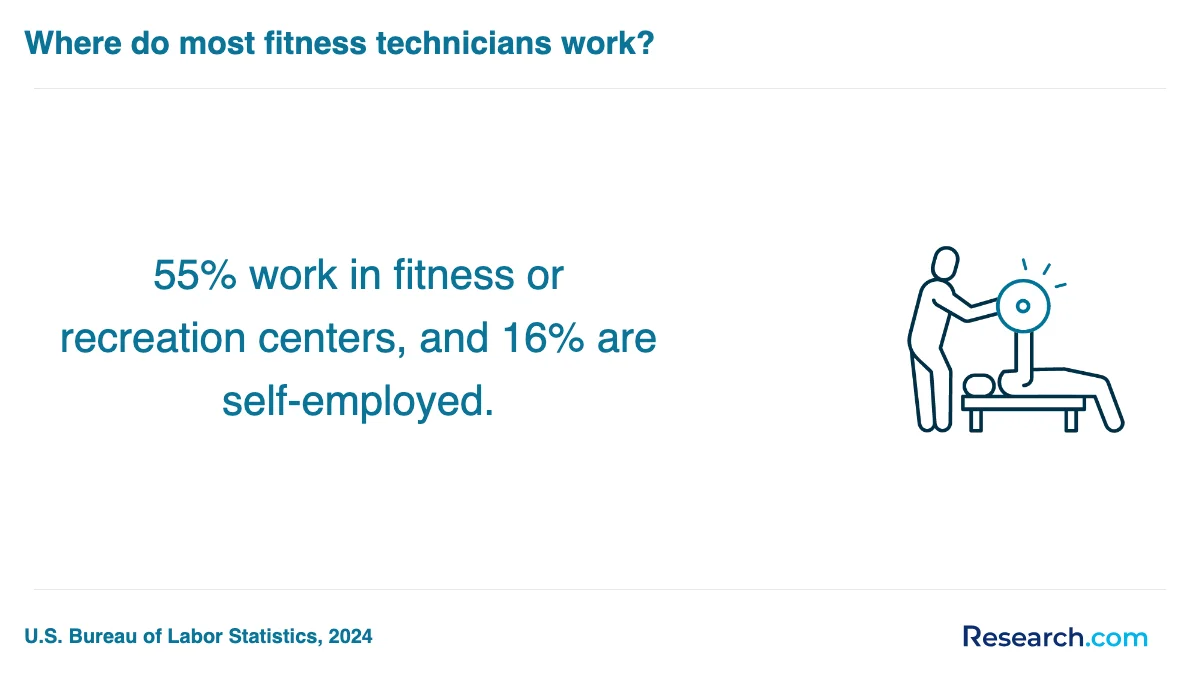
Others discover fulfilling roles in specialized rehabilitation centers or senior living facilities, assisting with recovery and mobility. The demand is tangible-over 6,490 people currently work in fitness technician-related jobs statewide, with more than 135 openings for exercise technicians in Phoenix alone.
Some graduates choose to become fitness equipment technicians, maintaining and repairing gym machines across schools and corporate wellness facilities. This path offers stability and variety, with more than 7,600 positions available in Arizona.
These career options not only promise steady employment but also the chance to make a real difference in people's health and lives, fueling a deep sense of purpose and satisfaction.
How much can I make after finishing physical fitness technician trade schools in Arizona?
Graduates of physical fitness technician trade schools in Arizona often find themselves stepping into roles with starting salaries around $40,990 annually. This figure may feel both encouraging and realistic, especially when compared to the national average of $44,580. Many recent graduates from popular Arizona trade schools share that landing positions as fitness trainers or aerobics instructors typically offers a median salary near $40,810 per year, with entry-level hourly wages starting at about $13.93. Imagine the satisfaction of guiding clients through workouts while earning a livable wage right out of school.
For those who prefer hands-on technical work, such as maintaining gym equipment, the average pay in Phoenix is roughly $20.90 an hour, equating to about $43,472 annually. Graduates often express pride in knowing their specialized skills keep fitness centers running smoothly.
Experience and certifications can quickly boost earnings, with athletic trainers in Arizona earning a median of $44,970 annually. Many who have graduated from well-known trade programs appreciate seeing their hard work translate into growing paychecks and expanding career opportunities.
Best Personal Trainer Training Programs & Trade Schools - Top Personal Trainer Schools in Arizona for 2026
# 1 position
Scottsdale Community College - Physical Fitness Technician.
associateScottsdale Community College offers a fully online Physical Fitness Technician program preparing students for roles in health clubs, wellness centers, and corporate fitness programs. The curriculum covers anatomy, physiology, exercise science, personal training, nutrition, and customer service. Annual in-state tuition is $2,358. The program is accredited by the Higher Learning Commission, ensuring recognized educational standards for prospective students seeking careers in fitness and wellness industries.
# 2 position
Scottsdale Community College - Physical Fitness Technician.
certificate or diplomaScottsdale Community College offers a fully online Physical Fitness Technician program designed to prepare students for careers in health and fitness clubs, wellness centers, and related facilities. The curriculum covers human anatomy, physiology, exercise science, personal training, nutrition, and customer service. The program is accredited by the Higher Learning Commission. Annual in-state tuition is $2,358, making it an accessible option for those seeking distance education in this field.
# 3 position
Chandler-Gilbert Community College - Physical Fitness Technician.
associateChandler-Gilbert Community College offers a fully online Physical Fitness Technician program designed to prepare students for roles in health clubs, wellness centers, and corporate fitness programs. The curriculum covers human anatomy, exercise science, personal training, nutrition, and customer service. The program is accredited by the Higher Learning Commission. Annual in-state tuition is $2,358, providing accessible training for careers in fitness and wellness instruction.
# 4 position
South Mountain Community College - Physical Fitness Technician.
associateSouth Mountain Community College offers a Physical Fitness Technician program with a hybrid format, including some distance-education options. The program prepares students for roles in health clubs, wellness centers, and corporate fitness programs through instruction in anatomy, physiology, exercise science, personal training, nutrition, and customer service. Annual in-state tuition is $2,358. The program is accredited by the Higher Learning Commission.
# 5 position
Glendale Community College - Physical Fitness Technician.
associateGlendale Community College offers a Physical Fitness Technician program with a hybrid format, including some distance-education options. The program prepares students for roles in health and fitness clubs, wellness centers, recreation facilities, hospitals, and corporate fitness programs. Coursework covers anatomy, physiology, exercise science, personal training, nutrition, and customer service. Annual in-state tuition is $2,358. The program is accredited by the Higher Learning Commission.
# 6 position
Mesa Community College - Physical Fitness Technician.
associateMesa Community College offers a fully online Physical Fitness Technician program preparing students for roles in health clubs, wellness centers, and corporate fitness programs. The curriculum covers human anatomy, physiology, exercise science, personal training, nutrition, and customer service. Annual in-state tuition is $2,358. The program is accredited by the Higher Learning Commission, ensuring recognized educational standards for students pursuing this career path.
# 7 position
Paradise Valley Community College - Physical Fitness Technician.
associateParadise Valley Community College offers a Physical Fitness Technician program with a hybrid format, including some distance education. The program prepares students for roles in health clubs, wellness centers, hospitals, and corporate fitness programs by teaching anatomy, physiology, fitness techniques, exercise science, personal training, nutrition, and customer service. Annual in-state tuition is $2,358. The program is accredited by the Higher Learning Commission.
# 8 position
Bryan University - Physical Fitness Technician.
certificate or diplomaThe Physical Fitness Technician program at Bryan University prepares students for roles in health clubs, wellness centers, and corporate fitness programs. It includes training in anatomy, physiology, exercise science, personal training, nutrition, and customer service. The program is accredited by the Accrediting Commission of Career Schools and Colleges. Annual in-state tuition is $12,185, and median earnings one year after completion are $29,856.
# 9 position
Yavapai College - Physical Fitness Technician.
certificate or diplomaThe Physical Fitness Technician program at Yavapai College prepares students for roles in health and fitness clubs, wellness centers, hospitals, and corporate fitness programs. Coursework includes human anatomy, physiology, fitness techniques, exercise science, personal training, nutrition, and customer service. The program is accredited by the Higher Learning Commission. Annual in-state tuition is $2,838.
# 10 position
Chandler-Gilbert Community College - Physical Fitness Technician.
certificate or diplomaChandler-Gilbert Community College offers a fully online Physical Fitness Technician program designed to prepare students for careers in health and fitness clubs, wellness centers, and other related facilities. The curriculum covers human anatomy, exercise science, personal training, nutrition, and customer service. The program is accredited by the Higher Learning Commission. Annual in-state tuition is $2,358, reflecting affordable access to this career-focused education.
Key Findings
- In Arizona, 278 students earned Physical Fitness Technician degrees in the 2022-2023 academic year, with most programs offered at community colleges like Chandler-Gilbert, Mesa, and Glendale.
- Programs typically take 1 to 2 years to complete and often require only a high school diploma or equivalent for admission.
- Tuition costs for in-state students at community colleges range from $2,000 to $3,000 per year, with additional fees for materials and certification exams.
- There are 6,490 jobs related to physical fitness technician degrees in Arizona, and job growth is expected to be more than double the national average over the next decade.
- Entry-level salaries for these roles range from $30,000 to $45,000 annually, with higher earnings possible through experience and certifications.
How long does it take to complete physical fitness technician trade schools in Arizona?
Completing a physical fitness technician trade school program in Arizona usually takes between six months to one year, depending on the school and the intensity of the curriculum. Many graduates from well-known Arizona trade schools describe the experience as both challenging and rewarding, appreciating the balance between hands-on training and classroom learning.
For example, students often find themselves quickly immersed in practical sessions, from mastering fitness assessments to designing workout plans, which accelerates their readiness for real-world fitness environments. One graduate shared how completing the program in just under nine months allowed them to confidently start working in gyms and wellness centers much sooner than expected, fueling their enthusiasm for the career path.
The relatively short duration is perfect for those eager to jump into the workforce without sacrificing the quality of education. Arizona's trade schools are known for their focused programs that combine technical skills with personal development, making the completion time feel like a meaningful journey rather than a race.
What's the difference between online and on-campus physical fitness technician trade school programs?
The difference between online and on-campus physical fitness technician trade school programs in Arizona often boils down to how and where students engage with their training. Graduates from on-campus programs at schools like Arizona Western College recall the energy of hands-on sessions in state-of-the-art gyms, where instructors provide instant feedback and guidance. This immediate interaction builds confidence and sharpens practical skills that are crucial in real fitness settings.
In contrast, students choosing online options appreciate the flexibility to study around work or family schedules. They often describe a sense of independence, mastering theory through virtual simulations and video lessons at their own pace. However, many also express the challenge of missing out on face-to-face coaching and the tactile experience of using actual fitness equipment.
Those from Northland Pioneer College highlight the hybrid approach, blending digital coursework with in-person practicums, which helps bridge the gap between convenience and essential hands-on training. This balance often leaves students feeling more prepared and connected to Arizona's fitness community.
What is the average cost of physical fitness technician trade schools in Arizona?
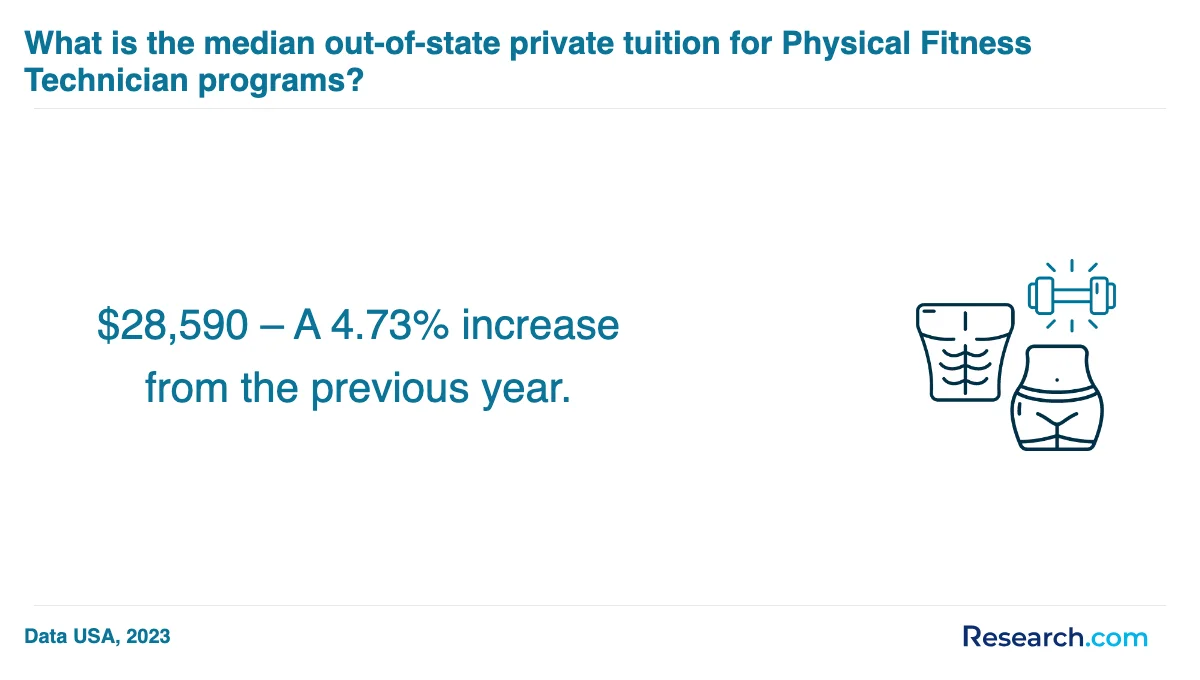
Understanding the average cost of a physical fitness technician trade school program in Arizona is essential for those ready to invest in their future. Graduates from popular trade schools like Pima Community College often share how the total investment, averaging around $2,234 for in-state students, covers tuition, fees, and essential course materials. This cost creates a manageable entry point for many aspiring fitness professionals eager to begin their careers without overwhelming debt.
Beyond tuition and fees, students frequently encounter additional expenses, especially for books and supplies, which at Pima are estimated to be about $425. For those living off-campus, living expenses can add roughly $19,124 annually, a reality that many past students have balanced by carefully budgeting their time and finances. It's this combined financial picture that shapes the personal experience of earning a Physical Fitness Technician certificate in Arizona.
When considering enrollment, it's useful to compare these state-specific costs with national averages, where tuition for similar vocational programs runs closer to $11,851. Duration also matters-typical programs span about 6.8 months, offering an efficient timeline to launch a new career. These figures highlight the importance of researching schools thoroughly to find the best fit.
For those seeking more affordable options in related fields, exploring an affordable online master's in exercise science can open further possibilities beyond trade certificates, blending cost-effectiveness with career growth.
What financial aid is available for physical fitness technician trade schools in Arizona?
Physical fitness technician students in Arizona often find that financial aid makes their education more attainable than they initially expected. Graduates from schools like East Valley Institute of Technology and Yavapai College frequently share how federal student aid, accessed through FAFSA, was a game-changer. Many rely on Federal Pell Grants, which for 2024-2025 can provide up to $7,395 without the stress of repayment, easing the burden of tuition and materials.
Others have navigated Direct Student Loans with manageable interest rates of 6.53%, appreciating the flexibility compared to private loans. At institutions such as UEI College and Arizona Automotive Institute, financial aid offices become trusted allies, guiding students through scholarships, need-based grants, and tuition payment plans tailored to their unique situations.
Many students pursuing fitness trainer certificates have also benefited from Workforce Innovation and Opportunity Act funding, which supports tuition and career placement. These layered opportunities help bridge costs-like Yavapai's $3,060 in-state program fee and $800 for books-transforming financial worry into focused ambition.
What are the prerequisites for enrolling in physical fitness technician trade schools in Arizona?
To enroll in a physical fitness technician trade school program in Arizona, prospective students generally need to meet a few straightforward but essential prerequisites that set the foundation for success in this hands-on field.
Most Arizona trade schools require:
- A high school diploma or GED, ensuring you have the basic academic skills to handle technical coursework.
- Proof of physical fitness or a health screening, since the role demands active participation and stamina.
- A clear background check, reflecting the trust placed on technicians working closely with clients.
Graduates from popular Arizona trade schools often share how these prerequisites prepared them well. One recalls feeling confident starting the program because the physical fitness screening matched their real-world readiness to engage in demanding activities daily. Another graduate highlights how the high school diploma requirement was a motivating checkpoint, affirming their commitment to professional growth.
Imagine stepping into a bustling Phoenix trade school classroom, where your peers bring not just academic readiness but a shared eagerness to transform their passion for fitness into a rewarding career. Meeting these prerequisites isn't just a formality-it's a first step toward becoming a skilled physical fitness technician ready to make an impact.
What are the typical courses in physical fitness technician trade schools in Arizona?
Physical fitness technician trade school programs in Arizona typically include a spectrum of courses designed to equip students with practical and scientific knowledge. Graduates often describe the curriculum as both challenging and rewarding, with clear applications to real-world fitness careers.
Core courses frequently cover:
- Foundations of Mind-Body Exercise: Introducing techniques like yoga and Pilates, this course helps students appreciate the growing role of mindfulness in fitness.
- Weight Management: Students learn strategies combining diet and exercise plans, which proved invaluable when graduates created personalized client programs in local gyms.
- Personal Health and Wellness: Emphasizing holistic health, this course inspires many to incorporate self-care principles into their professional practice.
- Performance Nutrition: Offering insights into dietary needs for athletes, graduates find this essential when advising diverse client populations.
- Integrated and Applied Exercise Science: Covering anatomy and biomechanics, this course builds confidence in designing safe, effective fitness routines.
- ACE Personal Trainer Preparation: Known for preparing students to pass the ACE certification, a must-have credential in Arizona's fitness industry.
Additional training often includes first aid, basic life support, and even medical terminology-skills that enhance emergency readiness and client communication. Many graduates from popular Arizona trade schools recall how hybrid and online formats made balancing studies and work easier, letting them apply lessons immediately in wellness centers or health clubs.
What are the available specializations in physical fitness technician trade schools in Arizona?
Students pursuing physical fitness technician specializations in Arizona often choose programs that blend practical skills with nationally recognized certifications. Graduates from well-known trade schools like Glendale Community College frequently share how personal training stood out, offering hands-on experience and preparing them for certifications from the American College of Sports Medicine (ACSM) and the National Strength and Conditioning Association (NSCA). Such programs build confidence and leadership through real-life training scenarios.
Arizona physical fitness technician programs also include health and wellness coaching, where students develop empathetic communication skills and learn to guide clients toward holistic health goals. Another favored path is exercise science, focusing on deep anatomy knowledge and advanced fitness strategies. Students appreciate the smooth transfer pathways to four-year degrees, enhancing career opportunities.
Group fitness instruction adds a social, energetic dimension, training students to motivate groups effectively with certification from the Aerobics and Fitness Association of America (AFAA). These specializations collectively empower graduates with diverse career options and a passion for improving others' lives.
For those interested in expanding their expertise, exploring the most affordable online master's degree physical education can open additional doors.
How do you choose the best physical fitness technician trade school program in Arizona?
When deciding among the best physical fitness technician trade schools in Arizona, focus first on accreditation and curriculum depth. Graduates from renowned Arizona colleges often praise programs that combine anatomy, exercise physiology, and nutrition with specialized tracks like personal training or health coaching. Hearing their stories of hands-on internships and labs nearby helps you envision the real-world skills you'll gain.
Next, consider how to choose the best physical fitness technician trade school program in Arizona by assessing faculty expertise and available certifications. Many successful graduates highlight instructors with industry experience who guided them through recognized certifications that boosted their confidence and employability in Phoenix's competitive fitness market.
Financial aid options and convenient locations also matter. Alumni from well-equipped facilities appreciate how accessible learning and affordable tuition made their journey smoother. Exploring career outcomes can inspire you as you plan your path, especially when you review what the highest paid exercise science jobs require, helping align education with real rewards.

What career paths are available for physical fitness technician trade school graduates in Arizona?
Graduates of physical fitness technician trade schools in Arizona enter a world rich with opportunity and personal fulfillment. Many find rewarding roles as fitness trainers or aerobics instructors, designing engaging programs that transform lives. In bustling cities like Phoenix, these professionals earn a median salary of $40,810, and job growth is booming at 19%, reflecting the strong demand for their skills. Others pursue careers as athletic trainers, working directly with athletes to prevent and treat injuries, enjoying median salaries near $44,970 and an impressive 30% growth outlook.
Career opportunities for fitness technician graduates in Arizona extend well beyond traditional gyms:
- Exercise technicians supporting rehabilitation clinics as physical therapy aides
- Fitness equipment technicians maintaining state-of-the-art machines in health clubs
- Roles in corporate wellness programs and senior activity centers fostering community health
Graduates from popular Arizona trade schools describe the dynamic work environments and the joy of helping others lead healthier lives. Those seeking further education often explore flexible kinesiology degree programs online to deepen their expertise, advancing careers in a thriving market. With a variety of physical fitness technician jobs in Arizona available, trade school can be the gateway to a fulfilling and stable future in the fitness industry.
What is the job market for physical fitness technician trade school graduates in Arizona?
The job market for physical fitness technician trade school graduates in Arizona is thriving, especially in fast-growing metro areas like Phoenix and Scottsdale. Graduates from popular trade schools report diverse employment opportunities ranging from gym-based fitness trainers to specialized athletic and aerobics instructors. Many find rewarding roles that offer both competitive salaries and room for advancement.
Recent graduates share experiences of landing entry-level roles in busy urban fitness centers, quickly progressing due to Arizona's strong industry growth fueled by a health-conscious population. Key points include:
- Projected job growth rates of 19% to 30% for fitness-related roles in Arizona
- Median salaries around $40,000 to $45,000 for trainers and athletic instructors
- Experienced trainers earning up to $100 per session in affluent neighborhoods
Salaries can rise significantly with certifications or private clients, often surpassing statewide averages. For those seeking more, management roles offer annual packages from $65,000 to $95,000 plus bonuses. Arizona's expanding fitness equipment technician sector also opens doors for graduates with a technical skills focus.
Many students at Arizona's trade schools complement their practical training with options like online degree kinesiology, expanding career flexibility. This dynamic job market makes Arizona particularly attractive for aspiring fitness technicians.
Frequently Asked Questions about physical fitness technician
After completing a physical fitness technician trade school in Arizona, preparing for the job market involves several key steps. First, obtaining certification such as the Certified Personal Trainer (CPT) credential from nationally recognized organizations can significantly improve employability. Arizona's growing health and wellness industry, which the U.S. Bureau of Labor Statistics projects to grow by 15% through 2031, offers expanding opportunities. Networking through internships or local fitness centers in cities like Phoenix or Tucson is crucial for gaining practical experience. Additionally, developing strong communication skills and maintaining up-to-date knowledge of fitness trends enhances job prospects in this competitive field.
Employers in Arizona seek several key skills when hiring physical fitness technician trade school graduates. Strong knowledge of anatomy, physiology, and exercise science is essential to design safe and effective workout plans. Communication skills are highly valued, as technicians must motivate clients and explain techniques clearly. Practical experience with fitness equipment and injury prevention techniques is also important. According to the U.S. Bureau of Labor Statistics, employers favor candidates with certification and hands-on training. Additionally, problem-solving abilities and customer service skills help technicians adapt to diverse client needs and maintain professional relationships in Arizona's growing fitness industry.
Finding internships in Arizona relevant to physical fitness technician trade school programs involves a combination of research and networking. Start by contacting your school's career services, as many programs have established partnerships with local gyms, wellness centers, and rehabilitation clinics. These connections often lead to internship opportunities tailored for physical fitness students.
Additionally, explore Arizona's growing fitness industry hubs, such as Phoenix and Tucson, where demand for fitness technicians is rising. Websites like the Arizona Department of Economic Security provide labor market data and can help identify employers offering internships.
Professional organizations like the National Academy of Sports Medicine (NASM) and local fitness associations may also list internship openings. Applying early and preparing a strong resume highlighting relevant skills increases your chances of securing a quality internship.
Obtaining a physical fitness technician trade school diploma in Arizona significantly enhances career mobility within the state's growing health and wellness sector. According to the Arizona Department of Economic Security, employment for fitness trainers and instructors is projected to grow by 15% through 2030, outpacing many other occupations. A diploma provides foundational knowledge and practical skills that qualify graduates for entry-level roles in gyms, rehabilitation centers, and wellness programs.
Graduates often find advancement opportunities by gaining certifications and experience, moving into specialized or supervisory positions. The diploma serves as a recognized credential, improving job prospects and salary potential compared to candidates without formal training. Additionally, some Arizona employers prefer candidates with accredited trade school diplomas for their verified competence and readiness to contribute effectively from day one.
Students enrolled in physical fitness technician trade schools in Arizona can benefit from part-time jobs that provide practical experience and industry connections. Popular roles include gym assistant, personal training aide, and group fitness instructor. These positions allow students to apply classroom knowledge while developing client communication and workout planning skills.
According to the U.S. Bureau of Labor Statistics, Arizona's demand for fitness trainers is projected to grow 15% from 2022 to 2032, which is faster than the national average. This growth supports a variety of part-time opportunities in fitness centers, wellness programs, and community recreation facilities.
Working in these roles can enhance resumes and improve prospects for full-time employment after graduation.
There are several universities and community colleges that offer Physical Fitness Technician degree programs near Arizona, providing a range of associate and bachelor degree options. These programs focus on equipping students with skills in fitness assessment, exercise prescription, and wellness coaching. Using resources like Research.com can help you find specific Physical Fitness Technician programs near me, allowing for personalized choices based on location and specialization.
Related Physical Fitness Technician Rankings for Nearby States
- Best Personal Trainer Training Programs & Trade Schools - Top Personal Trainer Schools in New Mexico for 2026
- Best Personal Trainer Training Programs & Trade Schools - Top Personal Trainer Schools in Nevada for 2026
- Best Personal Trainer Training Programs & Trade Schools - Top Personal Trainer Schools in California for 2026
- Best Personal Trainer Training Programs & Trade Schools - Top Personal Trainer Schools in Colorado for 2026
- Best Personal Trainer Training Programs & Trade Schools - Top Personal Trainer Schools in Texas for 2026
- Best Personal Trainer Training Programs & Trade Schools - Top Personal Trainer Schools in Wyoming for 2026
- Best Personal Trainer Training Programs & Trade Schools - Top Personal Trainer Schools in North Dakota for 2026
- Best Personal Trainer Training Programs & Trade Schools - Top Personal Trainer Schools in Iowa for 2026
- Best Personal Trainer Training Programs & Trade Schools - Top Personal Trainer Schools in Minnesota for 2026
- Best Personal Trainer Training Programs & Trade Schools - Top Personal Trainer Schools in Wisconsin for 2026
Top Trending Rankings
References
- How to Become a Physical Therapy Technician in Arizona | Dreambound https://dreambound.com/blog/how-to-become-a-physical-therapy-technician-in-arizona
- Physical Therapy Technician Program | High School Training | EVIT College and Career | Mesa, AZ https://www.evit.edu/career-training/programs/physical-therapy-technician-high-school
- Physical Therapy Technology Training Program - AZ Job Connection https://www.azjobconnection.gov/etp/public/institution_programs/11024
- Career and Technical Education | Arizona Western College https://www.azwestern.edu/career-and-technical-education
- Personal Fitness Training - Certificate | Degree Details | ASU Degree Search https://degrees.apps.asu.edu/minors/major/ASU00/NHPFITCERT/personal-fitness-training
- Personal Training | Maricopa Community Colleges https://www.maricopa.edu/degrees-certificates/health-sciences/personal-training-5421-ccl
- Fitness & Wellness | Pima Community College, Tucson, Arizona https://www.pima.edu/academics-programs/degrees-certificates/health-sciences/fitness-wellness/index.html
- How To Get a Personal Trainer Internship in 2025 https://fitnessmentors.com/personal-trainer-internship/
- Internship Program in Fitness Instructor - TECH Hong Kong https://www.techtitute.com/hk/sports-science/capacitacion-practica/fitness-instructor
- How to Get a Personal Trainer Internship | OriGym https://www.origym.co.uk/blog/personal-trainer-internship/


