
Best Personal Trainer Training Programs & Trade Schools - Top Personal Trainer Schools in Georgia for 2026

Co-Founder and Chief Data Scientist
Are you considering a career as a physical fitness technician in Georgia? Choosing the right trade school program can make all the difference in reaching your goals. This article introduces a carefully researched ranking of physical fitness technician trade school programs, created by the Research.com team of data scientists to guide you toward the best options.
Reading this will help you discover programs that offer valuable diplomas or certifications, opening doors to rewarding job opportunities. Taking this step can boost your confidence and set you on a path to a healthier, more active future.
Key benefits of finishing physical fitness technician trade school in Georgia
- Graduates can expect an average hourly wage around $18.87 in Georgia, with opportunities to earn up to $21.05 per hour in cities like Atlanta, offering a solid return on their training investment.
- Career paths include roles such as Fitness Equipment Service Technicians, Fitness Instructors, or Personal Trainers, providing diverse options to match your interests and skills.
- Completing a physical fitness technician trade school online offers flexibility and convenience, allowing students to balance learning with other commitments while gaining practical skills valued by employers.
What can I expect from physical fitness technician trade schools in Georgia?
Enrolling in a physical fitness technician trade school program in Georgia means diving into a balanced mix of general education and specialized fitness training. Graduates from institutions like Georgia State University's Perimeter College often share how their coursework included both academic classes and hands-on practice, such as managing real fitness facilities or leading recreational programs.
Students can expect to engage deeply with exercise science, sports management, and facility operations, gaining skills through internships that bring classroom lessons to life. Many highlight the smaller class sizes that foster strong connections with instructors who have real industry experience, making learning feel personal and relevant.
The experience is also energized by access to modern fitness technology and preparation for valuable certifications like the ACE personal trainer credential, which graduates find boosts confidence and employability. Partnering with local gyms and wellness centers, these programs often open doors to networking and meaningful job opportunities, making the journey both challenging and rewarding for aspiring fitness professionals in Georgia.
Where can I work after finishing physical fitness technician trade schools in Georgia?
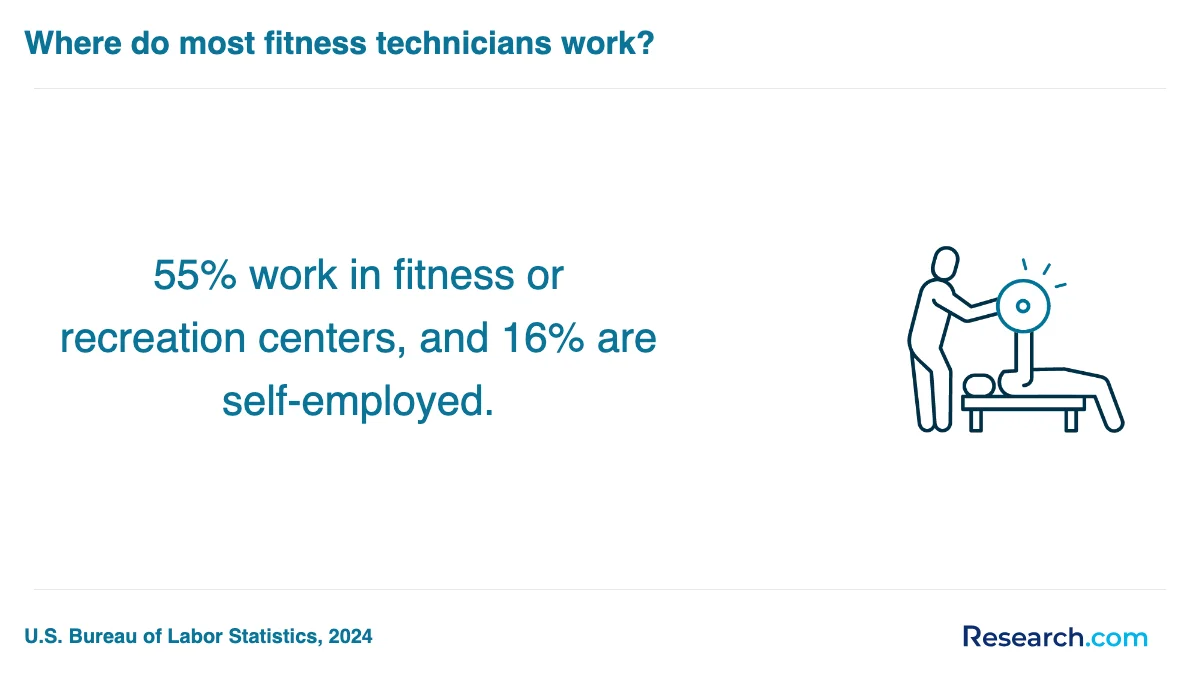
Graduates of physical fitness technician trade schools in Georgia often find rewarding careers in diverse and dynamic environments. Many start as personal trainers or fitness instructors in bustling gyms and health clubs, where they guide clients through customized workouts and celebrate each milestone reached. Others thrive in community recreation centers or corporate wellness programs, designing programs that boost overall health and foster teamwork. These roles frequently come from trade schools known across Georgia for hands-on training and strong industry connections, helping graduates confidently enter the workforce.
Some graduates discover fulfilling paths as sports coaches or athletic trainers in schools and local sports organizations, applying their skills to support athletes' performance and recovery. The technical side also attracts many, with steady demand for fitness equipment technicians who ensure gyms run smoothly by maintaining and repairing essential machines. Imagine working in Atlanta, where numerous technician roles offer stable employment and growth.
Additionally, graduates contribute to rehabilitation centers and healthcare facilities, assisting with exercise therapy and physical education programs. Their work not only improves clients' health but often brings a deep sense of purpose and community impact.
How much can I make after finishing physical fitness technician trade schools in Georgia?
Graduates from physical fitness technician trade schools in Georgia often find themselves stepping into roles with promising pay right after completing their programs. For example, those who trained in well-known Georgia trade schools report starting salaries that typically range from about $12 to $23 per hour, depending on the career path they choose within the fitness industry.
Many graduates who become fitness equipment technicians enjoy an average annual salary near $48,675, with opportunities to earn more by gaining experience or taking on supervisory duties. One graduate shared how, after just a year working on gym equipment repairs in Atlanta, their hourly rate rose from $21 to over $25, making the work feel rewarding both financially and professionally.
Others who focus on fitness training or group instruction often see median salaries around $42,730 annually, with entry-level trainers starting closer to $10 per hour and experienced instructors reaching well above $37 per hour in larger metro areas. This growth potential excites many students who thrive on helping others stay healthy while building their own careers.
Physical therapy technician roles, while typically paying less-around $12 per hour-offer steady work and a clear path for those passionate about rehabilitation and patient care. Graduates describe feeling proud knowing their skills directly improve clients' recovery journeys, even as their pay scales rise slowly.
Best Personal Trainer Training Programs & Trade Schools - Top Personal Trainer Schools in Georgia for 2026
# 1 position
Columbus Technical College - Physical Fitness Technician.
certificate or diplomaColumbus Technical College offers a Physical Fitness Technician program with a hybrid format, including some distance education options. The program prepares students for roles in health and fitness clubs, wellness centers, hospitals, and corporate fitness programs. Coursework covers human anatomy, physiology, fitness techniques, exercise science, personal training, nutrition, and customer service. Annual in-state tuition is $3,042. The program is accredited by the Southern Association of Colleges and Schools Commission on Colleges.
# 2 position
Augusta Technical College - Physical Fitness Technician.
certificate or diplomaAugusta Technical College offers a Physical Fitness Technician program designed to prepare students for careers in health clubs, wellness centers, hospitals, and corporate fitness programs. The hybrid program includes instruction in human anatomy, exercise science, personal training, nutrition, and customer service. Annual in-state tuition is $4,022. The program is accredited by the Southern Association of Colleges and Schools Commission on Colleges.
Key Findings
- Programs typically take less than two years to complete and combine classroom learning with hands-on training.
- The Technical College System of Georgia offers access to 22 colleges and 88 campuses statewide, with some schools providing accredited personal trainer certification courses.
- Tuition costs range from $3,000 to $7,000 per year for in-state students, with some programs offering free tuition through state initiatives.
- Graduates can pursue jobs such as personal trainer, fitness instructor, or health coach, earning between $28,000 and $35,000 annually at entry level.
- Experienced fitness technicians and certified trainers can earn $45,000 or more depending on location and specialization.
- Up to 99% of graduates find employment or continue education within a year of finishing their program.
How long does it take to complete physical fitness technician trade schools in Georgia?
Completing a physical fitness technician trade school program in Georgia typically takes about six to twelve months, depending on the specific school and the intensity of the curriculum. Graduates from popular trade schools in Atlanta and Savannah often share how the focused, hands-on training allowed them to quickly gain the skills needed to enter the workforce with confidence.
Many students appreciate the streamlined schedules that accommodate part-time or full-time study, making it easier to balance personal commitments while advancing their careers. For example, a graduate from a well-known Atlanta trade school described how immersive practical sessions helped them feel prepared for real-world fitness environments within just a few months.
With the demand for skilled physical fitness technicians rising in Georgia, these programs are designed to equip students efficiently without unnecessary delays. The positive energy among students, fueled by supportive instructors and peer collaboration, often makes the journey both rewarding and inspiring.
What's the difference between online and on-campus physical fitness technician trade school programs?
Online physical fitness technician programs in Georgia, like the one at Georgia State University's Perimeter College, offer a level of freedom that many graduates find empowering. Students juggling work or family appreciate being able to study theory at their own pace, often from home or the gym. However, this flexibility means they must independently secure local internships or practicum hours to gain hands-on experience, which can be both a challenge and an opportunity to tailor real-world learning to their schedules.
On the other hand, graduates from on-campus programs at Savannah Technical College or the College of Coastal Georgia often describe a more immersive experience. The mix of virtual lectures with mandatory in-person labs, especially in hybrid models, provides direct access to instructors and peers, fostering immediate feedback and camaraderie. Many find this structure reassuring, as it builds confidence in practical skills like client assessments and communication through face-to-face interaction.
Ultimately, students in Georgia weigh the autonomy of online learning against the structured support of on-campus classes, often choosing based on their personal lifestyle and learning preferences.
What is the average cost of physical fitness technician trade schools in Georgia?
The average cost of a physical fitness technician trade school program in Georgia typically hovers around $11,746 for roughly 6.8 months of training. Graduates often recall balancing a manageable tuition with reasonable program lengths, which makes the financial investment feel worth it when they step into the workforce. Public trade schools like Lanier Technical College offer a more affordable route, charging approximately $107 per credit hour for in-state students. This can total anywhere from $9,500 to $21,000 annually, depending on course load. These figures often allow students to budget their education without excessive stress.
Private trade schools tend to have higher fees, with programs similar to the physical fitness technician field reaching up to $15,400. One graduate shared how this cost felt significant at first but was offset by comprehensive training and career support. Additional expenses, like books or special equipment, range from $500 to $5,000, while student fees add $500 to $1,000 more. Such costs might seem daunting, but students taking these programs often emphasize the excitement of acquiring new skills and entering a dynamic industry.
Students attending institutions such as Savannah Technical College benefit from affordable certification options-for example, their personal trainer certification course costs around $745 plus materials. These real-life examples speak to the variety of paths and expenses depending on the trade school chosen. Understanding the price breakdown helps prospective students envision their journey in the fitness field with confidence.
Being aware of the financial commitment lets hopeful physical fitness technicians explore careers with sports management degree and related opportunities, helping them plan for success in this rewarding sector.

What financial aid is available for physical fitness technician trade schools in Georgia?
Students pursuing physical fitness technician trade school programs in Georgia often find a variety of financial aid options that make their education more accessible. Many graduates recall how completing the FAFSA early unlocked federal grants like the Pell Grant and sometimes the FSEOG, which covered significant portions of their tuition without requiring repayment. For example, those attending well-known institutions within the Technical College System of Georgia frequently benefited from these funds, easing their financial concerns during training.
Beyond federal aid, the state's HOPE Grant and HOPE Scholarship play a crucial role. Graduates often share how the HOPE Grant covered up to 30 semester hours, allowing them to complete essential diploma or certificate courses with less stress over costs. Afterward, meeting HOPE Scholarship criteria helped them maintain continued support.
Additional programs, such as the Georgia Post-Secondary Tuition Waiver for foster youth or Vocational Rehabilitation funding, have offered vital support to students facing unique challenges. Veterans training as physical fitness technicians also express gratitude for VA benefits and tuition assistance, which made balancing school and service commitments more manageable.
What are the prerequisites for enrolling in physical fitness technician trade schools in Georgia?
Enrolling in a physical fitness technician trade school program in Georgia typically requires a few straightforward prerequisites designed to prepare you for success. Most programs expect applicants to have a high school diploma or GED, ensuring a solid foundation in basic academics.
Graduates from popular Georgia trade schools often share that demonstrating a genuine passion for fitness and wellness greatly benefits the application process. Some schools may ask for:
- A basic health screening or physical fitness assessment to ensure readiness for hands-on training
- Proof of residency or citizenship, especially for in-state tuition benefits
- A personal statement or interview highlighting your motivation and goals in fitness
One graduate recalled feeling energized and confident when their prior experience volunteering at a local gym was valued during enrollment. Another mentioned how clear communication skills helped them pass the interview stage with ease, reinforcing the importance of interpersonal readiness.
Trade schools in Georgia often emphasize practical skills from day one, so being physically prepared and mentally enthusiastic is key. These prerequisites create a supportive, focused environment where every student can thrive and build a rewarding career in physical fitness.
What are the typical courses in physical fitness technician trade schools in Georgia?
Physical fitness technician trade school programs in Georgia typically include a dynamic mix of courses designed to prepare students for real-world fitness careers. Graduates often describe their experience balancing virtual lectures with hands-on labs that build confidence in practical skills. For example, at Savannah Technical College, students engage deeply with exercise science fundamentals, program design, and client assessments, gaining essential knowledge to guide fitness routines safely and effectively.
Core coursework often involves:
- Exercise science and physiology basics
- Client evaluation and personalized program development
- Nutrition and injury prevention strategies
- Professional ethics in fitness settings
Students at Georgia State University Perimeter College appreciate the comprehensive anatomy and kinesiology classes that help them understand the human body in motion, while preparing for nationally recognized certifications like the ACE Personal Trainer exam.
South Georgia Technical College combines fitness training with facility management and leadership, offering electives such as weight training and recreational sports. Many students find the internship opportunities invaluable, as these real-life experiences foster both skill and enthusiasm for their future roles in gyms or community centers.
What are the available specializations in physical fitness technician trade schools in Georgia?
Physical fitness technician specializations in Georgia commonly include Personal Training, Exercise Science, Health Coaching, and Kinesiology. Graduates from Georgia State University's Personal Training Pathway often describe how learning about exercise physiology and human anatomy energized their passion for guiding real clients toward fitness goals. Their program's focus on practical skills plus certification readiness stands out in Georgia physical fitness technician program options.
Exercise Science students from Georgia Gwinnett College frequently share excitement about exploring biomechanics and motor behavior, equipping them to work in diverse settings like rehabilitation or corporate wellness. Meanwhile, those pursuing Health Coaching within Georgia State University emphasize how behavior change strategies prepare them to motivate clients effectively over the long term.
Kinesiology, taught at Georgia Military College, attracts students eager to understand human movement deeply, often aiming for allied health careers. Their hands-on experiences help translate theory into practice, making daily fitness work rewarding. For those curious about the highest paying kinesiology jobs, resources like highest paying kinesiology jobs are invaluable for mapping career pathways.
How do you choose the best physical fitness technician trade school program in Georgia?
Choosing from the best physical fitness technician trade schools in Georgia involves assessing programs that combine accredited curricula with hands-on training. Graduates from popular Georgia colleges often recall how programs with strong clinical experience and modern gym facilities prepared them confidently for real-world demands. For example, students appreciate courses that emphasize anatomy and exercise science, allowing them to apply concepts during local internships.
When exploring the top physical fitness technician programs in Georgia, look for faculty members who bring industry certifications and mentorship experience. Many successful alumni highlight how flexible scheduling helped them balance studies with part-time work, making education more accessible and manageable. Location also plays a key role, as choosing a school close to home can reduce commuting stress, enhancing overall satisfaction throughout the program.
Financial considerations, including scholarships or payment plans, often differentiate programs, making some more appealing. Career-oriented students also investigate job placement success before enrolling. To further explore how these educational choices align with promising exercise science careers, consider details carefully to find the best fit.
What career paths are available for physical fitness technician trade school graduates in Georgia?
Graduates of physical fitness technician trade schools in Georgia find a wealth of career opportunities that match their hands-on skills and passion for fitness. Many step into roles as personal trainers or fitness instructors, thriving in health clubs and wellness centers across the state. Their daily routine often involves designing customized workout plans and motivating clients to reach their goals. These personal training jobs for trade school graduates in Georgia are especially rewarding, with strong community connections and steady growth anticipated.
Others pursue specialized paths such as athletic trainers, whose expertise in injury prevention and rehabilitation allows them to work closely with athletes at schools and sports facilities. Then there are fitness equipment technicians, whose technical know-how ensures exercise machines operate safely and efficiently in busy gyms-an in-demand role in urban areas like Atlanta.
Many graduates also evolve into fitness program managers, overseeing group activities and fostering vibrant fitness communities, or explore emerging fields like wellness coaching and fitness modeling. Stories from recent graduates at popular Georgia trade schools highlight the excitement of building a career with real impact and stability.
Career paths for physical fitness technicians in Georgia offer both flexibility and growth. For those seeking insight into the highest-paying careers for exercise science graduates, this dynamic sector presents promising prospects.
What is the job market for physical fitness technician trade school graduates in Georgia?
Physical fitness technician job outlook Georgia is promising, especially for graduates of widely recognized trade schools across the state. Many graduates find rewarding roles in gyms, wellness centers, and rehabilitation facilities, benefiting from steady job availability. With over 200 open positions statewide, including personal trainers and fitness instructors, trade school graduates often share stories of quickly landing jobs by leveraging hands-on skills and certifications preferred by employers.
Wages and employment trends Georgia reveal competitive salaries that motivate students to specialize further. For example, graduates with certifications in areas like sports medicine report higher earnings, often exceeding $65,000 annually. Popular Georgia trade schools emphasize preparing students for industry certifications such as NASM and ACE, which boost job prospects and earning potential.
Graduates appreciate the real-world experience gained during training, which makes transitioning into fitness technician roles smoother and more confident. For those exploring educational paths, programs listed among the most affordable exercise science degree online can also provide flexible options to complement local trade school studies.
Frequently Asked Questions about physical fitness technician
After completing a physical fitness technician trade school in Georgia, preparing for the job market involves several key steps. First, graduates should obtain relevant certifications, such as the Certified Personal Trainer (CPT) credential from recognized organizations like the National Academy of Sports Medicine (NASM) or the American Council on Exercise (ACE). These certifications enhance employability and meet industry standards.
Next, gaining practical experience through internships or part-time roles in gyms or wellness centers is crucial. Georgia's growing fitness industry, with a 10% employment growth projected through 2030 by the U.S. Bureau of Labor Statistics, offers multiple opportunities.
Networking with local fitness professionals and joining associations like the Georgia Personal Trainers Association can also improve job prospects.
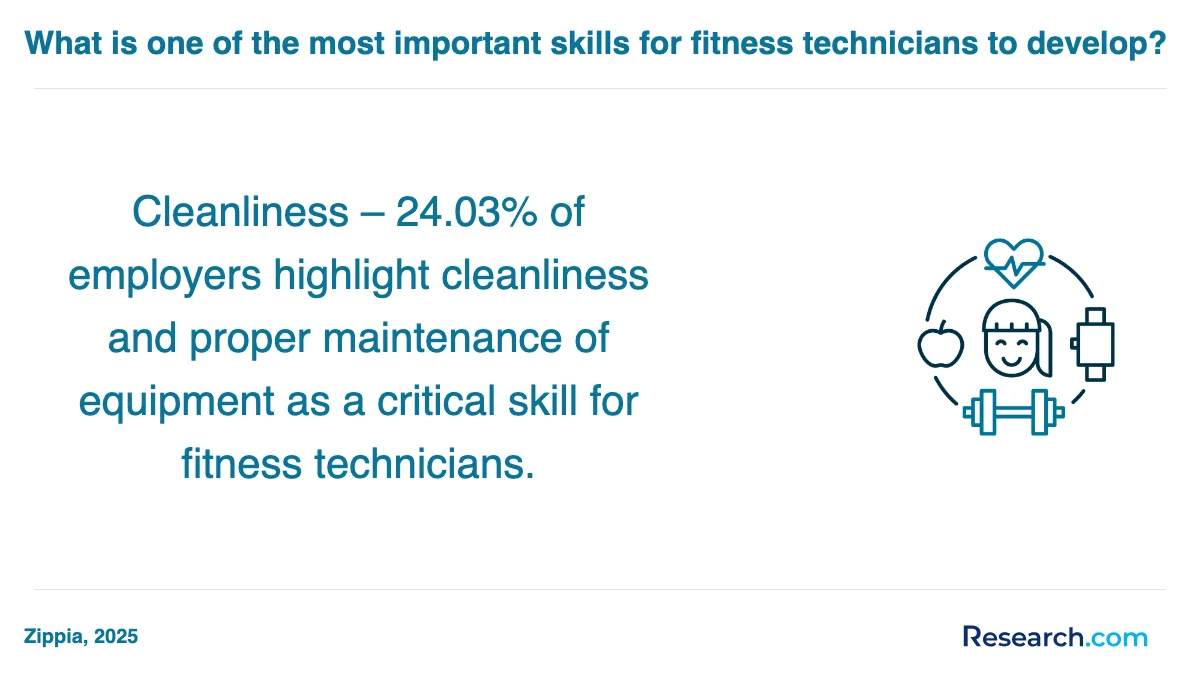
Employers in Georgia seek physical fitness technician graduates who possess a strong foundation in exercise science and practical skills. Knowledge of anatomy, physiology, and nutrition is essential, as these areas help technicians design safe and effective workout plans. Additionally, employers value certifications such as CPR and first aid, which demonstrate readiness to handle emergencies.
Communication skills are critical, since technicians must motivate and instruct clients clearly. According to the Georgia Department of Labor, teamwork and customer service abilities rank highly in job postings for fitness technicians statewide.
Technical proficiency with fitness equipment and software is also demanded, reflecting the growing integration of technology in fitness centers.
Finding internships in Georgia relevant to a physical fitness technician trade school program requires targeted research and proactive networking. Start by contacting trade schools directly, as many have partnerships with local gyms, rehabilitation centers, and wellness clinics that offer internship placements. According to the Georgia Department of Economic Development, the state has a growing health and fitness sector, increasing internship opportunities for students. Additionally, professional organizations like the Georgia Athletic Trainers' Association provide resources and job boards that list available internships. Utilizing local job platforms such as GeorgiaWorkReady can also help locate relevant internships near you. Applying early and tailoring your applications to highlight specific skills learned in your program improves success.
Obtaining a physical fitness technician trade school diploma in Georgia can significantly enhance career mobility and advancement opportunities. According to the Georgia Department of Labor, professionals with specialized training in fitness support roles often experience faster job placement compared to those without formal credentials. Trade school programs provide practical skills and industry-recognized certifications that employers value, increasing eligibility for entry-level positions in gyms, rehabilitation centers, and wellness facilities.
Graduates may also find pathways to supervisory roles or further education in related fields such as physical therapy assistance. Data from the U.S. Bureau of Labor Statistics indicates that Georgia's fitness trainer and instructor roles are projected to grow by 15% through 2030, reflecting a positive job market outlook. This growth supports upward mobility for diploma holders willing to pursue continuous learning and certifications.
Students enrolled in physical fitness technician trade schools in Georgia can benefit from various part-time job opportunities that enhance their practical skills. Common roles include fitness assistant positions at gyms, personal training apprenticeships, and group exercise instructor aides. These jobs provide hands-on experience with client interaction and exercise program implementation.
According to the Georgia Department of Labor, the demand for fitness trainers and instructors in the state is projected to grow by 15% through 2030, reflecting a favorable job market for students gaining experience. Working part-time in local fitness centers or community recreation programs also helps build professional networks essential for career advancement.
Additionally, positions such as wellness coach assistants or support staff in physical therapy clinics align well with trade school curricula, giving students exposure to client assessment and rehabilitation techniques. These opportunities typically offer flexible hours, allowing students to balance work and study commitments effectively.
To choose the best Physical Fitness Technician degree program near me in Georgia, start by identifying my specific career goals and ensuring they align with the curriculum offered by programs available. Research universities and programs both near me and near Georgia that are known for their kinesiology or athletic training departments, as these fields often overlap with physical fitness education. It would be beneficial to consult resources like Research.com to compare faculty expertise, available facilities, and postgraduate employment rates to make an informed decision.
Related Physical Fitness Technician Rankings for Nearby States
- Best Personal Trainer Training Programs & Trade Schools - Top Personal Trainer Schools in South Carolina for 2026
- Best Personal Trainer Training Programs & Trade Schools - Top Personal Trainer Schools in Florida for 2026
- Best Personal Trainer Training Programs & Trade Schools - Top Personal Trainer Schools in Indiana for 2026
- Best Personal Trainer Training Programs & Trade Schools - Top Personal Trainer Schools in Ohio for 2026
- Best Personal Trainer Training Programs & Trade Schools - Top Personal Trainer Schools in Maryland for 2026
- Best Personal Trainer Training Programs & Trade Schools - Top Personal Trainer Schools in Texas for 2026
- Best Personal Trainer Training Programs & Trade Schools - Top Personal Trainer Schools in Wisconsin for 2026
- Best Personal Trainer Training Programs & Trade Schools - Top Personal Trainer Schools in Iowa for 2026
- Best Personal Trainer Training Programs & Trade Schools - Top Personal Trainer Schools in Michigan for 2026
- Best Personal Trainer Training Programs & Trade Schools - Top Personal Trainer Schools in Minnesota for 2026
Top Trending Rankings
References
- Georgia Trade & Vocational Schools | United Education Institute https://www.uei.edu/trade-school/georgia/
- Career Training and Trade School in East Point, GA https://www.lincolntech.edu/campus/east-point-ga
- Kinesiology and Health -- Personal Training Pathway, A.S. | Georgia State University https://perimeter.gsu.edu/pathway/kinesiology-personal-training-as/
- How to Become a Physical Therapy Technician in Georgia | Dreambound https://dreambound.com/blog/how-to-become-a-physical-therapy-technician-in-georgia
- How To Become A Personal Trainer In Georgia https://insurefitness.com/personal-trainer/become/georgia/
- Programs – TCSG | Technical College System of Georgia https://www.tcsg.edu/find-a-college/programs/
- Trade School Program in Georgia | Fortis https://www.fortis.edu/campuses/georgia.html
- 20 Best Vocational Trade Schools In Georgia 2024 https://www.accreditedschoolsonline.org/vocational-trade-school/georgia/
- Exercise Science | Georgia Gwinnett College https://www.ggc.edu/academics/school-of-science-and-technology/exercise-science
- Getting a Job After Completing a Fitness Instructor Course https://www.thefitnessgrp.co.uk/completing-a-fitness-instructor-course/


