
Best Personal Trainer Training Programs & Trade Schools - Top Personal Trainer Schools in Massachusetts for 2026

Co-Founder and Chief Data Scientist
Choosing the right physical fitness technician trade school in Massachusetts is an important step toward a rewarding career. This article introduces a carefully crafted ranking of physical fitness technician trade school programs, developed by the Research.com team of data scientists.
By exploring this ranking, you’ll gain valuable insights to help you make an informed decision about which programs truly stand out. Earning a diploma or certification in this field opens doors to meaningful work and personal growth.
Whether you’re starting fresh or seeking a career change, this guide is designed to support your journey with clear, trustworthy information.
Key benefits of finishing physical fitness technician trade school in Massachusetts
- Graduates can expect to earn between $20 and $46 per hour, with many starting around $24 to $28, offering a solid income early in their careers in Massachusetts.
- Physical fitness technician trade school graduates often find careers as fitness trainers, exercise technicians, or wellness coaches, enjoying diverse opportunities in gyms, healthcare, and sports centers.
- Completing the program online provides flexibility and convenience, allowing students to balance work and study while gaining practical skills, as many online graduates report faster entry into the workforce compared to traditional degrees.
What can I expect from physical fitness technician trade schools in Massachusetts?
Enrolling in a physical fitness technician trade school program in Massachusetts means diving into a dynamic, hands-on learning experience that truly prepares you for the fitness industry. Graduates from programs like Bunker Hill Community College often describe the thrill of mastering anatomy, exercise physiology, and nutrition, combining classroom lessons with real gym sessions that bring concepts to life. Imagine learning biomechanics in a lively lab, then immediately applying those skills during practical assessments in local health clubs.
Expect small class sizes that make it easy to connect with instructors and get personalized feedback, helping you build confidence and competence. Many students appreciate the flexibility of evening or weekend classes, enabling them to balance work, family, and study. Plus, these programs focus heavily on certification readiness, often including vouchers for national exams, smoothing your path to becoming a certified professional.
Graduates leave these programs energized, equipped not just with knowledge but with practical skills and a national credential that employers in Massachusetts value highly, opening doors to exciting careers in gyms, health clubs, and rehab centers.
Where can I work after finishing physical fitness technician trade schools in Massachusetts?
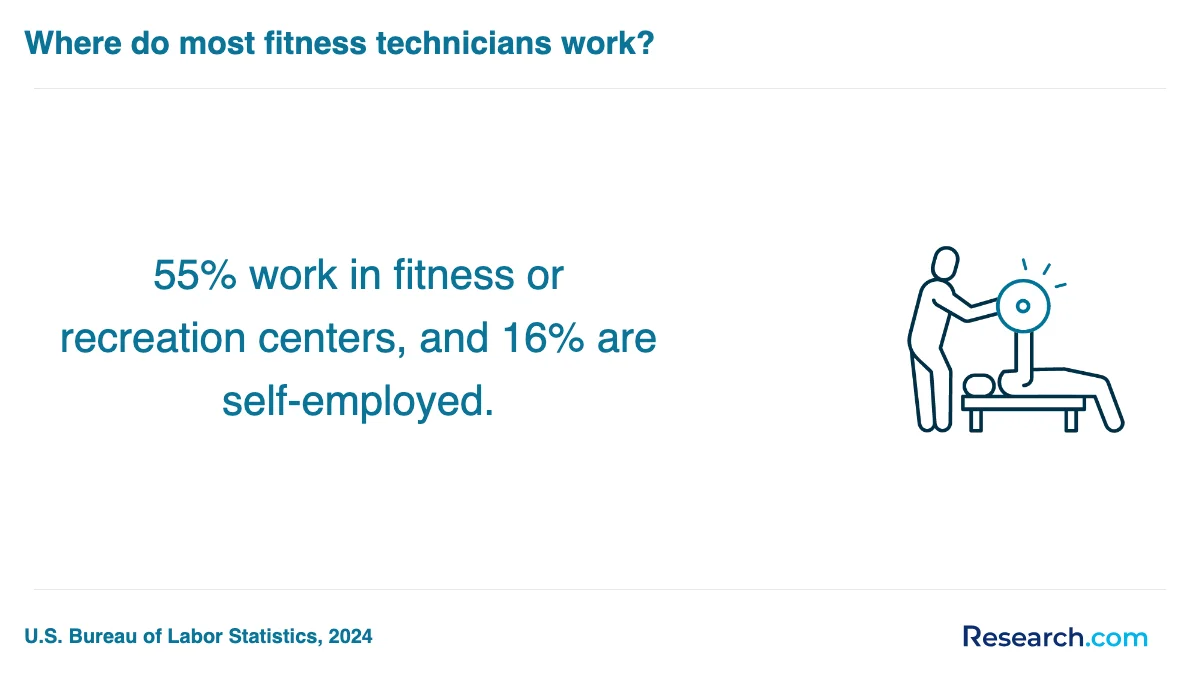
Graduates of physical fitness technician trade schools in Massachusetts often find exciting career opportunities across the state's vibrant fitness landscape. Many quickly step into roles as personal trainers at well-known gyms, health clubs, and fitness studios in cities like Boston, Newton, and Melrose. Imagine leading a group workout at a local community center or designing personalized exercise plans that transform clients' lives-this is the daily reality for many recent graduates.
Others thrive in corporate wellness programs, bringing energy and expertise to help employees stay healthy and motivated in their workplaces. Some graduates discover rewarding careers in rehabilitation centers, collaborating closely with physical therapists to support recovery journeys. Youth fitness and after-school activity programs also offer fulfilling roles, allowing graduates to inspire the next generation to embrace active, healthy lifestyles.
With strong demand statewide and hundreds of openings reported, these trade school graduates are stepping confidently into careers that offer both personal satisfaction and financial stability. Their journeys begin with hands-on training at respected Massachusetts trade schools and lead to diverse, impactful roles in the fitness community.
How much can I make after finishing physical fitness technician trade schools in Massachusetts?
After completing a physical fitness technician trade school program in Massachusetts, graduates often feel excited by the earning potential that awaits them. Many find rewarding roles as fitness trainers, where starting wages typically begin around $14.67 per hour but can rise dramatically to $46.57 per hour with experience. Imagine working hands-on in a local Boston gym, helping clients reach their goals while earning an average hourly wage of $28.15-this is a reality for many recent graduates from well-known trade schools across the state.
For those drawn to personal training, the financial outlook is even brighter. Graduates report annual salaries averaging around $68,000 statewide, with top trainers in Boston earning nearly $70,000 or more. This reflects not only hard work but also the value of certifications earned during their programs. Many alumni recall the pride of landing roles in hospitals or rehab centers as exercise technicians, earning between $50,000 and $63,000 annually-proof that skills learned in Massachusetts trade schools open doors to stable, fulfilling careers.
Others who focus on fitness equipment technology find steady hourly wages near $29.00, translating to about $60,000 annually. Graduates share stories of hands-on training in their programs, which directly prepared them for these technical roles that keep fitness facilities running smoothly. Whether working with clients or equipment, Massachusetts physical fitness technician trade school alumni enjoy not only competitive pay but meaningful work that supports healthy lifestyles every day.
Best Personal Trainer Training Programs & Trade Schools - Top Personal Trainer Schools in Massachusetts for 2026
# 1 position
Northern Essex Community College - Physical Fitness Technician.
associateNorthern Essex Community College offers a Physical Fitness Technician program with a hybrid format that includes some distance-education options. The program prepares students for roles in health and fitness clubs, wellness centers, hospitals, and corporate fitness programs. Coursework covers anatomy, physiology, exercise science, personal training, nutrition, and customer service. Annual in-state tuition is $5,688. The program is accredited by the New England Commission on Higher Education.
# 2 position
Mount Wachusett Community College - Physical Fitness Technician.
certificate or diplomaThe Physical Fitness Technician program at Mount Wachusett Community College is a hybrid option that prepares students for roles in health clubs, wellness centers, recreation facilities, hospitals, and corporate fitness programs. It includes instruction in anatomy, physiology, exercise science, personal training, nutrition, and customer service. The program is accredited by the New England Commission on Higher Education. Annual in-state tuition is $6,000.
# 3 position
Quincy College - Physical Fitness Technician.
certificate or diplomaQuincy College offers a Physical Fitness Technician program with a hybrid format, including some distance-education options. The program prepares students for roles in health and fitness clubs, wellness centers, hospitals, and corporate fitness programs, focusing on instructional and administrative duties. Coursework covers human anatomy, physiology, exercise science, personal training, nutrition, and customer service. Annual in-state tuition is $7,536. The program is accredited by the New England Commission on Higher Education.
Key Findings
- Admission typically requires a high school diploma or equivalent, with some programs needing CPR/AED and First Aid certification.
- Programs include certificates, associate, and bachelor's degrees covering anatomy, physiology, kinesiology, biomechanics, and nutrition.
- Tuition for certificate programs like at Bunker Hill Community College is about $1,429, often including a national certification test voucher.
- Graduates can work as personal trainers, fitness technicians, or health coaches, with an average personal trainer salary of $68,083 per year in Massachusetts.
- Strong job demand exists in urban centers like Boston and Springfield, with employers preferring national certification or relevant college degrees.
How long does it take to complete physical fitness technician trade schools in Massachusetts?
Completing a physical fitness technician trade school program in Massachusetts typically takes between six months to one year, depending on the school and the intensity of the course schedule. Many students find this timeframe empowering because it allows them to quickly transition from training to hands-on work, building their careers without long delays.
Graduates from popular Massachusetts trade schools often share how the focused curriculum fits perfectly into their busy lives, balancing study with personal commitments. They describe the excitement of mastering practical skills in real fitness settings within months, fueling their confidence and motivation.
Imagine walking into a classroom in Boston or Worcester, surrounded by like-minded peers, and leaving within a year ready to support clients' fitness journeys. This rapid progression helps students stay inspired as they see tangible results from their efforts, turning passion into profession in a vibrant, supportive environment.
What's the difference between online and on-campus physical fitness technician trade school programs?
Choosing between online and on-campus physical fitness technician trade school programs in Massachusetts comes down to how you want to learn and grow. On-campus programs, like those at MTTI or local community colleges, offer an energizing environment where graduates recall hands-on training in gyms and labs, working closely with instructors and peers. This face-to-face interaction builds confidence through real-time feedback and teamwork, making every day an active, engaging experience.
Online programs, such as Penn Foster's flexible courses, give you the freedom to study at your own pace from anywhere in Massachusetts. Graduates appreciate the convenience but also treasure the hybrid approach many schools adopt-like Bunker Hill Community College's blend of virtual lessons with mandatory in-person labs. This ensures you still get essential practical skills while balancing life's demands.
Both paths prepare you to excel, but your choice reflects your lifestyle and learning style-whether you thrive in dynamic physical settings or prefer the adaptable rhythm of online study combined with hands-on moments.
What is the average cost of physical fitness technician trade schools in Massachusetts?
The average tuition for physical fitness technician programs in Massachusetts varies, but most students find the investment rewarding. For example, many graduates from Focus Personal Training Institute share how the $14,855 tuition combined with $140 for books and $14,691 for living expenses felt manageable, given the quality training they received. This school's comprehensive program fosters confidence and opens doors to fulfilling careers.
On the other hand, those enrolling at Bunker Hill Community College benefit from a more affordable cost of $1,429 tuition for their Certified Personal Trainer program, including a valuable $450 national certification test voucher. Graduates highlight how this lower cost, paired with strong curriculum and community support, made it easier to focus on their passion for fitness.
Understanding the cost of physical fitness technician trade schools in Massachusetts helps prospective students weigh options based on budget and goals. The state's variety of programs reflect a national average tuition of $11,746, with many students completing their training in under seven months of practical, hands-on learning. This commitment brings the dream of working in health and wellness much closer.
As you consider your next step, keep in mind that many students benefit from financial aid, scholarships, and grants that soften expenses. Through dedication and planning, the path to a career in this thriving field becomes clearer, encouraging aspiring fitness professionals to realize their goals and explore exciting jobs for kinesiology majors.
What financial aid is available for physical fitness technician trade schools in Massachusetts?
Students pursuing physical fitness technician programs in Massachusetts often find financial aid that turns their educational dreams into reality. Many graduates share how federal grants like the Pell Grant and FSEOG lifted the burden of tuition, allowing them to focus fully on hands-on training at local trade schools. Applying through FAFSA opens doors to these valuable funds that don't need repayment, providing peace of mind during intense study periods.
State programs such as the MASSGrant and Tuition Waiver offer additional support for full-time residents, easing costs at well-known Massachusetts trade schools. Graduates recall how these grants made a tangible difference by covering essential fees, helping them stay committed without financial stress.
For those facing unique challenges, MassHire's Workforce Investment Act funding provides Individual Training Accounts, which can fully or partially cover tuition. Many students have found this support empowering, especially when combined with institutional aid options like GI Bill® benefits and flexible payment plans. These resources create a hopeful path to success in a rewarding fitness technician career.
What are the prerequisites for enrolling in physical fitness technician trade schools in Massachusetts?
To enroll in a physical fitness technician trade school program in Massachusetts, applicants typically need to meet a few straightforward prerequisites that open the door to a rewarding career in health and wellness. Most schools ask for a high school diploma or GED, ensuring you have the foundational skills to thrive in the program.
Many graduates recall how meeting these basic requirements felt like the first step toward a vibrant new chapter. In popular Massachusetts trade schools, students often share how their passion for fitness and helping others motivated them to complete these entry criteria with enthusiasm.
Additional prerequisites may include:
- Proof of physical fitness or a health screening to ensure readiness for hands-on training
- Basic CPR or first aid certification, often obtainable before or during the program
- A genuine commitment to wellness and client care, demonstrated through a personal statement or interview
Imagine walking into a classroom in Boston or Springfield, surrounded by peers who share your drive for helping others reach their fitness goals. These prerequisites are less hurdles and more gateways to an inspiring journey where your dedication truly shines.
What are the typical courses in physical fitness technician trade schools in Massachusetts?
Physical fitness technician trade school programs in Massachusetts offer a dynamic blend of courses that empower students to confidently step into the fitness world. Graduates often highlight how mastering anatomy and physiology transforms their understanding of the human body, helping them identify muscles and movement patterns essential for creating safe, effective workouts.
Hands-on labs at schools like Bunker Hill Community College bring these lessons to life, allowing students to practice real-world skills. The excitement of learning exercise physiology and kinesiology gives students the tools to analyze how every motion impacts the body, making their training sessions more impactful.
Nutrition classes add another layer, teaching how diet fuels performance and recovery-knowledge graduates say boosts client trust and results.
Key courses include:
- General Biology with labs
- Anatomy & Physiology I
- Exercise Physiology and Kinesiology
- Nutrition basics
- First Aid/CPR training
- Weight training and aerobics
- Fitness assessment techniques
- Business and management fundamentals
Quincy College students appreciate the inclusion of business courses, preparing them to build strong client relationships and manage fitness centers effectively. These programs combine theory and practice, fueling graduates' passion and readiness to inspire healthier lives across Massachusetts.
What are the available specializations in physical fitness technician trade schools in Massachusetts?
Physical fitness technician trade school programs in Massachusetts offer dynamic specializations that empower students to turn passion into profession. Graduates from popular schools like Quincy College embrace the Exercise Science and Personal Training programs in Massachusetts, gaining hands-on experience and developing skills to motivate and transform clients' lives. These programs foster confidence and critical thinking, preparing students to thrive as personal trainers or wellness coaches.
Many students are drawn to Personal Trainer certification courses in Massachusetts offered by institutions such as Bunker Hill Community College, where they delve into anatomy, biomechanics, and tailored training methods. The practical, immersive learning environment fuels their excitement as they prepare for certification exams that open doors to rewarding fitness careers.
For those seeking a robust training schedule, immersive curricula instructors at top schools design programs flexible enough to fit your lifestyle, whether you commit intensely over months or steadily over the year. Choosing to study is a life-changing decision, and Massachusetts supports your ambition every step of the way.
Explore opportunities and discover the most affordable online sports management bachelor's degree to complement your physical fitness career aspirations.
How do you choose the best physical fitness technician trade school program in Massachusetts?
Choosing the best physical fitness technician trade school program in Massachusetts means focusing on accreditation and certification readiness. Graduates from programs like Bunker Hill Community College rave about the hands-on experience they gained through real gym practicums and balanced virtual-in-person classes, which perfectly prepared them for nationally recognized certifications.
Cost is another crucial factor-Springfield College stands out for combining strong financial aid options with high retention rates, creating a supportive environment where students feel motivated and valued. Many students find that comparing tuition and aid helps them find programs that truly invest in their success. For those balancing work and study, exploring flexible schedules and hybrid formats at local schools can make all the difference.
When you learn how to compare trade schools for fitness technician in Massachusetts, you'll also want to consider reputation and outcomes. Northern Essex Community College alumni frequently highlight how the school's industry connections helped launch their careers. For affordable education options, don't miss this resource on low cost online physical education master's degrees that broaden your possibilities.
What career paths are available for physical fitness technician trade school graduates in Massachusetts?
Graduates of physical fitness technician trade schools in Massachusetts find themselves empowered to pursue diverse and rewarding career opportunities. Many step confidently into roles as personal trainers, group exercise leaders, or fitness instructors, thriving in bustling gyms, community wellness centers, and vibrant studios specializing in yoga or pilates. These hands-on careers allow graduates to impact clients' lives directly, bringing energy and inspiration to every session. Popular trade schools in cities like Boston and Springfield have alumni who share stories of quickly finding paths in these fitness technician jobs in Massachusetts, often fueled by strong local demand and a supportive health culture.
Others channel their skills into technical roles maintaining and repairing fitness equipment, a niche with steady openings across the state. Success stories from graduates reveal how their technical knowledge opens doors, especially in Boston's busy fitness industry hubs.
For those excited by growth, trade school credentials provide a foundation for specialization in areas such as corrective exercise, senior fitness, or sports performance training, often aligned with certifications from prestigious bodies. Aspiring students interested in expanding their horizons can explore kinesiology online programs to complement their skills.
Exploring physical therapy technician career paths Massachusetts offers, many alumni proudly start their own businesses or mobile training services, tapping into the state's entrepreneurial spirit and evolving fitness demands.
What is the job market for physical fitness technician trade school graduates in Massachusetts?
The job market for physical fitness technician trade school graduates in Massachusetts is vibrant and full of opportunity. Graduates from popular trade schools across the state often find rewarding roles in places like Boston and Cambridge, where the demand for skilled fitness professionals is consistently high. Many graduates share how quickly they secured positions as personal trainers or behavior technicians, benefiting from the state's robust exercise technician employment outlook Massachusetts.
Here's what recent graduates commonly experience:
- Over 318 fitness technician jobs available statewide, ensuring strong options near urban and suburban areas
- Competitive hourly wages ranging from $14.67 at entry-level to more than $46 for experienced trainers
- Opportunities in diverse settings such as gyms, wellness centers, and community programs
Graduates describe feeling energized by the ability to serve various communities while developing careers in a field that values hands-on experience. The supportive network of trade schools focuses on practical skills, which align perfectly with employer expectations. For students wondering if the coursework is manageable, exploring is kinesiology hard may provide helpful insights.
Frequently Asked Questions about physical fitness technician
After completing a physical fitness technician trade school in Massachusetts, effective preparation for the job market is essential. Graduates should focus on obtaining certification, such as the Certified Personal Trainer (CPT) credential from organizations like the National Academy of Sports Medicine (NASM) or the American Council on Exercise (ACE), which are widely recognized by employers in the state.
Networking plays a crucial role; joining local fitness associations or attending industry events in Massachusetts can connect graduates with potential employers. Additionally, gaining hands-on experience through internships or part-time roles enhances practical skills and employability.
According to the Massachusetts Executive Office of Labor and Workforce Development, employment for fitness trainers and instructors is projected to grow by 15% through 2030, highlighting strong job prospects for well-prepared candidates.
Employers hiring physical fitness technicians in Massachusetts prioritize a blend of technical and interpersonal skills. According to the Massachusetts Executive Office of Labor and Workforce Development, strong knowledge of exercise physiology and anatomy is essential, enabling technicians to design safe and effective fitness plans. Additionally, proficiency in using fitness assessment tools and equipment is highly valued.
Communication skills rank high as well, since technicians must motivate clients and explain complex concepts clearly. Employers also look for candidates with certification from accredited trade programs, reflecting up-to-date training. Time management and the ability to work with diverse populations further enhance employability in this growing field.
Finding internships in Massachusetts relevant to a physical fitness technician trade school program involves multiple strategies. Start by contacting your school's career services, as many trade schools have partnerships with local gyms, wellness centers, and rehabilitation facilities. According to the Massachusetts Department of Higher Education, internship placements in health-related fields have grown by 12% over the past five years, reflecting increased opportunities.
Networking is crucial. Join professional organizations like the Massachusetts Health & Fitness Association to access internship listings and events. Additionally, use online job boards such as Indeed and Handshake, filtering for internships within Massachusetts focused on physical fitness or rehabilitation support.
Finally, consider reaching out directly to local businesses, including hospitals and sports clinics, as many offer hands-on internships but do not advertise widely.
Obtaining a physical fitness technician trade school diploma in Massachusetts can significantly enhance career mobility and advancement opportunities. According to the Massachusetts Executive Office of Labor and Workforce Development, the fitness trainer and instructor field is projected to grow by 15% from 2022 to 2032, faster than the average for all occupations.
Graduates with a diploma often qualify for entry-level positions in gyms, wellness centers, and rehabilitation facilities. This credential signals practical skills and specialized knowledge, which employers in Massachusetts value highly.
Additionally, completion of accredited trade programs may facilitate certification eligibility, such as the Certified Personal Trainer (CPT) credential, further boosting employability and potential salary growth.
Overall, a diploma from a trade school provides a foundation for upward mobility within the local fitness industry, opening doors to supervisory roles or specialized fitness careers over time.
Part-time jobs in Massachusetts that complement physical fitness technician trade school education include roles such as gym assistant, fitness aide, and wellness coordinator. These positions offer practical experience working with clients and managing equipment, reinforcing skills learned in class. According to the Massachusetts Executive Office of Labor and Workforce Development, fitness-related jobs in the state are expected to grow by 12% over the next decade, reflecting increasing demand.
Working part-time in local gyms or community centers allows students to build customer service skills and understand client needs. Additionally, opportunities in rehabilitation centers provide exposure to therapeutic exercises and injury prevention techniques. These jobs often offer flexible hours suitable for students balancing coursework.
To choose the best Physical Fitness Technician degree program near me in Massachusetts, begin by researching and comparing available programs at local universities and community colleges, considering factors such as curriculum, faculty expertise, and facilities. Explore programs that offer hands-on experience or internships, which are crucial for gaining practical skills in the field. Research.com can be a helpful resource to find rankings or reviews of programs near Massachusetts to ensure the program aligns with your career goals and educational needs.
Related Physical Fitness Technician Rankings for Nearby States
- Best Personal Trainer Training Programs & Trade Schools - Top Personal Trainer Schools in New York for 2026
- Best Personal Trainer Training Programs & Trade Schools - Top Personal Trainer Schools in Maryland for 2026
- Best Personal Trainer Training Programs & Trade Schools - Top Personal Trainer Schools in Ohio for 2026
- Best Personal Trainer Training Programs & Trade Schools - Top Personal Trainer Schools in South Carolina for 2026
- Best Personal Trainer Training Programs & Trade Schools - Top Personal Trainer Schools in Indiana for 2026
- Best Personal Trainer Training Programs & Trade Schools - Top Personal Trainer Schools in Michigan for 2026
- Best Personal Trainer Training Programs & Trade Schools - Top Personal Trainer Schools in Georgia for 2026
- Best Personal Trainer Training Programs & Trade Schools - Top Personal Trainer Schools in Florida for 2026
- Best Personal Trainer Training Programs & Trade Schools - Top Personal Trainer Schools in Wisconsin for 2026
- Best Personal Trainer Training Programs & Trade Schools - Top Personal Trainer Schools in Minnesota for 2026
Top Trending Rankings
References
- 24 Short Career Programs That Lead to High-Paying Jobs https://www.trade-schools.net/articles/highest-paying-jobs-without-degree
- 37 Careers You Can Pursue Via Trade Schools https://www.best-trade-schools.net/careers/
- 10 Exciting Fitness and Nutrition Careers | Penn Foster https://www.pennfoster.edu/blog/how-to-make-fitness-and-nutrition-your-job
- Top 10 Career Options in Physical Education [ 2025 https://www.foundit.in/career-advice/career-in-physical-education/
- The Most Active Careers: Benefits, Roles & Salary | OriGym https://www.origym.co.uk/blog/active-careers/
- CAREERS WITH AN EXERCISE SCIENCE DEGREE: WHAT ARE THE OPTIONS? https://blog.lionel.edu/what-careers-can-you-get-with-an-exercise-science-degree
- What can I do with a sport and exercise degree? | Prospects.ac.uk https://www.prospects.ac.uk/careers-advice/what-can-i-do-with-my-degree/sport-and-exercise-science
- What Can You Do With an Exercise Science Degree? 7 Jobs to Consider | University of Cincinnati https://online.uc.edu/blog/what-can-you-do-exercise-science/
- Blog https://www.husson.edu/online/blog/2024/02/exercise-science-careers.html
- Exercise Science Jobs | Career Information https://www.nutritioned.org/exercise-science-jobs/


