
Most Affordable Personal Trainer Schools & Training - Budget-Friendly Personal Trainer Trade Programs in California for 2026

Co-Founder and Chief Data Scientist
Choosing the right physical fitness technician trade school in California can feel overwhelming. To help, this article introduces a carefully crafted ranking of physical fitness technician trade school programs, created by the Research.com team of data scientists. This guide makes it easier for you to identify quality programs that fit your goals and budget.
By exploring these options, you can take confident steps toward earning a valuable diploma or certification. Starting a career in fitness offers rewarding opportunities to improve lives while building your own future. Let this article be your helpful companion on that journey.
Key benefits of finishing physical fitness technician trade school in California
- Graduates can expect an average salary of around $95,428 per year or about $45.88 per hour in California, offering a solid income right after finishing trade school.
- Career paths include becoming a physical fitness technician or specializing as a fitness equipment technician, providing diverse job opportunities in gyms, rehab centers, and wellness facilities.
- Completing the program online offers flexibility and convenience, allowing students to balance studies with other commitments while gaining the same valuable skills as traditional students.
What can I expect from physical fitness technician trade schools in California?
Jumping into a physical fitness technician trade school program in California means diving headfirst into a world where textbooks meet real sweat and dedication. Imagine yourself mastering exercise science and human anatomy one day, then designing personalized workout plans the next, just like graduates from popular California trade schools who rave about their hands-on practicum hours at buzzing local gyms.
Expect to get your hands dirty with client assessments and movement analysis, learning to tailor routines for all kinds of bodies and abilities. Safety isn't just a footnote here-it's drilled into you through emergency response training, so you're ready when real-life moments call for quick action.
Many students describe the thrill of internships at wellness centers, where theory turns into tangible impact, building confidence and industry connections. Plus, prepping for certifications like the NSCA-Certified Personal Trainer exam is woven throughout, ensuring you walk out ready to join California's thriving fitness workforce.
Where can I work after finishing physical fitness technician trade schools in California?
Graduates from physical fitness technician trade schools in California often find themselves stepping into vibrant roles where passion meets paycheck. Imagine starting your day as a personal trainer at a bustling Los Angeles gym, helping clients crush their goals while soaking in the energy of the city. Many grads from popular trade schools in California recall their first clients with pride, knowing their hands-on training prepared them perfectly for this fast-growing field-job openings for fitness trainers are expected to rise by 14% through 2032.
Others dive into fitness technician or psychiatric technician positions at community centers or rehabilitation clinics, environments where empathy and technical skills collide. One graduate shares how their education enabled them to maintain wellness equipment in senior living communities, ensuring safety and comfort for residents.
Some find their niche as fitness equipment repair technicians, working behind the scenes in corporate wellness hubs or local gyms across California, drawn by the thrill of diagnosing and fixing machines that keep people moving. The diversity of career paths makes this trade school degree a ticket to many exciting workplaces.
How much can I make after finishing physical fitness technician trade schools in California?
After finishing a physical fitness technician trade school program in California, expect your paycheck to reflect the sweat and skills you poured into your training. Graduates from popular trade schools often find themselves earning between $19 and $25 per hour right out of the gate, especially if they step into roles like fitness equipment technician. Imagine clocking in at a local gym in San Jose, where some technicians rake in up to $26.91 per hour-not bad for doing what you love.
For those who dive into personal training, the horizon brightens even more. Many newly certified trainers start around $20 to $35 per hour, with seasoned pros pulling in upwards of $60 per hour-pretty thrilling when you think about turning passion into a paycheck. Weekly earnings can hit around $1,800, enough to fuel your own fitness dreams and lifestyle.
Graduates often share stories of quickly moving from entry-level gigs to higher-paying roles as they rack up experience and certifications, proving that California's fitness scene rewards hustle and heart.
Most Affordable Personal Trainer Schools & Training - Budget-Friendly Personal Trainer Trade Programs in California for 2026
# 1 position
Riverside City College - Physical Fitness Technician.
associateThe Physical Fitness Technician program at Riverside City College is a hybrid course preparing students for roles in fitness clubs, wellness centers, and corporate fitness programs. It includes training in anatomy, physiology, exercise science, personal training, nutrition, and customer service. The program is accredited by the Western Association of Schools and Colleges Accrediting Commission for Community and Junior Colleges. Annual in-state tuition is $1,420, and median earnings one year after completion are $25,516.
# 2 position
Riverside City College - Physical Fitness Technician.
certificate or diplomaRiverside City College offers a Physical Fitness Technician program with a hybrid format, combining in-person and distance education. The program trains students for roles in fitness clubs, wellness centers, hospitals, and corporate fitness programs, covering anatomy, exercise science, nutrition, and customer service. Annual in-state tuition is $1,420. Graduates earn a median salary of $25,516 one year after completion. The program is accredited by the Western Association of Schools and Colleges Accrediting Commission for Community and Junior Colleges.
# 3 position
Cabrillo College - Physical Fitness Technician.
certificate or diplomaThe Physical Fitness Technician program at Cabrillo College is a hybrid course preparing students for roles in health clubs, wellness centers, and corporate fitness programs. It covers human anatomy, physiology, exercise science, personal training, nutrition, and customer service. The annual in-state tuition is $1,270. Graduates earn a median salary of $38,985 one year after completion. The program is accredited by the Western Association of Schools and Colleges Accrediting Commission for Community and Junior Colleges.
# 4 position
Lionel University - Physical Fitness Technician.
associateLionel University offers a Physical Fitness Technician program preparing students for roles in health clubs, wellness centers, and corporate fitness programs. The curriculum covers human anatomy, physiology, fitness techniques, exercise science, personal training, nutrition, and customer service. The annual in-state tuition is $15,288. Graduates have median earnings of $46,831 one year after completion. The program is accredited by the Distance Education Accrediting Commission.
# 5 position
Fresno City College - Physical Fitness Technician.
certificate or diplomaThe Physical Fitness Technician program at Fresno City College prepares students for roles in health and fitness clubs, wellness centers, recreation facilities, hospitals, and corporate fitness programs. The curriculum covers human anatomy and physiology, fitness techniques, exercise science, personal training, nutrition, and customer service. Annual in-state tuition is $1,334. The program is accredited by the Western Association of Schools and Colleges Accrediting Commission for Community and Junior Colleges.
# 6 position
San Diego Miramar College - Physical Fitness Technician.
certificate or diplomaThe Physical Fitness Technician program at San Diego Miramar College offers a hybrid format with some distance-education options. It prepares students for roles in health clubs, wellness centers, hospitals, and corporate fitness programs through instruction in anatomy, physiology, exercise science, nutrition, and customer service. The program is accredited by the Western Association of Schools and Colleges Accrediting Commission for Community and Junior Colleges. Annual in-state tuition costs $1,150.
# 7 position
San Diego Mesa College - Physical Fitness Technician.
certificate or diplomaSan Diego Mesa College offers a Physical Fitness Technician program with a hybrid format, combining in-person and distance education. The program prepares students for roles in health clubs, wellness centers, and corporate fitness programs through instruction in anatomy, exercise science, nutrition, and customer service. Annual in-state tuition is $1,150. The program is accredited by the Western Association of Schools and Colleges Accrediting Commission for Community and Junior Colleges.
# 8 position
Palomar College - Physical Fitness Technician.
certificate or diplomaPalomar College offers a Physical Fitness Technician program in a hybrid format, combining in-person and distance education. The program trains students for roles in health clubs, wellness centers, hospitals, and corporate fitness settings, covering human anatomy, exercise science, nutrition, and customer service. Annual in-state tuition is $1,354. It is accredited by the Western Association of Schools and Colleges Accrediting Commission for Community and Junior Colleges.
# 9 position
San Diego City College - Physical Fitness Technician.
certificate or diplomaSan Diego City College offers a Physical Fitness Technician program in a hybrid format with some distance-education options. The program prepares students for roles in health and fitness clubs, wellness centers, recreation facilities, hospitals, and corporate fitness programs. Instruction covers human anatomy, physiology, fitness techniques, exercise science, personal training, nutrition, and customer service. Annual in-state tuition is $1,150. The program is accredited by the Western Association of Schools and Colleges Accrediting Commission for Community and Junior Colleges.
# 10 position
Irvine Valley College - Physical Fitness Technician.
certificate or diplomaIrvine Valley College offers a Physical Fitness Technician program with a hybrid format that includes some distance-education options. The curriculum covers human anatomy, physiology, fitness techniques, exercise science, personal training, nutrition, and customer service. Graduates are prepared for roles in health and fitness clubs, wellness centers, recreation facilities, hospitals, and corporate fitness programs. Annual in-state tuition is $1,156. The program is accredited by the Western Association of Schools and Colleges Accrediting Commission for Community and Junior Colleges.
Key Findings
- Applicants must be at least 18 years old, have a high school diploma or GED, and hold a current adult CPR/AED certification.
- Programs cover exercise science, fitness assessment, sports nutrition, and program design, including practical experience with clients.
- Graduates can qualify for certification exams from NASM, ACE, or NSCA, which are preferred by employers in California.
- Tuition for certificate programs ranges from $1,500 to $4,000 at community colleges, with higher costs at private trade schools.
- The job market is expected to grow 14% from 2022 to 2032, with average starting salaries around $45,000 per year.
How long does it take to complete physical fitness technician trade schools in California?
Completing a physical fitness technician trade school program in California usually takes about six to twelve months, depending on the school and your pace. Imagine dedicating your mornings to hands-on training at a bustling California trade school, where you learn to design workout plans and master body mechanics in real time. Graduates often recall how the condensed timeline kept their motivation high, making the entire experience feel like a fast-track adventure rather than a long slog.
Popular trade schools in California, known for their physical fitness programs, usually offer flexible schedules that fit around your life-whether you're juggling a part-time job or family commitments. Some students thrive in accelerated formats, finishing in just half a year, while others appreciate stretching out to a full year for deeper mastery.
One graduate shared how the blend of classroom theory and practical sessions in a California trade school created an energizing rhythm. It felt like training for a marathon, but with visible progress every week, fueling a genuine sense of accomplishment.
What's the difference between online and on-campus physical fitness technician trade school programs?
Online physical fitness technician programs in California offer the freedom to learn anywhere-imagine logging in from a cozy corner at home or during a lunch break at work. Graduates from programs like the International Sports Sciences Association praise this flexibility, juggling family and jobs while mastering exercise science and nutrition through video lectures and virtual labs. Yet, some mention missing the buzz of real-time feedback and hands-on coaching.
On-campus programs at places like Riverside City College or Kern High School District's CTEC plunge students into a lively gym environment, where sweaty workouts and instant corrections from instructors shape skills daily. Graduates recall the thrill of face-to-face camaraderie and the confidence gained through supervised internships at local fitness centers. The routine of showing up sharpens discipline, though it demands commuting and fixed schedules.
Both paths lead to certification readiness, but on-campus students often feel more physically prepared, while online learners celebrate the autonomy to tailor their journey.
What is the average cost of physical fitness technician trade schools in California?
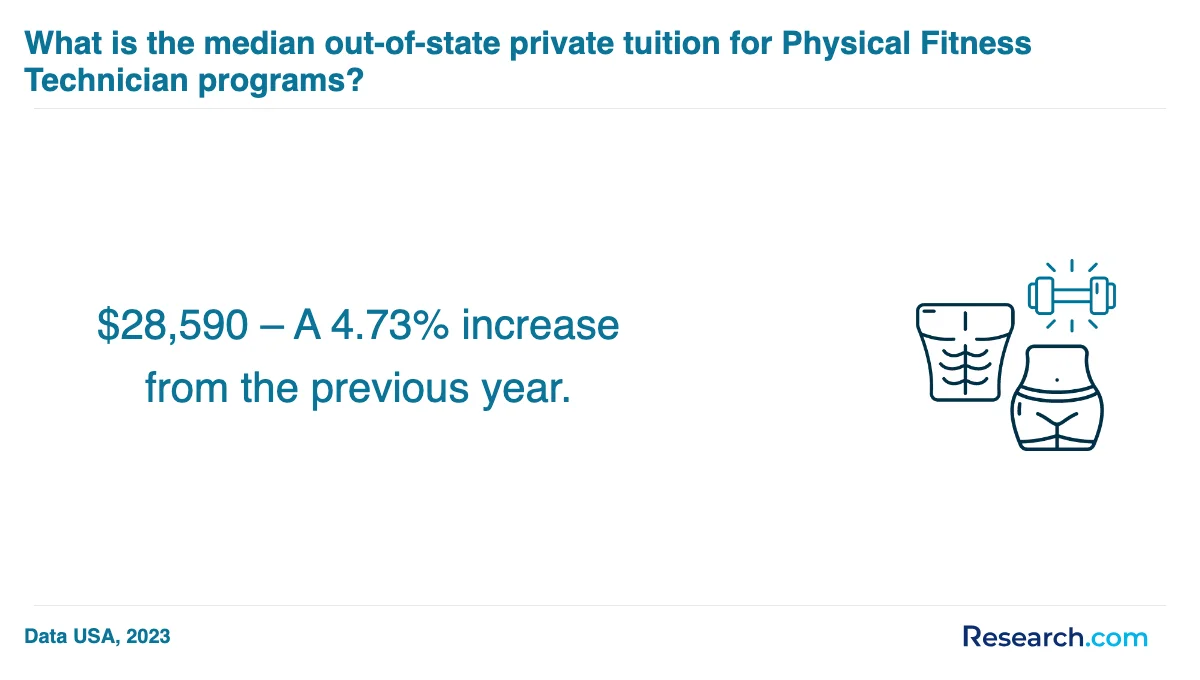
Picture this: a graduate stepping into a bustling Californian gym, their certification in hand, thanks to a physical fitness technician trade school that cost them roughly $11,851 in tuition. This figure reflects the average tuition for physical fitness technician programs in California, where programs typically span around 546 contact hours and take about 6.8 months to complete.
Many graduates recall that attending community colleges like San Diego Mesa College, where tuition runs at $46 per unit for residents, helped keep the cost manageable. These programs' total price varies according to the number of units needed, which means your wallet might feel lighter or heavier depending on how many classes you must take. Some finish under a year, enjoying a quick, fierce burst through coursework, while others extend up to two years, balancing costs with pacing. This flexible timing means you can customize your journey to fit your financial and personal rhythm.
The cost of physical fitness technician trade schools in California isn't just tuition. Books, supplies, and fees add up. Luckily, students have access to financial aid options, including scholarships and payment plans, making the dream more accessible.
For those contemplating a fitness career and wondering about study choices, there's also an option to explore an easy bachelor's degree in kinesiology that might align perfectly with your goals.
What financial aid is available for physical fitness technician trade schools in California?
Imagine starting your journey at a buzzing California trade school-maybe one known for its top-notch physical fitness technician program-and feeling the weight of tuition lift thanks to financial aid. Many graduates recall how the Pell Grant was a game changer, providing up to $7,395 a year without repayment stress. This grant often feels like a breath of fresh air after completing the FAFSA, the essential first step to unlocking federal support.
Then there's the Cal Grant C Award, tailor-made for California residents diving into vocational studies like physical fitness tech. Graduates from schools across the state have praised this grant for covering books, equipment, and tuition, making their dreams more tangible and their wallets happier.
Private scholarships, such as those from the mikeroweWORKS Foundation or DEWALT, often feel like secret treasures found by students who hustle-writing essays and showing their dedication to the craft. While some consider private loans, most advise tapping every grant and scholarship first to avoid high interest.
Community workshops and webinars also played a crucial role for many grads, turning confusing paperwork into clear, actionable steps and sparking excitement about their futures in fitness careers.
What are the prerequisites for enrolling in physical fitness technician trade schools in California?
Jumping into a physical fitness technician trade school in California means meeting a handful of straightforward but essential prerequisites that set you up for success. Graduates from popular programs often recall how these requirements helped them hit the ground running, blending passion with practical readiness.
Typically, you'll need:
- A high school diploma or GED - this baseline ensures you're prepared for the technical and theoretical learning ahead.
- Proof of physical fitness - since you'll be demonstrating exercises and techniques, schools appreciate candidates who can show basic stamina and strength.
- CPR/AED certification or willingness to obtain it early on - a common prerequisite that highlights safety-first attitudes.
- Pass a background check - especially if the program includes internships or hands-on work in community gyms or rehab centers.
One graduate shared how arriving with CPR certification and a positive mindset made the fast-paced environment of a Los Angeles trade school feel like a thrilling challenge rather than a hurdle. Another recalled how their physical stamina helped them breeze through practical assessments, turning nerves into confidence.
In California's vibrant trade schools, these requirements aren't just boxes to tick - they're your springboard to thriving in a career centered on health and movement.
What are the typical courses in physical fitness technician trade schools in California?
Imagine diving headfirst into the science of movement at a California trade school, where courses like exercise science unravel how your muscles and bones team up during a workout. Graduates often share how mastering human anatomy felt like unlocking a secret map of the body, making every fitness tip they give resonate deeply with clients.
Nutrition classes aren't just about dieting-they're about crafting real, energizing fuel plans that graduates proudly use to boost client performance. Hands-on sessions in exercise techniques and movement analysis transform theory into practice, with students perfecting form and customizing workouts for everyone from busy professionals to seniors.
Many programs in California, such as those at the Regional Occupational Center, include:
- Initial consultation and client evaluation skills that graduates say built their confidence in personalizing training.
- Safety and legal courses ensuring techs are ready for anything-because accidents don't wait.
- Specialized classes on working with older adults or athletes, expanding career possibilities.
- Sports medicine and drugs in sports, adding a holistic edge to their expertise.
Internships at local gyms let students experience the vibrant California fitness scene firsthand, making the jump from classroom to career an exciting reality for many soon-to-be certified professionals.
What are the available specializations in physical fitness technician trade schools in California?
Physical fitness technician trade school programs in California offer a vibrant palette of specializations tailored to fuel your passion and career. Graduates from Southwestern College and Orange Coast College often share how diving into Fitness Specialist programs opens doors to becoming personal trainers or group exercise leaders, energized by hands-on training in exercise physiology and nutrition. Meanwhile, students gravitate towards Physical Fitness Technician programs in California that emphasize applied kinesiology or strength conditioning, sculpting expertise for dynamic fitness roles.
Imaginative learners who thrive on science and movement find Kinesiology and Sports Medicine programs at SoCal ROC to be a perfect fit, mastering cardiovascular dynamics alongside bioenergetics. Some choose the rewarding path of Special Population Training, designed for working with seniors or those with specific health conditions, making every session a meaningful impact. Nutrition Coaching and Group Fitness Instruction also stand out, where students bring vibrant classes like Zumba and yoga to life while providing holistic wellness guidance.
- Fitness Specialist programs in California
- Physical Fitness Technician programs in California
If you're curious about advancing further, many build on this foundation by exploring an affordable online masters in exercise science, expanding opportunities with flexible, science-backed degrees.
How do you choose the best physical fitness technician trade school program in California?
Choosing the best physical fitness technician trade school program in California means zoning in on accreditation and real-world training. Graduates from popular schools like Orange Coast College rave about the hands-on internships and how those experiences turned their textbook knowledge into confidence on the gym floor. When hunting for the best value physical fitness technician schools in California, look past flashy brochures-dig into course content that balances anatomy, nutrition, and movement analysis with actual practice.
Location and cost play their part too. Many students juggling work and study find public community colleges in California offer flexible schedules and lower tuition, making education affordable without sacrificing quality. Also, check if the program supports career placement; nothing beats landing a job through school-sponsored connections. If you're dreaming bigger, consider programs that allow transfer to four-year universities or advanced kinesiology studies.
Finally, don't forget to explore career outcomes by researching exercise science highest paying jobs to see where your certification can take you. This practical lens helps when deciding how to choose a fitness technician program California that fits your goals and lifestyle.
What career paths are available for physical fitness technician trade school graduates in California?
Graduates from physical fitness technician trade school programs in California dive into a spectrum of dynamic career opportunities for fitness technicians in California. Imagine working as a Fitness Trainer or Aerobics Instructor, guiding clients through sweat and smiles while earning a median annual salary of $48,740. Many grads from popular trade schools share stories of bonding with clients over customized workout plans and turning fitness dreams into reality with a 10% job growth on the horizon.
Athletic Trainer roles are another thrilling path, boasting a robust 24% growth and $56,910 median salary. Graduates often find themselves at schools or rehabilitation centers, juggling injury prevention and recovery with real-world skills sharpened during their studies. Trade school alumni describe feeling empowered as they support athletes' triumphs.
For those mechanically inclined, Fitness Equipment Repair Technicians are the unsung heroes behind the gym machines, with over 1,000 jobs available annually in California. Others leverage their knowledge as Behavior Technicians or Sales Associates, blending fitness expertise with client motivation.
Some graduates also enhance their credentials by pursuing an online degree kinesiology complement to boost physical fitness trainer jobs California opportunities.
What is the job market for physical fitness technician trade school graduates in California?
The job market for physical fitness technician trade school graduates in California is a mixed bag of opportunity and challenge. Graduates often find that while the average weekly pay sits around $1,835, the competition is fierce due to California's rank as 50th out of 50 states in average salary for these roles. This ranking hints at a crowded market where many skilled technicians vie for limited positions, making persistence and networking crucial.
Popular trade schools in California prepare students well, but graduates report that securing equipment maintenance roles demands hands-on experience and adaptability. They typically see hourly wages ranging from $13.29 to $30.60, showing room for growth based on skill and location. In high-density areas like Los Angeles, wages hover near the state average of $21.91 per hour.
Graduates aiming to stand out often combine technician skills with certifications in personal training or wellness coaching. This approach unlocks broader career doors and aligns with fitness salary trends California-wide. Many find this diversification brings exciting possibilities, boosting incomes and job security.
- Competitive job openings mean patience and resilience are key for new grads.
- Hands-on training at well-regarded schools is essential to build confidence and skill.
- Combining roles, such as adding wellness coaching, can enhance career prospects.
As one physical fitness technician graduate from a leading California trade school shared, balancing technical know-how with people skills often turns the tide in a tight market. If you're curious about broader career paths in this city or state, exploring what are jobs in sports management provides useful insight into complementary fields.
Frequently Asked Questions about physical fitness technician
After completing a physical fitness technician trade school in California, preparing for the job market involves several key steps. First, gaining certification such as the Certified Personal Trainer (CPT) credential from nationally recognized bodies like the National Academy of Sports Medicine (NASM) can improve employment prospects. According to the California Employment Development Department, demand for fitness trainers is expected to grow by 10% through 2030, reflecting a strong job market.
Networking is essential; joining professional associations and attending local fitness events can connect graduates with employers. Additionally, building a portfolio of practical experience through internships or volunteer work enhances resumes. Staying updated on California's health and safety regulations is also critical for compliance and client trust.
Employers in California seek several key skills in physical fitness technician trade school graduates. First, strong knowledge of exercise science and anatomy is essential to safely guide clients through workouts. According to the California Employment Development Department, practical experience with fitness equipment is highly valued.
Communication skills rank prominently, as technicians must motivate and instruct diverse clients effectively. Additionally, certifications such as CPR and first aid are often required, ensuring readiness for emergencies.
Employers also prioritize organizational abilities for managing schedules and client records. Familiarity with fitness software is increasingly important due to digital tracking trends. Finally, a commitment to professionalism and ongoing education helps graduates stand out in California's competitive fitness industry.
To find internships relevant to physical fitness technician trade school programs in California, start by contacting your school's career services. Many trade schools have partnerships with local gyms, wellness centers, and rehabilitation clinics that offer internship opportunities.
Additionally, use California's Employment Development Department resources, which often list internships and job openings in health and fitness fields. Online platforms like CalJOBS provide listings specifically for the state.
Networking is also crucial; attending industry events or joining associations such as the California Fitness Alliance can connect you with potential internship providers.
According to the California Community Colleges Chancellor's Office, internships increase job placement rates by up to 30% for trade school students, highlighting their importance.
Obtaining a physical fitness technician diploma from a trade school in California can significantly impact career mobility and advancement. According to the California Community Colleges Chancellor's Office, vocational diplomas in fitness-related fields often lead to quicker entry into the workforce compared to traditional four-year degrees. Graduates typically find opportunities as gym assistants, fitness trainers, or rehabilitation aides.
Trade school credentials are valued by employers for their practical skills focus. This diploma can serve as a foundation for certifications such as the Certified Personal Trainer (CPT), which enhances job prospects. Data from the Bureau of Labor Statistics indicates a projected 13% growth in fitness trainer jobs in California through 2032, suggesting strong demand.
Additionally, many trade schools offer career services that help graduates access internships and job placements, supporting upward mobility within the fitness industry.
Students enrolled in physical fitness technician trade schools in California often seek part-time jobs that enhance their practical skills and industry knowledge. Common opportunities include positions as gym assistants, fitness trainers' aides, or front desk staff at health clubs. These roles provide hands-on experience with client interaction and basic fitness assessments.
California's Bureau of Labor Statistics indicates that fitness trainers and instructors earn a median hourly wage of approximately $22.50, making part-time work financially viable for students. Additionally, working in community centers or wellness programs can broaden exposure to diverse populations and training methods.
Such jobs complement classroom learning by developing communication, customer service, and technical skills essential for career advancement in the fitness industry.
To find the most affordable Physical Fitness Technician degree program near you in California, you can start by exploring local community colleges and state universities that often offer more affordable tuition rates compared to private institutions. Additionally, using resources like Research.com can provide insights into educational programs and costs available near California. Visiting institutions' official websites and contacting their admissions offices directly can also help you gather information about program specifics and financial aid opportunities near me.
Related Physical Fitness Technician Rankings for Nearby States
- Most Affordable Personal Trainer Schools & Training - Budget-Friendly Personal Trainer Trade Programs in Nevada for 2026
- Most Affordable Personal Trainer Schools & Training - Budget-Friendly Personal Trainer Trade Programs in Oregon for 2026
- Most Affordable Personal Trainer Schools & Training - Budget-Friendly Personal Trainer Trade Programs in Arizona for 2026
- Most Affordable Personal Trainer Schools & Training - Budget-Friendly Personal Trainer Trade Programs in New Mexico for 2026
- Most Affordable Personal Trainer Schools & Training - Budget-Friendly Personal Trainer Trade Programs in Colorado for 2026
- Most Affordable Personal Trainer Schools & Training - Budget-Friendly Personal Trainer Trade Programs in Wyoming for 2026
- Most Affordable Personal Trainer Schools & Training - Budget-Friendly Personal Trainer Trade Programs in Texas for 2026
- Most Affordable Personal Trainer Schools & Training - Budget-Friendly Personal Trainer Trade Programs in North Dakota for 2026
- Most Affordable Personal Trainer Schools & Training - Budget-Friendly Personal Trainer Trade Programs in Minnesota for 2026
- Most Affordable Personal Trainer Schools & Training - Budget-Friendly Personal Trainer Trade Programs in Iowa for 2026
Top Trending Rankings
References
- Fitness Trainer Cover Letter Example (Free Guide) https://resumaker.ai/cover-letter-examples/fitness-trainer/
- Fitness Cover Letter No Experience Examples & Templates https://www.vantagelens.com/blog/fitness-cover-letter-no-experience-examples-templates/
- Quantic https://quantic.edu/blog/2022/01/24/how-to-write-a-training-request-letter/
- How To Write Fitness Trainer Application Letter with Sample | Writing Tutorials https://www.youtube.com/watch
- Professional Gym Instructor Cover Letter Templates & Guides https://resume-example.com/cover-letters/gym-instructor
- Fitness Cover Letter | PDF | Physical Fitness | Personal Trainer https://www.scribd.com/document/713667693/Fitness-Cover-Letter
- Training Technician Cover Letter | Velvet Jobs https://www.velvetjobs.com/cover-letters/training-technician
- What can I do with a sport and exercise degree? | Prospects.ac.uk https://www.prospects.ac.uk/careers-advice/what-can-i-do-with-my-degree/sport-and-exercise-science
- What Can You Do With an Exercise Science Degree? 7 Jobs to Consider | University of Cincinnati https://online.uc.edu/blog/what-can-you-do-exercise-science/
- Blog https://www.husson.edu/online/blog/2024/02/exercise-science-careers.html


