# 1 position


Audited and Verified:
Our Editorial and Data Verification Process
Research.com uses government datasets, official education statistics and primary institutional information to support its career and degree guides. Our review process checks factual accuracy, occupational definitions, source dates and the requirements associated with the credentials discussed.
How This Article Was Fact-Checked
Our editorial team verifies salary estimates, employment projections, education requirements and program information against original data providers and official organizations. Salary figures are checked against the relevant occupational definitions and reporting periods. Information about licensure, accreditation and required in-person training is reviewed separately.
Fact-checked and verified on:

Co-Founder and Chief Data Scientist

Reviewed by Karolina Broda
Fact-Checker and Data Verification
Choosing an affordable electrician program means comparing more than tuition: you need hands-on training, a workable schedule, and a path toward Alabama licensure. The U.S. Bureau of Labor Statistics projects 9.2% national employment growth for electricians from 2025 to 2035, making the cost of entry a timely decision. This guide explains Montgomery training routes, expenses, credentials, and career prospects. It also features the Most Affordable Electrician Trade Schools in Montgomery for 2027 ranking, created by the Research.com team of data scientists to help students identify programs worth considering.
Expect classroom instruction paired with supervised practice in wiring, circuits, electrical drawings, testing, and safe installation. A useful program lets you handle tools and troubleshoot actual training equipment - not merely watch demonstrations. Confirm the amount of lab time and whether any employer-based work is arranged or left to the student.
The main choice is between school-based preparation and work-based entry. A certificate or diploma can help a newcomer build fundamentals before seeking an electrical helper or apprentice position. An associate-degree program generally adds broader coursework and takes longer. A registered apprenticeship combines paid employment, structured on-the-job learning, and related instruction; an employer-sponsored route may also provide paid training, but its structure and credential vary. The U.S. Department of Labor identifies registered apprenticeships by their formal training standards, so ask a sponsor whether an opportunity is registered rather than assuming every "apprentice" job is equivalent.
For a local school-based option, examine H Councill Trenholm State Community College's current electrical-program catalog and schedule. Verify the credential awarded, lab access, and whether the school documents any training credit relevant to Alabama's experience rules. If earning while learning is essential, compare its full cost and timetable with available apprenticeships before committing.
Electrical trainees can pursue residential and commercial construction, industrial maintenance, facilities maintenance, and electrical contracting. The Montgomery area's mix of construction, manufacturing, and institutional facilities gives applicants more than one setting to investigate, but openings, supervision, and advancement differ by employer. Ask whether a prospective job provides documented electrical experience under appropriate supervision; that matters more to a future license application than a job title alone.
School training may improve readiness for an entry-level role, but it does not replace the field experience needed to work independently where licensure applies. Students interested in industrial work should favor programs with motor controls and troubleshooting practice; those targeting construction should check for substantial installation and code-reading work.
The U.S. Bureau of Labor Statistics reports a $63,190 national median annual wage for electricians for May 2025. That is the midpoint for employed electricians nationally - not a Montgomery wage, a graduate outcome, or a likely apprentice starting rate. Pay for a local offer depends on experience, employer, specialty, and hours worked. Request actual apprentice or entry-level pay scales from Montgomery-area sponsors and employers before estimating how quickly training costs could be recovered.
A paid apprenticeship changes the calculation: wages received during training can offset education and living costs, even if an initially lower pay rate means progression takes time. Compare take-home pay, expected raises, benefits, travel, and any required purchases rather than weighing a school's tuition against the national occupational median.
A short school certificate may take substantially less time than an associate-degree program, while an apprenticeship usually extends across several years of progressively responsible work and related instruction. Exact clock hours, terms, and part-time options depend on the provider. Ask for the current catalog's required lab and classroom hours, not just its advertised completion date.
A quick credential can be sensible if it gets you ready to compete for supervised work without unnecessary expense. It is not a shortcut around Alabama's experience and examination rules. If speed is your priority, compare any 6-month certification program that pays well against the actual electrical skills and field experience it provides; its duration alone does not make it a licensing pathway.
Online instruction can cover electrical theory, calculations, drawings, and some code study. It cannot by itself demonstrate safe installation, meter use, or fault-finding on physical equipment. For an electrician pathway, compare a hybrid program's scheduled labs and local work placements with an on-campus program's shop access; confirm where practical assessments occur and who supervises them.
Commuting to labs or worksites is a real Montgomery-area cost, particularly for a student balancing paid work. An online schedule may reduce classroom travel without eliminating those trips. Treat listings of online certification programs that pay well as a way to explore flexible study - not as evidence that a fully remote electrician credential satisfies Alabama licensing requirements.
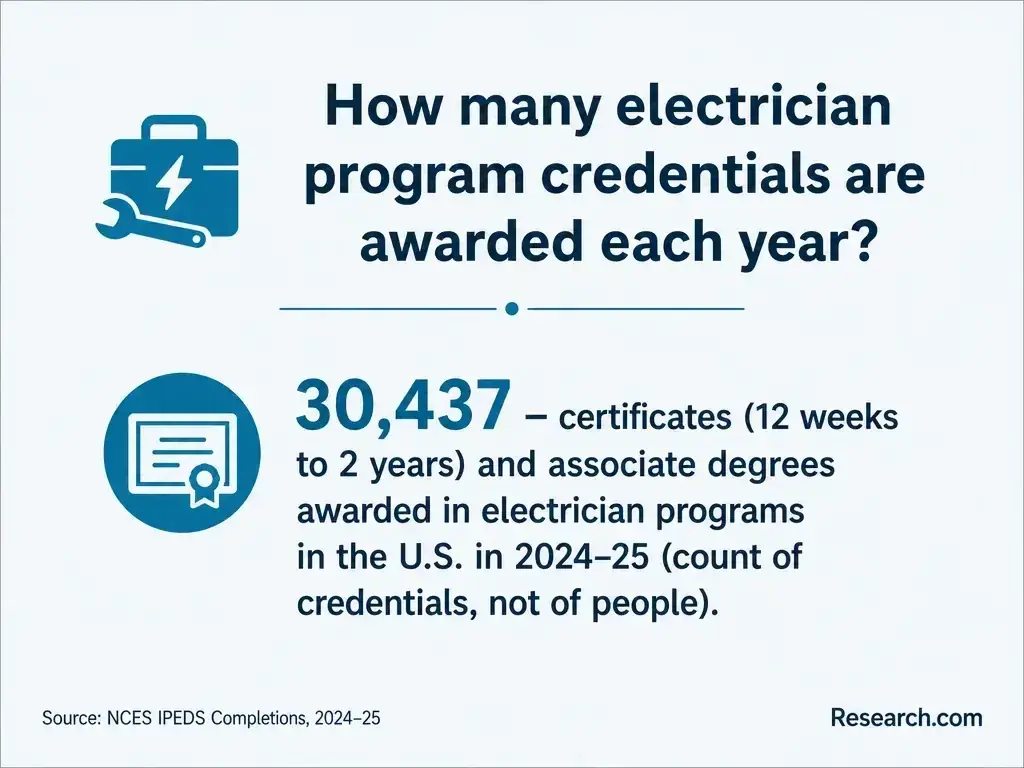
There is no reliable single Montgomery average that captures college programs, private training, and paid apprenticeships on the same basis. Ask each provider for an itemized, current quote and compare the cost to become job-ready, not just the price printed beside tuition.
The following comparison shows which expenses can change a seemingly affordable option into a costly one. Amounts depend on the program and employer, so obtain written figures rather than assuming every item is included:
| Cost or offset | What to verify |
| School charges | Tuition, mandatory fees, books, and lab materials |
| Practical preparation | Tools, testing equipment, personal protective equipment, and consumables |
| Career entry | Travel to labs or worksites and later examination or application fees |
| Time and funding | Lost earnings, grants, eligible student aid, employer support, and apprenticeship wages |
Federal aid eligibility depends on both the institution and the particular program; a low advertised price does not establish eligibility. Confirm this with the school's aid office and Federal Student Aid. Guides to affordable online schools that accept financial aid can help frame aid questions, but they do not confirm that a specific electrician program is aid-eligible or provides required hands-on training.
Depending on the program, a student may earn a certificate, diploma, or associate degree. These are educational credentials, not Alabama journeyman licenses. A registered apprenticeship instead provides documented work-based training and a completion credential under its approved standards, according to the U.S. Department of Labor. Employer training may produce a company-specific record rather than a portable credential.
Ask to see the exact credential name on the current catalog page and whether the provider issues a transcript of completed hours and competencies. This matters if you change employers, seek credit toward further training, or need to document relevant experience. NCCER credentials, where offered, are separate industry credentials; verify employer recognition and do not mistake them for state occupational licensure.
Entry rules vary. A school may require an application, proof of prior schooling or equivalent preparation, and placement assessment; an apprenticeship sponsor may also assess math readiness, work eligibility, and the ability to meet jobsite requirements. Check each provider's current criteria rather than assuming that school admission also secures an apprenticeship or employer placement.
Before applying, ask whether classes begin every term, whether evening or part-time study is available, and whether prior electrical coursework or documented work can receive credit. Advanced standing can save time, but only when the receiving program or apprenticeship sponsor accepts it in writing. A student who needs immediate income should ask about paid openings at the same time as school admission, since the two decisions may have different timelines.
Core training typically covers electrical theory, circuits, blueprint reading, wiring methods, electrical-code application, measurement, and workplace safety. Strong practical instruction also requires students to assemble, test, and troubleshoot circuits while explaining why an installation is safe. The U.S. Bureau of Labor Statistics describes electricians' work as installing, maintaining, and repairing electrical power, communications, lighting, and control systems; use those duties to test whether a curriculum matches your intended job.
Curriculum emphasis matters. Someone seeking industrial maintenance should look for controls, motors, and diagnostic exercises, while a prospective construction apprentice should prioritize installation practice and drawing interpretation. Ask to observe a lab, review its equipment list, and find out how instructors assess hands-on competence. Two programs that award certificates with similar names need not provide equivalent practical preparation.
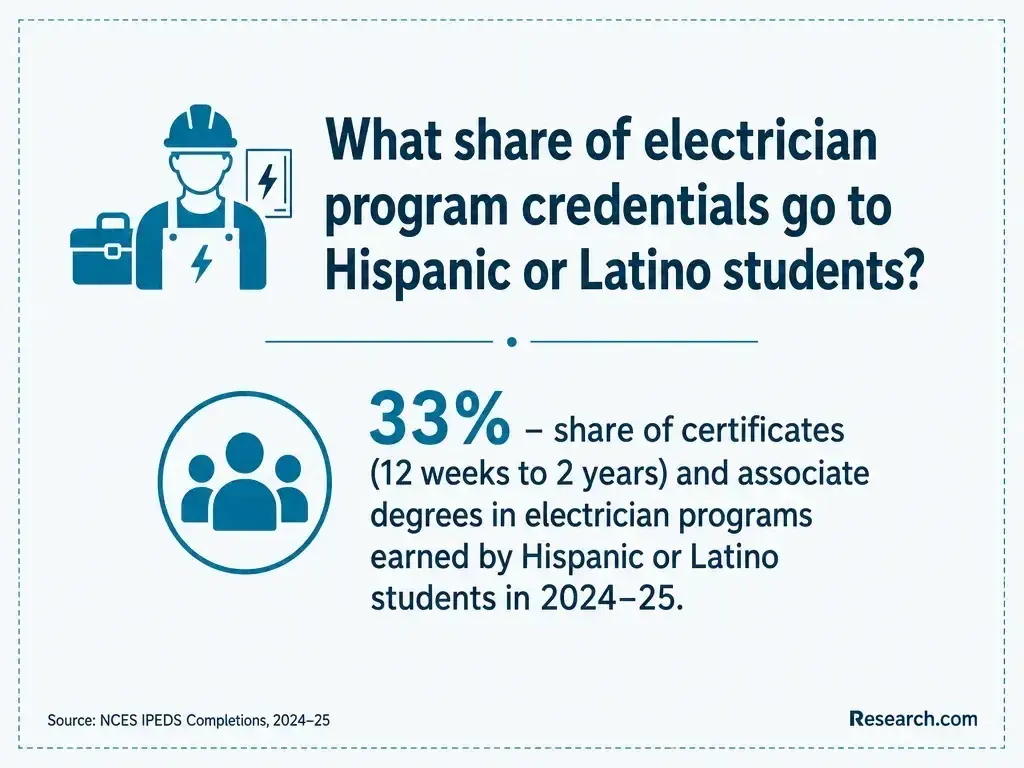
Alabama regulates journeyman electricians and electrical contractors through the Alabama Electrical Contractors Board. The board's journeyman pathway involves documented electrical work experience and an examination; qualifying vocational education may affect how some experience is counted under board rules. A school certificate, institutional accreditation, industry certification, or apprenticeship registration does not itself issue a state license.
Before paying for training, obtain the board's current application instructions and ask how your proposed coursework and supervised work would be documented. Also ask an employer which tasks a trainee may perform under supervision. If you plan to work outside Alabama later, check that jurisdiction's rules separately rather than assuming your Alabama training or eventual license transfers automatically.
Start with your target role and the route that gets you supervised experience. Then compare the program's practical instruction, total cost, schedule, and evidence of employer connections. A ranking is useful for identifying lower-cost school options, but its affordability score does not evaluate lab quality or guarantee an apprenticeship.
Use these questions with an admissions representative or apprenticeship coordinator before you enroll:
Verify institutional accreditation and state authorization separately from licensing relevance. The U.S. Department of Education's accreditation records can help check institutional status, while the Alabama board is the authority for its licensing rules. Avoid treating unrelated education comparisons - even searches for easiest bachelor's degrees - as evidence that an electrician program will provide supervised jobsite experience.
A common progression is electrical helper or apprentice, followed by increasingly independent installation or maintenance work and, after meeting applicable experience and examination requirements, journeyman status. Some experienced electricians pursue contractor responsibilities, supervision, or specializations such as industrial controls. Requirements change with the role: a school credential can support entry, whereas a state license requires the board's separate process.
Choose training around the work you want to perform next, not a distant job title. For example, an industrial-controls curriculum may be valuable if you can access relevant local worksites; a construction-focused apprenticeship may offer a clearer route into installation. Questions such as what is the fastest masters degree to get address a different educational decision and should not substitute for comparing electrical training, supervised experience, and licensing eligibility.
The U.S. Bureau of Labor Statistics projects 9.2% growth in electrician employment nationally from 2025 to 2035. That forecast supports investigating the trade, but it does not predict the number of Montgomery openings or guarantee a position after graduation. Local demand can vary with construction schedules, maintenance hiring, and apprenticeship intake.
For a decision you can act on, check current Montgomery-area apprentice and helper postings alongside sponsor intake schedules. Compare the skills employers request with each program's labs and work-based training. If opportunities near home are limited when you finish, commuting range and willingness to pursue different electrical specialties may matter as much as the credential's name.
Investing in electrician training is an important decision. Research.com developed its affordability ranking to help readers compare programs with other options in the same occupation and location, using consistent cost and debt measures rather than advertised tuition alone. The team checks the quality and credibility of its source data, but readers should still confirm current prices and program details directly before enrolling.
Only programs with completions reported to the Integrated Postsecondary Education Data System (IPEDS) are eligible. Most-affordable rankings score tuition, cost of attendance, median student debt, and federal loan default rate; weights are assigned through an entropy-based method that gives more weight to measures that differ more across programs. Accreditation and other quality indicators are not part of this affordability score. Consequently, a low rank number does not establish licensing eligibility or hands-on training quality, and an apprenticeship absent from IPEDS should not be interpreted as a poor option.
The ranking's data-source set includes the following databases and occupation-specific references. Some references concern other trades and do not establish electrician-program approval:
Use the ranking to narrow your search, then compare the remaining programs' actual quotes, practical training, and Alabama licensing relevance. Research.com explains its broader approach on its methodology page.
# 1 position
# 2 position
No single school credential is the required route. Supervised electrical work and the Alabama Electrical Contractors Board's licensing requirements are central; a school program can provide preparation and may have relevance to experience credit under board rules.
It can reduce upfront cost because apprentices earn wages, but compare required purchases, travel, instruction charges, starting pay, and the time needed to complete training. Availability and admission requirements also matter.
Online study can cover theory, but physical installation and troubleshooting require in-person practice. Confirm where a program delivers and assesses hands-on skills before enrolling.
Not by itself. Ask the Alabama Electrical Contractors Board how the specific training and your documented work experience fit its current application and examination requirements.
Request the full charge sheet, required-tool list, schedule of lab and worksite attendance, aid eligibility, and the exact credential awarded. Those details make school and apprenticeship offers more comparable.