# 1 position
Dewey University-Manati - Electrician.
certificate or diploma

Audited and Verified:
Our Editorial and Data Verification Process
Research.com uses government datasets, official education statistics and primary institutional information to support its career and degree guides. Our review process checks factual accuracy, occupational definitions, source dates and the requirements associated with the credentials discussed.
How This Article Was Fact-Checked
Our editorial team verifies salary estimates, employment projections, education requirements and program information against original data providers and official organizations. Salary figures are checked against the relevant occupational definitions and reporting periods. Information about licensure, accreditation and required in-person training is reviewed separately.
Fact-checked and verified on:

Co-Founder and Chief Data Scientist

Reviewed by Karolina Broda
Fact-Checker and Data Verification
Choosing an affordable electrician program in Manatí means looking beyond tuition: you need practical training and a route toward the work you want to do in Puerto Rico. The U.S. Bureau of Labor Statistics projects 9.2% national employment growth for electricians from 2025 to 2035, making training choices consequential. This guide explains costs, credentials, apprenticeships, licensing questions, and career prospects. It also accompanies the Most Affordable Electrician Trade Schools in Manati for 2027 ranking, created by the Research.com team of data scientists to help students identify programs worth considering.
Expect a combination of electrical theory, supervised shop practice, and preparation for entry-level work - not immediate qualification to work independently. A program should let you practice circuits, wiring methods, testing, and fault-finding with equipment resembling what you will encounter on a jobsite. Ask how much instruction takes place in a lab or worksite and who supervises it; a credential with little practical assessment may be a poor fit for installation work.
The main pathways differ in what you receive and when you gain paid experience. This comparison can help you decide whether school is the right first step:
| Pathway | Typical outcome | Best fit and principal trade-off |
| Career-school certificate or diploma | School-issued occupational credential | Focused preparation before applying for electrical work; check whether the cost buys enough supervised practice. |
| Associate-degree electrical program | Academic degree, where offered | Broader technical study; typically requires more time and general coursework than a short certificate. |
| Registered apprenticeship | Paid, structured work-based training and related instruction | Students ready to work while learning; entry depends on sponsor openings and selection requirements. |
| Employer-sponsored entry route | Employer training; credential varies | People with an available supervised position; confirm whether experience counts toward their intended licensing path. |
A short course can be worthwhile if it helps you secure supervised work without substantial debt. If you can enter a suitable paid apprenticeship directly, compare its earnings and training structure with the school route before paying tuition.
Possible settings include electrical contractors, building maintenance teams, manufacturing facilities, and infrastructure projects in Manatí and the surrounding area. The work differs: residential installation emphasizes branch circuits and service equipment, while industrial maintenance may involve motors, controls, and diagnosing equipment failures. The U.S. Bureau of Labor Statistics identifies construction and maintenance among electricians' work settings.
A school credential may help you apply for a supervised entry-level role, but an employer may still require experience or an appropriate Puerto Rico license for particular duties. Ask providers where recent students completed work-based training and whether those placements match the kind of work you want. If local openings are limited, include the cost and feasibility of commuting to nearby worksites in your decision.
A reliable Manatí-specific electrician wage estimate is not established here. For context, the U.S. Bureau of Labor Statistics reports a $63,190 median annual wage nationwide in May 2025 for employed electricians. That is the midpoint for workers across experience levels and locations, not an offer a new trainee should expect in Manatí.
When estimating whether training will pay off, request starting-pay ranges from local employers or apprenticeship sponsors for the specific role you could enter. Compare those with your current earnings, likely training-period wages, commuting costs, and any loan payments. A national median is useful career context but cannot replace a local entry-level offer.
There is no single Manatí electrician-training duration. A focused certificate, a longer diploma or associate-degree program, and a registered apprenticeship have different schedules and endpoints. According to the U.S. Bureau of Labor Statistics, most electricians learn through an apprenticeship, which commonly takes four or five years and combines paid work with technical instruction. A school program may prepare you to enter that process rather than replace it.
Before choosing an accelerated option, obtain its calendar, total instructional hours, lab hours, attendance requirements, and any work-placement schedule in writing. Compare the date you finish classes with the date you could realistically meet your intended occupation's experience and licensing requirements. Searches for unrelated options such as 1 year master's programs online do not provide a useful benchmark for hands-on electrician training.
Online delivery can make theory - such as electrical calculations, terminology, and plan reading - easier to fit around work. It cannot substitute for supervised practice installing components, using test instruments, troubleshooting energized-system hazards, or demonstrating safe procedures. A hybrid option makes sense only if its in-person labs or worksites are accessible from Manatí and substantial enough for your goal.
Ask for a schedule showing exactly where practical assessments occur and who evaluates them. Do not assume that an entirely online certificate supplies the experience needed for employment or Puerto Rico licensing. General comparisons of the cheapest online college per credit hour can obscure the travel, equipment, and supervised-training costs that matter for this trade.
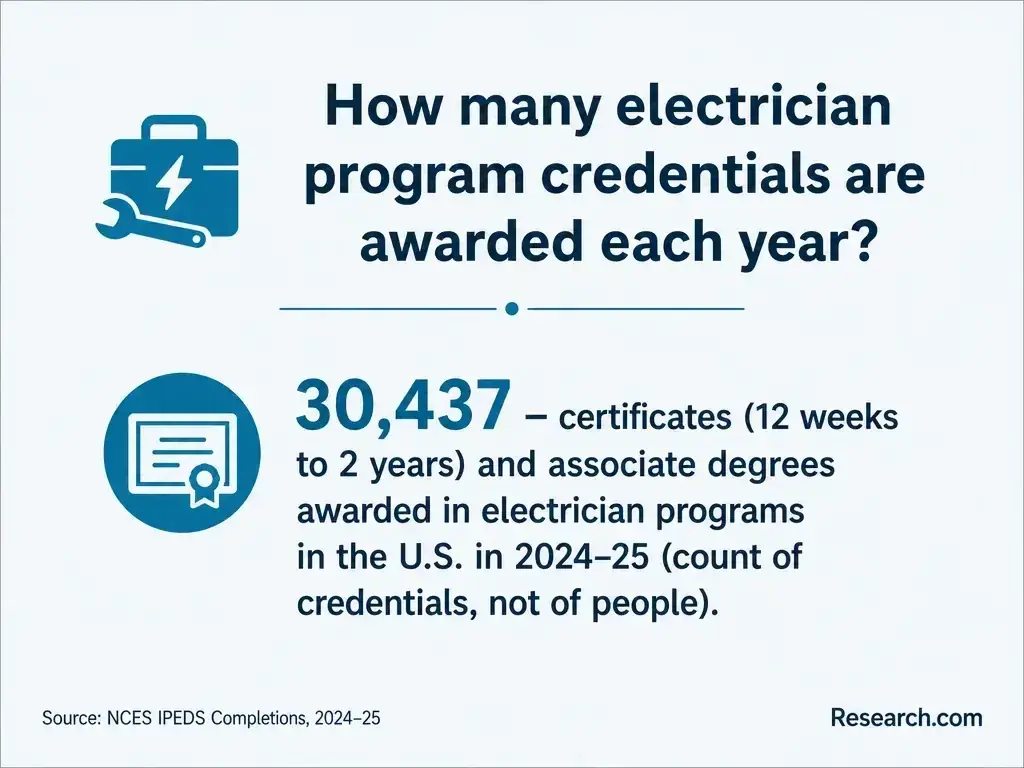
A defensible Manatí-wide average is not available here: providers can differ in program length, included equipment, and how they report prices. Instead, request a current, itemized cost to become job-ready from each program. The following categories show why the lowest advertised tuition may not be the lowest-cost route:
| Cost or offset | What to confirm |
| Tuition and mandatory fees | Entire-program charge, payment schedule, and refund terms |
| Tools, materials, and safety gear | What the school supplies and what you must purchase |
| Worksite and lab travel | Locations and frequency of required in-person attendance |
| Exams and applications | Which credential or license-related costs are included |
| Aid and paid training | Actual grant eligibility, employer support, or apprenticeship wages |
Check federal-aid eligibility for the specific institution and program through Federal Student Aid; eligibility is not automatic for every short course. Also ask Puerto Rico workforce-service staff whether training assistance is available to you. Compare the remaining out-of-pocket cost and debt with a paid apprenticeship, accounting for earnings you would give up while attending school.
The award depends on the program: it might be a completion certificate, diploma, or, for a program that actually offers one, an associate degree. A registered apprenticeship is a different pathway, pairing related instruction with documented work-based learning. None of these awards should be described as an electrician license.
Ask the provider for the exact credential name, whether coursework can transfer or count toward another credential, and whether prior experience can earn advanced standing. If an associate degree is under consideration, best affordable online associate degrees may offer broader cost context, but confirm that the particular electrical program includes required in-person skills training. Institutional accreditation, school authorization, industry recognition, apprenticeship registration, and occupational licensure serve different purposes; verify each one that matters to your plan.
Requirements vary by provider and pathway. Ask Dewey University-Manati or Advantage Technical College directly whether the electrical training you want is currently offered, what its admissions criteria are, and when hands-on classes meet. Do not infer program availability or eligibility from an institution's name. Apprenticeship sponsors and employers set separate entry and selection requirements.
Before applying, confirm the required school records, any math or placement assessment, minimum age or work authorization conditions, and whether you must supply tools or travel to a worksite. An open enrollment universities comparison does not tell you whether you can enter a particular electrical lab or apprenticeship. Ask about seats, scheduling, and placement conditions rather than treating a general admissions policy as a promise of access.
Core training typically covers electrical safety, circuit theory, wiring and installation methods, electrical drawings, testing, and troubleshooting, consistent with the duties described by the U.S. Bureau of Labor Statistics. Programs may also address motors or controls; confirm the actual syllabus if industrial maintenance is your target. Communication, accurate documentation, and following safety procedures matter because electricians often coordinate with other trades and work around serious hazards.
Compare programs by what students do, not just what course titles say. Request a list of lab tasks and assessment methods, ask whether students use current test equipment, and find out whether any employer placement provides supervised electrical work. Similar-looking certificates can represent substantially different levels of practical preparation.
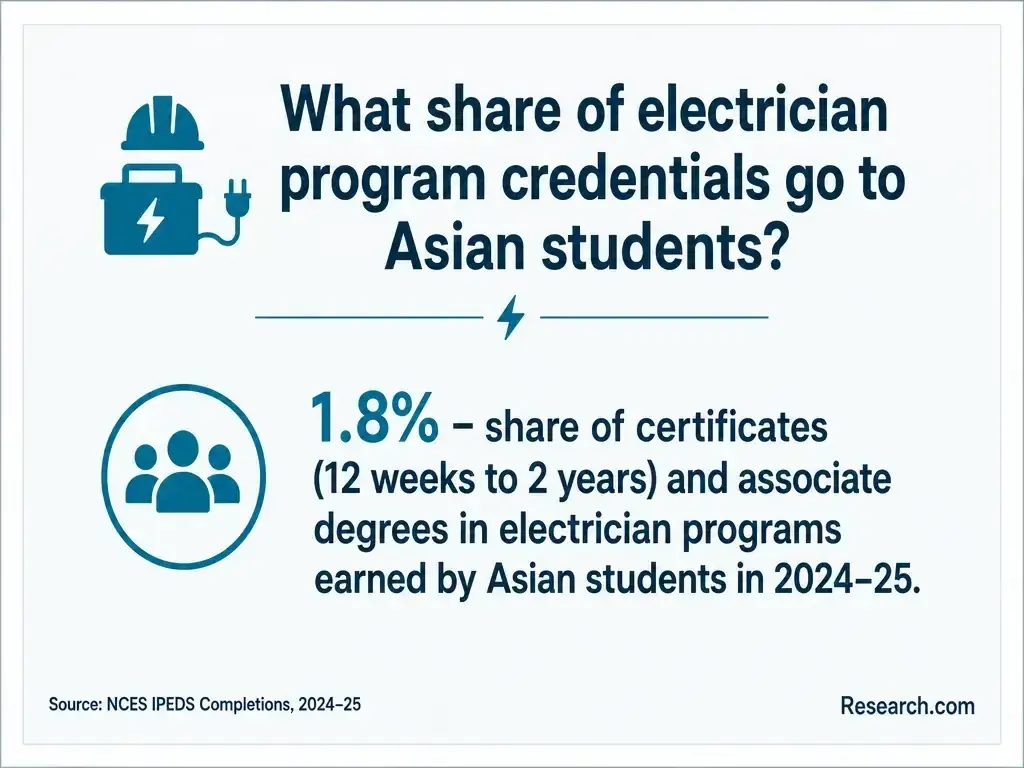
Puerto Rico regulates electrician practice; a school certificate alone should not be treated as authority to perform licensed electrical work. Before enrolling, confirm the current requirements for your intended role with Puerto Rico's electrician licensing authorities, including any applicable examination, documented experience, and supervised-work rules. Requirements for an entry-level worker and someone performing work independently may differ.
Ask a provider to identify the specific Puerto Rico license or registration its training supports and to explain, in writing, which requirements its graduates still must complete. An industry training certificate may help demonstrate skills, but it is not the same thing as government-issued occupational licensure. Likewise, school accreditation or authorization does not itself establish licensing eligibility.
Start with the work you want to do, then compare the cheapest viable routes - not simply the lowest price. A low-cost course is poor value if it lacks the lab practice, employer access, or recognized experience you need. Conversely, a longer program may not be worth its extra cost if you can enter suitable paid, supervised training directly.
Use these checks before signing an enrollment agreement:
Estimate return on investment using your current earnings, probable training-period income, aid, debt, chance of completion, and a realistic post-training pay range over several years. A ranking narrows your search; it cannot make those personal calculations or verify that a program fits your licensing goal.
Electrical training can lead toward supervised installation or maintenance work, followed by more independent responsibilities as experience and any required Puerto Rico credentials are earned. With relevant experience, an electrician may pursue industrial controls, supervisory work, or contracting, subject to the requirements of the role. These are progression possibilities, not automatic outcomes of a certificate.
Choose training that matches the first job you can realistically obtain. A contractor-focused lab may suit installation work; substantial motor and troubleshooting practice may be more relevant to industrial maintenance. For wider occupational context, Research.com's trade schools list of careers can help you compare paths, but check local openings and licensing rules before changing direction.
The U.S. Bureau of Labor Statistics projects 9.2% national growth for electricians from 2025 to 2035. That supports investigating the trade, but it does not measure openings in Manatí or guarantee a job after training. Construction schedules, maintenance hiring, and the number of available supervised positions will shape a new entrant's local prospects.
Before committing to a program, ask nearby contractors, maintenance employers, and apprenticeship sponsors whether they recruit beginners, what qualifications they require, and where their worksites are. If opportunities require travel beyond Manatí, weigh that commute against training costs and expected pay. This local check is more useful for an enrollment decision than treating a national projection as a local hiring forecast.
Investing in electrician training is a significant decision, so Research.com compares programs with other options in the same occupation and location rather than with unrelated schools. The 2027 most-affordable ranking includes only programs with completions reported to IPEDS. It evaluates tuition, cost of attendance, median student debt, and federal loan default rates; an entropy-based method gives more weight to cost and debt measures that differ more across programs.
Research.com uses multiple sources to check program and institutional information. The ranking's source inventory includes the following databases and organizations; sources focused on other trades or health programs do not, by themselves, establish electrician-program quality:
Affordability scores do not include accreditation, hands-on training, or licensing eligibility. Unlike the separate best-programs methodology, which considers quality and outcomes, this ranking is a cost-and-debt comparison - not an endorsement that a program meets every student's career requirements. IPEDS also does not cover every apprenticeship or employer training option. Readers can review further details on Research.com's methodology and use the ranking as a shortlist before checking current prices and regulatory requirements directly.
# 1 position
# 2 position
Not necessarily. Compare the full cost with lab training, credential awarded, employer access, and the requirements for your intended work. A lower price is only an advantage if the route meets your goal.
Yes, an apprenticeship is an established route combining paid work and instruction, according to the U.S. Bureau of Labor Statistics. Check sponsor openings and Puerto Rico requirements before assuming a particular apprenticeship meets your plans.
Do not assume so. Electrical work requires practical skills, and Puerto Rico licensing may require examinations or documented experience beyond coursework. Verify the exact requirements with the relevant licensing authority.
Request the total charge and an itemized list of fees, tools, protective gear, materials, exams, and required travel. Ask what grants or employer payments you actually qualify for.
No. A school credential documents training; independent electrical work may require additional experience and an applicable Puerto Rico license. Confirm the steps for the role you want before enrolling.