
Most Affordable Court Reporter Schools & Training - Budget-Friendly Court Reporting Trade Programs in Ohio for 2026

Co-Founder and Chief Data Scientist
Choosing the right court reporter trade school in Ohio can feel overwhelming, but this article is here to help. We've gathered a detailed ranking of court reporter trade school programs created by the Research.com team of data scientists. This ranking aims to guide you in making an informed decision about which programs are truly worth considering.
Whether you're starting a new career or enhancing your skills, earning a diploma or certification in court reporting opens doors to rewarding opportunities. Reading this article will give you clear insights and confidence to take the next step toward your future.
Key benefits of finishing court reporter trade school in Ohio
- Graduates from court reporter trade schools in Ohio can expect competitive salaries, typically starting around $25,660 and growing to over $76,000 with experience, reflecting strong earning potential statewide.
- A graduate from a top Ohio trade school shared how diverse career paths include courtroom reporting, captioning, and freelance transcription, offering flexibility and rewarding opportunities.
- Finishing a court reporter trade school online allows for a flexible schedule and faster completion, as experienced by an online graduate who balanced work and study while gaining valuable skills efficiently.
- Most Affordable Court Reporter Schools & Training - Budget-Friendly Court Reporting Trade Programs in Ohio for 2026
- What can I expect from court reporter trade schools in Ohio?
- Where can I work after finishing court reporter trade schools in Ohio?
What can I expect from court reporter trade schools in Ohio?
Enrolling in a court reporter trade school program in Ohio means immersing yourself in a dynamic, skill-focused environment where hands-on learning is paramount. Graduates from popular Ohio trade schools often recall the challenge and excitement of mastering stenography machines or voice writing software like Dragon, feeling a real sense of accomplishment as their speed and accuracy improve dramatically. Expect to dive deep into courses on legal terminology, court procedures, and editing legal documents-skills essential for real courtroom success.
Many students find the intense speed tests, requiring 225 words per minute with 95% accuracy, both demanding and motivating, pushing them to reach professional standards. Internships are another highlight, offering invaluable real-world exposure under seasoned court reporters, where students confidently prepare transcripts and navigate courtroom rhythms. The blend of cutting-edge technology training and ethical professionalism prepares Ohio students to step into roles as judicial reporters or captioners with enthusiasm and readiness, equipped for a rewarding career ahead.
Where can I work after finishing court reporter trade schools in Ohio?
Graduates of court reporter trade schools in Ohio often find themselves stepping confidently into roles as Official Court Reporters within Common Pleas Courts, especially in counties like Franklin, Mahoning, and Cuyahoga. Imagine starting your day capturing every word in a busy courtroom, knowing your precise transcripts are vital for justice. Many alumni from well-regarded Ohio trade schools share how rewarding it feels to contribute so directly to the legal process.
Others embrace flexible per diem positions, working when and where they choose-perfect for those balancing family or other commitments. This adaptability is frequently praised by recent graduates who value control over their schedules while still earning competitive wages, such as the $67,230 annual average reported in Lucas County.
Beyond courtrooms, certified reporters often explore freelance opportunities, real-time transcription for business meetings, or remote work, tapping into expanding markets outside traditional legal settings. Some even find joy in teaching captioning or court reporting at local trade schools, passing on their skills and certifications from respected organizations like the NCRA. The variety of paths available after Ohio trade school training makes this career both practical and inspiring.
After finishing a court reporter trade school program in Ohio, many graduates feel excited about the earning potential that awaits them. Starting salaries often fall in the mid $30,000s to low $40,000s, which is encouraging for those fresh out of popular Ohio trade schools. For example, a recent graduate working in Columbus shared how their entry-level role paid around $36,270 annually, offering a solid foundation to build on.
As experience grows, so do earnings. Graduates with one to four years in the field typically see salaries climb to about $43,230, while those with five to nine years can expect around $52,990. This progression reflects real stories from Ohio's trade school alumni who have steadily increased their income by honing skills and gaining confidence.
With over ten years of experience and additional certifications, Ohio court reporters can earn between $61,490 and $76,470 annually, sometimes even reaching the top 10% earners who make up to $97,757. Many graduates feel motivated knowing that certifications not only boost pay but also open doors to more desirable job opportunities across the state.
- Most court reporter programs in Ohio require only a high school diploma or equivalent, with no state licensing needed.
- Programs typically include 48 to 65 credit hours, combining courses in stenography, realtime theory, and technology, plus a 75-hour internship with a 40-page transcript assignment.
- Tuition ranges from about $124 to $195 per credit hour, making total costs for an associate degree between $8,000 and $13,000 depending on school and residency.
- Students must pass three five-minute tests at speeds of 180 to 225 words per minute with at least 95% accuracy to meet academic standards.
- Entry-level court reporters earn $40,000 to $50,000 annually, with experienced reporters often making $60,000 or more.
Completing a court reporter trade school program in Ohio typically takes about two years, though some dedicated students have accelerated their progress in as little as 18 months. Graduates from well-known Ohio trade schools often share how the structured schedules and hands-on practice helped them stay motivated and confident throughout the program. Imagine balancing real-world transcription exercises with live mock trials, which makes the learning process dynamic and engaging.
Many students find the blend of in-class instruction and practical training rewarding, as it mirrors the fast-paced environment they will encounter in courtrooms. For example, a common experience includes mastering shorthand techniques early on, which builds a strong foundation and leads to quicker progress in advanced courses.
Ohio's trade schools also offer flexible evening or weekend classes, allowing students to maintain jobs or family responsibilities while studying. This adaptability not only makes completion feasible but also encourages a positive, forward-looking mindset among aspiring court reporters.
The key difference between online and on-campus court reporter trade school programs in Ohio lies in the learning experience and flexibility. Graduates from online programs at schools like Cleveland's Cuyahoga Community College often praise the freedom to study steno writing or digital reporting at their own pace, fitting coursework around work or family life. Imagine completing video lectures late at night after a day's job, feeling accomplished without the stress of commuting.
On the other hand, on-campus students enjoy immediate interaction with instructors and peers, benefiting from hands-on practice in real-time labs or mock courtrooms. Many find that the structured schedule and face-to-face support boost their confidence and sharpen skills faster. Picture attending a lively group exercise, mastering stenography equipment with a mentor's guidance, creating a sense of camaraderie hard to replicate online.
Both paths offer valuable internships, ensuring graduates are job-ready. The choice often comes down to whether you value convenience or direct personal engagement in your Ohio court reporting journey.
The average cost court reporter trade school Ohio students face varies widely depending on the type of institution they attend. Community colleges offering two-year programs typically charge between $780 and $6,150 annually for in-state tuition. Graduates from popular Ohio community colleges often share how the affordability helped them balance work and study without overwhelming debt.
Many court reporter program tuition fees Ohio students encounter at state universities range from $5,000 to $23,000 per year, depending on residency. These programs usually lead to bachelor's degrees, with costs that may seem higher but include more comprehensive academic support and broader career opportunities. Students who have completed these programs appreciate the value of the immersive training despite the increased tuition.
Trade school graduates frequently mention how deciding between in-person and online programs affects their costs. Online court reporting courses in the region can cost between $4,000 and $12,000, offering flexibility for those working or managing family commitments. Prospective students interested in enhancing their legal knowledge might explore an online legal studies master's degree, which complements court reporting careers with advanced skills.
Despite the variance, many Ohio students feel confident investing in court reporter trade schools once they consider the overall balance of tuition, flexible schedules, and program quality. The positive experiences of alumni highlight the rewarding aspects of gaining a specialized skill in a cost-effective way.

Many students pursuing court reporter trade school programs in Ohio find crucial financial support through the Free Application for Federal Student Aid (FAFSA). Completing this form often unlocks access to Pell Grants, which students appreciate because they never have to be repaid, easing worries about debt. Graduates from well-known schools like Clark State Community College often mention how these grants helped them focus on their studies without constant financial stress.
Beyond federal aid, Ohio-specific scholarships make a big difference. For example, students who join the Ohio Court Reporters Association (OCRA) can apply for scholarships such as the "Sue Terry Technology at Your Fingertips Student Scholarship." Recipients frequently describe feeling motivated and recognized for their dedication, which encourages them to excel in their court reporting certifications.
Institutional scholarships also provide a welcome boost. Clark State's Kay Frazier Court Reporting Scholarship, which awards up to $500, has helped many new students reduce their upfront costs. Combining these options with private scholarships from local organizations often allows students to manage tuition and living expenses more confidently, making the path to becoming a skilled court reporter in Ohio feel achievable and rewarding.
Enrolling in a court reporter trade school program in Ohio usually requires applicants to meet certain prerequisites that set the stage for success. Most schools expect students to have a high school diploma or GED, ensuring a solid foundation for the demanding coursework ahead.
Graduates from popular Ohio trade schools often share how having strong English language skills and basic computer literacy made a real difference in their early days. Many schools suggest prospective students demonstrate:
- Proficiency in typing with a minimum speed requirement, often around 60 words per minute
- Good listening and concentration abilities to handle real-time transcription
- Basic knowledge of legal and medical terminology, which can be gained through preparatory classes or self-study
Applicants might also be asked to complete an entrance assessment or interview, which helps schools gauge their readiness and motivation. For example, graduates recall how these steps helped them feel confident that the program matched their goals and learning style.
Trade schools in Ohio emphasize a hands-on approach, so demonstrating a positive attitude and eagerness to engage with practical exercises often sets students apart. This forward-looking mindset prepares candidates to thrive in the fast-paced environment of court reporting.
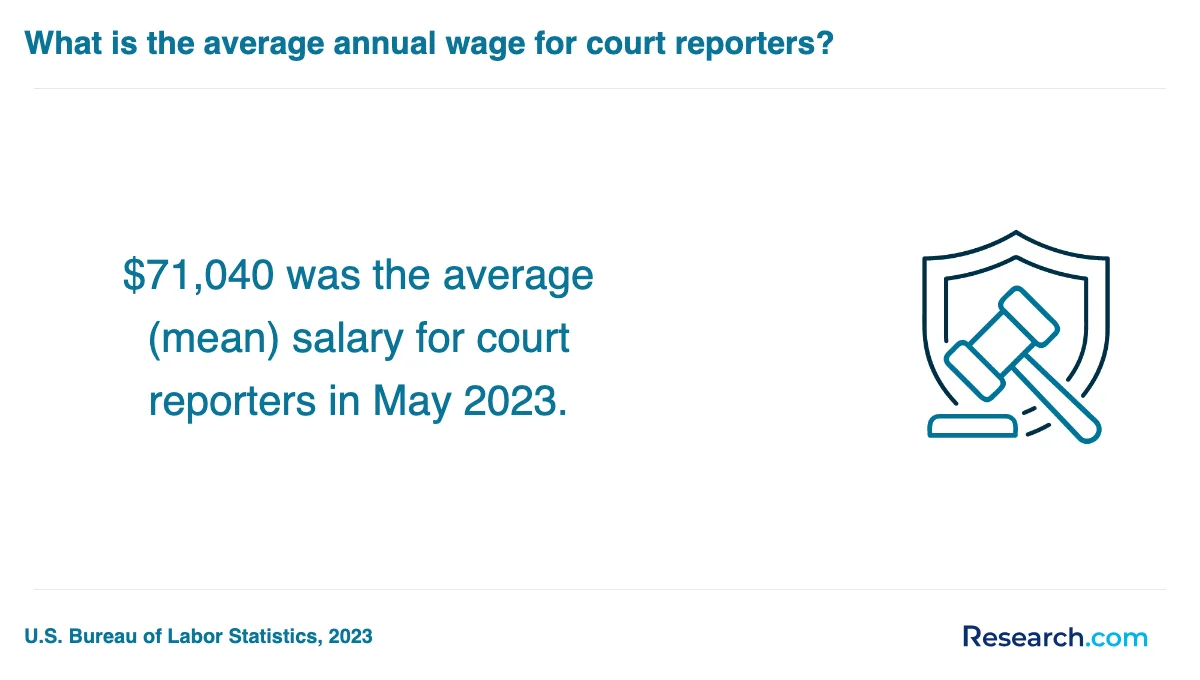
In Ohio court reporter trade schools, students dive into a curriculum designed to build both technical mastery and legal knowledge. Graduates often recall their first challenge: mastering stenographic court reporting through courses like Introduction to Stenographic Court Reporting and Realtime Theory, where learning to use steno machines and CAT software feels like unlocking a new language.
Programs typically include:
- Speedbuilding and Transcription classes pushing students to reach nearly 200 words per minute at 96% accuracy, a milestone many find thrilling and motivating.
- Court Reporting Technology, where hands-on experience with tools like DigitalCat prepares students for real-world demands.
- Legal and Medical Terminology courses, helping students confidently transcribe complex courtroom vocabulary.
- Ethics, Professionalism, and Legal Procedure, which ground students in the responsibilities of maintaining official court records.
- Practicum components such as 75-hour internships that simulate real transcript preparation, often cited by graduates as invaluable for building confidence.
Many students appreciate electives like Business Mathematics or Captioning/CART, which expand career possibilities beyond traditional court settings. These programs, popular at Ohio's leading trade schools, consistently receive praise for blending rigorous training with practical, real-world skills that graduates carry proudly into their careers.
Court reporter specializations in Ohio often include Steno Writing, Voice Writing, Digital Reporting and Transcription, and Realtime Reporting, each tailoring students for distinct career paths. Graduates from programs like Cuyahoga Community College (Tri-C) frequently highlight how mastering stenotype machines in Steno Writing opens doors to high-demand legal transcription roles, emphasizing speed and precision. Likewise, students drawn to Voice Writing appreciate the flexibility it offers, using voice silencers in environments where traditional machines aren't practical.
Ohio court reporting program specializations also embrace technological advances through Digital Reporting and Transcription, allowing students to capture proceedings digitally and transcribe later, fitting lifestyles that favor modern workflows. Clark State College students often share positive experiences with Realtime Reporting training, where immediate transcript production is vital in fast-paced courtrooms.
Choosing a specialization can feel rewarding as it shapes your future role, whether as official court reporters, freelancers, or captioners. Prospective students in Ohio may also explore related fields, including aba-approved online paralegal certificate programs, to broaden their opportunities and skills.
Choosing the best court reporter programs in Ohio means first confirming the school's approval by the National Court Reporters Association (NCRA). Graduates from colleges like Cuyahoga Community College often highlight how NCRA-approved programs gave them confidence in the quality and recognition of their training. These programs combine rigorous coursework with hands-on experiences such as internships and speed-building exercises, essential for developing real-world skills like accurate, fast transcription and legal proofreading.
Considering Ohio court reporter school costs alongside delivery format is crucial. Many students appreciate the flexibility offered by online courses shared between Clark State and Stark State Colleges, allowing them to balance work and study without sacrificing access to expert faculty. Graduates frequently mention how these flexible options helped them stay motivated and succeed.
Finally, look for schools that emphasize career support and practical graduation requirements, including speed and accuracy tests and professional internships. Connecting with advisors and exploring local job placement rates can guide your choice. For those interested in broader career paths, exploring masters in legal studies jobs may also be worth considering.
Graduates of court reporter trade school programs in Ohio find a spectrum of rewarding career opportunities for court reporters in Ohio that go beyond traditional courtroom roles. Many start as official court reporters, working within municipal, county, or federal courts, where they become crucial guardians of legal records. These positions often require accreditation from popular trade schools in Ohio and certifications like the Registered Professional Reporter (RPR), fueling pride and professional growth among recent alumni.
Others embrace the flexibility of freelance reporting, capturing depositions or hearings for attorneys on an hourly or per-page basis. This freedom allows graduates to tailor their schedules, often balancing contract work with personal pursuits. Agency-employed reporters also benefit from varied arrangements, ranging from salaried posts with benefits to contractor roles, sometimes allowing remote work. Several graduates have shared how their skills opened doors to specialized fields such as broadcast captioning and Communication Access Realtime Translation (CART) services, addressing the deaf and hard-of-hearing community's needs.
For those exploring additional avenues, court reporter jobs in Ohio court system listings remain robust, reflecting steady demand. Insights from graduates reflect how Ohio's top trade schools prepare them not only for today's roles but also for emerging opportunities in accessibility and realtime transcription technology, inspiring optimism about their futures. For those curious about expanding into related professions, exploring legal studies jobs can offer useful perspectives.
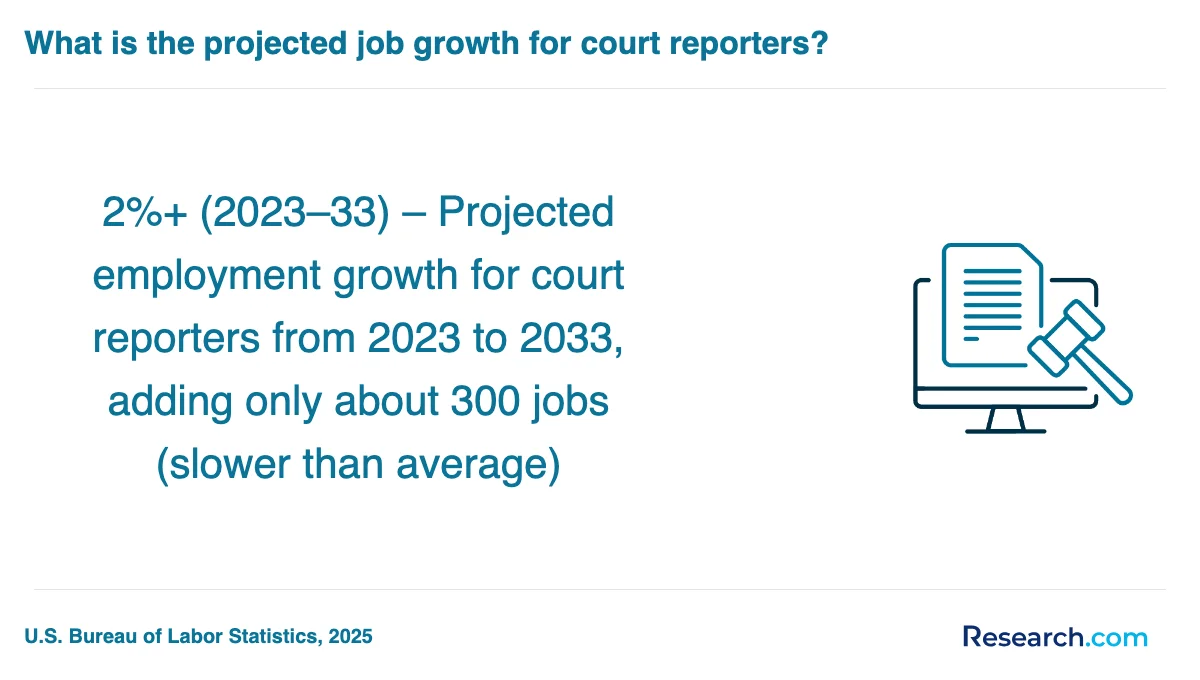
The court reporter trade school graduates in Ohio face a steady job market characterized by moderate openings and competitive salaries. Although the growth rate of court reporting jobs in Ohio is projected at a modest 2.1% through 2026, graduates from popular Ohio trade schools find that the demand remains consistent across the state. Employment opportunities cluster around places like Columbus and counties such as Franklin and Lucas, where salaries often start between $67,000 and $72,000 annually, with top performers earning more through transcript fees and certifications.
Many recent graduates report that employers prioritize candidates who hold an associate's degree or national certifications like the Registered Professional Reporter (RPR), along with hands-on experience in courtroom settings. Ohio's legal sector values ongoing education to maintain expertise, and those trained in cutting-edge transcription software gain a noticeable advantage.
Graduates share hopeful perspectives based on their training at local trade schools, noting:
- Qualified candidates see about 40 annual openings statewide, fueled by retirements and new court needs
- Strong earning potential relative to the typical U.S. wage earner in related roles
- Career advancement linked directly to certification and real-time transcription skills
For those exploring how to build a fulfilling legal support career beyond court reporting, Ohio students often consult resources about what does it take to be a paralegal. This approach broadens understanding of allied roles as they grow their professional path within Ohio's stable job market for court reporter trade school graduates.
Most Affordable Court Reporter Schools & Training - Budget-Friendly Court Reporting Trade Programs in Ohio for 2026
# 1 position
Cuyahoga Community College District - Court Reporting and Captioning/Court Reporter.
associateThe Court Reporting and Captioning/Court Reporter program at Cuyahoga Community College District offers a hybrid format with some distance education options. It prepares students to accurately record and transcribe legal proceedings using print or electronic methods. The curriculum covers legal terminology, shorthand, equipment operation, and professional ethics. Annual in-state tuition is $3,736. Graduates earn a median income of $27,968 one year after completion. The program is accredited by the Higher Learning Commission.
# 2 position
Cuyahoga Community College District - Court Reporting and Captioning/Court Reporter.
certificate or diplomaThe Court Reporting and Captioning/Court Reporter program at Cuyahoga Community College District offers a hybrid format with some distance education options. It prepares students to transcribe legal proceedings using print or electronic methods, covering legal terminology, transcription, shorthand, and equipment operation. The program is accredited by the Higher Learning Commission. Annual in-state tuition is $3,736, and median earnings one year after completion are approximately $27,968.
# 3 position
Stark State College - Court Reporting and Captioning/Court Reporter.
associateStark State College offers a hybrid Court Reporting and Captioning/Court Reporter program that trains students to accurately record and transcribe legal proceedings using print or electronic methods. The curriculum covers legal terminology, transcription, shorthand, equipment operation, and professional ethics. Annual in-state tuition is $4,670. Graduates have a median earning of $22,149 one year after completion. The program is accredited by the Higher Learning Commission.
# 4 position
Clark State College - Court Reporting and Captioning/Court Reporter.
associateClark State College offers a hybrid Court Reporting and Captioning/Court Reporter program that prepares students to transcribe legal proceedings and official communications using print or electronic methods. The curriculum covers legal terminology, transcription, shorthand, verbatim recording, equipment operation, regulations, and professional ethics. The annual in-state tuition is $4,200. The program is accredited by the Higher Learning Commission.
# 5 position
Clark State College - Court Reporting and Captioning/Court Reporter.
certificate or diplomaClark State College offers a Court Reporting and Captioning/Court Reporter program that prepares students to accurately record and transcribe legal and formal proceedings using print or electronic methods. The curriculum covers legal terminology, shorthand, verbatim recording, equipment operation, regulations, and professional ethics. The program is accredited by the Higher Learning Commission, and the annual in-state tuition is $4,200.
Frequently Asked Questions about court reporter
After completing court reporter trade school in Ohio, preparing for the job market involves several key steps. First, obtaining certification through the National Court Reporters Association (NCRA) can significantly enhance your employability. Ohio requires court reporters to be licensed, so passing the state's licensing exam is essential.
Building a professional network by joining local court reporter associations or attending industry events in Ohio can open doors to job opportunities. Additionally, gaining practical experience through internships or freelance assignments helps develop real-world skills.
According to the U.S. Bureau of Labor Statistics, Ohio's employment of court reporters is expected to remain steady, with median wages around $60,000 annually, making early career preparation important.
Employers seeking court reporter trade school graduates in Ohio prioritize strong stenography skills, with a required speed of at least 225 words per minute for official certification by the National Court Reporters Association. Accuracy is equally critical, as transcripts must be error-free for legal proceedings. Proficiency with computer-aided transcription software is also essential, reflecting the increasing use of digital tools in the industry.
Communication skills matter, since court reporters must interact professionally with attorneys, judges, and clients. Time management and attention to detail are vital, given the need to meet strict deadlines. According to the Ohio Bureau of Labor Statistics, these competencies significantly impact hiring decisions in the state's legal transcription market.
Finding internships relevant to court reporter trade school programs in Ohio involves a strategic approach. Start by contacting your trade school's career services office, as many schools partner with local courts and law firms to offer internship placements. Additionally, Ohio's county courthouses and state judicial branches often provide internship opportunities for aspiring court reporters.
Networking is crucial; attending local legal events or joining professional organizations like the Ohio Court Reporters Association can open doors. According to the Ohio Judicial Conference, internships with court clerks or official reporters typically last 3 to 6 months, providing valuable hands-on experience.
Online job portals and state government internship listings are also helpful when searching for openings specific to court reporting in Ohio.
Obtaining a court reporter trade school diploma in Ohio significantly enhances career mobility and advancement opportunities. This credential is often a prerequisite for certification exams, such as those offered by the National Court Reporters Association (NCRA), which can lead to higher earning potential and job security. According to the Ohio Department of Job and Family Services, employment for court reporters is projected to grow by 8% through 2030, reflecting steady demand in legal and governmental sectors.
Graduates with a diploma gain practical skills in transcription technology and legal terminology, making them competitive candidates for entry-level positions. Additionally, many employers in Ohio prefer candidates who have completed accredited trade programs, as this demonstrates both competency and commitment to the profession.
Career advancement is further supported by opportunities to specialize in areas like realtime reporting or CART services, which often require formal training. Overall, a diploma from a reputable Ohio trade school opens doors to both employment and professional growth within the state's court reporting field.
Students enrolled in court reporter trade schools in Ohio can benefit from several part-time job opportunities that enhance their skills and experience. Freelance transcription work is a popular option, allowing students to practice real-time transcription and improve typing speed. Legal assistant or clerk positions in law firms also provide valuable exposure to legal terminology and court procedures. According to the U.S. Bureau of Labor Statistics, Ohio's demand for court reporters is stable, with an average hourly wage around $26, making related part-time jobs worthwhile. Additionally, captioning for live events or broadcasting offers flexible hours and practical experience in audio transcription.
To choose the most affordable Court Reporter degree program near you in Ohio, start by researching programs and universities with an emphasis on tuition costs, available financial aid, and reputation to ensure a comprehensive education with minimal financial burden. Look for community colleges and state universities near Ohio known for their affordability and accredited court reporting courses, using resources like Research.com for program comparisons. Additionally, consider proximity to your residence concurrently with cost to find a convenient option nearby, as programs "near me" can minimize living and commuting expenses.
- Most Affordable Court Reporter Schools & Training - Budget-Friendly Court Reporting Trade Programs in Pennsylvania for 2026
- Most Affordable Court Reporter Schools & Training - Budget-Friendly Court Reporting Trade Programs in Illinois for 2026
- Most Affordable Court Reporter Schools & Training - Budget-Friendly Court Reporting Trade Programs in New York for 2026
- Most Affordable Court Reporter Schools & Training - Budget-Friendly Court Reporting Trade Programs in Wisconsin for 2026
- Most Affordable Court Reporter Schools & Training - Budget-Friendly Court Reporting Trade Programs in Alabama for 2026
- Most Affordable Court Reporter Schools & Training - Budget-Friendly Court Reporting Trade Programs in Florida for 2026
- Most Affordable Court Reporter Schools & Training - Budget-Friendly Court Reporting Trade Programs in Minnesota for 2026
- Most Affordable Court Reporter Schools & Training - Budget-Friendly Court Reporting Trade Programs in Kansas for 2026
- Most Affordable Court Reporter Schools & Training - Budget-Friendly Court Reporting Trade Programs in Texas for 2026
- Most Affordable Court Reporter Schools & Training - Budget-Friendly Court Reporting Trade Programs in Arizona for 2026
- Court Reporters: Salary, career path, job outlook, education and more - RaiseMe https://www.raise.me/careers/legal/court-reporters/
- 4 Easy Steps to Become a Court Reporter + Complete Guide https://legalcareerpath.com/court-reporter-training/
- Careers in Court Reporting | CART | Court Reporting Career | ACI https://www.arlingtoncareerinstitute.edu/court-reporting-voice-writing-program/careers-court-reporting-captioning/
- Freelance Court Reporter Career Path - Generations College https://www.generations.edu/future-students/student-success/career-services/court-reporting-careers/freelance-court-reporter-career-path/
- How to Become a Court Reporter | Court Stenographer https://www.allaboutlaw.co.uk/school-leaver-law-careers/becoming-a-lawyer/how-to-become-a-court-reporter
- How To Become a Court Reporter | Rev https://www.rev.com/blog/how-to-become-court-reporter
- Wisconsin Court System - Employment opportunities - Court reporter https://www.wicourts.gov/courts/employment/courtreporter.htm
- We want to work with Court Reporters like you! - U.S. Legal Support https://www.uslegalsupport.com/work-with-us-legal-support/
- Court Reporting | Plaza College https://plazacollege.edu/academics/school-of-court-reporting/court-reporting-aos/
- Job Opportunities | San Diego Superior Court Employment https://www.governmentjobs.com/careers/sdcourt/jobs/3955669/part-time-court-reporter


