Most Affordable Court Reporter Schools & Training - Budget-Friendly Court Reporting Trade Programs in Arizona for 2026

Co-Founder and Chief Data Scientist
Choosing the right court reporter trade school in Arizona can feel overwhelming, but this article is here to help. We've gathered a comprehensive ranking of court reporter trade school programs, developed by the Research.com team of data scientists, to guide you toward the best options for 2026.
Whether you’re starting fresh or considering a career change, earning a diploma or certification in court reporting opens doors to rewarding opportunities. By reading this article, you’ll gain clear insights that make your decision easier and set you on a path to success.
Key benefits of finishing court reporter trade school in Arizona
- Graduates from court reporter trade schools in Arizona can expect starting salaries around $60,000 to $75,000 per year, with experienced reporters earning even more, especially in federal courts where salaries can reach over $80,000 annually.
- Court reporter trade school alumni often pursue careers in legal settings, government agencies, or freelance reporting, enjoying diverse job opportunities that match their skills and interests.
- Completing a court reporter trade school online offers flexibility and convenience, allowing students to balance work and study while still gaining practical skills, as shared by successful online graduates from Arizona programs.
- Most Affordable Court Reporter Schools & Training - Budget-Friendly Court Reporting Trade Programs in Arizona for 2026
- What can I expect from court reporter trade schools in Arizona?
- Where can I work after finishing court reporter trade schools in Arizona?
What can I expect from court reporter trade schools in Arizona?
Enrolling in a court reporter trade school program in Arizona means diving into hands-on training with stenotype machines and mastering transcription methods essential for legal proceedings. Graduates often recall the excitement of transforming recorded court sessions into precise official documents, a skill emphasized at many community colleges and specialized trade schools across the state.
You can expect to build strong typing speed and accuracy through intensive practice, even if you start without prior experience. Programs typically blend classroom theory with practical exercises, helping students confidently handle courtroom terminology, legal procedures, and ethical standards. Many students describe feeling empowered as they learn to navigate complex judicial vocabulary and medical terms, which are crucial for interpreting real court cases.
Additionally, some schools offer exposure to digital reporting equipment and software, preparing students for evolving technologies in the field. Graduates often highlight the supportive environment where instructors guide them toward passing national certification exams like the RPR or CVR, a necessary step before applying for Arizona's mandatory state certification. This pathway fosters a sense of accomplishment and readiness for a career in the legal system.
Where can I work after finishing court reporter trade schools in Arizona?
Graduates of court reporter trade schools in Arizona often find themselves stepping confidently into diverse career paths within the state. Many secure positions as official court reporters in municipal, superior, and federal courts, especially in counties like Maricopa and Yuma, where demand remains steady. Imagine working in one of Maricopa's five main court locations, capturing every word of critical legal proceedings-a role that graduates from popular Arizona trade schools describe as both challenging and rewarding.
Others embrace the flexibility of freelance court reporting, contracting with law firms and government agencies for depositions and hearings. This path often allows working remotely, which recent graduates appreciate for balancing life and work. Additionally, private court reporting agencies in Arizona frequently hire these skilled professionals, providing steady opportunities to apply transcription expertise.
Some graduates pivot to related roles such as court clerks or administrative assistants, leveraging their training to manage case files and legal documents. These real-life options highlight the positive outcomes and variety of opportunities awaiting students who complete court reporter programs in Arizona.
After completing a court reporter trade school program in Arizona, many graduates find themselves stepping into jobs with starting salaries around $44,600 to $44,800 annually. Those who trained at well-known Arizona schools often share stories of landing entry-level positions quickly, excited by the steady pay and clear path for advancement. As they gain experience, it's common to see salaries rise toward the state average range of $60,500 to $63,000 per year, reflecting growing confidence and skill in the courtroom.
Freelance court reporting attracts graduates eager for flexible schedules and higher earnings, with average pay reaching about $75,000 per year or $36 per hour. Imagine working on your own terms, choosing cases that fit your lifestyle and watching your income grow with every assignment.
For those aiming higher, securing a federal court position in Phoenix can be transformative, with salaries starting near $80,700 and climbing well beyond $98,000, sometimes hitting $149,000 annually. Graduates from Arizona trade schools often envision this as the ultimate reward for their dedication and expertise.
- Most Arizona court reporter programs require a high school diploma or GED for admission and may require eligibility for a notary public commission.
- To get certified, you must complete a program, have one year of experience, hold national certification, or pass a proficiency exam, plus pass the Arizona state certification exam after a background check.
- Program costs typically range from $5,000 to $12,000, with online and community college options usually less expensive.
- Starting salaries for court reporters in Arizona range from $45,000 to $55,000 annually, with experienced reporters earning $60,000 or more.
- Certification must be renewed every two years with at least 10 hours of continuing education and a $400 renewal fee.
Completing a court reporter trade school program in Arizona typically takes about 18 to 24 months, depending on the school and the student's pace. Graduates from popular Arizona trade schools often share how immersive the experience feels, with hands-on training and real-time transcription practice making the months fly by. Many find the balance of in-class instruction and practical exercises energizing, helping them stay motivated throughout the program.
Some students appreciate flexible scheduling options, allowing them to accelerate their studies or spread them out around personal commitments. For example, evening classes at well-known Arizona trade schools enable working adults to pursue their court reporting goals without sacrificing income. Graduates often describe the moment they transcribe their first live proceeding as thrilling, a vivid milestone that confirms the program's value.
The relatively short completion time compared to four-year degrees appeals to many who want to enter the workforce quickly. With Arizona's growing legal sector, finishing a court reporter program in under two years opens doors to rewarding careers faster than ever before.
Online court reporter programs in Arizona, such as those offered by Central Arizona College, give students the freedom to study at their own pace, fitting coursework around busy lives. Graduates often recall the convenience of accessing lectures and assignments anytime, which made balancing family or work commitments much easier. The digital format also cuts costs by eliminating commuting and housing expenses, making it an attractive option for many.
On the other hand, students attending on-campus programs at institutions like Gateway Community College or Phoenix College experience a more structured environment. They benefit from hands-on practice with professional stenography equipment and direct, face-to-face guidance from instructors. Graduates frequently highlight the value of real-time feedback during live transcription exercises and the networking opportunities gained through in-person internships.
While online learners appreciate flexibility and affordability, on-campus students thrive on immediate support and practical experience-both paths shaping confident, career-ready court reporters in Arizona's evolving legal landscape.
The average tuition fees for court reporter programs in Arizona tend to vary widely depending on the type of institution and whether the student attends a community college, private trade school, or online program. Graduates from popular trade schools in the state often recount how choosing a well-recognized program with costs around $7,000 to $12,000 helped them balance quality education with manageable expenses. These costs typically include not only tuition but also essential materials like textbooks and specialized equipment.
Many students begin their training at community colleges where the annual tuition rates range from approximately $780 to $6,150, making it an affordable pathway to earning an associate degree in court reporting within Arizona. However, some opt for private trade schools due to their specialized and accelerated training options, with tuition approaching the higher end of the spectrum, reflecting the focused coursework and certification preparation they provide. The cost of court reporting education in Arizona is influenced by these choices, as well as by in-state versus out-of-state residency status, which can significantly affect overall expenses.
Online programs have become popular among students seeking flexibility and affordability, with costs generally between $4,000 and $12,000. Several graduates praise these programs for allowing them to study at their own pace while preparing effectively for certification exams. For students passionate about emerging career paths, exploring a list of careers in forensic science might also offer insight into complementary opportunities that enhance the value of their court reporter education in Arizona.
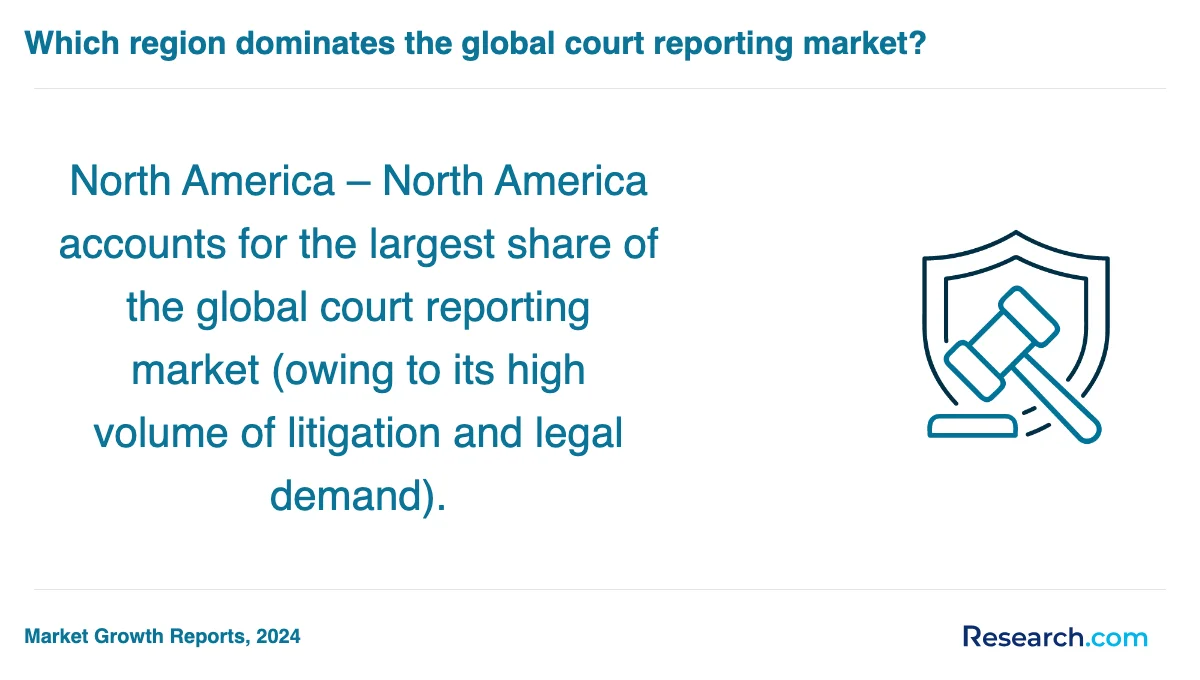
Court reporter trade school students in Arizona often find that financial aid options significantly ease the burden of tuition and related costs. Many graduates from popular Arizona programs happily recall how completing the Free Application for Federal Student Aid (FAFSA) opened doors to Pell Grants, federal loans, and work-study opportunities that made their education affordable.
State-specific scholarships, such as those from the Arizona Court Reporters Association, frequently provide crucial support. For example, students grateful for these awards often highlight how the scholarships helped them stay focused on their studies without constant financial stress.
At well-known trade schools in Arizona, nearly all students report receiving some form of institutional aid, with averages around $18,500 in net costs after assistance. This high rate of financial support often brings relief and motivation to those pursuing court reporting careers.
Additionally, national scholarships from organizations like the National Court Reporters Association offer up to $5,000, which graduates say was essential for purchasing necessary equipment and software.
Applying early and consulting financial aid advisors are common strategies among successful students to maximize these opportunities and secure their futures in court reporting.
Enrolling in a court reporter trade school program in Arizona typically requires a high school diploma or GED, setting the foundation for success in this specialized field. Many graduates from popular Arizona trade schools recall that meeting this basic educational prerequisite was the first step toward their rewarding careers.
Applicants often need to demonstrate strong English language skills, including grammar and spelling, since these are crucial for accurate transcription. Some schools may require placement tests or interviews to assess readiness, ensuring students are well-prepared for the rigorous training ahead.
Practical prerequisites might include:
- Basic computer literacy to handle transcription software confidently
- Good hearing and manual dexterity for effective use of stenography equipment
- A genuine interest in legal and courtroom environments, often expressed through personal statements or interviews
Students frequently describe their initial excitement when realizing these prerequisites were manageable and clear, fueling their motivation. At well-known Arizona trade schools, supportive instructors help prospective students understand these requirements upfront, making the enrollment process transparent and encouraging.
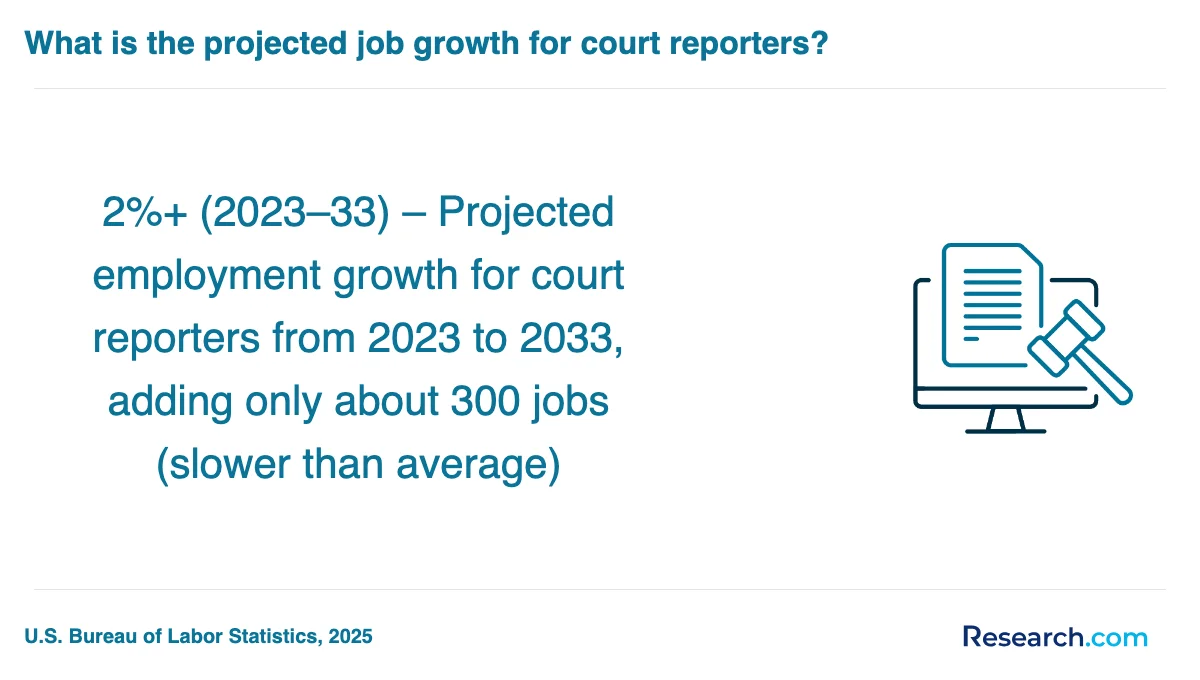
Arizona court reporter trade school programs typically immerse students in a curriculum designed to build confidence and precision essential for the profession. Graduates often recall the excitement of mastering the stenotype machine early on, a skill crucial for keeping pace with rapid courtroom dialogue.
Core courses usually include:
- Stenography: Hands-on training with the stenotype, ensuring students develop the speed and accuracy needed for certification.
- Transcription techniques: Converting shorthand into clear, formal transcripts, a process that many find rewarding as it sharpens attention to detail.
- Legal terminology and courtroom procedures: Learning specialized vocabulary and court protocols prepares students to handle diverse testimony confidently.
- Digital reporting technology: Training on digital audio equipment and software, such as that offered by Central Arizona College, helps students manage and protect official records effectively.
- Ethics and professionalism: Courses emphasize impartiality and confidentiality, instilling a strong sense of responsibility toward justice.
- Editing and proofreading: Graduates appreciate practicing grammar and formatting skills to produce flawless transcripts ready for court submission.
These courses combine to create graduates who feel empowered and ready to navigate the real-world demands of Arizona's legal environments with integrity and skill.
Arizona's court reporter trade school programs offer key court reporter specializations in Arizona that prepare students for diverse roles. Graduates from schools like Gateway Community College praise the stenographic reporting track, which trains them to master the stenotype machine for fast, accurate court transcripts-a skill crucial in traditional courtroom settings.
Voice writing, often called stenomask reporting, is another specialization students find exciting. In this path, learners use a stenomask device to repetitively voice proceedings for transcription software, making it ideal for those with strong enunciation abilities and quick auditory processing. This track is particularly popular in Arizona's state courts where voice writers are officially employed.
Digital court reporting programs Arizona schools offer are increasingly sought after. Central Arizona College graduates attest to the real-world readiness they gained handling digital recording equipment and creating precise transcripts for hearings and depositions, skills enhanced by preparation for certifications like AAERT's Certified Electronic Reporter.
Students also appreciate legal transcription training that sharpens editing skills for producing flawless legal documents, often pursued alongside other specializations to increase job prospects. For those exploring legal support roles, Arizona students can combine this training with aba-approved online paralegal certificate programs for a comprehensive legal career foundation.
Choosing the best court reporter trade school program in Arizona means focusing on accredited institutions that prepare you thoroughly for certification exams. Graduates from GateWay Community College often praise the hands-on training and job placement services that helped them transition smoothly into legal careers. The availability of flexible schedules at Scottsdale Community College meets the needs of those balancing other commitments, making it easier to pursue affordable court reporter programs in Arizona without sacrificing quality.
Imagine attending Phoenix College, where state-of-the-art stenography equipment enriches your learning and internship opportunities provide real courtroom experience. Such immersive environments have motivated many students to excel and feel confident entering the workforce. Considering financial aid options and scholarships can also ease the financial strain, while examining whether a hybrid or online format works better for you can make all the difference.
For those exploring options beyond court reporting, the cheapest homeland security bachelor's degree online can offer alternative career pathways while remaining within Arizona's educational landscape.

Graduates of court reporter trade school programs in Arizona often step into diverse and rewarding career opportunities. Many find roles as certified court reporters within the state's judicial system, where they create precise, verbatim transcripts essential for trials and appeals. Those who studied at popular Arizona trade schools share how this foundation allowed them to confidently pursue court reporter jobs in Arizona's state courts, fulfilling an essential role while enjoying job stability.
Others leverage their skills in more flexible or remote settings, such as freelance court reporting or positions with large court reporting agencies that serve law offices and government entities. Graduates also explore Communication Access Realtime Translation (CART), providing live captioning for events and media-work that's both impactful and growing in demand.
- Entering supervisory roles like court operations administrators or court supervisors with experience
- Working as digital or verbatim reporters emphasizing transcription accuracy
- Engaging with expanding market needs in private and public sectors
For those wondering about advanced prospects, additional certifications open doors to remote work or specialty fields. Many graduates reflect positively on their training and the career opportunities for court reporting graduates Arizona offers, suggesting a bright future. Anyone curious about extending their qualifications might explore what can i do with a master's degree in legal studies for further career enrichment.
The court reporter job outlook in Arizona remains promising for graduates from local trade schools, especially as state courts and legal firms seek qualified professionals for accurate real-time transcription. Many graduates share positive experiences about the variety of employment options available, from working in busy urban centers like Phoenix and Tucson to supporting smaller regional legal offices. This diversity allows new professionals to find settings that match their career goals and lifestyle.
Salary-wise, Arizona offers a competitive market, with many graduates earning between $44,000 and $80,000 annually, while experienced reporters, particularly in federal courts, can see salaries rise above $90,000. Here are some key factors influencing this outlook:
- Graduates often benefit from placements within Arizona's judicial system or private legal sectors.
- Employers value certified reporters who combine technical skills with the practical training typically offered by popular trade schools.
- Local demand in cities like Tucson can push average wages higher, reaching nearly $75,000 yearly.
For those considering entry into this field, pairing practical training with an associates legal studies degree online can enhance job prospects and earning potential.
Despite automation trends, the need for skilled court reporters adept at providing precise transcripts and live captioning remains steady, underscoring the lasting value of trade school education in this career path.
Most Affordable Court Reporter Schools & Training - Budget-Friendly Court Reporting Trade Programs in Arizona for 2026
# 1 position
GateWay Community College - Court Reporting and Captioning/Court Reporter.
associateGateWay Community College offers a fully online Court Reporting and Captioning/Court Reporter program. The curriculum prepares students to accurately record and transcribe legal proceedings using print or electronic methods. Instruction covers legal terminology, shorthand, equipment operation, and professional ethics. The program is accredited by the Higher Learning Commission, with an annual in-state tuition of $2,358.
# 2 position
Bryan University - Court Reporting and Captioning/Court Reporter.
associateBryan University's Court Reporting and Captioning/Court Reporter program trains students to accurately record and transcribe legal proceedings using print or electronic methods. The curriculum covers legal terminology, shorthand, verbatim recording, equipment operation, and professional ethics. The program's annual in-state tuition is $12,185. Graduates have median earnings of $26,288 one year after completion. The program is accredited by the Accrediting Commission of Career Schools and Colleges.
Frequently Asked Questions about court reporter
After completing a court reporter trade school in Arizona, it is essential to focus on certification and gaining practical experience. Most employers require passing the National Court Reporters Association (NCRA) certification exams, such as the Registered Professional Reporter (RPR), which demonstrates proficiency and reliability.
Networking within the Arizona legal community is also important. Joining local associations like the Arizona Court Reporters Association can provide job leads and mentorship opportunities. Additionally, internships or part-time roles during or after school help build a professional resume.
According to the U.S. Bureau of Labor Statistics, court reporters in Arizona earn a median annual wage near the national average of $61,660, making credentialing a worthwhile investment.
Developing strong technology skills, including familiarity with realtime reporting software, increases employability in this evolving field.
Employers in Arizona seek court reporter trade school graduates with strong proficiency in shorthand and stenography, as these skills ensure accurate and fast transcription of legal proceedings. According to the National Court Reporters Association, a minimum speed of 225 words per minute is often expected for official court reporting roles.
Attention to detail and excellent listening skills are critical, as court reporters must capture every spoken word precisely. Familiarity with legal terminology and courtroom procedures also enhances a graduate's employability in Arizona's judicial system.
Additionally, computer literacy, especially in using real-time transcription software, is increasingly important. The Arizona Department of Economic Security highlights communication skills and professionalism as key traits valued by employers statewide.
Finding internships relevant to court reporter trade school programs in Arizona involves proactive research and networking. Start by contacting local courts, law firms, and transcription agencies, as they often offer internship opportunities for students to gain practical experience. The Arizona Judicial Branch website provides resources and contact information for courts statewide, which can be a useful starting point.
Many trade schools in Arizona maintain relationships with local employers and may assist students in securing internships. Reach out to your school's career services or internship coordinator for guidance and leads. Additionally, professional organizations like the National Court Reporters Association (NCRA) have local chapters that occasionally post internship opportunities.
According to the U.S. Bureau of Labor Statistics, hands-on experience is critical in this field, and internships typically last from a few weeks to several months, depending on the program. Early application and clear communication of your skills can improve your chances of placement in Arizona's competitive market.
Obtaining a court reporter trade school diploma in Arizona significantly enhances career mobility and advancement opportunities. This credential is recognized by many employers across the state, including courts, law firms, and government agencies. According to the U.S. Bureau of Labor Statistics, court reporters in Arizona earn a median annual wage of approximately $60,000, with those holding formal diplomas often qualifying for higher starting salaries.
Trade school programs equip students with specialized skills, such as realtime transcription and legal terminology, which are highly valued in the industry. Graduates are better prepared to pass certification exams like the Registered Professional Reporter (RPR), improving job prospects.
In Arizona, the demand for qualified court reporters is expected to grow by 8% over the next decade, a rate faster than the national average. This growth supports upward career mobility for diploma holders, enabling them to pursue roles such as broadcast captioners or CART providers.
Students enrolled in court reporter trade schools in Arizona can benefit from part-time jobs that build relevant skills and experience. Positions such as transcriptionist or freelance captioner are common options. These roles help improve typing speed, accuracy, and familiarity with legal terminology.
Additionally, part-time work as a legal assistant or clerk in courts or law firms can provide valuable exposure to courtroom procedures and documentation. Arizona's growing legal sector often seeks part-time support, offering flexible schedules suitable for students.
According to the U.S. Bureau of Labor Statistics, court reporters in Arizona earned a median annual wage of about $61,000 in 2022, indicating strong market demand. Gaining practical experience through part-time jobs can enhance employability upon graduation.
Yes, there are affordable Court Reporter degree programs available near me, including online and in-person options, which can provide both flexibility and accessibility for students. Additionally, universities and community colleges near Arizona offer specialized training in court reporting, often with flexible scheduling to accommodate various student needs. Research.com can be a helpful resource to identify specific programs and institutions offering competitive tuition rates in this field.
- Most Affordable Court Reporter Schools & Training - Budget-Friendly Court Reporting Trade Programs in California for 2026
- Most Affordable Court Reporter Schools & Training - Budget-Friendly Court Reporting Trade Programs in Texas for 2026
- Most Affordable Court Reporter Schools & Training - Budget-Friendly Court Reporting Trade Programs in Kansas for 2026
- Most Affordable Court Reporter Schools & Training - Budget-Friendly Court Reporting Trade Programs in Minnesota for 2026
- Most Affordable Court Reporter Schools & Training - Budget-Friendly Court Reporting Trade Programs in Wisconsin for 2026
- Most Affordable Court Reporter Schools & Training - Budget-Friendly Court Reporting Trade Programs in Illinois for 2026
- Most Affordable Court Reporter Schools & Training - Budget-Friendly Court Reporting Trade Programs in Alabama for 2026
- Most Affordable Court Reporter Schools & Training - Budget-Friendly Court Reporting Trade Programs in Florida for 2026
- Most Affordable Court Reporter Schools & Training - Budget-Friendly Court Reporting Trade Programs in Ohio for 2026
- Most Affordable Court Reporter Schools & Training - Budget-Friendly Court Reporting Trade Programs in Pennsylvania for 2026
- Court reporting as a second career https://www.thejcr.com/2017/07/30/court-reporting-as-a-second-career/
- How to Navigate a Challenging Job Market - McCorkle https://mcdeps.com/how-to-navigate-a-challenging-job-market/
- My Journey Through a Court Reporting Career – Was It a Good Choice? https://www.coulterreporting.com/2019/05/my-journey-through-a-court-reporting-career-was-it-a-good-choice/
- Careers and Employment Outlook - Del Mar College https://delmar.edu/degrees/court-reporting/careers-and-employment-outlook.html
- Top 7 Tips For Becoming A Successful Court Reporter | Generations College https://www.generations.edu/tips-for-becoming-a-successful-court-reporter/
- Court Reporters: Salary, career path, job outlook, education and more - RaiseMe https://www.raise.me/careers/legal/court-reporters/
- Certified Reporters Program https://www.azcourts.gov/cld/Certified-Reporters-Program
- Arizona Court Reporting Schools | How to Become a Court Reporter by Meeting License Requirements in AZ https://www.courtreporteredu.org/arizona/
- How to Become a Court Reporter in Arizona (Certification & Guide) https://legalcareerpath.com/court-reporter-arizona/
- NCRA A to Z- Online Program | NCRA https://www.ncra.org/home/start-your-career/discoversteno-program/ncra-a-to-z-online-program