Most Affordable Court Reporter Schools & Training - Budget-Friendly Court Reporting Trade Programs in San Antonio for 2026

Co-Founder and Chief Data Scientist
Looking for the most affordable court reporter trade schools in San Antonio for 2026? This article is here to guide you through your options with a specially crafted ranking created by the Research.com team of data scientists. Their work helps you make an informed choice about which court reporter programs truly stand out.
Getting a diploma or certification in court reporting can open doors to a rewarding career filled with stability and growth. Reading this article will give you confidence in finding the right program that fits your goals and budget.
Key benefits of finishing court reporter trade school in San Antonio
- Graduates from court reporter trade schools in San Antonio can expect starting salaries around $43,000, with experienced reporters earning up to $79,000 or more, making it a rewarding career choice.
- Career paths include working in state or federal courts, freelance reporting, or captioning services, offering diverse opportunities for growth and specialization.
- Completing a court reporter program online provides flexibility and often a faster path to certification, as shared by successful online graduates from popular San Antonio trade schools.
- Most Affordable Court Reporter Schools & Training - Budget-Friendly Court Reporting Trade Programs in San Antonio for 2026
- What can I expect from court reporter trade schools in San Antonio?
- Where can I work after finishing court reporter trade schools in San Antonio?
What can I expect from court reporter trade schools in San Antonio?
Students entering court reporter trade school programs in San Antonio, such as those at San Antonio College or the University of Texas at San Antonio, can expect a hands-on, career-focused education that prepares them for real-world legal environments. Graduates often share how the curriculum's emphasis on courtroom procedures and legal terminology quickly builds confidence for actual court assignments.
The training includes mastering machine shorthand and digital transcription tools, enabling students to capture speech at speeds up to 225 words per minute with remarkable accuracy. Many find the mix of in-person and online classes convenient, allowing them to balance studies with personal commitments.
Instruction also covers ethical considerations and transcript formatting, with experienced professionals guiding students through practical exercises that simulate live court reporting. Graduates frequently highlight the satisfaction of developing skills that directly translate into well-paying jobs in San Antonio's legal system and beyond.
Overall, students can expect a supportive learning environment that fosters both technical expertise and professional readiness in less than three years for an associate degree.
Where can I work after finishing court reporter trade schools in San Antonio?
Graduates of court reporter trade schools in San Antonio often find rewarding careers working as official court reporters in local courts, such as Bexar County's Civil District Courts. These roles require a valid Texas certification and real-time reporting skills, allowing graduates to create accurate, official records of trials and hearings. Many graduates describe the satisfaction of supporting judges and attorneys by providing essential court transcripts and handling administrative tasks efficiently.
Beyond permanent courtroom positions, many graduates enjoy the flexibility of auxiliary or swing court reporter roles, filling in across Bexar County's 52 courts of record. This variety keeps work engaging and offers frequent opportunities for both full-time and freelance reporters. Freelancing appeals to those who value diverse assignments and control over their schedules.
Other common career paths include roles as electronic court reporters, case preparers, or court clerks at government agencies, law firms, or reporting agencies. Graduates appreciate how trade schools in San Antonio prepare them for these versatile opportunities, helping them enter a stable job market with salaries ranging broadly based on experience.
Graduates from court reporter trade school programs in San Antonio can expect competitive earnings that make the investment in their education worthwhile. Many who complete popular local programs report starting salaries around $43,000 to $60,000 annually, aligning with the regional average of approximately $60,488. With experience, this figure often rises quickly; some graduates share stories of surpassing $79,000 within a few years, especially when employed by federal courts or specialized legal firms.
The strong demand for skilled court reporters in the San Antonio-New Braunfels metro area means job opportunities often outpace qualified candidates, giving new professionals an edge. Graduates from well-known San Antonio trade schools frequently find themselves earning closer to the median salary of $83,280, benefiting from both private and government sector roles. Many express satisfaction with their rapid career growth and the rewarding nature of their work, highlighting the financial stability and professional respect gained soon after certification.
- Applicants need a high school diploma or equivalent to enter court reporter programs in San Antonio.
- Associate degrees and certificate programs are available, with associate degrees taking up to 36 months to complete.
- Students learn stenography, legal and medical terms, shorthand theory, and transcription technology, aiming for 225 words per minute at 96% accuracy.
- Certification exams cost $75 for the written test, $125 for the skills test, or $190 if taken together.
- The median salary for court reporters in the San Antonio-New Braunfels area is $83,280, with some earning up to $108,000 plus benefits.
Completing a court reporter trade school program in San Antonio typically takes between 18 months and 2 years, depending on whether students attend full-time or part-time. Many graduates from popular trade schools in the area share that the structured schedule, combined with hands-on training, helps them stay motivated and progress steadily toward certification.
For instance, full-time students often find themselves deeply engaged in mastering shorthand techniques and transcription software within their first year, which builds confidence and a sense of accomplishment early on. Part-time students, balancing work or family commitments, appreciate the flexibility that allows them to advance at a manageable pace without feeling overwhelmed.
Trade schools in San Antonio emphasize practical skills through real-world simulations, which graduates describe as both challenging and rewarding. This immersive approach not only accelerates learning but also prepares students for the fast-paced environment of court reporting jobs, making the completion time feel like a meaningful investment rather than a burden.
The key difference between online and on-campus court reporter trade school programs in San Antonio lies in how students engage with coursework and instructors. Graduates of online programs, such as those offered by San Antonio College or through the University of Texas at San Antonio's digital platform, often appreciate the flexibility to study at their own pace. Many find it empowering to balance work, family, and education simultaneously, accessing lectures and materials remotely while receiving support via email or virtual meetings.
On the other hand, students attending on-campus programs at San Antonio College benefit from face-to-face interaction with instructors and peers. This direct contact fosters immediate feedback during practice sessions and hands-on use of court reporting equipment, creating a collaborative and immersive learning environment. Graduates often express satisfaction with the real-time mentorship and networking opportunities within the local legal community that in-person classes provide.
Both formats cover the same core curriculum and prepare students for Texas certification, allowing students to choose the learning style that best fits their lifestyle and goals.
The average tuition fees for court reporter programs in San Antonio typically revolve around completing an Associate of Applied Science (A.A.S.) degree in Court Reporting at institutions like San Antonio College. This program spans 60 credit hours, covering specialized courses such as Machine Shorthand and Legal Terminology. Graduates often mention that while the exact tuition rates can fluctuate based on residency and course load, the overall investment is manageable compared to similar technical training programs in the region.
In 2026, the cost of court reporting education in San Antonio includes not only tuition but also certification fees. For example, the Texas Judicial Branch Certification Commission requires an apprentice certification application fee of $200, which students must budget for besides textbooks and other materials. Former students frequently share that understanding these additional costs upfront helped them feel prepared and confident as they progressed through their studies.
Many students appreciate the hands-on training aspects of popular trade schools in San Antonio, which combine practical experience with theoretical knowledge, fostering both skill and enthusiasm. While some might hesitate due to financial concerns, exploring options like financial aid or part-time study can ease the burden. For those considering related legal fields, looking into quickest paralegal programs online can also provide valuable career flexibility.
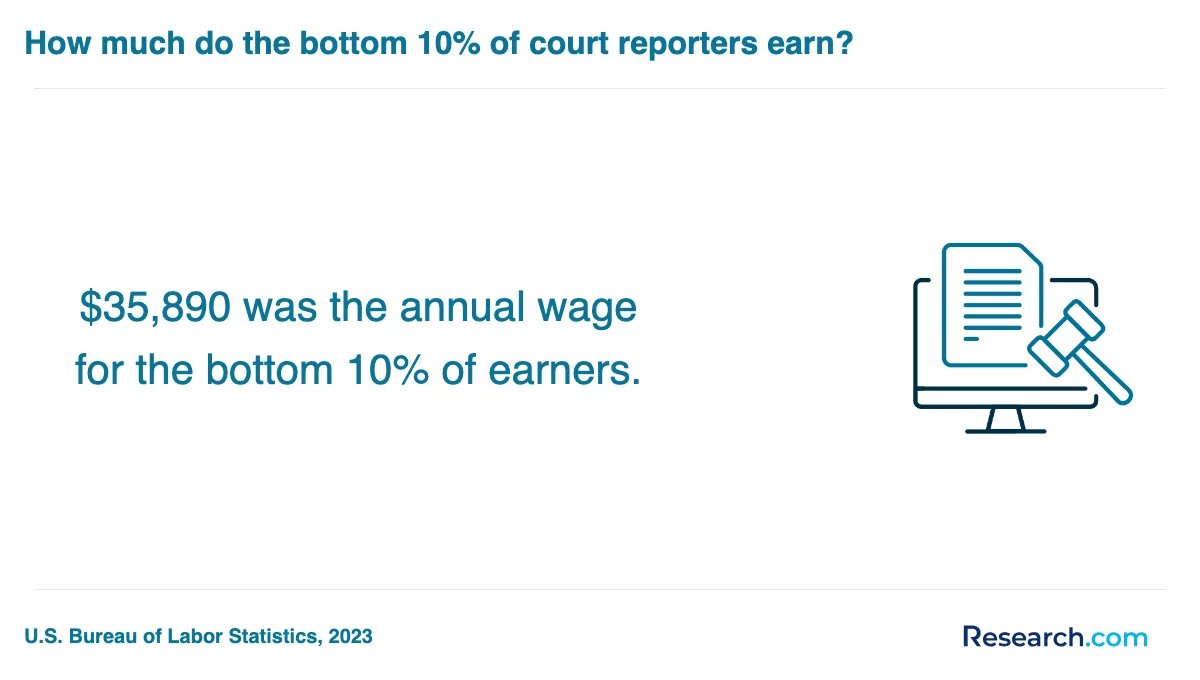
Students pursuing court reporter programs in San Antonio commonly access financial aid through federal sources like the FAFSA, which opens doors to Pell Grants, FSEOG, and federal loans. Graduates from San Antonio College often highlight how Pell Grants covering up to $7,395 substantially eased their tuition burden, allowing them to focus more on mastering stenography skills.
Beyond federal aid, many find institutional scholarships and grants tailored specifically for court reporting students. For example, San Antonio College's dedicated support for veterans through the GI Bill provides vital resources that have empowered military-affiliated students to confidently complete their training.
Industry scholarships from groups like the National Court Reporters Association offer merit-based awards such as the $5,000 NCRA scholarship, which graduates have used not only for tuition but also to purchase essential equipment. This practical help transforms financial stress into excitement about entering the profession.
Additionally, programs at UTSA and Texas State University offer affordable tuition-UTSA's digital court reporter course costs $795-and flexible payment options, making it feasible for many to start their careers without overwhelming debt.
Enrolling in a court reporter trade school program in San Antonio typically requires a high school diploma or GED, which ensures students have the foundational skills needed for rigorous training. Many trade schools also expect applicants to demonstrate strong English proficiency and basic computer skills, as these are crucial for mastering stenography software and transcription tools.
Graduates from popular San Antonio programs often recall that meeting these prerequisites felt like a natural step toward their career goals. For instance, one graduate described how their solid high school background made adapting to the fast-paced curriculum smoother and more enjoyable, boosting their confidence.
Other common prerequisites include:
- Passing an entrance exam or placement test to assess reading comprehension and typing speed
- Submitting letters of recommendation or personal statements highlighting dedication and attention to detail
- Being at least 18 years old to comply with legal and institutional policies
These requirements set students up for success by ensuring they have the necessary focus and skills. Attending a respected San Antonio trade school means you're joining a community that values readiness and determination, key elements that graduates credit for their rewarding experiences in the program.
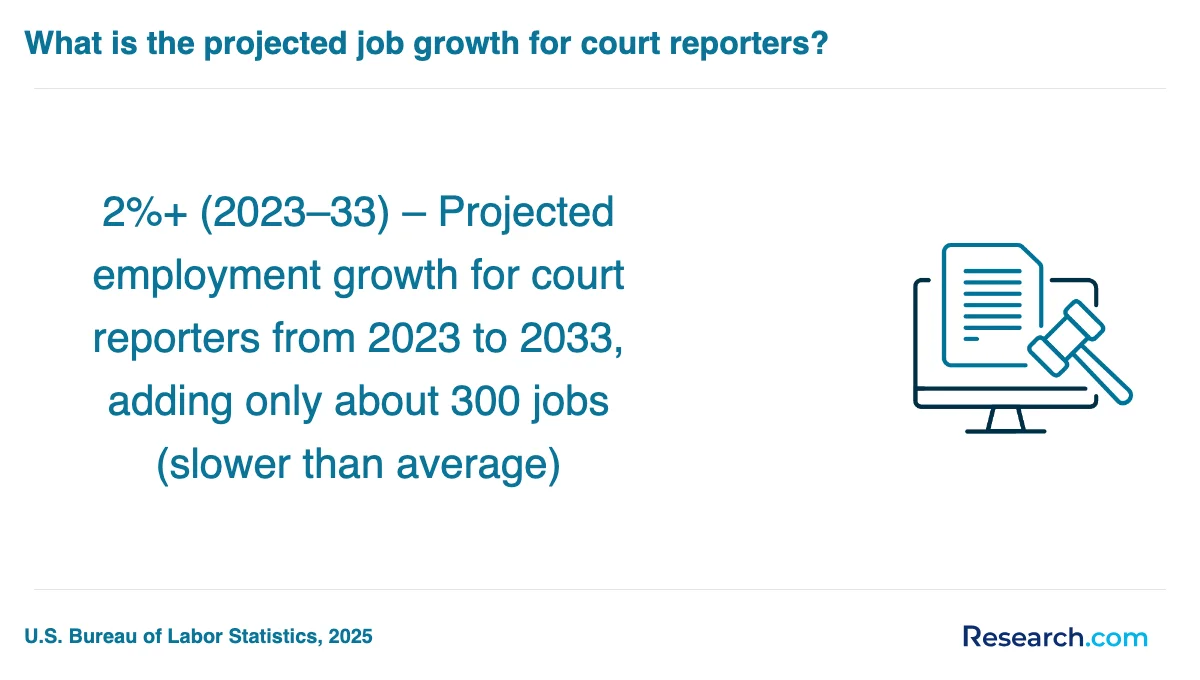
Court reporter trade school programs in San Antonio equip students with essential skills through a focused curriculum designed for real-world legal environments. Graduates from well-known local schools often highlight how mastering machine shorthand theory enables them to transcribe courtroom dialogue at speeds up to 225 words per minute with impressive accuracy, a skill critical for success.
Typical courses include:
- Machine shorthand theory: Building speed and precision on stenotype machines.
- Computer-aided transcription technology: Training with cutting-edge software and digital recording tools.
- Digital court reporting methods: Preparing students for Certified Electronic Reporter (CER) and Certified Deposition Reporter (CDR) exams.
- Legal terminology and courtroom procedures: Understanding courtroom language, etiquette, and protocol.
- Business law, medical terminology, and courtroom communications: Broadening expertise for diverse legal settings.
- Testimony dictation exercises: Practicing real and simulated courtroom exchanges.
Many graduates describe how courses in advanced grammar and punctuation sharpen their ability to produce flawless transcripts, boosting confidence when entering the workforce. These programs, often lasting up to 36 months for an associate degree, are tailored to prepare students for the demanding pace and accuracy required in San Antonio's legal community.
Court reporter trade school programs in San Antonio offer a range of specialized training to prepare students for successful careers. Popular San Antonio court reporter training programs, such as those at San Antonio College, focus on areas like machine shorthand, where students master conflict-free shorthand essential for fast and accurate transcription in legal settings. Graduates often highlight how courses like Captioning Technology equip them with the skills to provide real-time captioning in courtrooms and media environments.
Additionally, digital reporting specialization is gaining traction, with programs like the online Digital Court Reporter course from Alamo Colleges District. This course trains students in the use of advanced digital equipment and software, preparing them for the Certified Electronic Reporter (CER) exam.
Students pursuing court reporting in San Antonio appreciate how these diverse specializations allow them to enter various roles confidently, from traditional court reporting to captioning and digital transcription. Many recommend exploring related fields, such as top online paralegal associate's degree, to broaden career opportunities.
Choosing the best accredited court reporter programs in San Antonio involves verifying state recognition and curriculum quality. Graduates from San Antonio College often share how the program's rigorous training in machine shorthand and legal terminology prepared them for certification exams, reflecting the school's alignment with Texas standards. Flexibility is another key factor; many students appreciate programs offering completion in 36 months or less, allowing them to enter the workforce swiftly or balance education with personal commitments.
When you compare court reporter school costs San Antonio, consider programs that also emphasize job placement success and earning potential. Recent graduates report satisfaction with connections to local legal employers, which helps secure positions with competitive salaries in Bexar County. Additionally, exploring related credentials or continuing education options, such as a master of legal studies online, can enhance career prospects and specialization.

Graduates of court reporter trade school programs in San Antonio have multiple rewarding career paths available, reflecting the strong demand for skilled professionals in the region. Many pursue court reporter jobs in San Antonio, working in courts or depositions where precise, real-time transcription is critical. For instance, graduates from leading local trade schools often secure positions at venues like the Bexar County Courthouse, earning competitive salaries and gaining professional respect.
Others leverage their training as freelancers or independent contractors, offering transcript services for depositions and legal proceedings with flexible schedules. Some graduates find fulfilling roles as captioners, enhancing accessibility in live television for the deaf community.
Additional opportunities include
- medical or legal transcription for law firms and hospitals
- scopist or transcriptionist roles, supporting court reporters in producing final transcripts
- adjunct faculty positions at institutions such as the Alamo Colleges District
For those exploring San Antonio court reporting career opportunities, advancement into legal support or court administration is also common. Trade schools here provide practical skills, allowing graduates to transition smoothly into these specialties. Those interested in further education can explore most affordable master of legal studies online programs, complementing their trade education and opening new professional doors.
The court reporter job market in San Antonio is robust, with local trade school graduates finding strong employment opportunities. Graduates from programs at institutions like Alamo Colleges report quick hiring in positions requiring Texas Court Stenography Reporter certification and skills in real-time transcription at 225 words per minute with high accuracy. Employers such as the Bexar County Courthouse actively recruit, offering base salaries around $108,000 annually plus benefits, making this a lucrative career path.
Recent graduates note that job listings remain steady throughout 2024 and 2025, underscoring the continuous demand for certified reporters. Employment options extend beyond traditional courtroom roles, including freelance transcription and closed captioning, providing career flexibility.
Key highlights of the court reporter salary and employment trends San Antonio include:
- Annual median salary of approximately $83,280 in the San Antonio-New Braunfels area
- Competitive wages with monthly earnings over $10,000 for county jobs
- Strong demand for certified and highly skilled reporters
For those considering further specialization, exploring low cost online forensic science master's degree programs can complement court reporting skills and open additional career avenues.
Most Affordable Court Reporter Schools & Training - Budget-Friendly Court Reporting Trade Programs in San Antonio for 2026
# 1 position
San Antonio College - Court Reporting and Captioning/Court Reporter.
associateSan Antonio College offers a hybrid Court Reporting and Captioning/Court Reporter program focused on preparing students to accurately record and transcribe legal proceedings using print or electronic methods. The curriculum covers legal terminology, transcription, shorthand, equipment operation, regulations, and professional ethics. Annual in-state tuition is $3,412. The program is accredited by the Southern Association of Colleges and Schools Commission on Colleges.
# 2 position
San Antonio College - Court Reporting and Captioning/Court Reporter.
certificate or diplomaSan Antonio College offers a hybrid Court Reporting and Captioning/Court Reporter program that prepares students to record and transcribe legal proceedings using print or electronic methods. The curriculum includes legal terminology, transcription, shorthand, equipment operation, regulations, and professional ethics. Annual in-state tuition is $3,412. The program is accredited by the Southern Association of Colleges and Schools Commission on Colleges.
Frequently Asked Questions about court reporter
After completing a court reporter trade school in San Antonio, preparing for the job market involves several key steps. First, obtaining certification is crucial. The National Court Reporters Association (NCRA) offers certifications such as the Registered Professional Reporter (RPR), which can significantly enhance employability.
Networking locally through San Antonio legal communities and attending job fairs can open opportunities. Internships or freelance work during or after training provide valuable experience and industry connections.
According to the Texas Workforce Commission, court reporter jobs in San Antonio have a steady demand, with an average annual wage around $60,000, making certification and practical experience important for standing out.
Additionally, developing skills in realtime reporting and familiarity with digital transcription tools increases marketability in today's technology-driven legal environment.
Employers in San Antonio prioritize several key skills when hiring court reporter trade school graduates. Accuracy and fast transcription abilities are essential, as court reporters must capture spoken words precisely and quickly during legal proceedings. Proficiency with stenography machines and real-time transcription software is highly valued, given the increasing use of technology in the field.
Strong attention to detail and excellent listening skills are also critical, ensuring that no information is missed or misinterpreted. According to the U.S. Bureau of Labor Statistics, court reporters in Texas earn a median wage of around $58,000 annually, reflecting the importance of these skills in a competitive job market.
Additionally, employers look for graduates with knowledge of legal terminology and courtroom procedures to effectively support attorneys and judges. Communication skills and professionalism remain important as court reporters often work closely with legal teams under pressure.
Finding internships relevant to court reporter trade school programs in San Antonio involves targeted research and networking. Start by contacting local courts, such as Bexar County Courthouse, which often offer internship opportunities for students to observe or assist official court reporters. Additionally, professional organizations like the Texas Court Reporters Association provide resources and job boards that list internships and entry-level positions.
Many trade schools also have partnerships with legal offices and transcription agencies in San Antonio, so inquire with your program's career services. According to the U.S. Bureau of Labor Statistics, internships greatly improve job prospects in court reporting by providing real-world experience.
Obtaining a court reporter trade school diploma in San Antonio significantly enhances career mobility and advancement opportunities. Many employers in the legal sector prefer candidates with formal training, as diplomas demonstrate mastery of essential skills like stenography and transcription. According to the U.S. Bureau of Labor Statistics, court reporters with specialized credentials often earn higher wages and have better job stability.
In San Antonio, the demand for certified court reporters remains steady due to the city's active legal and governmental institutions. Graduates can access roles beyond entry-level reporting, including captioning and real-time transcription services, expanding career paths.
Moreover, completing a diploma program can lead to eligibility for national certification exams, such as those offered by the National Court Reporters Association, which employers highly value. This credentialing supports upward career movement and increased earning potential within the region's competitive job market.
Students enrolled in court reporter trade schools in San Antonio can benefit from part-time jobs that build relevant skills while supporting their education. Positions such as transcriptionist or freelance captioner offer practical experience with audio-to-text conversion, improving typing speed and accuracy. Local law firms and court systems occasionally hire interns or assistants to help with document preparation and case management, providing insight into legal procedures.
The U.S. Bureau of Labor Statistics (BLS) notes that court reporters in Texas earn a median hourly wage of around $26, making part-time roles in related fields valuable for networking and skill development. Additionally, remote captioning jobs, increasingly popular in San Antonio, allow students to gain flexible work experience.
Yes, there are affordable court reporter degree programs available near San Antonio, TX, which provide students with the necessary skills and qualifications to pursue a career in this field. Programs are offered by community colleges and universities, which provide both certificate and associate degree options to suit various educational and financial needs. Research.com is a helpful resource to explore and compare specific programs available near me.
- Careers in Court Reporting | CART | Court Reporting Career | ACI https://www.arlingtoncareerinstitute.edu/court-reporting-voice-writing-program/careers-court-reporting-captioning/
- Wisconsin Court System - Employment opportunities - Court reporter https://www.wicourts.gov/courts/employment/courtreporter.htm
- Court Reporters: Salary, career path, job outlook, education and more - RaiseMe https://www.raise.me/careers/legal/court-reporters/
- Court Reporting | Plaza College https://plazacollege.edu/academics/school-of-court-reporting/court-reporting-aos/
- Current Openings | Superior Court of Los Angeles County Career Opportunities https://www.governmentjobs.com/careers/lasc/jobs/2456724/court-reporter-full-time-part-time-3-5-and-daily-as-needed
- Careers and Employment Outlook - Del Mar College https://delmar.edu/degrees/court-reporting/careers-and-employment-outlook.html
- Court Reporting Program | Five Towns College https://www.ftc.edu/cr/
- NCRA-Approved Court Reporting Programs | NCRA https://www.ncra.org/home/start-your-career/schools-and-program-information/ncra-approved-court-reporting-programs
- Court Reporting Education | Find Top Schools & Programs in the U.S https://www.stenograph.com/court-reporting-school
- TJB | JBCC | Court Reporters Certification | Court Reporting Schools https://www.txcourts.gov/jbcc/court-reporters-certification/court-reporting-schools/