
Best Court Reporter Training Programs & Trade Schools - Top Court Reporting Schools in Anoka for 2026

Co-Founder and Chief Data Scientist
Are you considering a career in court reporting and looking for the best trade schools in Anoka? This article introduces a carefully crafted ranking of court reporter trade school programs, developed by the Research.com team of data scientists. It’s designed to help you make an informed decision about which schools truly stand out.
By exploring these top programs, you’ll discover valuable options for earning a diploma or certification that can open doors to a rewarding profession. Whether you’re starting fresh or seeking career advancement, this guide supports your journey with trustworthy insights.
Key benefits of finishing court reporter trade school in Anoka
- Graduates from court reporter trade schools in Anoka can expect starting salaries around $40,000 to $46,000, with the potential to earn up to $78,000 or more as they gain experience and certifications.
- Career paths for graduates include working in official court settings, freelance reporting, or specialized transcription roles, offering diverse and rewarding opportunities.
- Completing a court reporter trade school online provides flexibility and convenience, allowing students to balance learning with other commitments while still gaining valuable skills recognized by employers.
- Best Court Reporter Training Programs & Trade Schools - Top Court Reporting Schools in Anoka for 2026
- What can I expect from court reporter trade schools in Anoka?
- Where can I work after finishing court reporter trade schools in Anoka?
What can I expect from court reporter trade schools in Anoka?
Enrolling in a court reporter trade school program in Anoka, such as the one at Anoka Technical College, means immersing yourself in a curriculum carefully aligned with National Court Reporters Association (NCRA) standards. Graduates often describe the experience as intensive but rewarding, highlighting the blend of technical training and legal knowledge that prepares them for real-world demands.
You'll engage deeply with courses like Realtime Reporting and Judicial Reporting Procedures, often alongside Medical Terminology and Business Law, which together build your transcription speed and accuracy. Many students recall early practice sessions using advanced stenographic equipment, transforming spoken words into text, which can feel challenging yet empowering as skills improve.
Class sizes at these schools typically range from 45 to 80 students, creating a lively environment where peer support and instructor mentorship are strong. Graduates frequently emphasize how this community aspect helped maintain motivation during rigorous training.
Finally, completing the program makes you eligible for the NCRA's Registered Professional Reporter certification exam, a crucial step toward a promising career in Minnesota's legal sector or freelance opportunities, which many find encouraging and motivating.
Where can I work after finishing court reporter trade schools in Anoka?
Graduates from court reporter trade school programs in Anoka often find themselves stepping into diverse and rewarding careers. Many start as official court reporters in state or local courts, where they provide real-time transcripts during trials and depositions. This role demands precision and offers a direct connection to the legal process, which many students from Anoka Technical College describe as both challenging and fulfilling.
Others choose the freelance route, working with law firms or private clients. This path offers flexibility, allowing graduates to balance work with personal commitments while building a varied portfolio of legal assignments. Several former students appreciate the independence and varied daily tasks this career offers.
Some graduates pursue court stenographer roles, using specialized machines to capture dialogue quickly and accurately, a skill emphasized in Anoka's programs. Additionally, opportunities expand into digital reporting and broadcast captioning, reflecting evolving industry needs. Companies like Veritext Legal Solutions actively recruit in Anoka, offering entry-level positions that appeal to recent graduates eager to start their careers with remote or in-person options.
The chance to earn certifications such as the Registered Professional Reporter (RPR) further enhances job prospects and earning potential, making the investment in an Anoka trade school program a promising step toward a stable and engaging career.
Graduates of court reporter trade school programs in Anoka often find themselves earning competitive wages right after completing their training. For example, many who studied at popular Anoka trade schools report starting salaries around $46,000 per year, which provides a solid foundation compared to other entry-level legal support roles. This is encouraging for those seeking financial stability early in their careers.
More experienced court reporters in Anoka typically see hourly wages near $34.21, equating to about $71,157 annually when working full time. This figure is notably higher than many local administrative jobs, giving graduates confidence that their specialized skills are valued in the marketplace.
Some graduates who pursued additional certifications or focused on high-demand specialties have increased their earnings to over $100,000 annually. This progression often reflects their enhanced speed, accuracy, and expertise, which trade schools in Anoka emphasize through practical, hands-on learning.
For students weighing their options, the financial outlook after completing a court reporter program in Anoka suggests both immediate and long-term rewards, making it a practical choice for those passionate about legal careers with strong earning potential.
- The Judicial Reporting program at Anoka Technical College offers a two-year associate degree and a less-than-one-year certificate, with 5 associate and 3 certificate graduates recently.
- Courses are available both in-person and online, providing flexibility for different learning preferences.
- Students learn to transcribe legal proceedings at speeds of 180-225 words per minute, meeting professional certification standards.
- The median wage for Minnesota court reporters is $33.36 per hour, with top earners making up to $40.33 per hour.
- Graduates can take the NCRA Registered Professional Reporter (RPR) certification exam, which is crucial for employment and offered twice a year.
Completing a court reporter trade school program in Anoka typically takes about 18 to 24 months, depending on the school's structure and whether students attend full-time or part-time. Graduates from popular Anoka trade schools often highlight how this timeframe allows them to balance practical skills training with mastering stenography software, which is critical for real-world court reporting.
One graduate from a well-known Anoka trade school shared that the 20-month program felt intensive but rewarding, especially because the curriculum included hands-on practice with actual court transcripts. This real-life exposure helped build confidence early on, making the months fly by despite the challenging nature of the work.
Another common scenario involves students who work while studying, opting for part-time schedules that extend completion to nearly two years. These students often appreciate the flexibility, as it lets them apply what they learn immediately, turning classroom theories into practical skills that boost motivation.
Ultimately, the completion time reflects a balance between thorough training and the need to enter the workforce with competence, which many Anoka graduates find both manageable and encouraging.
The key difference between online and on-campus court reporter trade school programs in Anoka lies in course delivery and student experience. Graduates from Anoka Technical College often describe online programs as a flexible option that fits busy lifestyles-imagine attending live Zoom classes from home after a work shift or while caring for family. This flexibility empowers students to manage their time independently but demands strong self-discipline and reliable technology.
Conversely, on-campus students appreciate the routine and direct interaction with instructors and peers. Many find that being physically present in Anoka's classrooms fosters motivation and immediate feedback, which helps sharpen stenography skills through hands-on practice. The lively campus environment also encourages networking-something graduates frequently mention as a confidence booster when entering the job market.
Both formats at Anoka Technical College share the same rigorous curriculum aligned with NCRA standards, ensuring every student is well-prepared for certification, regardless of learning style. This balance between flexibility and structure lets prospective students choose what best suits their personal circumstances.
The average cost of a court reporter trade school program in Anoka, particularly at popular institutions like Anoka Technical College, typically centers around tuition and additional fees. Graduates often recall that the tuition itself is $302.90 per credit, with a full program requiring about 60 credits, which totals roughly $18,174. Alongside tuition, mandatory fees such as technology, parking, and student activity fees add approximately $19.41 per credit, bringing the total estimated cost to nearly $19,338.60 for completion.
Students frequently highlight that while these costs can feel significant, the clarity around tuition and fees helps them budget realistically. The total tuition and fees per credit sum to about $322.31, a figure that many find more manageable when spread over the entire duration. By understanding these numbers, they focus on their studies knowing the financial commitment upfront, which aligns well with the practical approach typical of court reporter trade school program in Anoka.
Beyond tuition and fees, some graduates note additional expenses that include books, supplies, and specialized equipment, such as a stenotype machine. These tools may require an extra investment between $900 and $2,100, or rentals around $150 per term. Life expenses like housing and transportation shape each student's budget uniquely but are integral parts of planning. To support their financial journey, many explore available aid options; programs offer scholarships and grants to ease costs, making education more accessible.
When considering financing options, prospective students are encouraged to research a range of resources, including the affordable online master of legal studies programs, which can complement foundational training or provide advanced opportunities. Carefully reviewing all cost components and financial aid choices enables students to make informed decisions tailored to their career ambitions in court reporting.

Court reporter trade school students in Anoka, particularly those attending Anoka Technical College, benefit from a variety of financial aid options that significantly ease the burden of tuition. Many graduates recall applying for the Free Application for Federal Student Aid (FAFSA) early, which opened doors to federal and state grants like the Pell Grant and Minnesota State Grant-funds that don't require repayment and help reduce immediate expenses.
Scholarships play a crucial role as well, often awarded based on merit or financial need. Graduates mention submitting essays and recommendation letters to secure these awards, which can be a morale boost and a financial relief. Work-study positions provide students with not just income but relevant job experience, allowing them to work part-time in roles connected to court reporting.
Federal loans are commonly used but are advised only after maximizing grants and scholarships. Notably, Anoka Technical College is recognized for offering a best-value associate degree program for families earning under $30,000, with yearly costs around $10,326, making it accessible for students from diverse economic backgrounds.
Tax credits like the American Opportunity Tax Credit further help families lower net tuition costs, making the overall financial aid package for court reporter students in Anoka both practical and encouraging.
Enrolling in a court reporter trade school program in Anoka typically requires a high school diploma or GED, ensuring students have the foundational literacy skills needed for the rigorous coursework. Many graduates recall the importance of demonstrating strong English proficiency and basic computer skills before starting, as these are crucial for mastering transcription technology and legal terminology.
Applicants often benefit from meeting the following prerequisites:
- Proof of graduation from high school or equivalent
- Basic typing skills, usually around 40 words per minute
- Passage of an entrance exam or skills assessment at some trade schools
- Ability to commit to intensive practice sessions, reflecting real-world court reporting demands
For example, graduates from popular Anoka trade schools share how early typing practice and familiarity with legal vocabulary eased their transition into the program. They emphasize that readiness to engage in sustained concentration and attention to detail, qualities assessed during admissions, made the experience rewarding rather than overwhelming.
Understanding these prerequisites helps prospective students align their preparation with program expectations, enhancing confidence and success when starting their court reporter training in Anoka.
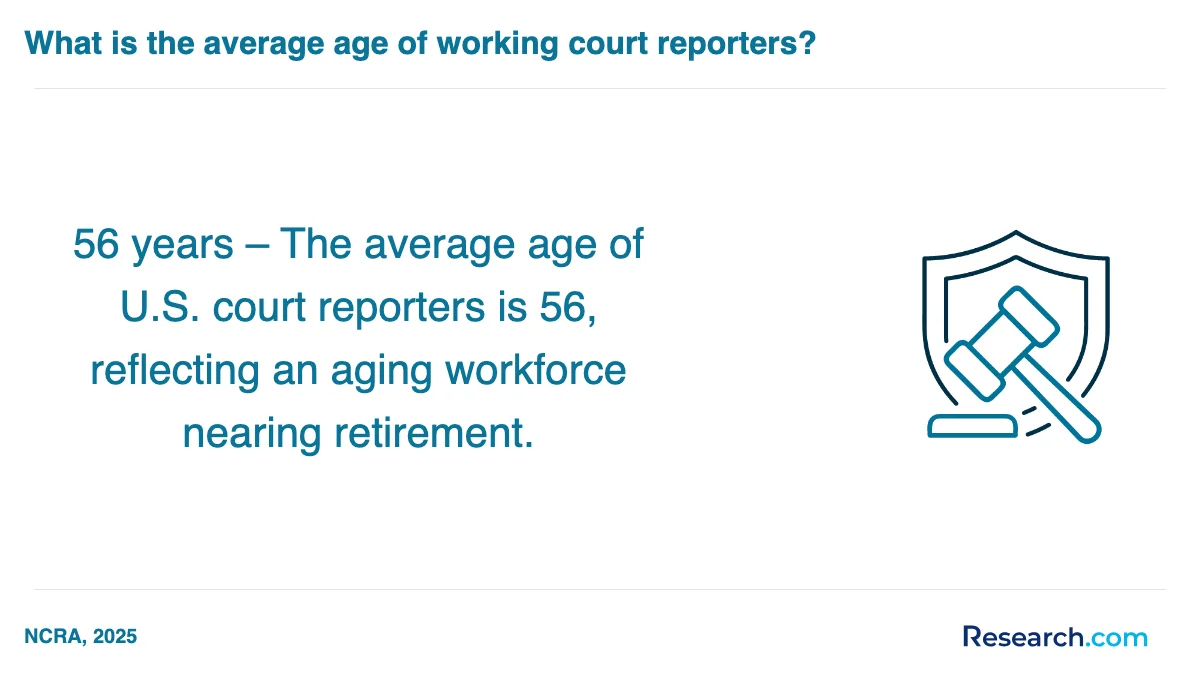
Students enrolled in court reporter trade school programs in Anoka, particularly at Anoka Technical College, engage in a well-rounded curriculum that prepares them for the fast-paced demands of courtroom transcription. Graduates often share how mastering Realtime Reporting courses-ranging from Orientation to advanced levels-was both challenging and rewarding, as they learned to capture spoken words at speeds of 180-225 words per minute, a critical skill for legal settings.
Core courses typically include:
- Business Law, which grounds students in legal principles affecting court reporting;
- Foundations of Law, offering insight into court structures and legal terminology that make transcripts accurate and meaningful;
- Judicial Reporting Procedures, where students practice courtroom protocol and ethical standards;
- Medical Terminology, essential for understanding expert testimonies;
- Transcription and English, focusing on grammar and punctuation to ensure clarity;
- Business Success for Realtime Careers, helping students navigate freelancing realities;
- Technology and Software Training, which equips students with skills to operate digital reporting tools.
Many graduates recall how integrating these courses with hands-on practice made the jump into professional roles smoother. The flexibility of in-person and online classes at Anoka's trade schools enables students to balance work and study, enhancing their confidence and readiness for the NCRA Registered Professional Reporter exam.
Court reporter trade school programs in Anoka offer diverse court reporter specializations in Anoka that prepare students for highly skilled careers. At popular institutions such as Anoka Technical College, students choose from focused tracks including Judicial Reporting, Broadcast Captioning, CART (Communication Access Realtime Translation), and Scoping/Proofreading. Graduates recall the intensity and satisfaction of mastering real-time legal transcription, often reaching speeds of 180-225 words per minute, essential for judicial reporting and captioning programs Anoka is known for.
These programs are designed with real-world applications in mind:
- Judicial Reporting trains students for courtrooms and legal settings, empowering them to capture proceedings with accuracy and speed.
- Broadcast Captioning prepares students to provide live captions for TV and online media, enhancing accessibility for viewers with hearing impairments.
- CART specialization enables communication access for the deaf or hard of hearing in various event settings.
- Scoping/Proofreading equips learners to refine transcripts, a flexible choice appreciated by those balancing other commitments.
Many find that these specializations align well with their career goals and lifestyles, confirming why Anoka programs maintain strong reputations among students and employers alike. To understand how these specializations can shape your professional journey within legal studies, explore the comprehensive legal studies career path that reflects these robust training options.
Choosing from the best court reporter trade schools in Anoka means prioritizing programs with strong accreditation and faculty expertise. Graduates from local colleges often praise instructors who combine theory with real-world practice, enabling students to gain confidence in using up-to-date technology like stenotype machines and real-time transcription software. When evaluating how to choose court reporter programs in Anoka, consider those offering flexible schedules, as many students balance coursework with part-time jobs or family commitments.
One common thread among successful alumni is the availability of support services such as job placement and internships, which help transition from classroom to courtroom smoothly. Attending a program near your residence in Anoka also reduces daily stress caused by long commutes, allowing greater focus on mastering skills essential to court reporting. Furthermore, exploring related professions through resources on what do paralegals do can broaden your understanding of the legal field and professional opportunities.
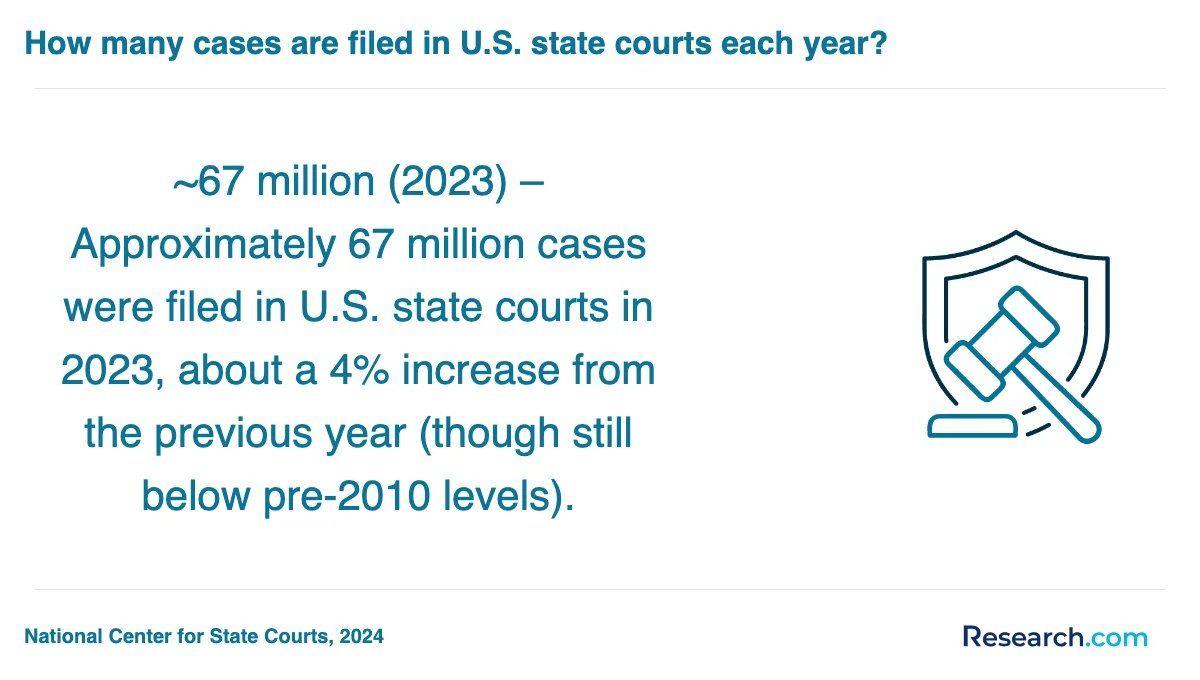
Graduates of court reporter trade school programs in Anoka find diverse career paths that extend beyond conventional roles. The most sought-after positions are judicial reporting jobs in Anoka Minnesota, with many working full-time for the Tenth Judicial District capturing precise court proceedings. For example, graduates from popular trade schools in Anoka often describe the rewarding challenge of assisting judges with accurate transcripts, illustrating their critical role within the legal system.
Other court reporter career opportunities in Anoka include freelance work, which offers flexibility and the chance to cover depositions and arbitrations for multiple clients. This path is ideal for those who value independence and varied projects, with wages in Minnesota reaching over $40 per hour for top earners. Remote reporting is also gaining traction, as graduates highlight the convenience of working from home during virtual hearings.
Many graduates pursue specialization in broadcast captioning or Communication Access Realtime Translation (CART), expanding their skillset to serve media and accessibility needs. Alongside these, related administrative roles leverage their attention to detail and transcription accuracy. For those considering complementary legal education, exploring how long is a paralegal certificate program may also prove beneficial.
The court reporter job market in Anoka presents a mixed picture for graduates from local trade schools. While salaries like the court reporter salary Anoka Minnesota range from around $64,000 to $78,000 annually, the job availability tends to be limited, with few employers actively recruiting. Graduates often share experiences of securing freelance assignments or part-time contracts as initial steps while waiting for full-time openings in local courts. Popular trade schools in Anoka emphasize practical skills that prepare students to navigate this competitive environment through flexibility and persistence.
Key factors to consider include:
- Median salaries near $54,100 in surrounding cities reflect entry-level wage realities.
- Top earners in the Minneapolis-St. Paul area make over $81,000, showing potential for advancement.
- Job growth projected at 13%-17% over the past decade indicates moderate long-term improvement, mainly from retirements.
Students balancing education and job search find success by exploring various work types, including freelance services as demand fluctuates by local court needs. For those interested in expanding their qualifications to improve job prospects, exploring the best online legal studies master's degree programs may offer strategic benefits.
Best Court Reporter Training Programs & Trade Schools - Top Court Reporting Schools in Anoka for 2026
# 1 position
Anoka Technical College - Court Reporting and Captioning/Court Reporter.
associateAnoka Technical College offers a hybrid Court Reporting and Captioning/Court Reporter program preparing students to record and transcribe legal proceedings using print or electronic methods. The curriculum covers legal terminology, transcription, shorthand, verbatim recording, equipment operation, regulations, and professional ethics. The program is accredited by the Higher Learning Commission. Annual in-state tuition is $6,267, and median earnings one year after completion are approximately $35,244.
# 2 position
Anoka Technical College - Court Reporting and Captioning/Court Reporter.
certificate or diplomaAnoka Technical College offers a hybrid Court Reporting and Captioning/Court Reporter program designed to train students in recording and transcribing legal proceedings through print or electronic methods. The curriculum covers legal terminology, transcription, shorthand, equipment operation, and professional ethics. The program is accredited by the Higher Learning Commission. Annual in-state tuition is $6,267, and median earnings one year after completion are approximately $35,244.
Frequently Asked Questions about court reporter
After completing a court reporter trade school in Anoka, preparing for the job market involves several key steps. First, obtaining certification from the National Court Reporters Association (NCRA) significantly improves employment prospects, as many employers in Minnesota prefer certified reporters. Networking through local legal and professional organizations in the Twin Cities area can also open doors to job opportunities, including freelance and official court reporting roles.
Building a strong resume that highlights specialized skills, such as realtime reporting and transcript editing, is essential. Additionally, staying updated on industry technology, including stenography software, helps candidates remain competitive.
According to the U.S. Bureau of Labor Statistics, court reporter employment in Minnesota is projected to grow by 2% through 2031, reflecting steady demand in the region.
Employers in Anoka seeking court reporter trade school graduates prioritize a mix of technical and soft skills. Proficiency in stenography is essential, as this skill directly impacts transcription accuracy and speed. According to the National Court Reporters Association, a minimum speed of 225 words per minute is often required for entry-level positions.
Attention to detail is critical because court reporters must produce verbatim records. Additionally, strong listening and comprehension abilities help in capturing complex legal terminology correctly.
Graduates should also demonstrate good time management and professionalism, as court reporting demands strict adherence to deadlines and ethical standards. Communication skills remain important for effective interaction with legal professionals in Anoka's judicial system.
Finding internships in Anoka relevant to court reporter trade school programs involves several strategic steps. Start by contacting local court systems, as many county courthouses in Minnesota offer internship opportunities for aspiring court reporters to gain practical experience. The Anoka County Court is a key place to inquire, as it frequently collaborates with educational institutions.
Additionally, trade schools often maintain partnerships with legal firms and government offices. Students should check with their school's career services or internship coordinators for leads and application guidance. According to the Minnesota Judicial Branch, internship availability in court reporting is steadily growing due to rising demand for accurate legal transcripts.
Networking with professional associations such as the National Court Reporters Association (NCRA) can also provide valuable internship leads. Online job boards specific to Minnesota's legal and court reporting fields offer listings regularly updated with relevant positions.
Obtaining a court reporter trade school diploma in Anoka significantly enhances career mobility and advancement opportunities. Graduates gain essential skills in transcription, legal terminology, and stenography, which are highly valued in local courts, law firms, and government offices. According to the Bureau of Labor Statistics, court reporter employment in Minnesota is projected to grow by 6% from 2022 to 2032, reflecting steady demand.
Holding a diploma can also lead to higher starting salaries, with entry-level court reporters in the region earning an average of $45,000 annually, rising to over $70,000 with experience and certification. Trade schools often provide networking connections, internships, and exam preparation that further support career progression in Anoka's legal sector.
Students enrolled in court reporter trade schools in Anoka can benefit from several part-time job opportunities that enhance their skills and provide practical experience. Positions such as transcriptionist or legal assistant are common choices, allowing students to develop typing speed, accuracy, and familiarity with legal terminology. According to the U.S. Bureau of Labor Statistics, Minnesota's demand for court reporters is projected to grow by 6% from 2022 to 2032, reflecting steady regional opportunities.
Local law firms and court offices in Anoka occasionally offer internships or part-time roles that complement coursework. These jobs help students understand courtroom procedures and improve real-time transcription abilities. Additionally, freelance captioning for educational or media companies can offer flexible schedules suitable for students balancing classes.
To find the best Court Reporter degree program near you in Anoka, MN, you can start by exploring local community colleges and technical schools, which often offer specialized programs in this area. Additionally, universities and institutions may provide further details about their offerings through their websites or career guidance departments. For those looking for insights and rankings in choosing an appropriate program near me, Research.com can be a helpful resource for identifying top institutions and programs.
- NCRF Student Intern Scholarship | NCRA https://www.ncra.org/home/the-profession/scholarships-and-grants/Student-Intern-Scholarship
- MCRA : Mississippi Court Reporters Association https://mscra.com/students/intern-with-licensed-reporters/
- Court Reporting Program | Five Towns College https://www.ftc.edu/cr/
- Court Reporting Certificate Program | College of Court Reporting https://ccr.edu/program/court-reporting-certificate/
- Judicial Reporting | Anoka Technical College https://www.anokatech.edu/programs/judicial-reporting/
- Current Openings | Superior Court of Los Angeles County Career Opportunities https://www.governmentjobs.com/careers/lasc/jobs/4810060/court-reporter-intern
- Interns & Volunteers | Superior Court of California | County of Santa Clara https://santaclara.courts.ca.gov/general-information/employment/interns-volunteers
- ICRA - Learn More https://www.iacra.org/Learn-More
- How to Become a Court Reporter in Minnesota (Certification & Guide) https://legalcareerpath.com/court-reporter-minnesota/
- Online Digital Court Reporting with Legal Transcription from Anoka Technical College and Anoka-Ramsey Community College https://careertraining.ed2go.com/arcc/training-programs/digital-court-reporter-and-legal-transcription/


