
Best Court Reporter Training Programs & Trade Schools - Top Court Reporting Schools in Ohio for 2026

Co-Founder and Chief Data Scientist
If you’re considering a career as a court reporter in Ohio, choosing the right trade school is essential. This article introduces the best court reporter trade schools in Ohio for 2026, helping you find programs that fit your goals and lifestyle.
The ranking featured here was created by the Research.com team of data scientists to guide you through reliable options. By exploring these programs, you can make an informed decision and take an important step toward a rewarding career.
Getting a diploma or certification in court reporting opens doors to stable job opportunities and professional growth. This article is designed to support your journey and boost your confidence as you explore your education options.
Key benefits of finishing court reporter trade school in Ohio
- Graduates from court reporter trade schools in Ohio can expect starting salaries around $30,419, with the potential to earn up to $77,819 or more as they gain experience and certifications.
- Career paths include roles such as official court reporter, freelance reporter, or realtime captioner, offering diverse opportunities for growth and specialization after completing a trade school program.
- Completing an online court reporter trade school offers flexibility and convenience, allowing students to balance work and study while gaining the skills needed to enter the workforce faster than traditional degree programs.
- Best Court Reporter Training Programs & Trade Schools - Top Court Reporting Schools in Ohio for 2026
- What can I expect from court reporter trade schools in Ohio?
- Where can I work after finishing court reporter trade schools in Ohio?
What can I expect from court reporter trade schools in Ohio?
Enrolling in a court reporter trade school program in Ohio means diving into a blend of hands-on training and technology-driven coursework designed to prepare you for real courtroom environments. Graduates from Stark State and Clark State often describe mastering realtime translation and transcription techniques, gaining confidence as they reach speeds of 225 words per minute with impressive accuracy. Imagine yourself working alongside experienced court reporters during a 75-hour internship, transcribing actual legal proceedings and developing skills that will set you apart professionally.
At Tri-C, students appreciate the flexibility of digital reporting and transcription certificates that can be completed in just two semesters, allowing for a quicker start in this rewarding career. You'll get familiar with cutting-edge software like Dragon speech recognition and Eclipse translation, turning complex court jargon into clear, precise transcripts.
Beyond skill-building, Ohio's programs emphasize ethics and legal procedures, ensuring you are ready to meet professional standards. Many graduates highlight the excitement of entering diverse roles-from courtroom reporting to freelance captioning-with strong job placement support fueling their success.
Where can I work after finishing court reporter trade schools in Ohio?
Graduates from court reporter trade schools in Ohio often find rewarding opportunities within county and municipal courts, including bustling Common Pleas Courts in cities like Columbus and Cleveland. Many share how stepping into roles as Official Court Reporters brought a sense of pride, as they contributed directly to the justice system by capturing every word during trials and hearings. Some opt for flexible per diem positions, which let them balance work with personal commitments while gaining valuable experience.
Others discover exciting paths beyond the courtroom, such as providing live captioning for local TV broadcasts or major events, especially when trained in real-time transcription technology. Trade school alumni frequently mention how this dynamic work keeps them engaged and connected to their communities.
Additionally, some graduates leverage their expertise to teach captioning or court reporting at academic institutions, inspired by the chance to mentor new students. A few even transition into specialized legal roles like deputy court clerks, where their transcription skills enhance investigative work. These diverse career paths reflect the practical training and certification opportunities that Ohio trade schools provide, fueling graduates' confidence and growth.
After finishing a court reporter trade school program in Ohio, many graduates find themselves stepping into a career with promising financial rewards. Starting salaries often range from about $36,000 to $44,000 annually, which feels exciting for new professionals eager to apply their skills. For example, graduates from popular Ohio trade schools share how landing entry-level jobs in cities like Columbus quickly boosted their confidence as they earned around $36,270 per year.
With just a few years of experience, those same graduates see their earnings rise noticeably, often to $43,000 or more. One graduate recounted how after gaining real-time reporting certifications, they secured a position that paid closer to $53,000, which made daily expenses and saving for the future feel much more manageable.
Veteran court reporters with over a decade of experience, especially in larger Ohio cities, can earn upwards of $61,000 to $76,000 annually. This growth reflects not only skill but also the value employers place on specialized certifications and the ability to handle high-demand assignments. Graduates from Ohio's trade schools often express feeling proud and motivated as they see their career and salary grow hand in hand.
- Ohio does not require court reporters to be state-licensed, but attending an accredited trade school program is important for training.
- Programs usually require 48 to 65 credit hours and include a mandatory internship of at least 75 hours with a 40-page transcript project.
- Tuition per credit hour ranges from $124.54 to $194.60 depending on the school and residency, with total costs around $8,000 to $13,000 for a full program.
- Students must pass speed tests up to 225 words per minute with at least 95% accuracy to complete the program.
- Starting salaries for court reporters in Ohio are about $40,000 to $45,000, with experienced reporters earning $60,000 or more.
- National certifications like RPR or CRR are preferred by employers and require continuing education to maintain.
Completing a court reporter trade school program in Ohio typically takes about 18 to 24 months, depending on the school and the student's pace. Graduates from well-known Ohio trade schools often share how immersive the programs feel, allowing them to balance work or family while steadily advancing their skills. One graduate described the journey as challenging but rewarding, with each module building confidence in real-time transcription and legal terminology.
Many Ohio trade schools offer flexible scheduling options, including evening and weekend classes, which can shorten or extend the completion time based on individual needs. Students often appreciate this adaptability, especially those juggling multiple responsibilities. For example, a graduate from a Cincinnati-based trade school mentioned how the structured yet flexible curriculum helped them stay motivated and finish ahead of schedule.
Hands-on training combined with real-world scenarios in Ohio's court reporter programs creates a dynamic learning experience. This practical approach helps students envision themselves in courtroom settings, making the months of study feel purposeful and energizing. The comprehensive training ensures graduates are ready to step confidently into their new careers.
Online court reporter programs in Ohio offer unmatched flexibility, letting students study from anywhere in the state without the hassle of commuting. Graduates from these programs often share how the ability to watch video lectures late at night or during breaks at work made balancing family and education feel achievable. For example, students enrolled through schools like Stark State College praise the convenience of downloadable materials and self-paced audio dictation exercises that fit into busy lives.
On the other hand, many on-campus students at institutions such as Clark State College highlight the energizing atmosphere of face-to-face interactions. They value practicing in mock courtrooms and receiving immediate feedback from instructors, which helps build confidence. These students often describe the camaraderie and networking opportunities that come from meeting peers in person and participating in local internships arranged through established campus connections.
Hybrid programs combining online and on-campus elements are gaining popularity in Ohio, offering a blend of flexibility with hands-on learning. This approach suits those seeking both independence and structured support as they prepare for careers in court reporting.
The average cost court reporter trade school Ohio students face varies significantly depending on the institution and residency status. Many graduates share that attending community colleges, such as Cuyahoga Community College, offers an affordable route with tuition fees around $6,700 for in-state residents over two years. This option attracts those looking for quality training without overwhelming financial burden, fostering confidence in their future prospects.
Some who pursue bachelor's degrees at state colleges highlight tuition fees that range broadly from $5,000 to $23,000 annually. This wider range reflects different factors such as program depth and campus resources. Graduates often recall balancing costs and program benefits, appreciating how these investments translate into career readiness in an evolving legal landscape.
For-profit schools, popular among students valuing flexible schedules, have diploma and associate degree programs costing approximately $7,000 to $12,000. A few graduates mention that specialized certificate courses, like those offered by Bryan College recognized by the National Court Reporters Association, cost near $9,000 to $10,000 yet provide a strong credential that opens doors quickly.
Online court reporting programs, appealing to those juggling work and study, typically cost between $4,000 and $12,000. The Arkansas School of Court Reporting's 36-week course, an example approved by the National Verbatim Reporters Association, charges around $4,400 to $5,000. Many alumni appreciate the convenience and cost-effectiveness, highlighting the ability to maintain income while training.
While comparing tuition fees court reporting programs Ohio-wide, prospective students often find it helpful to explore every option carefully. Hearing the positive experiences of graduates can make the decision process feel more manageable and inspiring. For anyone curious about related legal support roles and the daily life involved, learning more about whats it like to be a paralegal can offer additional career perspective.

Financial aid options for court reporter trade school students in Ohio are both diverse and accessible, easing the path for many pursuing this specialized career. Graduates from Clark State Community College often recall how the Kay Frazier Court Reporting Scholarship, offering up to $500, helped them focus on studies without constant financial stress. Completing the FAFSA opens doors to federal grants like the Pell Grant and subsidized loans, which many students at Ohio's public court reporting programs rely on to cover tuition and living costs.
Professional association scholarships add another layer of support. Students connected with the National Court Reporters Association have shared how merit-based awards up to $5,000 and specific scholarships like the Frank Sarli Memorial Scholarship made equipment purchases and tuition far more affordable. Joining local groups such as the Ohio Court Reporters Association also provides ongoing financial incentives and a sense of community, making the daunting expenses of trade school feel manageable and encouraging.
Enrolling in a court reporter trade school program in Ohio usually requires a high school diploma or GED, setting a clear foundation for success. Many Ohio trade schools emphasize strong English skills and basic computer literacy, since these are vital for mastering stenography software and real-time transcription. Graduates often recall how having a firm grasp of grammar and typing sped up their learning curve, making their early days more rewarding than stressful.
Typical prerequisites include:
- High school diploma or equivalent
- Basic proficiency in English grammar and spelling
- Computer familiarity, especially with transcription tools
- Typing speed of around 40 words per minute, which can often be improved through preparatory courses
At popular Ohio trade schools, students have shared that meeting these requirements boosted their confidence, allowing them to focus on developing speed and accuracy rather than struggling with fundamentals. Picture starting a day in class already comfortable with keyboarding, surrounded by peers equally eager to succeed-this creates a motivating atmosphere that many graduates describe as inspiring and supportive.

Ohio's court reporter trade schools typically offer a mix of practical and technical courses tailored for the demands of modern judicial settings. Graduates often reflect positively on how these programs prepare them for real-world challenges, blending theory with hands-on experience.
Students can expect core courses such as:
- Introduction to Stenographic Court Reporting: This course grounds students in stenography basics, helping them appreciate the history and significance of their craft.
- Realtime Theory and Applications: Many graduates recall the excitement of mastering realtime transcription, enabling them to provide instant courtroom records.
- Court Reporting Technology: From computerized stenography machines to digital transcription software, learners get familiar with cutting-edge tools essential for accuracy and efficiency.
- Speedbuilding and Transcription: Rigorous practice at speeds like 225 words per minute builds confidence and precision, a challenge students often describe as rewarding.
- Legal and Medical Terminology: Understanding specialized vocabulary ensures transcripts are flawless, a skill praised by those entering legal environments.
- Ethics and Professionalism: Emphasizing ethical responsibility, this course prepares students for the integrity needed in judicial settings.
Internships are a highlight at popular Ohio trade schools, where students complete 75-hour practicums, producing actual court transcripts under supervision. Many graduates share how this real-life exposure boosted their readiness and enthusiasm for a court reporting career.
In Ohio, court reporter trade school programs offer several specialized paths designed to meet the needs of diverse career ambitions. Graduates from programs at Stark State College and Clark State College often highlight the hands-on experience they gained in Stenographic Court Reporting, where the use of a stenotype machine enables fast and accurate transcription in judicial settings. This traditional skill remains essential for many official court reporting jobs.
Other students at Cuyahoga Community College find great value in the Voice Writing specialization, where they use speech recognition technology by speaking into microphones or masks linked to sophisticated software. This modern approach aligns well with emerging careers, especially in real-time reporting for live events in Ohio.
- Stark State and Clark State focus on stenographic methods for legal transcription services in Ohio
- Cuyahoga Community College emphasizes voice writing paired with captioning skills
- Tri-C offers an online Digital Reporting and Transcription track, ideal for those balancing work and study
Students appreciate how these programs prepare them for various roles, from freelance reporting to official court duties, adapting to the evolving demands of the legal field. For those curious about the educational background best suited for legal careers, this insight pairs well with exploring what kind of law degree is the easiest to study.
When considering how to choose the best court reporter trade school program in Ohio, flexibility matters. Students juggling work and family responsibilities appreciate Tri-C's fully online Captioning and Court Reporting program, which allows them to learn at their own pace without sacrificing quality. Additionally, programs with diverse specializations-ranging from legal terminology to realtime digital reporting-prepare students for evolving career demands.
The best court reporter trade schools in Ohio also provide strong professional development through partnerships with organizations like the Ohio Court Reporters Association, offering scholarships and networking. Tuition costs vary, so exploring financial aid options is essential; for instance, Cuyahoga Community College charges around $124 per credit hour for residents. Finally, those interested in related online opportunities might consider checking easiest homeland security programs online for flexible study options.
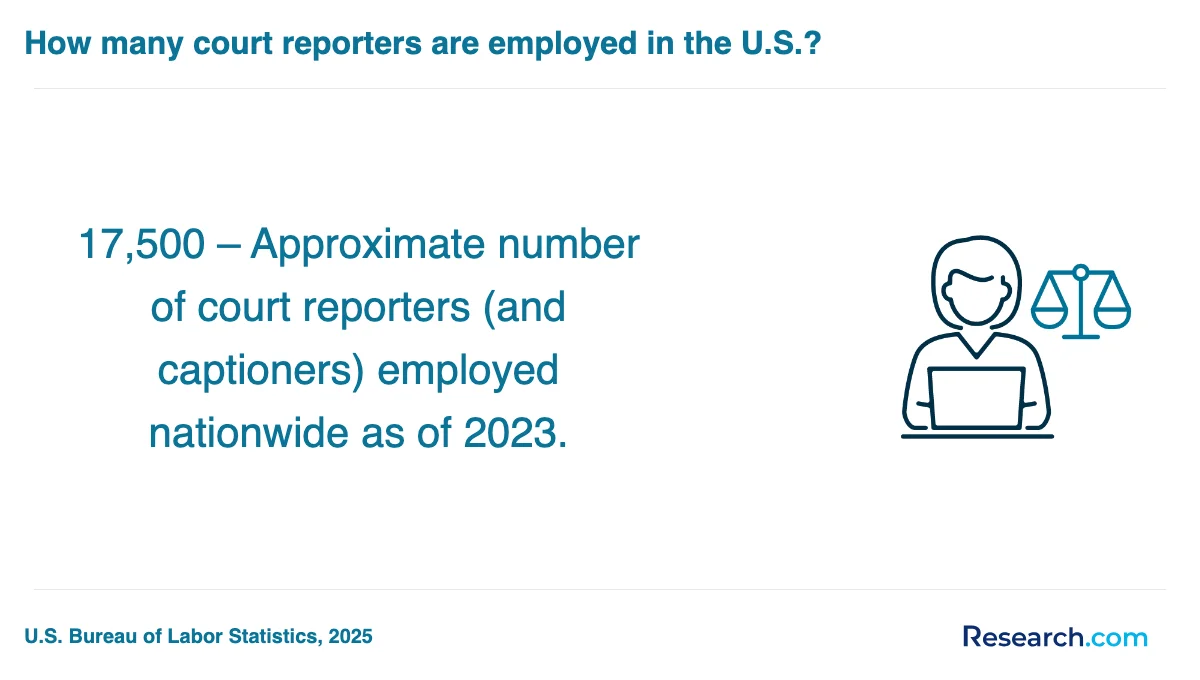
Graduates of court reporter trade school programs in Ohio often find themselves entering dynamic court reporter jobs in Ohio, with roles such as Official Court Reporter in municipal and federal courts. Many graduates from popular Ohio trade schools share how they enjoy the pride of creating accurate legal transcripts that support the justice system. Beyond these traditional settings, Ohio-trained reporters also branch out into versatile fields, including independent freelance reporting, where they can control their schedules and income based on hourly and per-page rates.
Some graduates highlight the rewarding experience of working as agency freelancers who balance the flexibility of remote work with benefits and salaried positions. Others embrace opportunities in broadcast captioning and Communication Access Realtime Translation (CART), helping hard-of-hearing audiences access live media with immediacy and clarity. These career opportunities for Ohio court reporting graduates reflect expanding demand driven by accessibility needs.
Additionally, graduates increasingly pursue teaching or editorial roles within Ohio's educational programs, passing their expertise onto the next generation. Ohio's court reporter schools emphasize credentials like the Registered Professional Reporter (RPR) credential and becoming a Notary Public, crucial for credibility and legal responsibilities.
For prospective students exploring career paths, gaining an accredited certificate from a trade school in Ohio opens many doors, including some unexpected ones outside the courtroom. Those curious about related fields might also consider cybercrime degrees online for complementary tech skills that broaden career horizons.
Graduates from Ohio's popular court reporter trade schools often find that the court reporter job outlook in Ohio remains steady with promising opportunities. Many alumni share how their training prepared them for roles in county courts such as Franklin or Lucas, where positions are reasonably stable despite a modest growth rate near 2.1%. Key factors boosting their confidence include mastering real-time reporting skills and earning certifications like the Registered Professional Reporter credential.
Job seekers report several advantages when entering this field:
- Competitive annual salaries typically range from $67,000 to $72,000, often supplemented by fees and bonuses.
- Roles are available not just in courtrooms but also in related areas like legal transcription and captioning.
- Flexible options including freelance or part-time work provide a balanced lifestyle for many graduates.
Ohio's legal system keeps demand consistent, rewarding those who stay current with industry standards. For students considering pathways in Ohio, exploring best paralegal online programs alongside court reporting could broaden career prospects in law-related fields.
Overall, awareness of court reporter salary and employment trends Ohio-wide helps prospective students realistically gauge their future in the trade and plan accordingly.
Best Court Reporter Training Programs & Trade Schools - Top Court Reporting Schools in Ohio for 2026
# 1 position
Cuyahoga Community College District - Court Reporting and Captioning/Court Reporter.
associateThe Court Reporting and Captioning/Court Reporter program at Cuyahoga Community College District offers a hybrid format with some distance education options. It prepares students to accurately record and transcribe legal proceedings using print or electronic methods. The curriculum covers legal terminology, shorthand, equipment operation, and professional ethics. Annual in-state tuition is $3,736. Graduates earn a median income of $27,968 one year after completion. The program is accredited by the Higher Learning Commission.
# 2 position
Cuyahoga Community College District - Court Reporting and Captioning/Court Reporter.
certificate or diplomaThe Court Reporting and Captioning/Court Reporter program at Cuyahoga Community College District offers a hybrid format with some distance education options. It prepares students to transcribe legal proceedings using print or electronic methods, covering legal terminology, transcription, shorthand, and equipment operation. The program is accredited by the Higher Learning Commission. Annual in-state tuition is $3,736, and median earnings one year after completion are approximately $27,968.
# 3 position
Clark State College - Court Reporting and Captioning/Court Reporter.
associateClark State College offers a hybrid Court Reporting and Captioning/Court Reporter program that prepares students to transcribe legal proceedings and official communications using print or electronic methods. The curriculum covers legal terminology, transcription, shorthand, verbatim recording, equipment operation, regulations, and professional ethics. The annual in-state tuition is $4,200. The program is accredited by the Higher Learning Commission.
# 4 position
Clark State College - Court Reporting and Captioning/Court Reporter.
certificate or diplomaClark State College offers a Court Reporting and Captioning/Court Reporter program that prepares students to accurately record and transcribe legal and formal proceedings using print or electronic methods. The curriculum covers legal terminology, shorthand, verbatim recording, equipment operation, regulations, and professional ethics. The program is accredited by the Higher Learning Commission, and the annual in-state tuition is $4,200.
# 5 position
Stark State College - Court Reporting and Captioning/Court Reporter.
associateStark State College offers a hybrid Court Reporting and Captioning/Court Reporter program that trains students to accurately record and transcribe legal proceedings using print or electronic methods. The curriculum covers legal terminology, transcription, shorthand, equipment operation, and professional ethics. Annual in-state tuition is $4,670. Graduates have a median earning of $22,149 one year after completion. The program is accredited by the Higher Learning Commission.
Frequently Asked Questions about court reporter
After completing court reporter trade school in Ohio, it is essential to obtain certification to improve job prospects. The National Court Reporters Association (NCRA) offers the Registered Professional Reporter (RPR) credential, widely recognized by employers nationwide. Preparing for the RPR exam involves consistent practice and mastery of transcription speed and accuracy.
Networking within Ohio's legal and transcription communities can also be beneficial. Joining local associations or attending industry events helps graduates connect with potential employers and stay informed about job openings.
Additionally, gaining familiarity with Ohio's specific courtroom procedures and technology enhances readiness for employment in state courts or private firms.
Employers hiring court reporter graduates in Ohio prioritize several key skills essential for accurate and efficient transcription. Strong proficiency in stenography is critical, as it enables rapid and precise capture of spoken words during legal proceedings. According to the National Court Reporters Association, a minimum speed of 225 words per minute is often expected.
Attention to detail is another vital skill, ensuring transcripts are error-free and reflect exact legal language. Additionally, familiarity with legal terminology and procedures improves a court reporter's effectiveness on the job. Good listening skills and the ability to work under pressure are also highly valued by Ohio employers.
Technical aptitude with transcription software and digital recording equipment is increasingly important, reflecting advancements in court reporting technology.
Finding internships relevant to court reporter trade school programs in Ohio involves several strategic steps. Start by contacting your trade school's career services office, as many maintain partnerships with local courts and law firms that offer internship opportunities. Ohio courts, including municipal and county courts, often post internship openings for aspiring court reporters.
Networking is also crucial. Joining professional organizations such as the Ohio Court Reporters Association (OCRA) can provide access to internship listings and mentorship. According to the U.S. Bureau of Labor Statistics, internships increase employment chances by up to 60% in court reporting fields nationally.
Additionally, explore state government websites and job boards like OhioMeansJobs, which frequently list internships related to court reporting. Early application and follow-up are key, as positions can be competitive.
A court reporter trade school diploma in Ohio serves as a key credential for entering and advancing within the court reporting profession. Graduates gain specialized skills in transcription technology, legal terminology, and real-time reporting, which are highly valued by employers such as courts, law firms, and government agencies.
According to the Bureau of Labor Statistics, Ohio's employment of court reporters is projected to grow by 8% from 2022 to 2032, slightly faster than the national average. Holding a diploma from an accredited trade school can improve job prospects and provide eligibility for certification exams like the Registered Professional Reporter (RPR).
Certification often leads to higher wages and greater career mobility, as many Ohio employers prefer or require certified reporters. Additionally, trade school graduates can explore roles beyond traditional court reporting, including captioning and CART services, expanding advancement opportunities.
Students enrolled in court reporter trade schools in Ohio can benefit from part-time jobs that develop relevant skills and industry experience. Positions such as transcriptionist or legal assistant offer practical exposure to legal terminology and courtroom procedures. According to the U.S. Bureau of Labor Statistics, Ohio's demand for court reporters is steady, with expected job growth of about 4% through 2031, highlighting the value of hands-on experience.
Additionally, working as a freelance captioner or a remote stenographer allows students to practice real-time typing and transcription, skills critical for court reporting. These roles offer flexible hours, fitting well around class schedules.
Employers in Ohio's legal and media sectors often seek candidates with both education and practical experience, making these part-time roles a strategic complement to formal training.
Yes, there are court reporter degree programs available near Ohio. Many community colleges and universities offer specialized training and degrees in court reporting, focusing on real-time reporting and transcription skills. Research.com can be a helpful resource for finding specific programs and determining which ones are ranked as the best near me.
- Best Court Reporter Training Programs & Trade Schools - Top Court Reporting Schools in Pennsylvania for 2026
- Best Court Reporter Training Programs & Trade Schools - Top Court Reporting Schools in Illinois for 2026
- Best Court Reporter Training Programs & Trade Schools - Top Court Reporting Schools in New York for 2026
- Best Court Reporter Training Programs & Trade Schools - Top Court Reporting Schools in Wisconsin for 2026
- Best Court Reporter Training Programs & Trade Schools - Top Court Reporting Schools in Alabama for 2026
- Best Court Reporter Training Programs & Trade Schools - Top Court Reporting Schools in Florida for 2026
- Best Court Reporter Training Programs & Trade Schools - Top Court Reporting Schools in Minnesota for 2026
- Best Court Reporter Training Programs & Trade Schools - Top Court Reporting Schools in Kansas for 2026
- Best Court Reporter Training Programs & Trade Schools - Top Court Reporting Schools in Texas for 2026
- Best Court Reporter Training Programs & Trade Schools - Top Court Reporting Schools in Arizona for 2026
- Ohio Court Reporting Schools | How to Become a Court Reporter by Meeting License Requirements in OH https://www.courtreporteredu.org/ohio/
- Judicial Court Reporting | Clark State College https://www.clarkstate.edu/academics/degrees-and-certificates/school-of-business-and-applied-technologies/judicial-court-reporting/
- Online Court Reporting Schools | Stark State College https://www.starkstate.edu/academics/programs/judicial-court-reporting/
- Court Reporter https://www.starkcountyohio.gov/_T106_R644.php
- Online Digital Court Reporting with Legal Transcription from Cincinnati State https://careertraining.cincinnatistate.edu/training-programs/digital-court-reporter-and-legal-transcription/
- OCRA | Ohio Court Reporters Association http://www.ocraonline.com/aws/OCRA/pt/sp/education_certification
- Best Court Reporting Schools In Ohio - Court Reporter Prep http://courtreporterprep.com/best-court-reporting-schools-in-ohio/
- Dayton, Ohio Court Reporter Programs https://www.trade-school.com/programs/Court-Reporter/OH/Dayton
- Court reporting as a second career https://www.thejcr.com/2017/07/30/court-reporting-as-a-second-career/
- How to Navigate a Challenging Job Market - McCorkle https://mcdeps.com/how-to-navigate-a-challenging-job-market/


