Best Court Reporter Training Programs & Trade Schools - Top Court Reporting Schools in Texas for 2026

Co-Founder and Chief Data Scientist
Choosing the right court reporter trade school in Texas can shape your future career and open doors to exciting opportunities. This article introduces a detailed ranking of court reporter trade school programs crafted by the Research.com team of data scientists, designed to help you make an informed decision.
By exploring these top programs, you’ll discover valuable insights into quality education options that lead to respected diplomas or certifications. Whether you’re starting fresh or seeking a career change, this guide supports your journey toward success in court reporting.
Key benefits of finishing court reporter trade school in Texas
- Graduates from court reporter trade schools in Texas can expect strong starting salaries, with entry-level reporters earning around $76,887 per year, reflecting great earning potential early in their careers.
- Career paths often include roles in legal settings, broadcast captioning, and freelance reporting, offering diverse opportunities as shown by successful alumni from top Texas trade schools.
- Completing a court reporter program online provides flexibility and convenience, allowing students to balance life and studies effectively, as experienced by many online graduates from well-known Texas trade schools.
- Best Court Reporter Training Programs & Trade Schools - Top Court Reporting Schools in Texas for 2026
- What can I expect from court reporter trade schools in Texas?
- Where can I work after finishing court reporter trade schools in Texas?
What can I expect from court reporter trade schools in Texas?
Enrolling in a court reporter trade school program in Texas means diving into an intense yet rewarding curriculum built around mastering stenographic shorthand, legal terms, and transcription technology. Graduates from popular Texas trade schools often recall the challenge of reaching speeds up to 225 words per minute with near-perfect accuracy-standards essential for passing state certification exams. Expect to split your time between theory classes and rigorous speed building exercises, where repeated practice and timed drills push your abilities closer to professional levels.
Hands-on learning is a cornerstone. Many students share how job shadowing and internships in local courts helped them connect textbook knowledge with real courtroom dynamics. Ethical training and courtroom procedure classes prepare you to handle legal exhibits and maintain professional standards confidently. Flexible formats, including online options, make balancing study with life easier.
Graduates appreciate the clear pathway these programs offer: whether pursuing an associate degree or a shorter certificate, the goal is immediate employment. Success stories highlight strong job prospects and competitive salaries in Texas, which makes the effort feel worthwhile every step of the way.
Where can I work after finishing court reporter trade schools in Texas?
Graduates of court reporter trade schools in Texas often find employment in a variety of legal settings across the state. Many secure official court reporter roles at federal, state, and county courts, including the U.S. District Court for the Western District of Texas, where full-time positions with competitive salaries are common. For example, graduates from popular Texas trade schools have landed jobs in courts located in Austin, Houston, and Dallas, enjoying steady work and comprehensive benefits.
Others pursue freelance or contract work, transcribing depositions and arbitrations for law firms. This path offers flexibility, allowing reporters to balance work schedules with personal commitments, often working remotely or on-site. Many Texas-trained reporters also join government agencies or specialize in electronic court reporting, using digital tools instead of traditional stenography.
Some graduates expand into related fields like closed captioning or real-time transcription for the hearing impaired, leveraging their skills beyond courtrooms. Holding a Certified Shorthand Reporter license, which most Texas employers require, further opens doors in these diverse career paths.
Graduates of court reporter trade school programs in Texas often find themselves entering a profession with solid earning potential. For example, many who complete well-known Texas trade schools report starting salaries near $58,200 annually, which provides a realistic foundation for budgeting and life planning right after graduation.
As they gain experience, these graduates typically see their incomes rise. It's common to move into the $75,000 to $93,000 range within a few years, especially if you work in larger cities like Austin, where official court reporters average around $79,842 per year. Imagine working in the heart of Texas's capital, supporting the legal system, and earning close to $38 an hour-many graduates find this rewarding both financially and professionally.
Some seasoned court reporters reach top earnings of $110,000 or more annually by building reputations and certifications. This steady progression makes the career appealing for those who want to start with trade school skills and grow into a stable, well-paid role over time.
- Applicants need a high school diploma or GED equivalent to enroll in court reporter trade school programs in Texas.
- Program lengths vary, with associate degrees typically taking up to 36 months and certificate programs sometimes completed in one year.
- Training focuses on reaching shorthand speeds of 225 words per minute with 95-96% accuracy and includes legal terminology and computer-aided transcription skills.
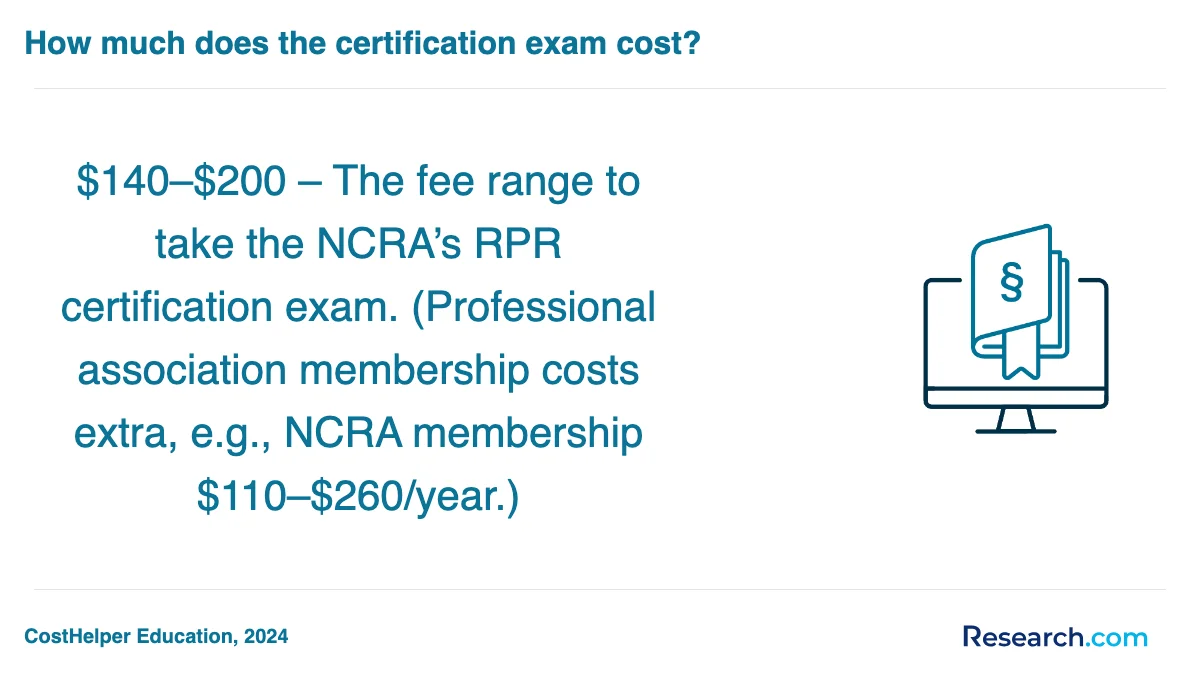
- Certification requires passing a Texas exam with fees of $75 for the written test, $125 for the skills test, or $190 for both combined, plus continuing education every two years.
- Tuition generally ranges from $4,000 to $10,000, with some online programs offering lower costs and potential financial aid available.
- The median salary in the San Antonio-New Braunfels area is $83,280, with some courthouse positions paying up to $108,000 annually with benefits.
Completing a court reporter trade school program in Texas typically takes around two years, though some students finish slightly faster depending on their pace and program intensity. Graduates from well-known Texas trade schools often share that the hands-on approach and focused curriculum make the time feel productive and engaging rather than overwhelming.
For example, many students find that balancing real-time transcription practice with classroom instruction accelerates their learning. One graduate recalled that dedicating consistent daily hours to mastering shorthand and transcription tools helped them complete the program confidently within 18 to 24 months.
Trade schools in Texas emphasize practical skills alongside theory, which means students quickly gain the confidence to handle live court scenarios. This structure keeps motivation high because learners see clear progress as they move through the program.
In real life, this means you can start building your career as a certified court reporter in about two years-a manageable timeline that fits well with most students' work and personal commitments in Texas.
Online court reporter programs in Texas, like those at Lamar State College Orange and San Antonio College, offer flexible schedules that fit well around work or family commitments. Graduates often appreciate being able to progress through speed-building exercises at their own pace using digital platforms and video conferences. For example, students in Lamar State's fully online program enjoy the freedom to practice shorthand remotely while still meeting certification standards like the CSR.
On the other hand, on-campus programs provide hands-on experiences with equipment and face-to-face interaction, which many students find motivating and helpful for immediate feedback. Those attending schools like the University of Houston-Downtown often benefit from direct access to campus resources and networking with local legal professionals. Some students prefer the structured routine on-campus programs offer, helping them stay disciplined and connected.
Hybrid options, such as the University of Houston-Downtown's interactive online courses combined with optional monthly in-person meetings, offer a balanced approach. Both formats prepare students for Texas certification exams, but the choice often comes down to personal learning style and lifestyle needs.
The average tuition fees for court reporting programs in Texas can vary widely depending on the type and length of the institution attended. Graduates from proprietary schools often report paying between $35,000 and $57,000, reflecting the comprehensive, specialized training they receive in a relatively shorter time frame. For example, some students at Arlington Career Institute complete an online Court Reporting Steno Machine Program for $22,000 in about 15 months, which many find to be a focused yet affordable path.
Conversely, community college programs tend to be more affordable on a per-credit-hour basis, but they often stretch beyond 36 months, which can increase the total expenses for court reporter training in Texas. Graduates who chose schools like Del Mar College note paying in-state tuition around $4,872, making it a budget-friendly option if time is not a constraint. At Mark Kislingbury Academy of Court Reporting, students pay about $575 monthly over 18 to 24 months, which some find easier to budget over time.
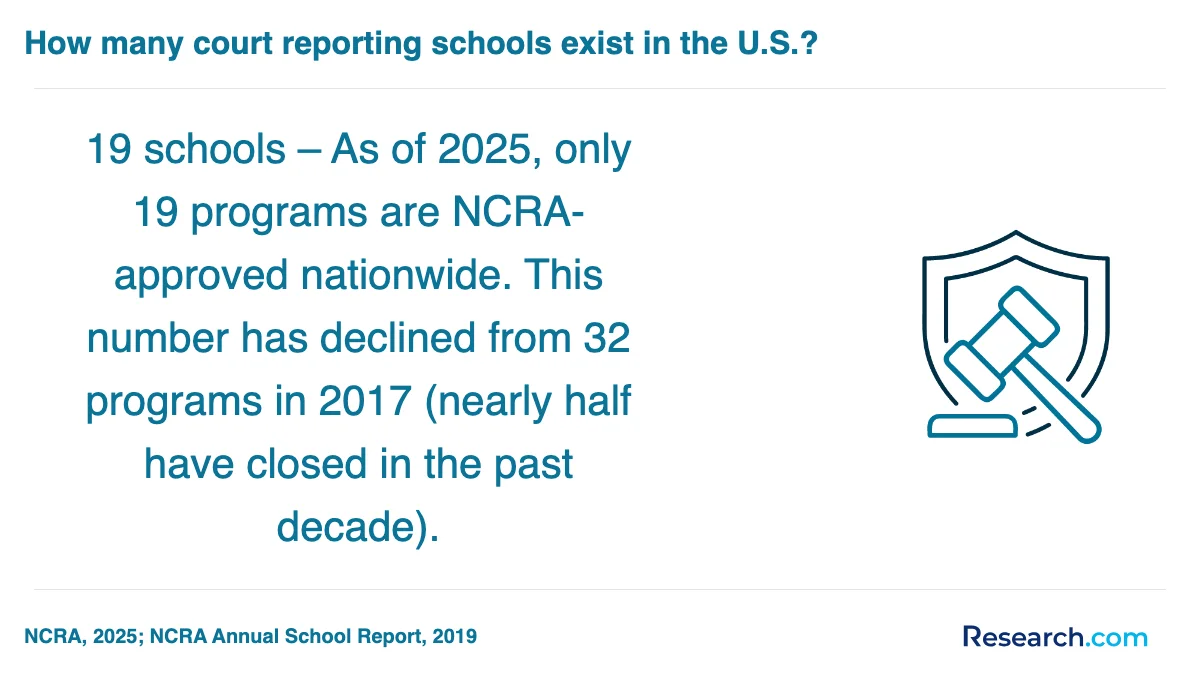
Keep in mind, these figures typically exclude essential costs like Computer-Aided Transcription (CAT) software, stenograph machines, books, and software, which can add several thousand dollars to the overall budget. To make the most informed financial decisions, prospective students should explore scholarships and federal aid through FAFSA. This practical approach helps many avoid financial surprises while pursuing court reporting. For those needing guidance on related career pathways, understanding the criminalist degree required can sometimes intersect with court reporting skills in forensic contexts.
Court reporter trade school students in Texas can access various financial aid options that make pursuing their education more manageable. Graduates from popular Texas trade schools often recall how federal aid like Pell Grants and Stafford Loans helped cover tuition expenses after submitting their FAFSA. This federal support is crucial for many, especially when balancing work and study schedules.
State-specific scholarships such as the Jaye Thompson Student Scholarship from the Texas Court Reporters Association have provided real relief to students committed to advancing their skills. Many students found that submitting a thoughtful essay as part of the application process was a rewarding challenge that strengthened their professional focus.
Private scholarships, like those from The Court Reporting Academy's Digital Court Reporter Scholarship Program, offer funding for digital courses and access to professional software, which graduates often say boosted their confidence and readiness for real-world assignments.
National merit-based scholarships from the National Court Reporters Association also play a significant role, with awards up to $5,000 helping students afford necessary equipment and specialized training. Graduates highlight how meeting GPA and speed requirements for awards like the Maria Stahl Court Reporting Scholarship motivated them to excel academically while easing financial stress.
To enroll in a court reporter trade school program in Texas, applicants typically need a high school diploma or GED. This basic educational foundation ensures students are prepared for the rigorous coursework ahead. Graduates from popular Texas trade schools often share that meeting this requirement was straightforward but essential for success.
Additional prerequisites usually include:
- Proficiency in English, especially grammar and punctuation, since court reporting demands precise transcription skills.
- Basic computer skills, as many schools incorporate digital stenography and transcription software into their curriculum.
- Sometimes, schools require a placement test to assess typing speed or language skills before acceptance.
For example, students at well-known Texas trade schools report feeling confident starting their programs because they had solid typing skills and a passion for detail-oriented work. These prerequisites help ensure students can keep pace with fast, real-world court reporting scenarios, making the learning process smoother and more rewarding.
Texas court reporter trade schools focus on practical skills that prepare you for a fast-paced legal environment. Graduates often share how mastering machine shorthand was a game-changer, allowing them to keep up with real courtroom conversations at speeds of 225 words per minute with impressive accuracy. These programs typically include courses like:
- Machine shorthand (stenography) with hands-on practice using steno machines in "Speed Building" and "Testimony Dictation" classes.
- Computer-aided transcription (CAT) technology, teaching how to convert shorthand into clear, official transcripts using industry software.
- Legal and medical terminology to confidently handle specialized vocabulary encountered during depositions and trials.
- Business law and courtroom procedures, which cover essential Texas-specific court protocols and professional ethics.
- English grammar, punctuation, and proofreading to ensure transcripts are error-free and polished.
Many students appreciate the inclusion of internships or practicums, offering real courtroom experience that builds confidence before certification. Popular Texas trade schools emphasize this blend of technical skills and legal knowledge, helping students transition smoothly into professional roles.
In Texas, court reporter trade school programs typically offer several practical specializations designed to prepare students for the demands of the legal and communication fields. Graduates from popular schools like San Antonio College often highlight stenographic court reporting, where using a stenotype machine to transcribe spoken words is key-this specialization is essential in courtroom and deposition settings. Another focus, voice writing court reporting in Texas, employs tools such as stenomasks and advanced voice recognition software; graduates appreciate its effectiveness in fast-paced environments where traditional stenography is less feasible.
Digital court reporting is gaining traction too, featuring courses on recording technologies and certification preparation, helping students stay relevant in evolving legal contexts. Additionally, programs teach closed captioning and Communication Access Realtime Translation (CART), crucial for delivering live transcription at public events and broadcasts.
Students seeking affordable options can explore low cost online forensic science masters pathways to complement their training and advance their credentials.
When selecting the best court reporter trade schools in Texas, start by verifying the program's regulatory approval through the Texas Workforce Commission or the Texas Higher Education Coordinating Board. Graduates from these approved programs often share how this foundation gave them confidence entering the workforce. Programs at institutions like the University of Houston-Downtown and Vernon College stand out for aligning their curriculum directly with Texas certification requirements, covering essential skills such as machine shorthand, transcription, and legal terminology.
Flexibility is key; many students appreciate online modules that let them study while managing jobs or family. Stories from recent graduates highlight how options for interactive online classes or in-person sessions made balancing life and learning manageable. When exploring how to choose a court reporting program in Texas, focus on schools with strong reputations, qualified faculty, and proven success rates, including job placement support.
Finally, be sure you meet admissions criteria, typically requiring a high school diploma and minimum age of 18. For those exploring career shifts, looking into the easiest law school programs might offer helpful perspectives on balancing education and life commitments.
Graduates from court reporter trade schools in Texas find a variety of promising career options after court reporting school in Texas that align well with their skills. Many secure positions as Official Court Reporters, capturing precise transcripts in federal and state courts with salaries ranging from $97,166 to $116,599 annually. These roles offer stability with permanent appointments and opportunities to travel within judicial districts, a path embraced by graduates from popular Texas trade schools who value structure and reliability.
Others prefer freelancing, contracting directly with law firms or corporations for depositions and arbitration work. This path allows graduates the freedom to build flexible schedules and work environments, enhancing job satisfaction and autonomy. Additionally, many tap into emerging markets like realtime captioning for broadcasts, meeting growing federal accessibility demands.
- Support roles as Scopists or Transcribers who help polish transcripts for legal clients
- Educators guiding new court reporting students
- Administrative roles within courts and legal offices managing records and compliance
With court reporter job opportunities in Texas expanding, especially near cities like San Antonio, graduates often find more job openings than competitors, leading to positive career momentum. For those considering diversified legal careers, exploring top online paralegal certificate programs offers an appealing complementary pathway.
The court reporter job outlook in Texas is promising, especially for graduates from well-known trade schools in cities like Houston and Dallas. Many graduates report quickly securing positions within state and federal courts, with stable roles that offer both full-time employment and contract flexibility. Salaries for official court reporters in districts such as Austin often range between $94,510 and $116,599, reflecting competitive compensation for these specialized skills.
Graduates find their training in real-time transcription and courtroom procedures aligns perfectly with employer expectations. This match is vital for employment opportunities Texas-wide, including federal district courts in the Western and Eastern Districts. Job seekers appreciate roles that come with benefits like health insurance, retirement plans, and paid leave-important for planning a secure career.
Popular trade schools emphasize practical skills enabling graduates to confidently handle legal terminology and live court proceedings, making them a valuable asset in diverse legal settings. For those seeking to advance their expertise, exploring options like accelerated online masters in legal studies programs can complement their career path.
Best Court Reporter Training Programs & Trade Schools - Top Court Reporting Schools in Texas for 2026
# 1 position
Lamar State College-Orange - Court Reporting and Captioning/Court Reporter.
associateLamar State College-Orange offers a Court Reporting and Captioning/Court Reporter program that trains students to record and transcribe legal proceedings using print or electronic methods. The curriculum covers legal terminology, transcription, shorthand, equipment operation, regulations, and professional ethics. The annual in-state tuition is $2,832. This program is accredited by the Southern Association of Colleges and Schools Commission on Colleges.
# 2 position
San Antonio College - Court Reporting and Captioning/Court Reporter.
associateSan Antonio College offers a hybrid Court Reporting and Captioning/Court Reporter program focused on preparing students to accurately record and transcribe legal proceedings using print or electronic methods. The curriculum covers legal terminology, transcription, shorthand, equipment operation, regulations, and professional ethics. Annual in-state tuition is $3,412. The program is accredited by the Southern Association of Colleges and Schools Commission on Colleges.
# 3 position
Del Mar College - Court Reporting and Captioning/Court Reporter.
associateThe Court Reporting and Captioning/Court Reporter program at Del Mar College offers a hybrid format with some distance-education options. It trains students to accurately record and transcribe legal proceedings using print or electronic methods. Coursework covers legal terminology, transcription, shorthand, equipment use, and professional ethics. Annual in-state tuition is $3,440. The program is accredited by the Southern Association of Colleges and Schools Commission on Colleges.
# 4 position
El Paso Community College - Court Reporting and Captioning/Court Reporter.
associateEl Paso Community College offers a fully online Court Reporting and Captioning/Court Reporter program designed to prepare students to accurately record and transcribe legal proceedings. The curriculum covers legal terminology, shorthand, verbatim recording, equipment operation, and professional ethics. Tuition for in-state students is $3,274 annually. The program is accredited by the Southern Association of Colleges and Schools Commission on Colleges.
# 5 position
Lamar State College-Orange - Court Reporting and Captioning/Court Reporter.
certificate or diplomaLamar State College-Orange offers a Court Reporting and Captioning/Court Reporter program that trains students to accurately record and transcribe legal proceedings using print or electronic methods. The curriculum includes legal terminology, shorthand, verbatim recording, equipment operation, and professional ethics. The annual in-state tuition is $2,832. The program is accredited by the Southern Association of Colleges and Schools Commission on Colleges.
# 6 position
San Antonio College - Court Reporting and Captioning/Court Reporter.
certificate or diplomaSan Antonio College offers a hybrid Court Reporting and Captioning/Court Reporter program that prepares students to record and transcribe legal proceedings using print or electronic methods. The curriculum includes legal terminology, transcription, shorthand, equipment operation, regulations, and professional ethics. Annual in-state tuition is $3,412. The program is accredited by the Southern Association of Colleges and Schools Commission on Colleges.
# 7 position
Del Mar College - Court Reporting and Captioning/Court Reporter.
certificate or diplomaDel Mar College offers a hybrid Court Reporting and Captioning/Court Reporter program that prepares students to accurately record and transcribe legal proceedings using print or electronic methods. The curriculum covers legal terminology, transcription, shorthand, equipment operation, regulations, and professional ethics. Annual in-state tuition is $3,440. The program is accredited by the Southern Association of Colleges and Schools Commission on Colleges.
# 8 position
El Paso Community College - Court Reporting and Captioning/Court Reporter.
certificate or diplomaEl Paso Community College offers a fully online Court Reporting and Captioning/Court Reporter program designed to train individuals in recording and transcribing legal proceedings using print or electronic methods. The curriculum covers legal terminology, shorthand, verbatim recording, equipment operation, regulations, and professional ethics. The program's annual in-state tuition is $3,274 and it is accredited by the Southern Association of Colleges and Schools Commission on Colleges.
# 9 position
Vernon College - Court Reporting and Captioning/Court Reporter.
certificate or diplomaVernon College offers a program in Court Reporting and Captioning/Court Reporter designed to train individuals in recording and transcribing legal proceedings using print or electronic methods. The curriculum covers legal terminology, transcription, shorthand, verbatim recording, equipment operation, regulations, and professional ethics. The program's annual in-state tuition is $4,080. It is accredited by the Southern Association of Colleges and Schools Commission on Colleges.
Frequently Asked Questions about court reporter
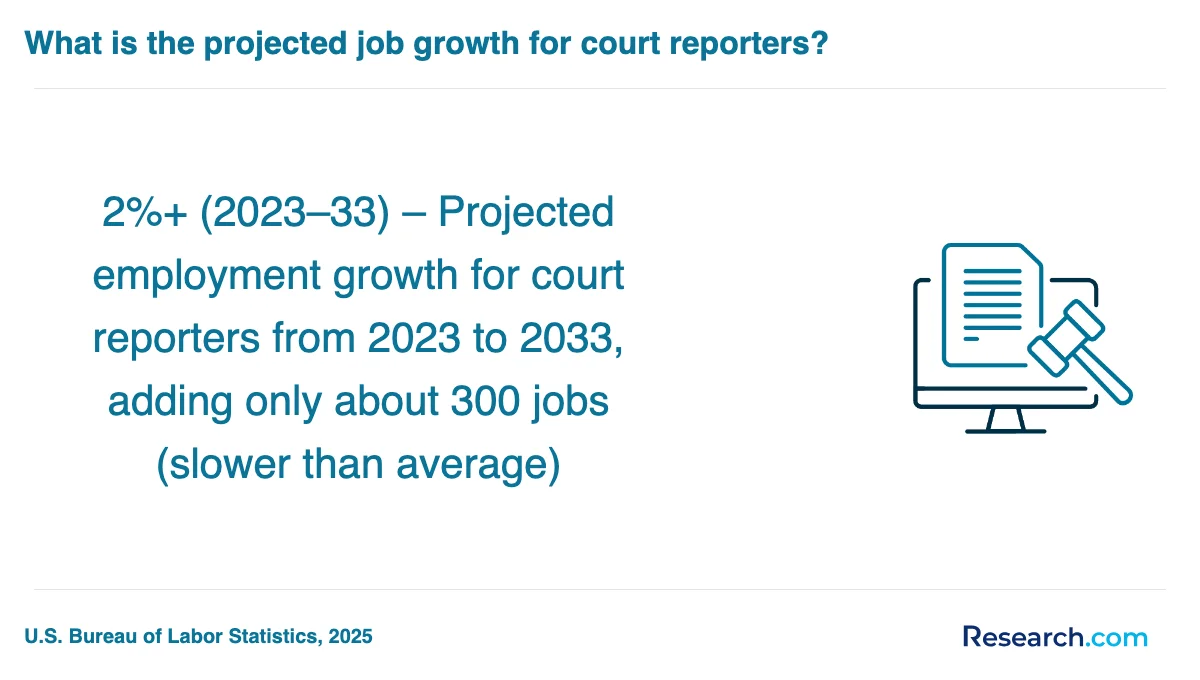
After completing a court reporter trade school in Texas, preparing for the job market involves several key steps. First, obtaining certification through the Texas Court Reporters Certification Program is crucial, as many employers require it. This process tests skills in transcription speed and accuracy. Networking is also important; joining professional organizations such as the Texas Court Reporters Association can provide job leads and mentorship. Additionally, gaining experience through internships or freelance work helps build a portfolio. According to the U.S. Bureau of Labor Statistics, Texas offers a growing number of opportunities in court reporting, reflecting steady demand in legal and governmental sectors.
Employers in Texas seek several key skills when hiring graduates from court reporter trade schools. Accuracy and speed are paramount; most employers expect a minimum typing speed of 225 words per minute with high accuracy. This ensures transcripts are reliable and timely, as noted by the National Court Reporters Association (NCRA).
Proficiency with stenographic technology and software is also crucial, as modern court reporting relies heavily on digital tools. Communication skills matter as well, since court reporters often interact with attorneys and judges.
Additionally, knowledge of legal terminology specific to Texas courts enhances employability. According to the Texas Workforce Commission, attention to detail and confidentiality are among the top qualities sought in this field.
Finding internships relevant to court reporter trade school programs in Texas involves several strategic steps. Start by contacting your school's career services or internship coordinator, as many Texas trade schools maintain partnerships with local courts and legal firms. These relationships can provide exclusive internship opportunities tailored to court reporting students.
Additionally, explore internship listings on websites like the Texas Court Reporters Association (TCRA), which often posts openings and resources for students. According to the TCRA, about 60% of their members obtained internships through these connections, emphasizing the importance of professional associations.
Networking at local courthouses and legal offices also proves effective. Volunteering in legal settings can lead to paid internships or mentorships. Keep in mind that Texas requires court reporters to be licensed, so internships often focus on developing skills compliant with state standards.
Obtaining a court reporter trade school diploma in Texas significantly enhances career mobility and advancement opportunities within the state's legal and transcription fields. Such diplomas provide specialized training in stenography, legal terminology, and transcription technology, which are crucial for success. According to the Texas Department of Licensing and Regulation, certification as a Registered Professional Reporter (RPR) often requires formal education from an accredited program, making trade school diplomas a key step.
Graduates with these diplomas typically qualify for entry-level positions, which can lead to higher-paying roles such as official court reporter or broadcast captioner. The U.S. Bureau of Labor Statistics projects a steady demand for court reporters nationwide, including Texas, with a median annual wage above $60,000, reflecting good advancement potential.
Furthermore, a diploma from a Texas trade school can facilitate eligibility for state licensing exams, a mandatory requirement for most court reporting jobs. This credential improves job prospects by demonstrating verified skills, helping graduates compete in a specialized market. Overall, earning a diploma from a recognized Texas trade school is a practical foundation for long-term career growth in court reporting.
Students enrolled in court reporter trade schools in Texas can benefit from several part-time job opportunities that complement their studies. Freelance transcription work is a common choice, allowing students to practice shorthand and transcription skills while earning income. Many court reporters also find part-time work as captioners for live events, including webinars and local government meetings.
Internships or assistant positions with law firms or court reporting agencies provide valuable real-world experience. According to the Texas Workforce Commission, court reporter jobs are expected to grow by 6% through 2030, emphasizing the importance of gaining practical skills early. These roles help students build professional networks and improve job prospects after graduation.
To choose the best Court Reporter degree program near me in Texas, start by considering the location and accreditation of the schools offering these programs to ensure they meet industry standards. Near Texas, numerous community colleges and universities offer programs specifically in court reporting, providing a mix of online and in-person classes. Research.com can be a helpful resource for comparing program specifics, graduation rates, and faculty qualifications to make an informed decision.
- Best Court Reporter Training Programs & Trade Schools - Top Court Reporting Schools in Kansas for 2026
- Best Court Reporter Training Programs & Trade Schools - Top Court Reporting Schools in Arizona for 2026
- Best Court Reporter Training Programs & Trade Schools - Top Court Reporting Schools in Alabama for 2026
- Best Court Reporter Training Programs & Trade Schools - Top Court Reporting Schools in Florida for 2026
- Best Court Reporter Training Programs & Trade Schools - Top Court Reporting Schools in Illinois for 2026
- Best Court Reporter Training Programs & Trade Schools - Top Court Reporting Schools in Minnesota for 2026
- Best Court Reporter Training Programs & Trade Schools - Top Court Reporting Schools in Ohio for 2026
- Best Court Reporter Training Programs & Trade Schools - Top Court Reporting Schools in Wisconsin for 2026
- Best Court Reporter Training Programs & Trade Schools - Top Court Reporting Schools in Pennsylvania for 2026
- Best Court Reporter Training Programs & Trade Schools - Top Court Reporting Schools in New York for 2026
- TJB | JBCC | Court Reporters Certification | Court Reporting Schools https://www.txcourts.gov/jbcc/court-reporters-certification/court-reporting-schools/
- Texas Court Reporting Schools | How to Become a Court Reporter by Meeting License Requirements in TX https://www.courtreporteredu.org/texas/
- SAC : Academics : Programs : Court Reporting | Alamo Colleges https://www.alamo.edu/sac/academics/program-index/public-policy--service/court-reporting/
- Online Digital Court Reporter from Texas A&M International University https://careertraining.tamiu.edu/training-programs/digital-court-reporter/
- Online Digital Court Reporter from University of Texas at Arlington https://eeccareertraining.uta.edu/training-programs/digital-court-reporter/
- Become a Court Reporter in Texas https://tlc-texas.com/becoming-a-court-reporter-in-texas/
- Court Reporting Steno Machine Program | ACI https://www.arlingtoncareerinstitute.edu/court-reporting-steno-machine-program/
- Court Reporting Education | Find Top Schools & Programs in the U.S https://www.stenograph.com/court-reporting-school
- NCRA-Approved Court Reporting Programs | NCRA https://www.ncra.org/home/start-your-career/schools-and-program-information/ncra-approved-court-reporting-programs
- Online Digital Court Reporter from Hennepin Technical College https://careertraining.hennepintech.edu/training-programs/digital-court-reporter/