
Best Court Reporter Training Programs & Trade Schools - Top Court Reporting Schools in Florida for 2026

Co-Founder and Chief Data Scientist
Looking to start a rewarding career as a court reporter in Florida? Choosing the right trade school program is a crucial first step. This article introduces the best court reporter trade schools in Florida for 2026, featuring a ranking developed by the Research.com team of data scientists. Their analysis helps you confidently identify programs that stand out for quality and outcomes.
By reading this guide, you’ll discover valuable insights to find a program that fits your goals. Earning a court reporter diploma or certification opens doors to a stable and respected profession, making your investment in education worthwhile.
Key benefits of finishing court reporter trade school in Florida
- Graduates can expect an average annual salary around $60,195 in Florida, with potential to earn up to $88,180 based on experience and certification.
- Court reporter trade school graduates often find diverse career paths, including working in courts, private firms, or freelancing, as shown by successful alumni from popular Florida programs.
- Completing a court reporter trade school online offers flexibility and convenience, allowing graduates like those from leading online Florida schools to balance studies with work or family life effectively.
- Best Court Reporter Training Programs & Trade Schools - Top Court Reporting Schools in Florida for 2026
- What can I expect from court reporter trade schools in Florida?
- Where can I work after finishing court reporter trade schools in Florida?
What can I expect from court reporter trade schools in Florida?
Enrolling in a court reporter trade school program in Florida means diving into a dynamic mix of theory and hands-on practice. Graduates from well-known schools like Atlantic Technical College often share how mastering shorthand and legal terminology felt challenging yet rewarding, especially when they first transcribed a mock courtroom session. Expect to engage deeply with both traditional stenography and cutting-edge digital recording technologies, preparing you for diverse settings from bustling courtrooms to remote depositions.
Programs typically span one to two years, with flexible options for full-time, part-time, or online learning, making it easier to balance education with life's demands. Many students appreciate the real-world exposure gained through supervised internships, which build confidence by placing them in authentic legal environments before graduation.
Certification preparation is a key focus, as earning credentials like the Registered Professional Reporter (RPR) opens doors in Florida's competitive job market. Alongside technical skills, you'll develop professionalism and ethical awareness, essential for navigating sensitive legal matters with integrity and poise.
Where can I work after finishing court reporter trade schools in Florida?
Graduates from Florida court reporter trade schools often find rewarding opportunities across the state's diverse legal landscape. Many begin their careers as official court reporters in county or circuit courts, with positions available in places like Monroe County, the Florida Keys, and Miami. These roles involve capturing every spoken word during trials and hearings, allowing graduates to feel directly connected to the justice process.
Others explore emerging fields such as digital court reporting or testimony capture technician roles, especially appealing in tech-forward urban centers. These positions use state-of-the-art equipment, making the work dynamic and engaging for those excited by innovation.
Trade school graduates frequently share stories of landing full-time court reporter jobs with competitive salaries ranging up to $76,000, plus benefits like health insurance and retirement plans. Many also enjoy the flexibility of freelance work, supporting private legal firms or handling depositions and arbitrations from various Florida locations.
With over 120 job openings statewide as of mid-2025, students from popular trade schools in Florida feel optimistic about a stable, well-compensated career that blends traditional courtroom duties with modern technology.
After finishing a court reporter trade school program in Florida, graduates often find themselves earning between $60,000 and $61,000 annually as of 2025. Many recent graduates from popular Florida trade schools share how this starting salary feels both rewarding and motivating, especially when transitioning from student life to a professional career.
While some new court reporters begin earning closer to $43,000, others with strong certifications or internships secure salaries near $79,000. Imagine starting your first job in a bustling Miami court, earning about $29 an hour, and feeling confident knowing your skills are in demand.
Graduates often describe their journey as an exciting investment, where gaining experience and additional certifications can push their salaries above $88,000 annually. Even though Florida ranks 50th nationally for court reporter salaries, many find satisfaction in steady income and clear paths for growth.
Working in federal courts or metropolitan areas like Orlando or Tampa may also offer higher pay, making the effort of completing a trade school program worthwhile and promising for the future.
- Admission requires being at least 16 years old, having a high school diploma or equivalent, and completing orientation or skills testing.
- Programs last from one year for certificates to about two years for associate degrees, with options for classroom or online learning.
- Curriculum covers machine shorthand, digital reporting, legal terminology, courtroom procedures, and requires passing dictation tests at up to 225 words per minute with 95% accuracy.
- Tuition varies; some online programs cost around $300 per month, while full-time in-person courses usually last 28 months and include additional fees for books and software.
- Graduates should obtain Professional Reporters Certification or national certification through AAERT or NCRA, as Florida does not require a state license.
- The average starting salary in Florida is $40,000 to $50,000 annually, with experienced reporters earning $60,000 or more due to high demand in the state.
Completing a court reporter trade school program in Florida typically takes between 18 to 24 months, depending on whether you enroll full-time or part-time. Many graduates from popular Florida trade schools describe this period as an intense yet rewarding journey, where the balance between mastering shorthand skills and understanding legal terminology feels achievable within this timeframe.
In real-life scenarios, students often share that dedicating focused hours daily allows them to see steady progress, turning complex court reporting techniques into second nature. At well-known Florida institutions, hands-on practice with live transcription sessions accelerates learning, making the months fly by despite the initial challenge.
Graduates frequently express a sense of accomplishment by the end of their program, highlighting how the structured pace of these trade schools fits well with their busy lifestyles. This timeframe offers enough immersion to build confidence while quickly moving toward career readiness in court reporting.
The key difference between online and on-campus court reporter trade school programs in Florida lies in how students experience learning. Graduates of online programs often describe the freedom to study at their own pace, fitting coursework around work or family demands. For instance, those enrolled in the University of West Florida's fully online Digital Court Reporter program appreciate being able to log in anytime, review lectures multiple times, and access all materials digitally. This flexibility creates a sense of control and reduces stress, especially for those juggling multiple responsibilities.
On the other hand, students attending on-campus programs at Florida technical colleges highlight the energizing atmosphere of in-person classes. They value immediate feedback from instructors and hands-on use of transcription equipment, which boosts their confidence in real-time scenarios. The face-to-face interaction fosters a supportive community, making the learning process feel more connected and motivating.
Both formats prepare students well for certification exams, but the choice often reflects personal learning styles and lifestyle needs, making Florida's diverse options an appealing advantage for aspiring court reporters.
The average tuition for court reporting programs in Florida varies widely depending on the type of institution and program length. Graduates from community colleges often share that in-state tuition costs typically range from $780 to $6,150 per year, making these programs an accessible and practical choice for many. Schools like Atlantic Technical College provide strong value by combining this affordability with cutting-edge technology in computer-aided transcription and real-time writing, which excites students looking for hands-on, modern training.
However, court reporter program costs in Florida can increase significantly when attending private or online institutions, where tuition fees may range from $5,000 to $23,000 annually. Students pursuing these faster-paced or highly specialized courses often appreciate the investment, noting how accelerated programs help them enter the workforce sooner despite higher upfront costs.
Beyond tuition, budget considerations include additional expenses such as textbooks, certification fees, and essential equipment like a stenograph machine, which can cost between $600 and $1,500. Graduates often emphasize the importance of planning for these costs early to avoid surprises and maximize their experience.
Financial aid opportunities, including scholarships, grants, and federal loans, are key to managing expenses and provide peace of mind. For those exploring flexible options, it's worth researching associated fields and programs, such as paralegal online programs, which sometimes offer overlapping financial aid resources with court reporting programs in Florida.
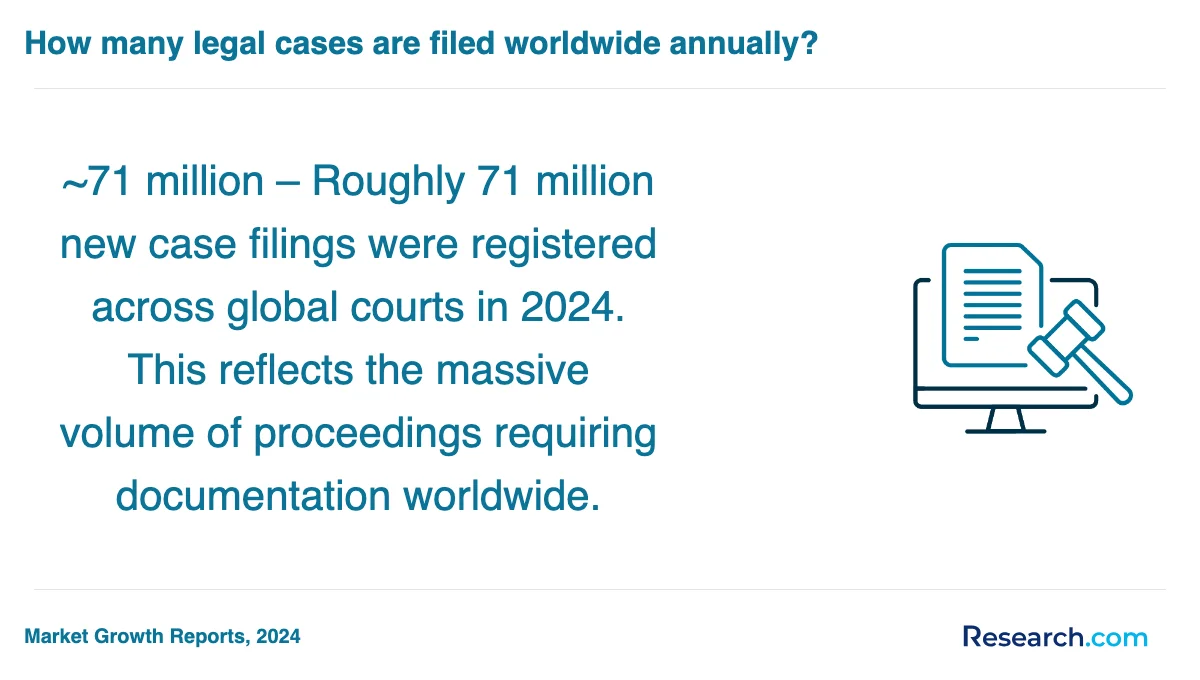
Students pursuing court reporter trade school programs in Florida often find a variety of financial aid options that can ease the burden of tuition and expenses. Many graduates from schools like Key College in Fort Lauderdale recall how applying through the Free Application for Federal Student Aid (FAFSA) opened doors to federal grants and loans, including the Pell Grant and Federal Supplemental Educational Opportunity Grant (FSEOG). These funds make a tangible difference, helping students afford both tuition and essential equipment.
Competitive scholarships from organizations such as the National Court Reporters Association (NCRA) also play a crucial role. Graduates frequently share how merit-based scholarships up to $5,000 helped cover specialized software and machines, boosting their confidence and skill development.
Additionally, Florida's state-specific programs like the Bright Futures Scholarship provide valuable support for eligible residents, enhancing accessibility. Some students navigating non-credit programs find alternative funding through state or local vocational rehabilitation, demonstrating that even less traditional paths can be financially viable with the right guidance.
Enrolling in a court reporter trade school program in Florida typically requires a few clear prerequisites designed to set students up for success. Most schools expect applicants to have a high school diploma or GED, ensuring a foundational level of education. Graduates from popular Florida trade schools often recall how this baseline helped them dive confidently into specialized coursework.
Applicants may also need to demonstrate strong English language skills, as precise grammar and vocabulary are crucial in court reporting. Some schools ask for placement tests or interviews to gauge readiness, which many students describe as encouraging opportunities to showcase their passion.
Basic computer literacy is increasingly important since modern court reporting uses digital tools and software. Graduates often mention how prior comfort with technology made their transition smoother and more rewarding.
- High school diploma or GED
- Proficiency in English language and grammar
- Basic computer skills
- Placement test or interview in some cases
These prerequisites help ensure that students can keep pace with the rigorous and fast-paced nature of court reporter training seen in Florida's well-regarded trade schools, fostering confidence and a positive learning experience from day one.
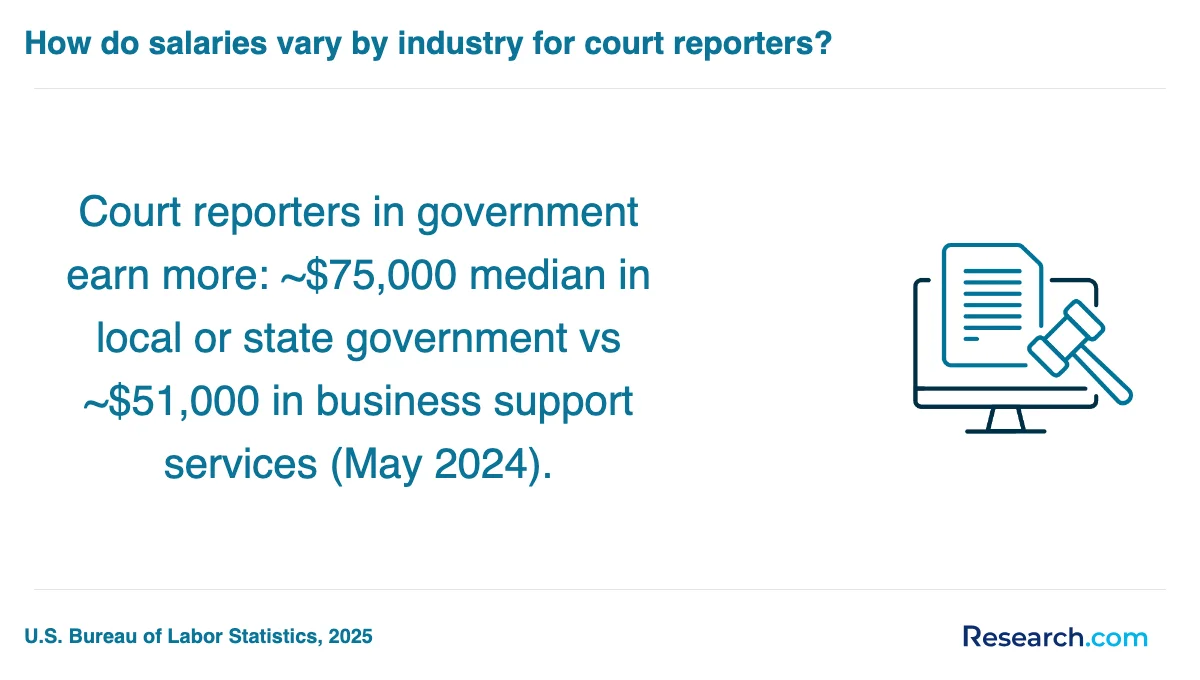
Students at Florida's court reporter trade schools dive into courses designed to build confidence and real-world skills. Graduates often share how mastering machine shorthand theory and speed-building was both challenging and rewarding, starting at 60 wpm and pushing toward the impressive 225 wpm standard required in court. This pace ensures they're ready for live court scenarios where every word counts.
Programs at institutions like the University of North Florida emphasize:
- Legal terminology and courtroom procedures-helping students confidently navigate depositions and trials.
- Digital reporting technology-training includes hands-on use of advanced recording hardware and transcription software.
- Professionalism, ethics, and confidentiality-critical lessons that prepare students for the serious responsibility of handling sensitive information.
Many students find simulated court sessions invaluable, turning theory into practice and easing the transition to internships or real-world courtrooms. These immersive experiences make the demanding curriculum feel achievable and help graduates feel ready to step into their careers with enthusiasm and competence.
Court reporter trade school programs in Florida offer diverse court reporting specializations in Florida that prepare students for dynamic careers. Graduates from schools like Champion Steno and the Hardeman School emphasize stenographic court reporting, mastering stenotype machines and realtime transcription skills essential in busy courtrooms. Their experiences often highlight the thrill of instantly capturing spoken words with precision.
Meanwhile, digital court reporter programs Florida provide a cutting-edge alternative. Schools such as Key College and Seminole State College focus on digital recording techniques and transcript certification, equipping students with expertise in audio file management and preparation for national certifications like CER and CDR. Graduates often share how these skills open doors to roles in depositions and government hearings, making the work both versatile and rewarding.
Other exciting specializations include broadcast captioning, teaching students to deliver real-time closed captions for live events, and legal transcription, combining accuracy with flexibility in varied legal environments. Many find these paths bring both personal satisfaction and professional opportunities.
For students seeking guidance on related fields, exploring the easiest law degree to get may provide helpful insight alongside court reporting options.
Choosing among the best court reporter programs in Florida involves weighing factors like accreditation and curriculum quality that graduates consistently praise. For example, students from Atlantic Technical College often highlight how the real-time writing and legal terminology training prepared them not just for exams but for actual courtroom scenarios. Another key consideration is job placement success; many graduates note how career services at top court reporting schools in Florida helped them secure positions quickly, underscoring the value of schools with strong industry connections.
Flexibility in program delivery also matters markedly-whether it's in-person classes in Tampa or the convenience of online courses offered by Champion Steno, students appreciate education that fits their lifestyle. Cost and financial aid availability at institutions like Broward College often ease financial stress, enabling students to focus fully on their training. Considering proximity is practical too; having classes near Miami or Fort Lauderdale makes the learning journey more manageable day to day. For those interested in expanding into related fields, understanding how to be a paralegal can be a complementary path worth exploring.
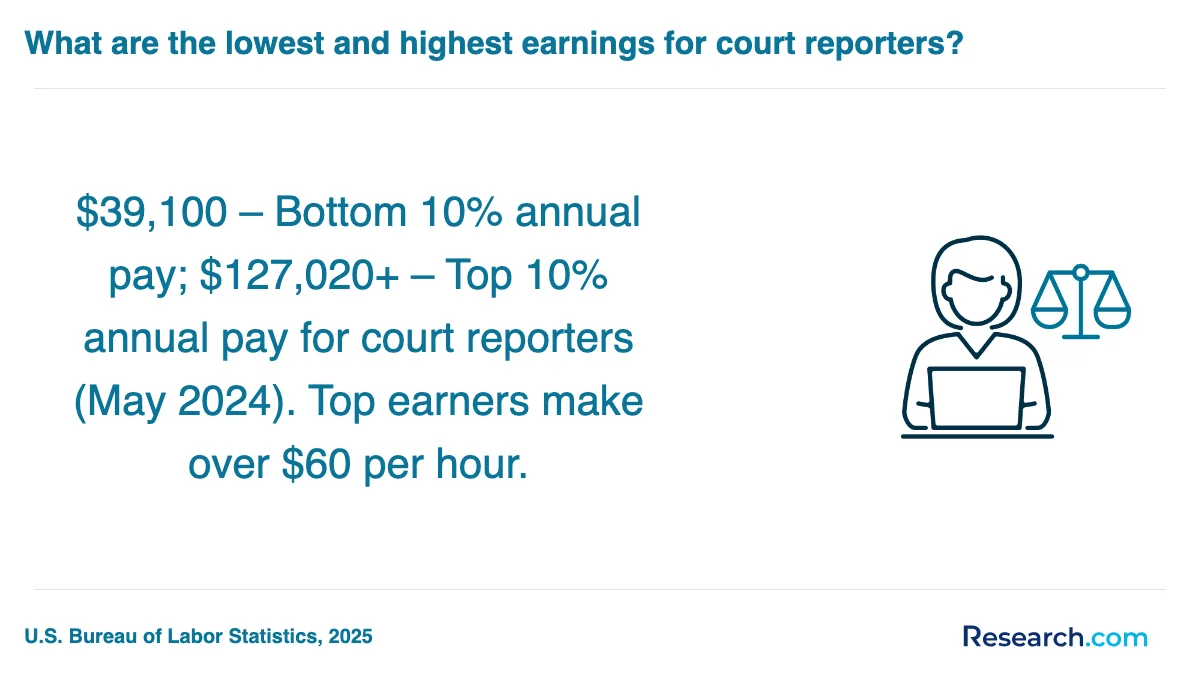
Graduates from popular court reporter trade schools in Florida often find diverse career paths well within reach, fueled by skillsets in transcription, legal terminology, and technology. Many embrace the steady demand visible in court reporter job opportunities in Florida, becoming official court reporters in county or circuit courts. These roles offer competitive salaries and stability, with responsibilities including real-time transcription and producing official legal records.
Others leverage training to enter emerging positions such as digital court reporters or testimony capture technicians, combining traditional stenography with cutting-edge audio and video technology. Graduates highlight feeling empowered when progressing from entry-level roles to management or technical specialties in this evolving sector.
Additional paths include freelance transcription, captioning, and legal videography - careers promising flexibility and the chance to work remotely or independently. Some graduates build on their skills to pivot into paralegal or legal administration roles enhanced by extra qualifications.
Florida's programs foster readiness to match individual passions and offer a gateway to multiple futures aligned with the strong growth identified in forensic science job outlook.
Career paths for Florida court reporting graduates reflect exciting opportunities shaped by hands-on training and local market demand:
- Official court reporting positions with competitive pay and benefits
- Digital court reporting and testimony capture technician roles innovating legal documentation
- Freelance transcriptionist, captioner, or legal videographer options supporting varied work styles
- Transitions into paralegal or legal administrative careers leveraging complementary skills
The court reporter job market in Florida presents a stable yet moderately competitive landscape for graduates of popular trade schools such as those in South Florida and Tampa. Graduates often share experiences of securing positions within state courts or private agencies, where starting salaries typically range between $46,700 and $74,700 annually. While Florida ranks 50th among states in court reporter salary and employment trends Florida, this has not deterred many from pursuing opportunities that include freelance work and remote assignments, adding flexibility post-graduation.
Several graduates highlight positive career growth linked to geographic location and specialized skills, with some circuits like the Sixteenth Judicial Circuit offering notable salary spikes. Job postings statewide often exceed 120 openings, reflecting persistent demand despite modest pay.
Key factors contributing to success include:
- Strong transcription and realtime reporting skills gained through hands-on trade school training
- Networking developed during internships or externships tied to local legal communities
- Willingness to explore private sector roles alongside public employment
For those considering further advancement, exploring pathways like an affordable master in forensic science online can complement their court reporting expertise and open additional career avenues within the legal and forensic fields.
Best Court Reporter Training Programs & Trade Schools - Top Court Reporting Schools in Florida for 2026
# 1 position
Key College - Court Reporting and Captioning/Court Reporter.
associateKey College offers a program in Court Reporting and Captioning/Court Reporter that trains students to record and transcribe legal proceedings using print or electronic methods. The curriculum covers legal terminology, transcription, shorthand, equipment operation, and professional ethics. The annual in-state tuition is $9,285. This program prepares individuals for roles involving accurate documentation of examinations, testimony, judicial orders, and legal opinions in formal settings.
# 2 position
Key College - Court Reporting and Captioning/Court Reporter.
certificate or diplomaKey College offers an on-campus Court Reporting and Captioning/Court Reporter program that trains students to accurately record and transcribe legal proceedings using print or electronic methods. The curriculum covers legal terminology, transcription, shorthand, equipment operation, and professional standards. Annual in-state tuition is $9,285. This program prepares individuals for careers involving judicial orders, testimony, and formal legal documentation, emphasizing technical skills and ethical practices.
# 3 position
Atlantic Technical College - Court Reporting and Captioning/Court Reporter.
certificate or diplomaAtlantic Technical College offers a fully online Court Reporting and Captioning/Court Reporter program. It trains students to accurately record and transcribe legal proceedings using print or electronic methods. Coursework includes legal terminology, shorthand, verbatim recording, equipment operation, regulations, and professional ethics. The program is accredited by the Council on Occupational Education.
# 4 position
Sheridan Technical College - Court Reporting and Captioning/Court Reporter.
certificate or diplomaSheridan Technical College offers a fully online Court Reporting and Captioning/Court Reporter program designed to prepare students to accurately record and transcribe legal proceedings using print or electronic methods. The curriculum covers legal terminology, transcription, shorthand, verbatim recording, equipment operation, regulations, and professional ethics. This program is accredited by the Council on Occupational Education.
Frequently Asked Questions about court reporter
After completing court reporter trade school in Florida, preparing for the job market involves several important steps. First, obtaining certification from the National Court Reporters Association (NCRA) significantly boosts employability. Florida also requires passing the state's Registered Professional Reporter (RPR) exam to work legally in many settings. Networking is crucial; joining local court reporting associations can connect graduates with potential employers. Additionally, gaining practical experience through internships or freelance assignments helps build a professional portfolio.
According to the U.S. Bureau of Labor Statistics, Florida's demand for court reporters is expected to grow moderately, reflecting steady job prospects. Familiarity with stenography software and realtime reporting technology is highly valued by employers in the state. Staying updated with continuing education courses ensures skills remain competitive in this evolving field.
Employers in Florida seek court reporter trade school graduates who demonstrate strong stenographic skills, accuracy, and speed. Proficiency in real-time transcription technology is increasingly important, as many courtrooms now rely on digital reporting. According to the Bureau of Labor Statistics, Florida court reporters must achieve speeds of at least 225 words per minute to qualify for certification.
Attention to detail is critical, as transcripts must be error-free and legally reliable. Additionally, employers value graduates with good listening skills and the ability to multitask during live proceedings. Strong knowledge of legal terminology and courtroom procedures is essential to ensure accurate documentation.
Communication skills also matter, enabling reporters to interact effectively with judges, attorneys, and clients. Familiarity with software for editing and formatting transcripts is advantageous, reflecting industry trends toward digital record keeping.
Finding internships relevant to court reporter trade school programs in Florida involves targeted research and networking. Many trade schools maintain relationships with local court reporting agencies, law firms, and government offices, which can provide internship opportunities. Students should consult their school's career services for updated listings and guidance.
Additionally, the Florida Court Reporters Association offers resources and may assist with internship placements. According to the Bureau of Labor Statistics, hands-on experience significantly improves job prospects for court reporters.
Contacting local courthouses directly can also uncover opportunities, as some accept interns for observation and practical training. Online job portals focused on legal internships can be helpful, but verifying the relevance to court reporting is essential.
Obtaining a court reporter trade school diploma in Florida significantly enhances career mobility and advancement opportunities. This credential equips students with specialized skills in stenography, transcription, and legal terminology, which are essential for certification by the Florida Court Reporters Association and national bodies like the NCRA (National Court Reporters Association).
Graduates holding a diploma often find improved prospects in securing entry-level positions within courts, law firms, and government agencies. According to the U.S. Bureau of Labor Statistics, Florida's demand for court reporters is expected to grow moderately, supporting steady job availability for qualified individuals.
Moreover, a diploma serves as a prerequisite for taking certification exams, which can lead to higher wages and roles such as realtime captioners or official court reporters. The Florida Department of Education highlights that certified court reporters typically earn 20-30% more than non-certified peers, reflecting enhanced career advancement potential.
Students enrolled in court reporter trade schools in Florida can benefit from part-time jobs that build relevant skills and industry connections. One common role is transcriptionist work, which sharpens listening and typing abilities crucial for court reporting. Legal assistant positions also provide exposure to court procedures and legal terminology, enhancing a student's practical knowledge.
According to the U.S. Bureau of Labor Statistics, Florida's demand for court reporters is expected to grow about 4% through 2031, making experience valuable. Additionally, freelance captioning jobs offer flexible hours and real-time transcription practice, important for skill development. These opportunities align well with school schedules and help students gain hands-on experience.
Networking through internships or volunteer positions in local courthouses further supports career readiness by familiarizing students with courtroom environments and protocols.
To choose the best Court Reporter degree program near Florida, start by researching schools and programs near me that offer specialized curriculum in stenography and court reporting technology. Consider factors such as the school's accreditation, available technology, and experienced faculty, which can be pivotal in preparing students for professional certification. Utilize resources like Research.com to compare programs based on alumni outcomes and reputation to ensure a high-quality education.
- Best Court Reporter Training Programs & Trade Schools - Top Court Reporting Schools in Alabama for 2026
- Best Court Reporter Training Programs & Trade Schools - Top Court Reporting Schools in Ohio for 2026
- Best Court Reporter Training Programs & Trade Schools - Top Court Reporting Schools in Illinois for 2026
- Best Court Reporter Training Programs & Trade Schools - Top Court Reporting Schools in Pennsylvania for 2026
- Best Court Reporter Training Programs & Trade Schools - Top Court Reporting Schools in Texas for 2026
- Best Court Reporter Training Programs & Trade Schools - Top Court Reporting Schools in Kansas for 2026
- Best Court Reporter Training Programs & Trade Schools - Top Court Reporting Schools in Wisconsin for 2026
- Best Court Reporter Training Programs & Trade Schools - Top Court Reporting Schools in Minnesota for 2026
- Best Court Reporter Training Programs & Trade Schools - Top Court Reporting Schools in New York for 2026
- Best Court Reporter Training Programs & Trade Schools - Top Court Reporting Schools in Arizona for 2026
- Court reporting as a second career https://www.thejcr.com/2017/07/30/court-reporting-as-a-second-career/
- How to Navigate a Challenging Job Market - McCorkle https://mcdeps.com/how-to-navigate-a-challenging-job-market/
- My Journey Through a Court Reporting Career – Was It a Good Choice? https://www.coulterreporting.com/2019/05/my-journey-through-a-court-reporting-career-was-it-a-good-choice/
- Careers and Employment Outlook - Del Mar College https://delmar.edu/degrees/court-reporting/careers-and-employment-outlook.html
- Court Reporters: Salary, career path, job outlook, education and more - RaiseMe https://www.raise.me/careers/legal/court-reporters/
- Top 7 Tips For Becoming A Successful Court Reporter | Generations College https://www.generations.edu/tips-for-becoming-a-successful-court-reporter/
- Florida Court Reporting Schools | How to Become a Court Reporter by Meeting License Requirements in FL https://www.courtreporteredu.org/florida/
- Digital Court Reporting Classes in South Florida https://www.atlantictechnicalcollege.edu/court-reporting-2/
- Online Digital Court Reporter from Seminole State College of Florida https://continuinged.seminolestate.edu/training-programs/digital-court-reporter/
- UNF: Digital Court Reporter https://www.unf.edu/pll/digital-court-reporter.html


