Most Affordable Court Reporter Schools & Training - Budget-Friendly Court Reporting Trade Programs in Pennsylvania for 2026

Co-Founder and Chief Data Scientist
Choosing the right court reporter trade school in Pennsylvania can feel overwhelming, but it doesn’t have to be. This article introduces a carefully crafted ranking of court reporter trade school programs developed by the Research.com team of data scientists.
Designed to help you make an informed decision, the ranking highlights programs that offer quality education without breaking the bank. Earning a diploma or certification in court reporting opens doors to a rewarding career with strong job prospects and meaningful work.
Explore your options confidently and take the first step toward a bright future in court reporting.
Key benefits of finishing court reporter trade school in Pennsylvania
- Graduates from court reporter trade schools in Pennsylvania can expect competitive salaries, with averages around $63,356 to $80,744 annually, offering strong financial stability and room for growth.
- Career paths include working in courts, government agencies, or freelance reporting, as demonstrated by successful alumni from well-known Pennsylvania trade schools who enjoy diverse job opportunities.
- Completing a court reporter program online provides flexibility and convenience, allowing students to balance life while gaining valuable skills, as experienced by online graduates from popular Pennsylvania schools.
- Most Affordable Court Reporter Schools & Training - Budget-Friendly Court Reporting Trade Programs in Pennsylvania for 2026
- What can I expect from court reporter trade schools in Pennsylvania?
- Where can I work after finishing court reporter trade schools in Pennsylvania?
What can I expect from court reporter trade schools in Pennsylvania?
In a court reporter trade school program in Pennsylvania, you can expect a dynamic blend of rigorous training and practical experience. Graduates from popular schools like the Community College of Allegheny County often describe the challenge and excitement of mastering stenotype machines while balancing coursework in legal terminology, transcription, and court procedures. You'll dive into classes covering machine shorthand and computer-aided transcription systems, preparing you for real courtroom situations where accuracy and speed matter deeply.
Many students find the requirement to achieve a transcription speed of 225 words per minute demanding but rewarding, fueling a sense of accomplishment as they improve. Hands-on practice with digital recording technology and specialized software simulates authentic legal environments, making the learning engaging and directly relevant. Virtual course options at some Pennsylvania colleges add flexibility, allowing students to adapt training to their schedules without sacrificing quality.
Expect a supportive atmosphere where peers and instructors encourage your growth. Graduates often highlight the thrill of preparing for certification exams, knowing their training equips them to pursue careers in courts, broadcast captioning, or communication access roles with confidence and professionalism.
Where can I work after finishing court reporter trade schools in Pennsylvania?
After finishing a court reporter trade school program in Pennsylvania, graduates often find themselves stepping confidently into diverse and rewarding career paths. Many secure positions within the judicial system, working in local, state, or federal courts. For example, graduates have shared how training at well-known Pennsylvania trade schools prepared them to thrive as Official Court Reporters in federal courts like the Pennsylvania Eastern District Court in Philadelphia, where they enjoy stable, permanent roles.
Others have discovered exciting opportunities at the county level, such as court reporter roles in Cumberland County with competitive starting wages around $27.03 per hour. These roles immerse graduates in real courtroom settings, capturing every spoken word with precision and contributing to the integrity of legal proceedings.
Beyond courts, many graduates embrace roles in business administration or education, becoming adjunct instructors or administrative staff supporting court operations. Some enjoy the flexibility and independence of working with freelance agencies or as legal transcription contractors, responding to Pennsylvania's steady demand for skilled court reporters.
Graduates often express pride and optimism, knowing their specialized training opens doors across the state's legal and corporate landscapes, empowering them to build meaningful careers.
Graduates from court reporter trade schools in Pennsylvania often find promising earning potential shortly after completing their programs. Many report starting salaries around $33,000 to $45,000 annually, which can quickly rise with experience and skill improvement. For instance, a recent graduate from a well-known Pittsburgh trade school shared excitement about landing a position paying close to $62,000 within the first year, highlighting how specialized training and dedication pay off.
In metropolitan areas like Philadelphia, the financial rewards can be even more encouraging. Graduates from Philadelphia-based programs frequently mention starting salaries near $60,000, with some advancing to over $80,000 as they gain confidence and build reputations in busy courtrooms. This reflects local demand and the premium placed on accurate, fast reporting in bustling legal environments.
Trade school alumni emphasize the satisfaction of turning their technical skills into a dependable income stream, often feeling proud to contribute to the justice system while enjoying competitive compensation compared to other entry-level professions in Pennsylvania.
- Applicants need at least a high school diploma or equivalent to enter court reporter trade school programs in Pennsylvania.
- Stenography programs usually require about two years to complete and lead to an associate's degree, while voice writing and digital court reporting can be completed in as little as six months.
- Students in stenography programs must reach a minimum speed of 225 words per minute to graduate, meeting industry standards for courtroom transcription.
- Certification options include the Registered Professional Reporter (RPR) credential and passing a Pennsylvania state exam with a 95% accuracy requirement; digital court reporters may pursue the Certified Electronic Reporter (CER) credential.
- Tuition typically ranges from $6,000 to $15,000 for an associate degree program, excluding textbooks and supplies.
- Entry-level salaries in Pennsylvania range from $40,000 to $55,000 annually, with experienced court reporters earning up to $90,000 or more depending on specialization and location.
Completing a court reporter trade school program in Pennsylvania typically takes about 18 to 24 months, though some dedicated students finish a bit sooner. Graduates from popular trade schools in the state often share how immersive the hands-on training accelerates their learning, making the experience feel both challenging and rewarding. Imagine walking into a classroom where you're not only learning to transcribe legal proceedings but also practicing with real-time software that professionals use daily-this practical approach helps students feel confident early on.
Many students find the timeline manageable because programs blend technical skill-building with legal knowledge, allowing them to progress steadily without feeling overwhelmed. For those balancing work or family, part-time options extend the completion time but offer flexibility, which graduates appreciate as it keeps their motivation high. Envision finishing your program just in time to step into your first job interview, armed with skills that employers in Pennsylvania's courts recognize and respect.
The primary difference between online and on-campus court reporter trade school programs in Pennsylvania centers on flexibility and learning environment. Graduates from the Community College of Allegheny County's (CCAC) online program often express appreciation for the ability to balance coursework with work or family, enjoying interactive video lectures and virtual practice labs that bring real-world situations to their homes. They value prompt, detailed instructor feedback which helps bridge the gap created by the lack of in-person interaction.
Conversely, students attending on-campus programs at places like Lehigh Carbon Community College describe a more immersive experience. They benefit from hands-on practice with stenography equipment, immediate faculty support, and the camaraderie of peers in a structured setting. This environment fosters direct networking and real-time guidance, which many find motivating and confidence-building.
Both paths maintain rigorous standards and similar credit requirements, but the choice often comes down to personal lifestyle and preferred interaction style, making Pennsylvania's court reporter programs uniquely adaptable to diverse student needs.
The average tuition fees for court reporter programs in Pennsylvania vary significantly depending on the type of institution and your residency status. Graduates from popular trade schools often share that tuition costs can range from around $2,000 to $6,000 annually at community colleges, especially for in-state students. For example, one graduate from a community-based program recalls paying just under $3,000 due to resident discounts, making the financial commitment feel manageable and encouraging.
Meanwhile, those attending online trade programs in Pennsylvania report a wider range in the cost of court reporting education in Pennsylvania, from $5,000 up to $15,000 per year. These students appreciate the flexibility but also highlight the need to budget for additional expenses like books, technology, and supplies, which add to the overall investment. This greater financial variety aligns with different lifestyles and learning preferences, helping students make informed decisions that fit their situation.
Many students also note that exploring financial aid options provides reassurance. Federal aid programs, scholarships from the National Court Reporters Foundation, and grants ease the pressure significantly, often making trade school programs feel accessible and worth the commitment. For those starting their journey, it can be helpful to understand how to get your paralegal license, as it shares some parallels in navigating education and credentials.
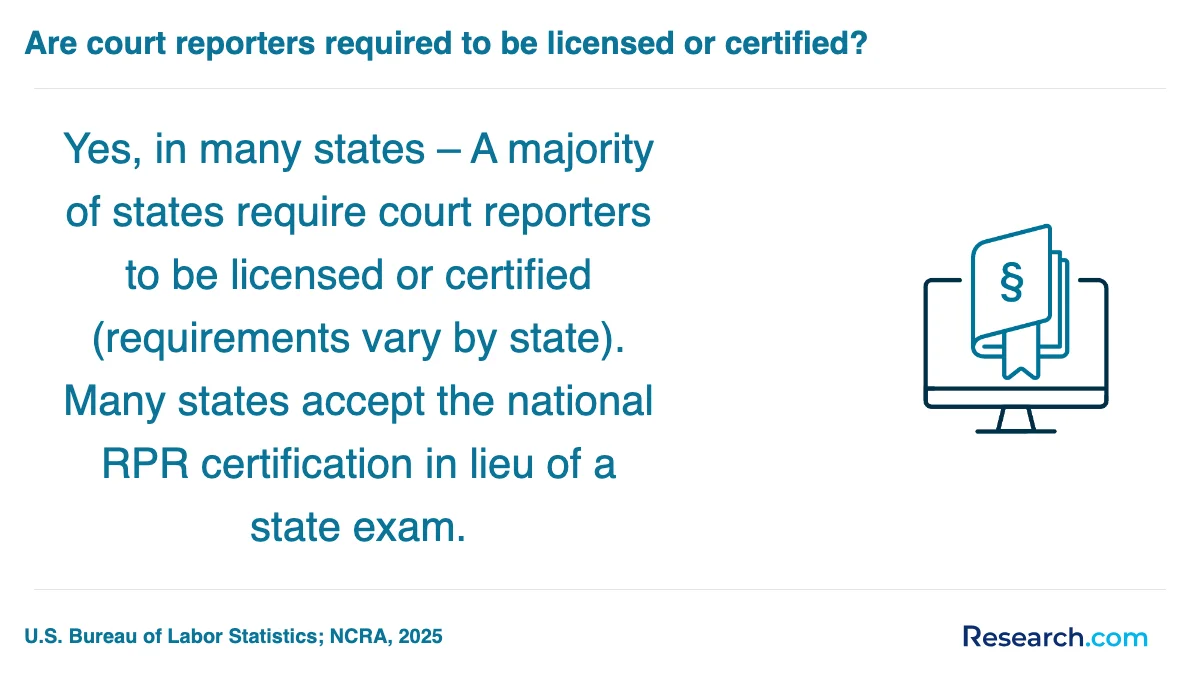
Students pursuing court reporter trade school programs in Pennsylvania often find financial aid options that significantly ease their journey. Many graduates recall how completing the FAFSA opened doors to federal grants and low-interest loans, making tuition more manageable while allowing them to focus on mastering their skills without overwhelming debt.
State-specific aid like the PA State Grant Program and Educational Assistance Program (EAP) also provide valuable support, especially for residents and National Guard members. For example, attendees at Central Penn College frequently highlight institutional scholarships that reward both merit and financial need, creating a sense of accomplishment and belonging within their programs.
External scholarships from organizations such as the National Court Reporters Foundation and the American Association of Electronic Reporters and Transcribers often bring relief and motivation, offering awards that help cover tuition and essential equipment. Some Pennsylvania-specific awards, like the Hermine Solt Student Scholarship, further support students balancing academics with community commitments.
Even students in non-credit certificate programs sometimes discover aid through state workforce or vocational rehabilitation resources, proving that financial support paths can be as varied as the students themselves.
Enrolling in a court reporter trade school program in Pennsylvania typically requires a few key prerequisites that set students up for success. Most popular trade schools in the state expect candidates to have a high school diploma or GED, ensuring a solid foundation in reading, writing, and critical thinking.
Graduates often share that having strong typing skills or prior experience with transcription can make the learning curve smoother, especially given the fast-paced nature of court reporting. Many trade schools encourage prospective students to take a skills assessment or complete a brief interview, helping both parties gauge readiness and commitment.
Common prerequisites include:
- High school diploma or GED
- Basic computer literacy and typing proficiency
- Aptitude for focused listening and attention to detail
- Ability to manage time effectively in intensive study environments
Graduates from Pennsylvania's well-known trade schools often describe their initial nervousness turning into confidence as they realized these prerequisites prepared them well for the rigorous training. Visualize yourself confidently keeping pace with real-time transcription exercises, supported by instructors who understand the unique demands of this field in Pennsylvania's legal settings.
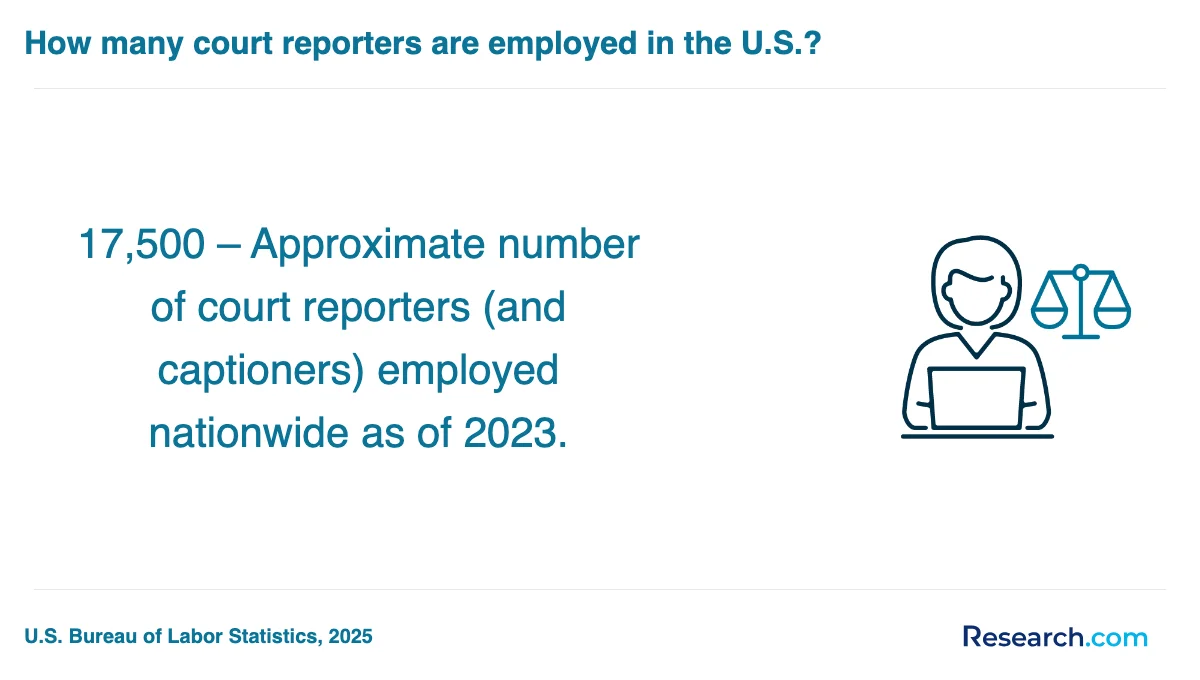
Students enrolled in court reporter trade schools in Pennsylvania typically dive into a variety of courses designed to build strong, job-ready skills. Graduates often reflect on mastering machine shorthand, where they learn to operate stenotype machines for capturing courtroom dialogue verbatim. This skill, paired with transcription courses, gives them confidence in turning shorthand into precise transcripts, a critical daily task in legal settings.
Legal and court procedure classes immerse students in courtroom dynamics, helping them understand protocol and the court reporter's vital role. Many graduates recall how learning legal and medical terminology made challenging transcripts feel manageable, boosting their accuracy and professionalism.
Courses in digital court reporting technology are increasingly emphasized. Students gain hands-on experience with state-of-the-art recording equipment and transcript software, preparing them for modern courtrooms where technology is essential. Real-world exercises and instructor feedback simulate high-pressure environments, inspiring students with a sense of achievement as they master editing, proofreading, and formatting skills.
- Machine shorthand and transcription
- Legal and court procedures
- Legal and medical terminology
- Digital court reporting technology
- Ethics, professionalism, and confidentiality
Graduates from popular Pennsylvania trade schools often share how these carefully structured courses combined theory with practical application, making the intense learning process rewarding and exciting as they prepare to enter Pennsylvania's legal system with confidence.
Students enrolled in court reporter trade school programs in Pennsylvania typically engage with a variety of court reporting specializations in Pennsylvania tailored to real-world demands. The cornerstone focus remains stenography and voice writing programs Pennsylvania, where graduates often describe mastering machine shorthand or voice silencer technology as transformative steps toward career readiness.
Popular specializations include:
- Stenographic court reporting, essential for capturing precise legal records in courthouses.
- Voice writing techniques, offering an alternative path to certification with advanced audio equipment.
- Medical and legal terminology training, which equips students to handle complex depositions and medical testimonies confidently.
- Computer-Aided Transcription (CAT) skills, preparing students for roles in closed captioning and CART services.
Graduates from well-known Pennsylvania trade schools often find these specializations open doors to diverse opportunities, from traditional courtroom settings to innovative broadcast captioning. Many report feeling excited about the versatility this training offers, with some exploring roles that intertwine legal expertise and healthcare knowledge. For students seeking to expand their legal career pathways, programs sometimes recommend pairing court reporting with related credentials like an online paralegal certificate to boost employability in specialized fields.
Selecting from the best court reporter trade schools in Pennsylvania means prioritizing programs accredited by the National Court Reporters Association, ensuring rigorous training and recognized credentials. Graduates from popular institutions often share how hands-on internships and real-time reporting exercises at these schools boosted their confidence and readiness to enter courtrooms. When you explore court reporter programs, flexibility in scheduling is crucial; many students appreciate options for evening or online classes that accommodate busy lifestyles.
For many, affordable court reporter programs in Pennsylvania that combine quality with reasonable tuition make a real difference, easing financial stress while delivering excellent education. Career services and job placement rates also stand out - graduates often recall how dedicated support helped them transition smoothly into professional roles. Community colleges and vocational institutes with updated facilities in central Pennsylvania provide vibrant environments where you can build connections within the legal field.
Planning ahead by focusing on certification exam preparation and support services enhances your career potential. For a broader perspective on legal education options, consider exploring the top associate degree in legal studies online that can complement your court reporting skills and expand your opportunities.

Graduates of court reporter trade schools in Pennsylvania discover a dynamic array of career paths that extend well beyond traditional courtroom settings. Many secure official court reporter jobs in Pennsylvania, working in local courts such as the Court of Common Pleas. These roles involve creating precise verbatim transcripts during trials, offering a dependable salary range that reflects experience and location. Others find rewarding flexibility as freelance court reporters, capturing depositions and meetings for attorneys and corporations, which allows them to tailor their schedules and client base.
Career opportunities for court reporters in Pennsylvania also include emerging fields like Communication Access Realtime Translation (CART). Graduates from popular trade schools in the state often share stories of thriving as CART captioners in educational environments or public events, ensuring accessibility for people with hearing impairments. Broadcast captioning represents another exciting path, where real-time transcription supports live television, including breaking news and sports coverage.
Beyond these roles, graduates frequently leverage their skills as legislative reporters or court clerks within legal systems. Trade school alumni appreciate the versatility their training provides, inspiring confidence in their future success. Those interested in diversifying their expertise sometimes explore fast homeland security degree online programs to broaden their career horizons even further.
The court reporter job market in Pennsylvania presents a unique mix of stability and specialized demand for graduates of local trade schools. Many graduates find themselves poised for competitive salaries, often ranging from $62,600 to $100,200 annually, with some top earners making above $120,000. Those who trained at well-known Pennsylvania trade schools share that real-world internships and hands-on practice helped them build confidence for roles in county courts or federal courthouses, such as the U.S. District Court in Pittsburgh. Despite the job market not being very active, there are currently about 111 positions posted, reflecting consistent-but selective-opportunities.
Graduates often describe the job search as a balance of persistence and strategy, especially in urban hubs where competition is stiffer.
- Positions often require certification and experience, rewarding those who have invested in thorough training programs.
- Notable career options extend beyond traditional court reporting to adjunct teaching at Pennsylvania colleges, adding variety to career paths.
- Technological advances may shift demand but also enhance the skills valued in the marketplace.
For those curious about whether court reporting suits their broader interests or how it fits with other fields, exploring if is criminology a good major can provide useful perspective.
This evolving landscape suggests that students enrolled in Pennsylvania's court reporter trade schools who embrace both skill mastery and adaptability are well-positioned for fruitful careers within the state's legal sector.
Most Affordable Court Reporter Schools & Training - Budget-Friendly Court Reporting Trade Programs in Pennsylvania for 2026
# 1 position
Community College of Allegheny County - Court Reporting and Captioning/Court Reporter.
associateThe Court Reporting and Captioning/Court Reporter program at Community College of Allegheny County offers a hybrid format with some distance-education options. It prepares students to transcribe legal proceedings using print or electronic methods, covering legal terminology, shorthand, equipment operation, and professional ethics. The program is accredited by the Middle States Commission on Higher Education. Annual in-state tuition is $4,842, and median earnings one year after completion are $19,412.30.
# 2 position
Community College of Allegheny County - Court Reporting and Captioning/Court Reporter.
certificate or diplomaThe Court Reporting and Captioning/Court Reporter program at Community College of Allegheny County offers a hybrid format with some distance-education options. It prepares students to transcribe legal proceedings accurately using print or electronic methods, covering legal terminology, transcription, shorthand, and equipment operation. The program is accredited by the Middle States Commission on Higher Education. Annual in-state tuition is $4,842, and median earnings one year after completion are $19,412.30.
# 3 position
Luzerne County Community College - Court Reporting and Captioning/Court Reporter.
associateLuzerne County Community College offers a hybrid Court Reporting and Captioning/Court Reporter program that prepares students to accurately record and transcribe legal proceedings using print or electronic methods. The curriculum covers legal terminology, shorthand, equipment operation, regulations, and professional ethics. Annual in-state tuition is $6,450. The program is accredited by the Middle States Commission on Higher Education.
Frequently Asked Questions about court reporter
After completing court reporter trade school in Pennsylvania, preparing for the job market involves several key steps. First, obtaining certification through the National Court Reporters Association (NCRA) can significantly improve employment prospects. Pennsylvania courts often require official certification or licensure to work as a stenographer.
Networking is essential. Joining local professional organizations, such as the Pennsylvania Court Reporters Association, helps graduates connect with employers and learn about job openings.
Additionally, gaining practical experience through internships or freelance work builds a strong portfolio. According to the U.S. Bureau of Labor Statistics, Pennsylvania's demand for court reporters is expected to grow moderately through 2030, reflecting steady job opportunities in legal and government sectors.
Strong typing skills and proficiency with realtime transcription software are also important to stand out in the competitive market.
Employers in Pennsylvania seek several key skills when hiring court reporter trade school graduates. First, strong shorthand and stenography abilities are crucial, as court reporters must capture spoken words accurately and quickly during legal proceedings. According to the National Court Reporters Association, proficiency at speeds of 225 words per minute or higher is often required.
Attention to detail and excellent listening skills are also vital to ensure transcripts are error-free. Familiarity with legal terminology and courtroom procedures helps graduates adapt swiftly to professional settings.
Additionally, employers value graduates who demonstrate technological competence, such as using realtime reporting software and digital recording equipment.
Effective communication and professionalism remain important to maintain courtroom decorum and interact with clients and attorneys.
Finding internships in Pennsylvania related to court reporter trade school programs involves a combination of research, networking, and outreach. Many students start by contacting their trade school's career services office, which often maintains relationships with local courts and law firms offering internship opportunities. According to the Pennsylvania Court Reporters Association, internships typically provide hands-on experience with realtime transcription and courtroom procedures.
Students should also explore opportunities at county courthouses, where internships may be available for learning courtroom protocol. Additionally, joining professional groups or attending local legal events can connect students with practicing court reporters who might offer internships or job shadowing.
Online platforms such as the Pennsylvania Department of Labor & Industry's job portal list internship openings relevant to court reporting and legal services. Early application and demonstrating strong shorthand or transcription skills improve chances of securing internships.
Obtaining a court reporter trade school diploma in Pennsylvania significantly enhances career mobility and advancement opportunities. Graduates gain specialized skills in stenography and transcription, which are essential for certification by the National Court Reporters Association (NCRA). This certification is often required for official court reporting positions across the state.
According to the Pennsylvania Department of Labor & Industry, court reporters with formal diplomas and certifications tend to earn higher wages, with median salaries around $60,000 annually, compared to uncertified workers. Additionally, diplomas open doors to positions beyond traditional courtrooms, including captioning and freelance reporting.
Employers in Pennsylvania frequently prioritize candidates with accredited trade school diplomas, viewing them as better prepared for the technical demands of the job. This can lead to faster promotions and greater job stability.
Students enrolled in court reporter trade schools in Pennsylvania can benefit from several part-time job opportunities that enhance their skills and complement their education. Positions such as transcriptionist or freelance captioner allow students to practice real-time transcription and improve typing speed. Additionally, working as a legal assistant or administrative aide in law offices provides valuable exposure to legal terminology and courtroom procedures.
According to the U.S. Bureau of Labor Statistics, Pennsylvania employs a significant number of court reporters, with a median hourly wage around $25. Part-time work in related fields not only builds relevant experience but may also help students network within the legal community, increasing job prospects after graduation.
To find the most affordable Court Reporter degree program near you, consider exploring local community colleges and vocational schools, as these institutions often provide cost-effective educational opportunities. You can use tools and databases from Research.com to search for programs specifically near Pennsylvania, allowing you to compare tuition fees and financial aid options. Additionally, contacting educational institutions directly and asking current students for feedback can provide insight into the affordability of programs near me.
- Most Affordable Court Reporter Schools & Training - Budget-Friendly Court Reporting Trade Programs in New York for 2026
- Most Affordable Court Reporter Schools & Training - Budget-Friendly Court Reporting Trade Programs in Ohio for 2026
- Most Affordable Court Reporter Schools & Training - Budget-Friendly Court Reporting Trade Programs in Illinois for 2026
- Most Affordable Court Reporter Schools & Training - Budget-Friendly Court Reporting Trade Programs in Alabama for 2026
- Most Affordable Court Reporter Schools & Training - Budget-Friendly Court Reporting Trade Programs in Florida for 2026
- Most Affordable Court Reporter Schools & Training - Budget-Friendly Court Reporting Trade Programs in Wisconsin for 2026
- Most Affordable Court Reporter Schools & Training - Budget-Friendly Court Reporting Trade Programs in Minnesota for 2026
- Most Affordable Court Reporter Schools & Training - Budget-Friendly Court Reporting Trade Programs in Kansas for 2026
- Most Affordable Court Reporter Schools & Training - Budget-Friendly Court Reporting Trade Programs in Texas for 2026
- Most Affordable Court Reporter Schools & Training - Budget-Friendly Court Reporting Trade Programs in Arizona for 2026
- Court reporting as a second career https://www.thejcr.com/2017/07/30/court-reporting-as-a-second-career/
- How to Navigate a Challenging Job Market - McCorkle https://mcdeps.com/how-to-navigate-a-challenging-job-market/
- My Journey Through a Court Reporting Career – Was It a Good Choice? https://www.coulterreporting.com/2019/05/my-journey-through-a-court-reporting-career-was-it-a-good-choice/
- Careers and Employment Outlook - Del Mar College https://delmar.edu/degrees/court-reporting/careers-and-employment-outlook.html
- Court Reporters: Salary, career path, job outlook, education and more - RaiseMe https://www.raise.me/careers/legal/court-reporters/
- Top 7 Tips For Becoming A Successful Court Reporter | Generations College https://www.generations.edu/tips-for-becoming-a-successful-court-reporter/
- PA Court Reporting Programs https://www.pcra.com/pa-court-reporting-programs
- How to Become a Court Reporter in Pennsylvania (Certification & Guide) https://legalcareerpath.com/court-reporter-pennsylvania/
- HACC's Court and Realtime Reporting program can be a path to an exciting, lucrative career choice https://www.hacc.edu/newsroom/2007/haccs-court-and-realtime-reporting-program-can-be-a-path-to-an-exciting-lucrative-career-choice.cfm
- Online Digital Court Reporter from Pennsylvania College of Technology https://onlinetraining.pct.edu/training-programs/digital-court-reporter/