Most Affordable Baking, Pastry & Culinary Schools - Top Baking & Pastry Chef Schools in Pennsylvania for 2026

Co-Founder and Chief Data Scientist
Choosing the right baking and pastry trade school in Pennsylvania can shape your future career in delicious ways. This article introduces a carefully crafted ranking of baking and pastry programs developed by the Research.com team of data scientists to guide you toward the best options available.
Whether you’re just starting out or seeking to enhance your skills, earning a diploma or certification opens doors to exciting opportunities. Reading this guide will help you make an informed choice and take confident steps toward a rewarding career in the culinary arts.
Key benefits of finishing baking and pastry trade school in Pennsylvania
- Graduates can expect competitive salaries, with pastry chefs earning around $52,000 to $69,000 annually and bakers making about $31,000, offering solid income potential in Pennsylvania's growing market.
- Career paths include roles like pastry chef, baker, or bakery manager, as shown by graduates from Pennsylvania's popular trade schools who find rewarding positions in hotels, bakeries, and specialty shops.
- Completing a baking and pastry trade school online offers flexibility and quicker entry into the workforce, helping graduates balance study with life commitments while gaining practical skills valued by employers.
- Most Affordable Baking, Pastry & Culinary Schools - Top Baking & Pastry Chef Schools in Pennsylvania for 2026
- What can I expect from baking and pastry trade schools in Pennsylvania?
- Where can I work after finishing baking and pastry trade schools in Pennsylvania?
What can I expect from baking and pastry trade schools in Pennsylvania?
Enrolling in a baking and pastry trade school program in Pennsylvania means diving straight into a mix of hands-on kitchen experience and essential academic courses. Graduates from schools like Montgomery County Community College often recall their first semester filled with foundational classes such as baking theory, safety, and sanitation-critical skills that build confidence in any professional kitchen.
Expect to spend most of your time in busy kitchen labs, mastering everything from simple bread doughs to intricate plated desserts. Advanced courses introduce exciting challenges like artisan bread baking and cake decorating, fueling creativity and technical skill. Many students find the blend of practical training and business lessons-covering inventory management and recipe costing-prepares them to thrive in real bakery settings.
Apprenticeships are a cornerstone of Pennsylvania programs, with some requiring up to 4,000 hours of real-world experience. Graduates describe this as a transformative phase, where classroom knowledge meets the fast pace of professional kitchens, making them job-ready and eager to start careers as bakers or pastry chefs.
Where can I work after finishing baking and pastry trade schools in Pennsylvania?
Graduates from baking and pastry trade schools in Pennsylvania often find themselves stepping confidently into bustling bakeries and pastry shops, where the aroma of fresh bread and sweet confections fills the air. Many start as pastry cooks or cake decorators, turning the skills honed in popular programs into delicious creations that delight customers daily. Some quickly move into roles in hotels and restaurants across cities like Philadelphia and Pittsburgh, where the pace is fast and the opportunity to innovate with desserts is endless.
Others discover rewarding careers in grocery stores with busy in-house bakeries such as Wegmans or Giant, where their craftsmanship brings fresh baked goods to local communities. Catering companies and event venues also provide vibrant workplaces for graduates eager to design custom cakes and desserts for weddings and celebrations, creating moments of joy and artistry.
With experience, many graduates advance to supervisory roles or even launch their own bakeries, blending passion and entrepreneurship. The diverse job market in Pennsylvania offers a promising future where trade school graduates turn their dreams into savory realities.
Graduates from Pennsylvania's baking and pastry trade schools can expect to earn around $33,430 annually on average, translating to roughly $16 per hour. Imagine stepping into your first bakery job right after graduating, where your skills from schools like Lackawanna College already set you apart. Many graduates find themselves earning between $22,820 and $45,450, depending on experience and the role they take on.
Some quickly advance to positions like pastry chef or cake designer, earning salaries closer to $43,620-especially in vibrant food scenes like Philadelphia or Pittsburgh. One graduate shared the excitement of landing a head cook role within six months, enjoying both creative fulfillment and a steady paycheck.
Starting wages for entry-level baking jobs hover around $14 to $15 per hour, but with passion and dedication, many climb the ladder swiftly. The journey from trade school student to seasoned professional in Pennsylvania's baking world is not only financially rewarding but deeply satisfying for those who love their craft.
- Programs usually take one to two years to complete, with options like a three-semester part-time diploma or a two-year associate degree requiring around 60 credits.
- Most schools require a high school diploma or GED, and some offer credit for relevant high school technical programs.
- Tuition for in-state students at public community colleges ranges from $4,500 to $8,000 for certificate or diploma programs and up to $15,000 for associate degrees.
- Programs often include safety and sanitation certifications such as ServSafe, and some offer industry credentials like the ACF Pastry Certification.
- Entry-level salaries for graduates range from $28,000 to $35,000 annually, with experienced professionals earning $40,000 to $55,000 or more.
Completing a baking and pastry trade school program in Pennsylvania typically takes between 6 months to 1 year, depending on the intensity and structure of the course. Many students find this timeframe perfectly balanced, offering enough depth to master essential skills without dragging on unnecessarily. Graduates often describe their journey as both challenging and exhilarating, with hands-on practice in kitchens that simulate real bakery environments.
For instance, popular Pennsylvania trade schools emphasize immersive learning, where students spend most of their time mixing dough, tempering chocolate, or perfecting delicate pastries. One graduate shared how the condensed schedule pushed them to grow quickly, fostering a sense of accomplishment as they crafted their first professional croissant within just weeks of starting.
This focused timeline appeals to aspiring bakers eager to enter the workforce swiftly, yet with solid confidence in their abilities. The intensity of Pennsylvania programs mirrors the fast-paced nature of bakery work, preparing students to thrive in real-world settings by the time they graduate.
The core difference between online and on-campus baking and pastry trade school programs in Pennsylvania centers on how students gain hands-on experience and interact with instructors. On-campus programs, like Northampton Community College's Baking & Pastry Specialized Diploma, immerse students in professional kitchen labs where they knead dough and decorate pastries side-by-side with chefs. Graduates recall the immediate feedback and camaraderie that made learning both intense and rewarding, sharpening their tactile skills in real time.
By contrast, online programs such as those offered by Escoffier and the JNA Institute of Culinary Arts blend virtual lessons with practical assignments completed at home and local externships. Many students appreciate the flexibility to manage coursework around family or jobs, while still getting real-world baking experience. The hybrid model at YTI Career Institute offers another balance-online theory paired with on-campus labs-giving students a chance to study at their own pace without sacrificing essential hands-on practice.
The average tuition fees for baking and pastry programs in Pennsylvania show a considerable range depending on the type of institution chosen. Graduates of Luzerne County Community College, for instance, often reflect warmly on the affordability of their Associate of Applied Science degree in Pastry Arts Management, where students with family incomes between $48,000 and $75,000 pay about $10,139 per year. This cost effectively covers tuition, fees, and other essentials, making it an achievable goal for those balancing passion with budget constraints.
Conversely, aspiring professionals who attend private trade schools like The Restaurant School at Walnut Hill College in Philadelphia experience a different financial commitment. The average net price climbs to around $31,971 annually for similar income brackets, yet many graduates proudly express how specialized training and exclusive resources justified the investment in their culinary careers.
Understanding the cost of baking and pastry diploma programs in Pennsylvania also means factoring in additional essentials beyond tuition. Uniforms, specialized tools, and books often add up, highlighted by examples such as a Baking & Pastry Arts associate degree at other technical colleges where these extras can total a few thousand dollars more. Graduates frequently share how budgeting carefully for these expenses helped them maintain motivation through the demanding hands-on learning process.
Finding a program that fits both your educational aspirations and financial situation is vital. To explore a broad spectrum of options, including accredited culinary schools online, consider visiting accredited culinary schools online for comprehensive guidance and current data.
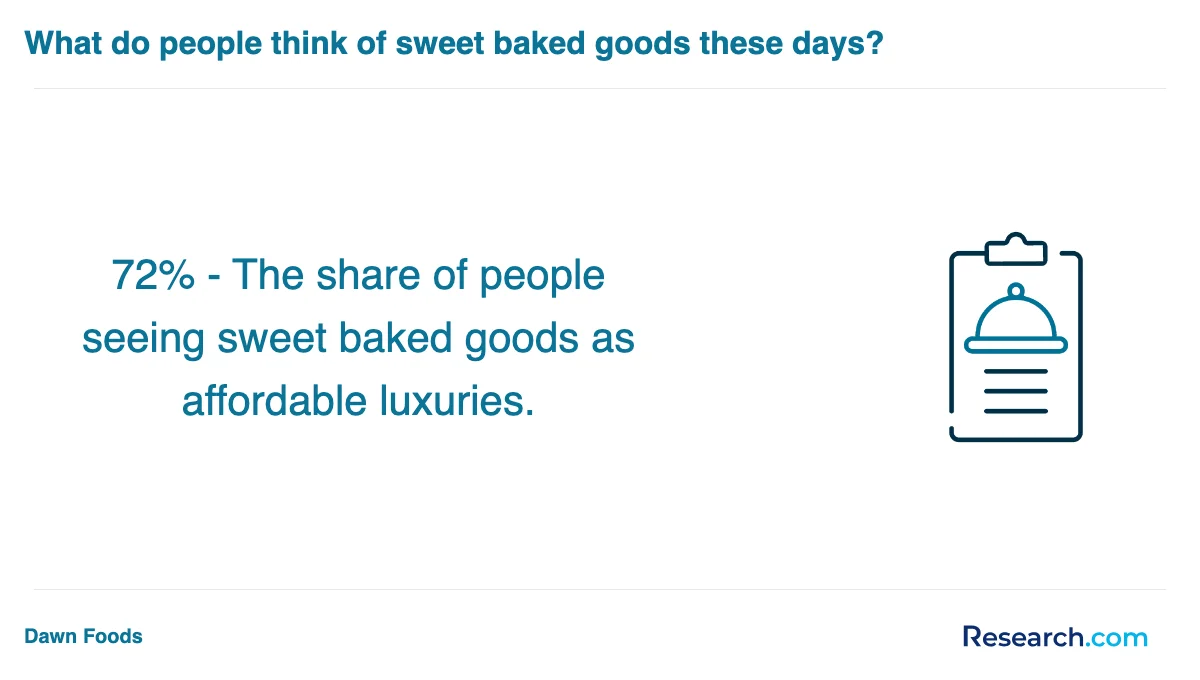
Many baking and pastry students in Pennsylvania find financial aid essential to turning their passion into a career. Completing the FAFSA is the crucial first step, unlocking federal Pell Grants and state aid through agencies like PHEAA. For example, graduates from Northampton Community College often share how these grants eased their financial burdens, allowing them to focus fully on mastering their craft.
Scholarships play a vital role, too. Students at Harrisburg Area Community College recall how scholarships from the HACC Foundation or industry organizations like the American Culinary Federation provided timely support, covering costs beyond tuition. The Thomas W. O'Brien Memorial Scholarship, granting $1,500 to culinary students, is frequently mentioned as a helpful boost.
Work-study programs also offer hands-on experience and income, with Bucks County Community College students highlighting how these opportunities helped them blend learning with earning. Private scholarships like the Modern Mountain "Rise Up" Baking Scholarship further inspire aspiring bakers to pursue their dreams without financial stress.
Enrolling in a baking and pastry trade school program in Pennsylvania usually requires more enthusiasm than formal qualifications, but there are some common prerequisites that aspiring bakers should be ready for. Most schools ask for a high school diploma or GED, ensuring students have a basic educational foundation. Beyond that, a genuine passion for baking and a willingness to learn hands-on skills often weigh heavily in admissions decisions.
Graduates from well-known Pennsylvania trade schools share how their early love for experimenting with recipes at home made the transition smoother. Some mention that having basic math skills helps when measuring ingredients, while others highlight the importance of physical stamina for long hours in the kitchen.
- Proof of high school completion or equivalent
- A personal statement expressing your passion for baking
- Basic understanding of kitchen safety and hygiene
- Willingness to commit to a hands-on, fast-paced learning environment
Trade schools in Pennsylvania often encourage applicants to visit their kitchens or attend open houses, allowing hopeful students to visualize themselves crafting pastries and breads alongside instructors. This real-life glimpse fuels excitement and confirms that the prerequisites are as much about mindset as they are about paperwork.
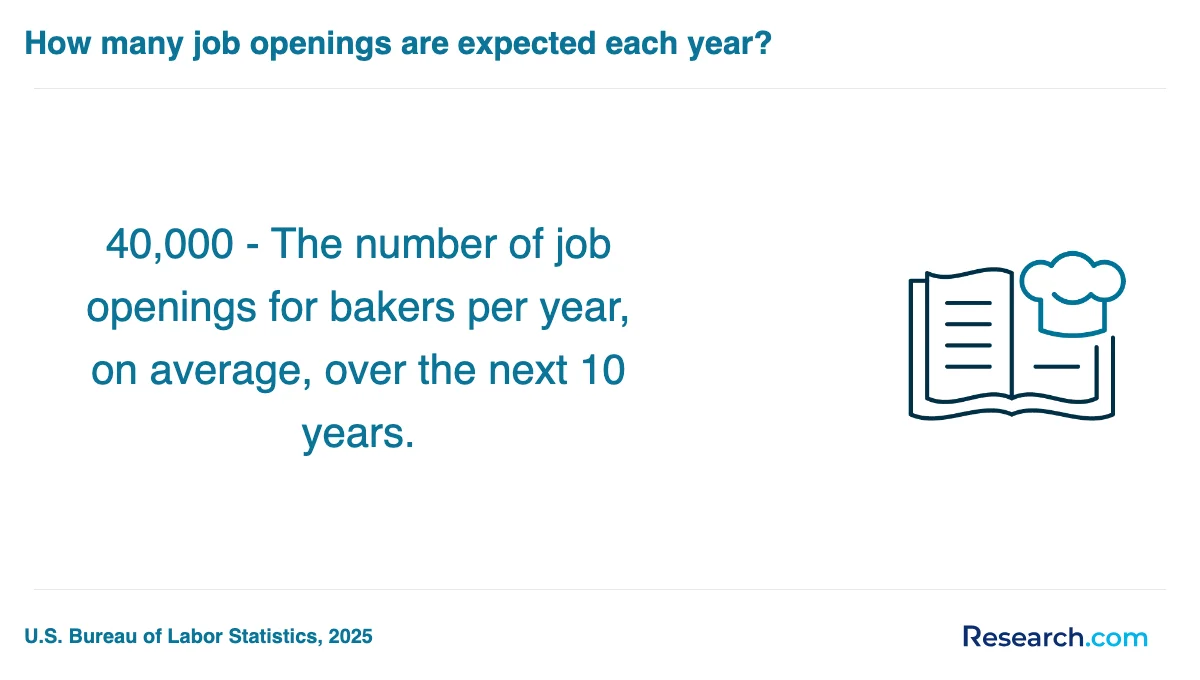
Baking and pastry trade school programs in Pennsylvania immerse students in courses that build both foundational knowledge and advanced pastry artistry. Graduates often recall the excitement of mastering introductory courses like Baking and Pastry Fundamentals and Introduction to Baking and Pastry, where they first learned to craft doughs and batters, understanding the science behind each ingredient.
As they progress, students tackle specialized classes that challenge creativity and precision. Popular courses include:
- Artisan Breads and Rolls, where shaping sourdough loaves becomes a hands-on art;
- Cookies and Petite Desserts, perfecting bite-sized treats;
- Classic Cakes and Tortes, focusing on layered elegance;
- Advanced Baking and Pastry Techniques, pushing skills to new heights;
- Chocolates and Confections, teaching tempering chocolate and candy crafting;
- Plated Desserts, emphasizing presentation and modern trends.
Students from institutions like Indiana University of Pennsylvania and Northampton Community College often highlight how Sanitation and Food Safety courses prepare them to meet real-world kitchen standards, while business-focused classes such as Menu and Cost Control and Management and Supervision equip them for leadership roles.
Many recall the rewarding challenge of externships in commercial bakeries, where classroom lessons come alive, fueling a passion for baking that feels both practical and inspiring in Pennsylvania's vibrant food scene.
Students pursuing baking and pastry trade school programs in Pennsylvania find a rich array of specializations designed to refine their craft and prepare them for dynamic culinary careers. These programs often include:
- Professional Baking, focusing on bread making, cake decorating, and fundamental pastry techniques.
- Pastry Arts Management, which combines creative pastry skills with leadership training, menu planning, and financial analysis.
- Culinary Arts Technology that broadens skills through various cuisines while emphasizing baking and pastry arts.
- Culinary Applications Certificate programs offering practical instruction in menu design and baking methods.
- Baking and Pastry Arts Certificates emphasizing artisan bread making and advanced decorating techniques.
Graduates from popular schools like Bucks County Technical High School and Westmoreland County Community College describe immersive experiences crafting pastries, breads, and showpieces while mastering business skills crucial for bakery management. These programs cultivate confident artisans ready for roles ranging from pastry chefs to operations managers.
Whether working hands-on in commercial kitchens or developing delicate sugar showpieces, students embrace both creative expression and rigorous technique to thrive in Pennsylvania's culinary landscape. For those wondering what can i do with a liberal arts degree alongside these skills, many programs integrate liberal studies, opening even broader career paths.
Choosing the best baking and pastry schools in Pennsylvania means focusing on accreditation, curriculum, and hands-on experience. Graduates from Westmoreland County Community College praise the real-world training they received through apprenticeships that made transitioning into the workforce seamless. Meanwhile, students at the Pennsylvania School of Culinary Arts appreciate the flexibility of accelerated diploma programs that match their busy schedules without sacrificing quality. Comparing baking and pastry programs Pennsylvania-wide reveals key differences in format and length, with associate degrees offering a solid foundation over two years and diploma programs providing quicker entry into the industry.
Cost is often a decisive factor, and community colleges like Bucks County offer affordable tuition paired with strong student support, making them a favorite among budget-conscious learners. Smaller class sizes, such as the intimate 8:1 ratio at Walnut Hill College, foster personalized mentoring and skill-building that graduates consistently highlight as invaluable. Exploring programs with internships or on-site restaurants can open doors to employer networks and boost confidence in career prospects.
For those aiming to enter trade school jobs that pay well, assessing financial aid and scholarship options alongside graduate outcomes is crucial to making an informed choice.
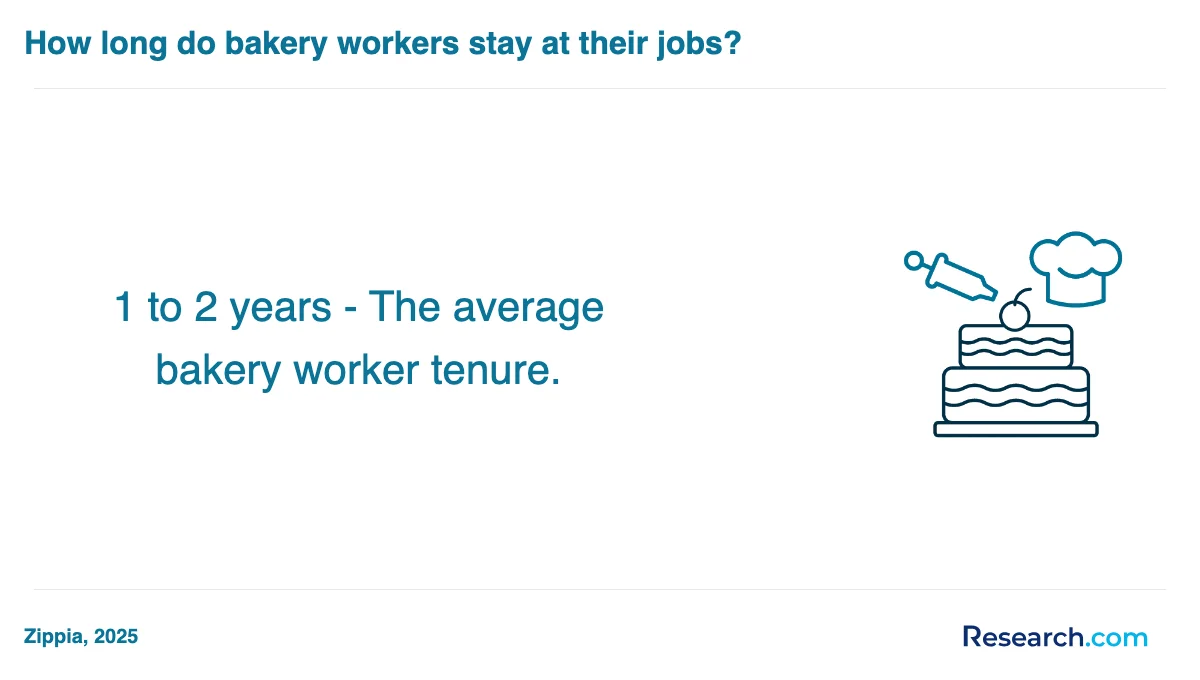
Graduates of baking and pastry trade school programs in Pennsylvania often find diverse and rewarding career paths that reflect their hands-on training and passion. Those from popular schools like Indiana University of Pennsylvania and Northampton Community College frequently start as bakers, pastry cooks, or assistant pastry chefs in local bakeries, hotels, or catering companies. This variety offers a chance to develop skills while working alongside seasoned professionals. Exploring baking and pastry arts careers in Pennsylvania means stepping into roles such as pastry chefs or executive pastry chefs, where creativity and leadership come alive through dessert menu innovation and team management.
Entrepreneurial graduates from programs at HACC or Lackawanna College might launch their own bakeries or catering businesses, turning their dreams into thriving ventures. Others explore niche positions like wedding cake designers or food stylists, blending artistry with commercial demand. The work environments include:
- Independent retail or wholesale bakeries
- Hotel and restaurant pastry departments
- Catering and event venues
- Large-scale food production facilities
- Media and food styling agencies
Pastry chef job opportunities in Pennsylvania are expanding steadily, supported by a field growth projected at 10% nationally. Salaries improve with experience and responsibilities, offering graduates a bright future. For those curious about management prospects tied to this field, understanding the average salary of restaurant manager provides useful perspective on potential earnings and career growth.
The baking and pastry job market in Pennsylvania is vibrant and filled with opportunity for trade school graduates. With hundreds of openings in bakeries, restaurants, and hotels across the state, graduates find themselves stepping into roles such as pastry cooks, cake decorators, and bakery managers. Many graduates from well-known Pennsylvania trade schools share stories of securing positions within weeks of completing their programs, often in renowned establishments like Prantl's Bakery in Pittsburgh.
This market offers not only steady positions but also competitive compensation. Current baking and pastry chef salaries Pennsylvania data show hourly wages between $20 and $22, along with benefits like paid time off and retirement plans, making these careers attractive right from the start.
Graduates benefit from a clear path for growth in their field, fueled by a strong local food culture and hospitality sector that prioritizes skilled professionals. Key advantages for students include:
- High demand in urban and tourist areas
- Opportunities for advancement within established bakeries
- Hands-on experience gained during training that mirrors real-world workplace demands
For those looking to invest wisely in their education, exploring the cheapest way to get an associate's degree can provide affordable routes to enter this flourishing industry.
Most Affordable Baking, Pastry & Culinary Schools - Top Baking & Pastry Chef Schools in Pennsylvania for 2026
# 1 position
Montgomery County Community College - Baking and Pastry Arts/Baker/Pastry Chef.
associateMontgomery County Community College offers a hybrid Baking and Pastry Arts/Baker/Pastry Chef program preparing students for careers as professional bakers and pastry specialists. Instruction covers bread and pastry making, handling, storage, decorating, baking industry operations, packaging, marketing, and service. The program is accredited by the Middle States Commission on Higher Education. Annual in-state tuition is $6,270. Median earnings one year after completion are $31,763.
# 2 position
Montgomery County Community College - Baking and Pastry Arts/Baker/Pastry Chef.
certificate or diplomaMontgomery County Community College offers a hybrid Baking and Pastry Arts/Baker/Pastry Chef program preparing students for careers as professional bakers and pastry specialists. The curriculum covers bread and pastry making, decorating, handling, storage, and baking industry operations, including marketing and product packaging. Annual in-state tuition is $6,270. Graduates have a median earning of $31,763 one year after completion. The program is accredited by the Middle States Commission on Higher Education.
# 3 position
Bucks County Community College - Baking and Pastry Arts/Baker/Pastry Chef.
associateBucks County Community College offers a Baking and Pastry Arts/Baker/Pastry Chef program with a hybrid format, including some distance-education options. The program prepares students to work as professional bakers and pastry specialists in commercial settings. Instruction covers bread and pastry making, handling, storage, decorating, and baking industry operations. Annual in-state tuition is $5,021. The program is accredited by the Middle States Commission on Higher Education.
# 4 position
Bucks County Community College - Baking and Pastry Arts/Baker/Pastry Chef.
certificate or diplomaBucks County Community College offers a hybrid Baking and Pastry Arts/Baker/Pastry Chef program that prepares students for professional roles in commercial baking establishments. The curriculum includes bread and pastry making, decorating, handling, storage, and bakery operations. The annual in-state tuition is $5,021. The program is accredited by the Middle States Commission on Higher Education, providing quality assurance for prospective students.
# 5 position
Pennsylvania Highlands Community College - Baking and Pastry Arts/Baker/Pastry Chef.
associatePennsylvania Highlands Community College offers a Baking and Pastry Arts/Baker/Pastry Chef program with a hybrid format, including some distance-education options. The program prepares students to work as professional bakers and pastry specialists, covering bread and pastry making, handling, decorating, and marketing. Annual in-state tuition is $6,990. The program is accredited by the Middle States Commission on Higher Education.
# 6 position
Luzerne County Community College - Baking and Pastry Arts/Baker/Pastry Chef.
associateLuzerne County Community College offers a Baking and Pastry Arts/Baker/Pastry Chef program with a hybrid format that includes some distance-education options. The program prepares students for careers as professional bakers and pastry specialists, covering bread and pastry making, decorating, storage, and marketing. Annual in-state tuition is $6,450. The program is accredited by the Middle States Commission on Higher Education.
# 7 position
Luzerne County Community College - Baking and Pastry Arts/Baker/Pastry Chef.
certificate or diplomaLuzerne County Community College offers a hybrid Baking and Pastry Arts/Baker/Pastry Chef program designed to prepare students for professional roles in commercial baking. The curriculum covers bread and pastry making, decorating, handling, storage, and marketing operations. Annual in-state tuition is $6,450. The program is accredited by the Middle States Commission on Higher Education and includes some distance-education options for flexible learning.
# 8 position
Lebanon County Area Vocational Technical School - Baking and Pastry Arts/Baker/Pastry Chef.
certificate or diplomaLebanon County Area Vocational Technical School offers a hybrid Baking and Pastry Arts/Baker/Pastry Chef program that trains individuals for professional roles in baking and pastry specialties. The curriculum covers bread and pastry making, handling, storage, cake and pastry decorating, industry operations, product packaging, marketing, and counter service. This program prepares students to work in restaurants or commercial baking establishments.
# 9 position
Lancaster County Career and Technology Center - Baking and Pastry Arts/Baker/Pastry Chef.
certificate or diplomaLancaster County Career and Technology Center offers a hybrid Baking and Pastry Arts/Baker/Pastry Chef program designed to prepare individuals for professional roles in commercial baking establishments. The curriculum covers bread and pastry making, handling and storage, decorating, baking industry operations, product packaging and marketing, and counter display and service. The program is accredited by the Council on Occupational Education.
# 10 position
YTI Career Institute-York - Baking and Pastry Arts/Baker/Pastry Chef.
certificate or diplomaThe Baking and Pastry Arts/Baker/Pastry Chef program at YTI Career Institute-York prepares students to become professional bakers and pastry specialists in commercial settings. It offers hybrid learning options and covers bread and pastry making, decorating, storage, and industry operations. Graduates have a median earning of $28,351 one year after completion. The program is accredited by the Accrediting Commission of Career Schools and Colleges.
Frequently Asked Questions about baking and pastry
After completing a baking and pastry trade school in Pennsylvania, preparing for the job market involves several practical steps. First, gaining hands-on experience through internships or apprenticeships is essential. Many Pennsylvania schools connect students with local bakeries and restaurants, which helps build a professional network. According to the U.S. Bureau of Labor Statistics, Pennsylvania's employment in baking occupations is projected to grow by 5% through 2031, indicating steady demand.
Additionally, obtaining relevant certifications, such as ServSafe Food Handler, can improve job prospects. Graduates should also develop a strong resume showcasing their technical skills and completed coursework. Joining industry associations like the Retail Bakers of America offers access to job listings and professional development. Finally, attending career fairs and leveraging school career services can significantly enhance job placement opportunities in Pennsylvania's competitive culinary market.
Employers in Pennsylvania's baking and pastry industry prioritize a combination of technical and soft skills in trade school graduates. Proficiency in dough preparation, cake decorating, and pastry techniques is essential. Knowledge of food safety standards, including ServSafe certification, is often required to comply with state regulations.
Strong time management and teamwork abilities are highly valued, as bakery environments demand efficient collaboration and meeting tight deadlines. According to the Pennsylvania Department of Labor & Industry, attention to detail and creativity also rank among the top skills sought by employers.
Graduates who demonstrate adaptability and a willingness to learn new baking trends typically have an advantage in this competitive field.
Finding internships in Pennsylvania relevant to baking and pastry trade school programs involves targeted research and networking. Start by contacting local trade schools, such as the Pennsylvania Institute of Baking, which often maintain partnerships with bakeries and restaurants offering internship placements. According to the Pennsylvania Department of Labor & Industry, the hospitality and food services sector employs over 200,000 people statewide, indicating numerous potential opportunities.
Utilize statewide job portals like PA CareerLink, which frequently list baking and pastry internships. Additionally, reaching out directly to well-known Pennsylvania bakeries, hotels, and catering companies can uncover unadvertised openings. Joining professional associations, such as the Retail Bakers of America, also provides valuable internship leads and industry connections.
In Pennsylvania, earning a diploma from a baking and pastry trade school can significantly enhance career mobility. Graduates gain practical skills that meet industry standards, making them attractive to employers in bakeries, hotels, and restaurants statewide. According to the Pennsylvania Department of Labor & Industry, culinary arts jobs, including baking and pastry roles, are expected to grow by 7% through 2030, faster than the average for all occupations.
Trade school diplomas often lead to higher starting wages compared to on-the-job training alone. The U.S. Bureau of Labor Statistics reports that Pennsylvania pastry chefs earn a median salary of about $35,000 annually, with opportunities for advancement into supervisory or specialized roles increasing with formal credentials.
Additionally, many schools offer internship placements that help students build professional networks, which are crucial for career advancement in Pennsylvania's competitive culinary market.
Students enrolled in baking and pastry trade schools in Pennsylvania have access to various part-time job opportunities that enhance their practical skills. Positions such as bakery assistants, pastry helpers, and deli clerks are common and provide hands-on experience. According to the U.S. Bureau of Labor Statistics, Pennsylvania employed over 15,000 bakers and pastry chefs in 2022, reflecting steady demand in this industry.
Many bakeries and cafes in cities like Philadelphia and Pittsburgh offer flexible shifts, ideal for students balancing classes. Additionally, roles in catering companies and hotels allow students to apply classroom knowledge in real-world settings.
These jobs not only support financial needs but also build valuable industry connections.
To find the most affordable Baking and Pastry degree program near me in Pennsylvania, consider starting by contacting local community colleges and vocational schools, as they often offer such programs at lower tuition rates. Additionally, researching through platforms such as Research.com can help identify reputable programs by providing insights and reviews on institutions near Pennsylvania. Many universities and specialty schools offer financial aid and scholarship options to make their baking and pastry programs more financially accessible.
- Most Affordable Baking, Pastry & Culinary Schools - Top Baking & Pastry Chef Schools in New Jersey for 2026
- Most Affordable Baking, Pastry & Culinary Schools - Top Baking & Pastry Chef Schools in Maryland for 2026
- Most Affordable Baking, Pastry & Culinary Schools - Top Baking & Pastry Chef Schools in New York for 2026
- Most Affordable Baking, Pastry & Culinary Schools - Top Baking & Pastry Chef Schools in Connecticut for 2026
- Most Affordable Baking, Pastry & Culinary Schools - Top Baking & Pastry Chef Schools in Massachusetts for 2026
- Most Affordable Baking, Pastry & Culinary Schools - Top Baking & Pastry Chef Schools in Kentucky for 2026
- Most Affordable Baking, Pastry & Culinary Schools - Top Baking & Pastry Chef Schools in North Carolina for 2026
- Most Affordable Baking, Pastry & Culinary Schools - Top Baking & Pastry Chef Schools in South Carolina for 2026
- Most Affordable Baking, Pastry & Culinary Schools - Top Baking & Pastry Chef Schools in New Hampshire for 2026
- Most Affordable Baking, Pastry & Culinary Schools - Top Baking & Pastry Chef Schools in Michigan for 2026
- Baking and Pastry School: Read This Before You Enroll - CulinaryLab https://culinarylabschool.com/baking-and-pastry-school/
- Baking & Pastry Arts Trade Schools & Programs https://www.best-trade-schools.net/programs/culinary/baking-and-pastry-arts/
- Baking and Pastry Arts Degree | Culinary Institute of America https://www.ciachef.edu/cia-baking-and-pastry-arts-associate-degree-program/
- Why Specialize in Baking and Pastry? - Baker College https://www.baker.edu/about/get-to-know-us/blog/why-specialize-in-baking-and-pastry/
- Baking and Pastry Arts - Public and Consumer Services - New Castle County Vocational Technical School District https://www.nccvotech.com/apps/pages/index.jsp
- Want to Go to Pastry School? - Dessert First https://dessertfirstgirl.com/want-to-go-to-pastry-scho
- Baking and Pastry - Washington Network for Innovative Careers https://wanic.lwsd.org/academics/full-year-courses/baking-and-pastry
- Baking and Pastry Foundations Program H128 | George Brown College https://www.georgebrown.ca/programs/baking-and-pastry-foundations-program-h128
- Baking and Pastry Arts https://www.sait.ca/programs-and-courses/diplomas/baking-and-pastry-arts
- 7 Career Options After a Diploma in Culinary Arts | Build Your Culinary Career https://www.tedcoeducation.com/career-after-diploma-in-culinary-arts