Most Affordable Baking, Pastry & Culinary Schools - Top Baking & Pastry Chef Schools in Massachusetts for 2026

Co-Founder and Chief Data Scientist
Choosing the right baking and pastry trade school in Massachusetts can shape your future career in the culinary arts. This article introduces a carefully crafted ranking of baking and pastry trade school programs, developed by the Research.com team of data scientists. It’s designed to help you explore the most affordable and quality options available in 2026.
By reading, you’ll gain valuable insights that make your decision easier and more confident. Earning a diploma or certification opens doors to exciting opportunities in a rewarding field. Your passion for baking deserves the best start.
Key benefits of finishing baking and pastry trade school in Massachusetts
- Graduates can expect competitive salaries, with Pastry Chefs in Massachusetts earning an average annual salary of around $74,682, reflecting strong earning potential early in their careers.
- Career paths include roles such as pastry chef, bakery manager, or pastry cook, offering diverse opportunities in bakeries, restaurants, and hotels throughout the state.
- Completing a baking and pastry program online provides flexibility and convenience, allowing students to learn at their own pace while gaining practical skills valued by employers.
- Most Affordable Baking, Pastry & Culinary Schools - Top Baking & Pastry Chef Schools in Massachusetts for 2026
- What can I expect from baking and pastry trade schools in Massachusetts?
- Where can I work after finishing baking and pastry trade schools in Massachusetts?
What can I expect from baking and pastry trade schools in Massachusetts?
Expect a hands-on learning experience from the start, with most of your time spent in kitchens and pastry labs guided by skilled instructors. Graduates from programs in Massachusetts often describe the intensive training, like the 300+ hours in a 14- to 16-week course, as challenging but rewarding, with small class sizes ensuring personalized support.
Curriculum covers everything from classic French baking techniques to modern plating and advanced sugar and chocolate work. You'll progress from basic bread and pastry making to creating intricate showpieces, building confidence with each skill. Practical knowledge extends beyond baking to include food safety certifications and allergen awareness, essential for working professionally in Massachusetts' culinary environment.
Assessments vary-expect hands-on exams, written tests, and portfolio reviews, sometimes paired with real-world event experience through assistant roles. Admission is open to those with basic kitchen skills and a strong passion for baking, so even beginners find a welcoming start.
Graduates often leave prepared for roles like baker or cake decorator, ready to enter a growing Massachusetts job market with enthusiasm and solid expertise.
Where can I work after finishing baking and pastry trade schools in Massachusetts?
Graduates from baking and pastry trade schools in Massachusetts find diverse job opportunities across bakeries, restaurants, cafés, hotels, and catering companies throughout the state. In cities like Boston, over 200 bakery positions are available, ranging from bakery clerks to pastry assistants, offering a practical entry point for new graduates eager to apply their skills.
Many alumni secure roles as pastry chefs or assistants, with hourly wages typically between $19 and $23, as seen at well-known local businesses such as Twist Bakery and Cafe. Experienced professionals can expect higher pay, especially in full-time roles at top restaurant chains or catering companies, which sometimes offer annual salaries from $85,000 to $90,000.
Some graduates leverage their experience to teach culinary classes or work in hotel kitchens, focusing on dessert creation and menu planning. Artisan chocolate shops like L.A. Burdick Chocolates also hire pastry assistants, providing a creative outlet for hands-on craftsmanship.
Massachusetts' strong hospitality industry and vibrant food scene create continuous demand, making it realistic for trade school grads to find rewarding roles or start their own bakery or catering business.
After finishing a baking and pastry trade school program in Massachusetts, you can expect entry-level salaries that vary by role and experience. Graduates who start as bakers usually earn around $30,550 annually in Massachusetts, which is slightly below the national median of $36,650. This reflects the entry-level nature of many bakery positions but offers a solid foundation.
Pastry chef roles, however, offer a more promising financial outlook. For example, graduates from community colleges like North Shore Community College report early career salaries near $39,822, with average pastry chef salaries in Massachusetts reaching about $74,682 per year. Entry-level pastry chefs can start around $72,217, with hourly wages typically ranging from $20 to $34, depending on skills and location.
Many graduates find satisfaction working in bustling hotels or specialty bakeries, where higher wages reflect their growing expertise. This range means you can realistically plan a career with upward mobility, especially if you gain experience and certifications within Massachusetts' vibrant culinary scene.
- Admission mainly requires demonstrated interest and basic skills, with no strict academic prerequisites or mandatory prior experience.
- Program lengths range from 14 weeks for certificate courses to about 37 weeks for comprehensive programs, offering 300 to 740 hours of hands-on training.
- Tuition varies by institution, with a 14-week program at Boston University costing $14,200 as of 2026.
- Graduates often earn certificates including ServSafe Manager and Massachusetts Allergen Awareness, with optional certifications available from organizations like the Retail Bakers of America.
- Entry-level salaries for baking and pastry professionals in Massachusetts typically range from $32,000 to $40,000 per year, with experienced workers earning up to $55,000 or more.
In Massachusetts, completing a baking and pastry trade school program typically takes between 9 months to 1 year. Many students find this timeframe ideal because it balances gaining hands-on skills with manageable time commitment. Graduates from well-known trade schools in Boston and Worcester often share how the immersive, practical approach helped them quickly build confidence in real bakery settings.
For instance, students describe a schedule packed with daily kitchen labs and lessons on classic techniques, which makes the learning process both intense and rewarding. This accelerated pace means you can move from beginner to job-ready in less than a year, a huge plus if you want to start working or open your own bakery soon.
Scheduling is flexible enough for those balancing part-time work or family responsibilities, making it practical for many Massachusetts residents. The focused curriculum ensures that by the time you graduate, you're equipped with the essential skills to thrive in a competitive culinary environment.
The main difference between online and on-campus baking and pastry trade school programs in Massachusetts lies in how students gain hands-on experience. Graduates from Holyoke Community College and Boston University's Professional Program in Pastry Arts often recall the energy of working side-by-side with instructors in fully equipped kitchens. They describe the instant feedback they received while shaping dough or perfecting pastries under expert eyes, which built their confidence quickly.
By contrast, online students appreciate the flexibility to learn at their own pace from home, accessing recorded demonstrations and digital lectures. However, they often mention the challenge of replicating professional environments without direct supervision. These students must be self-driven, arranging their own kitchen practice and submitting videos to prove their skills.
On-campus programs offer fixed schedules and collaborative atmospheres, while online options suit those balancing other commitments. Both paths require commitment, but the choice depends on how you prefer to learn practical baking techniques versus theory and self-managed practice.
The average tuition fees for baking and pastry programs in Massachusetts vary widely, reflecting the diverse options available to students. For example, graduates from Boston University's Professional Pastry Arts Program often recount their experience in a rigorous, hands-on 14-week certificate course priced at $14,200. This investment covers comprehensive training guided by seasoned instructors, which many find justifies the higher cost. On the other hand, community colleges like Bunker Hill provide more budget-friendly pathways, with tuition fees around $3,888 for in-state students and $8,832 for out-of-state attendees. Graduates of such programs often speak positively about gaining essential skills without the high price tag, while keeping additional costs like an estimated $2,100 for books and supplies in mind.
When considering the cost of baking and pastry diploma programs in Massachusetts, students should also factor in expenses beyond tuition. Uniforms, textbooks, and tools can add between $1,000 and $3,000. Many past students recall budgeting carefully for these essentials to fully equip themselves for the trade. Some programs like Massasoit Community College encourage direct inquiry about tuition, hinting at even more accessible options for aspiring bakers.
Future students should explore financial aid and scholarships, as many in the culinary field have benefited from grants through organizations like the Massachusetts Restaurant Association Educational Foundation. Those considering a comprehensive culinary arts degree often find these resources crucial in balancing out the costs while pursuing their passion.
Baking and pastry students in Massachusetts have access to a mix of federal, state, and institutional financial aid, making their education more affordable. Many graduates from popular schools like Cambridge School of Culinary Arts report using federal Pell Grants and loans after filing the FAFSA, which helped cover a large portion of their tuition. These grants don't require repayment, easing financial pressure significantly.
State aid from the Massachusetts Office of Student Financial Assistance also supports residents attending approved in-state programs. For example, students at community colleges such as Massasoit or North Shore often combine state scholarships with federal aid, reducing their net costs to around $8,100 annually. This blend of funding makes pursuing baking and pastry studies feel less daunting for many.
Trade schools frequently offer flexible payment plans or merit-based scholarships. Graduates recall how these options, like quarterly payments at Cambridge, allowed them to manage expenses without overwhelming debt. Additionally, some unique programs, such as Boston Kroc Center's Culinary Arts Training, even provide free tuition, a rare but welcome opportunity for those qualifying.
Private scholarships from culinary organizations can further supplement aid. Overall, students benefit from exploring all avenues, turning their passion for baking into a practical, supported career path.
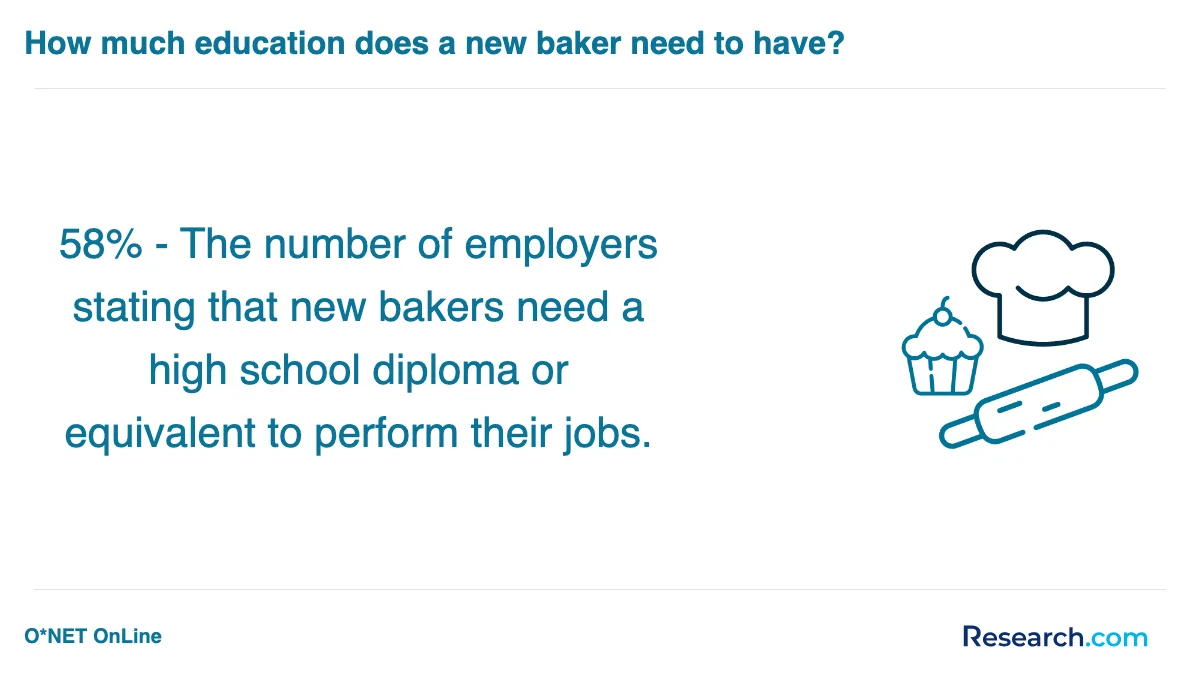
Enrolling in a baking and pastry trade school program in Massachusetts usually requires a high school diploma or equivalent. Many programs appreciate applicants who come with a genuine passion for baking, often demonstrated through prior hands-on experience, whether from home baking or part-time jobs in bakeries.
Graduates from well-known Massachusetts trade schools often mention how having basic kitchen skills before starting made a big difference. For example, being comfortable with measuring ingredients, understanding oven temperatures, or knowing simple dough techniques can ease the transition into the program's rigorous pace.
- A completed high school diploma or GED is mandatory.
- Some schools recommend or require a brief interview to assess motivation and commitment.
- Basic familiarity with kitchen tools and ingredients is a plus but not always strictly enforced.
- Health and safety certifications may be required before practical classes begin.
Many students find that showing enthusiasm and a willingness to learn outweighs formal culinary experience. This pragmatic approach helps students from diverse backgrounds succeed in Massachusetts trade schools focused on baking and pastry arts.

Baking and pastry trade school programs in Massachusetts focus on building practical skills alongside essential theory. Graduates from Holyoke Community College and Boston University highlight hands-on labs where they practiced making yeast breads, cookies, and laminated doughs like croissants. This real-world experience helps students gain confidence in a professional kitchen setting.
Typical courses include:
- Ingredient identification and precise measurement techniques
- Food safety certifications such as ServSafe Manager and Massachusetts Allergen Awareness
- Baking fundamentals: quick breads, cakes, and laminated dough
- Advanced pastry skills: plated desserts, wedding cake design, chocolate, and sugar work
At Cambridge School of Culinary Arts, students spend over 700 hours mastering creative showpieces and artisan breads, which alumni describe as challenging but rewarding. Programs like Johnson & Wales University break down the curriculum into focused segments on cake production, artisan bread, and confections, providing a clear roadmap for skill development.
Students often share how internships and event credits prepare them for fast-paced bakery environments, making the transition from classroom to career smoother and more exciting.
In Massachusetts, baking and pastry trade school programs offer a range of specializations tailored to practical skills and industry demand. Graduates from schools like the Cambridge School of Culinary Arts and Massasoit Community College often highlight hands-on training in Artisan Bread Baking and Advanced Pastry Techniques that build confidence in foundational craftsmanship.
Students frequently mention mastering Chocolate and Confectionery Arts, enabling them to create exquisite treats that delight customers and enhance their career opportunities. Cake Decorating and Design is another popular focus, giving students the creativity and precision needed for custom orders in bakeries.
Several programs in Massachusetts also include Gluten-Free and Vegan Baking, reflecting current dietary trends and opening doors to specialized markets. For those interested in broader management roles, Culinary Management and Entrepreneurship skills prepare students for running successful pastry businesses.
The wide variety of specializations ensures that graduates leave equipped to excel. Many note that earning certifications while studying these courses in Massachusetts lays a strong foundation, sometimes leading to the associate's degree with highest salary in culinary fields.
Choosing from the best baking and pastry trade schools in Massachusetts means focusing on accreditation, curriculum, and hands-on experience. Graduates from Bunker Hill Community College often highlight the value of its accreditation by the New England Association of Schools and Colleges, which boosts employer recognition. Meanwhile, students at Boston University's top-rated baking and pastry programs in Massachusetts appreciate small class sizes, with only 12 students per cohort, allowing for personalized mentorship that sparks confidence and skill development.
Look for programs offering specialized courses, such as gluten-free or vegan baking, like those at Boston University, which resonated deeply with graduates seeking niche expertise. Practical training is vital; Cambridge School of Culinary Arts, for example, provides real-world internships that former students say were pivotal for career readiness. Also, consider financial details-some programs, like Massasoit Community College's Pastry Certificate, do not offer financial aid, which requires careful budgeting.
For those wondering about overall degree accessibility, researching whats the easiest associates degree to get can provide additional perspective on time and commitment involved.
Baking and pastry trade school graduates in Massachusetts can pursue a variety of rewarding career paths that suit different skill levels and ambitions. Many find positions as pastry chefs, assistant pastry chefs, or bakery production team members, especially in bustling urban areas like Boston and Cambridge where bakery-related jobs are abundant. These roles provide solid hands-on experience in pastry kitchens and artisan bakeries, setting a strong foundation.
Graduates with a few years of experience often advance to roles such as executive pastry chefs, overseeing dessert menus and leading kitchen teams in hotels and restaurants. Specialized careers, including chocolatiers and cake decorators, also offer satisfying creative outlets. Large retailers and boutique bakeries alike seek skilled bakers to produce high-quality breads and pastries.
Typical career options include:
- Pastry Chef and Assistant Pastry Chef
- Lead Baker and Bakery Production Specialist
- Cake Decorator and Chocolatier
- Research and development roles in commercial bakeries
- Management and entrepreneurship in bakery businesses
Graduates from Massachusetts trade schools appreciate the competitive salaries and benefits such as health insurance and 401(k) matching available locally. For those considering further advancement, exploring jobs after master's in hospitality management can open doors to leadership roles beyond the kitchen. Embracing these pastry chef career opportunities in Massachusetts ensures steady growth in a vibrant and expanding market for baking and pastry jobs in Massachusetts.
The job market for baking and pastry trade school graduates in Massachusetts remains robust, especially in metropolitan areas like Boston and its suburbs. Graduates from popular local trade schools find a variety of baking and pastry job opportunities in Massachusetts, ranging from entry-level roles in bakeries and specialty cake shops to advanced positions such as Pastry Chef or Lead Baker. Many recent grads share positive experiences about quickly landing jobs where they apply both traditional techniques and innovative creativity, valued highly by employers like Modern Pastry.
Salaries for pastry-related careers offer room for growth, with pastry chef salary Massachusetts postings frequently citing offers between $55,000 and $90,000 annually, including benefits like health insurance and retirement plans. The state's employers emphasize ongoing skill development and advancement, making these roles well-suited for graduates eager to expand their expertise on the job.
For those considering a career in this field, it helps to explore high paying jobs easy certification paths and understand job demand factors such as steady openings and replacement needs across the industry.
Most Affordable Baking, Pastry & Culinary Schools - Top Baking & Pastry Chef Schools in Massachusetts for 2026
# 1 position
Bristol Community College - Baking and Pastry Arts/Baker/Pastry Chef.
certificate or diplomaBristol Community College offers a hybrid Baking and Pastry Arts/Baker/Pastry Chef program designed to prepare students for careers as professional bakers and pastry specialists. The curriculum covers bread and pastry making, handling, storage, cake decorating, baking industry operations, product packaging, marketing, and counter service. Annual in-state tuition is $5,412. The program is accredited by the New England Commission on Higher Education.
# 2 position
Massasoit Community College - Baking and Pastry Arts/Baker/Pastry Chef.
certificate or diplomaMassasoit Community College offers a hybrid Baking and Pastry Arts/Baker/Pastry Chef program designed to prepare students for careers as professional bakers and pastry specialists. The curriculum covers bread and pastry making, handling, storage, cake and pastry decorating, and baking industry operations. The annual in-state tuition is $5,376. The program is accredited by the New England Commission on Higher Education.
# 3 position
North Shore Community College - Baking and Pastry Arts/Baker/Pastry Chef.
certificate or diplomaNorth Shore Community College offers a hybrid Baking and Pastry Arts/Baker/Pastry Chef program designed to prepare individuals for professional roles in restaurants and commercial baking establishments. The curriculum includes bread and pastry making, decorating, handling, storage, and marketing operations. The annual in-state tuition is $5,352. The program is accredited by the New England Commission on Higher Education.
# 4 position
Bunker Hill Community College - Baking and Pastry Arts/Baker/Pastry Chef.
associateBunker Hill Community College offers a hybrid Baking and Pastry Arts/Baker/Pastry Chef program designed to prepare students for professional roles in baking establishments. The curriculum covers bread and pastry making, decorating, handling, storage, and industry operations including marketing and product packaging. The annual in-state tuition is $5,520. The program is accredited by the New England Commission on Higher Education, providing a recognized credential for graduates.
# 5 position
Bunker Hill Community College - Baking and Pastry Arts/Baker/Pastry Chef.
certificate or diplomaBunker Hill Community College offers a hybrid Baking and Pastry Arts/Baker/Pastry Chef program designed to prepare students for professional roles in restaurants and commercial baking establishments. The curriculum covers bread and pastry making, handling, storage, decorating, and baking industry operations, including product packaging and marketing. The program’s annual in-state tuition is $5,520 and it is accredited by the New England Commission on Higher Education.
Frequently Asked Questions about baking and pastry
After completing a baking and pastry trade school in Massachusetts, preparing for the job market involves several key steps. First, graduates should build a strong portfolio showcasing their culinary skills, including photographs and descriptions of their best work. Networking is crucial; attending industry events and joining local culinary associations can open doors to job opportunities.
Internships or apprenticeships gained during or after school provide valuable hands-on experience and often lead to employment. Massachusetts has a growing foodservice industry, with the Bureau of Labor Statistics reporting about 3,000 pastry chefs and bakers employed statewide as of 2023.
Finally, continuing education and certifications, such as those offered by the American Culinary Federation, can enhance a resume and improve job prospects in this competitive field.
Employers in Massachusetts seek specific skills in graduates from baking and pastry trade schools to meet industry demands. Technical proficiency in baking techniques, such as dough preparation, cake decorating, and chocolate work, remains essential. Attention to detail and consistency are critical, as precision affects product quality and customer satisfaction.
Strong knowledge of food safety and sanitation standards, aligned with regulations from the Massachusetts Department of Public Health, is highly valued. Additionally, employers appreciate graduates who demonstrate creativity and the ability to innovate within traditional baking methods.
Soft skills like teamwork, time management, and adaptability are also important, especially in busy kitchen environments. According to the U.S. Bureau of Labor Statistics, Massachusetts's pastry chef roles emphasize these combined skills for successful career placement.
Finding internships relevant to baking and pastry trade school programs in Massachusetts involves several key steps. Start by contacting your trade school's career services, as many schools maintain partnerships with local bakeries and restaurants. According to the Massachusetts Department of Higher Education, nearly 60% of culinary students secure internships through school-affiliated programs.
Additionally, explore local businesses in cities like Boston, Worcester, and Springfield. Many small bakeries and larger hospitality groups offer internships, often posted on regional job boards such as MassHire. Networking at industry events and joining professional organizations like the Massachusetts Restaurant Association can also open doors to opportunities.
Finally, consider reaching out directly to bakeries and patisseries with a well-prepared resume, demonstrating both your skills and enthusiasm. This proactive approach often leads to valuable hands-on experience in the state's competitive baking industry.
Obtaining a baking and pastry trade school diploma in Massachusetts significantly enhances career mobility and advancement opportunities within the culinary industry. Graduates gain hands-on skills and industry-recognized credentials, which local employers highly value. According to the Massachusetts Executive Office of Labor and Workforce Development, skilled culinary workers with formal education tend to experience faster job placement and higher wage growth compared to those without diplomas.
Trade programs often include internships or externships, providing essential networking chances in Massachusetts' vibrant food scene. This practical experience helps graduates move more quickly into supervisory or specialized pastry roles.
Additionally, many diploma holders leverage their education to open bakeries or advance into management, contributing to upward social mobility in the state's growing culinary market.
Students enrolled in baking and pastry trade schools in Massachusetts can find several part-time job opportunities that enhance their practical skills. Positions such as bakery assistants, pastry helpers, and prep cooks are common in local bakeries and cafes. According to the Massachusetts Executive Office of Labor and Workforce Development, the food preparation and serving sector is projected to grow by 5% through 2028, offering steady part-time roles for students.
Working in these roles provides hands-on experience with ingredients, equipment, and customer service, complementing classroom learning. Additionally, some students find opportunities in catering companies or farmers' markets, which help develop time management and business skills essential for baking professionals.
Finding an affordable Baking and Pastry degree program "near me" can be facilitated by exploring local community colleges and institutions that offer specialized culinary arts programs. In Massachusetts, a variety of universities and trade schools provide comprehensive courses in baking and pastry arts, often at competitive tuition rates. Research.com can be a useful resource to explore these programs "near Massachusetts," helping you identify the best options that fit your educational and budgetary needs.
- Most Affordable Baking, Pastry & Culinary Schools - Top Baking & Pastry Chef Schools in Connecticut for 2026
- Most Affordable Baking, Pastry & Culinary Schools - Top Baking & Pastry Chef Schools in New Hampshire for 2026
- Most Affordable Baking, Pastry & Culinary Schools - Top Baking & Pastry Chef Schools in New York for 2026
- Most Affordable Baking, Pastry & Culinary Schools - Top Baking & Pastry Chef Schools in New Jersey for 2026
- Most Affordable Baking, Pastry & Culinary Schools - Top Baking & Pastry Chef Schools in Pennsylvania for 2026
- Most Affordable Baking, Pastry & Culinary Schools - Top Baking & Pastry Chef Schools in Maryland for 2026
- Most Affordable Baking, Pastry & Culinary Schools - Top Baking & Pastry Chef Schools in Kentucky for 2026
- Most Affordable Baking, Pastry & Culinary Schools - Top Baking & Pastry Chef Schools in North Carolina for 2026
- Most Affordable Baking, Pastry & Culinary Schools - Top Baking & Pastry Chef Schools in South Carolina for 2026
- Most Affordable Baking, Pastry & Culinary Schools - Top Baking & Pastry Chef Schools in Michigan for 2026
- What Can You Do with a Baking & Pastry Degree? https://www.lci.edu/blog/what-can-you-do-with-a-baking-pastry-degree
- 14 Exciting Careers with a Baking and Pastry Arts Degree https://www.baker.edu/about/get-to-know-us/blog/careers-with-a-baking-and-pastry-arts-degree/
- Where Can you Work as a Baking and Pastry Arts Chef? https://www.ecpi.edu/blog/where-can-you-work-as-a-baking-and-pastry-chef
- What Are the Career Opportunities in Baking and Pastry? - Escoffier https://www.escoffier.edu/blog/culinary-pastry-careers/what-are-the-career-opportunities-in-baking-and-pastry/
- Career Opportunities in Baking and Pasty https://www.hrcacademy.com/en/blog/career-opportunities-for-bakers-and-pastry-chefs/
- 7 Exciting Careers for Baking & Pastry Arts Grads | Johnson & Wales University https://www.jwu.edu/news/2022/06/baking-pastry-arts-careers.html
- Exciting Careers with Your Baking & Pastry Arts Diploma | Pacific Institute of Culinary Arts https://www.picachef.com/in-the-news/exciting-careers-with-your-baking-pastry-arts-diploma
- Sweet Careers: 9 Best Opportunities in Baking and Pastry https://chefibpa.com/best-career-opportunities-in-baking-and-pastry/
- Baking & Pastry Arts Majors in Massachusetts - Trade College https://tradecollege.org/majors/personal-and-culinary-services/culinary-arts/baking-and-pastry-arts/massachusetts-us/
- Baking and Pastry Arts, AAS | Monroe University Catalog https://catalog.monroeu.edu/catalog/schools-academic-programs/hospitality-management/baking-pastry-arts-aas/