
Most Affordable Baking, Pastry & Culinary Schools - Top Baking & Pastry Chef Schools in Connecticut for 2026

Co-Founder and Chief Data Scientist
Looking to start a rewarding career in baking and pastry arts in Connecticut? This article introduces the most affordable baking and pastry trade schools in the state for 2026, carefully ranked by the Research.com team of data scientists. Their ranking helps you identify programs that offer great value and quality education.
Whether you want a diploma or certification, pursuing this path opens doors to creative and fulfilling opportunities. Reading this guide will empower you to make a confident and informed decision about your future in the culinary world.
Key benefits of finishing baking and pastry trade school in Connecticut
- Graduates of baking and pastry trade schools in Connecticut can expect starting salaries around $17 to $23 per hour, with opportunities to grow toward $30 per hour or more as skills and experience increase.
- Career paths include positions such as pastry chef, bakery pastry chef, and pastry cook, with many graduates from popular trade schools in Connecticut quickly finding roles in local bakeries and restaurants.
- Completing a baking and pastry trade school online offers great flexibility and faster completion times, helping graduates balance work and study while gaining hands-on skills from experienced instructors.
- Most Affordable Baking, Pastry & Culinary Schools - Top Baking & Pastry Chef Schools in Connecticut for 2026
- What can I expect from baking and pastry trade schools in Connecticut?
- Where can I work after finishing baking and pastry trade schools in Connecticut?
What can I expect from baking and pastry trade schools in Connecticut?
Enrolling in a baking and pastry trade school program in Connecticut means stepping into a world where hands-on learning meets culinary creativity. Graduates from well-known schools like CT State Norwalk often describe their experience as both challenging and deeply rewarding, balancing classroom lessons with real-time kitchen practice. Expect to master essential techniques for crafting bread, pies, cakes, and custards, while also gaining confidence in a bustling commercial kitchen environment.
The programs typically span one to two years, with flexible options such as evening classes designed for working students. You'll learn not only the science behind ingredients and baking methods but also vital skills like food safety, sanitation, and kitchen organization. Many students appreciate the chance to build connections through internships or industry placements, turning their passion into practical career opportunities.
Graduates often reflect on the joy of transforming simple ingredients into beautiful pastries and the satisfaction of knowing they're prepared for roles like baker or pastry cook in Connecticut's vibrant culinary scene. The supportive environment and expert guidance inspire confidence, making the journey feel both accessible and exciting.
Where can I work after finishing baking and pastry trade schools in Connecticut?
Graduates from baking and pastry trade schools in Connecticut often find themselves stepping confidently into roles across bakeries, cafés, restaurants, hotels, and catering companies. Many recall their first jobs as bakery clerks or café associates, places where hands-on training from schools like the Culinary Institute of Connecticut made the transition seamless. These positions offer a welcoming environment to apply skills learned, such as crafting fresh breads or decorating cakes, while building customer service experience.
For those drawn to creativity and leadership, becoming a pastry chef or assistant pastry chef is a natural step. Graduates often share stories of starting as pastry cooks in upscale restaurants or resorts, then advancing to managing pastry teams. These roles allow them to showcase artistry in desserts and refine their techniques in dynamic settings.
Others discover joy working in grocery store bakeries or specialty cake shops, where they can specialize as cookie decorators or bakery display associates, bringing vibrant, eye-catching creations to customers daily. Some graduates even embrace entrepreneurship, launching their own boutique bakeries, fueled by the encouragement and skills gained during their trade school experience.
After finishing a baking and pastry trade school program in Connecticut, many graduates find themselves stepping into the workforce with an average early-career salary around $31,240 per year. This number often brings a sense of accomplishment and hope, especially when recalling the hands-on training and community support experienced at popular local schools.
For example, some graduates from well-known Connecticut programs share that their starting salaries hover near $34,481, reflecting the value employers place on their practical skills. Entry-level bakers typically earn about $28,050 annually, but those who hone their craft and take on roles like chefs or head cooks can expect to reach median salaries close to $53,730, offering a clear path for growth.
Hourly wages for bakery pastry chefs average $23.80, with many enjoying the steady rhythm of creative work and the satisfaction of seeing customers delight in their creations. Though pay can range from $17.36 to $29.71 per hour, the blend of passion and growing expertise often translates into rewarding opportunities across Connecticut's vibrant culinary scene.
- Baking and pastry programs in Connecticut offer certificate options requiring 20 to 30 credit hours, usually completed within one year, and associate degrees needing 60 to 65 credit hours over about two years.
- Tuition for comprehensive certificate or associate degree programs ranges from $4,000 to $12,000, while a single-semester non-credit baking course costs around $735.
- Entry-level salaries for baking and pastry professionals in Connecticut range from $28,000 to $38,000 annually, with experienced workers earning between $45,000 and $60,000.
- Programs emphasize hands-on training, including commercial baking techniques, ingredient function, and internships to build practical skills.
- Professional certifications from organizations like the Retail Bakers of America can enhance job opportunities and may lead to higher pay or supervisory roles.
- Credits from certificate programs often transfer toward associate degrees, and associate degree credits may be applied to four-year colleges for further education.
Completing a baking and pastry trade school program in Connecticut typically takes about 9 to 12 months. Many graduates from well-known Connecticut trade schools share how this timeframe allowed them to deeply engage with hands-on learning while balancing life outside the classroom. They often describe the experience as immersive yet manageable, with enough time to master essential skills like dough preparation, cake decorating, and artisan bread baking without feeling rushed.
At schools popular in Connecticut, students find themselves in vibrant kitchens where the aroma of fresh pastries inspires daily growth. One graduate recalled the satisfaction of seeing their first perfectly laminated croissant after several months of practice, a moment that made the months of dedication worthwhile. The program length encourages steady progression, allowing learners to build confidence and creativity gradually.
For those passionate about turning their love for baking into a career, this completion time strikes a balance between intensive training and real-world readiness, making Connecticut trade schools a practical choice for aspiring pastry chefs.
The key difference between online and on-campus baking and pastry trade school programs in Connecticut lies in how students engage with their craft and community. Online programs, like those affiliated with national providers and accessible to Connecticut students, allow learners to study from their own kitchens, blending video lessons and interactive tasks with a required hands-on externship at a local bakery. Graduates often share how this balance of flexibility and real-world experience gave them confidence while managing work or family commitments.
On-campus programs at schools such as Manchester Community College immerse students in fully equipped kitchens, where they practice alongside peers under direct instructor guidance. Many graduates describe the energy of working side-by-side with others and receiving instant feedback as invaluable for mastering techniques and building industry connections.
While online courses offer self-paced learning suited to busy lives, on-campus classes provide structure and immediate access to professional tools. Both paths demand dedication, but the choice often depends on how a student prefers to blend hands-on practice, flexibility, and community support within Connecticut's baking and pastry education landscape.
The average tuition for baking and pastry programs in Connecticut often reflects a balance between quality education and financial investment. Public trade schools typically have tuition rates around $4,050 for their largest offerings, which gives a helpful benchmark even though baking and pastry arts may vary slightly in cost. Graduates from these programs often recount their experiences of hands-on learning combined with manageable expenses, making it possible to pursue their passion without overwhelming debt.
However, when considering private institutions, the cost of baking and pastry trade school programs in Connecticut can be notably higher. Some private programs have tuitions exceeding $20,000, reflecting the specialized resources and smaller class sizes that appeal to students seeking intensive, focused training. Many baking and pastry students appreciate the extra investment for the advanced techniques and strong industry connections these schools provide.
Beyond tuition, students must factor in expenses like books, supplies, and living costs, which can significantly influence the total price of attendance. In Connecticut, additional costs for supplies often reach around $2,425, with living expenses for off-campus students averaging about $22,606. Such figures help graduates plan realistically for their full educational journey and avoid surprises.
For those searching for affordable options, exploring online programs may offer more flexibility. Visiting cheap baking and pastry arts trade school online listings can reveal alternatives that suit different budgets while maintaining quality instruction and career readiness.
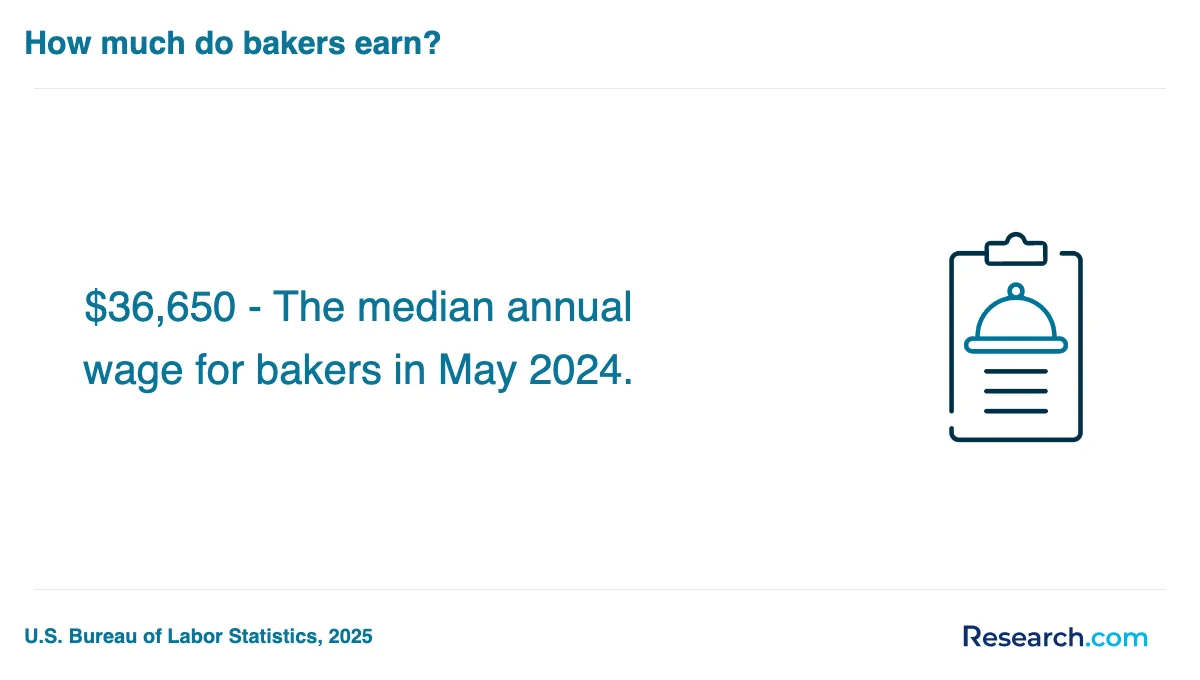
Many baking and pastry students in Connecticut find that federal financial aid is their primary support, helping to ease the burden of tuition. Completing the FAFSA each year opens doors to grants like the Pell Grant, federal loans, and work-study programs. At schools such as Gateway Community College and Lincoln Technical Institute, most students-87% and 89% respectively-rely on this aid, reflecting its vital role in making their education affordable.
Graduates often recall how this aid transformed their experience, turning financial stress into motivation to excel in their craft. For example, a student at Lincoln Tech who faced a daunting $31,803 net price was able to reduce this significantly through aid, allowing them to focus fully on learning.
Beyond federal aid, scholarships tailored to baking and pastry arts provide crucial support. Programs like the US Foods scholarships offer $20,000 to students, while national awards such as the ICE Cares Scholarship grant up to $25,000, rewarding both need and achievement.
State grants and school-specific scholarships add further layers of support. Admissions advisors at Connecticut trade schools play an essential role, guiding students through these opportunities and helping them secure funds that make their culinary dreams attainable.
To enroll in a baking and pastry trade school program in Connecticut, candidates typically need to meet a few straightforward prerequisites that reflect their readiness and passion for the craft. Most trade schools, like those popular in Hartford or New Haven, expect applicants to have a high school diploma or an equivalent credential, which ensures a foundational level of education.
Many graduates recall that having some basic kitchen experience, even from home baking or part-time jobs in cafés, can make the application process smoother and the early days of training more enjoyable. Schools often recommend this kind of hands-on familiarity to help students feel confident when handling ingredients and equipment.
Key prerequisites often include:
- Aged 18 or older, ensuring maturity for the program's demands
- Basic math and reading skills to follow recipes and safety standards
- Physical stamina and dexterity, as baking requires long hours on your feet and precise hand movements
- Positive attitude and eagerness to learn, which many graduates highlight as crucial
These entry requirements are designed not just to test eligibility but to support success, making the journey into baking and pastry arts both fulfilling and exciting within Connecticut's vibrant trade school community.

Students in Connecticut's baking and pastry trade schools quickly discover the importance of mastering core courses that build a solid foundation. Graduates often recall the hands-on intensity of Principles of Baking at CT State Norwalk, where they learned to prepare breads, cookies, and custards while practicing mixing and scaling techniques in real bakery labs. This practical approach makes the learning experience both engaging and rewarding.
Sanitation and safety are never overlooked. At Manchester Community College, the dedicated course on Sanitation and Safety ensures students fully grasp the critical food safety standards that protect customers and uphold bakery quality. This course instills a professional mindset early on, which graduates find invaluable in their careers.
Specialized courses add flair and finesse to students' skill sets. Many programs include classes like Icing Artistry and Advanced Baking, where students explore decorating techniques and create artisan breads or French pastries. These classes spark creativity and confidence, crucial for standing out in Connecticut's competitive food industry.
Additionally, courses in Culinary Math and Kitchen Essentials empower students to manage recipes and inventories efficiently, skills that graduates appreciate when stepping into real-world bakery management.
- Principles of Baking with hands-on lab work
- Sanitation and Safety emphasizing food standards
- Specialized courses like Icing Artistry and Advanced Baking
- Culinary Math and Kitchen Essentials for operational skills
Baking and pastry trade school programs in Connecticut typically offer specializations that deeply immerse students in hands-on mastery and culinary creativity. Graduates from institutions like Lincoln Culinary Institute often describe their experiences working with international baking techniques, covering areas such as artisan breads, viennoiserie, and candy-making. These specializations prepare students not only in baking but also in essential culinary arts management, including food service operations and beverage management.
Many students pursuing Culinary Arts certificates or associate degrees at places like Manchester Community College appreciate the broad foundation they gain, which opens doors to multiple paths within the food industry. The emphasis on real-world training shines through when students at Connecticut Technical Education and Career System high schools engage with fully operational commercial kitchens, polishing skills in both cooking and hospitality management.
Typical specializations include:
- International Baking and Pastry
- Food Service Management
- Restaurant and Food Service Management
- Hospitality Management
Choosing the best baking and pastry trade schools in Connecticut involves more than just picking a nearby campus. Graduates often emphasize the importance of accreditation and hands-on training, which transform theoretical knowledge into confident, real-world skills. For instance, programs with externships in local restaurants help students engage directly with Connecticut's culinary scene, creating valuable job market connections.
Affordable baking and pastry programs in Connecticut also attract students looking to balance quality education with financial responsibility. Many find that campuses offering modern kitchens and experienced faculty provide an inspiring environment, making challenging lessons feel achievable and rewarding. A focused curriculum that matches your career aspirations ensures every class moves you closer to your goals.
Students pursuing culinary arts sometimes explore easy certifications to get online that pay well as supplementary credentials to enhance their employability and flexibility in the evolving food industry.
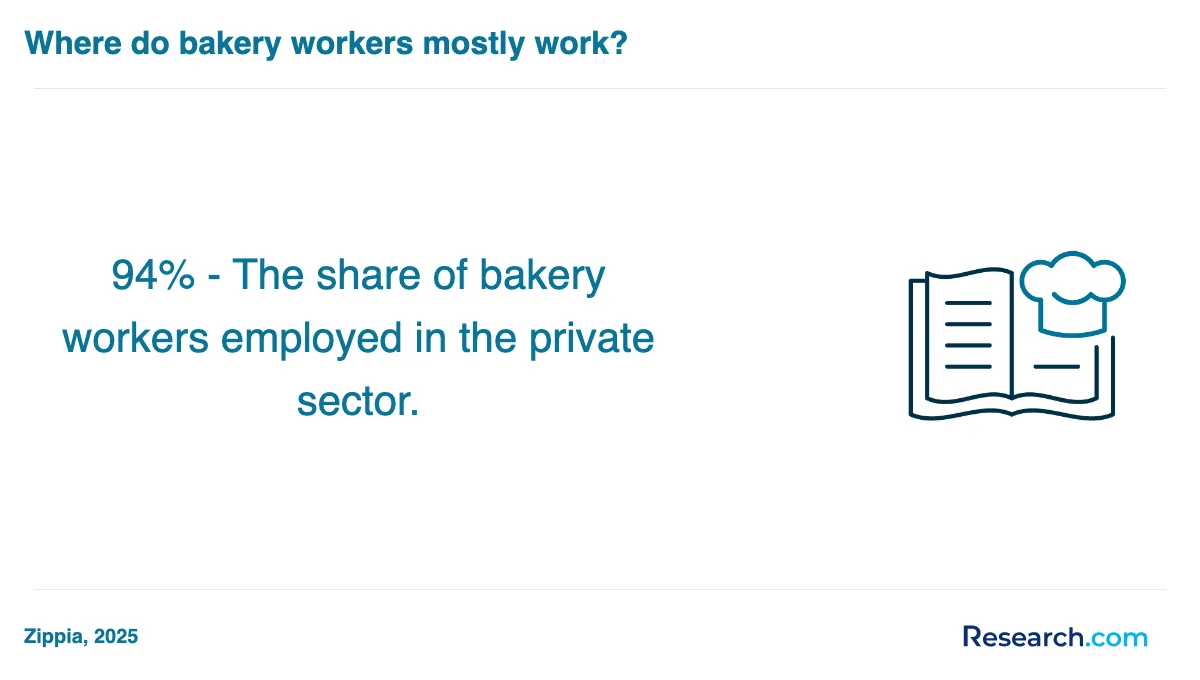
Graduates of baking and pastry trade schools in Connecticut often begin their careers in hands-on roles such as bakers, pastry cooks, or assistant pastry chefs in local bakeries, hotels, and catering companies. These initial positions provide essential experience in crafting breads, cakes, and desserts under the guidance of seasoned professionals. As their skills develop, many move into advanced roles like pastry chefs or executive pastry chefs, who are responsible for menu creation, staff management, and ensuring quality-highlighting the abundant pastry chef jobs and salaries in Connecticut.
Additional career paths reflect the diversity of the industry, including positions such as cake decorators, bakery managers, specialty bakers, and chocolatiers. Larger hotels and resorts often seek pastry sous chefs and production managers to oversee large-scale dessert preparation. Trade school graduates from Connecticut often find that these baking and pastry career opportunities in Connecticut offer a rewarding pathway, combining creativity and leadership.
Many graduates also embrace entrepreneurship by opening their own bakeries or catering businesses, blending their culinary skills with business acumen developed during their education. Popular Connecticut trade schools foster this spirit by encouraging practical experience and business savvy. For those seeking further advancement, obtaining certifications like the Certified Pastry Culinarian and exploring highest paying accelerated online associates degrees can be valuable steps.
The job market for baking and pastry trade school graduates in Connecticut remains robust, with steady opportunities in bakeries, restaurants, hotels, and catering companies throughout the state. Graduates from popular trade schools often share experiences of quickly securing roles like pastry cook, assistant pastry chef, or cake decorator, reflecting an encouraging hiring environment. Employers value both the technical training and creative talents these graduates bring to the table, recognizing trade school experience as a significant advantage.
Local job boards typically list over 90 open positions related to baking and pastry, showing real demand for skilled professionals. Those seeking baking and pastry jobs in Connecticut can expect compensation close to the national median, with pastry chef salary in Connecticut roughly aligning with regional standards, strengthening the appeal of formal trade education here.
Employment trends predict steady growth in baking careers, inspiring many students to pursue hands-on training. Many graduates find satisfaction in their ability to blend creativity and precision, contributing to thriving food scenes. For candidates exploring career options, considering a liberal studies degree jobs perspective can also be helpful in broadening possibilities beyond traditional culinary roles.
Most Affordable Baking, Pastry & Culinary Schools - Top Baking & Pastry Chef Schools in Connecticut for 2026
# 1 position
Connecticut State Community College - Baking and Pastry Arts/Baker/Pastry Chef.
certificate or diplomaThe Baking and Pastry Arts/Baker/Pastry Chef program at Connecticut State Community College is an on-campus program preparing students for professional roles in baking and pastry. It covers bread and pastry making, handling, storage, decorating, and baking industry operations, including product packaging and marketing. The annual in-state tuition is $5,092. The program is accredited by the New England Commission on Higher Education.
# 2 position
Lincoln Technical Institute-Shelton - Baking and Pastry Arts/Baker/Pastry Chef.
certificate or diplomaLincoln Technical Institute-Shelton offers a hybrid Baking and Pastry Arts program that prepares students to become professional bakers and pastry specialists in commercial settings. The curriculum covers bread and pastry making, handling, storage, decorating, and industry operations including packaging and marketing. Graduates have median earnings of $24,128 one year after completion. The program is accredited by the Accrediting Commission of Career Schools and Colleges.
Frequently Asked Questions about baking and pastry
After completing a baking and pastry trade school in Connecticut, preparing for the job market involves several practical steps. First, gaining hands-on experience through internships or apprenticeships is crucial. Many Connecticut bakeries and culinary businesses value real-world skills alongside formal education. According to the U.S. Bureau of Labor Statistics, culinary jobs in Connecticut are expected to grow about 6% through 2030, indicating steady demand.
Networking within local culinary associations and attending industry events in Connecticut can help graduates connect with potential employers. Additionally, obtaining certifications such as ServSafe can improve job prospects. Crafting a professional portfolio showcasing your best work is also recommended to stand out in this competitive field.
Employers in Connecticut's baking and pastry industry prioritize a mix of technical skills and practical experience from trade school graduates. Key skills include proficiency in dough preparation, cake decorating, and working with various types of pastry techniques. According to the U.S. Bureau of Labor Statistics, attention to detail and consistency are critical for bakery success nationwide, which applies locally as well.
Connecticut employers also value knowledge of food safety standards and sanitation, as these are regulated strictly under state and federal law. Time management skills and the ability to work in fast-paced environments are essential, especially given the demand in Connecticut's growing hospitality sector.
Soft skills like teamwork and communication are important because many bakeries operate as close-knit teams. Data from the Connecticut Department of Labor highlights that candidates with hands-on experience through internships or apprenticeships have better job placement rates. Overall, a balance of craftsmanship, safety knowledge, and workplace reliability shapes the ideal graduate profile.
Finding internships in Connecticut related to baking and pastry trade school programs requires focused research and networking. Start by contacting your trade school's career services, as many maintain partnerships with local bakeries, hotels, and restaurants offering internship opportunities. The Connecticut Department of Labor also provides resources on apprenticeship and internship programs in the food service industry. According to recent data, Connecticut's culinary sector employs over 50,000 workers, indicating a steady demand for skilled interns.
Engaging with local professional organizations, such as the Connecticut Restaurant Association, can also help uncover openings. Additionally, job platforms specific to hospitality, including Culinary Agents and Poached Jobs, often list Connecticut internships. Visiting bakeries in person and expressing your interest can sometimes lead to unadvertised positions. Persistence and building relationships within the local culinary community are key to securing valuable internships in this field.
Obtaining a baking and pastry trade school diploma in Connecticut significantly enhances career mobility and advancement opportunities in the local foodservice industry. According to the Connecticut Department of Labor, graduates with a formal diploma tend to access higher-paying positions, such as pastry chef or bakery manager, more quickly than those without specialized training. The diploma demonstrates practical skills and industry knowledge, which employers value highly in this competitive market.
Trade school programs also offer networking opportunities and internships, connecting students with regional bakeries and restaurants. This practical experience often leads to faster job placement and promotions. Additionally, Connecticut's hospitality sector reports a steady growth rate of 3% annually, increasing demand for qualified baking professionals, thereby improving long-term career prospects for diploma holders.
Students enrolled in baking and pastry trade schools in Connecticut can benefit from various part-time job opportunities that enhance their practical skills. Positions such as bakery assistants, pastry kitchen helpers, or café baristas are common and provide hands-on experience with food preparation and customer service. According to the U.S. Bureau of Labor Statistics (BLS), Connecticut's food preparation and serving related occupations are projected to grow by 6% from 2022 to 2032, suggesting steady demand.
Local bakeries and specialty dessert shops in cities like Hartford and New Haven often offer flexible part-time roles suitable for students. These jobs allow learners to apply classroom knowledge in real-world settings, improving their time management and technical abilities. Additionally, seasonal roles at farmers' markets or event catering services can supplement income while expanding professional networks.
To find the most affordable Baking and Pastry degree program near me in Connecticut, start by checking local community colleges and technical schools which often offer reasonably priced culinary programs. Research.com can be a helpful resource to see program rankings and costs, potentially uncovering affordable options near Connecticut. Additionally, visit open houses or information sessions at institutions to inquire about tuition fees and financial aid opportunities.
- Most Affordable Baking, Pastry & Culinary Schools - Top Baking & Pastry Chef Schools in New York for 2026
- Most Affordable Baking, Pastry & Culinary Schools - Top Baking & Pastry Chef Schools in Massachusetts for 2026
- Most Affordable Baking, Pastry & Culinary Schools - Top Baking & Pastry Chef Schools in New Jersey for 2026
- Most Affordable Baking, Pastry & Culinary Schools - Top Baking & Pastry Chef Schools in Pennsylvania for 2026
- Most Affordable Baking, Pastry & Culinary Schools - Top Baking & Pastry Chef Schools in New Hampshire for 2026
- Most Affordable Baking, Pastry & Culinary Schools - Top Baking & Pastry Chef Schools in Maryland for 2026
- Most Affordable Baking, Pastry & Culinary Schools - Top Baking & Pastry Chef Schools in Kentucky for 2026
- Most Affordable Baking, Pastry & Culinary Schools - Top Baking & Pastry Chef Schools in North Carolina for 2026
- Most Affordable Baking, Pastry & Culinary Schools - Top Baking & Pastry Chef Schools in South Carolina for 2026
- Most Affordable Baking, Pastry & Culinary Schools - Top Baking & Pastry Chef Schools in Michigan for 2026
- How to Get Your First Professional Job After Culinary School - A Guide for New Grads | Pacific Institute of Culinary Arts https://www.picachef.com/in-the-news/how-to-get-your-first-professional-job-after-culinary-school---a-guide-for-new-grads
- 14 Exciting Careers with a Baking and Pastry Arts Degree https://www.baker.edu/about/get-to-know-us/blog/careers-with-a-baking-and-pastry-arts-degree/
- 7 Career Options After a Diploma in Culinary Arts | Build Your Culinary Career https://www.tedcoeducation.com/career-after-diploma-in-culinary-arts
- What Are the Career Opportunities in Baking and Pastry? - Escoffier https://www.escoffier.edu/blog/culinary-pastry-careers/what-are-the-career-opportunities-in-baking-and-pastry/
- A Guide to Growth: How To Go from Culinary Student to Professional Chef | Institute of Culinary Education https://www.ice.edu/blog/guide-growth-how-go-culinary-student-professional-chef
- Career Opportunities in Baking and Pasty https://www.hrcacademy.com/en/blog/career-opportunities-for-bakers-and-pastry-chefs/
- Pastry Chef Schools in Connecticut - Baking & Pastry Training https://okchef.org/pastry-chef/ct/
- Culinary Arts - Connecticut Technical Education and Career System (CTECS) https://www.cttech.org/programs/career-and-technical-education/hospitality-and-tourism/culinary-arts/
- Baking Classes in Connecticut with Program and School Options https://bestaccreditedcolleges.org/articles/baking-classes-in-connecticut.html
- Baking & Pastry Arts Majors in Connecticut - Trade College https://tradecollege.org/majors/personal-and-culinary-services/culinary-arts/baking-and-pastry-arts/connecticut-us/


