2026 Software Engineering Degree Wage Advantage by Region: Where Graduates Gain the Biggest Earnings Edge

Co-Founder and Chief Data Scientist
Choosing where to launch a software engineering career can change the value of the degree as much as the degree itself. The U.S. Bureau of Labor Statistics reports a $133,080 median annual wage for software developers, quality assurance analysts, and testers in May 2024, but regional pay, living costs, and industry concentration vary sharply.
This guide is for students, new graduates, career changers, and working developers comparing locations. You will learn where salaries stretch furthest, when relocation makes sense, and how to judge ROI beyond headline pay.
Key Things You Should Know
- The biggest nominal wage advantage is concentrated in West Coast and Northeast tech markets, with BLS May 2024 data showing software developer wages above the national median in major innovation hubs.
- High salary does not always mean higher real income; regions with lower housing and tax pressure can deliver stronger take-home value than expensive coastal metros.
- The best region depends on career stage: new graduates often benefit from job density and mentoring, while experienced engineers can capture higher wage premiums through cloud, AI, cybersecurity, and systems design skills.
- Key Things You Should Know
- What Is the Regional Wage Advantage for Software Engineering Graduates?
- Which U.S. Regions Offer the Highest Salaries for Software Engineering Graduates?
- How Does Cost of Living Affect the Value of Software Engineering Salaries by Region?
- How Do Entry-Level and Experienced Software Engineering Salaries Compare by Region?
- Which Regions Deliver the Best Return on Investment for a Software Engineering Degree?
- Should Software Engineering Graduates Relocate for Higher-Paying Career Opportunities?
- Which Skills Increase the Regional Wage Advantage for Software Engineering Graduates?
- Which Regions Are Expected to See the Fastest Salary Growth for Software Engineering Careers?
- How Should Students Choose the Best Region for Their Software Engineering Career Goals?
- Top Trending Software Engineering Rankings
What Is the Regional Wage Advantage for Software Engineering Graduates?
The regional wage advantage for software engineering graduates is the extra earning power a degree holder may gain by working in one U.S. region instead of another. It is not just the raw salary difference. A useful comparison looks at salary, cost of living, job density, industry mix, remote-work flexibility, taxes, student debt, and long-term promotion pathways.
A software engineering degree typically prepares graduates for roles such as software developer, applications engineer, systems engineer, DevOps engineer, cloud engineer, quality assurance automation engineer, data engineer, and security-focused developer. Employers may hire bachelor's graduates directly, while some advanced or specialized roles favor a master's degree, strong project portfolios, internships, certifications, or prior professional experience.
The table below summarizes how to interpret regional wage advantage. It is designed to help you avoid comparing salaries in isolation, which is one of the most common mistakes graduates make when choosing where to work.
| Factor | What It Measures | Why It Matters for Graduates |
| Nominal salary | The advertised or reported annual pay before taxes and living costs | Useful for understanding employer budgets, but incomplete on its own |
| Real salary value | Salary adjusted for housing, transportation, taxes, and everyday expenses | Shows whether a higher paycheck actually improves financial comfort |
| Industry concentration | The presence of tech, finance, defense, healthcare, manufacturing, or research employers | Regions with multiple hiring industries can reduce career risk |
| Career-stage fit | How well the region supports entry-level hiring, mentorship, specialization, or leadership roles | New graduates and senior engineers often need different labor markets |
| Mobility options | Remote, hybrid, relocation, and internal transfer possibilities | Can improve wage advantage without requiring a permanent move |
The strongest wage advantage usually appears when a graduate combines a high-paying region with a role in a premium industry and a skill set that employers urgently need. The weakest advantage appears when a high salary is offset by steep rent, limited advancement, or a narrow employer base.
Which U.S. Regions Offer the Highest Salaries for Software Engineering Graduates?
U.S. regions with the highest software engineering salaries are usually those with dense technology ecosystems, venture-backed companies, large enterprise headquarters, federal contractors, or financial institutions. BLS May 2024 wage data continues to place software development among the higher-paid computer occupations nationally, with the strongest compensation clustering in coastal innovation markets and selected high-growth inland metros.
The table below compares broad U.S. regional patterns rather than promising exact outcomes for any individual graduate. Actual offers vary by city, employer, degree level, internship history, portfolio quality, and specialization.
| Region | Salary Pattern for Software Engineering Graduates | Common High-Paying Markets | Best Fit |
| West | Highest nominal salary potential, especially in mature technology hubs | San Francisco Bay Area, Seattle, Los Angeles, San Diego, Denver, Austin-adjacent western tech corridors | Graduates targeting big tech, AI, cloud infrastructure, platforms, and venture-backed startups |
| Northeast | High wages in finance, enterprise software, health tech, research, and cybersecurity | New York City, Boston, Northern New Jersey, Philadelphia corridor | Graduates interested in fintech, research computing, healthcare technology, and enterprise systems |
| South | Fast-growing tech employment with more mixed salary levels and often lower living costs | Austin, Dallas-Fort Worth, Raleigh-Durham, Atlanta, Northern Virginia, Nashville | Graduates seeking a balance of job growth, affordability, and corporate technology roles |
| Midwest | Moderate nominal pay but often stronger salary-to-cost balance | Chicago, Minneapolis, Columbus, Detroit, Indianapolis, Kansas City | Graduates interested in insurance, logistics, manufacturing technology, healthcare IT, and enterprise software |
The biggest mistake is assuming the "highest-paying region" is automatically the best region. A $20,000 salary gap can disappear quickly if rent, commuting, taxes, and childcare are substantially higher. For many graduates, the best target is not simply the top-paying city but the region where pay, job access, and cost structure work together.
How Does Cost of Living Affect the Value of Software Engineering Salaries by Region?
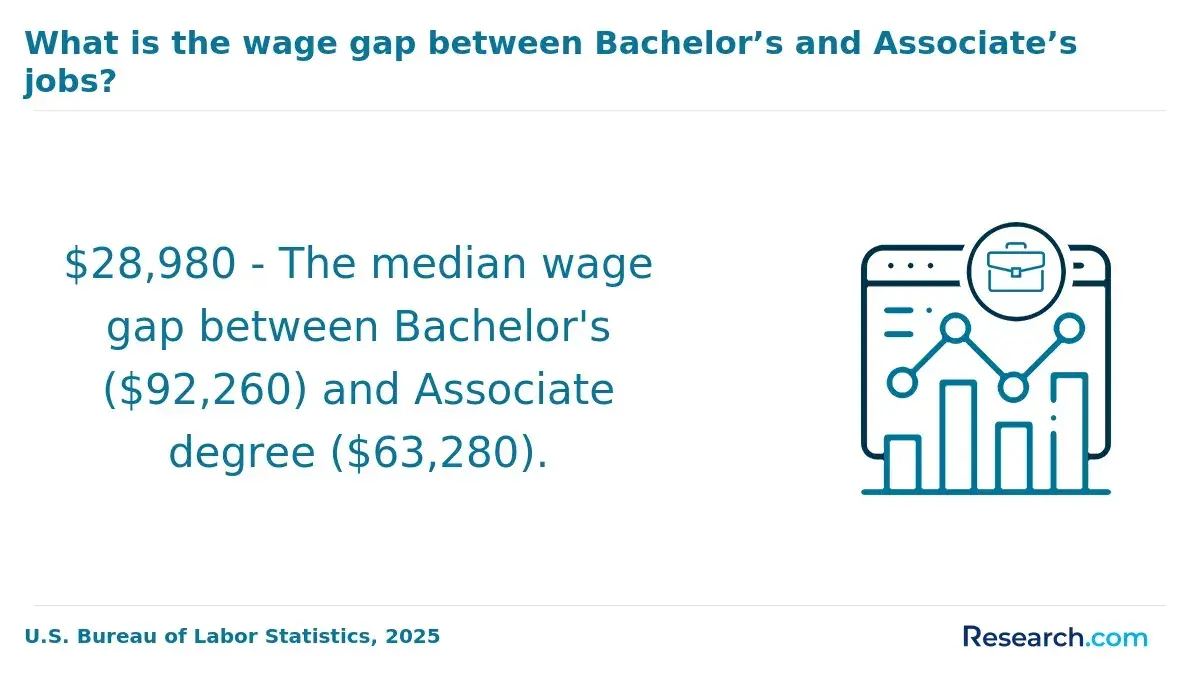
Cost of living can significantly change the value of a software engineering salary. A graduate earning a lower nominal salary in a more affordable region may have more discretionary income than a peer earning more in a very expensive metro. Housing is usually the largest swing factor, so rent or mortgage costs should be checked before comparing offers.
The table below shows how to think about salary value by region. It uses practical decision categories rather than fixed dollar assumptions because living costs can vary sharply within the same state or metro area.
| Regional Profile | Typical Salary Advantage | Cost-of-Living Pressure | Decision Implication |
| High salary, high cost | Strong advertised compensation | Housing, taxes, and services can be expensive | Best when the role offers rapid advancement, equity, strong benefits, or rare experience |
| High salary, moderate cost | Strong total compensation with better purchasing power | Costs may be rising but are not always coastal-level | Often attractive for mid-career engineers and graduates with relocation flexibility |
| Moderate salary, low cost | Lower pay than top hubs | Housing and everyday expenses may be more manageable | Can produce strong real-income value, especially for debt repayment or homeownership goals |
| Lower salary, limited opportunity | Less wage upside | Costs may be low, but job mobility can be constrained | Works best if remote roles, local specialization, or lifestyle priorities outweigh salary growth |
Before accepting an offer, compare the salary against a realistic monthly budget. Include rent, utilities, transportation, taxes, health insurance premiums, student loan payments, retirement contributions, and emergency savings. A region is financially stronger when the salary leaves room for savings after required expenses, not just when the job title looks impressive.
A practical way to avoid overvaluing salary is to run a relocation break-even check. Use the following sequence before deciding whether a higher-paying region is worth it.
- Estimate after-tax monthly income for each offer instead of comparing annual salary alone.
- Subtract realistic housing and commuting costs for the exact neighborhood or commute pattern you would choose.
- Add one-time relocation costs, including deposits, moving expenses, travel, and temporary housing.
- Compare the remaining monthly surplus and calculate how long it would take to recover moving costs.
- Factor in non-salary advantages such as mentorship, promotion speed, equity, remote flexibility, and employer reputation.
Which Industries Drive the Highest Software Engineering Salaries Across Different Regions?
Industry mix is one of the biggest reasons software engineering salaries differ by region. The same graduate may receive very different offers depending on whether they work in consumer technology, cloud computing, finance, defense, healthcare, manufacturing, retail, or public-sector technology.
The table below connects major U.S. regions with industries that commonly create wage premiums for software engineering graduates. It can help students identify where their technical interests may translate into stronger compensation.
| Region | Industries That Often Raise Pay | Why They Pay a Premium | Relevant Software Roles |
| West | Big tech, cloud platforms, AI, cybersecurity, gaming, semiconductor software | Employers compete for scalable product, infrastructure, and machine learning talent | Backend engineer, machine learning engineer, site reliability engineer, cloud platform engineer |
| Northeast | Finance, insurance, health technology, biotech, research computing, enterprise software | Software supports high-value transactions, compliance, analytics, and mission-critical systems | Fintech developer, data engineer, security engineer, research software engineer |
| South | Defense, consulting, telecom, corporate IT, fintech, logistics, health systems | Population growth and corporate relocations increase demand for scalable business systems | Full-stack developer, DevOps engineer, systems integrator, cloud migration engineer |
| Midwest | Manufacturing technology, logistics, insurance, agriculture technology, healthcare IT | Traditional industries need automation, analytics, embedded systems, and modernization | Embedded software engineer, automation developer, enterprise systems engineer, QA automation engineer |
Graduates should also consider industry resilience. A region dominated by one employer or one startup category can offer high pay but higher volatility. A region with several hiring industries may provide more stable wage growth, even if starting salaries are not the highest in the country.
How Do Entry-Level and Experienced Software Engineering Salaries Compare by Region?
Entry-level and experienced software engineering salaries can differ dramatically by region because experience changes what employers are buying. New graduates are often evaluated on degree quality, internships, coding ability, projects, and teamwork. Experienced engineers are evaluated on system ownership, architecture judgment, leadership, incident response, domain expertise, and measurable business impact.
The table below compares how career stage interacts with regional wage advantage. It is especially useful for deciding whether to move immediately after graduation or wait until you have stronger leverage.
| Career Stage | Where Wage Advantage Is Strongest | What Employers Usually Value Most | Relocation Consideration |
| Entry-level graduate | Regions with dense hiring pipelines, internships, and structured new-grad programs | Technical fundamentals, portfolio projects, internships, communication, and learning speed | Relocation can be worthwhile if it opens access to mentorship and a stronger first employer |
| Early-career engineer | Markets with growing startups, enterprise modernization, cloud migration, and product teams | Shipping production code, debugging, testing, code review, and cross-functional collaboration | A move may pay off after one to three years of experience if it leads to a stronger role category |
| Mid-career engineer | High-paying metros and remote-first companies competing for specialized talent | System design, scalability, security, cloud infrastructure, and ownership of business-critical services | Salary negotiation power improves, making relocation less necessary if remote options exist |
| Senior or staff-level engineer | Regions with major platforms, AI labs, financial systems, defense technology, or complex enterprise products | Architecture, technical leadership, risk reduction, mentoring, and strategic decision-making | Relocation makes sense when the role offers rare scope, equity upside, or leadership trajectory |
New graduates of even fast degrees online should be cautious about chasing the highest offer if the role has weak mentoring or limited technical growth. The first job can shape future earning power, so a slightly lower salary in a strong engineering environment may produce better long-term ROI than a higher salary in a stagnant role.
Which Regions Deliver the Best Return on Investment for a Software Engineering Degree?
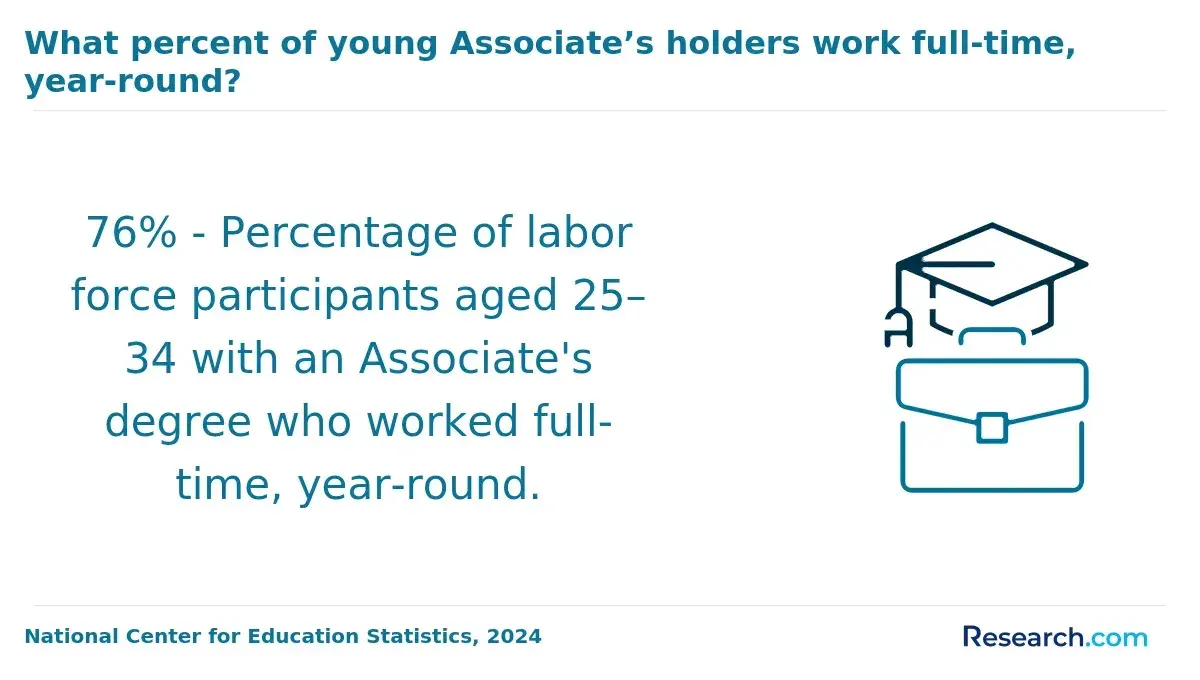
The best ROI for a software engineering degree usually comes from a combination of reasonable education costs, strong employment access, manageable living expenses, and a role that builds marketable skills. Because software engineering is skills-sensitive, program quality and portfolio outcomes can matter as much as the school's location.
Students comparing ROI should look at both degree cost and regional payoff. Tuition, fees, housing, lost wages while studying, loan interest, internship access, and time to graduation all affect the real return. If you are comparing software engineering against other graduate or professional paths, tools that discuss program length, such as guides to the easiest doctorate to get, can be useful for understanding opportunity cost, though the career outcomes are very different.
The table below ranks regional ROI patterns in practical terms. It does not imply that every graduate in a region will receive the same return, but it highlights where the salary-cost balance often looks strongest.
| Region Type | ROI Potential | Why It Can Work | Main Risk |
| High-growth Southern tech markets | Strong | Growing employer base, expanding tech ecosystems, and often lower costs than coastal hubs | Competition is rising, and salaries vary widely by employer |
| Midwestern metros with enterprise demand | Strong for cost-conscious graduates | Moderate salaries can stretch further where housing costs are lower | Fewer elite tech employers may limit rapid compensation jumps |
| West Coast technology hubs | High upside but uneven real-income value | Exceptional employer density, specialization, equity potential, and career-brand value | High housing costs can reduce short-term financial gain |
| Northeast finance and research corridors | High for specialized graduates | Strong demand in fintech, health tech, research, and cybersecurity | High cost of living and intense competition for top roles |
| Small or rural markets with remote access | Potentially strong | Lower living costs paired with remote or hybrid salaries can improve real income | Local fallback options may be limited if remote work changes |
A strong ROI decision starts with fit. A software engineering degree is often a good investment for students who enjoy problem-solving, mathematics, systems thinking, teamwork, and continuous learning. It may be a poor fit for students who dislike debugging, abstract problem-solving, rapidly changing tools, or long periods of focused technical work.
Should Software Engineering Graduates Relocate for Higher-Paying Career Opportunities?
Software engineering graduates should relocate only when the full opportunity is better, not just when the salary is higher. A move can be financially worthwhile if it improves mentorship, employer brand, specialization, promotion speed, or access to industries that do not exist in the graduate's current region.
Relocation makes the most sense when several of the following conditions are true. These points help separate a genuinely stronger career move from a costly change of address.
- The new role increases after-expense income after accounting for rent, taxes, transportation, and relocation costs.
- The employer offers stronger technical mentorship, code review culture, and advancement pathways than local alternatives.
- The region has multiple employers in your target specialty, reducing dependence on a single company.
- The job builds transferable skills in cloud, AI, cybersecurity, data infrastructure, distributed systems, or regulated software environments.
- The offer includes benefits that change the financial picture, such as relocation support, equity, tuition assistance, retirement match, or strong health coverage.
Staying local may be smarter when a graduate has low living costs, family support, a strong local employer, or remote-work access. It can also be wise to stay if relocation would require high-interest debt, an expensive lease, or a move to a region with limited backup opportunities.
Students sometimes compare software engineering with people-centered professions before deciding whether relocation is worth it. For example, someone evaluating technology against counseling-related education pathways may also research LMFT programs, but the wage models, licensure rules, and regional demand patterns differ substantially.
Which Skills Increase the Regional Wage Advantage for Software Engineering Graduates?
Skills increase the regional wage advantage because employers pay more for capabilities that solve expensive problems. A degree can open the door, but the largest regional premiums often go to graduates who can demonstrate production-ready skills, not just coursework completion.
The following skills are especially useful when comparing regions because they transfer across employers and industries. They can also help graduates compete for remote or hybrid roles outside their immediate labor market.
- Cloud engineering: AWS, Azure, Google Cloud, containers, Kubernetes, infrastructure as code, and cloud security are valuable in regions with enterprise modernization and platform teams.
- AI and machine learning engineering: Model deployment, data pipelines, evaluation, and applied AI product development can raise wage potential in technology, finance, healthcare, and research markets.
- Cybersecurity-aware development: Secure coding, identity management, threat modeling, and compliance knowledge are especially valuable in finance, defense, healthcare, and government contracting regions.
- Data engineering: SQL, distributed data systems, ETL pipelines, streaming tools, and analytics infrastructure support strong demand across nearly every region.
- Systems design: Scalability, reliability, APIs, distributed systems, observability, and performance tuning become more important as engineers move into higher-paying mid-career and senior roles.
- Communication and product judgment: Engineers who can translate business needs into maintainable software often advance faster than those with technical skills alone.
Certifications can help, but they rarely replace demonstrable ability. Cloud certifications, cybersecurity credentials, and vendor-specific training are most valuable when paired with projects, internships, open-source contributions, or professional experience. Graduates should avoid collecting credentials without building evidence that they can ship, test, maintain, and explain software.
Which Regions Are Expected to See the Fastest Salary Growth for Software Engineering Careers?
Regions expected to see strong salary growth for software engineering careers are generally those where employer demand is expanding faster than the local supply of experienced engineers. The BLS projects much faster-than-average growth for software developers, quality assurance analysts, and testers over the 2024 to 2034 period, which supports continued opportunity, but growth will not be evenly distributed across all locations.
The table below highlights regional growth drivers rather than guaranteed salary increases. Use it to identify where future wage pressure may be strongest.
| Region or Market Type | Likely Salary Growth Driver | Why It Matters | Watch For |
| Southern technology corridors | Corporate relocations, population growth, fintech, healthcare IT, and cloud migration | Expanding employer bases can increase competition for skilled engineers | Rising housing costs may reduce the affordability advantage |
| AI and cloud-heavy West Coast hubs | Advanced AI systems, infrastructure, platforms, and high-scale software products | Specialized engineering talent may continue to command premiums | Hiring cycles can be volatile in venture-backed and big-tech markets |
| Northeast finance and research markets | Cybersecurity, data infrastructure, quantitative systems, health tech, and compliance-driven software | Complex regulated systems require experienced developers | High living costs can limit real wage gains |
| Midwestern modernization markets | Automation, manufacturing software, logistics systems, insurance platforms, and healthcare technology | Legacy industries need software talent to modernize operations | Salary ceilings may be lower than in the largest coastal hubs |
| Remote-friendly smaller metros | Distributed teams and hybrid hiring | Graduates may capture higher salaries while living in lower-cost areas | Remote policies can change, and local alternatives may be limited |
AI is changing the software labor market, but it is not eliminating the need for skilled engineers. Instead, it is raising expectations. Graduates who can use AI tools responsibly, review generated code, design secure systems, and understand business requirements may be better positioned than those who rely on automation without strong fundamentals.
How Should Students Choose the Best Region for Their Software Engineering Career Goals?
Students should choose a region by matching career goals with labor-market evidence, not by chasing a single salary ranking. The right region for a software engineering graduate depends on desired role, industry, lifestyle, debt level, risk tolerance, and whether the student wants a high-growth startup, a stable enterprise employer, government-adjacent work, or a remote-first career.
Use the following decision process to compare regions in a practical way. It helps turn broad salary research into a clear short list of target locations.
- Define your target role first, such as backend engineer, mobile developer, cloud engineer, data engineer, security engineer, QA automation engineer, or AI engineer.
- Identify the industries that hire heavily for that role in each region, not just the cities with the highest average pay.
- Compare entry-level job postings, internship pipelines, and employer training programs if you are still a student or recent graduate.
- Estimate real income by subtracting realistic housing, commuting, taxes, insurance, and student loan payments from expected pay.
- Check whether the region has multiple employers in your specialty so you are not dependent on one company.
- Evaluate long-term skill growth, including mentorship, code quality standards, promotion pathways, and exposure to modern tools.
- Decide whether relocation, hybrid work, or remote work gives you the best balance of salary, flexibility, and career development.
Program choice also matters. Look for accredited institutions, strong computer science or software engineering curricula, internship support, career services, employer partnerships, capstone projects, and transparent outcomes. Online and hybrid programs can work well for disciplined students, especially if they include collaborative projects and access to internships or local employer networks.
Students comparing software engineering with business leadership roles may also review options such as an AACSB online MBA. Those paths can support product management, technology leadership, consulting, or entrepreneurship, but they should be evaluated against different salary drivers than software engineering roles.
Common red flags include choosing a region based only on advertised salary, ignoring rent, assuming remote work will remain available forever, overlooking employer concentration, and accepting a role that does not build transferable skills. A better approach is to choose the region that gives you the strongest combination of learning, job mobility, real income, and long-term specialization.
Other Things You Should Know About Software Engineering
The West usually offers the highest nominal salary upside because of major technology hubs, especially for cloud, AI, infrastructure, and platform roles. However, the best real-income advantage may come from Southern or Midwestern metros where salaries are strong relative to living costs.
It can be. Many regions need software talent in healthcare, finance, manufacturing, logistics, insurance, defense, and public-sector technology. A degree is more likely to pay off when paired with internships, strong projects, marketable skills, and a region with multiple employers.
New graduates should consider both, but job quality is especially important early on. A role with mentoring, code review, modern tools, and promotion potential can build skills that increase future earnings more than a slightly higher first salary in a weak learning environment.
Compare after-tax income, housing, commuting, benefits, relocation costs, employer stability, learning opportunities, and promotion potential. The better offer is the one that improves both your financial position and your long-term career options.
Top Trending Software Engineering Rankings
References
- High School Course - School and Money - Hands on Banking https://youth.handsonbanking.org/courses/high-school-school-and-money/
- The rise—and fall—of the software developer https://www.adpresearch.com/research/the-rise-and-fall-of-the-software-developer
- 2025 Average Software Engineer Salary by Country: Best Countries for Hiring Developers – GEOR https://theemployerofrecord.com/blog/services/average-software-engineer-salary-by-country
- Top 15 Highest Paying Software Engineer Jobs (2026) https://www.igmguru.com/blog/highest-paying-software-engineer-jobs
- Software engineer salary trends in 2026: Average salaries, differences per country, and AI premiums https://ravio.com/blog/software-engineer-salary-trends
- Highest Paying Software Engineer Jobs in 2026 https://rockstardeveloperuniversity.com/highest-paying-software-engineer-jobs/
- Software Engineering Degree Career Outcomes: Jobs, Salaries & Growth https://hakia.com/degrees/software-engineering/career-outcomes/
- Being a US-based Software Engineer in 2025; is it what it used to be? https://jeffry.in/us-swe-economy-2025/