
2027 Most Affordable Social Work Degree Programs Ranking in Richmond

Co-Founder and Chief Data Scientist
Choosing the right social work degree program can shape your future and open doors to meaningful careers in Richmond. This article presents the 2027 Most Affordable Social Work Degree Programs Ranking in Richmond, carefully developed by the Research.com team of data scientists.
Our ranking helps you discover quality programs that fit your budget, making your decision easier and more confident. Pursuing a social work degree offers rewarding opportunities to make a real difference in your community and grow personally and professionally.
Key benefits of getting social work degree in Richmond
- Graduates with a social work degree in Richmond can expect competitive salaries, such as $68,800 annually for Social Workers and up to $83,400 for Community Organizers and Youth Workers, providing financial stability and rewarding career options.
- Career paths are diverse, ranging from Child Welfare Specialist to Residential Counselor, allowing graduates from local colleges like Virginia Commonwealth University to find fulfilling roles that match their passion for helping others.
- Obtaining a social work degree online offers flexibility and convenience, enabling students from Richmond to balance studies with personal commitments while earning a respected degree that opens doors to meaningful employment.
- Key benefits of getting social work degree in Richmond
- What can I expect from social work degree in Richmond?
- Where can I work with social work degree in Richmond?
- How much can I make with social work degree in Richmond?
- 2027 Most Affordable Social Work Degree Programs Ranking in Richmond
- Key Findings
- How long does it take to complete social work degree in Richmond?
- Insider Tips for Prospective Social Work Students
- What's the difference between online and on-campus social work degree?
- Finding the Most Affordable Social Work Programs in Richmond, VA
- What is the average cost of social work degree in Richmond?
- Licensing and Certification in Virginia
- What financial aid is available to social work degree students in Richmond?
- Understanding Return on Investment (ROI) for Social Work Degrees in Richmond, VA
- What are the prerequisites for enrolling in social work degree program in Richmond?
- Application Process and Key Deadlines
- What courses are typically in social work degree programs in Richmond?
- What types of specializations are available in social work degree programs in Richmond?
- How do you choose the best social work degree in Richmond?
- What career paths are available for social work degree students in Richmond?
- What is the job market for social work degree in Richmond?
- Top Trending Social Work Rankings
- See What Experts Have To Say About Studying Social Work
What can I expect from social work degree in Richmond?
The average cost of pursuing a social work degree in Richmond tends to be more affordable compared to many other regions, making it an appealing choice for students mindful of finances. Graduates from institutions such as Virginia Commonwealth University often reflect on how tuition rates, paired with the city's moderate living expenses, helped them manage their budgets without sacrificing educational quality.
Many students appreciate the availability of scholarships and graduate assistantships which further ease financial burdens. This support allowed some graduates to focus deeply on their field placements and internships, gaining valuable hands-on experience in Richmond's diverse community organizations without overwhelming debt.
Hearing from those who have navigated these programs, it's clear that the balance of cost and opportunity creates a nurturing environment. Real-world experiences combined with reasonable tuition costs foster a sense of readiness and confidence to enter Richmond's social work workforce. This practical approach makes the investment in education feel both manageable and worthwhile.
Where can I work with social work degree in Richmond?
Graduates from social work programs at Richmond's well-regarded universities often find themselves drawn to the city's diverse employment landscape. Many begin their careers in healthcare settings, such as hospitals or community health centers, where they help patients navigate complex emotional and social challenges. One graduate shared how working in a local mental health clinic brought a deep sense of fulfillment by directly improving patients' quality of life.
Others gravitate toward Richmond's schools, supporting students through difficult circumstances like bullying or family instability. These roles foster strong community connections and offer the rewarding experience of impacting young lives daily. For those interested in public service, Richmond's Department of Social Services provides concrete opportunities in child welfare and adult protection, often requiring licensure like the LCSW, a stepping stone many graduates pursue.
Nonprofits addressing homelessness or domestic violence also attract graduates eager to provide advocacy and case management. Some graduates find private practice appealing after advanced clinical studies, enjoying the autonomy to tailor therapy in Richmond's supportive environment. The city's growing social service network truly allows social work graduates to find meaningful, varied career paths filled with purpose.
How much can I make with social work degree in Richmond?
Graduates from social work programs in Richmond, such as those at Virginia Commonwealth University or University of Richmond, often discover rewarding salary prospects that reflect their chosen specialization and experience. Entry-level roles like Child Welfare Specialist and Residential Counselor offer mean annual wages near $59,190, which provides a solid foundation as you begin your career.
More experienced social workers in Richmond typically find opportunities for higher earnings. For example, Community Organizers and Youth Workers, fields often pursued by social work graduates, report mean annual wages around $83,400. This increase often comes with broader responsibilities and a deeper impact in community development or youth programs.
Social Workers with advanced training and licensure fare well, with average salaries around $68,800 annually in the area. Graduates often feel pride in securing positions where their skills directly improve lives, while also benefiting from Richmond's affordable living costs compared to larger metropolitan areas.
These figures underscore the value of investing deeply in one's education and licensure to access these roles. Many alumni reflect on how their time studying social work in Richmond equipped them with practical experience and a compassionate approach that employers highly value.
2027 Most Affordable Social Work Degree Programs Ranking in Richmond
How do we rank schools?
Investing in your education is a significant decision that can shape your future, and the Research.com team understands the importance of making informed choices. To assist prospective students in Richmond, we have meticulously created the "2027 Most Affordable Social Work Degree Programs Ranking in Richmond." Our dedication to quality, credibility, and accuracy is demonstrated through thorough research and analysis conducted to develop this ranking.
We utilized the following reputable data sources to ensure a comprehensive evaluation of social work degree programs:
By exploring this ranking, readers will gain valuable insights into the most affordable social work programs in Richmond, enabling them to make well-informed decisions about their educational journeys. For more details on our methodology, please visit our Research.com methodology page.


Key Findings
- Richmond offers social work programs from associate to graduate levels, all accredited by the Council on Social Work Education (CSWE), necessary for licensure.
- Bachelor of Social Work tuition ranges from $8,000 to $15,000 per year at public universities and $20,000 to $35,000 at private schools; graduate programs average $10,000 to $25,000 annually.
- Entry-level social workers earn about $45,000 to $50,000 per year, slightly above the national average, with potential to reach $75,000 or more with experience and licensure.
- Job growth for social workers in Richmond is projected at 10% through 2030, reflecting increased demand in healthcare and community services.
- Licensure requires a CSWE degree, passing the ASWB exam, and completing supervised work hours, with many universities offering licensure support.
- Richmond's moderate cost of living makes it a financially viable option for social work students and professionals.
How long does it take to complete social work degree in Richmond?
Completing a social work degree in Richmond usually follows a timeline familiar to many who have walked this path at universities like Virginia Commonwealth University. Graduates often recall how a Bachelor of Social Work (BSW) took them about four years of focused, full-time study-balancing lectures with meaningful internships embedded in the coursework. These experiences not only built their skills but also deepened their passion for helping communities.
For those pursuing the Master of Social Work (MSW), the journey varies. Full-time students without a BSW generally dedicate two years to coursework and fieldwork, while some with a prior BSW benefit from an accelerated one-year advanced standing track. Many Richmond graduates working full-time have shared how part-time MSW programs stretched over three to four years, offering necessary flexibility. Though longer, this pace often alleviated stress around balancing work, study, and personal life.
Across these programs, the required practicum hours stand out as a vital, rewarding milestone. Graduates emphasize that these hands-on placements often feel transformative, making the investment of time deeply worthwhile and aligning with licensure requirements in Virginia.
Insider Tips for Prospective Social Work Students
For those exploring social work degrees in Richmond, VA, gaining insights beyond curriculum details and cost factors can be crucial in choosing the right program and succeeding academically. Prospective students can prepare by seeking mentorship opportunities, participating in local community events, and connecting with alumni networks to gain a realistic picture of day-to-day experiences in the field. It’s also helpful to research each institution’s support services, including career counseling and academic advising, to ensure a nurturing learning environment. Many experts recommend reviewing social work requirements to align your academic preparation with career expectations. Additionally, consider joining local social work organizations and online forums where current students and professionals share practical advice on internships, licensure preparation, and balancing academic rigor with field placements. Embracing these insider tips can not only enhance your educational journey but also lay a strong foundation for a successful and fulfilling career in social work.
What's the difference between online and on-campus social work degree?
Online social work degrees in Richmond offer unmatched flexibility, allowing students to balance studies with jobs or family life. Graduates from Richmond-based programs often share how this format let them progress at their own pace, fitting coursework around work shifts or childcare. Yet, practical experience remains vital-online students complete field placements locally, partnering with agencies near Virginia Commonwealth University or other area institutions.
Conversely, on-campus programs provide a traditional university atmosphere rich with face-to-face interactions. Many graduates appreciate the energized classroom discussions and easy access to counselors and career services at colleges like Virginia Union University. This structure helps students stay motivated and deeply engaged, creating a supportive environment that often fosters strong professional networks.
Both paths lead to the same CSWE-accredited credentials. The choice often comes down to learning style and life responsibilities, but students in Richmond find their experiences deeply rewarding, whether studying from a home office or among campus peers.
Finding the Most Affordable Social Work Programs in Richmond, VA
To find the most affordable social work programs in Richmond, VA, prospective students should conduct thorough research, considering factors such as tuition costs, financial aid options, and program reputation. One crucial step is to explore affordable social work programs in Virginia, which can provide valuable insights into the cost-effectiveness of various programs. By weighing these factors, students can make informed decisions about their educational investments, ultimately finding a program that aligns with their career aspirations and budget.
What is the average cost of social work degree in Richmond?
For those considering an affordable social work degree program in Richmond, understanding the typical costs is essential. Graduates from local universities like Virginia Commonwealth University often reflect on how the median in-state total cost, approximately $16,945, made pursuing their passion for social work manageable. This figure contrasts notably with the median total cost of about $59,613 for out-of-state students or attendees of private institutions, which can challenge budgets but also open doors to broader opportunities.
Many social work students recall balancing tuition with living expenses and fees, emphasizing that while the numbers may initially seem daunting, the investment is profoundly rewarding. The commitment to the degree is not merely financial; it is a dedication to impacting communities and making a tangible difference. Richmond's programs blend rigorous academics with real-world experiences, which help students see firsthand how their education translates into careers.
Those exploring their path can benefit from reviewing different financial avenues, including scholarships and aid, which play a vital role in reducing the overall cost. It's also insightful to explore the types of psychology careers that sometimes overlap with social work, offering broader perspectives and potential funding routes. The financial journey is unique, yet the shared goal of helping others makes every dollar and effort worthwhile.

Licensing and Certification in Virginia
Graduates must obtain state licensure to practice social work in Virginia.
- CSWE Accreditation: Complete a CSWE-accredited BSW or MSW program.
- ASWB Exam: Pass the appropriate exam (LMSW for master’s level; LCSW for clinical practice).
- Supervised Practice: For LCSW, complete 3,000 hours of supervised clinical experience.
- Application: Submit your exam results, transcripts, and fees to the Virginia Board of Social Work.
- Continuing Education: Renew your license with 30 hours of approved CE every two years.
For those without a BSW, accelerated pathways like 1 year msw programs online no bsw can fast-track eligibility.
What financial aid is available to social work degree students in Richmond?
When pursuing a social work degree in Richmond, many students find relief in the variety of financial aid options available, which ease the challenge of funding higher education. Graduates from institutions like Virginia Commonwealth University often recall how federal Pell Grants lifted a significant portion of their tuition burden, offering up to $7,395 annually without repayment pressures. This immediate support cultivates a sense of security that fuels academic focus.
State-specific grants such as the Virginia Tuition Assistance Grant and the Commonwealth Award further reduce costs for in-state students attending both private and public colleges. These grants, ranging from $3,000 to $5,000 yearly, often feel like a tangible nod from the community recognizing the importance of social work in Richmond.
Many social work students also tap into scholarships and assistantships provided by Richmond-area universities, which bring not only financial support but valuable professional experience. Support from employer tuition reimbursement or military benefits adds another layer of encouragement, making the pursuit of a social work degree feel both attainable and rewarding.
Understanding Return on Investment (ROI) for Social Work Degrees in Richmond, VA
Calculating the return on investment (ROI) for a social work degree helps prospective students weigh program costs against potential earnings and career growth. On average, graduates with a Bachelor’s in Social Work (BSW) in Richmond incur approximately $25,000–$35,000 in undergraduate debt, while those completing a Master’s (MSW) report average debt of $40,000–$50,000. By comparing these figures with the median starting salaries-around $56,680 for Child Welfare Specialists and $64,360 for Social Workers-you can estimate a payback period of 4–6 years for a BSW and 3–5 years for an MSW, depending on your specialization and full-time employment status. Key factors influencing ROI: • Tuition Versus Earnings: In-state tuition for a BSW at Virginia Commonwealth University (VCU) averages $12,000 per year, whereas out-of-state rates can exceed $25,000. Graduates who secure positions in high-demand areas such as mental health or healthcare social work can expect starting salaries up to $64,000, shortening their loan repayment timeline. • Financial Aid and Scholarships: Leveraging grants, employer tuition reimbursement, and state programs like G3 can reduce out-of-pocket costs by up to 30%. Combining the Virginia Commonwealth Award with targeted scholarships often lowers net expenses, improving overall ROI. • Career Advancement and Specializations: Pursuing certifications in areas like substance abuse counseling or gerontology can boost salaries by 10–15%. Many graduates also explore human services degrees online to gain interdisciplinary skills that translate into leadership roles and higher pay scales. Strategies to maximize ROI: 1. Enroll in accelerated or dual-degree tracks (BSW/MSW) to reduce tuition and time to graduation. 2. Select programs with embedded field practicums that often convert into paid positions after graduation. 3. Actively network during internships and career fairs to secure higher-paying roles immediately upon degree completion. By systematically evaluating tuition costs, anticipated salaries, and supplemental funding options, you can make an informed decision that aligns both your financial goals and professional ambitions.
What are the prerequisites for enrolling in social work degree program in Richmond?
To enroll in a social work degree program in Richmond, students must be ready to demonstrate both academic readiness and personal commitment. For bachelor's programs, like those offered at the University of Richmond or Virginia Commonwealth University, a solid high school record with strengths in subjects such as psychology and sociology is essential. Graduates often recall how meeting minimum GPA requirements-usually around 2.5 to 3.0-and preparing for possible test submissions helped them build confidence early on.
When aiming for a Master of Social Work (MSW) at popular Richmond institutions, applicants reflect on the importance of having a bachelor's degree from an accredited college. Many found that a GPA of around 3.0 in their last two years of undergrad was a realistic benchmark. Real-life experiences shared by grads frequently highlight how submitting heartfelt personal statements and securing strong letters of recommendation helped convey their passion and commitment beyond grades.
Volunteer or social service work, often encouraged by local Richmond programs, can make all the difference. Graduates attest that this hands-on involvement not only meets program expectations but also deepens their resolve to serve communities effectively.

Application Process and Key Deadlines
Navigating the application process for Social Work degree programs in Richmond, VA requires careful planning and attention to detail. To help you stay on track, follow these essential steps: 1. Research and Compare Programs Begin by reviewing accreditation status, curriculum focus, and tuition costs. You may also find it helpful to compare affordability metrics from other regions-see our Low Cost Social Work Degree Programs Ranking in Columbus, OH for additional perspective. 2. Gather Required Documentation – Official Transcripts: Request from all post‐secondary institutions you’ve attended. – Letters of Recommendation: Secure two to three references from academic or professional supervisors. – Personal Statement: Craft a concise essay (500–1,000 words) outlining your passion for social justice, community engagement, and career goals in Richmond. 3. Prepare for Standardized Tests (If Required) While many master’s programs have waived GRE requirements, confirm with each school’s admissions office. 4. Monitor Application Windows – Fall Semester: Priority deadlines typically fall between December 1 and February 15. – Spring Semester: Consider January 1 to March 15 admissions cycles for flexible start dates. – Rolling Admissions: Some programs review applications on a continuous basis-apply early to secure limited field practicum placements. 5. Submit and Confirm Complete online applications at least two weeks before each deadline. Pay attention to application fees and verify receipt of all documents. 6. Financial Aid and Scholarship Applications File your FAFSA as soon as October 1 and apply for program‐specific scholarships by the institution’s stated deadlines. By following this step‐by‐step guide, you’ll maximize your chances of acceptance into one of Richmond’s most affordable and reputable social work programs.
What courses are typically in social work degree programs in Richmond?
Social work degree programs in Richmond consistently offer courses that balance theory with practical skills, guiding students toward effective professional practice. Graduates from well-regarded institutions in the area often reflect on the foundational classes covering social work principles, ethics, and the history of the profession as eye-opening, helping them grasp the deeper values behind their future work.
Understanding human behavior through psychology and sociology classes is another cornerstone, enabling students to view individuals within their social environments-a perspective repeatedly praised by alumni who found this essential when working in Richmond's varied communities.
Richmond's focus on social welfare policy, particular to Virginia's urban and rural challenges, prepares students to advocate meaningfully for vulnerable populations. Many recall fieldwork placements at local agencies or hospitals as transformative moments, putting intervention strategies and counseling techniques learned in class into real-world context.
Specialized courses like substance abuse treatment, child welfare, and gerontology also help students tailor their career path toward areas they truly care about, fostering a rewarding sense of purpose.
What types of specializations are available in social work degree programs in Richmond?
In Richmond, social work degree specializations commonly include clinical social work, community and organizational social work, and child and family services. Graduates from well-regarded colleges here often reflect on how clinical social work deepened their empathy and sharpened their therapeutic skills through real-world practice in hospitals or mental health clinics. This specialization suits those driven to provide direct support to individuals and families facing emotional challenges.
Community and organizational social work appeals to those passionate about advocacy and systemic change, often preparing students to work in nonprofit or government roles. Graduates frequently recall their enthusiasm when designing programs that address social inequalities in Richmond's neighborhoods, skills nurtured by hands-on experiences at local institutions.
For students aiming to protect vulnerable populations, the child and family services track offers invaluable preparation in foster care and adoption systems prevalent in Richmond. These programs resonate with many who want to make a tangible difference in children's lives.
Choosing the best social work program focuses Richmond students on options that align with both their values and career aspirations, sometimes enhanced by specialized certificates in areas like gerontology or substance abuse counseling. Many find this targeted knowledge vital for standing out and succeeding.
Prospective students may also consider that social work graduates here often earn a substantial wage, especially when combining their degrees with in-demand specializations that meet regional needs.
How do you choose the best social work degree in Richmond?
Choosing the best social work degree in Richmond means balancing accreditation, affordability, and the learning format best suited to your lifestyle. Graduates from popular Richmond colleges often emphasize how crucial CSWE accreditation was for securing licensure and meaningful employment. Many found that programs with strong ties to local agencies provided invaluable hands-on experience, making coursework come alive through real-world practice.
Considering affordability is equally important. Richmond offers affordable social work degrees Richmond with tuition varying between institutions; public universities tend to be more budget-friendly, while private colleges can be pricier but sometimes offer better financial aid. Students often shared how evaluating scholarships and in-state tuition options helped them manage education costs wisely.
Program flexibility should not be underestimated. Working professionals appreciated part-time and online formats that respected their schedules without sacrificing quality. Students at Richmond universities often recommended investigating program curricula thoroughly and exploring the best social science courses to complement their degree and broaden career prospects.
Ultimately, the best social work programs in Richmond combine practical experience, recognized accreditation, and affordability, crafting a rewarding path toward a fulfilling social work career.
What career paths are available for social work degree students in Richmond?
Graduates with a social work degree in Richmond find rewarding career options that truly reflect the city's diverse community needs. Many enter healthcare settings like hospitals and mental health facilities, where they assist patients and families with counseling and case management. Reflecting on experiences from graduates of Richmond's well-regarded universities, these roles offer deep personal fulfillment through the day-to-day impact on individuals facing health challenges. Exploring social work job opportunities in Richmond also reveals strong demand in child and family welfare, where social workers play critical roles in advocacy and crisis intervention, supporting families through difficult times.
Another pathway embraced by local graduates is school social work, partnering with educators to foster students' emotional and social growth. Richmond's school districts increasingly rely on these professionals, making this a promising avenue. Graduates recount how internships at local nonprofits and agencies enhance their preparedness for roles in substance abuse counseling, geriatric care, and community organizing. For those navigating this journey, resources like arkansas psychology license verification online offer valuable guidance on licensure requirements.

What is the job market for social work degree in Richmond?
The social work job outlook Richmond offers is promising, with a steady demand fueled by the city's diverse social needs. Graduates from well-regarded universities and colleges in Richmond often share their positive experiences securing roles in healthcare, government agencies, and nonprofit organizations. One graduate recalls completing internships at local hospitals that directly led to a rewarding position in behavioral health services. This hands-on exposure is crucial, as the Virginia Employment Commission highlights consistent openings especially for licensed clinical social workers.
Employment opportunities for social workers Richmond are enhanced by the region's expanding focus on mental health and substance abuse counseling. Graduates note that salaries are competitive when balanced against Richmond's cost of living, with many healthcare social workers earning closer to $65,000 annually. For those weighing educational costs, exploring affordable social work programs in Virginia offers viable pathways to well-paid careers. Networking and local licensure also bolster chances for meaningful employment within the community.
Frequently Asked Questions About social work
Social work degree students in Richmond can maximize their learning by engaging in hands-on field placements offered through accredited programs. These placements provide vital real-world experience in local agencies, helping students apply theory to practice.
Richmond's social work programs often connect students with opportunities in diverse settings such as healthcare, schools, and community organizations. According to the Council on Social Work Education, students who complete quality internships show higher job placement rates.
Active participation in campus seminars and workshops that focus on current social issues also enriches understanding. Networking with local professionals through Richmond-based social work associations further supports career development.
The social work field in Richmond is evolving with several emerging niches gaining prominence. One significant area is geriatric social work, as the region's aging population increases. According to the Richmond Department of Health, adults aged 65 and older are projected to rise by 20% over the next decade, driving demand for experts in elder care and advocacy.
Another growing niche is substance abuse and addiction counseling. The Virginia Department of Behavioral Health reports a steady increase in treatment needs, especially for opioid-related cases.
Additionally, schools in Richmond are expanding programs in trauma-informed care, addressing childhood adversity and mental health challenges among youth. These specialized fields offer new opportunities for social work graduates to specialize and impact their communities effectively.
Preparing for the job market after completing a social work degree in Richmond involves several focused steps. Graduates should pursue licensure, such as the Licensed Clinical Social Worker (LCSW) credential, which is required for many clinical positions in Virginia. According to the Virginia Board of Social Work, this process includes supervised experience and passing a national exam.
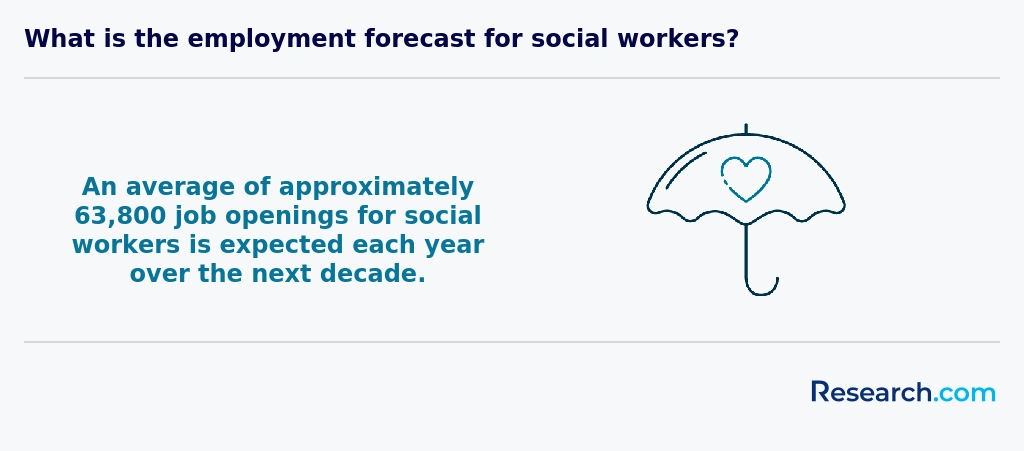
Richmond offers multiple internship opportunities through local agencies and nonprofits, which enhance practical skills and networking. The Bureau of Labor Statistics reported that Richmond's social work employment is expected to grow by 9% through 2031, driven by demand in healthcare and social service sectors.
Joining professional groups like the Virginia NASW chapter can provide job leads and career development resources.
Employers in Richmond seeking social work degree graduates prioritize strong communication skills. The ability to clearly convey information and empathize with clients is essential for success in various social work settings. According to the National Association of Social Workers (NASW), interpersonal skills rank among the top competencies valued in the profession.
Cultural competence is also critical due to Richmond's diverse population. Graduates must demonstrate awareness and sensitivity to different backgrounds, which fosters trust and effective support.
Additionally, employers expect graduates to have solid problem-solving abilities. Social workers often navigate complex situations requiring critical thinking and adaptability.
Research from the Bureau of Labor Statistics shows that technical skills in documentation and case management software increasingly enhance employability in this field.
Finding internships in Richmond relevant to a social work degree involves exploring multiple local resources. Many social work programs in Richmond require internships as part of their curriculum, often partnering with community agencies such as homeless shelters, healthcare centers, and child welfare organizations.
Students should start by consulting their university's career services or social work department, which often maintain lists of approved internship sites. According to the Virginia Department of Social Services, Richmond hosts numerous agencies offering supervised placement opportunities, crucial for meeting licensing requirements.
Additionally, students can explore local nonprofit organizations and government programs; the Richmond City government website provides updates on available social work internships. Networking with professionals during local chapter meetings of the National Association of Social Workers (NASW) Virginia chapter can also open doors to practical experiences.
Obtaining a social work degree in Richmond significantly enhances career mobility and advancement opportunities. According to the U.S. Bureau of Labor Statistics, social workers with a Bachelor's or Master's degree have access to a broader range of roles, including clinical positions requiring licensure.
Richmond's growing demand for social workers in healthcare, education, and child welfare sectors means degree holders often advance faster. For example, licensed clinical social workers (LCSWs) can pursue supervisory or specialized roles, increasing earning potential and job stability.
Local data from the Virginia Department of Social Services indicates that social workers with advanced degrees are more likely to receive promotions within two to five years. Additionally, networking opportunities linked to local universities in Richmond help graduates connect with employers.
Studying for a social work degree in Richmond equips students with skills essential for interdisciplinary collaboration. Programs often incorporate coursework in psychology, public health, and criminal justice, reflecting the diverse challenges faced in community settings. According to the Council on Social Work Education (CSWE), accredited schools in Richmond emphasize teamwork across professions, preparing graduates to work alongside healthcare providers, educators, and legal experts.
Richmond's local agencies frequently host students for field placements, providing real-world experience in multidisciplinary environments. This practical exposure strengthens problem-solving and communication skills needed for roles that address complex social issues.
Moreover, regional labor market data from the Virginia Employment Commission highlights growing demand for social workers capable of integrated service delivery, reinforcing the importance of interdisciplinary training.
Choosing between a thesis and a non-thesis social work degree program in Richmond depends on your career goals and learning preferences. Thesis options are research-focused, ideal for students aiming for academic or clinical research roles. They typically require completing an original research project, which can enhance critical thinking and analytical skills.
Non-thesis programs emphasize practical experience, often including internships or fieldwork, and suit those targeting direct social work practice. In Richmond, MSW programs from institutions like Virginia Commonwealth University offer both tracks, with about 60% of students opting for non-thesis to enter the workforce sooner (NCES, 2023).
Consider time commitment: thesis tracks usually take longer due to research requirements. Your choice should align with whether you prefer hands-on practice or scholarly investigation.
Students based in Richmond seeking to study social work abroad have several pathways through U.S. institutions offering international study options. Many Virginia universities with social work programs have established partnerships or exchange agreements with schools overseas, allowing students to complete part of their degree abroad. For example, the University of Richmond and Virginia Commonwealth University sometimes provide study abroad opportunities in countries with developing social work practices.
Programs often include placements in European or Latin American countries, helping students gain global perspectives on social welfare systems. These experiences can enhance cultural competency, a key skill in social work.
Financial aid and scholarships may be available specifically for study abroad, but students should carefully check eligibility requirements.
The Council on Social Work Education (CSWE) supports accredited programs in facilitating these options, ensuring that international coursework transfers properly to meet U.S. degree standards.
Richmond offers several part-time job opportunities that align well with social work degree education. Common roles include case aides or administrative assistants in local social service agencies, where students gain exposure to client management and resource coordination.
Many Richmond nonprofits and community organizations hire part-time outreach workers or program assistants, providing practical experience in community engagement and advocacy. According to the Virginia Department of Social Services, approximately 22% of social service roles in Richmond are entry-level positions suitable for students.
Additionally, working as a behavioral health technician in nearby clinics can help students develop skills in mental health support under professional supervision. Such positions often provide flexible hours, ideal for balancing studies and work commitments.
Social work students in Richmond benefit from a range of networking opportunities that enhance their professional development. Local universities such as Virginia Commonwealth University offer active social work clubs and organizations that connect students with faculty and practicing professionals. According to the Council on Social Work Education, many programs in Richmond host career fairs and workshops, which attract agencies involved in child welfare, mental health, and community services.
Richmond also has a strong presence of social service organizations, providing internship placement and volunteer opportunities that function as real-world networking platforms. Events hosted by the Richmond Chapter of the National Association of Social Workers enable students to engage directly with licensed social workers and potential employers.
Alumni networks play a significant role in supporting social work degree students in Richmond. These networks provide valuable connections to experienced professionals who have navigated local agencies and organizations. Through mentoring and networking opportunities, students gain insights into job openings and career advancement strategies specific to the Richmond area.
Richmond's social work alumni often collaborate with universities to offer internships and workshops, helping students develop practical skills. According to data from the Council on Social Work Education, states with strong alumni engagement see higher employment rates among graduates. In Richmond, active alumni networks enhance access to local employers such as health care providers and social service agencies.
Participation in alumni events also fosters a sense of community and professional identity, which can be crucial in a demanding field like social work. This support system often leads to increased confidence and better preparedness for the workforce.
Customizing a social work degree program in Richmond allows students to align their education with specific career goals. Many universities offer elective courses focusing on areas such as clinical practice, community advocacy, or policy analysis. Richmond's proximity to diverse social service agencies provides opportunities for tailored internships and fieldwork experiences.
Students can also choose between Bachelor of Social Work (BSW) or Master of Social Work (MSW) programs, with some offering part-time or online options to accommodate working professionals. According to Virginia's Department of Social Services, Richmond employs over 600 licensed social workers, highlighting strong local demand in healthcare and child welfare sectors.
Additionally, some programs encourage specialization through certificates in gerontology or substance abuse counseling, helping students boost their credentials in high-demand fields.
Social work students in Richmond often face a variety of challenges unique to their academic and local environments. One common issue is balancing rigorous coursework with field placements, which demand significant time and emotional energy. According to data from the Council on Social Work Education, Virginia has reported a high demand for social workers, increasing pressure on students to gain practical experience quickly.
Financial strain is another obstacle. Tuition costs combined with unpaid internships make it difficult for many students to manage living expenses. Additionally, Richmond's diverse population adds complexity to case studies and practice scenarios, requiring students to develop cultural competence and adaptability.
Finally, the ongoing effects of the COVID-19 pandemic have disrupted both classroom learning and fieldwork opportunities, causing delays in graduation for some students. Academic advisers in Richmond recommend early planning and strong support networks to navigate these hurdles effectively.
With a social work degree in Richmond, you can pursue several professional certifications that enhance career opportunities. The most common certification is the Licensed Social Worker (LSW), which requires passing the ASWB exam and meeting state-specific experience criteria in Virginia. Advancing further, social workers often aim for the Licensed Clinical Social Worker (LCSW) credential, allowing clinical practice and independent client services.
Other certifications include Certified School Social Worker (C-SSW) for those focused on educational settings, and specialized credentials in areas like substance abuse or gerontology. According to the Virginia Board of Social Work, over 4,000 individuals held active social work licenses in 2023, reflecting strong local demand.
Writing a winning application for a social work program in Richmond begins with understanding the key components admissions committees evaluate. Start by crafting a clear and compelling personal statement that highlights your passion for social work, relevant experiences, and long-term career goals. Programs in Richmond often look for applicants who demonstrate strong community engagement and empathy.
Include detailed descriptions of any volunteer or work experience related to social services, emphasizing outcomes and your role. Richmond's social work programs, such as those at Virginia Commonwealth University, value background in working with diverse populations.
Additionally, carefully follow application instructions and submit all required materials on time. Scores and transcripts should reflect your academic preparedness for rigorous social work coursework.
Strong letters of recommendation from professionals familiar with your interpersonal skills and commitment can also enhance your application. According to the Council on Social Work Education, highlighting your knowledge of current social issues relevant to Richmond's communities can make your application stand out.
The global perspective on a social work career highlights the profession's role in addressing diverse social challenges, such as poverty, inequality, and human rights. In the United States, including Richmond, social workers often engage with local and international issues through community programs and policy advocacy. The Council on Social Work Education (CSWE) emphasizes cultural competence and global awareness in curricula, preparing students to operate in multicultural environments.
Richmond's social work programs reflect these trends by integrating global social justice themes with practical training. According to the Virginia Department of Social Services, employment for social workers in the Richmond area is projected to grow by 12% from 2020 to 2030, partly driven by an increasing need to address local and global community needs.
Understanding global perspectives equips Richmond students for careers that connect local realities with international frameworks, thus broadening their impact in social work practice and policy development.
Gaining practical experience while pursuing a social work degree in Richmond is essential for developing real-world skills. Many accredited programs require field placements or internships as part of the curriculum. These placements often occur in local agencies, such as hospitals, schools, and community organizations.
Students typically complete between 400 and 900 hours of supervised fieldwork, depending on whether they are enrolled in a bachelor's or master's program. According to the Council on Social Work Education (CSWE), Richmond programs align with national accreditation standards that emphasize hands-on learning.
Additionally, Richmond offers various volunteer opportunities and partnerships that enable students to work directly with vulnerable populations. Such experiences enhance professional networks and improve employment prospects after graduation.
Choosing the right concentration within a social work degree program in Richmond depends on your career goals and local community needs. Richmond offers diverse specializations, including clinical social work, child and family welfare, and substance abuse counseling. According to the Virginia Department of Behavioral Health and Developmental Services, there is a growing demand for social workers in mental health and family services in the Richmond area.
Consider your interests and strengths when selecting a concentration. For example, clinical social work typically requires licensure and offers direct therapy roles, while community organization focuses on advocacy and resource coordination.
Research each program's curriculum and practicum opportunities. Local universities often partner with Richmond-area agencies for hands-on experience, critical for licensure and employment.
Finally, examine job placement rates and salary potential in Richmond-specific data to ensure your concentration aligns with the local job market, which reports an average social worker salary near $58,000 annually as per the U.S. Bureau of Labor Statistics.
Related Social Work Rankings for Nearby Cities
- 2027 Most Affordable Social Work Degree Programs Ranking in Washington
- 2027 Most Affordable Social Work Degree Programs Ranking in Baltimore
- 2027 Most Affordable Social Work Degree Programs Ranking in Raleigh
- 2027 Most Affordable Social Work Degree Programs Ranking in Greensboro
- 2027 Most Affordable Social Work Degree Programs Ranking in Fayetteville
- 2027 Most Affordable Social Work Degree Programs Ranking in Philadelphia
- 2027 Most Affordable Social Work Degree Programs Ranking in Pittsburgh
- 2027 Most Affordable Social Work Degree Programs Ranking in Charlotte
- 2027 Most Affordable Social Work Degree Programs Ranking in New Brunswick
- 2027 Most Affordable Social Work Degree Programs Ranking in New York
Top Trending Social Work Rankings
See What Experts Have To Say About Studying Social Work
Read our interview with Social Work experts

References
- Ethical challenges for social workers during Covid-19: A global perspective https://www.ifsw.org/ethical-challenges-for-social-workers-during-covid-19-a-global-perspective/
- 1+ Social Worker Cover Letter Examples (with In-Depth Guidance) https://www.tealhq.com/cover-letter-examples/social-worker
- 25 Scholarships For Social Work Students | Psychology.org https://www.psychology.org/resources/social-work-scholarships/
- Richmond Community College https://richmondcc.edu/academics/programs/human-services-technology
- Bachelor of Social Work https://www.courses.com.au/course/bachelor-of-social-work/richmond
- 18 Social Work Specialties and Specializations - Social Work Degree Center https://www.socialworkdegreecenter.com/are-there-any-specializations-within-social-work/
- Interdisciplinary Collaboration in Social Work and the ASWB Exam https://agentsofchangeprep.com/blog/interdisciplinary-collaboration-in-social-work-and-the-aswb-exam/
- Guide to Careers in Social Work https://www.onlinemswprograms.com/careers/
- Study Social Work Abroad | Go Overseas https://www.gooverseas.com/study-abroad/social-work
- Social Work https://al.edu.pl/en/studies/english-courses-for-erasmus-students/social-work


