2027 Most Affordable Social Work Degree Programs Ranking in Columbus

Co-Founder and Chief Data Scientist
Choosing the right social work degree program in Columbus can feel overwhelming. This article presents the 2027 Most Affordable Social Work Degree Programs Ranking in Columbus, created by the Research.com team of data scientists to guide you toward informed decisions.
By exploring this ranking, you'll discover programs that offer quality education without breaking the bank. Pursuing a social work degree opens doors to meaningful careers that make a difference in people's lives.
We hope this resource inspires and supports your journey toward a rewarding future in social work.
Key benefits of getting social work degree in Columbus
- Graduates with a social work degree in Columbus can expect competitive salaries, such as a Social Worker earning around $68,800 annually or a Youth Worker making up to $83,400 per year, reflecting strong local demand.
- Career paths are diverse, ranging from Child Welfare Specialist to Community Organizer, offering meaningful roles that impact communities and provide personal fulfillment.
- Online social work degrees offer flexible schedules and the convenience to balance work and study, as experienced by graduates from Columbus-based programs who successfully advance their careers without relocating.
- 2027 Most Affordable Social Work Degree Programs Ranking in Columbus
- What can I expect from social work degree in Columbus?
- Where can I work with social work degree in Columbus?
What can I expect from social work degree in Columbus?
The average cost of pursuing a social work degree in Columbus varies, but students at well-known institutions like Ohio State University typically encounter tuition fees ranging from $11,000 to $14,000 per year for in-state undergraduate programs. Graduates often describe the financial investment as challenging yet worthwhile, emphasizing the support available through scholarships and financial aid tailored to social work students. For example, those attending Columbus State Community College find access to more affordable options, with yearly tuition often below $6,000, helping to ease monetary pressures while still providing accredited education.
These figures reveal that the journey toward becoming a social worker in Columbus isn't just about the cost but the value gained. Imagine balancing part-time work, internships, and a demanding curriculum in real community settings-each element intertwines to form a rich learning experience that graduates remember with pride and fulfillment. The opportunity to engage in meaningful placements in local hospitals or nonprofit agencies transforms tuition into a doorway to impactful careers.
Financial concerns are real but navigating them alongside thriving programs and supportive networks proves inspiring for many students determined to make a positive change.
Where can I work with social work degree in Columbus?
Graduates with a social work degree from Columbus institutions often find themselves drawn into the city's vibrant healthcare sector, where hospitals like OhioHealth and Mount Carmel become familiar landscapes. Imagine guiding a patient through the emotional maze of recovery, helping them bridge hospital care with community support-this is the daily reality for many local social work alumni. The blend of hands-on experience from internships with Columbus colleges fuels their confidence in these roles.
Others step into public education, working within Columbus City Schools to support students wrestling with family hardship or mental health struggles. The tangible impact of seeing a child thrive after intervention is a deeply rewarding outcome often shared by graduates, reminding them why their chosen path matters.
For those passionate about systemic change, government agencies such as Franklin County Job and Family Services offer arenas to influence child welfare and workforce programs. The possibility of holding licensure like the LSW or LISW highlights professional growth tied directly to Columbus's evolving community needs.
Nonprofits, thriving with purpose-driven energy, provide another rich employment landscape. Graduates often speak of fulfillment working with organizations dedicated to domestic violence prevention or youth outreach, where every small victory feels personal and profound within Columbus's diverse social fabric.
Finally, the city's growing mental health programs open doors for specialized social workers, offering roles that demand clinical skills and foster hope for those confronting mental illness. Social work students from Columbus colleges leave equipped not only with credentials but with stories of transformation that shape their communities.
- Columbus offers Bachelor of Social Work (BSW) and Master of Social Work (MSW) degrees at accredited public universities like Ohio State University.
- In-state undergraduate tuition at public universities ranges from $10,000 to $15,000 per year, while graduate program tuition varies from $12,000 to $20,000 annually.
- Entry-level social workers in Columbus earn about $45,000 per year, with experienced MSW holders earning between $65,000 and $70,000 annually.
- Specialized roles such as healthcare or clinical social work tend to offer higher salaries.
- Employment growth for social workers in Columbus is projected at around 10% over the next decade.
- All reputable social work programs in Columbus are accredited by the Council on Social Work Education (CSWE).
To find the most affordable social work programs in Columbus, OH, prospective students should consider several factors, including tuition costs, financial aid options, and program accreditation. When evaluating these factors, students can make informed decisions about their education and Career aspirations. For those interested in exploring affordable options, the affordable social work programs in ohio can provide valuable insights and guidance, helping students navigate the complex landscape of social work education in Columbus, OH.
Online MSW degrees offer a cost-effective route to licensure without relocating, helping you:
- Save on campus fees, housing, and commuting expenses
- Balance coursework with work or family through asynchronous classes
- Access CSWE-accredited curricula and local field placements
Discover our cheapest online msw programs for detailed options.
The average cost of a social work degree in Columbus reflects a mix of opportunity and challenge that many students face locally. With an in-state total around $13,244 for public universities, social work graduates from institutions like Ohio State University often recall balancing manageable tuition with a strong sense of community impact. However, out-of-state students and those attending private colleges encounter costs that can more than triple, making the financial commitment significantly higher while still motivated by the rewarding nature of the profession.
Consider the story of a graduate who enrolled in a private Columbus college known for its social work program; they faced tuition nearing $54,866 in total. Yet, the investment was softened by scholarships and part-time enrollment, turning daunting numbers into attainable goals. This dynamic illustrates how the Columbus social work degree tuition and fees can vary but still lead to fulfilling career paths without overwhelming debt.
When evaluating these costs, it is essential to include additional expenses such as textbooks and fieldwork fees, which can add up to $3,000 annually. For students focused on practical experience, these costs become stepping stones on their journey. Those seeking affordable social work programs in Ohio can find options that fit different budgets while gaining meaningful exposure to real-world social service.
Understanding these figures helps prospective social work students in Columbus thoughtfully budget for degrees that combine passion with financial reality, encouraging an informed commitment to their educational future.
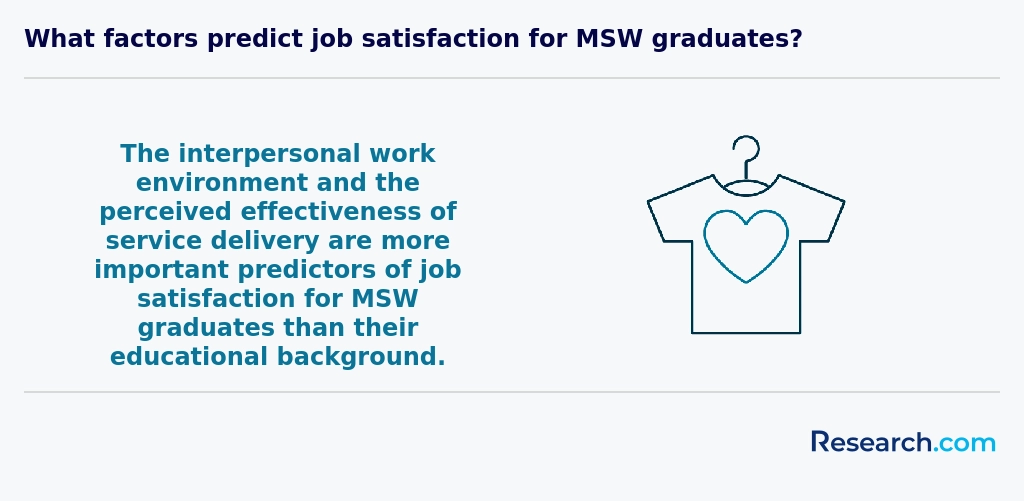
Understanding the return on investment (ROI) for a Social Work degree in Columbus, OH, helps students make financially sound decisions. By comparing total program costs against average starting salaries, prospective students can estimate the payback period and long-term benefits. • Estimate Your Payback Period: - Bachelor’s Degree: With an average in-state tuition of $12,500 per year and a starting salary of $56,680, BSW graduates can expect to recoup costs in roughly 4 to 5 years. - Master’s Degree: MSW programs in Columbus typically cost between $20,000 and $30,000 total. At an average salary of $64,360, MSW holders may break even within 3 to 4 years, especially when factoring in licensure advancement. • Boosting Long-Term Earnings: Advancing to a doctoral level can increase earning potential by up to 20%. Students committed to leadership or clinical research roles should explore options like a cheap social work doctorate degree to minimize debt while maximizing career growth. • Non-Monetary Returns: Beyond salary, consider qualitative gains-enhanced professional network, advanced clinical skills, and higher job satisfaction. These intangible benefits often translate into leadership opportunities and accelerated promotion timelines. By assessing both quantitative and qualitative returns, you can choose the program that aligns with your financial goals and passion for social impact.
After exploring the 2024 Most Affordable Social Work Degree Programs in Columbus, OH-evaluating tuition costs, career outcomes, field practicum quality, and financial aid options-you’re now equipped to make an informed decision that balances affordability with academic rigor. To move forward, follow these actionable steps: 1. Prioritize Your Criteria: Rank programs based on tuition, specialization opportunities, and support services that align with your career goals. 2. Visit Campus or Virtual Open Houses: Schedule visits or webinars to connect with faculty, current students, and career advisors. 3. Complete Prerequisites Early: Ensure you have the required coursework (e.g., psychology and sociology credits) and strengthen your application with volunteer experience. 4. Apply for Financial Aid: Submit your FAFSA, research state grants, and explore scholarship deadlines well in advance to maximize funding. 5. Secure Your Field Placement: Reach out to program coordinators about practicum sites that match your specialization interests, whether in mental health, child welfare, or community advocacy. For students interested in comparing affordable programs in nearby markets, be sure to explore the Cheapest Social Work Degree Programs Ranking in Indianapolis, IN to broaden your search and identify additional cost-effective options. By following these steps and leveraging our data-driven rankings, you can confidently embark on a rewarding social work education journey in Columbus-or beyond.
Enrolling in a social work degree in Columbus begins with more than just meeting academic standards; it demands a commitment to community and self-awareness. Graduates from Ohio State University often recount how maintaining at least a 2.5 GPA in high school and focusing on relevant subjects like psychology helped them feel prepared and connected to their future roles. For those pursuing a Master of Social Work at institutions like Columbus State Community College, holding a bachelor's degree with a solid 3.0 GPA accompanied by hands-on volunteer experience was transformative, turning theory into empathy-driven practice.
Beyond grades, many programs in Columbus have moved away from heavy reliance on GRE scores, valuing personal statements that reveal passion and letters of recommendation that highlight real-world impact. Students share a sense of pride after navigating background checks and documenting immunizations-prerequisites that underscore the responsibility inherent in working with vulnerable populations.
These requirements mirror the city's deep-rooted culture of caring, opening doors not just academically but emotionally, preparing you for the meaningful journeys that await.
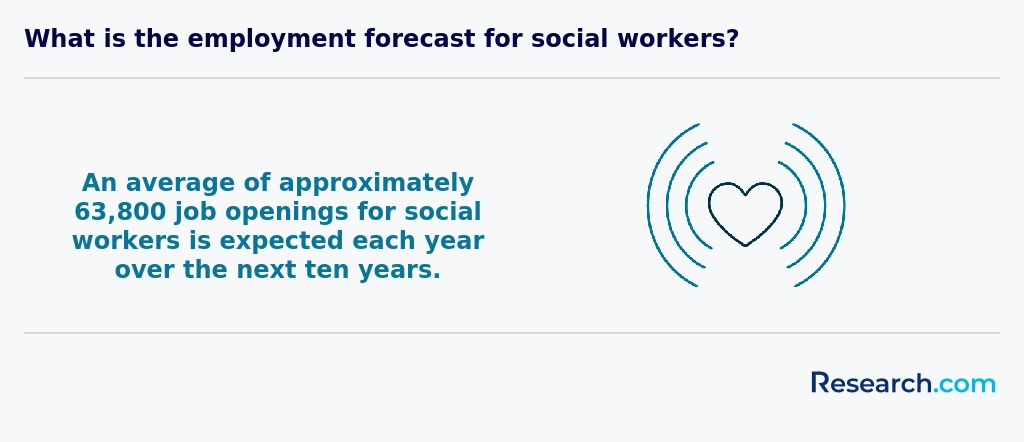
In today’s fast-paced world, many aspiring social workers are turning to accelerated online MSW programs to balance their education with personal and professional commitments. These programs are designed to deliver a rigorous curriculum in a condensed timeframe, allowing students to quickly gain the competencies needed for success in the field. Accelerated courses often emphasize practical skills, innovative learning modules, and contemporary social work practices that reflect current industry demands. For instance, many institutions now offer a one year msw online program, which not only shortens the learning period but also provides the flexibility needed by working professionals. This modern approach to social work education ensures that students can progress rapidly while still engaging in essential hands-on fieldwork and networking opportunities. By choosing an accelerated online MSW pathway, students gain faster access to career opportunities, making it an ideal option for those eager to make an immediate impact in their communities.
Choosing the best social work degree in Columbus goes beyond just picking a school with a reputable name. Graduates often reflect that the real difference lies in programs deeply embedded within the city's social fabric. For example, popular colleges offering social work incorporate practicums in local agencies, giving students firsthand experience with Columbus communities facing real challenges. This kind of immersive learning builds confidence and connection, turning theoretical knowledge into practical skills.
Affordability is more than a number-it shapes your ability to focus and thrive. Exploring affordable social work schools Columbus Ohio highlights options where tuition aligns with budgets without sacrificing quality. One graduate shared how finding a balance between cost and accreditation meant choosing a program enabling both licensure and valuable local networking, essential for securing employment.
Flexibility is another overlooked factor. Many students juggle work and family, making evening or online options critical. Some even discover paths leading to advanced clinical roles by supplementing their MSW with a cheap social work doctorate degree. Reflect on what campus culture, financial support, and program goals resonate with your vision-this thoughtful approach shapes the most fulfilling social work journey in Columbus.

2027 Most Affordable Social Work Degree Programs Ranking in Columbus
Investing in your education is a significant decision that can shape your future, and the Research.com team understands the importance of making informed choices. To assist prospective students in Columbus, we have meticulously crafted the "2027 Most Affordable Social Work Degree Programs Ranking in Columbus." Our commitment to quality, credibility, and accuracy is reflected in the extensive research and analysis conducted to compile this ranking.
We utilized the following reputable data sources to ensure a comprehensive evaluation of social work degree programs:
By exploring this ranking, readers will gain valuable insights into the most affordable social work degree programs available in Columbus, helping them make informed and confident decisions about their educational paths. For more details on our methodology, please visit our Research.com methodology page.


Frequently Asked Questions About social work
Social work degree students in Columbus can maximize their learning experience by engaging deeply with local agencies and community organizations. Practical experience through internships is crucial, as the Ohio Association of Social Workers highlights that most accredited programs require at least 400 hours of fieldwork. This hands-on training helps students apply theory to real-world challenges in diverse settings such as healthcare, schools, and nonprofit organizations.
Students should also take advantage of Columbus's rich network of social services, including partnerships with Ohio State University and Columbus Metropolitan Library for research resources. Joining professional groups like the National Association of Social Workers (NASW) Ohio Chapter provides networking and continuing education opportunities.
Time management and active participation in class discussions further enhance understanding of complex social issues. Leveraging available scholarships and financial aid in Columbus improves focus on studies without financial stress.
The social work field is evolving, with several emerging niches gaining importance in Columbus and nationwide. One growing area is geriatric social work, driven by the aging U.S. population. According to the Ohio Department of Aging, Delaware and Franklin counties show increases in elderly residents, creating demand for specialized care.
Another significant niche is behavioral health social work, particularly integrating mental health services with substance abuse treatment. Columbus nonprofits report rising cases of opioid addiction, highlighting the need for trained professionals.
Additionally, trauma-informed social work is expanding, focusing on supporting survivors of domestic violence and abuse. Local agencies emphasize trauma sensitivity as crucial to effective intervention.
These niches reflect shifts in community needs and funding priorities in Columbus social work education and practice.
Preparing for the job market after completing a social work degree in Columbus involves several strategic steps. First, gaining practical experience through internships or volunteer roles at local agencies such as the Columbus Metropolitan Library's social programs or Nationwide Children's Hospital can provide valuable skills and networking opportunities.
Next, obtaining licensure is essential. The Ohio Counselor, Social Worker & Marriage and Family Therapist Board requires aspiring social workers to complete supervised clinical hours for the Licensed Social Worker (LSW) credential, which improves employability.
Networking through organizations like the Ohio Chapter of the National Association of Social Workers (NASW) also helps graduates connect with local employers and learn about job openings.
Lastly, graduates should regularly consult resources such as the Ohio Department of Job and Family Services for local labor market trends, including that Columbus's social work field is projected to grow by over 10% by 2030.
Employers in Columbus highly value social work graduates who demonstrate strong communication skills. Being able to clearly express ideas and listen empathetically is crucial when working with diverse populations. Additionally, problem-solving abilities are essential, as social workers must assess client needs and develop effective intervention plans.
Knowledge of local resources in Columbus and Ohio is also important. Graduates familiar with community services such as mental health programs or housing assistance can better support their clients. According to the National Association of Social Workers, cultural competence and ethical decision-making are among the top qualities sought by employers nationwide, including Columbus-based organizations.
Finally, adaptability and teamwork skills are essential in dynamic social work environments where collaboration with healthcare providers, schools, and law enforcement often occurs.
Finding social work internships in Columbus involves exploring opportunities provided by local universities and community organizations. Schools such as Ohio State University and Columbus State Community College often maintain partnerships with social service agencies, offering students access to numerous internship placements.
The city hosts a variety of nonprofits and government agencies focused on social welfare, including the Columbus Urban League and Franklin County Children Services. These organizations frequently seek interns to support their programs, providing valuable hands-on experience.
The Ohio Department of Job and Family Services reports that over 1,000 social work-related job openings annually in the region indicate strong demand for practical experience, which internships can offer.
Students should also tap into career services and attend local networking events to connect with potential supervisors. Early application and clear communication about academic requirements are essential for securing placements relevant to social work coursework.
A social work degree in Columbus significantly enhances career mobility and advancement opportunities. The city's growing demand for qualified social workers in health care, education, and public services is supported by Ohio's emphasis on licensed social work professionals. According to the Ohio Department of Job and Family Services, employment of social workers in Columbus is projected to grow faster than the national average through 2030.
Holding a Bachelor or Master of Social Work allows individuals to access higher-level positions, such as clinical social work or administrative roles. Licensure requirements in Ohio, including the LSW (Licensed Social Worker) and LISW (Licensed Independent Social Worker), further facilitate upward mobility.
Additionally, Columbus hosts a variety of continuing education and specialized training programs, helping professionals stay competitive. This local availability of resources supports career advancement within the city's social services sector.
Studying for a social work degree in Columbus equips students with skills essential for interdisciplinary collaboration. Programs often combine coursework in psychology, sociology, and public health, fostering a comprehensive understanding of client needs. This holistic approach prepares graduates to work effectively with professionals from healthcare, education, and legal sectors.
Columbus-based institutions emphasize practical experience through internships and community projects, connecting students with local agencies like Columbus Public Health and innovative social service organizations. According to the Ohio Department of Higher Education, approximately 65% of social work graduates from Columbus remain in the area, contributing to a strong local network of interdisciplinary professionals.
When choosing between a thesis and a non-thesis social work degree program in Columbus, consider your career goals first. Thesis programs emphasize research and prepare students for academic or advanced research roles, possibly leading to PhD studies. Non-thesis options focus on practical skills and fieldwork, suiting those aiming for direct social work practice.
Columbus has several accredited programs offering both pathways. According to the Council on Social Work Education (CSWE), over 60% of local social work students prefer non-thesis tracks, reflecting the city's strong demand for practitioners.
Cost and time commitment also differ. Thesis programs often require extra semesters and resources for research. Review each school's curriculum and speak with advisors to align your choice with future plans.
Students based in Columbus interested in studying social work abroad have several options through partnerships and exchange programs. Ohio State University, a leading institution in Columbus, often collaborates with international universities, enabling social work students to study part of their degree overseas. These programs provide global perspectives essential for social work practice.
Additionally, students can explore study abroad opportunities supported by the Council on Social Work Education (CSWE), which accredits U.S. social work programs. CSWE-approved programs may include international field placements in countries like Canada or the United Kingdom, offering practical experience abroad.
Financial aid and scholarships specifically for study abroad in social work are also available, assisting Columbus students in managing costs while gaining valuable international exposure.
Columbus offers a variety of part-time job opportunities that align well with social work degree education. Many students find roles in local nonprofit organizations, such as community outreach assistant positions, which provide practical experience in client interaction and case management. According to the Columbus Foundation, nonprofits employing social services professionals have grown by 8% over the last five years.
Other common part-time roles include working as a peer counselor or crisis hotline volunteer, both available through local health departments and organizations like Nationwide Children's Hospital. These roles enhance skills in active listening and crisis intervention.
Additionally, schools and social service agencies in Columbus often hire aides or program assistants to support families and children, giving students hands-on experience in educational and social support settings. The Ohio Department of Job and Family Services reports steady hiring in child welfare support roles throughout the Columbus area.
Social work students in Columbus benefit from robust networking opportunities through local universities and professional organizations. Ohio State University, offering prominent social work programs, hosts events connecting students with experienced practitioners and alumni. Additionally, the Ohio chapter of the National Association of Social Workers (NASW Ohio) holds regular meetings and seminars in Columbus, providing access to a broad network of social work professionals.
Students can also engage with community agencies and attend conferences like the Midwest Interdisciplinary Social Work Conference, fostering connections that support career growth. Such involvement often leads to internships and job placements in the Columbus area.
Alumni networks play a crucial role for social work degree students in Columbus by providing valuable professional connections. Graduates from local programs often stay engaged through these networks, offering mentoring opportunities and guidance on job placements.
According to the National Association of Social Workers Ohio chapter, Columbus has a growing demand for licensed social workers, making alumni connections vital for navigating the local job market. Networking events and online communities organized by alumni associations help students access internships and employment in hospitals, schools, and non-profits.
Moreover, alumni can share insights on licensure requirements in Ohio, which enhances students' exam preparation and career planning efforts.
Customizing a social work degree program in Columbus involves choosing courses and specializations that align with your career goals. Local universities often offer concentrations such as clinical social work, community organizing, or child welfare.
Fieldwork or internships are essential to gain hands-on experience. Columbus students typically complete placements at local agencies, hospitals, or schools, helping to build practical skills and professional networks.
Some programs provide options for part-time, online, or accelerated study, allowing flexibility for working professionals. Additionally, engaging in research projects or electives related to mental health, policy, or substance abuse can further tailor your education to meet specific interests.
Social work students in Columbus often face several significant challenges during their studies. One major difficulty is balancing rigorous coursework with practical field placements, which are essential for hands-on experience but can be time-consuming and emotionally demanding. According to data from the Ohio Association of Social Work (OASW), many students report stress related to managing these dual responsibilities.
Additionally, financial concerns weigh heavily, as the average tuition for social work programs in Columbus ranges from $8,000 to $15,000 per year. While some scholarships exist, limited funding can create barriers.
Students also encounter challenges in addressing diverse community needs in Columbus, requiring strong cultural competence and adaptability.
With a social work degree in Columbus, graduates can pursue several professional certifications that enhance career opportunities. The most recognized credential is the Licensed Social Worker (LSW), which Ohio awards after passing the Association of Social Work Boards (ASWB) exam. This license allows professionals to practice clinically under supervision.
Many also aim for the Licensed Independent Social Worker (LISW) credential, which requires additional experience and permits independent clinical practice. According to the Ohio Counselor, Social Worker, and Marriage and Family Therapist Board, nearly 70% of social workers in Columbus hold either LSW or LISW credentials as of 2023.
Other certifications include Certified School Social Worker (C-SSW) and specialized credentials in gerontology or substance abuse counseling, expanding roles in education and healthcare settings.
Writing a winning application for a social work program in Columbus begins with understanding the specific requirements of local universities such as Ohio State University and Columbus State Community College. These programs typically require a completed application form, official transcripts, and a personal statement.
Focus your personal statement on your motivation for social work, relevant experiences, and career goals. Highlight any volunteer or work experience in social services, as most programs value practical exposure. According to NASW Ohio Chapter data, social work graduates in Columbus are in growing demand, which strengthens your case if you emphasize community impact.
Also prepare strong letters of recommendation, preferably from academic instructors or supervisors familiar with your commitment to social welfare. Finally, some programs may require GRE scores or an interview, so check deadlines carefully. Tailoring your application with local statistics and aspirations can make it stand out.
Social work careers are valued worldwide for their impact on communities and social justice. In the United States, including Columbus, Ohio, social work is seen as a profession that addresses diverse populations and complex social issues. According to the Bureau of Labor Statistics, social work employment is expected to grow by 12% nationally from 2022 to 2032, reflecting strong demand.
Globally, social work education often emphasizes cultural competence and ethics, preparing professionals to work in multicultural environments. In Columbus, local programs incorporate these global perspectives, aligning with standards set by the Council on Social Work Education (CSWE).
Social workers in Columbus may engage in various fields, such as healthcare, schools, and child welfare, mirroring trends in international social work practice.
Gaining practical experience while studying for a social work degree in Columbus is essential for career readiness. Most accredited programs in the area require field placements or internships as part of the curriculum, allowing students to work directly with clients under professional supervision.
Local agencies such as the Ohio Department of Job and Family Services and community organizations offer diverse internship opportunities. These placements expose students to real-world challenges in child welfare, mental health, and community services.
The Council on Social Work Education data shows that field education is a core component in Ohio's social work programs, with many Columbus institutions partnering with local nonprofits to support student learning.
Choosing the right concentration within a social work degree in Columbus depends on your career goals and the needs of the local community. Popular concentrations include clinical social work, school social work, and community organizing. For example, Columbus has a strong demand for clinical social workers due to increasing mental health awareness, according to the Ohio Department of Job and Family Services.
Consider the populations you wish to serve, such as children, adults, or elderly. Research local employers like hospitals and school districts for their preferred specialties. Also, think about hands-on learning opportunities; many Columbus programs offer internships in diverse settings.
Finally, verify that your chosen concentration aligns with licensure requirements in Ohio, ensuring your degree prepares you for the Licensed Social Worker (LSW) or Licensed Independent Social Worker (LISW) exams.
- 2027 Most Affordable Social Work Degree Programs Ranking in Cincinnati
- 2027 Most Affordable Social Work Degree Programs Ranking in Cleveland
- 2027 Most Affordable Social Work Degree Programs Ranking in Marion
- 2027 Most Affordable Social Work Degree Programs Ranking in Pittsburgh
- 2027 Most Affordable Social Work Degree Programs Ranking in Detroit
- 2027 Most Affordable Social Work Degree Programs Ranking in Indianapolis
- 2027 Most Affordable Social Work Degree Programs Ranking in Louisville
- 2027 Most Affordable Social Work Degree Programs Ranking in Grand Rapids
- 2027 Most Affordable Social Work Degree Programs Ranking in Chicago
- 2027 Most Affordable Social Work Degree Programs Ranking in Knoxville
See What Experts Have To Say About Studying Social Work
Read our interview with Social Work experts

- How to become a social worker https://basw.co.uk/careers/how-become-social-worker
- Building Professional Connections In Social Work https://www.tripodpartners.com/career-advice/social-work/the-importance-of-networking-in-social-work-building-professional-connections/
- Master of Social Work https://www.capital.edu/academics/majors-and-minors/master-of-social-work/
- Social Worker (LCSW, MSW) Salary Guide By State https://socialworklicensemap.com/social-work-careers/social-work-salary/
- Social Work Salary with Masters on the Rise https://newmanu.edu/nth-degree/social-work-salary-with-masters-on-the-rise
- Global Definition of Social Work https://www.ifsw.org/what-is-social-work/global-definition-of-social-work/
- Associate of Arts - Social Work https://explore.cscc.edu/programs/SOCIALWORK.AA/associate-of-arts-social-work
- Grand Challenges for Social Work https://grandchallengesforsocialwork.org/
- 2025 Most Affordable Online Social Work Degrees https://www.onlineu.com/most-affordable-colleges/social-work-degrees
- Social work certificates | edX https://www.edx.org/certificates/social-work-certificates