
2027 Fastest Online Secondary Education Degree Programs Ranking in the Midwest

Co-Founder and Chief Data Scientist
Choosing the right online secondary education degree program can be overwhelming, especially if you're in the Midwest and looking for a fast option. This article introduces the 2027 Fastest Online Secondary Education Degree Programs Ranking in the Midwest, carefully developed by the Research.com team of data scientists to guide you in making an informed decision.
By exploring this ranking, you'll discover programs that fit your goals and lifestyle, helping you achieve your educational dreams efficiently. A secondary education degree opens doors to new opportunities and personal growth-this guide is here to support your journey.
Key benefits of getting online secondary education degree in the Midwest
- Secondary education graduates in the Midwest often earn competitive salaries, with general figures around $50,000 to $60,000 annually, reflecting strong earning potential in teaching and educational roles.
- Career paths include becoming a high school teacher, educational counselor, or curriculum specialist, as seen in graduates from popular Midwest universities like the University of Michigan who find diverse opportunities in education.
- Online degrees offer flexibility and convenience, enabling students to balance work and study comfortably, as demonstrated by successful graduates from institutions like Indiana University's online programs.
What can I expect from online secondary education degree in the Midwest?
The average cost of an online secondary education degree in the Midwest generally falls between $15,000 and $30,000, depending on the institution and program length. Graduates from universities like Indiana University and the University of Wisconsin often mention feeling relieved by the affordability compared to traditional on-campus programs, especially when balancing work and family commitments. Many share stories of managing tuition payments through employer tuition assistance or flexible payment plans offered by their schools, which makes the investment feel manageable and worthwhile.
As these programs continue to evolve, we can expect costs to remain competitive, with more institutions embracing hybrid models that reduce expenses without compromising quality. Future students might benefit from scholarships targeting online learners or partnerships between schools and local districts that subsidize clinical placements. The growing emphasis on accessibility could also lead to increased financial aid options designed specifically for Midwestern secondary education students seeking licensure while working full-time, enhancing the overall value of pursuing these degrees online.
Where can I work with online secondary education degree in the Midwest?
Graduates from online secondary education programs at well-known Midwest institutions often find rewarding careers teaching in public and private high schools across states like Illinois, Ohio, and Michigan. Many share how their flexible online studies allowed them to balance work and family while preparing to lead dynamic classrooms, inspiring the next generation in subjects from English to STEM fields.
Looking ahead, these educators increasingly explore specialized roles such as special education or career and technical education, responding to the growing diversity of student needs in Midwest schools. Some graduates creatively blend teaching with emerging educational technology, designing innovative curriculum as instructional coordinators or curriculum developers.
Others expand beyond traditional classrooms, embracing remote teaching positions made possible by their online credentials or contributing in community education programs and youth-focused nonprofits. The evolving landscape of education in the Midwest, supported by steady demand and progressive districts, opens doors for graduates eager to impact adolescent learners in fresh and meaningful ways.
Moreover, graduates often report early success transitioning into advisory roles like academic counselors, leveraging their degree as a foundation while pursuing additional certifications, demonstrating promising versatility within the region's education sector.
How much can I make with online secondary education degree in the Midwest?
Graduates with an online secondary education degree in the Midwest typically start their careers earning between $40,000 and $45,000 annually, especially in more rural districts. Those from popular universities like the University of Illinois or Indiana University report that early years bring valuable experience, though salaries might feel modest at first. As graduates gain certifications and advanced degrees, they often see their pay rise toward $65,000 or even above $70,000 in better-funded suburban and urban districts in states like Illinois and Minnesota.
Many graduates share that teaching in subjects like science or math offers a financial edge due to growing demand, allowing them to benefit from competitive salaries and additional stipends. Midwestern schools commonly provide bonuses for coaching or mentoring, boosting income in meaningful ways beyond base salary. The increasing acceptance of online credentials across the region also opens doors to multiple job markets, adding flexibility and confidence for new teachers.
Success stories include teachers leveraging their degrees from well-regarded regional colleges to secure positions with solid benefits and retirement plans, enabling a stable and rewarding career path in education. For many, the combination of passion and steady wage growth makes this route feel both fulfilling and promising.
- Key benefits of getting online secondary education degree in the Midwest
- What can I expect from online secondary education degree in the Midwest?
- Where can I work with online secondary education degree in the Midwest?
- How much can I make with online secondary education degree in the Midwest?
- How do we rank schools?
- 2027 Fastest Online Secondary Education Degree Programs Ranking in the Midwest
- What online secondary education degree graduates have to say
- Key Findings
- How long does it take to complete online secondary education degree in the Midwest?
- What's the difference between online and on-campus secondary education degree?
- What is the average cost of online secondary education degree in the Midwest?
- What financial aid is available to online secondary education degree students in the Midwest?
- What are the prerequisites for enrolling in online secondary education degree program in the Midwest?
- What courses are typically in online secondary education degree programs in the Midwest?
- What types of specializations are available in online secondary education degree programs in the Midwest?
- How do you choose the best online secondary education degree in the Midwest?
- What career paths are available for online secondary education degree students in the Midwest?
- What is the job market for online secondary education degree in the Midwest?
- Frequently Asked Questions About secondary education
- Top Trending Secondary Education Rankings
How do we rank schools?
Investing in your education is a significant decision that can shape your future, and the Research.com team is acutely aware of the importance of making well-informed choices. To support prospective students seeking online secondary education in the Midwest, we have carefully developed the "2027 Fastest Online Secondary Education Degree Programs Ranking." Our dedication to quality, credibility, and accuracy is demonstrated through rigorous analysis and thorough research.
We utilized the following trusted data sources to ensure a comprehensive and reliable ranking:
By consulting this ranking, readers will obtain valuable insights into fast and reputable online secondary education degree programs in the Midwest, enabling them to make informed and confident decisions about their educational journeys. For a detailed explanation of how we created this ranking, please visit our Research.com methodology page.
2027 Fastest Online Secondary Education Degree Programs Ranking in the Midwest
# 1 position
Kansas State University
Master
Kansas State University offers a 12-month Master's program focused on Secondary Education. The program has an open admission policy with an 82% acceptance rate, supporting a diverse group of students. It serves 4,257 online enrollees and features a graduation rate of 71%. With an average total cost of $17,800, it provides high levels of financial aid, as 95% of students receive assistance.
# 2 position
Ball State University
Master
Ball State University offers a Master's program focused on Secondary Education within the field of Education. The program spans 24 months and has an open admission policy with an acceptance rate of 85%. It has a graduation rate of 62% and enrolls 9,937 online students. The average total cost is $12,300, and a high level of financial aid is available to 91% of students.
# 3 position

The University of Nebraska-Lincoln offers a Master's program focused on Secondary Education and Education, lasting 36 months. The program has an open admission policy with an acceptance rate of 87%. It serves a significant number of online students, totaling 1,652. Graduates have a 67% completion rate, and 96% of students receive high levels of financial aid.
# 4 position

The University of South Dakota offers a Master's program focused on Secondary Education and Education. The program features an open admission policy with a 99% acceptance rate. Approximately 95% of students receive financial aid, reflecting a high level of support. The average total cost for the degree is $14,113. The graduation rate stands at 60%, and the program has a significant online student enrollment of 5,720 individuals.
# 5 position

Black Hills State University offers a Master's program focused on Secondary Education and Education with an open admission policy, accepting 96% of applicants. The program has a graduation rate of 43%, and an average total cost of $16,465. A significant majority of students, 89%, receive financial aid. The program also enrolls 2,225 online students, providing accessible options for remote learners.
What online secondary education degree graduates have to say
- Emily: Studying my online secondary education degree through Ball State University gave me flexibility and strong community support. The engaging virtual classrooms and accessible professors made balancing work and study truly rewarding. I feel confident stepping into my teaching career thanks to their practical curriculum and real-world focus.
- Marcus: The University of Illinois' online program impressed me with its cutting-edge resources and collaborative approach. As someone balancing family life, the asynchronous format was a lifesaver. Their dedication to preparing educators effectively shines through every module, making this journey both inspiring and empowering.
- Hannah: Completing my secondary education degree online at Missouri State University was a game changer. I loved the personalized attention and interactive assignments that sparked creativity and critical thinking. The program's Midwestern values of community and integrity really enhanced my learning experience and personal growth.
Key Findings
- Many accredited Midwestern universities offer fully online or hybrid secondary education programs that meet state licensure requirements.
- Tuition typically ranges from $15,000 to $35,000, with public universities generally charging lower rates for in-state students.
- Starting salaries for secondary education teachers in the Midwest are around $45,000 to $50,000 annually, increasing to $60,000 or more with experience.
- STEM and special education teachers are in higher demand, with steady job growth projected through 2030 in many Midwestern states.
- State-specific exams and continuing education are required for licensure, and many online programs prepare students for these requirements.
How long does it take to complete online secondary education degree in the Midwest?
Completing an online secondary education degree in the Midwest typically takes between two to five years, influenced largely by whether a student enrolls full-time or part-time. Graduates from well-known institutions like Illinois State University or the University of Missouri often share how full-time study, averaging 15 credits per semester, helped them finish in about four years, balancing coursework with life demands.
More accelerated paths are emerging, with some students leveraging summer sessions or prior learning credits to reduce their timeline to as little as two years. One graduate from Ball State University described the flexibility of self-paced courses as a game-changer for managing work and study simultaneously, fostering a sense of accomplishment and control.
Meanwhile, part-time learners frequently take longer, sometimes around five years, but appreciate how online offerings accommodate their schedules. Transfer credits from community colleges also play a vital role in speeding up graduation, highlighting the evolving landscape of online secondary education in the Midwest.
What's the difference between online and on-campus secondary education degree?
Online secondary education degrees in the Midwest are reshaping how aspiring teachers engage with their studies, offering unmatched flexibility that suits busy lives. Graduates from universities like the University of Illinois often share how asynchronous classes let them balance coursework with jobs or family, turning once-impossible schedules into manageable routines. This flexibility is a lifeline for many, allowing study from home or even while traveling within the region.
In contrast, on-campus programs at institutions such as Ohio State University provide vibrant, face-to-face experiences. Graduates frequently describe the energy of in-person collaboration, valuable hands-on practicum support, and spontaneous peer interactions that enrich learning beyond textbooks. On-campus access to resources like counseling and teaching labs creates a comprehensive environment for skill-building.
Looking ahead, Midwest colleges are increasingly blending these models. Online platforms now integrate live sessions, offering the personal connection students crave while maintaining convenience. This hybrid evolution promises a more personalized educational journey, adapting seamlessly to diverse learner needs across Illinois, Michigan, Ohio, and beyond.
What is the average cost of online secondary education degree in the Midwest?
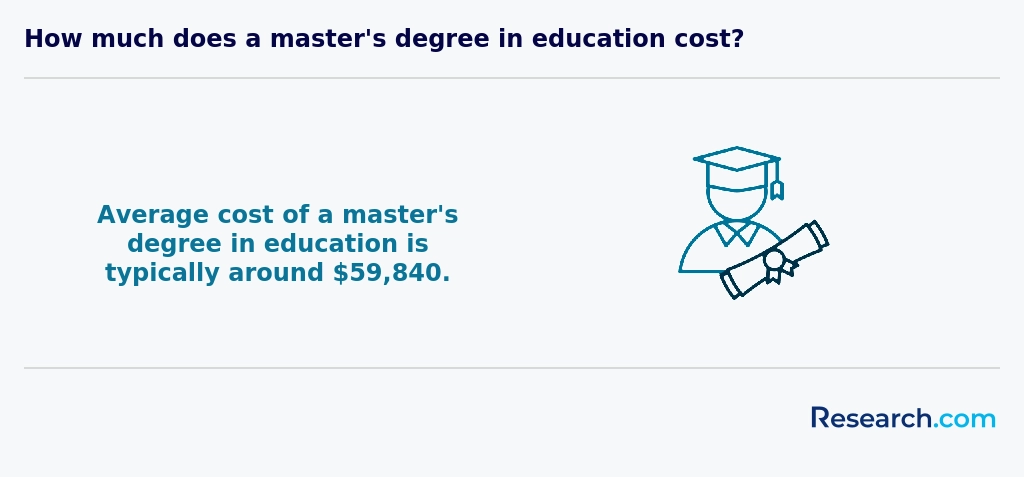
The average cost of an online secondary education degree in the Midwest typically centers around $16,450, with in-state students often benefiting from lower fees near $14,382. Graduates from well-known public universities in Illinois or Ohio report feeling satisfied with their investment, especially when balancing work and study through flexible online formats. These programs commonly charge per credit hour, usually ranging from $300 to $600, making it easier to estimate tuition based on course load and program pacing.
Midwest online secondary education tuition and fees frequently reflect residency status, with out-of-state costs averaging higher, around $17,472. Students pursuing degrees from state schools like those in Michigan often appreciate this transparency, which helps them budget wisely. Additionally, some programs include essential fees for technology use or exams, which can be a consideration when calculating the full financial commitment.
Prospective students are also exploring accelerated pathways that reduce time spent in the program, offsetting higher per-credit charges with quicker graduation. Several graduates highlight how these options made completing their degree more affordable and aligned with career goals. Understanding these nuances can empower students to choose a program fitting both their finances and lifestyle.
For those seeking advanced education, interest is growing in specialized offerings such as online EdD programs that promise rapid completion and practical relevance, potentially shaping the future cost landscape for secondary education degrees across the region.

What financial aid is available to online secondary education degree students in the Midwest?
Graduates from online secondary education programs at well-regarded Midwest institutions often recount how federal financial aid made their journeys possible. Completing the FAFSA unlocked access to Pell Grants, which significantly reduced their tuition burden-sometimes covering up to $7,395 annually. At universities like those in Illinois and Ohio, students felt encouraged by state-specific grants like Illinois' MAP and Ohio's Choose Ohio First Scholarship, both designed to support in-state learners pursuing teaching careers.
Many appreciated university scholarships targeted at education majors, enabling them to focus on coursework without overwhelming debt. Some recalled tapping into subsidized federal loans, relieved that interest didn't accrue while studying, which fueled their sense of financial stability.
Emerging trends in virtual work-study options also brought hope, offering flexible, paid experiences linked to local schools, even when studying remotely. Reimbursement programs from school districts added another layer of support, especially for working teachers aiming to advance their credentials without financial strain.
Looking ahead, these financial aid structures continually evolve, promising even greater accessibility for future online secondary education students in the Midwest.
What are the prerequisites for enrolling in online secondary education degree program in the Midwest?
Enrolling in an online secondary education degree in the Midwest often begins with completing a high school diploma or GED, setting a solid foundation that many graduates speak of with pride. For example, students at universities like the University of Illinois or Ohio State describe how their prior coursework shaped their confidence entering rigorous teaching programs. Many Midwest institutions now encourage applicants to hold or pursue an associate degree, recognizing how this step deepens academic readiness before jumping into bachelor's-level challenges.
Official transcripts are essential, affirming mastery in subjects from math to English. Graduates recall how reviewing these records helped them appreciate their own academic growth and readiness for future classroom roles. Standardized test scores, such as ACT, SAT, or Praxis Core, remain common prerequisites, reflecting evolving standards that ensure candidates meet core skills crucial for teaching success.
State-specific requirements, like background checks and personal statements, foster a thoughtful admission process. Many students feel motivated by these steps, viewing them as opportunities to express dedication to education. Financial planning plays a key role, with prospective teachers often exploring scholarships offered by Midwest colleges to ease tuition expenses.
What courses are typically in online secondary education degree programs in the Midwest?
Online secondary education degree programs in the Midwest commonly include courses that blend educational theory with practical teaching skills, designed specifically for future middle and high school educators. Graduates from popular institutions like the University of Iowa and Illinois State University often mention how courses in adolescent psychology and development helped them connect more deeply with their students' emotional and cognitive needs.
Typical coursework also covers curriculum design and instructional technology, preparing candidates to craft engaging lessons that integrate emerging digital tools. One graduate shared how a course on classroom management strategies gave them the confidence to handle real-life challenges during their practicum in Chicago-area schools.
Subject-specific pedagogy remains central, with options for concentrations in English, math, science, or social studies. For example, a student studying biology teaching approaches at Michigan State University found the specialized methods invaluable when adapting lessons to virtual and hybrid classrooms, reflecting an evolving educational landscape.
These structured experiences, paired with student teaching internships, ensure that prospective Midwest educators are prepared for dynamic classrooms, blending theory with hands-on expertise.
What types of specializations are available in online secondary education degree programs in the Midwest?
Students pursuing online secondary education degree specializations Midwest often choose paths like English Language Arts, Mathematics, Science, Social Studies, Special Education, and Foreign Languages. Graduates from prominent Midwestern institutions share how focusing on STEM specialties, such as math or science, has not only deepened their expertise but also expanded their professional prospects in regional schools eager for qualified teachers. Programs at well-known colleges encourage hands-on virtual engagement, helping future educators grasp the nuances of teaching complex subjects remotely.
Midwest online secondary education programs specialties continue evolving to include emerging trends like technology integration and culturally responsive teaching, reflecting the diverse classrooms educators will enter. For instance, many students describe feeling confident adapting lessons using interactive tools, which enhances student participation and learning outcomes. Those pursuing these degrees appreciate how affordable credit-hour rates and flexible schedules accommodate working adults balancing family and career goals.
Students considering such paths often explore funding options as specializations in STEM fields frequently qualify for scholarships. Those keen on advancing their credentials might find the cheapest online EdD programs no GRE especially appealing to continue growth in leadership roles within school systems.
How do you choose the best online secondary education degree in the Midwest?
Choosing the best online secondary education degree in the Midwest means prioritizing programs that offer flexible formats tailored to busy lives, like those at several popular universities known for accommodating working adults. Graduates often share how these adaptable schedules made balancing family, jobs, and coursework manageable, fueling excitement about pursuing teaching careers in fields like math or science. Affordability also plays a big role-deep discounts at state schools or scholarship opportunities can make an affordable online secondary education program Midwest particularly appealing to students mindful of long-term financial health.
Students frequently mention the value of programs accredited by agencies such as CAEP, which assure quality and lead to smoother state certification processes. The curriculum's alignment with certification and licensure exam prep can boost confidence, making the leap into classroom teaching feel less daunting. Many graduates from these programs commend how their coursework incorporated emerging teaching technologies, preparing them for future-ready classrooms.
In addition, future teachers exploring career paths can find inspiration by connecting their education degree to related fields, such as becoming a speech pathologist. This versatility makes the Midwest's offerings especially dynamic for those open to evolving professional opportunities.
What career paths are available for online secondary education degree students in the Midwest?
Graduates with an online secondary education degree in the Midwest find diverse career paths growing beyond traditional classroom teaching. Many become licensed secondary teachers, engaging students in grades 6 through 12 across subjects like math and social studies, thriving in settings such as Illinois or Ohio schools. Others expand into roles like assistant principals or curriculum coordinators, especially after pursuing additional certifications. Several graduates from popular Midwestern universities share how stepping into educational technology integration allowed them to innovate hybrid learning environments, supporting remote students during recent shifts in education.
Career growth also extends to education consulting, where professionals partner with schools and districts to develop curricula or guide policy compliance-offering a rewarding way to influence systemic change. Non-traditional paths appeal too, encompassing community education or nonprofit sectors focused on youth development. Those exploring Midwest secondary education degree job opportunities often appreciate how financial accessibility combined with evolving demand creates meaningful, future-oriented paths. Some even enhance their expertise by combining teaching with an interest in other disciplines, like a history masters online, opening unique interdisciplinary doors.
What is the job market for online secondary education degree in the Midwest?
The job market for graduates with an online secondary education degree in the Midwest continues to show promising growth, especially for those pursuing online secondary education jobs Midwest. Schools in rural and suburban districts frequently report shortages, particularly in STEM subjects and special education, creating a wealth of opportunities. Graduates from popular institutions in the region, such as those in Illinois and Michigan, often share experiences of securing flexible teaching positions that allow them to balance work and family life, thanks to the flexibility their online programs offered.
Many alumni have noted that districts value candidates who bring updated skills and certifications through convenient online paths. This demand is expected to rise as retirements increase and schools look to attract tech-savvy educators. Salary prospects reflect a steady progression, aligning with or slightly above national averages, which keeps motivation high for recent graduates navigating the competitive job market.
Those interested in beginning this rewarding path might explore short Spanish degrees online as a complementary skill, adding versatility to their teaching portfolio as they enter the Midwest job outlook secondary education degree landscape.
Frequently Asked Questions About secondary education
Students pursuing online secondary education degrees in the Midwest can enhance their learning by actively engaging with course materials and instructors. Midwestern states like Illinois and Ohio often require candidates to complete student teaching, which provides valuable in-person experience alongside online studies.
Time management is critical; structuring study schedules helps balance coursework with personal responsibilities. Utilizing university resources such as tutoring and virtual study groups can improve comprehension and retention. According to the National Center for Education Statistics, nearly 35% of education degree candidates in the Midwest take advantage of these supplementary services to boost success rates.
Finally, connecting with local schools for practicum opportunities ensures practical skill development crucial for certification and employment.
Emerging niches within secondary education reflect shifts in student needs and technological advancements. In the Midwest, demand is growing for educators skilled in STEM subjects, especially computer science and engineering. The U.S. Department of Education reports a 20% increase in vacancies for STEM teachers in secondary schools between 2019 and 2023, highlighting this trend.
Another expanding area is special education, particularly focusing on inclusive classrooms and students with autism spectrum disorders. Schools increasingly seek teachers trained in differentiated instruction and behavioral support strategies.
Online and blended learning expertise is also gaining importance, as Midwest schools integrate digital platforms to enhance learning flexibility and access.
Preparing for the job market after earning an online secondary education degree in the Midwest requires strategic planning. Graduates should gain classroom experience through student teaching placements, which many accredited programs in states like Illinois and Ohio mandate. According to the National Center for Education Statistics, job growth for secondary education teachers in the Midwest is expected to rise by 5% through 2030, highlighting steady demand.
Networking is crucial; joining regional education associations such as the Midwest Education Association can connect graduates with job opportunities. Additionally, obtaining state-specific teaching certifications enhances employability. Utilizing career services offered by online programs can also provide resume assistance and interview preparation tailored to education jobs.
Employers in the Midwest prioritize several key skills in graduates with online secondary education degrees. According to the National Center for Education Statistics (NCES), strong classroom management abilities are critical, as teachers must maintain a productive learning environment. Communication skills rank highly, enabling educators to connect effectively with students, parents, and colleagues.
In addition, proficiency in integrating technology into lesson plans is increasingly important due to the region's growing emphasis on remote and hybrid learning. The Bureau of Labor Statistics highlights adaptability and cultural competency as valued traits, reflecting Midwest schools' diverse populations. Analytical skills for assessing student performance also remain essential for improving educational outcomes.
Finding internships in the Midwest relevant to a secondary education degree involves several strategic steps. Start by exploring partnerships between online degree programs and local school districts, as many institutions facilitate internship placements through these connections. According to the National Center for Education Statistics, internship opportunities in teaching are often concentrated in Illinois, Ohio, and Michigan, where state education departments actively support student teachers.
Students should also utilize regional job boards and education networks like the Midwest Student Teaching Consortium. Contacting state Departments of Education can reveal approved internship sites that meet certification requirements. Additionally, attending virtual career fairs hosted by Midwestern universities can connect you with potential internships tailored for secondary education majors.
Obtaining an online secondary education degree in the Midwest can significantly enhance career mobility and advancement for educators. According to the National Center for Education Statistics, nearly 30% of secondary teachers in Midwest states pursue additional certification or degrees to qualify for higher pay scales or leadership roles.
Online programs offer flexible schedules, allowing current professionals to balance work while advancing their qualifications. This flexibility can lead to quicker attainment of credentials that meet state-specific licensure requirements.
Moreover, districts in states like Illinois and Ohio often prioritize hiring or promoting educators with advanced degrees, viewing them as better prepared for curriculum development and administrative responsibilities.
Thus, an online secondary education degree is a practical pathway for career growth within the region's education sector.
Studying for an online secondary education degree in the Midwest equips students with skills applicable across multiple disciplines. Midwest programs often emphasize interdisciplinary coursework, combining education theory with subjects like social sciences, STEM, and language arts to prepare teachers for diverse classroom settings. According to the National Center for Education Statistics, many Midwest states focus on integrated curricula to address complex learning needs.
Faculty expertise in these programs also supports cross-disciplinary teaching methods, encouraging adaptability in lesson planning and student engagement. Certification requirements in states such as Illinois and Michigan reflect this trend by including content knowledge tests across various subject areas.
This holistic approach ensures graduates can support student development beyond core content, fostering critical thinking and collaboration skills essential for modern education careers.
Choosing between a thesis and a non-thesis secondary education degree program in the Midwest depends on your career goals and learning preferences. Thesis programs require original research and a written dissertation, ideal for students aiming at academic or research roles. Non-thesis programs emphasize coursework and practical teaching skills, suited for those seeking immediate entry into school districts.
According to the National Center for Education Statistics (NCES), Midwest states like Ohio and Illinois offer a variety of online programs accommodating these options. Thesis options may take longer, averaging 2-3 years, while non-thesis paths often allow faster completion, appealing to working professionals.
Consider your future plans carefully and review program curricula before deciding.
Students based in the Midwest interested in studying secondary education abroad generally pursue online programs offered by U.S. institutions with global partnerships or international accreditation. While direct overseas degree programs are rare, some Midwest universities collaborate with foreign schools to provide study-abroad opportunities or international internships within their online secondary education degrees.
According to the National Center for Education Statistics, about 15% of Midwest college students participate in study-abroad programs, though these are mostly part of undergraduate liberal arts rather than specifically secondary education.
Students should also explore schools accredited by the Council for the Accreditation of Educator Preparation (CAEP), ensuring their online secondary education degrees meet international quality standards. This enables graduates to seek teaching credentials abroad more easily.
Part-time job opportunities that complement secondary education degrees in the Midwest often involve working directly with youth or in educational settings. Common roles include teacher's assistants, after-school program coordinators, and tutoring positions. These jobs allow students to gain classroom experience and develop communication skills while completing their degrees. According to the U.S. Bureau of Labor Statistics, tutoring centers and educational support roles are growing by 8% annually, especially in states like Illinois and Ohio.
Additionally, substitute teaching can be a flexible option, offering practical exposure to secondary education environments. Local school districts often hire part-time substitutes, which helps students network within their future profession.
Online secondary education students in the Midwest have various networking opportunities to support their academic and professional growth. Many universities offer virtual student organizations and discussion boards tailored to education majors. These platforms connect peers, faculty, and education professionals statewide and regionally.
Additionally, schools often host virtual career fairs and alumni networking events, providing access to local school districts and education leaders. For example, Illinois schools frequently collaborate with the Illinois Education Association, which reports over 100,000 members, fostering strong networks for future educators.
Regional conferences and workshops, both online and in-person, are also accessible to those pursuing online degrees, enhancing networking possibilities.
Alumni networks play a significant role for students pursuing online secondary education degrees in the Midwest. These networks connect current students with graduates who share similar educational experiences and regional backgrounds.
Through alumni associations, students gain access to mentoring, job leads, and professional development opportunities. According to the National Center for Education Statistics, nearly 60% of Midwest online secondary education graduates report that strong alumni connections helped them secure teaching positions after graduation.
Additionally, alumni networks foster community engagement and provide resources tailored to Midwest educational standards, enhancing students' readiness for local school districts.
Customizing an online secondary education degree program in the Midwest involves selecting coursework and specializations that align with your career goals. Many Midwestern universities offer flexible electives, such as special education, STEM teaching, or language arts, allowing students to tailor their skills.
Additionally, you can choose programs that allow clinical practice or internships in nearby school districts. According to the National Center for Education Statistics, nearly 35% of education graduates in the Midwest focus on specialized licensure areas, enhancing job market competitiveness.
Advising services also help match your course choices with certification requirements and career interests.
Online secondary education students in the Midwest often face challenges related to balancing coursework with personal and professional responsibilities. Many learners are working adults who must manage job schedules alongside study time, which can create stress and time management issues.
Another common challenge is limited access to high-speed internet, especially in rural areas throughout states like Kansas and Nebraska. According to the Federal Communications Commission, approximately 22% of rural Midwestern residents lack reliable broadband, impacting their ability to participate fully in online coursework.
Students also report difficulties in engaging deeply with instructors and peers due to the remote format. This can affect motivation and reduce opportunities for meaningful collaboration.
Finally, navigating state-specific certification requirements for secondary education teachers adds complexity, as these vary considerably across Midwestern states.
With an online secondary education degree, individuals can pursue professional certifications that enhance their teaching qualifications and career prospects. In the Midwest, many states require passing the Praxis Series exams for teacher licensure, which assesses general and subject-specific teaching skills. Additionally, certifications like the National Board Certification offer advanced credentials recognized nationwide, boosting salary potential and job security.
Specialized endorsements, such as those in Special Education or English as a Second Language (ESL), are also common for secondary educators seeking to broaden their expertise and meet state-specific requirements. According to the National Center for Education Statistics, these certifications increase employability in Midwest schools significantly.
Writing a winning application for an online secondary education program in the Midwest requires focus and clarity. Start by researching accredited universities offering these degrees to ensure regional recognition. According to the National Center for Education Statistics, Midwestern states have seen a 12% growth in secondary education enrollments online over the past five years.
Highlight your relevant academic background and teaching experience. Include a personal statement that clearly explains your motivation and commitment to educating adolescents. Demonstrating familiarity with state certification requirements, such as those in Illinois or Ohio, strengthens your application.
Request strong letters of recommendation from educators or employers who can attest to your skills. Finally, carefully proofread all materials to present a professional image.
The global perspective on a secondary education career highlights the growing demand for qualified teachers, especially those trained through online programs. In the Midwest, online secondary education degrees offer flexible pathways to meet the region's need for well-prepared educators. According to the U.S. Bureau of Labor Statistics, employment of high school teachers is projected to grow 5% nationally from 2021 to 2031, reflecting steady demand.
Midwestern states like Illinois and Ohio have seen rising enrollment in online teacher preparation programs, indicating acceptance of digital learning platforms. This aligns with international trends emphasizing adaptability and technological skills in education careers.
Experts note that global education systems increasingly value teachers who can integrate diverse cultural perspectives, an approach supported by many Midwest universities through their curriculum design. This prepares graduates for evolving classroom dynamics both locally and globally.
Gaining practical experience while pursuing an online secondary education degree in the Midwest is essential for developing teaching skills. Many Midwest universities partner with local school districts to offer supervised student teaching placements, even for online students. These placements typically occur in nearby high schools, allowing candidates to apply classroom theory in real settings.
Additionally, alternative field experiences such as virtual simulations and classroom observations are increasingly integrated into online programs, enhancing hands-on learning remotely. According to the Illinois State Board of Education, completing a student teaching practicum is required for teacher licensure in the region. Pursuing these opportunities while studying online prepares candidates effectively for certification and employment.
Choosing the right concentration within an online secondary education degree in the Midwest depends largely on your career goals and regional demand. Common concentrations include math, science, English, and social studies, which align with most state certification requirements. According to the National Center for Education Statistics (NCES), STEM-related teaching roles, such as math and science, often see higher demand in Midwestern schools due to workforce priorities.
Reflect on your strengths and interests. For example, if you excel in English, pursuing that concentration may increase job satisfaction and success. Additionally, research state-specific licensure criteria through Midwest education boards, as they can influence available programs and required coursework.
Consider also the local job market. The Midwest Bureau of Labor Statistics notes that secondary education teachers in Midwest states typically earn between $45,000 and $60,000 annually, with variations by subject concentration. Aligning your concentration with high-demand subjects could improve employment prospects and salary potential.
Top Trending Secondary Education Rankings
References
- How to Choose a Concentration for Your Master of Education 3 Questions to Consider https://www.aiuniv.edu/degrees/education/articles/how-to-choose-an-education-specialization
- Education Technology Trends to Watch in 2065: 10 Innovations Shaping the Future of Learning https://www.digitallearninginstitute.com/blog/education-technology-trends-to-watch-in-2026
- Secondary Education (7-12) https://www.commonwealthu.edu/academics/programs/secondary-education-bsed
- Financial Aid and Scholarships for Non-Traditional Students - Midwest Technical Institute https://www.midwesttech.edu/resources/careers/financial-aid-and-scholarships-for-non-traditional-students/
- Best Online Certificate in Secondary Education 2025 https://www.onlineu.com/degrees/certificate-secondary-education
- Midwestern Career College | Career Training https://mccollege.edu/
- Education Degree Careers and Salary in Europe - StudyinEurope.eu https://www.studyineurope.eu/education/education-degree-careers-salary-europe/
- How to Make the Career Change to Education https://graduate.georgetowncollege.edu/how-to-make-the-career-change-to-education/
- Education (Secondary) - Illinois Central College https://icc.edu/programs/education-secondary/
- Great Teaching Colleges in the Midwest & West https://www.collegexpress.com/interests/education/articles/becoming-teacher/great-education-and-teaching-colleges-midwest/


