
2027 Most Valuable Online Secondary Education Degree Programs Ranking in the USA

Co-Founder and Chief Data Scientist
Choosing the right secondary education degree program can feel overwhelming, especially with so many options available online. This article introduces the 2027 Most Valuable Online Secondary Education Degree Programs Ranking in the USA, created by the Research.com team of data scientists to help you navigate your choices confidently.
By exploring this ranking, you'll discover programs that offer strong career prospects and meaningful skills, making your educational journey worthwhile. Whether you're starting fresh or advancing your career, earning a secondary education degree can open new opportunities and enrich your future.
Key benefits of getting online secondary education degree in America
- Graduates with a secondary education degree often pursue teaching roles where annual salaries typically range from $45,000 to $60,000, reflecting steady income potential in the education field.
- Many alumni from popular universities, such as the University of Florida, find diverse career paths in teaching, curriculum development, and educational consulting, offering fulfilling opportunities beyond traditional classroom roles.
- Online secondary education degrees from institutions like Arizona State University provide flexible learning schedules, allowing students to balance work and study while earning the same respected qualification as on-campus graduates.
What can I expect from online secondary education degree in America?
Online secondary education degrees in America generally cost between $15,000 and $40,000 for a full Bachelor's or Master's program. Graduates from well-known institutions often share that although tuition can vary, it tends to be more affordable than traditional on-campus programs due to reduced fees and no commuting expenses. For example, students at popular state universities frequently report manageable costs combined with the convenience of studying from home.
Many of these programs offer flexible payment options or financial aid, which can significantly ease the burden. Graduates emphasize how federal aid and scholarships aimed at future teachers can reduce out-of-pocket expenses, making these degrees accessible even for working adults balancing jobs and family.
Beyond tuition, students should budget for certification exam fees and the in-person practicum experiences required for licensure. However, many find the overall investment worthwhile, especially given the steady demand for secondary educators and the opportunity to progress careers without relocating.
Where can I work with online secondary education degree in America?
Graduates with an online secondary education degree can primarily find work in public middle and high schools across America, where certification and state licensure are required. For instance, students from popular programs at universities like Arizona State or the University of Florida often land roles teaching subjects such as math, English, or science for grades 6 through 12. These degrees meet most states' criteria, making it straightforward to obtain necessary teaching credentials.
Private schools and charter schools also hire secondary educators, sometimes with more flexible certification policies. Many graduates appreciate working in charter schools, which are rapidly expanding and offer dynamic environments for new teachers. Graduates from well-respected online programs frequently share their satisfaction in securing positions at both public and private institutions.
Beyond classroom roles, careers as curriculum developers, instructional coordinators, or educational consultants are popular. These paths appeal to graduates who want to influence education broadly or move into administration after gaining teaching experience.
Others find fulfillment in tutoring or academic advising, especially in schools or educational tech companies focusing on secondary education. The hands-on training provided by top online programs prepares graduates to navigate these diverse career options successfully.
How much can I make with online secondary education degree in America?
Graduates holding an online secondary education degree in America can generally expect a median annual salary around $63,030, according to 2023 data from the U.S. Bureau of Labor Statistics. Those who completed their studies at popular universities such as Arizona State University or the University of Florida often find this figure serves as a realistic baseline.
Location significantly influences earnings. For example, graduates teaching in California or New York often earn salaries above $80,000, reflecting higher living costs and larger school districts. Meanwhile, those working in Midwest or Southern states typically see median salaries closer to $50,000 to $55,000. This means you should critically assess local job markets when choosing where to seek employment after graduation.
Experience and further credentials can boost earning potential. Graduates who earn master's degrees or move into administrative roles such as department heads can reach median salaries near $70,000. Schools focusing on STEM fields or rural areas may also offer added benefits like signing bonuses or loan forgiveness, which increase overall compensation.
- Key benefits of getting online secondary education degree in America
- What can I expect from online secondary education degree in America?
- Where can I work with online secondary education degree in America?
- How much can I make with online secondary education degree in America?
- How do we rank schools?
- 2027 Most Valuable Online Secondary Education Degree Programs Ranking in the USA
- What online secondary education degree graduates have to say
- Key Findings
- How long does it take to complete online secondary education degree in America?
- What's the difference between online and on-campus secondary education degree?
- What is the average cost of online secondary education degree in America?
- What financial aid is available to online secondary education degree students in America?
- What are the prerequisites for enrolling in online secondary education degree program in America?
- What courses are typically in online secondary education degree programs in America?
- What types of specializations are available in online secondary education degree programs in America?
- How do you choose the best online secondary education degree in America?
- What career paths are available for online secondary education degree students in America?
- What is the job market for online secondary education degree in America?
- Frequently Asked Questions About secondary education
- Top Trending Secondary Education Rankings
How do we rank schools?
Investing in your education is a significant decision that can shape your future, and the Research.com team understands the importance of making informed choices. To help prospective students navigate the diverse landscape of online secondary education, we have carefully developed the "2027 Most Valuable Online Secondary Education Degree Programs Ranking in the USA." Our dedication to quality, credibility, and accuracy is demonstrated by the thorough research and detailed analysis behind this ranking.
We utilized the following reputable data sources to ensure a comprehensive evaluation of these programs:
By consulting this ranking, readers will gain valuable insights into the most worthwhile online secondary education degrees in the USA, empowering them to make well-informed educational choices. For further information on how this ranking was created, please visit our Research.com methodology page.
2027 Most Valuable Online Secondary Education Degree Programs Ranking in the USA
# 1 position

The George Washington University offers a 24-month Master's program focused on Secondary Education and Education. This moderately selective program has a graduation rate of 84% and an acceptance rate of 47%. The average total cost is $8,450, and 80% of students receive high levels of financial aid. The program serves 5,000 online students, providing flexible learning options for candidates pursuing advanced education degrees.
# 2 position
Ball State University
Master
Ball State University offers a Master's program focused on Secondary Education within the field of Education. The program spans 24 months and has an open admission policy with an acceptance rate of 85%. It has a graduation rate of 62% and enrolls 9,937 online students. The average total cost is $12,300, and a high level of financial aid is available to 91% of students.
# 3 position

The Kutztown University of Pennsylvania offers a Master's program focused on Secondary Education and Education with a duration of 12 months. The program features an open admission policy with a 91% acceptance rate. The graduation rate is 54%, and 98% of students receive high levels of financial aid. The average total cost is $15,480. Currently, 4,717 online students are enrolled in this program.
# 4 position

The University of South Dakota offers a Master's program focused on Secondary Education and Education. The program features an open admission policy with a 99% acceptance rate. Approximately 95% of students receive financial aid, reflecting a high level of support. The average total cost for the degree is $14,113. The graduation rate stands at 60%, and the program has a significant online student enrollment of 5,720 individuals.
# 5 position

Northern Arizona University offers an 18-month Master's program focused on Secondary Education and Education, with an open admission policy and a 90% acceptance rate. Approximately 99% of students receive high levels of financial aid. The average total cost is $21,275. The program has a 61% graduation rate and enrolls 2,051 online students, making it a viable choice for those seeking flexible, affordable graduate education options.
# 6 position
Kansas State University
Master
Kansas State University offers a 12-month Master's program focused on Secondary Education. The program has an open admission policy with an 82% acceptance rate, supporting a diverse group of students. It serves 4,257 online enrollees and features a graduation rate of 71%. With an average total cost of $17,800, it provides high levels of financial aid, as 95% of students receive assistance.
# 7 position

Morehead State University offers a Master's program focused on Secondary Education and Education. With an open admission policy reflected by its 77% acceptance rate, the program supports a large online student population of 4,745. The graduation rate stands at 52%, while 99% of students receive high levels of financial aid. The average total cost of the program is $17,100, providing accessible graduate education opportunities in this field.
# 8 position
PennWest California
Master
PennWest California offers a Master's degree focused on Secondary Education and Education. The program has an open admission policy with a 94% acceptance rate, making it accessible to most applicants. The graduation rate is 52%, reflecting the proportion of students completing the program successfully. Approximately 7,973 students are enrolled online, and 98% of students receive financial aid, indicating high support available for funding. The average total cost is $23,220.
# 9 position

Black Hills State University offers a Master's program focused on Secondary Education and Education with an open admission policy, accepting 96% of applicants. The program has a graduation rate of 43%, and an average total cost of $16,465. A significant majority of students, 89%, receive financial aid. The program also enrolls 2,225 online students, providing accessible options for remote learners.
# 10 position
Brenau University
Master
Brenau University offers a 24-month Master's program focused on Secondary Education and Education. The program has an open admission policy with an 88% acceptance rate, allowing most applicants to enroll. Students benefit from high levels of financial aid, with 99% receiving support. The graduation rate stands at 33%. The average total cost for completing the program is $59,645.
What online secondary education degree graduates have to say
- Emma: Studying my secondary education degree online at Arizona State University gave me the flexibility to balance work and studies. The interactive platforms made learning engaging, and the supportive faculty truly cared about my progress. This experience opened doors to my dream teaching career with confidence and passion.
- Javier: I never imagined earning a secondary education degree from Liberty University entirely online would feel this rewarding. The structured courses combined with real-world applications enriched my understanding. I appreciated the sense of community despite the distance, which made me feel connected and motivated throughout my journey.
- Chloe: Completing my online secondary education degree at the University of Florida was transformative. The comprehensive curriculum challenged me academically while allowing me to study at my own pace. I felt empowered knowing I could pursue quality education without relocating, fueling my enthusiasm for shaping future learners.
Key Findings
- In-state tuition for online bachelor's degrees in secondary education typically ranges from $7,000 to $15,000 per year, while private institutions may charge over $30,000 annually.
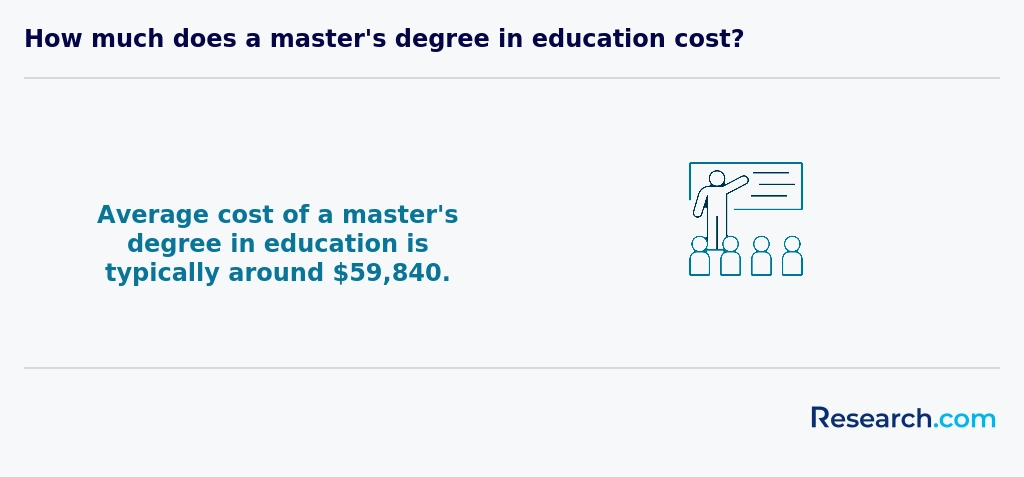
- Online master's degrees in secondary education usually cost between $10,000 and $25,000 total, with many programs accredited to meet state licensing standards.
- Starting salaries for entry-level secondary education teachers average $45,000 to $50,000 annually, varying by state and subject area.
- Experienced secondary teachers can earn around $65,000 to $70,000, especially with additional certifications and responsibilities.
- Job growth in middle and high school teaching is projected at about 5% through 2030, with strong demand in STEM and special education fields.
- Programs often require supervised student teaching hours in local schools to fulfill state certification requirements.
How long does it take to complete online secondary education degree in America?
Completing an online secondary education degree in America generally takes about two to four years. Most full-time students at institutions like Arizona State University or Liberty University follow a plan requiring around 120 to 130 credit hours, usually finishing in four years. Graduates often share how balancing 15 credits per semester helps them stay on track while managing work and family.
Part-time study is common, extending the timeline but offering great flexibility. Many successful graduates started with an associate degree or transferred credits to shorten their journey. Accelerated programs, popular at schools such as Western Governors University, offer 8-week courses, allowing motivated students to finish in as little as two years.
Hands-on requirements like student teaching necessitate in-person attendance, so planning these around your schedule is key. Choosing between full-time and part-time status dramatically impacts how quickly you can graduate, so weigh your career and personal commitments carefully before enrolling.
Understanding these factors helps you create a personalized, practical pathway to earning your degree efficiently while maintaining balance.
What's the difference between online and on-campus secondary education degree?
Choosing between online and on-campus secondary education degree programs in America hinges on your lifestyle and learning style. Graduates from universities like the University of Florida praise online programs for their flexibility, allowing them to juggle childcare or part-time jobs while completing coursework from home. These programs typically feature pre-recorded lectures and digital assignments, letting students study at their own pace without the commute.
In contrast, on-campus students at schools like the University of North Carolina value face-to-face interactions with professors and peers. Being physically present fosters immediate feedback during lessons and access to campus libraries and student organizations, enriching the education experience beyond academics.
Cost-wise, public universities charge approximately $9,000 annually for in-state students, but online options may reduce expenses related to housing and transportation. Both formats require student teaching placements, yet online students often coordinate these locally, which can be convenient if you live far from campus.
Whatever your choice, ensure the program holds CAEP accreditation to secure recognition and state certification eligibility.
What is the average cost of online secondary education degree in America?
The average cost of an online secondary education degree in America typically hovers around $16,875, with in-state students paying slightly less at about $15,972 and out-of-state students facing closer to $17,472. Graduates from public universities often find this investment manageable, especially when attending institutions known for their affordable tuition and solid programs in secondary education. These costs usually include tuition but may exclude additional fees, so budgeting for extra expenses is a must.
Many students pursuing secondary education degrees online from well-regarded programs experience the benefit of flexible schedules and the ability to maintain their current jobs while studying. This balance allows them to offset tuition costs through steady income and potential employer reimbursements. Schools popular for secondary education programs offer financial aid options and scholarships, which graduates often highlight as essential in reducing total expenses for online secondary education programs in the USA.
Beyond tuition, realistic budgeting should include costs for textbooks, online resources, technology fees, and certification exams. Some students have successfully navigated these costs by choosing accelerated or competency-based formats, which shorten the program length and reduce overall expenses.
For those seeking the cheapest EdD programs online, exploring programs that emphasize affordability without sacrificing quality is key to achieving a rewarding teaching credential at a reasonable cost.

What financial aid is available to online secondary education degree students in America?
Students pursuing an online secondary education degree in America can tap into several practical financial aid sources to ease costs, which often range from $20,000 to $40,000. Graduates from respected programs at universities like Arizona State or Liberty University frequently credit the FAFSA as their first step, unlocking access to federal programs such as Pell Grants that provide up to $7,395 annually without repayment. This grant is a game-changer for many undergraduates balancing work and study.
Federal student loans, especially Direct Subsidized Loans, offer low-interest borrowing that pauses interest while enrolled at least half-time-perfect for those attending schools like Western Governors University. Alternatively, Unsubsidized Loans are available for graduate-level or certification students, though they accumulate interest immediately.
State-specific grants reward in-state students at institutions like the University of Florida, and private scholarships from educational foundations help offset remaining expenses. Many working professionals also benefit from employer tuition assistance, making degree completion more affordable and attainable.
What are the prerequisites for enrolling in online secondary education degree program in America?
To enroll in an online secondary education degree in America, you first need a bachelor's degree from an accredited institution, preferably in education or a related subject like English or math. For example, graduates from popular colleges known for secondary education often started with a solid undergraduate foundation, sometimes completing prerequisite classes if their degrees were unrelated.
Next, prepare to submit official transcripts that verify your academic history and degree. Many programs require a GPA of around 2.75 to 3.0. This minimum ensures you're ready for the rigor of graduate courses, a common standard at well-regarded universities offering online secondary education.
Additional materials often requested include letters of recommendation, a personal essay explaining your motivation, and a resume showcasing any relevant education experience. These help admissions see your commitment beyond just grades, echoing what successful applicants report from competitive programs.
Some programs may still require GRE scores, though many waive this to focus on your academic record and experience. Also, expect potential state-specific prerequisites, like background checks before starting any practical teaching components.

What courses are typically in online secondary education degree programs in America?
Online secondary education degree programs in America commonly include core courses that build both theory and practical skills essential for teaching grades 6 through 12. Graduates from well-known universities often mention how educational psychology classes helped them understand adolescent behavior, allowing them to connect with students more effectively in real classrooms.
Instructional strategies courses focus on creating engaging lessons tailored to diverse learners, a skill early teachers find rewarding in their daily work. Curriculum design teaches you to develop meaningful lesson plans and assessments, which experienced students say make managing classrooms smoother.
Classroom management and assessment methods prepare you to handle typical challenges and accurately measure student progress, which alumni frequently praise for boosting their confidence during student teaching.
Additionally, students typically specialize in a content area like mathematics, English, sciences, or social studies, matching state certification requirements. This specialization reinforces your expertise, making the transition from online coursework to in-person teaching more seamless.
What types of specializations are available in online secondary education degree programs in America?
When pursuing an online secondary education degree in America, students find a variety of practical specializations tailored to meet both state certification standards and classroom demands. Graduates from well-regarded colleges often highlight fields like English Language Arts, where they develop skills to engage students with literature and writing, and Mathematics, which focuses on algebra through calculus, addressing persistent national shortages. Science specializations break down further into biology, chemistry, or physics, offering hands-on approaches that future teachers appreciate for their clarity and relevance.
Social Studies and Foreign Languages are also common tracks, equipping educators for culturally rich classrooms. Students drawn to meaningful impact choose Special Education, preparing to support diverse learning needs effectively. Career and Technical Education appeals to those aiming for practical workforce preparation skills. Practical, specialized online secondary degree programs America-wide help graduates confidently meet educator demand. Those weighing costs and programs often explore the best EdD programs online to align their career goals with market needs.
How do you choose the best online secondary education degree in America?
Start by verifying program accreditation, preferably from the Council for the Accreditation of Educator Preparation (CAEP) or regional agencies, as this directly affects your eligibility for teacher licensure in your state. Graduates from reputable universities often praise how accredited programs provided them with solid foundations for certification and career confidence. Next, assess how well a program aligns with your state's specific teaching certification requirements, since these vary widely across America. This alignment ensures your degree counts where you plan to teach.
Tuition costs can be a dealbreaker, so compare prices and look for affordable secondary education degrees America offers. Many students appreciate programs that balance quality with flexible payment options, realizing that managing finances wisely reduces stress during study. Also, evaluate programs on their student-teaching placements and practicum opportunities; hands-on experience in local schools transforms theory into practice and builds lasting professional relationships.
Since online learning depends on technology, choose programs with user-friendly platforms and strong academic support, ensuring you stay engaged and connected. Like many graduates from popular colleges, you benefit from curricula offering specialized tracks in subjects such as STEM or English, which tailor your degree to your career goals. If you consider career moves beyond teaching, resources on SLPs can provide helpful guidance.
When balancing affordability, quality, and practical experience, you'll find the best online secondary education degree programs USA can meet both your ambitions and budget, setting you on the path to a fulfilling teaching career.
What career paths are available for online secondary education degree students in America?
Graduates with an online secondary education degree in America often find career opportunities as certified secondary school teachers, a stable and rewarding path seen at popular institutions such as the University of Florida or Arizona State University. These programs prepare them with the licensure needed to teach middle and high school students effectively. For example, many graduates from these universities start teaching core subjects like math, science, or English, enjoying the daily fulfillment of shaping young minds.
Other practical career paths include curriculum developers and educational coordinators who influence teaching strategies district-wide, leveraging skills gained during their degree. Special education teaching and school administration roles become accessible with additional certifications or experience, offering graduates the chance to further specialize and advance within school systems. Many students also benefit from combining their secondary education degree with certifications like ESL or technology, adding versatility to their career options.
Those seeking flexibility or aiming to upskill while working often discover opportunities in private tutoring, online instructional design, or educational consulting. Schools such as Western Governors University illustrate how an online secondary education degree career opportunities USA can fit diverse professional lifestyles. Additionally, some graduates explore interdisciplinary studies or enhance their credentials through an online master's degree in history, broadening their educational impact.
What is the job market for online secondary education degree in America?
The job market for online secondary education degree graduates in America remains steady with solid employment opportunities, especially as schools across the country seek qualified teachers for grades 6 through 12. Many graduates from popular universities find roles teaching core subjects like math and English, with some working successfully in hybrid or fully remote settings. Prospective students should be aware that employment opportunities for online secondary education graduates America continue to grow due to rising student enrollment and teacher retirements.
Graduates from established programs have reported that integrating technology skills learned during their online studies gives them an edge when applying for jobs. State-specific teaching licenses remain essential, but flexible online coursework helps many candidates manage exam preparation while employed. The financial aspect is also an important consideration-tuition can vary widely, and students often seek out financial aid options available for education majors. For example, some students explore pathways like a Spanish online degree to diversify skills and improve job prospects.
Frequently Asked Questions About secondary education
To maximize their learning experience, online secondary education degree students in America should establish a disciplined study routine. Research from the National Center for Education Statistics shows that students who set regular schedules tend to complete their programs 20% faster. Engaging actively in virtual discussions and peer collaborations enhances comprehension and retention, as supported by the Journal of Online Learning and Teaching.
Students should also take advantage of available resources such as digital libraries, tutoring, and faculty office hours. Time management tools and apps can help balance coursework with personal commitments, crucial for adult learners balancing work and study.
Finally, selecting regionally accredited programs ensures quality education recognized by employers and certification boards, as recommended by the U.S. Department of Education.
Emerging niches within the secondary education field increasingly focus on technology integration and specialized subject instruction. For example, digital literacy and STEM-focused secondary education programs are growing rapidly, reflecting nationwide demand for tech-savvy educators. According to the National Center for Education Statistics (NCES), schools are hiring more teachers skilled in computer science and engineering disciplines.
Another developing area is special education within secondary schools. There is a rising need for teachers trained to support diverse learners, including those with disabilities and language barriers. Programs emphasizing bilingual education are also expanding, addressing the growth of English language learners in US secondary schools.
Environmental education and social-emotional learning are gaining attention as well, aligning with broader educational reforms aimed at holistic student development.
Preparing for the job market after earning an online secondary education degree in America requires strategic planning. First, graduates should seek student teaching opportunities during their program, as hands-on experience is highly valued. According to the National Center for Education Statistics (NCES), practical experience significantly boosts employment chances in education fields.
Networking with local schools and educators is critical. Joining professional organizations like the National Education Association (NEA) can provide access to job boards and mentorship programs. Additionally, obtaining state certification or licensure is essential for most teaching positions. Each state sets its requirements through its Department of Education.
Finally, graduates should develop strong communication and classroom management skills to stand out. Continuing professional development through workshops or advanced certifications also improves job prospects in a competitive market.
Employers in secondary education in America prioritize a combination of strong subject knowledge and effective teaching skills. Graduates are expected to demonstrate proficiency in curriculum development aligned with state standards, as reported by the National Center for Education Statistics (NCES).
Classroom management and the ability to engage diverse student populations are also highly valued. The U.S. Department of Education highlights critical thinking, communication, and adaptability as key attributes for modern educators.
Technological literacy is increasingly important due to the rise of digital learning tools in secondary schools. Additionally, collaboration skills and cultural competence support inclusive and effective teaching environments. These skills equip graduates to meet evolving educational demands nationwide.
Finding internships relevant to a secondary education degree in America involves several strategic steps. Start by exploring opportunities through your online program's career services, as many universities partner with local schools for placement. According to the National Center for Education Statistics, internship experience significantly improves employability for future teachers.
Additionally, search state and local education department websites for student teaching internships and assistant teacher positions. Networking with local school districts or attending education job fairs can reveal hidden openings. Organizations like the American Association of Colleges for Teacher Education also provide listings of accredited internships.
Early preparation and active engagement with educational communities enhance your chances of securing valuable internships.
Obtaining an online secondary education degree in America can significantly enhance career mobility and advancement for aspiring teachers. According to the National Center for Education Statistics (NCES), employment for high school teachers is projected to grow 8% from 2021 to 2031, faster than the average for all occupations. Online programs offer flexibility, allowing working professionals to earn credentials without leaving their jobs.
Graduates with this degree often qualify for state certification, a key requirement for teaching positions. Many districts prioritize candidates with advanced degrees for leadership roles or specialized subjects, boosting salary potential and job stability. The ability to work remotely during studies also broadens access, supporting diverse career pathways across the U.S.
In the United States, online secondary education degree programs emphasize interdisciplinary skills essential for modern teaching environments. These programs integrate core subjects like English, math, and science with educational technology, psychology, and special education. According to the National Center for Education Statistics, 70% of educators report increased use of cross-disciplinary methods in classrooms.
Students learn to design lessons connecting multiple subject areas, preparing them for roles that require flexibility and collaboration. Courses often include training in data analysis and digital tools, reflecting trends in U.S. secondary schools. This interdisciplinary focus equips graduates to address diverse student needs and adapt to various educational settings.
Choosing between a thesis and a non-thesis online secondary education degree in America depends on your career goals and learning preferences. A thesis program requires conducting original research and writing a detailed paper, which suits students interested in academic or research-based careers. Non-thesis programs typically focus on coursework and practical skills, ideal for those aiming to work directly in schools or educational administration.
The National Center for Education Statistics highlights that about 35% of graduate education students opt for research-oriented programs, which often include theses. Consider if you want to deepen subject expertise or pursue a doctorate later, as thesis experience can be beneficial.
Time commitment is also a factor. Thesis programs may take longer due to research demands, while non-thesis tracks often allow faster completion.
American students interested in studying secondary education abroad have several online options through U.S. institutions partnering with foreign universities. Many accredited American universities offer fully online secondary education degree programs that include internationally recognized curricula. This approach allows students to earn degrees rooted in U.S. education standards while engaging with global perspectives.
According to the National Center for Education Statistics (NCES), over 30% of undergraduate degrees now involve some form of online learning, making international online study increasingly accessible. Some programs incorporate international teaching methods or require virtual internships abroad, broadening practical experience.
Additionally, programs often emphasize cultural competence, preparing educators for diverse classrooms worldwide. This hybrid global model supports U.S. students aiming for certification and work opportunities outside the country without relocating physically.
Part-time job opportunities that align well with an online secondary education degree in America include teacher's aide positions, substitute teaching, and tutoring roles. These jobs offer practical experience and help build essential classroom management skills. According to the U.S. Bureau of Labor Statistics (BLS), teaching assistants earned a median wage of $28,900 per year in 2022, making it a viable supplement during studies.
Working as a substitute teacher offers flexible hours while providing exposure to various grade levels and subjects. Tutoring, either independently or through local centers, also helps develop instructional skills and supports income.
Online secondary education degree students in America have growing access to various networking opportunities. Many accredited programs incorporate virtual student organizations and forums, connecting peers with similar career goals. According to the National Center for Education Statistics, over 60% of online learners engage with online discussion groups, enhancing professional relationships.
Additionally, numerous institutions offer mentorship programs linking students with experienced educators in the field. Career fairs and webinars tailored for secondary education majors are also common, providing direct connections to school districts and education leaders.
Social media groups and platforms like LinkedIn have become vital tools for networking, allowing students to join education-focused communities nationwide.
Alumni networks offer significant benefits to students pursuing online secondary education degrees in America. These networks create opportunities for mentorship, career guidance, and professional connections. According to the National Center for Education Statistics, around 40% of online secondary education graduates report leveraging their alumni contacts for job placements.
Such connections can be especially valuable in education fields, where networking often leads to substitute teaching or administrative roles. Alumni also share resources on state certification requirements and ongoing professional development, crucial for secondary educators.
Furthermore, many accredited universities provide exclusive online forums and events, enabling students to engage with experienced professionals nationwide, enhancing their career prospects and knowledge base.
Customizing an online secondary education degree in America involves selecting courses and specializations aligned with your specific career goals. Many programs allow students to choose concentrations such as STEM education, special education, or curriculum development. According to the National Center for Education Statistics (NCES), flexibility in course selection helps tailor learning to meet state certification requirements or personal interests.
Students can also often incorporate field experiences or practicum placements in local schools, which provide practical skills for targeted career paths. Additionally, some programs offer elective credits in educational technology or leadership to expand career options beyond teaching roles. This customization ensures the degree supports ambitions whether aiming for classroom teaching, administration, or specialist roles in secondary education.
Online secondary education students in America face several common challenges. One major issue is maintaining motivation and time management without the traditional school environment. According to the National Center for Education Statistics (NCES), about 30% of online learners report struggling with self-discipline.
Another challenge is limited access to hands-on experiences, essential for secondary education degrees that often require practicum or student teaching hours. This can delay graduation or certification.
Technical difficulties also impact many students. Reliable internet and up-to-date devices are necessary, yet not universally available.
Finally, students may encounter less peer interaction and support, which some research suggests negatively affects learning engagement and satisfaction.
With an online secondary education degree in the United States, individuals can pursue several professional certifications to enhance their career prospects. The most common certification is state licensure to become a certified secondary school teacher, typically requiring passing the Praxis exams or state-specific tests.
Additional certifications include specialized endorsements such as teaching English as a Second Language (ESL), special education, or subject-specific credentials in areas like math or science. The National Board for Professional Teaching Standards offers advanced certification that can improve salary and job opportunities.
According to the National Center for Education Statistics, certified teachers tend to have higher retention and better student outcomes, underscoring certification's value.
When applying to an online secondary education program in America, clarity and preparation are key. Start by thoroughly researching accredited programs recognized by the Council for the Accreditation of Educator Preparation (CAEP) to ensure quality education.
Craft a personalized personal statement explaining your motivation for teaching at the secondary level, outlining relevant experiences and career goals. According to the National Center for Education Statistics, candidates highlighting hands-on experience with adolescents tend to stand out.
Submit all required documents precisely, including transcripts showing a competitive GPA-typically 3.0 or higher is preferred. Additionally, some programs value letters of recommendation that attest to your communication and leadership skills, both critical for educators.
Finally, emphasize strong technological skills as online programs expect proficiency with learning management systems and virtual communication tools, which aligns with the rising trend in remote education.
Careers in secondary education attract global attention due to their critical role in shaping future generations. In the United States, online secondary education degrees are valued for flexibility and access to diverse resources. According to the National Center for Education Statistics (NCES), over 80% of public high school teachers hold at least a bachelor's degree in education or a related field, showing the standard for qualification.
Globally, educators trained in the U.S. benefit from rigorous standards and the ability to adapt teaching strategies across cultures. This makes American-trained secondary teachers competitive for international opportunities, as foreign schools often seek candidates with U.S. credentials.
Additionally, the rise of online programs reflects a global trend in educational accessibility, enabling more educators to gain credentials without geographic limits or career interruptions. This prepares graduates to contribute to an increasingly interconnected educational environment worldwide.
Gaining practical experience while studying for an online secondary education degree in America is crucial for career readiness. Most accredited programs incorporate student teaching or practicum components, allowing candidates to observe and teach in real classrooms. According to the National Center for Education Statistics, over 90% of teacher preparation programs require such hands-on practice.
Many universities partner with local schools to place online students in nearby districts. This local placement ensures that students fulfill state certification requirements through supervised teaching hours. Some programs also offer virtual simulations or microteaching sessions when in-person opportunities are limited.
Additionally, volunteering or working as a teacher's aide can provide valuable classroom exposure. Engaging in these practical settings helps students apply theories learned online and develop essential skills like classroom management, lesson planning, and student assessment.
Choosing the right concentration within an online secondary education degree in America depends on your career goals and interests. Secondary education typically focuses on teaching students in grades 6-12, and concentrations often include subjects like English, math, science, or social studies.
Consider job market demand; according to the U.S. Bureau of Labor Statistics, STEM (science, technology, engineering, and math) teachers are projected to grow faster than average through 2031. If you prefer a specific age group or teaching style, some programs offer concentrations in special education or bilingual education, reflecting the diversity in U.S. schools.
Review accreditation and certification compatibility with your state's teaching licensure requirements to ensure your degree qualifies you to teach where you plan to work.
Top Trending Secondary Education Rankings
References
- 10 Strategies for Networking as a High School Student https://riseglobaleducation.com/blogs/best-strategies-for-networking-as-a-high-school-student
- Why is networking important for students? | St. Michael's College School https://stmichaelscollegeschool.com/blog/the-importance-of-networking-for-students/
- 10 Steps to Making a Career Change To Teaching - Teaching as a Second Career https://www.umassglobal.edu/blog-news/10-steps-making-a-career-change-teaching-teaching-a-second-career
- Teaching Job Roles | Teach For Life https://www.teachforlife.com/teachingjobs/global-perspectives-teacher
- Get Into Teaching with an internship https://www.youthemployment.org.uk/getintoteaching-with-an-internship/
- Home | ACE https://ace.edu/
- Utilize Your Alumni Networks https://www.keg.com/news/ways-to-use-your-alumni-networks-for-the-better
- Education Technology Trends to Watch in 2065: 10 Innovations Shaping the Future of Learning https://www.digitallearninginstitute.com/blog/education-technology-trends-to-watch-in-2026
- Study Secondary Education Courses Online https://www.open.edu.au/study-online/education-teaching/secondary-education
- What Can I Do With a Teaching Degree (Besides Teach)? https://www.alleducationschools.com/blog/what-can-i-do-with-a-teaching-degree-besides-teach/


