
2027 Best Online Secondary Education Degree Programs Ranking in the USA

Co-Founder and Chief Data Scientist
Choosing the right path for your secondary education degree can feel overwhelming. To help, this article presents the 2027 Best Online Secondary Education Degree Programs Ranking in the USA, carefully compiled by the Research.com team of data scientists.
By exploring this ranking, you'll discover programs that stand out for quality, flexibility, and value, making it easier to find options that fit your goals and lifestyle.
Investing in a secondary education degree opens doors to new opportunities, personal growth, and a rewarding future. Let this guide support your educational journey with confidence and clarity.
Key benefits of getting online secondary education degree in America
- Secondary education degree graduates often find rewarding salaries in teaching roles, with many earning around $60,000 annually depending on location and experience, providing stable financial support for their families.
- Graduates from popular universities often explore careers beyond teaching, including educational administration and curriculum development, offering diverse paths to make a lasting impact on students' lives.
- Completing a secondary education degree online, like at Arizona State University, offers flexibility to balance work and study, empowering students to advance their careers without sacrificing personal commitments.
What can I expect from online secondary education degree in America?
The average cost of an online secondary education degree in America typically falls between $5,000 and $15,000 per year at public universities. For many students juggling jobs and family responsibilities, this price range feels manageable compared to traditional on-campus options. Graduates from popular schools like Arizona State University or the University of Florida often share how the flexible pacing helped them balance life while earning their degrees without breaking the bank.
Many online programs offer affordable tuition with quality coursework in teaching methods, adolescent psychology, and subject-specific training, preparing students well for real classrooms. Plus, even though these programs are mostly online, you'll still get hands-on experience through local internships or student teaching, making the cost worth it when you think about gaining real-world practice.
For those starting with a bachelor's degree already, post-baccalaureate and master's routes can speed up certification and save money, too. The overall investment feels rewarding when graduates land teaching jobs feeling confident and ready to inspire middle or high school students.
Where can I work with online secondary education degree in America?
If you earn an online secondary education degree in America, you're opening the door to tons of work options. Many grads from well-known schools like Arizona State University or the University of Florida jump right into teaching middle or high school students, handling subjects like math, science, or English. It's a pretty rewarding gig seeing students grow and succeed!
Others choose to get creative and move beyond the classroom. For example, some grads land roles as curriculum developers or instructional coordinators, helping shape what and how students learn. You might find yourself improving lessons at schools or even working with educational nonprofits. There's also a cool niche in educational technology, where your skills help build digital tools that make learning fun and interactive.
The flexibility of charter and private schools is another plus. Graduates often mention how rewarding it is to work there because the environment feels a bit more personal. Just remember, every state has its own rules for certification, so checking local requirements is key before you start.
How much can I make with online secondary education degree in America?
If you're wondering how much you can make with an online secondary education degree in America, here's the scoop. Graduates often land jobs as high school teachers, where median salaries hover around $63,050 a year, according to recent data. That's quite solid when you consider many students from popular schools like Arizona State University or the University of Florida start in this range and steadily grow their pay with experience.
What's cool is how location really shakes things up. Graduates teaching in big cities like New York or Boston can expect more, sometimes pushing past $75,000 annually, while those in smaller, rural areas might start closer to $40,000-$45,000. Also, if you specialize in high-demand subjects such as math or science, you're more likely to see higher paychecks. Many grads mention that adding a Master's or extra certifications helps bump up their earnings too.
It's encouraging to know that getting your degree online doesn't hold you back salary-wise. Employers focus more on what you know and your credentials, not how you got there. So, whether you're studying at a top online program or a well-known campus, the earning potential stays strong and growing.
- Key benefits of getting online secondary education degree in America
- What can I expect from online secondary education degree in America?
- Where can I work with online secondary education degree in America?
- How much can I make with online secondary education degree in America?
- How do we rank schools?
- 2027 Best Online Secondary Education Degree Programs Ranking in the USA
- What online secondary education degree graduates have to say
- Key Findings
- How long does it take to complete online secondary education degree in America?
- What's the difference between online and on-campus secondary education degree?
- What is the average cost of online secondary education degree in America?
- What financial aid is available to online secondary education degree students in America?
- What are the prerequisites for enrolling in online secondary education degree program in America?
- What courses are typically in online secondary education degree programs in America?
- What types of specializations are available in online secondary education degree programs in America?
- How do you choose the best online secondary education degree in America?
- What career paths are available for online secondary education degree students in America?
- What is the job market for online secondary education degree in America?
- Frequently Asked Questions About secondary education
- Top Trending Secondary Education Rankings
How do we rank schools?
Investing in your education is a significant decision that can shape your future, and the Research.com team understands the importance of making informed choices. To assist prospective students in selecting the right online secondary education degree program, we have meticulously crafted the "2027 Best Online Secondary Education Degree Programs Ranking in the USA." Our commitment to quality, credibility, and accuracy is reflected in the extensive research and analysis conducted to compile this ranking.
We utilized the following reputable data sources to ensure a comprehensive evaluation of programs:
By exploring this ranking, readers will gain valuable insights into the best online secondary education degree programs in the USA, empowering them to make well-informed decisions about their educational and professional futures. For more details on our methodology, please visit our Research.com methodology page.
2027 Best Online Secondary Education Degree Programs Ranking in the USA
# 1 position
Liberty University
Master
Liberty University offers a Master's degree program focused on Secondary Education and Education. The program has a graduation rate of 65%, reflecting a solid completion success. It maintains an open admission policy with a 99% acceptance rate, welcoming most applicants. A significant 97% of students benefit from high levels of financial aid. The university supports a large online student body with 70,750 enrolled students in its distance programs.
# 2 position

Northern Arizona University offers an 18-month Master's program focused on Secondary Education and Education, with an open admission policy and a 90% acceptance rate. Approximately 99% of students receive high levels of financial aid. The average total cost is $21,275. The program has a 61% graduation rate and enrolls 2,051 online students, making it a viable choice for those seeking flexible, affordable graduate education options.
# 3 position
Ball State University
Master
Ball State University offers a Master's program focused on Secondary Education within the field of Education. The program spans 24 months and has an open admission policy with an acceptance rate of 85%. It has a graduation rate of 62% and enrolls 9,937 online students. The average total cost is $12,300, and a high level of financial aid is available to 91% of students.
# 4 position
Kansas State University
Master
Kansas State University offers a 12-month Master's program focused on Secondary Education. The program has an open admission policy with an 82% acceptance rate, supporting a diverse group of students. It serves 4,257 online enrollees and features a graduation rate of 71%. With an average total cost of $17,800, it provides high levels of financial aid, as 95% of students receive assistance.
# 5 position

The Kutztown University of Pennsylvania offers a Master's program focused on Secondary Education and Education with a duration of 12 months. The program features an open admission policy with a 91% acceptance rate. The graduation rate is 54%, and 98% of students receive high levels of financial aid. The average total cost is $15,480. Currently, 4,717 online students are enrolled in this program.
# 6 position

The George Washington University offers a 24-month Master's program focused on Secondary Education and Education. This moderately selective program has a graduation rate of 84% and an acceptance rate of 47%. The average total cost is $8,450, and 80% of students receive high levels of financial aid. The program serves 5,000 online students, providing flexible learning options for candidates pursuing advanced education degrees.
# 7 position
Brenau University
Master
Brenau University offers a 24-month Master's program focused on Secondary Education and Education. The program has an open admission policy with an 88% acceptance rate, allowing most applicants to enroll. Students benefit from high levels of financial aid, with 99% receiving support. The graduation rate stands at 33%. The average total cost for completing the program is $59,645.
# 8 position

The University of Northern Colorado offers a 24-month Master's program focused on Secondary Education and Education. The program has an open admission policy with an 86% acceptance rate. It features a graduation rate of 51% and an average total cost of $16,650. A significant majority of students, 97%, receive financial aid. The program supports a sizable online student body, currently enrolling 2,500 students.
# 9 position

The University of Nebraska-Lincoln offers a Master's program focused on Secondary Education and Education, lasting 36 months. The program has an open admission policy with an acceptance rate of 87%. It serves a significant number of online students, totaling 1,652. Graduates have a 67% completion rate, and 96% of students receive high levels of financial aid.
# 10 position

The University of South Dakota offers a Master's program focused on Secondary Education and Education. The program features an open admission policy with a 99% acceptance rate. Approximately 95% of students receive financial aid, reflecting a high level of support. The average total cost for the degree is $14,113. The graduation rate stands at 60%, and the program has a significant online student enrollment of 5,720 individuals.
What online secondary education degree graduates have to say
- "Enrolling at Arizona State University for my online secondary education degree transformed my career path. The flexible schedule allowed me to balance work and study effectively, while the engaging courses deepened my passion for teaching. I feel genuinely prepared to inspire future students." - Emily
- "Choosing the University of Florida's online secondary education program was the best decision I made. The supportive faculty and interactive virtual environment made learning enjoyable and accessible from home. It boosted my confidence and skill set, opening doors I never imagined." - Marcus
- "My experience with Liberty University's online secondary education degree exceeded expectations. The comprehensive curriculum combined with real-world application helped me grow both professionally and personally. Studying online gave me freedom without sacrificing quality, keeping me motivated throughout." - Sophia
Key Findings
- Online secondary education degrees prepare students to teach grades 6 to 12 in core subjects like English, math, science, and social studies.
- Most programs require completing a state-approved teacher preparation program, including some in-person student teaching or practicum experience.
- The average total tuition ranges from $15,000 to $40,000, with public universities generally offering lower rates for in-state students.
- The job outlook for high school teachers shows about 8% growth from 2022 to 2032, driven by new enrollments and the need to replace retiring teachers.
- Early-career salaries are around $45,000 per year, with median wages rising to $63,000 to $70,000 annually based on experience and qualifications.
- Graduates must pass state-specific certification exams and often need ongoing professional development to maintain licensure.
How long does it take to complete online secondary education degree in America?
Most students going for an online secondary education degree in America usually finish within two to four years. For example, graduates from popular schools like Arizona State University or the University of Florida often share how their flexible online programs allowed them to balance work, family, and study. Some took accelerated courses that let them wrap things up closer to two years, while others enjoyed pacing themselves over four years without feeling rushed.
It's really about what fits your life best. Full-time learners might breeze through quicker, but if you're juggling a job or kids, taking a bit longer is totally normal and actually helps reduce stress. Programs generally require around 120 to 130 credits, including mandatory student teaching, so plan for that hands-on experience to add some extra time.
Also, if you transfer credits from previous college work, you can speed things up. The cool part? Many students feel proud managing these flexible programs at schools like Oregon State or Michigan State - it feels great knowing you can earn your degree without totally pausing your life.
What's the difference between online and on-campus secondary education degree?
When you're deciding between an online or on-campus secondary education degree in the U.S., the biggest difference comes down to flexibility versus in-person experience. For instance, graduates from universities like Arizona State or the University of Florida often rave about the freedom of online learning. They can juggle their jobs or family while watching lectures on their own time, which feels like a total game-changer for busy adults.
On the flip side, folks who attended schools like Boston University or the University of Michigan enjoyed being on campus-chatting face-to-face with professors, forming study groups, and jumping into hands-on activities that make teaching real and immediate. This in-person vibe really helps build confidence for the classroom.
Plus, online programs generally cost less than the hefty campus fees and commuting expenses. So if keeping tuition affordable while balancing life sounds good, an online degree might just be the perfect fit.
What is the average cost of online secondary education degree in America?
If you're thinking about getting an online secondary education degree in America, the average cost usually falls around $16,875. That median number gives a good sense of what many students face, though it's worth noting that in-state tuition tends to be a bit cheaper at about $15,972, while out-of-state students often see costs closer to $17,472. Many graduates from popular universities report feeling it's a solid investment because these programs offer flexibility without the campus commute, which is perfect if you're balancing work or family life.
These costs mostly cover tuition, but you'll want to budget for a few extras like technology fees, books, and certification exam expenses. Think of it like this: a graduate who studied online secondary education at a big university in California mentioned how the fees added up, but financial aid and scholarships made it feel a lot more manageable. The total tuition and fees for secondary education degree online USA can seem daunting at first, but plenty of students find it totally doable once they factor in aid and part-time study options.
Plus, many schools offer accelerated tracks or ways to apply prior credits, so you might save both time and money. For those curious about higher degrees, checking out the cheapest online doctorate in educational leadership could be a smart next step to boost your career after finishing your secondary education degree.
What financial aid is available to online secondary education degree students in America?
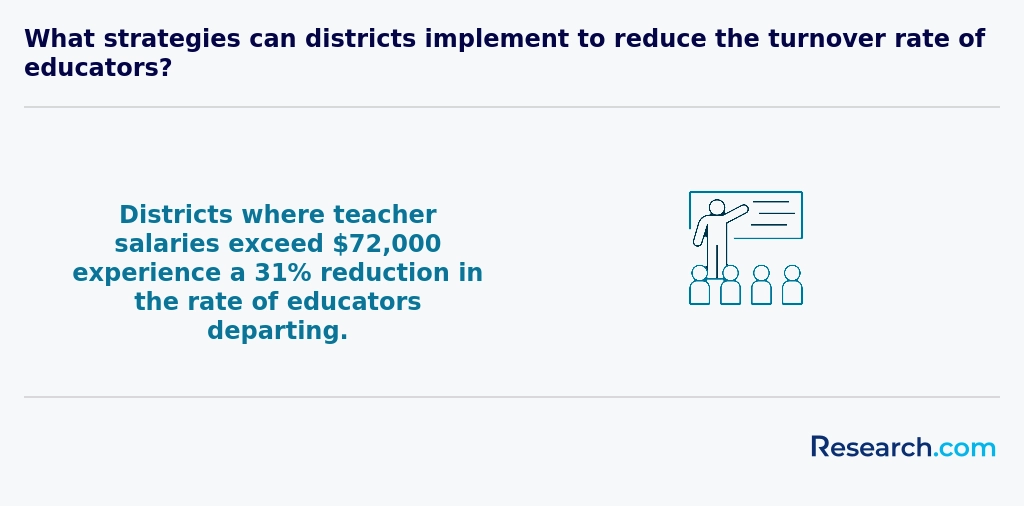
When it comes to funding an online secondary education degree in America, there are plenty of financial aid options to keep your budget happy. Many students enrolled at popular schools, like those at public universities in states such as California or Florida, often rely on federal aid programs. The Pell Grant is a favorite-it can give you up to $7,395 a year without needing to be paid back, which is a real lifesaver for those juggling work and study.
Loans are another route-Direct Subsidized and Unsubsidized Loans have fair interest rates and flexible repayment plans, making them manageable even if you're balancing family and classes. Graduate students often tap into the Grad PLUS loans if they need a little extra breathing room.
State grants and scholarships also play a huge role, especially in states with strong teacher prep programs. Some grads found relief through loan forgiveness deals by committing to teach in public schools after finishing their degrees. Plus, don't forget the institutional scholarships at colleges like those in Texas or New York, where schools often offer perks specifically for education majors.
If you're working while studying, check if your employer offers tuition assistance. Many school districts love to support their staff aiming to earn that online secondary education degree, sometimes covering a big chunk of tuition. Lots of folks have found these programs a real boost to their finances and peace of mind.
What are the prerequisites for enrolling in online secondary education degree program in America?
If you're aiming to enroll in an online secondary education degree in America, there are a few key things you'll want to have sorted before you dive in. First off, a high school diploma or GED is a must-basically, you need that foundational step to prove you're ready for higher-level study. Many online students at well-known universities like Arizona State University or the University of Florida recall how their solid high school GPA, usually around a 2.5 to 3.0 on a 4.0 scale, really helped open doors to these programs.
On top of that, some colleges might ask for SAT or ACT scores if you're starting at the undergraduate level, although lots are becoming test-optional now, which is a relief for many. Graduate programs typically want a bachelor's degree and sometimes scores from exams like the GRE, especially if you're going for specialized teacher training.
Don't forget letters of recommendation and a personal essay-these give you a chance to show passion for teaching. Graduates from popular schools often mention how sharing their personal stories helped them stand out in the application process. Oh, and background checks are standard because states want to keep schools safe. It might sound like a lot, but hitting these checkpoints puts you on the right track to teaching with confidence!
What courses are typically in online secondary education degree programs in America?
When you dive into an online secondary education degree in America, you'll quickly notice the courses are designed to really get you ready for the classroom. For instance, many graduates from popular programs at universities like Arizona State University and the University of Florida talk about how "Foundations of Education" opened their eyes to how our school system works, blending history and philosophy in a way that made everything click.
Courses like Adolescent Development and Psychology help you connect with teenagers by understanding what's going on in their minds, which makes teaching way more rewarding. You'll also get hands-on with Curriculum Design and Instructional Strategies, which is where you learn to tailor lesson plans that keep kids engaged-something early graduates often say gave them a confidence boost from day one.
Other important classes include Educational Technology, which preps you to handle digital classrooms, and Student Teaching Practicum, where you apply everything in real schools-giving you that exciting "aha" moment everyone talks about when theory meets practice.
What types of specializations are available in online secondary education degree programs in America?
If you're diving into an online secondary education degree in America, you'll find plenty of specializations to choose from based on what excites you and where you want to teach. Graduates from popular colleges often share how focusing on areas like English/Language Arts gave them confidence to inspire middle and high school students in reading and writing. Others found their passion in Mathematics or Science, covering everything from algebra to environmental science, which aligns perfectly with the push for STEM education in many schools.
Social Studies is another favorite, helping future teachers create lessons that spark critical thinking about history and civics. There's also Special Education for those who want to make a difference by supporting students with diverse learning needs. And don't forget Foreign Languages-many programs offer Spanish, French, or German, making it easier to connect with diverse classrooms. Many online students from well-known universities appreciate how these options tailor their degree to real classroom demands, especially when searching for the best secondary education majors in America.
Many students also balance work and study by choosing online programs that fit their lifestyle. If you want to explore options that won't break the bank, check out the most affordable EdD online programs to see what fits your budget while earning your degree.
How do you choose the best online secondary education degree in America?
Picking the best online secondary education degree in America means focusing on a few key things that really matter. First, make sure the program's accredited-CAEP accreditation is a big deal here. Graduates from well-known schools like Western Governors University often rave about how this made their degree legit when applying for teaching jobs or licensure in states like Texas or California.
Licensure prep is another must-check. Since each state has different rules, you want a program designed to help you pass your state's exams and meet fieldwork requirements, even if you study remotely. Many affordable online secondary education degrees America offers include this, so you're not stuck figuring it all out on your own.
Cost and flexibility also sneak high up on the list. Some students at popular state universities find programs ranging from $7,000 to $25,000 total, which is way more manageable than traditional routes. Plus, programs letting you specialize in subjects like math or science keep things interesting and tailored to what you love.
And if you're thinking about a career switch, there's always guidance on pathways like how to become a speech pathologist that can inspire your next steps in education.
What career paths are available for online secondary education degree students in America?
If you're wondering about online secondary education degree jobs USA, there's a whole bunch of options beyond just the classic classroom role. Many graduates from popular programs at schools like Arizona State University or the University of Florida find themselves stepping confidently into public or private middle and high schools as licensed teachers across subjects like math, English, and science. These jobs usually require certification, but the online degree covers the academic part, making it smoother to get started.
Others take a slightly different route, moving into educational administration or counseling after gaining some classroom experience. It's common to hear from graduates at places like the University of Texas who, after finishing their degree, found rewarding roles guiding students or shaping school policies. Plus, this degree opens doors to paths like curriculum development or becoming an instructional coordinator, jobs that let you shape how schools teach and operate.
For those who want to mix things up, being an educational consultant or a tutor/coach offers ways to support students outside the traditional classroom. If cost is on your mind, exploring flexible schooling options can help - and you might even consider checking out programs like these alongside an affordable online masters in history for diversification. Career opportunities with secondary education degree in America are definitely diverse and steady, making it a smart choice if you're looking to make a positive impact while building a solid career.
What is the job market for online secondary education degree in America?
The job outlook for online secondary education degrees in the USA is pretty steady, which is great news if you're thinking about stepping into teaching middle or high school. Graduates from popular programs at universities known for their education degrees often share how the flexibility of online learning helped them balance work and study, making the whole process less stressful. Many find jobs in public and private schools across the country, especially since schools are always in need of qualified teachers to replace retirees or fill growing classrooms.
Employment opportunities for online secondary education graduates America-wide are especially promising in STEM subjects, where there's a real shortage. Plus, earning your degree online opens doors to roles in adult education or tutoring centers, broadening your options beyond traditional classrooms.
If cost is a concern, plenty of students have turned to affordable accredited programs and financial aid-some even choose short Spanish degrees to boost their credentials quickly without breaking the bank. This combination of steady demand and flexible learning makes pursuing secondary education degrees online a smart move.
Frequently Asked Questions About secondary education
To maximize their learning experience, online secondary education degree students in America should establish a structured study schedule. According to the National Center for Education Statistics, students who dedicate consistent hours weekly improve retention significantly. Active participation in discussion forums and virtual group projects also enhances understanding by encouraging collaboration and diverse perspectives.
Utilizing campus resources, such as online tutoring and career counseling, can provide additional support. The U.S. Department of Education reports that students engaging with academic support services have a higher course completion rate. Finally, students should seek programs accredited by recognized agencies to ensure quality education aligned with state certification requirements.
Emerging niches within the secondary education field increasingly reflect the evolving needs of American schools and students. One significant growth area is in STEM education, where teachers specializing in science, technology, engineering, and math are in high demand. According to the U.S. Bureau of Labor Statistics, STEM-related teaching roles are expected to grow faster than average through 2031.
Another important niche is special education, which has expanded due to increased awareness and legal mandates supporting students with disabilities. Additionally, bilingual and English as a Second Language (ESL) teachers remain essential as the diversity of the student population grows nationally, especially in states like California and Texas.
Moreover, online secondary education programs often offer specialized tracks in educational technology integration, preparing teachers to effectively use digital tools in classrooms. This reflects a trend fueled by ongoing digital transformation in education environments.
Preparing for the job market after completing an online secondary education degree in America requires strategic planning and skill development. Graduates should focus on gaining practical experience through student teaching, internships, or substitute teaching positions, which are crucial for building classroom management and instructional skills.
Networking with school districts and attending career fairs can help graduates connect with potential employers. According to the National Center for Education Statistics (NCES), nearly 70% of new teachers find their first job through personal connections or school referrals.
Additionally, obtaining relevant certifications, such as state teaching licenses, remains essential. Many states require passing exams like the Praxis Series for certification.
Lastly, continuing professional development by attending workshops or pursuing advanced degrees can strengthen employability in a competitive job market.
Employers in American secondary education highly value strong communication skills. Graduates who can clearly explain complex concepts and engage diverse student populations tend to be favored. According to the National Center for Education Statistics, effective classroom management and adaptability are also critical, especially with the increasing integration of technology in schools.
Analytical and organizational abilities rank highly, as teachers must assess student progress and tailor lessons accordingly. Employers often seek candidates who demonstrate collaboration skills, since working with colleagues and parents is key in secondary education environments. Familiarity with digital tools and online teaching platforms is increasingly important amid growing online education trends.
Finding internships relevant to a secondary education degree in America often begins with university career services. Many online programs partner with local schools or districts, facilitating student placements. According to the National Center for Education Statistics, nearly 70% of education students complete internships before graduation, gaining valuable classroom experience.
Students should also explore state education department websites, which frequently list teaching internships and student-teaching opportunities. Networking through professional organizations such as the National Education Association can open additional doors.
Applying early and tailoring applications to emphasize skills and coursework increases chances. Finally, local school districts periodically post openings for student interns on their websites, which can be another useful resource.
An online secondary education degree significantly enhances career mobility and advancement opportunities for educators in the United States. According to the National Center for Education Statistics (NCES), teachers with a bachelor's degree in secondary education typically earn higher salaries and have more access to leadership roles than those without specialized credentials.
Online programs offer flexibility, allowing professionals to continue working while earning their degree. This flexibility helps many stay in the workforce, gain experience, and advance more quickly. Additionally, studies from the U.S. Department of Education highlight that candidates from accredited online programs are equally competitive for state teaching certifications and job placements.
Such degrees also prepare graduates for diverse subjects and grade levels, broadening job prospects in public and private schools. Online secondary education degrees can lead to promotions into administrative roles or specialized instructional positions, supporting long-term career growth.
Studying for a secondary education degree in America equips students with skills essential for interdisciplinary roles by emphasizing diverse subject knowledge and teaching methods. Programs typically include coursework across multiple academic areas, fostering adaptability and broad content understanding.
Many accredited online programs require students to engage in collaborative projects and field experiences, which enhance communication and problem-solving abilities across disciplines. According to the National Center for Education Statistics (NCES), 75% of secondary education programs include interdisciplinary training components. This gives future educators flexibility to work in varied school settings, including STEM integration or humanities-driven curricula.
Such preparation aligns with trends calling for educators who can connect content areas to better engage students and meet varied learning needs.
Choosing between a thesis and a non-thesis secondary education degree program in America depends largely on your career goals and learning preferences. Thesis programs typically require conducting original research and writing a substantial paper. This path suits students aiming for academic careers or leadership roles in education. According to the National Center for Education Statistics, about 30% of master's degree students in education choose thesis options, valuing deep research experience.
Non-thesis programs focus more on coursework and practical application. They often appeal to working professionals seeking to advance teaching skills without dedicating extra time to research. These programs may be completed faster and still meet state certification requirements. Understanding your professional goals will help determine the best fit.
American students seeking to study secondary education abroad have increasing access to international online degree programs. While the U.S. higher education system remains the most common path, some foreign universities offer fully accredited online secondary education degrees tailored for international learners.
Programs from countries like the United Kingdom and Australia can provide alternative pedagogical perspectives, but students must ensure these degrees meet U.S. credential evaluation standards for teaching licensure. According to the National Center for Education Statistics, over 80% of secondary education degrees in the U.S. are earned in-person; however, online international options are slowly growing in recognition.
Prospective students should verify if online foreign degrees qualify for state teaching certifications upon return to the U.S. This often requires coordination with credential evaluation agencies and local education departments.
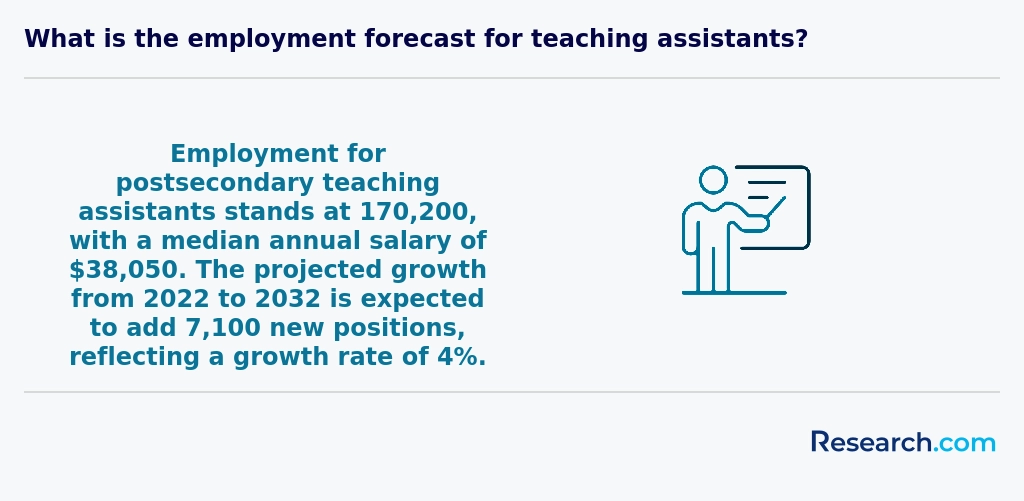
Part-time job opportunities play a vital role for individuals pursuing online secondary education degrees in America. Many students find positions as teacher aides or tutors, which provide practical classroom experience while supplementing income. According to the U.S. Bureau of Labor Statistics (BLS), teacher aide jobs are projected to grow 7% from 2022 to 2032, reflecting steady demand.
Other complementary roles include after-school program assistants and substitute teachers, where hourly wages typically range between $12 and $20 depending on location and qualifications. These jobs help build educational skills and professional networks.
Additionally, roles in educational technology support or curriculum development for online platforms offer opportunities relevant to secondary education majors aiming to enter modern teaching environments. Such part-time positions not only furnish financial support but also enhance employability upon degree completion.
Online secondary education students in America have growing networking opportunities despite the virtual format of their programs. Many universities offer virtual student organizations and education-focused forums where students connect nationwide. According to the National Center for Education Statistics, about 60% of online education students participate in some form of virtual networking or peer collaboration.
Additionally, professional associations such as the National Education Association provide digital events and communities tailored for future educators. These platforms help students build relationships across states and gain insights from experienced teachers.
Some programs also integrate live workshops, internships, and practicum placements that encourage local networking and practical experience.
Alumni networks play a significant role in supporting online secondary education degree students in America. They offer valuable opportunities for networking, mentorship, and career guidance, which are crucial for educators entering or advancing in the US school system.
According to the National Center for Education Statistics, about 75% of jobs in education are found through connections and referrals. Alumni networks help students access this hidden job market. Experienced graduates can share insights on state certification procedures and classroom management strategies specific to secondary education in America.
Moreover, these networks often facilitate access to professional development events and workshops, keeping alumni informed on the latest educational standards and technologies.
Customizing an online secondary education degree in America allows students to align their studies with specific career goals. Many accredited programs offer specialization options such as STEM education, special education, or English language arts. This helps future teachers focus on areas with high demand, where, according to the National Center for Education Statistics, shortages are notable.
Students can also select elective courses and choose from various teaching certification pathways to meet state licensure requirements. Flexibility in scheduling and the availability of practicum placements in local schools further support individual career aspirations. Research by the U.S. Department of Education shows that tailored programs improve teacher readiness and job placement success rates.
Online secondary education students in America often face challenges related to time management and self-discipline. Unlike traditional settings, online learners must organize study schedules independently, which can be difficult without in-person accountability. According to the National Center for Education Statistics, nearly 38% of online students report struggles balancing coursework with work or family obligations.
Access to reliable technology and internet connectivity is another common barrier, particularly for students in rural areas. The Federal Communications Commission highlights that approximately 14 million Americans lack broadband access, limiting full participation in online programs.
Additionally, some students experience feelings of isolation and lack of direct interaction with instructors and peers. This can impact motivation and engagement, making retention rates a concern in online secondary education.
With an online secondary education degree, you can pursue several professional certifications that enhance your teaching credentials. One key certification is the state-specific teaching license, which allows you to teach grades 6-12 in public schools. Each state has its own licensure requirements, typically involving passing exams such as the Praxis series.
Additionally, you can earn National Board Certification through the National Board for Professional Teaching Standards, recognized for its rigorous assessment of teaching skills. This certification often leads to higher salaries and career advancement.
Other options include subject-specific endorsements in areas like special education or English as a Second Language (ESL), expanding your teaching capabilities.
According to the U.S. Department of Education, over 1.5 million secondary school teachers held certifications in 2022, reflecting the importance of these credentials in the profession.
Writing a winning application for an online secondary education program in America requires clear focus and preparation. First, highlight your passion for teaching adolescents and your understanding of secondary education standards in the U.S., such as Common Core or state-specific frameworks. Programs often seek candidates with strong academic records and relevant experience, so emphasize any tutoring, mentoring, or classroom involvement.
Craft a personal statement that reflects your career goals and commitment to education equity. According to the National Center for Education Statistics, secondary education enrollment continues to grow online, increasing competition. Include any certifications or professional development, and tailor your application to each program's requirements, showing familiarity with their curriculum and online learning tools.
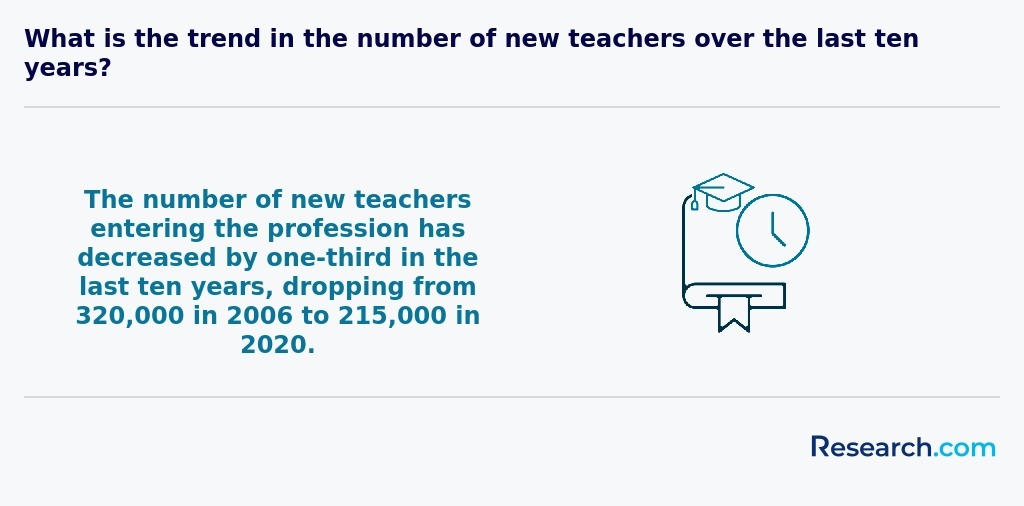
Secondary education careers in America are increasingly viewed through a global lens, as educators face worldwide challenges like technological integration and diverse student needs. According to the U.S. Bureau of Labor Statistics, employment for high school teachers is projected to grow 8% from 2022 to 2032, reflecting steady demand both domestically and in comparable education systems globally.
American secondary education professionals often engage in international collaborations, exchanging best practices on curriculum development and student engagement. Trends emphasize the need for culturally responsive teaching to support diverse student populations, a priority shared with educators worldwide.
Online secondary education degrees in the U.S. prepare candidates with skills applicable across many countries, aligning American standards with global education frameworks.
Gaining practical experience while studying for an online secondary education degree in America is essential for career readiness. Many programs require students to complete clinical practice or student teaching placements, which are arranged in local schools near the student's residence. These hands-on experiences allow future educators to apply theory in real classrooms under supervision.
Additionally, some online degrees partner with school districts to provide internships or assistant teaching roles. According to the National Center for Education Statistics, over 80% of accredited online secondary education programs include mandatory fieldwork components. This ensures students meet state certification requirements and gain valuable classroom management skills before graduation.
Choosing the right concentration within an online secondary education degree program in America requires careful consideration of your career goals and student interest areas. Secondary education typically encompasses subject-specific teaching such as math, English, science, or social studies, reflecting the core curriculum taught in U.S. middle and high schools.
Data from the National Center for Education Statistics shows that STEM fields, including math and science, have growing demand among U.S. secondary teachers. Exploring job market trends can help guide your choice.
Additionally, licensing requirements vary by state and often dictate which concentrations lead to certification. Prospective students should verify that their chosen concentration aligns with state standards and testing.
Consider programs offering strong practicum or student-teaching components in your subject area to gain practical experience.
Top Trending Secondary Education Rankings
References
- Careers | ACE https://ace.edu/about/careers/
- What Employers Actually Want From Graduates https://bodyswaps.co/resources/blog/what-employers-actually-want-from-graduates
- What is an Alumni Association? https://www.ipag.edu/en/blog/what-alumni-association
- How to Gain Real-World Experience While Studying Online | American National University https://an.edu/how-to-gain-real-world-experience-while-studying-online/
- 5 Common Struggles Secondary School Students Face And Their Solutions https://learnfluid.com/2025/06/26/5-common-struggles-secondary-school-students-face-and-their-solutions/
- 10 Steps to Making a Career Change To Teaching - Teaching as a Second Career https://www.umassglobal.edu/blog-news/10-steps-making-a-career-change-teaching-teaching-a-second-career
- Skills Employers Look for in Business Graduates – EU Business School https://www.euruni.edu/blog/skills-employers-look-for-in-business-graduates/
- [:lt]Vidurinis mokslas užsienyje[:ru]Среднее образование за рубежом[:en]Secondary Education Abroad[:] - Study Plan https://studyplan.lt/en/secondary-education-abroad/
- Study Secondary Education Courses Online https://www.open.edu.au/study-online/education-teaching/secondary-education
- It's Time to Level the Post-Secondary Playing Field: Six Principles for Building a Career Pathways Program - FullScale https://www.fullscalelearning.org/cw/its-time-to-level-the-post-secondary-playing-field-six-principles-for-building-a-career-pathways-program/


