
2027 Fastest Online Secondary Education Degree Programs Ranking in the South

Co-Founder and Chief Data Scientist
Choosing the right online secondary education degree program can be challenging, especially with so many options available in the South. To make this easier, our article presents the 2027 Fastest Online Secondary Education Degree Programs Ranking in the South, created by Research.com's expert data scientists.
This ranking helps you identify programs that offer quality education with efficiency, saving you time and effort.
By exploring this guide, you'll gain confidence in selecting a program that fits your goals and lifestyle, moving you closer to achieving your dreams.
Key benefits of getting online secondary education degree in the South
- Graduates with a secondary education degree can expect average salaries around $50,000 to $60,000 per year in the South, providing a stable and rewarding career.
- Career paths often include roles like high school teachers, instructional coordinators, or education consultants, as seen with graduates from the University of Florida, offering diverse options in education.
- Online secondary education degrees from institutions like the University of Alabama offer flexibility and convenience, allowing you to balance work, family, and studies while earning the same respected credential as traditional degrees.
What can I expect from online secondary education degree in the South?
When budgeting for an online secondary education degree in the South, expect to pay between $7,000 and $10,000 annually at many public universities, which is notably lower than the national average of around $15,000. Graduates from these programs often share relief at how affordable tuition made their goal achievable without excessive debt.
For example, students enrolled in popular Southern institutions frequently mention the financial benefits of regional subsidies that keep costs manageable. This affordability allows them to balance work, family, and study without constant financial stress. One graduate recalls how paying less tuition meant they could invest more time in fieldwork and student teaching, ultimately enhancing their hands-on experience.
Since program lengths typically span 18 to 24 months in accelerated tracks, you should plan your finances around this period. Also, verify residency requirements and available scholarships, as these directly impact the total cost. Clear understanding of these details helps create a realistic budget and makes the path to licensure feel much more attainable and encouraging.
Where can I work with online secondary education degree in the South?
Graduates with an online secondary education degree in the South often find abundant opportunities in public middle and high schools, especially in states like Texas, Florida, and Georgia where demand is strong. Many graduates from well-regarded Southern institutions have successfully secured teaching roles by completing state certification programs aligned with their online degrees. For example, a graduate from a top university in North Carolina might start teaching math at a local public high school, benefiting from the region's steady job openings.
Beyond traditional classrooms, schools such as charter and private institutions value graduates with online training who bring innovative teaching methods. Many graduates have shared positive experiences transitioning to these environments, where flexibility and creativity are highly appreciated. In addition, Southern states are increasingly hiring educators for administrative roles like curriculum coordinators or instructional coaches, offering alternative career paths.
Online degree holders also find rewarding opportunities in vocational schools, tutoring services, and educational technology companies throughout the South, leveraging their content knowledge in dynamic, growing fields.
How much can I make with online secondary education degree in the South?
Graduates with an online secondary education degree in the South typically start with salaries between $38,000 and $45,000, depending on the state and school district. For instance, a graduate from a well-known Southern university found that districts in Texas generally offer starting salaries near $61,000, while those teaching in Florida earned around $51,000 annually. These figures reflect local economies and regional funding priorities.
Many graduates who pursue additional certifications in high-demand fields like science or special education reported earning bonuses or incentive pay, boosting their income above the base salary. One graduate from a popular Southern college shared how teaching in a rural district included extra stipends and strong pension benefits, which made the compensation package feel rewarding beyond the paycheck.
While exact BLS salary data isn't available for all positions, common experiences show that pursuing endorsements and gaining years of service can increase earning potential significantly in the South's public secondary schools.
- Key benefits of getting online secondary education degree in the South
- What can I expect from online secondary education degree in the South?
- Where can I work with online secondary education degree in the South?
- How much can I make with online secondary education degree in the South?
- How do we rank schools?
- 2027 Fastest Online Secondary Education Degree Programs Ranking in the South
- What online secondary education degree graduates have to say
- Key Findings
- How long does it take to complete online secondary education degree in the South?
- What's the difference between online and on-campus secondary education degree?
- What is the average cost of online secondary education degree in the South?
- What financial aid is available to online secondary education degree students in the South?
- What are the prerequisites for enrolling in online secondary education degree program in the South?
- What courses are typically in online secondary education degree programs in the South?
- What types of specializations are available in online secondary education degree programs in the South?
- How do you choose the best online secondary education degree in the South?
- What career paths are available for online secondary education degree students in the South?
- What is the job market for online secondary education degree in the South?
- Frequently Asked Questions About secondary education
- Top Trending Secondary Education Rankings
How do we rank schools?
Investing in one's education is a significant decision that can greatly impact future opportunities, and the Research.com team recognizes the importance of providing reliable guidance in this process. To support students seeking efficient and reputable secondary education options in the South, we have carefully developed the "2027 Fastest Online Secondary Education Degree Programs Ranking." Our dedication to quality, credibility, and accuracy is reflected in the thorough research and diligent analysis behind this ranking.
We utilized the following reputable data sources to ensure a comprehensive evaluation of the programs:
By exploring this ranking, readers will gain valuable insights into the fastest and most effective online secondary education degree programs available in the South, enabling informed educational decisions. For further information on how this ranking was created, please visit our Research.com methodology page.
2027 Fastest Online Secondary Education Degree Programs Ranking in the South
# 1 position

The George Washington University offers a 24-month Master's program focused on Secondary Education and Education. This moderately selective program has a graduation rate of 84% and an acceptance rate of 47%. The average total cost is $8,450, and 80% of students receive high levels of financial aid. The program serves 5,000 online students, providing flexible learning options for candidates pursuing advanced education degrees.
# 2 position
Brenau University
Master
Brenau University offers a 24-month Master's program focused on Secondary Education and Education. The program has an open admission policy with an 88% acceptance rate, allowing most applicants to enroll. Students benefit from high levels of financial aid, with 99% receiving support. The graduation rate stands at 33%. The average total cost for completing the program is $59,645.
# 3 position
Liberty University
Master
Liberty University offers a Master's degree program focused on Secondary Education and Education. The program has a graduation rate of 65%, reflecting a solid completion success. It maintains an open admission policy with a 99% acceptance rate, welcoming most applicants. A significant 97% of students benefit from high levels of financial aid. The university supports a large online student body with 70,750 enrolled students in its distance programs.
# 4 position

Morehead State University offers a Master's program focused on Secondary Education and Education. With an open admission policy reflected by its 77% acceptance rate, the program supports a large online student population of 4,745. The graduation rate stands at 52%, while 99% of students receive high levels of financial aid. The average total cost of the program is $17,100, providing accessible graduate education opportunities in this field.
What online secondary education degree graduates have to say
- "Studying my secondary education degree online through the University of Florida was a game-changer. The flexible schedule allowed me to balance family and work effortlessly. Their dedicated faculty made learning engaging and practical. I felt supported every step of the way." - Jessica
- "At Texas A&M's online program, I appreciated the strong community feel despite being remote. The interactive classes and real-world assignments equipped me with skills I use daily. This experience boosted my confidence as an educator ready to inspire future generations." - Marcus
- "The University of Georgia's online secondary education degree exceeded my expectations. The coursework was rigorous yet manageable, and the resources were top-notch. Pursuing my passion in a convenient Southern setting made all the difference in my success." - Emily
Key Findings
- The average cost of online secondary education degrees in Southern states ranges from $20,000 to $35,000, with lower tuition for in-state students at public universities.
- States like Texas, Florida, Georgia, and North Carolina have high demand for secondary educators, especially in math, science, and special education, with rural areas facing teacher shortages.
- Starting salaries for secondary education teachers in the South typically fall between $40,000 and $48,000 annually, growing to $50,000-$60,000 after 10 years of experience.
- Many Southern universities offer fully online bachelor's and master's degrees with various specializations, and most programs have regional accreditation required for state licensure.
- Teacher licensure requires completing an accredited program, passing state exams, and completing supervised student teaching, often through virtual or local placements.
- Financial aid options include federal grants, scholarships for Southern educators, and loan forgiveness for teachers in high-need areas.
How long does it take to complete online secondary education degree in the South?
Completing an online secondary education degree in the South typically takes between two and four years, depending on how you plan your course load. Full-time students at institutions like the University of Florida usually finish about 120 credit hours in four years, following a traditional semester schedule. However, several Southern universities, including the University of North Carolina system, offer accelerated programs that help motivated students shorten this timeline to as little as two years.
Graduates often share that balancing work and family while taking 12 to 15 credit hours per semester requires focus but is manageable with flexible, rolling admissions or compressed term options these schools provide. If you already have some college credits or relevant experience, you can take advantage of fast-track pathways to complete coursework more quickly.
Keep in mind, student teaching or practicum hours, usually adding at least an extra semester, are required for certification. Planning for these components ahead ensures you don't encounter unexpected delays and can graduate on your ideal schedule.
What's the difference between online and on-campus secondary education degree?
When comparing online and on-campus secondary education degrees in the South, understand the commitment each demands. Graduates from universities like the University of Georgia note that on-campus programs mean set class times, daily commutes, and face-to-face discussions that build strong peer connections. This structure suits those who thrive on routine and direct interaction.
On the other hand, online programs at schools such as Florida State University offer flexibility to study after work or family time, using digital platforms to access lectures and assignments asynchronously. This model appeals to those balancing jobs or personal obligations, allowing coursework to fit life's pace rather than the other way around.
Cost plays a role too. Online students often save on commuting and housing, important for Southerners mindful of tighter budgets. Still, graduates emphasize verifying tuition and fees since some online options match on-campus costs.
Finally, practical teaching experience remains non-negotiable. Whether enrolled online or in person at institutions like Louisiana State University, students must complete local student teaching placements, ensuring hands-on learning that translates into confident classroom leadership.
What is the average cost of online secondary education degree in the South?
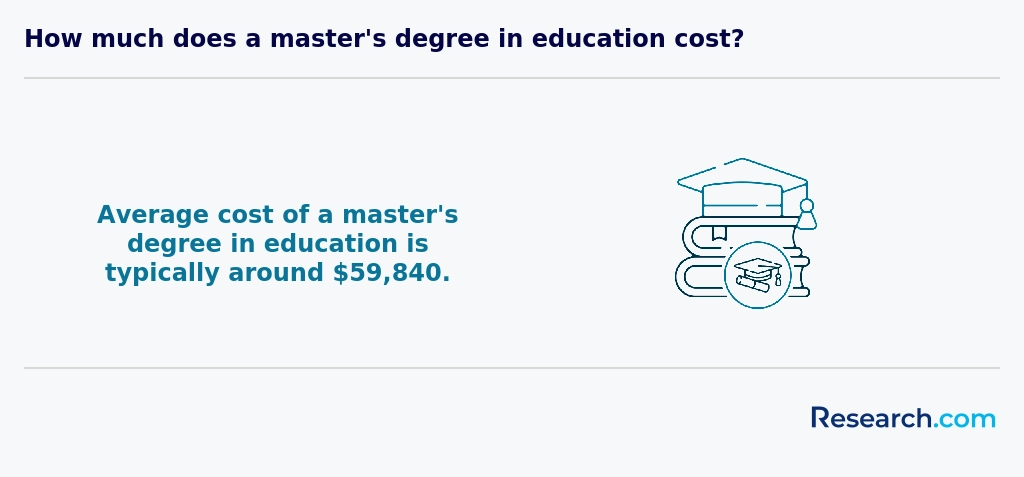
The average cost of an online secondary education degree in the South hovers around $17,100 for the entire program. This figure reflects a balanced view, combining tuition and fees commonly seen at popular universities such as those in Texas and Florida, where students often find affordable options for in-state residents. Graduates recall that maintaining residency status in such states significantly lowered their expenses, aligning well with the goal of finding affordable online secondary degree programs South-wide.
Public universities tend to offer the most budget-friendly route, with annual tuition averaging between $6,000 and $12,000 for in-state students. Many online learners appreciate fixed tuition rates, which help them plan financially across semesters without surprises. Out-of-state tuition, however, can approach prices typical of private schools, increasing the total amount needed to complete the program.
Graduates from Southern colleges often mention additional costs like textbooks, technology fees, and certification preparation as manageable expenses that didn't overshadow the value of their education. These practical additions are essential to consider when budgeting for an affordable online secondary education degree in the South. Some online programs even accelerate paths, providing a quicker, cost-effective way to graduate.
For students seeking ways to minimize expenses further, exploring scholarships and financial aid is key. One can also explore specialized options for advanced degrees by checking out cheapest EdD programs online, which some graduates found helpful in continuing their education without heavy debt.
What financial aid is available to online secondary education degree students in the South?
If you're pursuing an online secondary education degree in the South, starting with federal aid is crucial. Many graduates from universities like the University of North Carolina or Florida State University found FAFSA essential for qualifying Pell Grants, giving them up to $7,395 a year without repayment worries. This helped cover a big chunk of their $9,000-$10,000 average tuition fees, easing their financial stress significantly.
Next, consider state-specific grants such as Georgia's HOPE Scholarship or the Texas Teach Grant. Graduates pursuing teaching credentials there have saved thousands, especially when committing to work in their state's public schools afterward. These grants often target education majors and reward dedication to improving local education.
Don't overlook institutional scholarships offered by Southern universities, which can be merit- or need-based. Many students have scored awards tailored to veterans or minorities, so check university websites regularly to catch deadlines.
Employment-based tuition assistance also plays a big role, especially for those already working in education. Partnering with school districts can unlock tuition reimbursement, making the journey more affordable and less daunting.
Finally, the TEACH Grant supports those ready to serve in high-need fields, offering up to $4,000 per year in exchange for a teaching commitment-an option many have used to make their goals achievable.
What are the prerequisites for enrolling in online secondary education degree program in the South?
To enroll in an online secondary education degree program in the South, you first need a high school diploma or GED, a standard requirement at universities like the University of Florida or Texas A&M. Graduates often recall submitting their official transcripts early in the application process, which helped set a clear path forward.
Next, many schools ask for proof of academic readiness. This typically means maintaining a GPA around 2.5 to 3.0 or providing SAT/ACT scores if required. For example, students from Georgia State University shared how meeting the GPA threshold made their application smoother and boosted their confidence.
State-required basic skills assessments are also common; Alabama and Tennessee use exams in reading, writing, and math to ensure you're prepared. Passing these early can feel like a major milestone that energizes your journey.
Finally, expect to complete background checks and fingerprinting due to the sensitive nature of working with K-12 students. This step, emphasized at colleges like North Carolina State University, reinforces the trust placed in future educators and offers peace of mind.

What courses are typically in online secondary education degree programs in the South?
Online secondary education degree programs in the South typically include a set of core courses designed to build practical teaching skills alongside essential educational theory. Graduates from popular Southern universities often mention courses like Educational Psychology, which helps you understand how adolescents learn-crucial for managing diverse classrooms.
Practical instruction focuses on Curriculum and Instruction, teaching you how to design lesson plans that engage middle and high school students effectively. Classroom Management is another key course, equipping future teachers with strategies to maintain order and encourage participation.
Content Area Methods allow students to specialize in subjects such as English, math, or science, with tailored teaching techniques that graduates find especially valuable when stepping into real classrooms.
Educational Technology courses prepare you to utilize digital tools, enhancing your lesson delivery in today's tech-driven classrooms-a benefit many online students say makes their teaching more dynamic and effective.
Finally, the Student Teaching Practicum offers hands-on experience, often arranged locally but vital for certification in Southern states. Many students choose Southern regional colleges because these practicum opportunities align neatly with state licensure requirements, making the process less stressful and more rewarding.
What types of specializations are available in online secondary education degree programs in the South?
When pursuing online secondary education degree specializations in the South, expect practical training in core areas like English Language Arts, Mathematics, Science Education, Social Studies, Special Education, and Foreign Languages. Graduates from popular Southern universities often share how their programs balance subject expertise with state certification prep, making their transition into classrooms smoother. For example, one graduate from a top college appreciated how the math specialization helped them address the regional shortage of qualified teachers while confidently meeting state curricula requirements.
Another found the Science Education track invaluable, especially given the rising demand for STEM teachers across Southern states. These programs typically reflect the specific academic standards of the South, equipping students to teach middle and high school students effectively. Students aiming for licensure pathways and direct certification often choose institutions known for integrating these features directly into the curriculum. If you want to explore these options comprehensively, consider checking out the best EdD programs online tailored for Southern educators.
For those focusing on South region online high school diploma programs, specializations in Social Studies or Foreign Languages offer added career flexibility and align with the diverse student populations in Southern schools. This pragmatic approach helps recent graduates feel prepared and motivated to meet workforce demands across the region.
How do you choose the best online secondary education degree in the South?
Start by verifying the program's regional accreditation, especially from SACSCOC, which ensures your degree is recognized throughout Southern states. Graduates from well-known universities in Tennessee or Georgia often emphasize how accreditation smoothed their path to state licensure. Next, assess whether the curriculum aligns with your target state's secondary education certification requirements and offers relevant endorsements, such as in science or English. Choosing affordable online secondary education degrees in the South means comparing tuition rates, with many public universities providing in-state pricing that significantly reduces costs.
Look for programs that offer flexibility through asynchronous classes and robust support services-graduates from institutions in Texas frequently mention how these features helped balance family and study responsibilities. Don't overlook programs that include student teaching placements within your region, which make licensure and job searches easier. Review faculty expertise and explore financial aid options aimed specifically at education majors. Finally, consult reliable data sources along with real student experiences to evaluate graduation rates and job placement success, ensuring a smart investment. For insights on career transitions, check resources like SLPs.
What career paths are available for online secondary education degree students in the South?
Graduates with an online secondary education degree in the South can pursue various practical career paths starting with becoming certified teachers for grades 6 through 12. Universities popular in the region often prepare students for state-specific certification exams, equipping them to teach key subjects like math, science, English, and social studies. Many graduates step into classrooms with confidence, knowing regional demand for qualified teachers is high, especially in STEM fields.
Beyond teaching, graduates often advance into leadership roles such as department heads or curriculum coordinators. Southern educational institutions value experience combined with further certification or a master's degree, creating pathways toward administration and instructional coaching. Some graduates find rewarding opportunities in educational technology and online instruction, leveraging skills essential for remote or hybrid learning environments.
For those balancing interests, combining an online secondary education degree with an online master's degree in history has allowed many to specialize and differentiate themselves in the Southern job market. Overall, pursuing these job opportunities for South online secondary degree graduates offers a stable and fulfilling career supported by regional scholarship and loan forgiveness programs.
What is the job market for online secondary education degree in the South?
The job market for online secondary education degree holders in the South remains generally promising, especially for graduates from colleges known for strong teacher preparation programs. Universities popular in the region prepare students well for real classroom challenges in Texas, Florida, and Georgia, where steady population growth fuels ongoing demand for qualified teachers. Many graduates find rewarding positions quickly by focusing on high-need subjects like math, science, and English. Hands-on teaching experiences arranged during their studies give them confidence and practical skills, making their resumes stand out in the job search.
Graduates pursuing online secondary education jobs in the South often choose rural or underserved districts, where teacher shortages are most acute, offering a meaningful way to start their careers. Salaries here may be slightly below the national average but benefits like a lower cost of living and strong community connections provide positive working environments. Following well-known universities' recommendations, new teachers prioritize obtaining state certification and practical classroom exposure to boost their employability in this competitive landscape.
For those exploring different content areas, especially bilingual or language teaching, programs encouraging specialization can add value. For example, students looking at a Spanish online degree complement their teaching credentials and expand their job prospects in Southern schools increasingly embracing diverse student needs.
Understanding the job outlook for secondary education degrees Southern states helps students plan strategically. By securing certification aligned with Southern states' standards and gaining practical experience, graduates can confidently enter a steady job market that values flexible, accredited online degrees prepared to address urgent regional teacher shortages.
Frequently Asked Questions About secondary education
Students pursuing online secondary education degrees in the South can enhance their learning by actively engaging with course materials and instructors. Research from the Southern Regional Education Board highlights that interaction with faculty improves comprehension and retention significantly. Utilizing university resources such as virtual libraries and tutoring services also strengthens understanding.
Time management is crucial; setting a consistent study schedule helps balance coursework with personal commitments. In addition, joining online study groups or professional forums fosters collaboration and networking opportunities within the education community.
Lastly, taking advantage of state-specific licensure information ensures students meet regional teaching requirements efficiently, streamlining their path to certification.
Emerging niches within the secondary education field reflect growing needs in diverse student populations and evolving technologies. One notable area is special education, especially due to increasing identification of learning disabilities in Southern states like Texas and Florida, where demand for qualified teachers remains high, according to the National Center for Education Statistics (NCES, 2023).
Another growing specialty is STEM education, which focuses on science, technology, engineering, and math. Southern schools are expanding these programs to prepare students for future careers, supported by regional workforce development initiatives.
Additionally, English as a Second Language (ESL) instruction is a critical niche due to rising immigrant populations in the South. Online secondary education degrees increasingly offer focused certification paths in these areas to meet regional demands.
Preparing for the job market after completing an online secondary education degree in the South involves strategic planning and skill development. Graduates should focus on gaining teaching certifications required by Southern states, such as Texas and Florida, which often mandate passing state-specific exams. According to the National Center for Education Statistics, employment for secondary teachers in the South is projected to grow steadily by 5% through 2030.
Networking with local schools and participating in internships or student teaching opportunities can increase job prospects. Developing strong digital literacy and classroom management skills is essential, especially for online or hybrid teaching roles.
Additionally, staying informed about regional education policies and continuing professional development helps graduates remain competitive in Southern job markets.
Employers in the South prioritize several key skills when hiring secondary education degree graduates. According to the National Center for Education Statistics (NCES), strong classroom management and communication skills are essential. Teachers must effectively engage diverse student populations and adapt lessons accordingly.
Data from the Southern Regional Education Board (SREB) highlights the importance of technological proficiency, especially in virtual or hybrid learning settings, which are increasingly common in Southern schools. Critical thinking and problem-solving abilities rank highly, supporting educators in addressing varied student needs.
Finally, cultural competency and collaboration skills are crucial as Southern classrooms become more diverse. Mastery of these skills enhances graduate employability in the region's evolving educational landscape.
Finding internships in the South relevant to secondary education degrees involves leveraging local school districts and education centers. Many southern states, such as Texas, Florida, and Georgia, have district partnerships with universities offering online secondary education programs. The National Center for Education Statistics reports that these states employ the highest number of secondary teachers, increasing internship opportunities.
Students should contact university career offices for guidance on placement. Additionally, joining regional education associations like the Southern Regional Education Board can provide leads on internship opportunities.
Online platforms like Handshake and state department of education websites list available internships tailored to secondary education majors in the South.
Online secondary education degrees offer significant benefits for career mobility and advancement in the South. Many Southern states, including Texas, Florida, and Georgia, have seen increased demand for qualified secondary educators due to growing student populations, according to the National Center for Education Statistics (NCES).
Completing an accredited online degree provides flexible access to the necessary certifications, allowing professionals to enter or advance in teaching roles without relocating. Additionally, the Southern Regional Education Board (SREB) reports that educators with advanced degrees often earn higher salaries and have better job security.
Moreover, educators with online credentials can pursue specialized roles such as curriculum coordinators or instructional coaches, broadening career options. State-specific licensure reciprocity agreements enhance geographic mobility within the South, making these degrees particularly valuable.
Studying for a secondary education degree in the South equips students with skills to thrive in interdisciplinary roles by blending subject knowledge with practical teaching strategies. Many Southern programs emphasize collaboration across disciplines, preparing educators to integrate core subjects like math, science, and English.
Southern institutions often incorporate coursework on technology integration, multicultural education, and special education, reflecting regional diversity and modern classroom needs. According to the National Center for Education Statistics, Southern teachers increasingly engage in interdisciplinary methods to address varied learning styles.
This approach readies graduates for evolving educational environments, allowing them to support diverse student populations effectively.
Choosing between a thesis and a non-thesis secondary education degree program in the South depends on your career goals and learning preferences. Thesis programs often require conducting original research and writing a detailed paper, which suits students aiming for doctoral studies or roles in educational research. Non-thesis programs typically focus on practical coursework and field experience, preparing students for immediate teaching or administrative positions.
According to the Southern Regional Education Board, over 60% of secondary education graduates in the South prefer non-thesis programs for quicker degree completion. Online options in both formats remain widely available, allowing flexibility for working professionals.
Students based in the Southern United States who wish to study secondary education abroad typically have limited options due to accreditation and licensing requirements. Most U.S. states, including many in the South, require teacher candidates to graduate from programs accredited by U.S.-based agencies recognized by the Council for Higher Education Accreditation (CHEA).
While some universities abroad offer education degrees, those programs often do not meet state certification standards in the South. This means graduates may face challenges obtaining teaching licensure upon return. However, some Southern universities have partnerships with international institutions allowing students to complete parts of their coursework abroad while still earning a U.S.-accredited degree.
According to the National Center for Education Statistics, over 70% of Southern states require completion of a state-approved teacher preparation program. Therefore, pursuing an online degree from a Southern institution with study-abroad components can be a viable pathway for students interested in international experience while ensuring certification eligibility.
Students pursuing online secondary education degrees in the South can benefit from various part-time job opportunities that complement their studies. Working as teacher assistants in local schools offers practical experience, allowing students to apply educational theories while managing classrooms. Tutoring middle or high school students is another common role, which sharpens instructional skills and reinforces subject knowledge.
According to the Southern Regional Education Board (SREB), about 25% of education majors in Southern states engage in paid educational roles during their studies, improving both income and professional readiness. Additionally, roles in after-school programs and community centers provide valuable exposure to diverse student needs and teaching strategies.
Online secondary education students in the South benefit from a variety of networking opportunities designed to enhance their professional development. Many Southern universities offer virtual events, such as guest lectures and career fairs, enabling students to connect with educators and employers remotely. According to the National Center for Education Statistics (NCES), Southern institutions increasingly partner with local school districts, allowing online students to engage in practicum placements and collaborative projects.
Professional organizations like the Southern Regional Education Board (SREB) provide membership options for students, offering access to webinars and conferences. These platforms help build meaningful connections with experienced educators and peers throughout the region.
Alumni networks offer significant advantages for students pursuing online secondary education degrees in the South. These networks provide access to seasoned educators and professionals who can offer mentorship and career advice. According to the Southern Regional Education Board, Southern states show strong community ties, with alumni groups frequently hosting virtual events to support graduates.
These connections often lead to job opportunities in local school districts, where networking remains vital. For example, 65% of teachers in Southern states report that referrals play a key role in hiring decisions. Alumni networks also provide a platform for sharing resources and continuing professional development.
Therefore, joining a robust alumni community enhances career prospects and professional growth for online secondary education students in the South.
Customizing an online secondary education degree program in the South allows students to align their studies with specific career goals. Many Southern universities offer flexible electives ranging from special education to STEM teaching, enabling focused expertise. According to the Southern Regional Education Board, about 65% of online education programs in the region include customizable tracks. Students can often select practicum placements or internships based on their intended teaching environment, such as urban or rural schools. Additionally, some programs provide options to pursue certifications in high-demand subjects, enhancing job readiness. This tailored approach supports career advancement while meeting regional educational standards.
Online secondary education students in the South commonly face challenges related to internet accessibility. According to the Federal Communications Commission, roughly 22% of rural Southern households lack high-speed broadband, which can hinder participation in virtual classes.
Another challenge is balancing work, family, and studies. Many students in the South juggle full-time jobs and caregiving responsibilities, making timely coursework completion difficult. Students also report feeling isolated due to limited face-to-face interaction, impacting motivation and engagement.
Finally, while tuition costs for online programs are generally lower, financial aid complexity remains a barrier for some learners seeking secondary education degrees in Southern states.
With an online secondary education degree, graduates can pursue several professional certifications that enhance teaching credentials and career opportunities. In the South, many educators seek state-specific teaching licenses, such as the Texas Educator Certification or Florida Professional Educator Certification, depending on their location. Additional certifications include the National Board Certification, which demonstrates advanced teaching skills and can lead to higher salaries.
Other options include subject-specific endorsements and certifications in special education or instructional technology. According to the Southern Regional Education Board, certified teachers in these areas often experience faster job placements and salary growth.
Writing a winning application for an online secondary education program in the South requires careful attention to both academic and personal details. Start by highlighting your motivation to teach adolescents, referencing any relevant experience or volunteer work. Southern states have a high demand for qualified secondary educators, so emphasizing commitment to educational equity can strengthen your appeal.
Ensure your academic records meet the program's requirements, typically including a minimum GPA around 3.0. Many Southern universities also value clear goals outlined in your personal statement, reflecting understanding of regional educational challenges.
Request letters of recommendation from professionals who can attest to your teaching potential. According to the Southern Regional Education Board, programs increasingly focus on cultural competence, so mention relevant training or experiences.
Globally, a career in secondary education is valued for its impact on adolescent development and society's future. In the U.S., especially in the South, secondary education professionals often face unique challenges, including regional disparities in resources and student demographics. According to the National Center for Education Statistics, Southern states like Texas and Florida employ over 500,000 secondary teachers combined, reflecting strong demand.
Internationally, secondary educators are increasingly expected to integrate technology and diverse cultural perspectives into their teaching. This trend aligns with U.S. initiatives promoting digital literacy and inclusivity in classrooms.
The Bureau of Labor Statistics projects a 5% growth in secondary teaching jobs nationwide by 2030, with the South exhibiting competitive salaries and funding increases supporting online degree pathways.
Gaining practical experience while studying for an online secondary education degree in the South is essential for career readiness. Many accredited programs require or offer student teaching placements at local schools, allowing students to apply learning in real classrooms. These partnerships often exist in various Southern states, including Texas, Georgia, and Florida, where education departments coordinate with schools.
Additionally, online students can participate in virtual simulations and classroom management software, providing hands-on training in lesson planning and student engagement. According to the National Center for Education Statistics, nearly 80% of Southern secondary education programs incorporate internships or practicums as part of their curriculum, ensuring robust practical experience.
Networking with regional education organizations and attending workshops can also help students connect with practicing teachers and mentors, bridging the gap between theory and practice.
Choosing the right concentration within an online secondary education degree program in the South requires careful consideration of your career goals and local demand. For example, STEM fields like math and science often have higher employment rates in Southern states due to ongoing workforce needs, as reported by the Southern Regional Education Board (SREB) in 2023.
It is also important to evaluate state certification requirements, which can vary widely across Southern states such as Texas, Georgia, and Florida. Concentrations aligned with these requirements improve licensure success. Additionally, reviewing job market trends from the U.S. Bureau of Labor Statistics can help identify high-demand subjects.
Consider your personal interest and strengths, since specialized concentrations often require deeper subject mastery. Many Southern universities offer advising services tailored to online students, which can assist in making an informed decision.
Top Trending Secondary Education Rankings
References
- Do's and don'ts for your pre-teaching experience https://www.teach.org/articles/dos-and-donts-your-pre-teaching-experience
- 10 Education Trends Shaping the Future of Learning https://globalschools.com/blog/10-current-trends-in-education-shaping-the-future-of-learning/
- High School Teacher Cover Letter Sample https://resumes-for-teachers.com/samples/secondary-letter-sample/
- Teaching Job Roles | Teach For Life https://www.teachforlife.com/teachingjobs/global-perspectives-teacher
- Undergraduate Online Financial Aid | Bushnell University https://www.bushnell.edu/financial-aid/undergraduate-online/
- It's Time to Level the Post-Secondary Playing Field: Six Principles for Building a Career Pathways Program - FullScale https://www.fullscalelearning.org/cw/its-time-to-level-the-post-secondary-playing-field-six-principles-for-building-a-career-pathways-program/
- Music Master of Arts Without Thesis Secondary Education Program https://www.tyyc.itu.edu.tr/ProgramHakkinda.php
- 7 Unique Career Paths for Education Graduates | MANCOSA https://www.mancosa.co.za/blog/7-unusual-career-paths-for-education-graduates/
- Best Online Certificate in Secondary Education 2025 https://www.onlineu.com/degrees/certificate-secondary-education
- Study Secondary Education Courses Online https://www.open.edu.au/study-online/education-teaching/secondary-education


