
2027 Most Valuable Online Master's in Public Health Degree Programs Ranking in the USA

Co-Founder and Chief Data Scientist
Choosing the right online Master's in Public Health program can shape your future in meaningful ways. This article features the 2027 Most Valuable Online Master's in Public Health Degree Programs Ranking in the USA, created by the Research.com team of data scientists.
It's designed to help you make an informed choice about which programs truly stand out. Whether you're aiming to boost your career or make a difference in community health, exploring these valuable degree options can guide your next steps with confidence.
Investing in a public health degree opens doors to impactful opportunities and personal growth.
Key benefits of getting online public health degree in America
- Public health graduates in the US can earn competitive salaries, such as a Public Health Program Manager or Healthcare Administrator making around $134,440 annually, while Epidemiologists earn about $90,430 per year, reflecting strong financial prospects.
- Career paths are diverse, ranging from epidemiology to health informatics or safety management, giving graduates from top universities like Johns Hopkins the flexibility to find a rewarding and impactful role.
- Completing a public health degree online from a respected school like the University of North Carolina offers convenience and affordability, allowing students to balance work, life, and studies without sacrificing quality education.
- 2027 Most Valuable Online Master's in Public Health Degree Programs Ranking in the USA
- What can I expect from online public health degree in America?
- Where can I work with online public health degree in America?
What can I expect from online public health degree in America?
The average cost of an online public health degree in America typically ranges from $15,000 to $40,000 for the entire program, depending largely on whether the institution is public or private and the student's residency status. For example, graduates from public universities report paying lower in-state tuition, sometimes closer to $15,000, which makes the degree more accessible and appealing for working professionals balancing budgets.
Private institutions or out-of-state students often face higher tuition fees, occasionally approaching $40,000, yet graduates consistently express satisfaction with the flexible learning environments and expert faculty that justify the investment. Many alumni highlight financial aid and scholarship opportunities that reduce the effective cost, enabling them to manage expenses without sacrificing quality or convenience.
These students from renowned schools experience interactive coursework and real-world practicums that enhance understanding of epidemiology and health policy, justifying the tuition as a gateway to a stable career with a median salary near $48,000 annually. This financial outlook reassures prospective students prioritizing long-term return on investment.
Where can I work with online public health degree in America?
Graduates with an online public health degree in America often find their careers thriving across diverse sectors. For example, many alumni from well-known programs at universities such as Johns Hopkins or the University of North Carolina leverage their training to work in local, state, or federal health departments. These professionals design community health programs focusing on disease prevention and emergency preparedness, contributing to agencies like the CDC by analyzing data or managing health initiatives.
Approximately 25% of graduates enter healthcare settings such as hospitals and clinics, where they apply epidemiology and health policy knowledge to improve patient outcomes. Public health alumni from institutions like the University of Michigan often describe rewarding experiences working in clinical settings or healthcare administration.
Non-profits and NGOs also attract public health graduates, especially those passionate about health equity and advocacy. Many find fulfilling roles coordinating programs for organizations like the American Public Health Association. Meanwhile, about 15% of graduates pursue roles in the private sector, developing wellness programs or advising corporations on health risk management.
Lastly, higher education and research institutions employ graduates to advance public health knowledge, with many enjoying the intellectual satisfaction of university research careers after completing their degrees online at schools like Harvard or UCLA.
Graduates with an online public health degree in America can anticipate a broad salary range, influenced by their chosen career path and experience. For instance, public health program managers, a role often pursued by graduates from universities like Johns Hopkins or the University of Michigan, earn a mean annual wage of approximately $134,440. Similarly, healthcare administrators report comparable earnings, reflecting the high demand and leadership responsibilities tied to these positions.
Epidemiologists, commonly employed by government agencies or research institutions, have a mean annual income of about $90,430. This role appeals to graduates from programs that emphasize biostatistics and disease control, such as those offered by Emory University. On a more specialized level, health informatics specialists typically earn around $70,260 per year, highlighting the growing intersection of technology and public health in today's job market.
Many graduates find their salaries increase significantly with experience and relocation to urban centers like Washington D.C. or California, where wages often exceed national averages. These figures underscore the lucrative opportunities available to those who commit to advancing their careers within America's evolving public health sector.
- Most online public health degrees in the US are master's programs, especially the widely recognized MPH (Master of Public Health).
- Tuition for online master's in public health ranges from $20,000 to $50,000, with few programs charging different rates based on residency status.
- The public health sector is expected to grow by 17% from 2022 to 2032, increasing demand for health educators and community health workers.
- Starting salaries for public health graduates typically range from $50,000 to $65,000, with median salaries rising to $75,000 or more with experience.
- CEPH accreditation is essential for quality assurance and is often required for certification and employment in public health roles.
Completing an online public health degree in America typically takes about four years for a bachelor's degree when attending full-time. Popular universities like the University of North Carolina and Johns Hopkins offer flexible online formats allowing students to accelerate their studies; some graduates report finishing in as little as three years by taking extra credits each term. Others balance work and family commitments, stretching their timeline beyond four years, reflecting real-life demands outside academia.
For those pursuing an online master's degree in public health (MPH), the average duration ranges from 18 months to three years. According to the Council on Education for Public Health, most full-time MPH students complete their degrees within two years. Part-time students at institutions such as George Washington University often take two to three years, valuing the ability to manage career responsibilities alongside coursework.
This variability is influenced by factors like program structure, course load, and prior credits. Graduates consistently praise the flexibility, highlighting how it enables them to advance their education without sacrificing their personal or professional lives.
Applying to an online MPH program involves clear steps and deadlines to keep you on track:
- Research accredited, CEPH-approved programs and compile a shortlist.
- Note key deadlines-typical fall entry deadlines run December to February; spring deadlines often fall in August to September.
- Request official transcripts and any required test scores (GRE waivers are common).
- Draft a concise personal statement that aligns your public health goals with program strengths.
- Secure 2–3 recommendation letters from professors or health professionals.
- Complete each school’s online application portal, review materials, and submit application fees by the deadline.
- Plan your practicum or fieldwork site early, ensuring it meets program requirements and local guidelines.
- For additional affordable online program options, consider exploring the cheapest medical billing and coding program.
Online and on-campus public health degrees in the U.S. differ primarily in delivery and student experience. Online programs, favored by working professionals, offer flexibility to balance education with careers or family. For example, graduates from universities like Johns Hopkins University report appreciating the ability to study epidemiology and health policy without relocating, benefiting from diverse peer groups across states. However, online students often face additional technology fees and must be self-disciplined to navigate digital platforms effectively.
Conversely, students attending on-campus programs at institutions such as the University of North Carolina at Chapel Hill enjoy direct interaction with professors and peers, enhancing networking and hands-on learning. These students access campus resources, like public health clinics and laboratories, which enrich practical competencies. Yet, they may face higher costs linked to commuting, housing, and campus fees.
Curriculum quality remains consistent, accredited by the Council on Education for Public Health, but some lab-based courses adapt differently online. Internships are available in both, though on-campus learners often find it easier to secure local placements. Ultimately, choice hinges on personal needs and career goals aligned with these trade-offs.
Online learning can sometimes feel isolating, but successful online MPH programs prioritize robust student support and interactive community engagement. Many programs now offer virtual student lounges, mentoring opportunities, and regular webinars where peers and industry experts share real-life experiences and career advice. These resources empower students to overcome challenges, stay motivated, and build lasting professional networks. For example, some institutions also highlight unique initiatives such as online forums and career development centers that help students transition seamlessly into the workforce. Additionally, exploring information on the cheapest public health school options can provide insights into programs that balance affordability with comprehensive student support services. Embracing these community-driven resources not only enhances the learning experience but also fosters personal growth and long-term career success in the public health field.
The average cost of an online public health degree in America varies notably depending on residency and institution type. Data show the median total cost for completing such a degree is approximately $28,480. In-state students typically benefit from significantly lower expenses, paying around $21,134 on average, while out-of-state students face slightly higher costs near $29,130. These figures align with experiences of graduates from well-known public health programs in the U.S., where in-state tuition often makes pursuing a degree more affordable without sacrificing quality.
Many online public health students have noted the financial advantage of learning through public universities, which often charge less per credit hour compared to private institutions. For example, a graduate from a reputable state university recalled budgeting comfortably thanks to in-state tuition rates falling well below private costs, enabling more focus on coursework without financial stress. Understanding the average tuition and fees for online MPH programs is crucial, as these typically range between $500 and $1,200 per credit hour depending on the school.
When considering the full investment, it's important to factor in additional fees like technology or course materials, though savings are often realized through eliminated commuting and housing costs. Many public health students working full-time are able to offset tuition via employer reimbursement or merit-based scholarships specifically offered for these degrees. Prospective students can also explore options at the cheapest public health school to find the most cost-effective pathways aligned with their career goals.
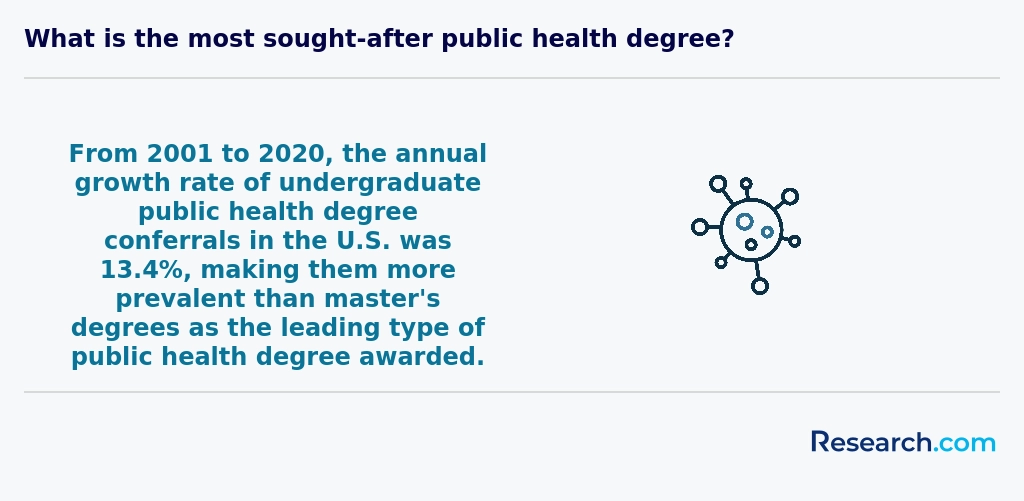
Embarking on your journey toward an online Master’s in Public Health (MPH) begins with a clear, organized application strategy. First, research and shortlist CEPH-accredited programs that align with your career goals and budget-consider leveraging the Affordable Online Public Health Degree Programs Ranking in Ohio for insights into cost-effective options. Next, review each program’s prerequisites, such as a bachelor’s degree in a related field, minimum GPA requirements, and any required standardized tests. Gather all supporting documents early: official transcripts, a current résumé highlighting relevant work or volunteer experience, and two to three recommendation letters from academic or professional mentors. When crafting your personal statement, use concrete examples to demonstrate your passion for public health, leadership potential, and how the online MPH will bridge gaps in your skill set. Aim for clarity, authenticity, and alignment with each program’s mission. Finally, pay close attention to application deadlines and submission portals. Create a timeline that includes deadlines for financial aid and scholarship applications. After submission, follow up with the admissions office to confirm receipt of your materials and inquire about interview opportunities. By following these steps, you’ll present a compelling, well-organized application that maximizes your chances of acceptance into a top online MPH program.
Online public health students in America often secure financial aid through federal programs such as Pell Grants and Federal Work-Study, alongside graduate-focused loans like Direct Unsubsidized and Grad PLUS Loans, with borrowing limits up to $20,500 annually. For many, these sources provide critical funding that eases tuition costs, which can range from $15,000 to $50,000 depending on the university and residency status.
Graduates from institutions like Johns Hopkins University and the University of North Carolina have reported benefiting from merit-based scholarships and fellowship opportunities through organizations such as the Association of Schools and Programs of Public Health (ASPPH). These aid options sometimes cover full tuition, significantly reducing financial stress.
Working professionals enrolled in online programs at schools like the University of Michigan often leverage employer tuition reimbursement, especially if employed in healthcare or government sectors. This aid, combined with state-sponsored loan repayment programs and federal initiatives like Public Service Loan Forgiveness (PSLF), creates tangible pathways to manage education expenses while advancing careers in public health.
Proactive research and early application to financial aid resources are consistently emphasized by graduates, who credit timely support in enabling their academic and professional success.
Accredited by the Council on Education for Public Health (CEPH), reputable online MPH programs must meet rigorous standards that safeguard your education and career prospects. To verify a program’s credentials:
- Check CEPH’s official directory for current accreditation status
- Confirm the university’s regional accreditation via its regional accreditor
- Ensure program credits align with professional certification and licensure requirements
CEPH accreditation unlocks federal aid eligibility, fosters employer recognition in health agencies, and streamlines pathways to advanced degrees. If budget is a priority, consider the cheapest medical billing and coding program as an affordable entry into the healthcare field.
Enrolling in an online public health degree in America generally requires a high school diploma for undergraduate programs or a bachelor's degree from an accredited institution for graduate-level studies like the MPH. Graduates from respected programs at universities known for their public health curricula often emphasize the importance of a solid foundation in science and mathematics, such as biology, chemistry, and statistics. This background supports comprehension of core public health principles.
A minimum GPA of around 3.0 is common among applicants, with many graduate programs emphasizing prior academic performance. Letters of recommendation, typically from professors or professional supervisors, play a critical role, reflecting the candidate's dedication and capacity for advanced study. For example, MPH students from popular colleges note that demonstrating relevant work experience-in healthcare or community outreach-helps strengthen applications substantially.
While GRE scores are less frequently required today, checking specific program requirements is essential. International students must often provide TOEFL or IELTS scores to confirm English proficiency. Financially, tuition ranges between $20,000 and $40,000, making early planning crucial to managing costs and securing aid.
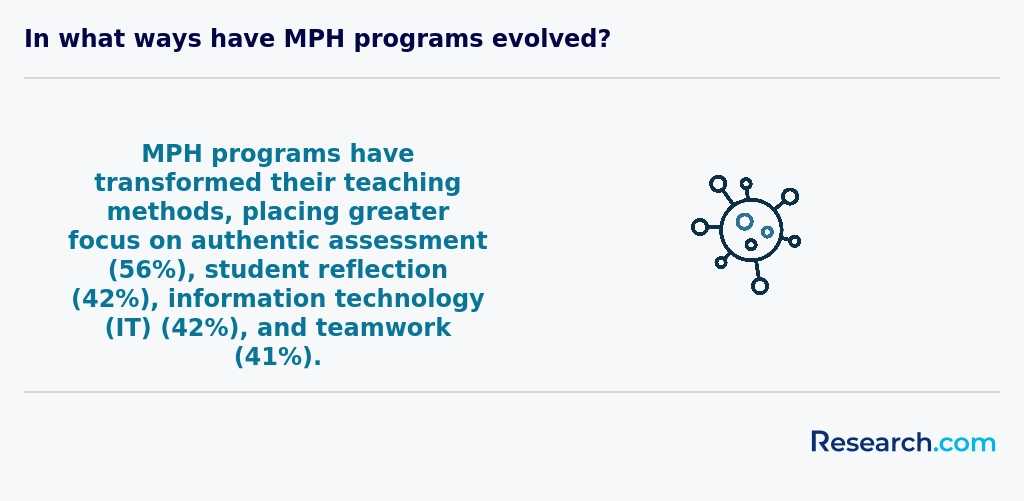
A rigorous accreditation framework ensures online MPH programs meet national standards for curriculum, faculty expertise, and student outcomes. The Council on Education for Public Health (CEPH) is the primary accrediting body for public health degrees, validating that a program’s coursework, research opportunities, and practicum experiences align with industry benchmarks. In addition to CEPH, regional accreditors-such as the Higher Learning Commission (HLC) or Middle States Commission on Higher Education (MSCHE)-affirm institutional quality, enabling seamless credit transfers and eligibility for federal financial aid. Graduates of CEPH-accredited programs benefit from stronger professional recognition and expanded licensure pathways. Employers and hiring managers often prioritize candidates from accredited institutions, leading many alumni to secure the sector’s highest paying public health jobs. To verify accreditation, prospective students should consult the CEPH directory and review their chosen university’s accreditation statements on its official website. Prioritizing accredited programs not only safeguards your educational investment but also elevates your credentials in a competitive job market.
Online public health degree programs in America typically include foundational courses such as epidemiology, biostatistics, and environmental health. These core classes provide students with essential tools to analyze disease patterns, interpret health data, and understand environmental impacts on communities.
Graduates from institutions like the University of North Carolina or Johns Hopkins University often describe how courses in health policy and management helped them grasp complex healthcare systems and policy development. These classes are critical for those aiming to influence health regulations or oversee healthcare organizations.
Students also engage deeply with social and behavioral sciences, which explore how behavior and societal factors shape health outcomes, and global health coursework that addresses transnational health challenges. Many find practical training in healthcare ethics and law particularly rewarding, as it prepares them to navigate moral and regulatory dilemmas in real-world public health settings.
The inclusion of electives such as emergency preparedness or health informatics allows students to customize their studies, reflecting the dynamic nature of public health careers and the evolving needs of communities across America.
Online public health degree specializations USA commonly include epidemiology, health policy and management, environmental health, community health and education, and biostatistics. Epidemiology trains students to analyze disease patterns and predict outbreaks, a skill highly valued as reflected in the U.S. Bureau of Labor Statistics median wage of around $78,000 in 2023. Graduates from universities well-known for their public health online programs specializations America often share how they applied these skills in real-world settings, like designing intervention programs during pandemics.
Health policy and management prepares professionals for leadership roles in managing healthcare organizations, with graduates from top colleges reporting rewarding experiences balancing policy design and operational challenges. Environmental health specialization responds to global concerns; students frequently engage in projects addressing pollution and climate change impact. Community health and education specialists focus on preventive care programs, often collaborating with vulnerable populations to promote health awareness.
Biostatistics is increasingly crucial as healthcare relies on data-driven decisions. Graduates skilled in statistical analysis frequently support research and policy development. Tuition for these online MPH options can range from $20,000 to over $60,000. For those curious about career outcomes, consulting the highest paying public health jobs offers valuable insights into this dynamic field.
Choosing the best online public health degree in America involves verifying CEPH accreditation to ensure the program adheres to national standards and enhances credibility with employers. Graduates from top institutions often emphasize how this accreditation added value to their careers by supporting licensure and certification processes. Curriculum variety and specialization options are also critical; popular colleges offer targeted courses in epidemiology, health policy, and biostatistics, which allow students to tailor their studies to personal goals.
Cost considerations are vital. With tuition for a master's in public health ranging broadly from $15,000 to over $50,000, prospective students should compare prices and investigate financial aid options. Many students pursuing affordable accredited online MPH degrees America-wide report relief when scholarships or employer tuition reimbursement lessen financial stress. Flexibility in course delivery-such as asynchronous classes-is frequently praised by online learners balancing work and study, especially in renowned programs.
Employment outlook also guides choice. The U.S. Bureau of Labor Statistics forecasts a 17% job growth in public health through 2032, so strong career services and practicum placements can be decisive. Many graduates from popular universities highlight how networking facilitated by their programs boosted job prospects. For those seeking cost-effective options, consider reviewing the Affordable Online Public Health Degree Programs Ranking in Ohio as a practical resource.

Graduates with an online public health degree in America often pursue careers as epidemiologists, health educators, or health services managers. Epidemiologists analyze disease patterns to shape effective public health responses, earning a median salary near $79,000 annually. Health educators and community health workers focus on implementing health strategies in underserved areas, providing a deeply rewarding experience for many graduates from popular universities across the U.S.
Another common career route involves healthcare administration and policy analysis, where skills developed through an online public health degree are applied to managing health programs or facilities. Health services managers in the U.S. earn median salaries exceeding $100,000, reflecting the critical responsibilities they handle. Graduates report feeling valued as they help shape community and institutional well-being.
Students attracted by the research side find opportunities as public health researchers studying health trends and informing policy decisions. Universities known for strong public health programs prepare graduates for roles in agencies like the CDC. Many appreciate the flexibility of online study, with some opting for a 1 year masters degree online to accelerate their career entry, enhancing job opportunities in this expanding sector of online public health careers USA.
The job market for an online public health degree in America is marked by strong growth, with employment for health educators and community health workers expected to increase by 17% from 2022 to 2032. Graduates from well-known public health programs, such as those offered by major universities, often secure roles in government, hospitals, and non-profits, applying skills in epidemiology, biostatistics, health policy, and community health education. This growth is fueled by a national focus on preventive health and chronic disease management, especially in populous states like California and New York, where job opportunities frequently abound.
Many graduates pursuing a public health career opportunities in America appreciate the flexibility of online programs, which allow them to balance work and education. For example, students enrolled in reputed universities experience smooth transitions into roles that offer median salaries ranging from $50,000 for entry-level health educators to $70,000 or more for epidemiologists. Accessible options at online open enrollment colleges make advancing a degree and career more achievable while working.
2027 Most Valuable Online Master's in Public Health Degree Programs Ranking in the USA
Investing in your education is a significant decision that requires careful consideration, and the Research.com team fully appreciates the importance of making informed choices. To support prospective students interested in online Master's in Public Health programs, we have diligently prepared the "2027 Most Valuable Online Master's in Public Health Degree Programs Ranking in the USA." Our dedication to quality, credibility, and accuracy is evident through the thorough research and analysis behind this ranking.
We utilized the following reputable data sources to ensure a comprehensive evaluation of these programs:
By exploring this ranking, readers will gain valuable insights into the most valuable online Master's in Public Health degree programs in the USA, empowering them to make well-informed decisions about their educational investments. For more details on our methodology, please visit our Research.com methodology page.


# 4 position
University of Maryland, Baltimore
Master of Health Science

# 5 position
Columbia Southern University
Master of Public Health


# 14 position
University of Illinois Chicago
Master of Concentration in Community Health Practice and Methods


# 16 position
Walden University
Master of Public Health

# 17 position
A.T. Still University
Master of Public Health

# 18 position
University of Maryland-College Park
Master of Public Health Practice and Policy, Online


Frequently Asked Questions About public health
Online public health degree students in America can maximize their learning experience by actively engaging with course materials and participating in virtual discussions. Studies show that students who regularly interact with peers and instructors tend to achieve better academic outcomes.
Using resources from accredited institutions ensures access to current and evidence-based public health information. The Council on Education for Public Health (CEPH) accredits quality programs nationwide, which can be a reliable guide for students choosing online schools.
Additionally, applying learning through internships or community projects, even remotely, helps connect theory with practice. The U.S. Bureau of Labor Statistics projects a 17% growth in public health jobs by 2030, highlighting the value of hands-on experience.
Finally, managing time effectively and leveraging online tools can support balancing studies with personal and professional responsibilities.
Emerging niches within the public health field in America reflect evolving societal needs and technological advancements. One rapidly growing area is digital epidemiology, which uses big data and AI to monitor disease outbreaks in real time. According to the CDC, integrating digital tools improves response times and public safety.
Another niche is environmental health focusing on climate change impacts. With increasing natural disasters, experts highlight the need for specialists who assess health risks related to pollution and extreme weather. The EPA reports a rise in funding for environmental health research.
Global health security and pandemic preparedness remain critical, especially after COVID-19. Public health degrees now emphasize these areas to meet demand for professionals skilled in emergency planning and international cooperation.
After completing an online public health degree in America, successful job market preparation involves strategic steps. First, gaining practical experience through internships or volunteer roles with organizations like the CDC or state health departments strengthens resumes. According to the U.S. Bureau of Labor Statistics, public health jobs are projected to grow 17% from 2021 to 2031, making real-world experience vital for standing out.
Networking is equally important. Joining professional associations such as the American Public Health Association (APHA) introduces graduates to valuable connections and job leads. Additionally, obtaining relevant certifications like Certified Health Education Specialist (CHES) can improve job prospects. Online alumni networks also provide ongoing support and mentorship. Staying current with public health trends, including epidemiology and health policy changes, prepares graduates for evolving roles.
Employers in America highly value specific skills in graduates holding public health degrees. Analytical and critical thinking are essential, as professionals must interpret complex health data to inform policy and programming. Communication skills, both written and verbal, are crucial for effectively collaborating with diverse communities and stakeholders.
Proficiency in epidemiology and biostatistics remains a top requirement, supported by the Association of Schools and Programs of Public Health (ASPPH), which emphasizes these skills as foundational. Furthermore, knowledge of health informatics and data management is increasingly sought after due to growing reliance on digital health records and big data analysis.
Leadership and project management abilities also stand out. According to the U.S. Bureau of Labor Statistics, public health administrators who can lead teams and manage resources efficiently experience strong job growth. Cultural competence and adaptability are vital for addressing the needs of diverse populations.
Finding internships in America relevant to a public health degree involves several practical steps. First, leverage the career services of your online program, as many institutions have partnerships with local health departments, nonprofits, and government agencies. According to the Council on Education for Public Health, internships are essential for gaining hands-on experience in epidemiology, health policy, or community health.
Next, explore platforms like the Association of Schools and Programs of Public Health (ASPPH) internship board, which lists hundreds of public health opportunities annually. Networking through professional organizations such as the American Public Health Association can also expose you to internships.
Finally, directly contacting local health departments or nonprofit organizations can secure placement. The CDC reported a growing demand for trained public health professionals, making internships a competitive but vital step in building your career.
An online public health degree in America significantly enhances career mobility by providing flexible access to accredited programs recognized nationwide. According to the Bureau of Labor Statistics, employment in public health occupations is projected to grow 12% from 2022 to 2032, faster than the average for all occupations, highlighting expanding opportunities.
Earning a master's degree online in public health can open doors to advanced roles in epidemiology, health policy, and community health management. Many employers value the practical skills and interdisciplinary knowledge gained through these programs. Additionally, graduates often experience salary increases; for example, MPH holders typically earn between $75,000 and $100,000 annually, compared to lower salaries for those with only a bachelor's degree.
Online degrees also support career advancement by accommodating working professionals, allowing them to earn credentials without pausing employment. This flexibility often leads to faster promotions in government agencies, hospitals, and nonprofit organizations that focus on population health.
Studying for a public health degree in America equips students with a broad skill set necessary for interdisciplinary work. Programs emphasize collaboration across fields such as epidemiology, health policy, environmental science, and biostatistics. According to the Association of Schools and Programs of Public Health (ASPPH), 85% of graduates work in roles involving partnerships with disciplines like social work, urban planning, and informatics.
The curriculum often includes training in data analysis, community outreach, and program management, preparing students to address complex health issues from multiple angles. Graduates are thus positioned to influence health outcomes by integrating expertise from various sectors.
Choosing between a thesis and a non-thesis public health degree program depends largely on your career goals and learning preferences. Thesis options typically require original research and are ideal for students aiming for doctoral studies or research-focused roles.
Non-thesis tracks usually emphasize practical skills through coursework and internships, fitting those targeting public health practice or administration.
According to the Council on Education for Public Health (CEPH), nearly 40% of accredited US programs offer both options, reflecting diverse student needs.
Cost and time also vary; thesis programs may take longer due to research demands.
Consider how each aligns with your professional ambitions and learning style before deciding.
American students interested in studying public health abroad while pursuing an online degree have several avenues to explore. Many U.S. universities offer joint or dual-degree programs in partnership with international institutions, allowing students to earn credentials recognized in multiple countries. For example, collaborations with universities in the United Kingdom, Australia, and Canada are common. These programs often provide global perspectives alongside U.S.-based curriculum, enriching students' understanding of international health challenges.
Additionally, some accredited online programs incorporate virtual exchange components or international fieldwork options, enabling practical experience without full relocation. According to the Council on Education for Public Health (CEPH), about 45% of accredited public health schools now include such global elements, reflecting growing interest in worldwide public health issues.
Part-time jobs that complement public health degree studies in America often provide hands-on experience and networking opportunities. Common roles include health educator assistant, community outreach worker, and research assistant in public health departments or nonprofit organizations. These positions allow students to engage directly with populations affected by health disparities.
According to the U.S. Bureau of Labor Statistics, health educator roles are expected to grow by 17% from 2022 to 2032, indicating strong demand. Working part-time in data analysis or epidemiology support also builds valuable skills for public health careers.
Additionally, internships with local health departments or hospitals provide practical exposure while accommodating flexible study schedules.
Online public health students in America benefit from various networking opportunities designed to connect peers, faculty, and professionals nationwide. Many accredited programs offer virtual events such as webinars, discussion forums, and group projects that foster collaboration. According to the Association of Schools and Programs of Public Health (ASPPH), nearly 90% of public health programs encourage participation in professional networks early in study.
Students often gain access to alumni networks, which can include thousands of members working in government agencies, nonprofits, and private sectors. National associations like the American Public Health Association (APHA) also provide discounted memberships and virtual conferences for students.
These connections help students explore internships, research collaborations, and job placements across the U.S., strengthening their career prospects in a competitive public health job market.
Alumni networks play a significant role in supporting online public health degree students in America. These networks offer valuable connections with professionals who have experience in various public health sectors, including government agencies like the CDC and non-profit organizations.
Access to such networks can improve job prospects; according to the National Bureau of Economic Research, referrals through alumni connections increase employment chances by up to 30%.
Students benefit from mentorship opportunities, career guidance, and invitations to exclusive events or webinars, which deepen their understanding of public health issues specific to the U.S.
Moreover, active alumni groups often share industry insights, helping graduates stay informed about evolving trends and policies in American public health.
Customizing an online public health degree in America allows students to align their education with specific career goals. Many accredited programs offer a choice of concentrations such as epidemiology, health policy, environmental health, or community health. These specializations help develop skills tailored to roles in government agencies, hospitals, or nonprofits.
Students can also select electives that deepen expertise in data analysis, global health, or health communication. Practical experiences like virtual internships and capstone projects provide real-world applications.
According to the Council on Education for Public Health (CEPH), programs often require 42 to 60 credits, giving flexibility to balance core courses with personalized study.
Online public health students in America often face challenges related to balancing coursework with professional and personal responsibilities. According to the American Public Health Association, many students juggle demanding jobs while pursuing degrees, leading to time management difficulties. Additionally, limited in-person interaction can impede networking and collaborative learning, which are vital in public health education.
Technical issues also pose obstacles. Some students may lack access to reliable internet or up-to-date technology, impacting their ability to participate fully in online classes. The Council on Education for Public Health notes that such barriers can affect student retention and success rates.
Moreover, applied learning opportunities, like internships or practicums, can be harder to secure remotely, requiring extra effort to find quality placements that meet accreditation standards. This practical experience is critical for career advancement in public health fields.
Graduates with an online public health degree in the USA can pursue several professional certifications to enhance their careers. One of the most recognized is the Certified in Public Health (CPH) credential, offered by the National Board of Public Health Examiners. This certification demonstrates mastery of public health knowledge and skills and is valued by employers nationwide.
Additionally, individuals may seek certifications in specific areas such as Epidemiology or Health Education. For example, Certified Health Education Specialist (CHES) credential is available through the National Commission for Health Education Credentialing. Certifications improve job prospects and can lead to higher salaries.
According to the U.S. Bureau of Labor Statistics, employment for health educators and community health workers is projected to grow 17% from 2020 to 2030, emphasizing the value of these certifications.
To write a winning application for an online public health program in America, start by clearly articulating your career goals and how the degree will help you achieve them. Admissions committees value applicants who demonstrate a strong commitment to improving community health.
Highlight relevant experience, such as work in healthcare, research, or public service. Use specific examples to show your skills in communication, data analysis, or program management.
Strong letters of recommendation are essential. Select referees who can speak to your academic abilities and professional potential in public health.
Be sure to write a compelling personal statement that connects your background to the program's strengths.
According to the Association of Schools and Programs of Public Health, nearly 80% of MPH programs value practical experience alongside academic achievement.
Public health careers in America are increasingly valued on a global scale, reflecting a worldwide need for skilled professionals who can tackle complex health issues. The U.S. public health system influences international health policy through organizations like the Centers for Disease Control and Prevention (CDC), which collaborates globally to address epidemics and pandemics.
American public health education, especially online master's programs, equips students with skills relevant worldwide. According to the Association of Schools and Programs of Public Health (ASPPH), U.S. graduates often work in international agencies, NGOs, and research institutions.
Furthermore, epidemiology and health policy programs taught in the U.S. integrate global health challenges such as infectious diseases and environmental health, preparing students for careers that transcend borders.
Gaining practical experience while studying for an online public health degree in America is essential to building a strong professional foundation. Many programs incorporate fieldwork or practicum requirements, allowing students to apply classroom knowledge in real-world settings. These placements often take place at local health departments, hospitals, or nonprofit organizations.
Internships are another key option. According to the Association of Schools and Programs of Public Health (ASPPH), over 85% of accredited public health programs encourage internships to enhance job readiness. Students can also engage in research projects remotely, collaborating with faculty on public health studies that impact American communities.
Virtual simulation tools and case studies are increasingly used to mimic public health scenarios, helping students develop critical skills. Networking with professionals via online platforms can create additional opportunities for mentorship and hands-on learning.
Choosing the right concentration within an online public health degree program in America starts with understanding your career goals. The U.S. Bureau of Labor Statistics projects a 17% growth in public health jobs from 2020 to 2030, highlighting strong demand in areas like epidemiology, health policy, and environmental health. Research job listings and match concentrations to your interests and the skills employers seek.
Consider program accreditation by the Council on Education for Public Health (CEPH), ensuring the curriculum meets industry standards. Popular concentrations include epidemiology, biostatistics, health education, and environmental health sciences. Each targets specific public health challenges and job roles outlined by the CDC and professional bodies.
Reflect on your professional background and desired impact. Concentrations focusing on data analysis may suit those with quantitative skills, while health policy routes fit those interested in legislation and community health improvement. Review course options and practicum opportunities to ensure they align with your learning preferences and professional objectives.
- Know more about thesis vs non- thesis: what is the difference? https://studyfans.com/en/blogs/816
- Global Health Perspectives https://globalhealthperspectives.com/
- How to carve a niche in your public health career | PH SPOT https://phspot.org/carvinganiche/
- Loading https://www.cpalms.org/PreviewResourceStudentTutorial/Preview/166485
- Financial Aid Guide https://www.publichealth.org/resources/financial-aid/
- How to Be a Good Candidate for a Public Health Job https://www.publichealthdegrees.org/careers/highest-paid-public-health-jobs/good-candidate/
- Public Health/Global perspective - Wikiversity https://en.wikiversity.org/wiki/Public_Health/Global_perspective
- Letter of Intent for Admissions to Masters of Public Health - how this program fits to my goals? https://essayforum.com/graduate/intent-admissions-masters-public-health-64817/
- Master of Science (M.S.) Major in Public Health Education and Promotion (Non-thesis Option) https://mycatalog.txstate.edu/graduate/education/health-human-performance/public-healthed-promo-nonthesis-ms/
- Public Health Jobs https://publichealthjobs.aspph.org/













