
2027 Best Public Health Degree Programs Ranking in the South

Co-Founder and Chief Data Scientist
Choosing the right public health degree program can shape your future and impact the communities you care about. This article introduces the 2027 Best Public Health Degree Programs Ranking in the South, carefully developed by the Research.com team of data scientists to guide students like you toward smart decisions.
By exploring this ranking, you'll gain insights into top programs that blend quality education and real-world impact. Whether you're beginning your journey or advancing your career, a public health degree opens doors to meaningful work that improves lives.
Key benefits of getting public health degree in the South
- Salary Benefits: Graduates can expect competitive salaries, such as $52,610 for Community Health Workers or up to $86,710 for Environmental Health Specialists, offering financial stability in the South.
- Diverse Career Paths: A public health degree from universities like the University of North Carolina opens doors to roles including Health Educator and Occupational Safety Specialist, ensuring varied job opportunities.
- Online Degree Advantages: Earning a public health degree online from institutions like the University of Florida allows flexibility and convenience while maintaining quality education, perfect for balancing work and study.
- 2027 Best Public Health Degree Programs Ranking in the South
- What can I expect from public health degree in the South?
- Where can I work with public health degree in the South?
What can I expect from public health degree in the South?
The average cost of obtaining a public health degree in the Southern United States varies widely depending on the institution and residency status. Public universities in states like North Carolina, Georgia, Texas, and Florida often offer more affordable tuition rates, especially for in-state students, with annual tuition commonly ranging from $8,000 to $15,000. Graduates recall managing expenses through scholarships targeted at those committed to working in underserved Southern communities, reflecting institutions' efforts to invest in regional health improvement.
Private universities and out-of-state tuition can push costs significantly higher, sometimes doubling public rates. Yet many students find value beyond price, citing practical experiences and strong local partnerships-such as internships with health departments in Atlanta or Houston-that enrich their training and prepare them for distinct Southern health challenges like rural access and chronic disease management. While cost is a crucial consideration, graduates often emphasize that hands-on learning and accreditation by the CEPH provide essential return on investment, shaping careers attuned to the South's complex public health landscape.
Where can I work with public health degree in the South?
Graduates with a public health degree in the South often find diverse employment opportunities spanning government agencies, healthcare systems, research institutions, and the private sector. Many who studied at prominent Southern universities secure roles in state and local health departments, engaging in efforts such as managing infectious disease outbreaks or promoting maternal and child health. These positions offer a tangible sense of impact, particularly as states like Texas and Georgia expand their public health workforce in response to regional challenges.
Hospitals and healthcare providers in the South increasingly rely on public health professionals to develop community-focused programs aimed at improving health outcomes and reducing expenses. Graduates report rewarding experiences collaborating on quality improvement initiatives that directly affect patient care.
Research and policy analysis roles at Southern universities or affiliated institutes allow graduates to tackle health disparities firsthand. Working alongside local health officials, many find purpose in translating complex data into actionable programs.
Nonprofits and private companies also offer fulfilling career paths, especially for those interested in health communication and program evaluation. Graduates appreciate the dynamic, mission-driven environments that thrive in Southern communities.
Graduates with public health degrees in the South often find starting salaries that reflect regional economic trends, yet still offer promising stability. For instance, community health workers typically earn a mean annual wage of about $52,610, which aligns well with the experiences of recent graduates from institutions like Emory University or the University of North Carolina at Chapel Hill. These roles provide fulfilling opportunities that blend community impact with steady income.
Those pursuing careers as health educators can expect higher earnings, with a mean annual wage near $69,790. Graduates from Southern public health programs report that this position allows them to apply their skills in diverse settings, from rural clinics in Mississippi to urban health departments in Houston, blending professional growth with meaningful service.
More specialized roles such as environmental health specialists and occupational health and safety specialists come with even greater financial rewards, offering mean annual wages of approximately $86,710 and $85,570 respectively. Graduates targeting these careers often appreciate the critical role they play in ensuring public safety and environmental standards.
While salaries in the South may be somewhat lower compared to national averages, many public health graduates value the combination of competitive pay, community engagement, and career progression-especially when supported by well-regarded Southern universities that connect students with local public health networks and internships.
- In-state tuition for public health degrees in the South ranges from $8,000 to $15,000 annually, while private institutions can charge over $25,000 per year.
- Starting salaries for recent public health graduates in the South typically range from $45,000 to $55,000 per year, increasing to $70,000-$85,000 with experience.
- Job growth for health educators and community health workers is expected to increase by about 11% nationally through 2030, with strong demand in Southern states.
- Many Southern public health programs are accredited by the Council on Education for Public Health (CEPH) and offer internships with local health departments.
- Public health careers in the South focus on areas like epidemiology, health policy, environmental health, and addressing regional challenges such as chronic diseases and rural health disparities.
Completing a public health degree in the South typically aligns with established timelines but varies with program level and study pace. Bachelor's degrees often take about four years at well-known Southern universities like the University of North Carolina or the University of Florida. Graduates frequently express satisfaction navigating comprehensive courses that mix health policy and community engagement within this period.
For graduate-level degrees such as a Master of Public Health (MPH), full-time students usually finish in two years, though some accelerated programs in the region allow completion in as little as 12 to 18 months. Part-time and online options at institutions like Emory University extend the timeframe to three or four years, accommodating working professionals who value this flexibility.
Doctoral studies demand a longer commitment, typically three to five years post-master's, requiring deep research often pursued at research-focused Southern schools. Graduates often highlight the rewarding challenge of balancing academic rigor with practical experience in vibrant Southern public health communities.
Choosing between online and on-campus public health degrees in the South often hinges on personal circumstances and learning preferences. Graduates from the University of North Carolina at Chapel Hill who experienced on-campus programs frequently highlight the value of direct interaction with professors and peers, which nurtures a strong sense of community and supports immediate feedback during classes. This immersive environment often enhances networking, a crucial aspect when launching public health careers.
Conversely, graduates from institutions like Emory University who chose online study emphasize flexibility, especially for working professionals or those living in rural Southern areas where commuting is impractical. Online programs make remote learning possible without sacrificing curriculum quality, adhering to Council on Education for Public Health (CEPH) accreditation. However, some online students note the need for strong self-discipline and appreciate how discussion boards and virtual collaboration simulate engagement despite the physical distance.
Cost considerations also differ: in-state tuition for on-campus programs in Southern universities can range between $15,000 and $30,000 annually. Online options often reduce expenses by cutting campus fees and housing costs, sometimes offering consistent in-state rates regardless of location. For students weighing these options, understanding how each format aligns with their lifestyle and career goals is essential.
Preparing a standout application can be as important as choosing the right school. Start by researching each program’s prerequisites and deadlines on the university website, and create a spreadsheet to track required materials-transcripts, test scores, recommendation letters, and personal statements. To craft a compelling personal statement, highlight a specific public health challenge you’ve encountered (for example, a community service project or research experience) and explain how the program’s curriculum and faculty expertise will help you address it. Ask recommenders who know you well-such as internship supervisors or faculty advisors-to emphasize both your academic strengths and interpersonal skills, like teamwork and cultural competence. When possible, schedule a campus visit or virtual meeting with an admissions counselor to demonstrate genuine interest and ask detailed questions about practicum placements or research centers. If you’re balancing work and study, inquire about part-time or online options early, and consider financial planning strategies discussed in our financial aid section. For applicants concerned with affordability, explore regional and national scholarships, and compare tuition and living costs; for a broader perspective on budget-friendly degrees, see the Affordable Public Health Degree Programs Ranking in Idaho. Lastly, polish your résumé by emphasizing public health–related internships, volunteer work, or data analysis projects. Submitting a clear, error-free application package at least two weeks before deadlines will give you peace of mind and demonstrate your professionalism to admissions committees.
The average cost of obtaining a public health degree in the South generally falls around $40,631, reflecting a balance of tuition, fees, and additional expenses. For in-state students attending public universities known for their strong public health programs, such as the University of North Carolina or University of Florida, the median total cost tends to be significantly lower, around $11,450. This more affordable pathway often encourages local students to pursue their MPH with enthusiasm and optimism about their career prospects.
Graduates from Southern institutions often recall the value of their education coupled with manageable costs. Many emphasize how keeping in-state status dramatically reduces the financial burden, allowing a focus on gaining practical experience rather than worrying excessively about debt. The public health degree tuition and fees Southern US students encounter can vary considerably if choosing private universities, where costs can exceed those public rates, yet often come with substantial scholarship support that helps offset these expenses.
For those considering flexible options, online programs offered by Southern universities provide competitive pricing per credit, typically between $600 and $1,200, making the total investment roughly similar to traditional routes. Prospective students can explore the best online public health degree in florida to evaluate quality and affordability in a convenient format. This blended approach offers an accessible path for many balancing work and study.
Understanding the average cost of public health degree in the South means looking beyond tuition alone. Costs such as textbooks, health insurance, and mandatory practicum fees can add up, but thoughtful planning and available financial aid make these degrees achievable for committed and passionate students.
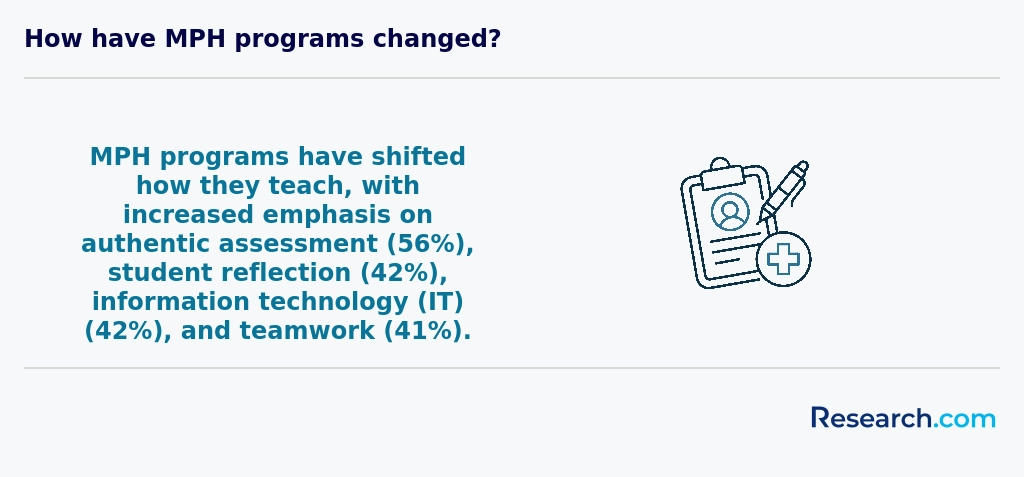
Students pursuing public health degrees in the South often find financial aid critical to managing costs, which typically range from $7,000 to $15,000 annually for in-state public university tuition. Many graduates recall relying on federal aid through FAFSA, unlocking Pell Grants that do not require repayment and subsidized loans with manageable interest. These options provide a tangible sense of relief for those balancing work and study.
State-specific scholarships also play a key role. For example, students attending universities in Florida often benefit from the Bright Futures Scholarship, which notably lightens tuition burdens. Similarly, in Georgia, the HOPE Scholarship acts as a financial bridge for many public health students. These supports foster positive motivation, encouraging persistence amid academic demands.
Institutional aid at renowned Southern schools like the University of North Carolina's Gillings School offers targeted scholarships and assistantships. Many graduates describe these opportunities as transformative, often involving tuition waivers and stipends that alleviate financial stress, enabling deeper focus on their studies.
Some students complement aid with employer tuition assistance or programs such as Public Service Loan Forgiveness, which resonates with those committed to long-term public health careers. These layered financial resources illustrate the diverse support environments available but also highlight the need for proactive exploration to maximize aid benefits.
Continuing education and professional certifications can boost your credibility, deepen your expertise and unlock advanced roles in public health.
- Certified Health Education Specialist (CHES): validates your ability to design, implement and evaluate health education programs.
- Certified in Public Health (CPH): demonstrates mastery of core public health sciences and practice.
- Public Health Informatics Professional (PHIP): equips you with skills in data management, digital health systems and analytics.
- Project Management Professional (PMP): strengthens your capacity to lead complex public health projects and multidisciplinary teams.
Many credentialing bodies offer prep courses, workshops and webinars through online medical programs and professional associations, helping you stay current on emerging trends and best practices.
To enroll in a public health degree program in the South, students typically face specific academic prerequisites designed to prepare them for the field's challenges. For undergraduates, a high school diploma with strong performance in biology, chemistry, and math is often expected, reflecting the foundational knowledge necessary at institutions like the University of North Carolina or Emory University. Graduates applying for a Master of Public Health (MPH) usually need a bachelor's degree, preferably in health sciences or related areas, although some programs are flexible with applicants from diverse academic backgrounds.
Graduates from Southern universities often recall how relevant volunteer or work experience in healthcare shaped their understanding and eased their transition into public health studies. While standardized tests such as the GRE have traditionally been required, many programs in the South have become test-optional, making education more accessible without compromising quality.
Financially, students appreciate the relatively affordable in-state tuition averaging around $9,500 at public universities, which helps reduce stress and focus on learning. Letters of recommendation and personal statements play a crucial role in admissions, offering candidates the chance to share their unique motivations and experiences more deeply.
Prospective students also value attending programs accredited by the Council on Education for Public Health (CEPH), ensuring consistent educational standards across respected Southern institutions. This combination of academic and experiential prerequisites fosters a supportive, engaging atmosphere for those passionate about public health careers.
As public health continues to evolve in 2024, professionals must adapt to new technologies and shifting community needs. Data-driven decision-making and digital solutions are no longer optional but central to effective population health management. Cultivating expertise in the following areas will position graduates for success:
- Health Informatics & Digital Epidemiology: Harnessing electronic health records and GIS mapping to track disease outbreaks in real time.
- Predictive Analytics & Population Health Management: Using machine learning to forecast trends and allocate resources efficiently.
- Telehealth & Remote Monitoring: Implementing virtual care platforms to reach rural or underserved communities.
- Climate Resilience & Environmental Health: Addressing the impact of extreme weather events on vulnerable populations.
- Health Policy Advocacy & Global Health Security: Crafting evidence-based policies that bolster pandemic preparedness and equity.
- Leadership, Strategic Planning & Cross-Sector Collaboration: Driving initiatives that unite healthcare, government, and community organizations. To stay competitive, consider certifications such as Certified in Public Health (CPH) or specialized trainings in GIS, health data visualization, and program evaluation. Engaging in interdisciplinary projects-combining biostatistics, sociology, and policy analysis-will deepen your skill set and broaden career pathways. If your long-term goal is to take on executive roles within healthcare organizations-such as hospital CEO-understanding how long does it take to become a hospital ceo can help you chart a clear path toward leadership. Continuous learning, mentorship, and active participation in professional associations like APHA will ensure you remain at the forefront of public health innovation.
Public health degree programs in the South typically include courses such as Introduction to Public Health, Epidemiology, Biostatistics, Environmental Health, Health Policy and Management, and Social and Behavioral Sciences. Graduates from institutions like the University of North Carolina or Emory University often recall how Epidemiology classes brought to life real data sets from local health departments, helping them understand disease patterns unique to Southern communities.
Courses addressing rural health and health disparities are particularly relevant in the South, where nearly 40% of residents live in rural areas with limited healthcare access. Many students feel motivated by learning about these challenges firsthand, often through fieldwork or internships in nearby rural clinics or public agencies, making abstract concepts tangible and emotionally resonant.
Students appreciate programs that blend theory with practical experience, reporting a sense of purpose when analyzing policy impacts on communities they personally identify with. This connection helps develop skills for careers in community health, where addressing issues like chronic disease prevalence and healthcare inequities remains a pressing concern.
Public health degree specializations in the South commonly include epidemiology, health policy and management, environmental health, biostatistics, and community health education. These concentrations reflect the unique health challenges faced across Southern states, such as managing infectious disease outbreaks, addressing environmental pollution from agricultural and industrial activity, and improving healthcare systems tailored to regional demographics.
Graduates from prominent Southern universities often share how their specialization helped them engage deeply with local health issues. For instance, those focusing on maternal and child health in Texas or Georgia appreciate how their studies prepare them for careers addressing higher birth rates and specific community needs. Such real-life applicability enhances motivation and satisfaction in their programs.
When evaluating South regional public health program concentrations, it is important to consider how programs balance theoretical knowledge with practical experience. Some students find environmental health appealing due to direct involvement with rural healthcare challenges. Others gravitate toward health policy, inspired by concerns over healthcare access disparities.
Choosing the right specialization also depends on career goals and financial factors; tuition in Southern public institutions ranges broadly, yet remains relatively affordable. Students can explore career spans and trajectories, such as how long does it take to become a hospital ceo, to align their academic focus with future ambitions.
Choosing the best public health degree programs in the South requires careful analysis beyond just rankings or tuition costs. Graduates from well-known Southern universities often emphasize the importance of accredited programs, especially those recognized by CEPH, as these provide confidence in educational quality and better professional opportunities. For instance, students at urban campuses near Atlanta or Dallas benefit from hands-on internships with local health departments and nonprofits, enhancing their real-world readiness and networking. However, some graduates also caution against assuming that high tuition always means better outcomes, reminding prospective students to consider affordable public health degrees Southern states offer without sacrificing quality. It's also wise to explore how a program's curriculum aligns with your interests-whether epidemiology or community health-as this greatly influences your engagement and career direction. Practical knowledge from alumni highlights the value of reviewing graduate success rates and employment statistics. For a comprehensive perspective on cost-effective options, you can refer to the Affordable Public Health Degree Programs Ranking in Idaho.

Graduates with a public health degree in the South find diverse career paths that reflect the region's unique health challenges. Many choose health education and promotion, designing community programs to tackle issues like chronic diseases prevalent in Southern states. For instance, graduates from universities such as the University of North Carolina often highlight the fulfillment of working directly with local populations to improve health awareness, showcasing a positive impact on communities.
Another prominent path is epidemiology, where graduates contribute to investigating disease patterns, especially in states like Florida and Texas. Those from schools like Emory appreciate the analytical depth and real-world relevance, though they recognize that funding limitations can sometimes restrict research scope.
Policy and management roles in health administration offer graduates opportunities to influence healthcare quality in underserved Southern areas. Some alumni from popular Southern colleges report satisfaction in navigating governmental agencies but caution about the bureaucratic complexities involved.
Environmental health careers are growing, responding to industrial and natural disaster concerns, a field where students at Louisiana State University have found practical internships. Similarly, biostatistics and data analysis are rewarding, data-driven paths reflecting the evolving landscape of public health. Interested students should also explore certification programs that pay well to enhance their expertise and job prospects.
Overall, the public health degree job outlook Southern states is promising but requires consideration of local dynamics and resource availability.
The public health job outlook in the South reveals a promising yet nuanced landscape for graduates. States like Texas, Florida, and North Carolina show steady demand for public health professionals, driven by rising chronic health conditions and growing communities needing support. Graduates from well-regarded programs at Southern universities often share stories of securing roles in state and local government health departments, where they are involved in disease prevention and health promotion initiatives that directly impact their communities.
Career opportunities for public health graduates Southern states include positions with hospitals and nonprofits focusing on education and policy advocacy. Those working in major metropolitan areas such as Houston or Charlotte often find the combination of competitive salaries and lower living costs encouraging for long-term career growth. Some graduates also note the affordability of regional programs, saying that choosing an easiest bachelors degree path with a public health focus helped them enter the workforce without excessive debt.
2027 Best Public Health Degree Programs Ranking in the South
Investing in your education is a significant decision that can shape your future, and the Research.com team understands the importance of making informed choices. To assist prospective students, we have meticulously developed the "2027 Best Public Health Degree Programs Ranking in the South." Our commitment to quality, credibility, and accuracy is demonstrated through extensive research and analysis conducted to ensure the trustworthiness of this ranking.
We utilized the following reputable data sources to create a comprehensive evaluation of public health degree programs:
By exploring this ranking, readers will gain valuable insights into the top public health programs in the South, enabling them to make well-informed decisions about their academic and professional futures. For more details on how this ranking was created, please visit our Research.com methodology page.


Frequently Asked Questions About public health
Public health degree students in the South can maximize their learning by engaging with localized health data and community challenges unique to the region. The Southern U.S. faces higher rates of chronic diseases like diabetes and heart disease, making practical experience in local health departments highly valuable. Many Southern universities partner with state health agencies, offering internships that provide real-world exposure. Additionally, students should consider joining professional organizations such as the Southern Public Health Association to network and access regional research. Staying informed with resources from the CDC and state health departments ensures a strong understanding of public health priorities in the South.
The public health field in the South is evolving, with several emerging niches gaining prominence. One key area is health equity, focusing on reducing disparities in healthcare access among diverse populations. This is critical in Southern states, where rural communities often face limited resources. Another growing niche is environmental health, addressing challenges like pollution and climate change impacts, especially in coastal areas vulnerable to hurricanes.
Additionally, data science and epidemiology are expanding rapidly, driven by the demand for professionals who can analyze health trends using advanced technology. Mental health programs are also increasingly integrated, reflecting broader awareness of behavioral health's importance. According to the Association of Schools and Programs of Public Health, these trends reflect regional needs and job market shifts.
To prepare for the job market after earning a public health degree in the South, students should prioritize gaining practical experience through internships or practicum placements. Southern universities often partner with local health departments and community organizations, providing valuable networking opportunities.
Professional certification, such as Certified Health Education Specialist (CHES), can enhance employability. According to the Bureau of Labor Statistics, public health employment in Southern states is projected to grow by 11% from 2022 to 2032, higher than the national average.
Students should also develop strong data analysis and communication skills, which are highly valued by employers in this region.
Employers in the Southern United States prioritize several key skills when hiring public health graduates. Analytical skills are essential, as professionals must interpret health data to address regional challenges such as higher rates of chronic diseases. Communication skills are also critical for educating diverse populations and collaborating with community organizations.
Knowledge of epidemiology and biostatistics is highly valued to support disease prevention and health promotion efforts. Additionally, leadership and project management abilities enable graduates to effectively coordinate public health initiatives.
According to the Association of Schools and Programs of Public Health (ASPPH), practical experience through internships in the South boosts employability. Familiarity with local health policies and cultural competence further distinguishes candidates.
Finding internships in the South relevant to a public health degree involves tapping into local health departments, nonprofits, and academic institutions. The Southern Public Health Leadership Network reports many states in the region have active internship programs connected to state and local health agencies. These offer hands-on experience in areas like epidemiology, health education, and policy development.
Students should also explore partnerships between universities and regional hospitals or community health centers. Many Southern schools facilitate internship placements as part of their curriculum, providing access to diverse public health challenges unique to the region.
Online platforms like Handshake or USAJOBS often list public health internships, including federal summer programs in Southern states. Networking with faculty and attending local public health events can further increase internship opportunities.
A public health degree substantially enhances career mobility and advancement opportunities in the Southern United States. The region faces unique public health challenges, such as higher rates of chronic diseases and health disparities, driving demand for trained professionals. According to the Bureau of Labor Statistics (BLS, 2023), employment of health educators and community health workers in Southern states is projected to grow faster than the national average, by approximately 12% through 2031.
Graduates with public health degrees benefit from diverse roles in government agencies, healthcare systems, and nonprofit organizations across the South. Advanced degrees often lead to leadership positions, offering competitive salaries and job security. Institutions like the Association of Schools and Programs of Public Health report increased hiring trends, underlying the degree's value in the region's workforce.
Studying for a public health degree in the South provides strong preparation for interdisciplinary roles by integrating diverse fields such as medicine, sociology, policy, and environmental science. Southern public health programs emphasize collaboration between disciplines to address regional challenges like chronic diseases and health disparities.
Universities in the South often include practical training with local health departments or community organizations, improving real-world skills. According to the Association of Schools and Programs of Public Health (ASPPH), southern institutions focus on social determinants of health, a critical factor in interdisciplinary work.
This approach equips graduates to work effectively in teams across various sectors, meeting the unique health needs of Southern populations.
Choosing between a thesis and a non-thesis public health degree program in the South depends on your career goals and learning preferences. Thesis programs typically require original research and are suited for students aiming for doctoral studies or research roles. Non-thesis options focus more on coursework and practical skills, ideal for professionals seeking immediate entry into public health practice.
Southern public health schools often highlight regional health issues, such as chronic disease and health disparities, which may influence your decision. The Association of Schools and Programs of Public Health notes that nearly 60% of Southern public health graduates enter the workforce directly, favoring non-thesis paths. Understanding these trends can help align your education with career outcomes.
Students based in the Southern United States have increasing opportunities to study public health abroad through university partnerships and exchange programs. Many Southern public health schools, such as those at the University of North Carolina and Emory University, offer study abroad options in countries like Ghana, Brazil, and India. These programs allow students to gain global health experience while earning credits toward their degrees.
According to the Council on Education for Public Health, around 30% of accredited Southern schools incorporate international fieldwork in their curricula. This practical exposure is crucial given the South's unique public health challenges, such as a higher prevalence of chronic diseases.
Financial aid and scholarships are often available to support these study abroad endeavors, making them more accessible for Southern students.
Students pursuing public health degrees in the South can find valuable part-time job opportunities that enhance their education and practical skills. Common roles include community health workers, who assist local populations by promoting wellness programs and educating on disease prevention. According to the U.S. Bureau of Labor Statistics, the South accounts for nearly 30% of community health worker employment nationwide. Additionally, internships or positions with state health departments offer exposure to epidemiology and public policy implementation. Nonprofits focused on health disparities also frequently employ part-time assistants, offering hands-on experience with vulnerable communities. These roles strengthen resumes and build networks in Southern public health sectors.
Public health students in the South benefit from robust networking opportunities through regional organizations and events. The Southern Public Health Association (SPHA) is a key platform, connecting over 2,500 professionals across 15 states, offering students access to conferences and workshops. Many universities in the region, such as the University of North Carolina and Emory University, host career fairs specifically tailored to public health fields, attracting local and national employers.
Internships with state and local health departments offer practical experience and professional connections. Additionally, partnerships between southern institutions and agencies like the CDC provide networking pathways for graduates.
Alumni networks play a significant role for public health degree students in the South by providing valuable professional connections. These networks offer mentorship opportunities, internships, and job leads essential in a competitive job market. For example, graduates from Southern public health programs often access exclusive events and workshops aimed at career development.
According to the Association of Schools and Programs of Public Health, Southern states show growth in public health employment by 16% through 2028, stressing the importance of networking in this expanding field. Alumni networks help bridge the gap between education and employment in regional healthcare systems.
Such connections can also foster collaborations on research and community health projects within the Southern context, enhancing practical learning.
Customizing a public health degree program in the South involves selecting concentrations and electives that align with your career goals. Many Southern universities offer specializations such as epidemiology, health policy, environmental health, and community health. According to the Association of Schools and Programs of Public Health (ASPPH), nearly 70% of public health graduates in the US choose a focus that matches local workforce needs, which in the South include rural health and health disparities.
Internships and practicum placements are also key. Southern schools often partner with local health departments and NGOs, giving students hands-on experience tailored to regional challenges.
Additionally, flexible formats like part-time or online courses allow working professionals to adapt study schedules while balancing other commitments, which is critical given the South's large rural population.
Public health students in the South often face unique challenges compared to other regions. One major issue is limited funding for public health programs, which can affect research opportunities and access to advanced facilities. According to the Association of Schools and Programs of Public Health (ASPPH), Southern states receive less per capita public health funding than the national average.
Access to diverse clinical practicum sites is another hurdle, as rural areas dominate the region. This can limit hands-on experience with varied populations. Furthermore, students may confront higher rates of chronic diseases locally, such as diabetes and heart disease, increasing pressure to address complex community health issues effectively.
With a public health degree, you can pursue various professional certifications that enhance your expertise and career prospects. Common certifications include the Certified Health Education Specialist (CHES), offered by the National Commission for Health Education Credentialing, and the Certified Public Health (CPH) credential from the National Board of Public Health Examiners. Both are valued nationwide, including in Southern states.
Additionally, some regional opportunities arise from local health departments in the South, which prioritize certifications like the Registered Environmental Health Specialist (REHS). These certifications improve job eligibility in agencies tackling challenges such as higher chronic disease rates in Southern populations.
Obtaining such credentials can significantly improve your chances of employment and advancement in public health roles.
Writing a winning application for a public health program in the South requires clear focus and preparation. Start by highlighting relevant experience, such as volunteer work or internships in Southern communities. Admissions value applicants who understand regional health challenges like higher rates of diabetes and obesity noted by the CDC.
Strong personal statements should connect your goals with public health issues prevalent in the South, such as rural healthcare access. Demonstrate knowledge of local demographics and health disparities, showing your commitment to making an impact.
Academic records must reflect proficiency in science and statistics. Standardized test scores like the GRE may still be required by some programs; check specific school policies.
Lastly, secure letters of recommendation from professionals familiar with your public health interests and experiences, ideally from Southern institutions or organizations.
The global perspective on a public health career increasingly emphasizes the importance of addressing health disparities and pandemics with a worldwide mindset. For students in the South, public health roles often involve working with diverse populations affected by both regional and international health challenges. According to the Association of Schools and Programs of Public Health (ASPPH), Southern states report higher rates of chronic diseases, making local public health expertise critical for global health efforts.
Graduates who understand global health trends-such as infectious disease control and health equity-are in demand both in the U.S. and abroad. The U.S. Bureau of Labor Statistics projects a 17% growth in health specialties positions by 2031, reflecting this global need.
Gaining practical experience is vital when pursuing a public health degree in the South. Many Southern universities offer internships and fieldwork opportunities through partnerships with local health departments and community organizations. For example, students in states like North Carolina and Georgia can engage with programs supported by the Southern Regional Health Alliance.
Additionally, students may participate in service-learning projects that address regional health disparities, such as those documented by the CDC, which reports higher rates of chronic diseases in Southern states. Volunteering in clinics or public health campaigns provides hands-on experience.
Research assistant positions in faculty-led projects are also common, allowing students to apply classroom knowledge.
Choosing the right concentration within a public health degree program in the South involves aligning your interests with regional health priorities. For example, the South faces unique challenges such as higher rates of chronic diseases, including diabetes and heart conditions, as reported by the CDC. Specializations like epidemiology or community health can be especially relevant.
Consider workforce demand: the Bureau of Labor Statistics notes growth in health education and policy roles in Southern states. Look for programs offering strong practicum opportunities with local health departments or agencies.
Research faculty expertise and community partnerships to find programs that support your career goals effectively.
- Public Health: A Global Perspective https://www.routledge.com/Public-Health-A-Global-Perspective/Singh/p/book/9781032644226
- Areas in Public Health https://www.publichealthcareers.org/areas-in-public-health.html
- Why Study Public Health https://www.southuniversity.edu/news-and-blogs/2026/05/why-study-public-health
- Finding Fulfillment in Your Public Health Career Journey | PH SPOT https://phspot.org/finding-fulfillment-in-your-public-health-career-journey/
- Financing Your Degree https://aspph.org/student-journey/financing-your-degree/
- Online Degrees https://www.publichealthdegrees.org/online/
- Engaging students through service-learning opportunities in public health https://sneb.org/engaging-students-through-service-learning-opportunities-in-public-health/
- For Academic Public Health https://globalnetworkpublichealth.org/
- 2025 Most Affordable Online MPH Programs https://www.onlineu.com/most-affordable-colleges/public-health-masters-degrees
- Letter of Intent for Admissions to Masters of Public Health - how this program fits to my goals? https://essayforum.com/graduate/intent-admissions-masters-public-health-64817/











