2027 Public Administration Degree Time-to-Completion Report: How Long Students Actually Take to Finish

Co-Founder and Chief Data Scientist
Choosing a public administration degree is partly a time decision: can you finish fast enough to justify the cost, workload, and career payoff? NCES completion data published in 2024 shows that only about 64% of first-time, full-time bachelor's students at four-year institutions finish within six years, which means the "standard" timeline is not the whole story. This guide is for prospective public service, nonprofit, and government students who want realistic completion expectations, cost trade-offs, and practical ways to choose a program that fits their schedule and career goals.
Key Things You Should Know
- A public administration bachelor's degree is usually designed around 120 credits, but actual completion commonly depends on transfer credits, course sequencing, work hours, and whether the student can maintain a full-time load.
- An MPA is often built around 36 to 45 graduate credits; full-time students may finish in about two years, while working professionals often need closer to three or four years if they take one or two courses per term.
- Finishing faster can reduce fees, living costs, and delayed earnings, but acceleration only pays off when the course load is sustainable and does not increase the risk of withdrawal, repeated courses, or burnout.
- What Is the Actual Time to Complete a Public Administration Degree?
- Which Factors Have the Greatest Impact on Public Administration Degree Completion Time?
What Is the Actual Time to Complete a Public Administration Degree?
The actual time to complete a public administration degree depends on degree level, credit load, transfer status, and whether the program requires an internship, capstone, practicum, thesis, or comprehensive exam. Public administration programs prepare students for government, nonprofit, policy, budgeting, emergency management, urban planning support, public affairs, and administrative leadership roles, so many students are working adults who study part time.
The table below summarizes realistic planning ranges rather than guaranteed completion times. Use it to compare the "catalog timeline" with the timeline you are more likely to experience based on enrollment intensity.
| Degree pathway | Common credit structure | Typical full-time planning range | Typical part-time planning range | Timing risks to check |
| Associate degree with public administration or public service focus | About 60 credits | About 2 years | About 3 to 4 years | General education sequencing and transfer alignment |
| Bachelor's in public administration or public policy | About 120 credits | About 4 years | About 5 to 7 years | Upper-division course rotation, internships, and excess electives |
| Bachelor's completion program | Remaining credits after transfer evaluation | About 1 to 3 years | About 2 to 4 years | Rejected credits, residency rules, and missing prerequisites |
| Master of Public Administration | Often about 36 to 45 graduate credits | About 2 years | About 2.5 to 4 years | Capstone timing, cohort lockstep schedules, and work conflicts |
| Doctorate in public administration or public policy | Varies widely by institution | About 3 to 5 years after a master's | Often 5 years or more | Dissertation pace, research approvals, and professional workload |
A key mistake is assuming the advertised length is the average student experience. Published program length usually assumes continuous enrollment, successful completion of every course, no stop-outs, and access to required courses exactly when needed. Before enrolling, ask the school for actual median time-to-degree by format, not just the fastest possible path.
Which Factors Have the Greatest Impact on Public Administration Degree Completion Time?
The biggest timeline drivers are not always academic difficulty. For public administration students, delays often come from schedule fit, transfer evaluation, advising quality, required field experiences, and how often specialized courses are offered.
These are the factors most likely to change your graduation date, and each one should be part of your program comparison:
- Enrollment intensity: Full-time students finish faster on paper, but part-time enrollment may be more realistic for students with full-time jobs, caregiving duties, or military obligations.
- Transfer credit acceptance: A bachelor's completion student with 60 accepted credits may cut the remaining timeline roughly in half, while a student whose credits do not apply to the major may see little benefit.
- Course sequencing: If budgeting, research methods, or administrative law is offered only once per year, missing one course can delay multiple later courses.
- Capstone, internship, or practicum requirements: These requirements can add time if they require daytime availability, agency placement approval, background checks, or a specific final-term sequence.
- Academic advising: Students who take electives that do not satisfy degree requirements can accumulate credits without moving closer to graduation.
- Stop-outs and re-entry rules: Taking a break can be necessary, but program changes, financial aid resets, and expired course catalogs can complicate the return.
One useful way to evaluate a program is to ask whether it is built for your actual life, not an ideal schedule. For example, a student comparing public-sector degrees with other professional programs, such as online SLP masters programs, should pay close attention to fieldwork and placement requirements because practical components can shape the real completion timeline as much as credit count.
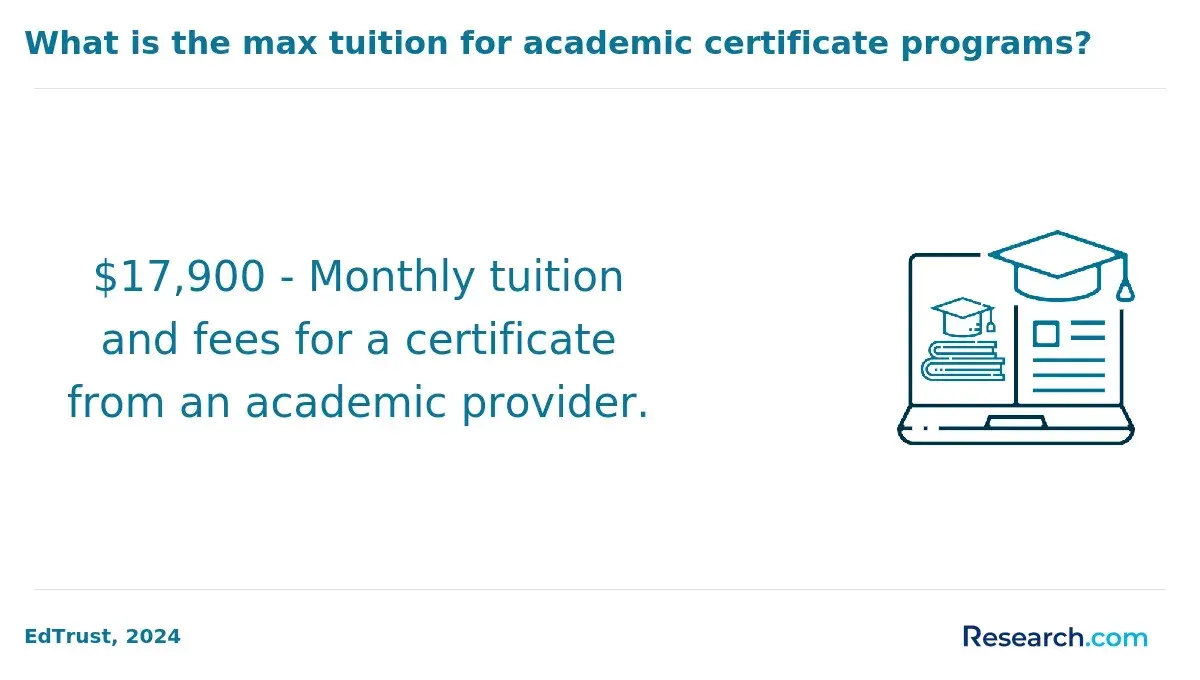
Enrollment status affects completion time more directly than online versus campus format. Online public administration programs can help students avoid commuting and access asynchronous coursework, but they are not automatically faster unless the course calendar, advising model, and term structure support steady progress.
The comparison below shows how format and enrollment status usually affect timeline planning. It is most useful if you already know how many courses you can handle in a typical term.
| Pathway | Best fit | Likely completion effect | Main caution |
| Full-time campus | Students who can attend daytime classes and prioritize school | Often closest to the published timeline | Less flexibility for work schedule changes |
| Part-time campus | Local students with work or family responsibilities | Usually extends the timeline by one or more years | Evening course availability may be limited |
| Full-time online | Self-directed students who can manage intensive weekly work | Can match or shorten the traditional timeline when courses run year-round | Requires strong time management and reliable technology |
| Part-time online | Working adults, parents, military students, and career changers | Often more sustainable but slower | Students may lose momentum without proactive advising |
| Cohort-based online or hybrid | Students who want structure and peer support | Predictable if the cohort pace fits your schedule | Harder to speed up or slow down without leaving the cohort |
The right format is the one you can complete consistently. A common mistake is choosing an online program only because it sounds faster; a better test is whether the program offers enough required courses in every term, including summer or shorter sessions, to support your target graduation date.
Accelerated public administration programs can shorten timelines, but they do so by increasing pace, compressing terms, allowing year-round enrollment, or combining undergraduate and graduate credits. They are most effective for students who have stable schedules, strong writing skills, and the ability to complete reading-heavy coursework quickly.
Before choosing an accelerated path, compare the speed benefit with the workload and financial risk. The table below outlines common accelerated models and when they tend to work best.
| Accelerated model | How it shortens time | Best fit | Potential downside |
| Eight-week or shorter terms | Allows more course starts per year | Students who can focus on fewer courses at a faster pace | Falling behind can happen quickly |
| Year-round enrollment | Uses summer or winter sessions to accumulate credits | Students who do not need long academic breaks | Less recovery time between terms |
| Combined bachelor's-to-MPA pathway | Lets some graduate credits count toward both credentials | High-performing undergraduates committed to graduate study | Less flexibility if career plans change |
| Competency-based or self-paced format | Lets prepared students move quickly through mastered material | Experienced professionals with strong independent study habits | Not ideal for students who need frequent live instruction |
Accelerated study is not automatically the best value. If a heavier load causes a failed course, withdrawal, or reduced work income, the planned time savings can disappear. A safer approach is to test one accelerated term before building an entire degree plan around that pace.
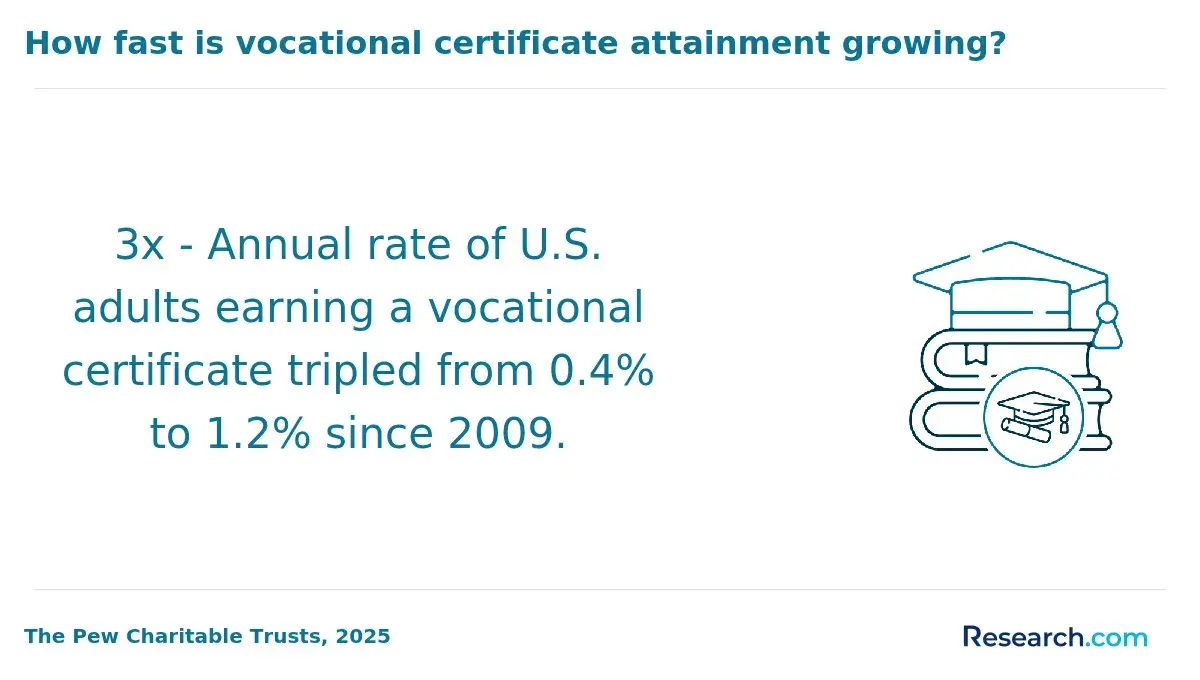
Many public administration students are adults preparing for advancement in government agencies, nonprofit organizations, public safety, healthcare administration, or community programs. That makes life fit a central completion issue, not a side concern.
Students with major outside responsibilities should build a timeline from available weekly study hours rather than from the school's fastest advertised option. These steps can help create a realistic plan:
- Estimate your weekly study capacity during your busiest season, not your easiest month.
- Ask the program how many hours students typically spend per course each week, especially in writing-heavy policy, budgeting, and research classes.
- Map required courses by term before enrolling so you know whether a reduced course load creates sequencing delays.
- Identify one backup term each year, such as summer, for making up a missed or dropped course.
- Schedule advising check-ins before registration opens, not after preferred courses fill.
A common red flag is a program that offers flexibility in marketing but only limited required-course sections in practice. Students comparing public administration with counseling, education, or human services pathways, such as affordable online MFT programs California, should look closely at practicum, supervision, and scheduling requirements because field-based programs can be especially sensitive to work and family constraints.
Completion time affects return on investment through tuition, fees, books, commuting, technology costs, loan interest, and delayed access to higher-level roles. It also affects opportunity cost: a student who graduates later may postpone eligibility for promotion, graduate school, or specialized public-sector positions.
College Board's 2024 pricing data reported average published tuition and fees of about $11,610 for in-state students at public four-year colleges and about $43,350 at private nonprofit four-year colleges for one academic year. For readers, the takeaway is not that one sector is always better; it is that each extra year can be financially meaningful, especially when fees, living expenses, and reduced work capacity are included.
The table below shows how timeline choices can affect cost exposure. The amounts are not a tuition estimate for a specific public administration program; they show the cost categories that change as time-to-degree changes.
| Timeline scenario | Cost effect | ROI effect | When it may make sense |
| Faster full-time completion | May reduce total years of fees and indirect costs | Can move career benefits earlier | When the student can handle the load without stopping out |
| Sustainable part-time completion | May extend fees over more terms | Can preserve income and reduce borrowing | When keeping a job is essential to affordability |
| Accelerated completion | May compress tuition into fewer terms | Can improve ROI if course success remains high | When the student has strong academic preparation and schedule stability |
| Interrupted completion | Can add re-enrollment costs and delay benefits | Often weakens ROI if credits expire or requirements change | Sometimes unavoidable, but best managed with a formal leave plan |
The best financial decision is not always the shortest path. If part-time study lets you avoid heavy borrowing and stay employed in a public agency that offers tuition assistance, a longer timeline may produce a stronger personal ROI than a fast but financially stressful plan.
Graduation timing matters because many public administration career moves depend on credential checkpoints. A bachelor's degree may help qualify students for analyst, program coordinator, administrative specialist, or nonprofit operations roles, while an MPA may support advancement into management, budgeting, policy analysis, city administration, public affairs, or executive nonprofit leadership.
BLS wage data released for May 2024 reported a median annual wage of $78,240 for social and community service managers, a role often connected to nonprofit and public program leadership. This figure should not be read as a guaranteed outcome for public administration graduates; it simply shows that management-oriented public service roles can have meaningful earnings potential when education, experience, location, and employer needs align.
Graduating sooner can help if a job posting requires the credential by a specific date, if your employer links pay grades to degree completion, or if you need the degree for admission to a graduate or fellowship program. Taking longer can still be wise if the extra time lets you complete a relevant internship, build grant-writing experience, strengthen data analysis skills, or stay employed in a role that gives you public-sector experience.
Public administration timelines are changing because students increasingly expect flexible schedules, online access, and career-aligned credentials. Schools are responding with shorter terms, online and hybrid MPAs, stackable certificates, prior learning assessment, and bachelor's completion pathways designed for adults with previous credits.
Technology is also changing what students need to learn before they graduate. Public agencies and nonprofits now rely more heavily on data dashboards, digital service delivery, geographic information systems, public records tools, and AI-supported administrative workflows. These changes may not lengthen the degree by themselves, but they can affect course selection: students who add analytics, budgeting software, emergency management technology, or public communication electives may improve career fit even if the timeline becomes slightly longer.
Online learning can expand access, but it should be evaluated carefully. Students comparing public administration with creative online pathways, such as online photography degrees, should remember that format alone does not determine completion speed; course availability, feedback quality, project deadlines, and advising structure are what keep students moving.
To choose the right public administration program, start with the shortest realistic timeline you can sustain, then test whether the program's structure supports it. The goal is not simply to graduate fast; it is to finish with the credential, skills, network, and financial position that support your next career move.
Use the following questions when speaking with admissions counselors, academic advisors, or program directors. The answers will reveal whether the published timeline is realistic for your situation:
- What is the median time-to-degree for students in my format: full-time, part-time, online, campus, or hybrid?
- How often are required public administration courses offered, and are any offered only once per year?
- Can I see a term-by-term degree map for my expected course load?
- How soon will I receive a written transfer credit evaluation?
- Do internships, capstones, practicums, theses, or comprehensive exams require specific terms or approvals?
- Are summer, winter, or accelerated terms available for required courses, or only electives?
- What happens if I need to pause for one term, and will my degree requirements change?
- Does the program offer proactive advising, degree audits, tutoring, writing support, and career services for working adults?
Watch for red flags such as vague answers about actual completion data, delayed transfer evaluations, limited evening course availability, unclear capstone rules, or pressure to enroll before receiving a degree plan. When evaluating online colleges starting soon, a strong program should be able to show how students like you move from admission to graduation without relying on best-case assumptions.
Transfer credits can be the fastest legitimate way to shorten a public administration degree, especially at the bachelor's level. The time saved depends on whether credits count as general education, electives, prerequisites, or major requirements, and whether the school has a residency rule requiring a minimum number of credits completed at that institution.
The table below shows how accepted transfer credits can change planning assumptions for a 120-credit bachelor's degree. It does not replace an official evaluation, but it helps you estimate the scale of possible time savings.
| Accepted transfer credits | Credits remaining in a 120-credit degree | Possible full-time remaining timeline | Possible part-time remaining timeline | What to verify |
| 0 credits | 120 credits | About 4 years | About 5 to 7 years | First-year advising and general education map |
| 30 credits | 90 credits | About 3 years | About 4 to 5 years | Whether credits apply beyond electives |
| 60 credits | 60 credits | About 2 years | About 3 to 4 years | Junior-level prerequisites and major course rotation |
| 75 to 90 credits | 30 to 45 credits | About 1 to 1.5 years | About 1.5 to 3 years | Residency minimums and capstone eligibility |
To avoid losing time, request a written transfer audit before committing. Students who have prior college credits, professional training, military credits, or certificates should ask whether the school accepts ACE-recommended credit, prior learning assessment, or articulated community college pathways.
The same principle applies across career-focused education options, including online paralegal certificate programs, where the value of a credential often depends on whether previous coursework applies cleanly to the new goal.
Other Things You Should Know About Public Administration
Many working students complete an MPA in about two and a half to four years, depending on whether they take one or two courses per term and whether the program offers year-round scheduling. A two-year timeline is more realistic for students who can study close to full time.
Not always. Online programs can be faster when they offer frequent start dates, accelerated terms, and year-round required courses, but they can be slower if students reduce their course load or if advising is weak.
Yes, but only accepted credits that apply to degree requirements shorten the timeline. Ask for a written transfer evaluation before enrolling so you know whether your credits satisfy general education, electives, prerequisites, or major courses.
It depends on your finances, work schedule, and risk of overload. Faster completion may reduce total time and move career benefits earlier, while part-time study may be better if it helps you keep income, avoid excessive borrowing, and finish consistently.
- Does Time-to-Completion Matter? | HESA https://higheredstrategy.com/does-time-to-completion-matter/
- Completing or graduating? What is the question? https://www.universitiesnz.ac.nz/latest-news-and-publications/completing-or-graduating-what-question
- Factors Influencing the Graduation Time Among Undergraduates at University of Khartoum http://article.sapub.org/10.5923.j.edu.20251501.02.html
- Making the Most of Limited Time: How to Improve Persistence Rates of Part-Time Students https://evolllution.com/attracting-students/customer_service/making-the-most-of-limited-time-how-to-improve-persistence-rates-of-part-time-students
- Full-time vs Part-time students: A Comparison - TutorChase https://www.tutorchase.com/blog/full-time-vs-part-time-students-a-comparison